What are Dining Table Covers & Mats?
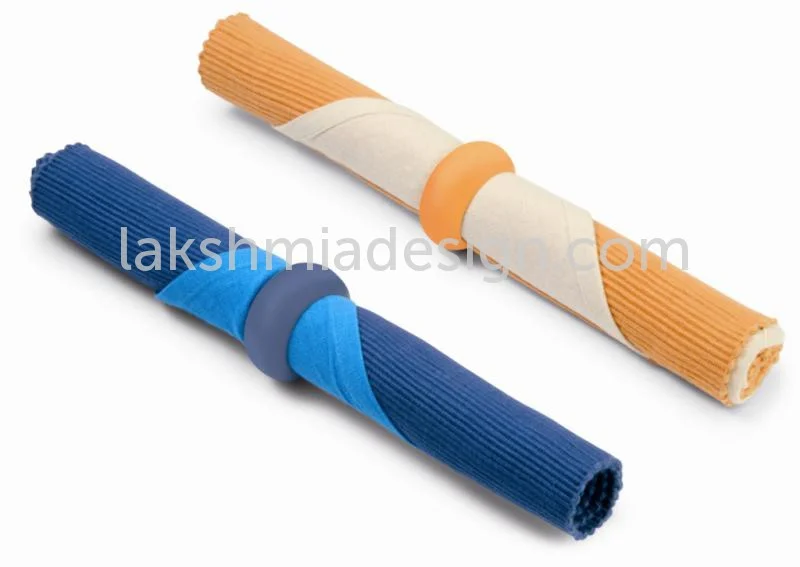
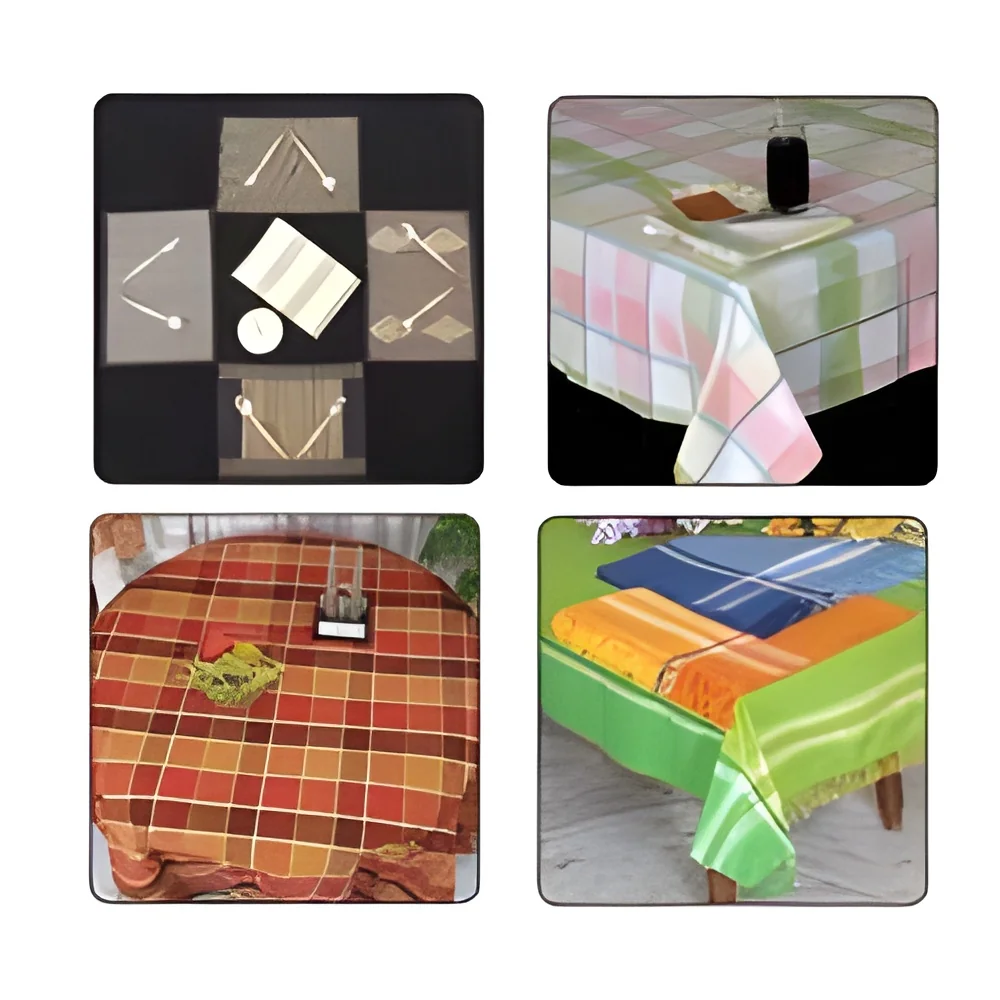
Dining table covers and mats are protective and decorative items designed to enhance the functionality and aesthetic appeal of dining surfaces. Typically made from a variety of materials, these products serve as a barrier against spills, stains, and scratches, ensuring that the dining table remains in pristine condition. They come in different sizes, shapes, and designs to match various table styles, catering to both residential and commercial environments.
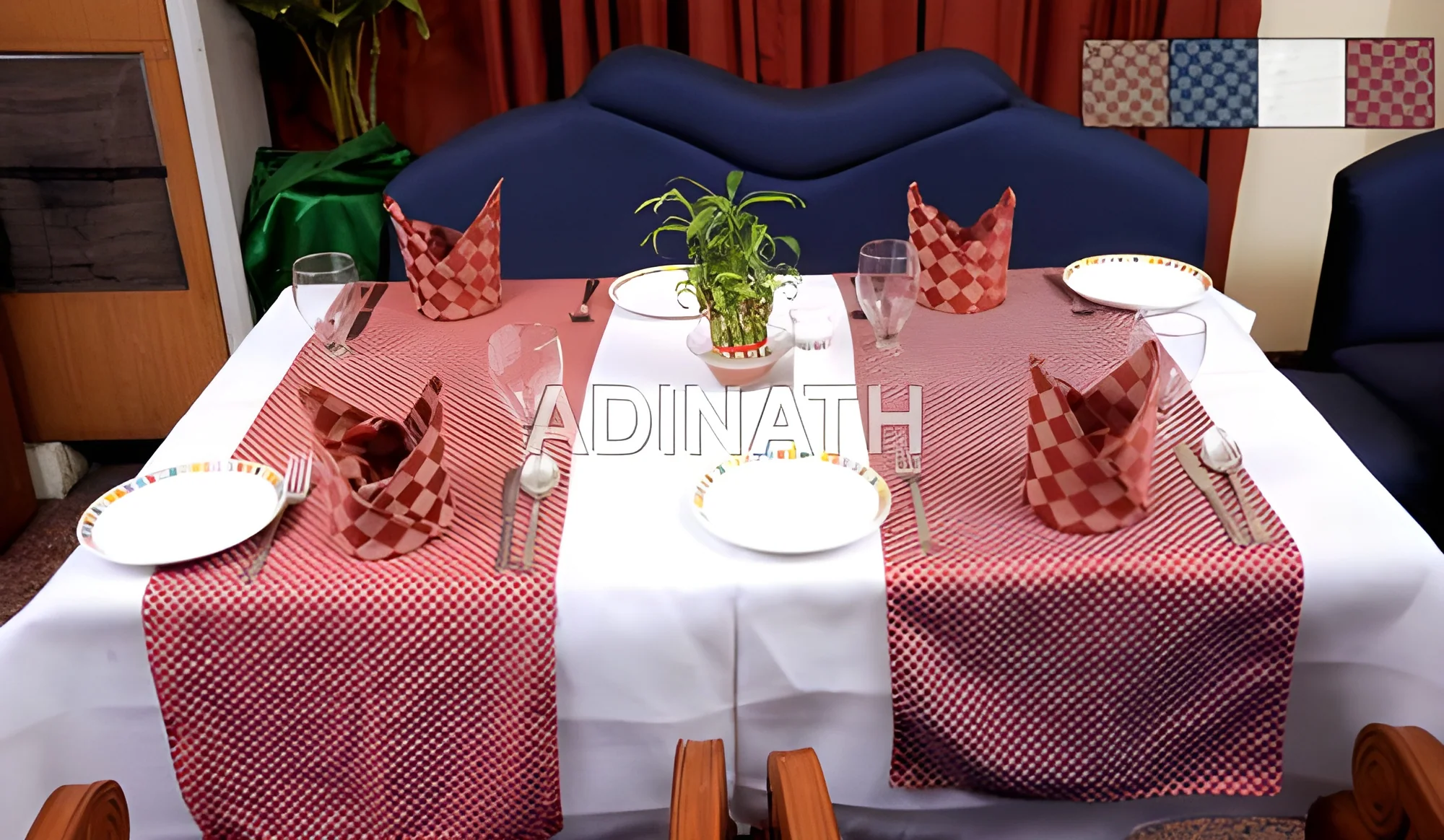
The primary uses of dining table covers and mats extend beyond mere protection; they also play a significant role in the overall dining experience. In commercial settings such as restaurants and hotels, these products help create an inviting atmosphere while facilitating easy cleaning and maintenance. Businesses in the food service industry often rely on high-quality covers and mats to enhance their brand image and customer satisfaction. The relevance of these products in the market is growing as consumers increasingly prioritize both functionality and design in their dining spaces.
Key Features and Specifications
Dining table covers and mats are characterized by several key features that enhance their usability and appeal. When selecting these products, it is important to consider various specifications that align with your business needs.
Key specifications include:
1. Material Composition
- Common materials include polyester, vinyl, cotton, and plastic.
- Each material offers different levels of durability, ease of cleaning, and aesthetic appeal.
2. Size and Shape Options
- Available in various sizes and shapes to fit round, square, and rectangular tables.
- Customizable sizes may be available for specific requirements.
3. Thickness
- Thickness can vary, influencing the level of protection and comfort.
- Typical ranges are between 0.5 mm to 5 mm, depending on the material.
4. Design Variations
- Options include solid colors, patterns, and textures to suit different decor styles.
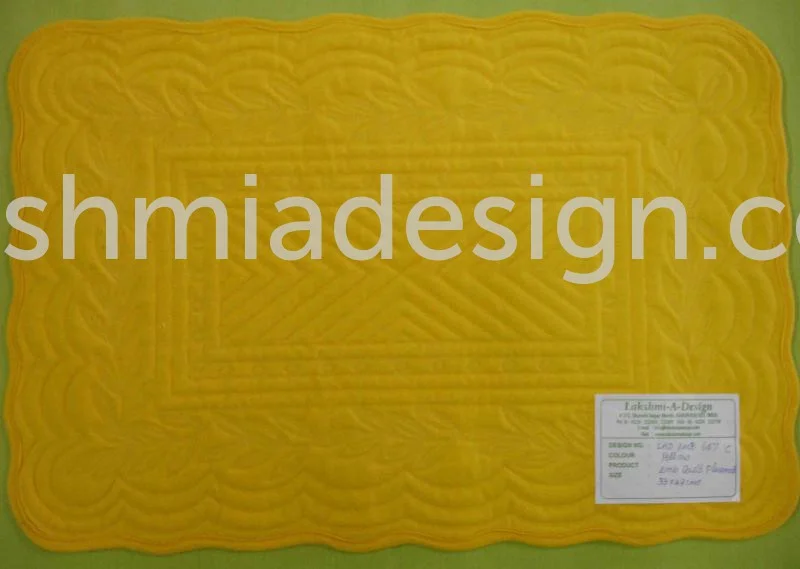
- Some covers may feature printed designs or embroidery for added elegance.
5. Water and Stain Resistance
- Many covers are treated to resist water and stains, making them easier to clean.
- This feature is particularly beneficial in high-traffic dining environments.
6. Heat Resistance
- Certain materials can withstand high temperatures, protecting the table from hot dishes.
- Heat resistance is crucial in commercial kitchens and dining areas.
7. Environmental Considerations
- Some covers are made from eco-friendly materials, appealing to sustainability-focused businesses.
- Look for certifications that indicate environmentally responsible sourcing.
8. Maintenance Requirements
- Easy-to-clean options are preferred in commercial settings for quick turnover.
- Some products are machine washable, while others may require spot cleaning.
In summary, understanding these key features and specifications can help businesses select the most suitable dining table covers and mats for their needs.
Common Applications and Use Cases
Dining table covers and mats find applications across various industries, enhancing both functionality and aesthetic appeal in different environments.
1. Restaurants: Dining table covers are essential in restaurants to protect tables from spills and stains while contributing to the overall decor. They help maintain a clean and inviting atmosphere for customers.
2. Hotels: In hotels, these products are used in dining areas and banquet halls to create an elegant dining experience. They protect tables during events and enhance the visual appeal of the setting.
3. Catering Services: Catering companies use table covers and mats to ensure that their setups are both functional and visually appealing. They can easily transport these items to different venues, providing consistent quality.
4. Home Use: Many households invest in dining table covers to protect their furniture from everyday wear and tear. They provide an easy way to refresh the dining area with different styles and designs.
5. Educational Institutions: Schools and universities utilize dining table covers in cafeterias and dining halls to protect tables and facilitate easy cleaning. They help maintain hygiene standards in high-traffic areas.
6. Corporate Offices: In corporate settings, dining table mats are used in break rooms and cafeterias to create a pleasant dining environment for employees. They can also be branded with corporate logos for promotional purposes.
7. Event Planning: Event planners often use table covers for special occasions like weddings and parties to create themed decor. Customizable options allow for a personalized touch to any event.
Product Variants and Subcategories
Dining table covers and mats come in a variety of styles and options to cater to different preferences and needs. The diversity of these products allows businesses to choose the best fit for their specific applications.
Classic Table Covers: These are traditional covers that provide basic protection and come in a variety of materials and colors. They are suitable for everyday dining use in both homes and commercial settings.
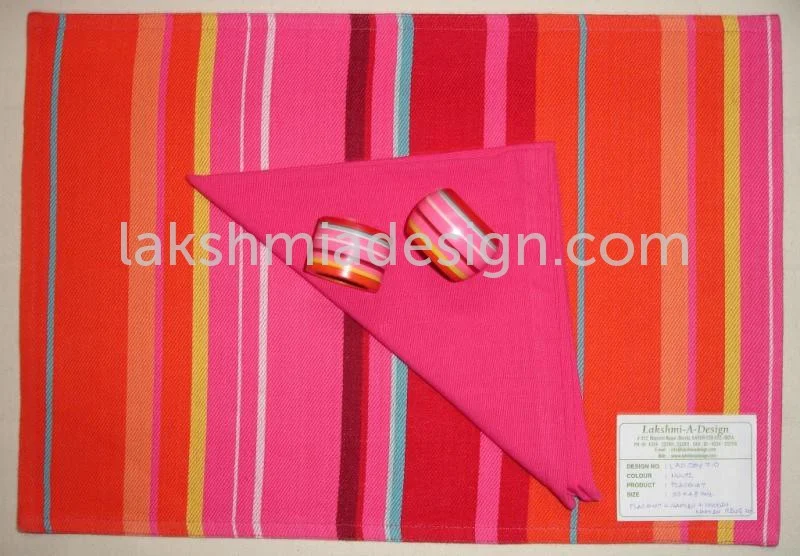
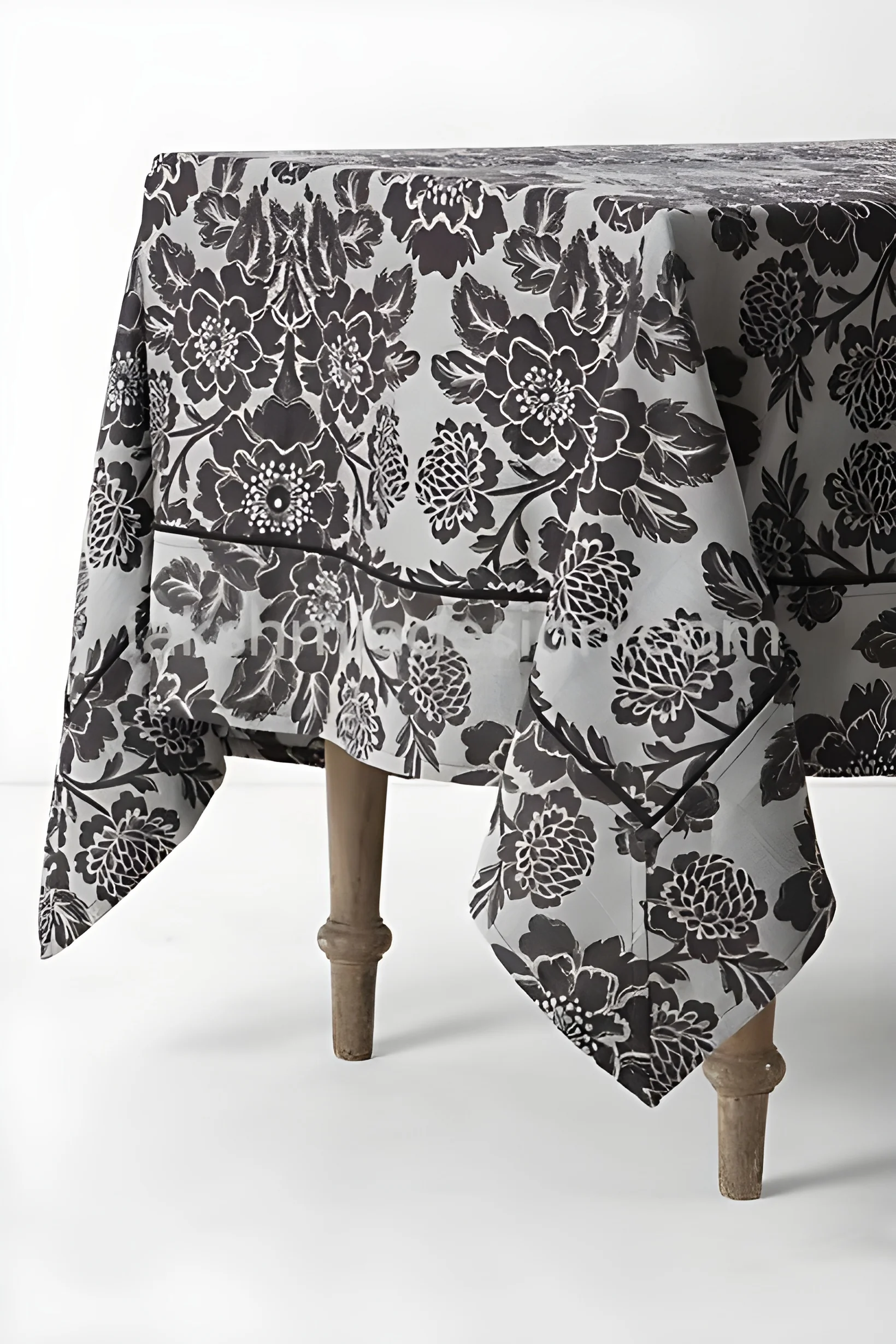
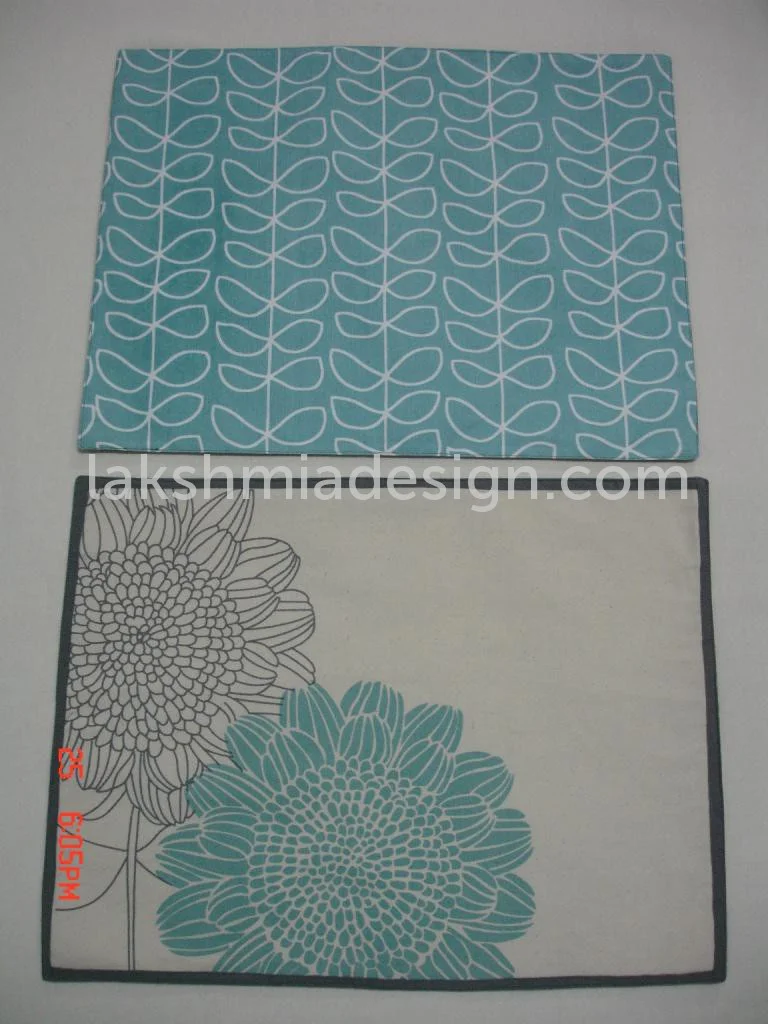
Decorative Table Mats: Designed to enhance visual appeal, these mats often feature intricate designs or patterns. They are ideal for special occasions and can elevate the dining experience.
Heavy-Duty Covers: These covers are made from thicker materials for maximum durability and protection. They are commonly used in commercial kitchens and dining areas where high wear and tear are expected.
Customizable Options: Some suppliers offer customizable dining table covers and mats that can be tailored to specific dimensions, colors, or designs. This ensures a perfect fit and alignment with branding requirements.
Benefits and Advantages
Dining table covers and mats provide numerous benefits that enhance their value in both residential and commercial settings.
1. Protection: These products safeguard tables from scratches, spills, and stains, prolonging the lifespan of the furniture.
2. Easy Maintenance: Most dining table covers and mats are designed for easy cleaning, allowing for quick turnaround in busy environments like restaurants.
3. Aesthetic Enhancement: Covers and mats come in various designs that can elevate the decor of dining spaces, making them visually appealing to customers.
4. Versatility: They can be used in a range of settings, from homes to restaurants, making them a versatile choice for different applications.
5. Customization: Many options allow for personalized designs, catering to brand needs or individual preferences.
6. Cost-Effectiveness: Investing in table covers can reduce the need for costly repairs or refinishing of dining furniture, making them a smart financial choice.
Buying Guide for B2B Buyers
When sourcing dining table covers and mats, B2B buyers should consider several key factors to ensure they make informed decisions.
1. Quality Assessment: Evaluate the quality of materials and craftsmanship to ensure durability and effectiveness. Request samples if necessary to assess texture and functionality.
2. Supplier Verification: Vet suppliers by checking their credentials and reviews. A reliable supplier will have a proven track record in delivering high-quality products.
3. Pricing and MOQ: Understand the pricing structure and minimum order quantities (MOQ) to align with your budget and inventory needs. Compare prices across different suppliers to find competitive options.
4. Delivery and Lead Times: Inquire about delivery schedules and lead times to ensure that products will arrive when needed. Timely delivery is critical for businesses with tight operational timelines.
5. Compliance Requirements: Verify that the products meet relevant industry standards and certifications, such as CE marking. This ensures that the items are safe and suitable for use in your environment.
Compliance and Certifications
Dining table covers and mats must adhere to specific compliance and certification standards to ensure safety and quality in various applications.
Reputable quality standards, such as ISO 9001, provide guidelines for effective quality management systems. This ensures that manufacturing processes consistently produce high-quality products.
Industry certifications like CE mark indicate that products meet European health, safety, and environmental protection standards. This is particularly important for businesses exporting to or operating in Europe.
Safety and testing requirements are essential for dining table covers and mats, especially in food service environments. Products should be tested for durability, stain resistance, and heat tolerance to ensure they perform under various conditions.
Regional compliance considerations may also apply, with specific regulations varying by country or region. Businesses should be aware of these regulations to ensure that the products they source are compliant.
Why Source Dining Table Covers & Mats from Pepagora?
Pepagora provides a trusted platform for sourcing dining table covers and mats, offering several key advantages to B2B buyers.
Verified Supplier Network: Pepagora features a network of verified suppliers, ensuring that buyers can connect with reputable manufacturers. This reduces the risk associated with sourcing and enhances product quality.
Streamlined RFQ Process: The platform offers an efficient Request for Quotation (RFQ) system, allowing buyers to request competitive quotes from multiple suppliers. This simplifies the procurement process and helps businesses find the best deals.
Trade Assurance and Support: Pepagora prioritizes buyer protection through trade assurance policies. This provides peace of mind, knowing that transactions are secure and that support is available throughout the purchasing process.
Regional Coverage: With a strong presence in India, the GCC, and Southeast Asia, Pepagora offers a wide geographic reach. This allows businesses to find local suppliers while benefiting from diverse product offerings tailored to regional tastes and requirements.

 IN
IN