What are Round Dining Tables?
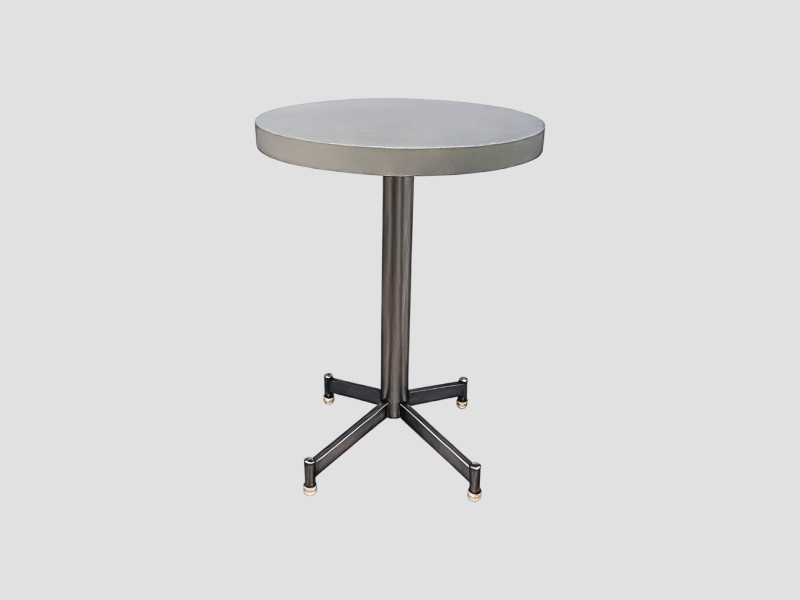
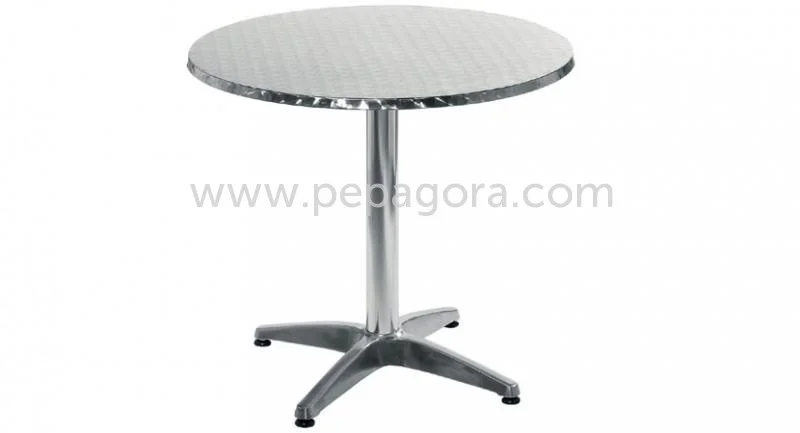
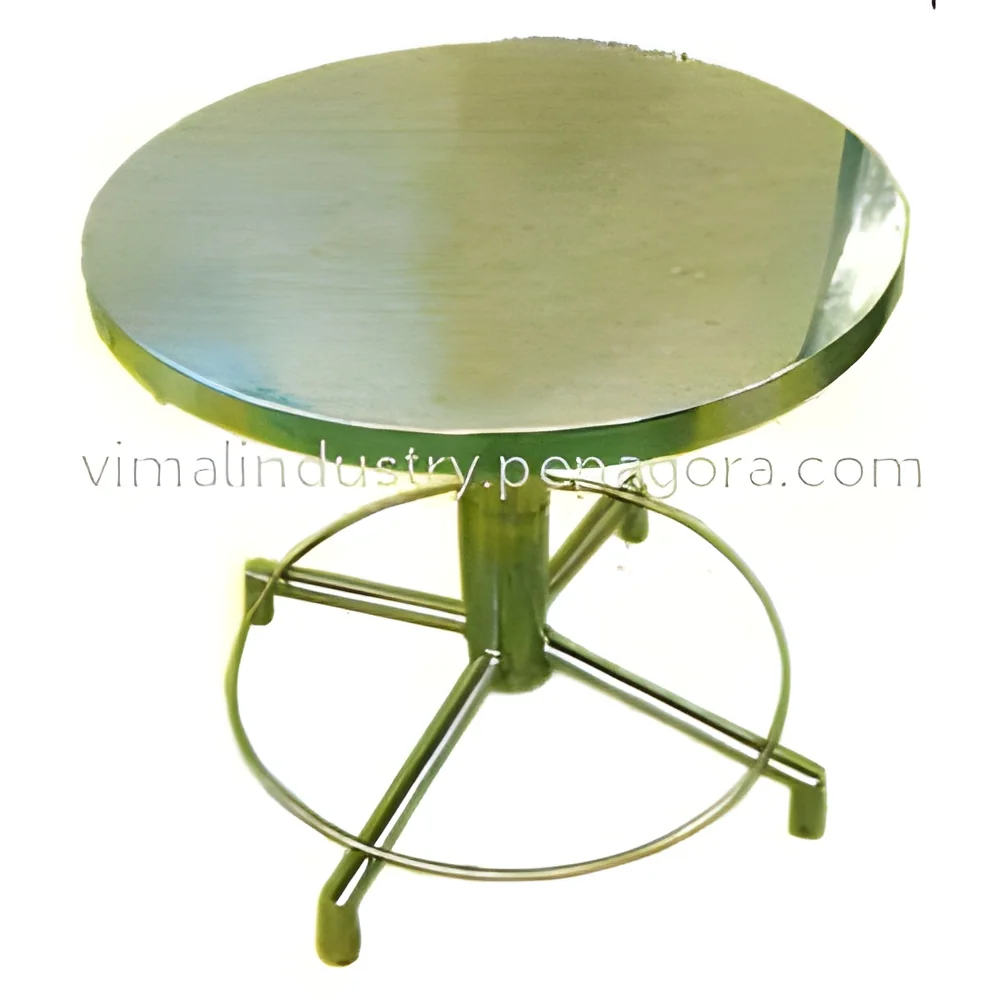
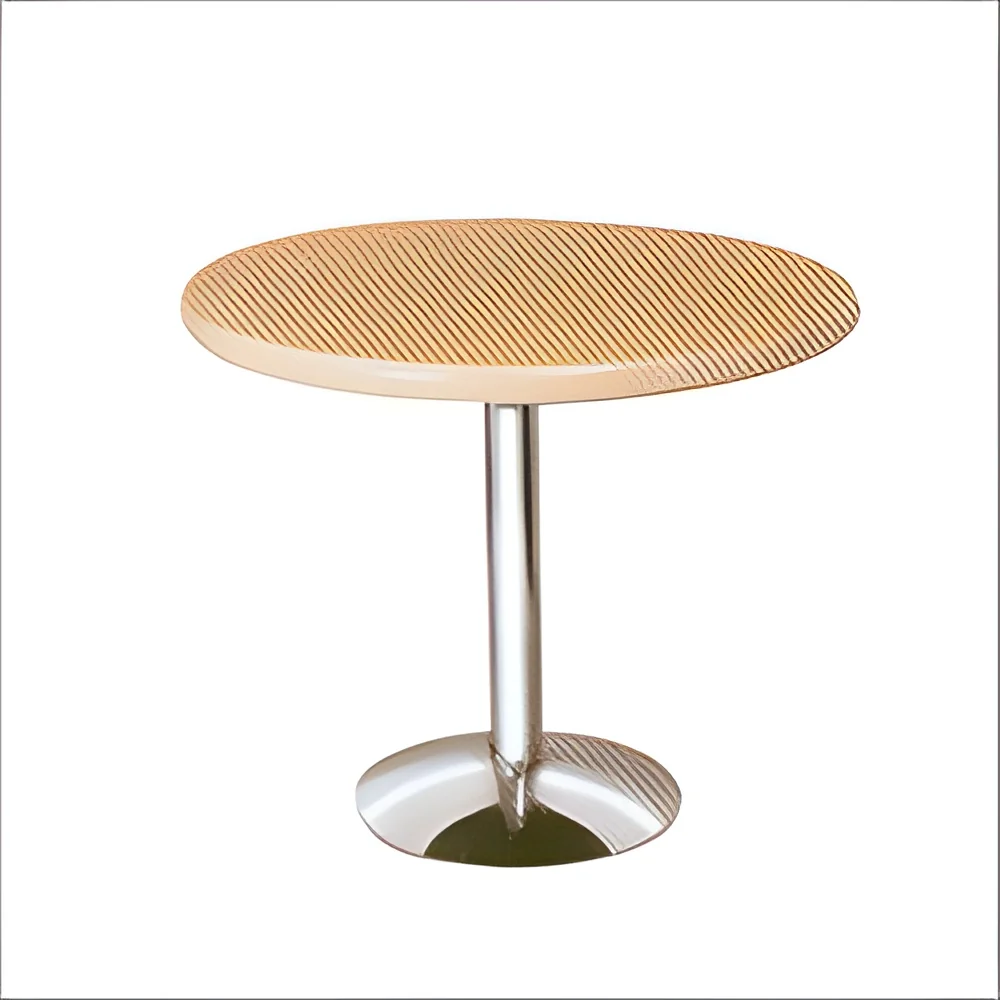
Round dining tables are a type of table characterized by a circular shape that is designed for dining purposes. They are commonly used in both residential and commercial settings, providing a versatile and space-efficient option for meal gatherings. The circular design promotes a sense of inclusivity and encourages conversation among diners, making them a popular choice for family meals, restaurants, and event venues.
In business applications, round dining tables are often found in cafes, restaurants, and hotels where they facilitate a friendly atmosphere. They are also prevalent in conference rooms and break areas within corporate environments, allowing for informal meetings and discussions. The design allows for easier flow and movement in spaces where maximizing seating is essential, which is particularly beneficial in smaller areas.
In terms of market relevance, round dining tables have been increasingly embraced due to their aesthetic appeal and functional versatility. The global market for dining tables continues to grow, driven by trends in home decor and commercial dining experiences. As businesses prioritize customer experience, the demand for round dining tables remains strong.
Key Features and Specifications
Round dining tables offer a range of features that cater to various needs and preferences. Their specifications can vary based on materials, design, and intended use. Understanding these specifications is essential for making informed purchasing decisions.
Key specifications include:
1. Material
- Common materials include wood, metal, and glass.
- Durability and ease of maintenance vary by material type.
2. Size
- Diameter options typically range from 36 inches to 72 inches.
- Size affects seating capacity, ranging from 2 to 10 seats.
3. Height
- Standard dining table height is about 28 to 30 inches.
- Counter-height options may be available, ranging from 34 to 36 inches.
4. Finish
- Available in various finishes such as natural wood, painted, or stained.
- Finish affects aesthetics and maintenance requirements.
5. Design Style
- Options include traditional, modern, rustic, and industrial designs.
- Style influences the table's fit within different decor themes.
6. Portability
- Some models feature foldable or extendable designs for flexibility.
- Portability is ideal for event spaces and multifunctional areas.
7. Weight Capacity
- Varies by design and material, influencing stability and durability.
- Important for commercial applications where heavy use is expected.
8. Customization Options
- Many manufacturers offer customization in size, material, and finish.
- Custom tables can meet specific branding or design requirements.
In summary, the specifications of round dining tables can greatly impact their functionality and suitability for different environments. Understanding these features helps businesses choose the right tables for their needs.
Common Applications and Use Cases
Round dining tables are versatile and find applications in a variety of industries. They are suitable for both casual and formal settings, making them a popular choice across different sectors.
1. Hospitality Industry: Restaurants and cafes utilize round dining tables to enhance customer interaction and optimize floor space. Their design promotes a welcoming atmosphere, encouraging diners to linger and socialize.
2. Corporate Offices: Round dining tables are often used in break rooms or meeting areas. They facilitate informal discussions and collaborative sessions, providing a relaxed environment for employees.
3. Event Planning: Catering companies and event planners frequently choose round tables for weddings, parties, and corporate events. Their shape allows for flexible seating arrangements and enhances guest experience.
4. Education Institutions: Round tables are used in cafeterias and common areas of schools and universities. They encourage socialization among students and can be easily rearranged for different activities.
5. Home Decor: In residential settings, round dining tables are favored for their aesthetic appeal and space-saving qualities. They suit various interior styles and are ideal for smaller dining areas.
6. Outdoor Settings: Many round dining tables are designed for outdoor use, made from weather-resistant materials. They are perfect for patios and gardens, providing a cozy dining space.
7. Co-working Spaces: Round tables are becoming increasingly popular in co-working environments, promoting collaboration among professionals and creating a communal atmosphere.
Product Variants and Subcategories
Round dining tables come in various designs and configurations to meet diverse consumer needs. The following variants highlight the diversity of this product.
Classic Wooden Round Dining Table
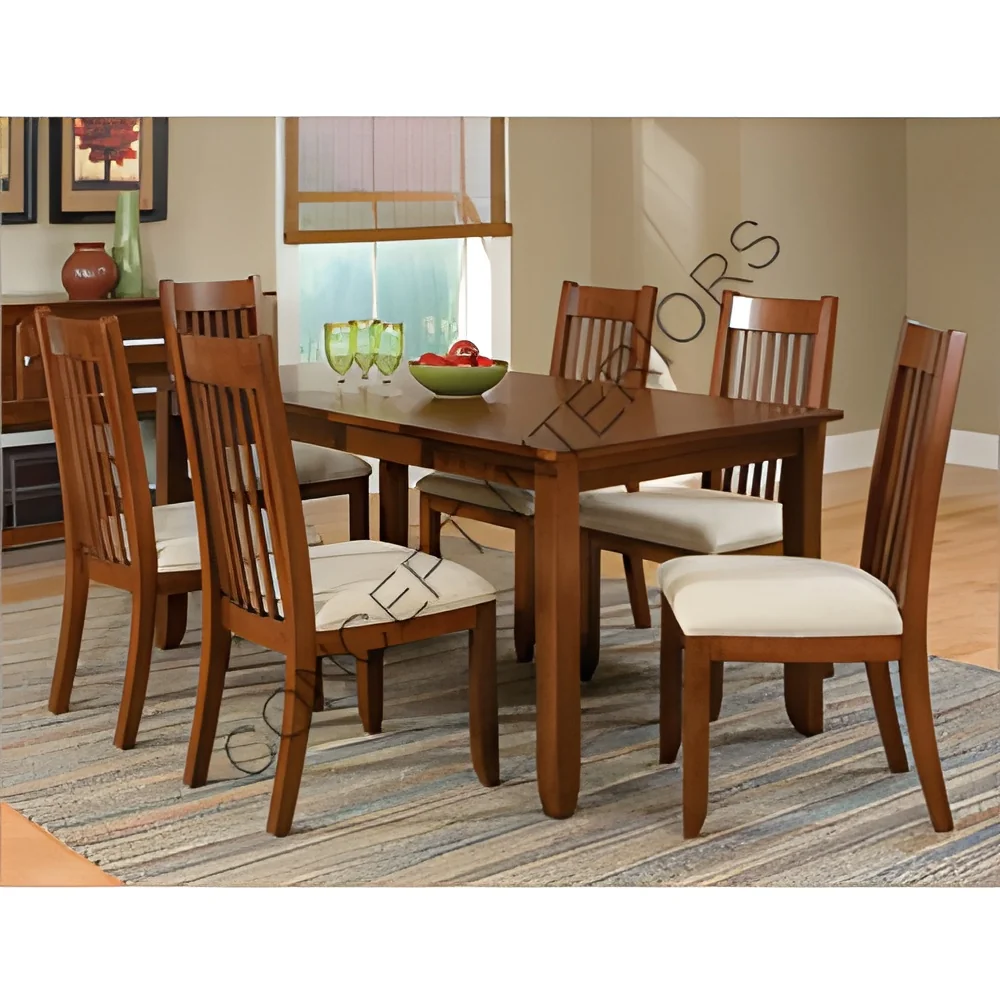
This variant features a traditional wooden design, often crafted from solid oak or maple. It is known for its durability and timeless appeal, suitable for formal dining settings and family gatherings.
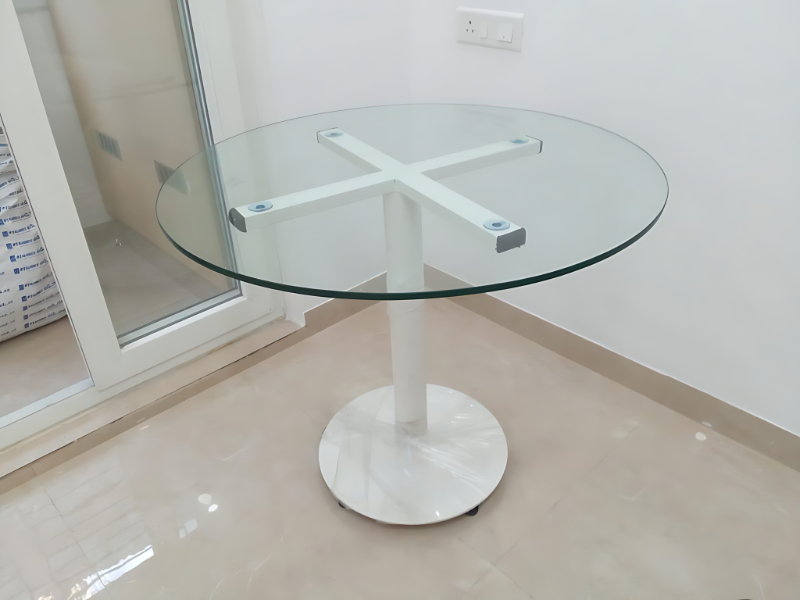
Modern Glass Round Dining Table
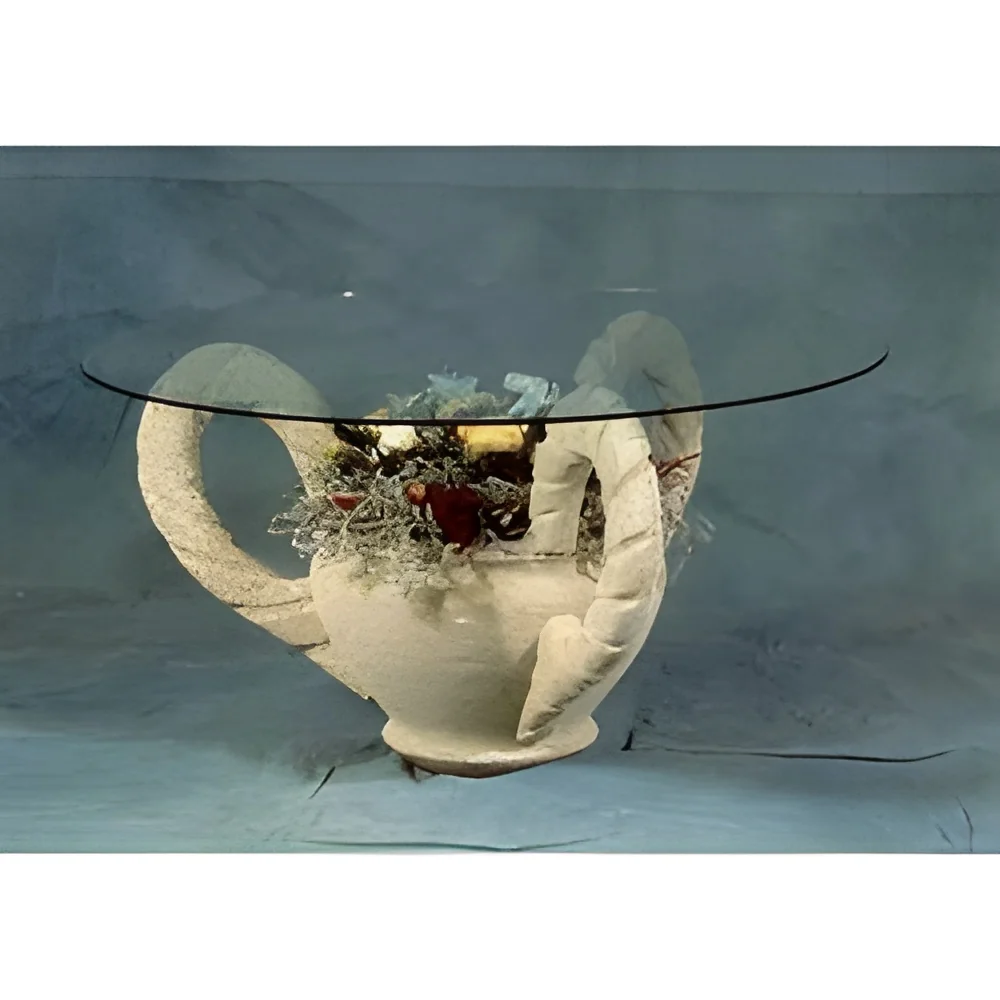
This design incorporates a glass top with sleek metal or wooden legs, offering a contemporary look. It is perfect for modern homes and restaurants where a light and airy feel is desired.
Extendable Round Dining Table
This variant can be adjusted in size, allowing for flexibility in seating capacity. It is ideal for small spaces that require adaptability for larger gatherings.
Rustic Farmhouse Round Dining Table
Characterized by its distressed finish and sturdy construction, this table brings a cozy, homey vibe. It is popular in casual dining environments and rustic-themed restaurants.
Benefits and Advantages
Round dining tables provide several key benefits that make them an attractive option for businesses and consumers alike.
1. Space Efficiency: Their circular shape allows for better flow and movement in tight spaces, making them ideal for smaller rooms or crowded areas.
2. Enhanced Communication: The design promotes face-to-face interaction, fostering conversation and creating a more inviting dining experience.
3. Versatility: Suitable for various settings, round dining tables can adapt to both casual and formal occasions, enhancing their usability.
4. Aesthetic Appeal: Round tables can complement a wide range of decor styles, adding elegance and charm to dining areas.
5. Customization: Many manufacturers offer customizable options, allowing buyers to tailor tables to their specific requirements, including size and finish.
6. Easy Maintenance: Depending on the material, round tables may require less maintenance than their rectangular counterparts, especially those made from durable materials.
Buying Guide for B2B Buyers
When sourcing round dining tables, businesses should consider multiple factors to ensure they make the right choice.
1. Quality Assessment: Evaluate the materials used in construction, as well as the overall craftsmanship. Look for tables that meet durability standards to withstand heavy use.
2. Supplier Verification: It is essential to vet suppliers to ensure they are reputable and provide high-quality products. Check reviews and request samples if possible.
3. Pricing and MOQ: Understand the pricing structure and minimum order quantities. This information is crucial for budgeting and planning inventory.
4. Delivery and Lead Times: Consider logistics and delivery times when planning for new purchases. Ensure suppliers can meet your timelines to avoid disruptions.
5. Compliance Requirements: Be aware of any industry-specific regulations or compliance standards that may apply to dining tables, such as safety and material certifications.
Compliance and Certifications
Round dining tables must adhere to various compliance standards and certifications to ensure quality and safety in use.
One critical standard is ISO 9001, which focuses on quality management systems. This certification indicates that the manufacturer follows systematic processes to ensure consistent product quality.
Another relevant certification is CE marking, which signifies that the product meets European safety and health requirements. This is particularly important for companies importing tables into European markets.
Safety and testing requirements are also vital. Manufacturers should conduct tests to ensure that their tables can withstand everyday use without compromising stability or safety.
Regional compliance considerations may vary, so businesses should be aware of local regulations that could impact their sourcing decisions.
Why Source Round Dining Tables from Pepagora?
Pepagora provides a trusted platform for sourcing round dining tables, offering several key advantages for B2B buyers.
Verified Supplier Network: Pepagora connects buyers with a network of verified suppliers, ensuring quality and reliability. This reduces the risk associated with sourcing products from unknown vendors.
Streamlined RFQ Process: The platform features a user-friendly Request for Quotation system, allowing businesses to easily compare prices and specifications from multiple suppliers. This simplification helps in making informed purchasing decisions.
Trade Assurance and Support: Buyers benefit from trade assurance programs that protect their purchases. Pepagora offers support throughout the sourcing process, ensuring a smooth experience.
Regional Coverage: With a broad geographic reach across India, GCC, and Southeast Asia, Pepagora can meet the diverse needs of businesses in various markets, facilitating easier access to quality round dining tables.

 IN
IN