
 IN
Curtains & Blinds
293 products available
𝗪𝗵𝗮𝘁 𝗮𝗿𝗲 𝗖𝘂𝗿𝘁𝗮𝗶𝗻𝘀 & 𝗕𝗹𝗶𝗻𝗱𝘀?
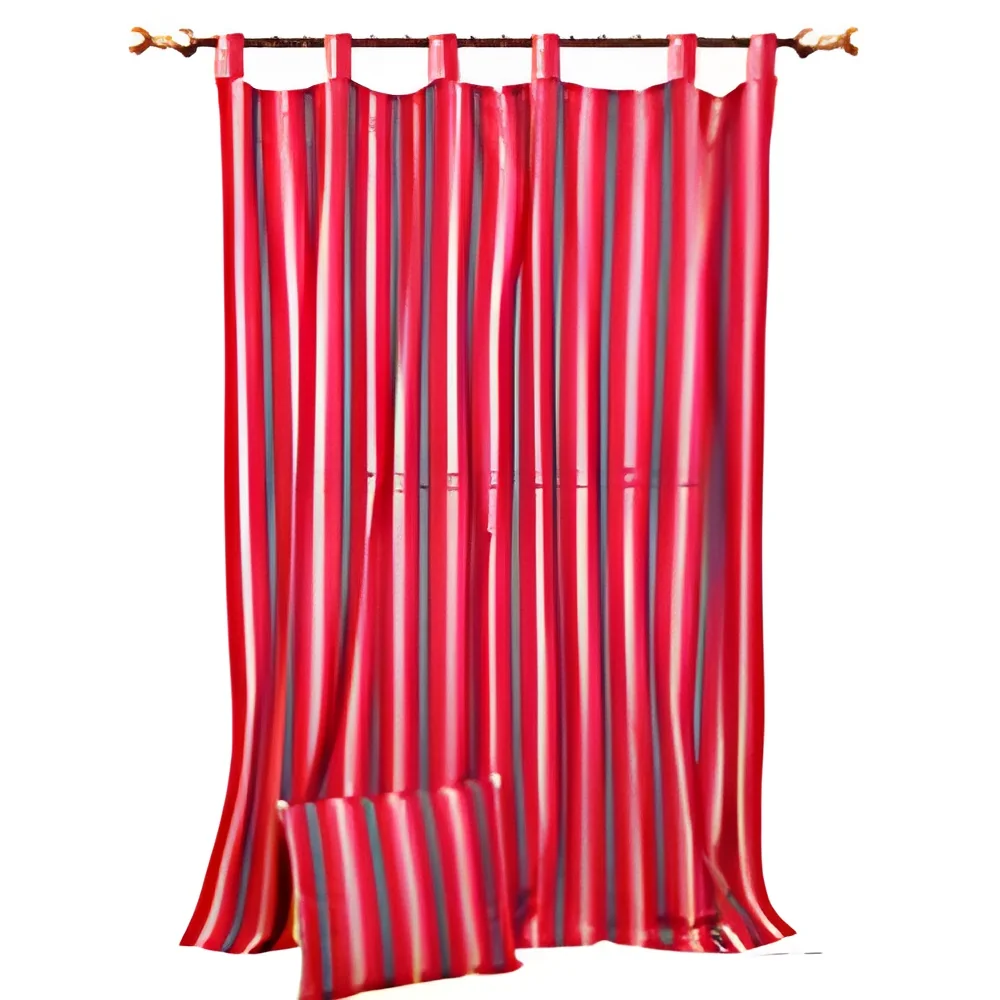
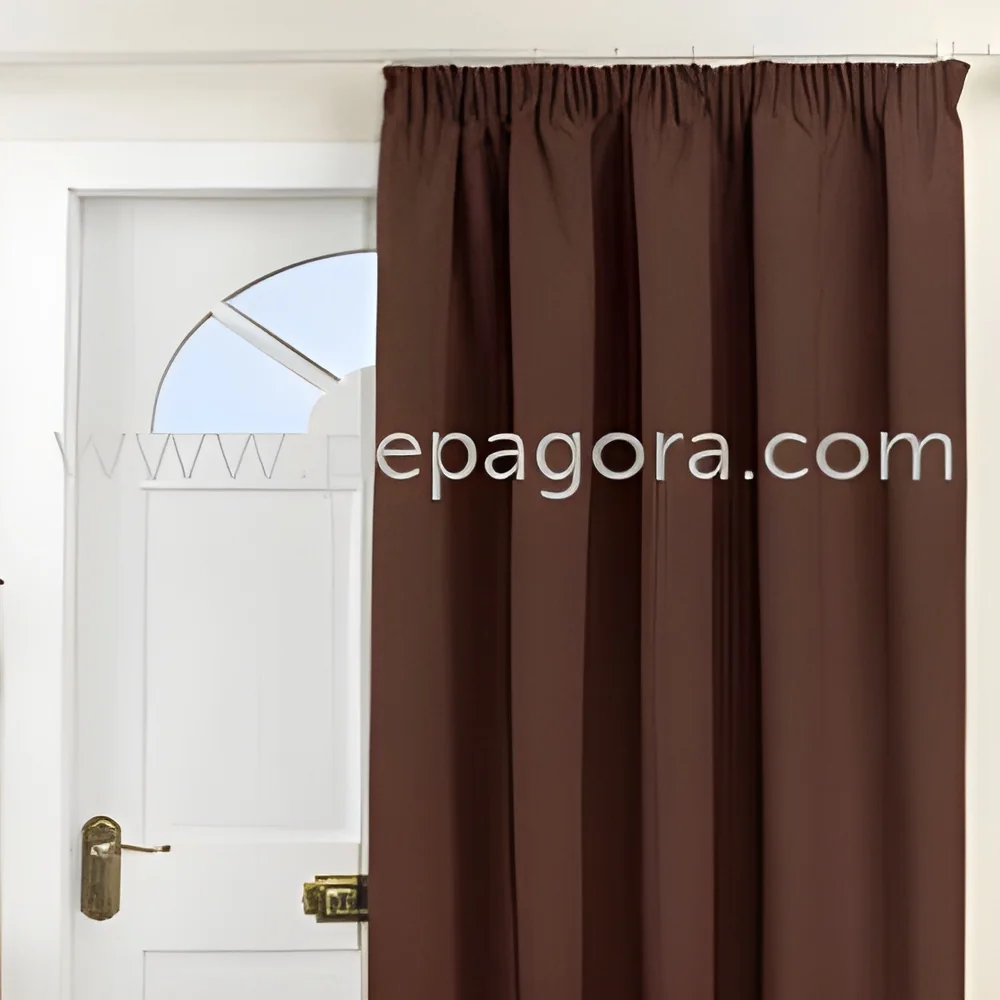
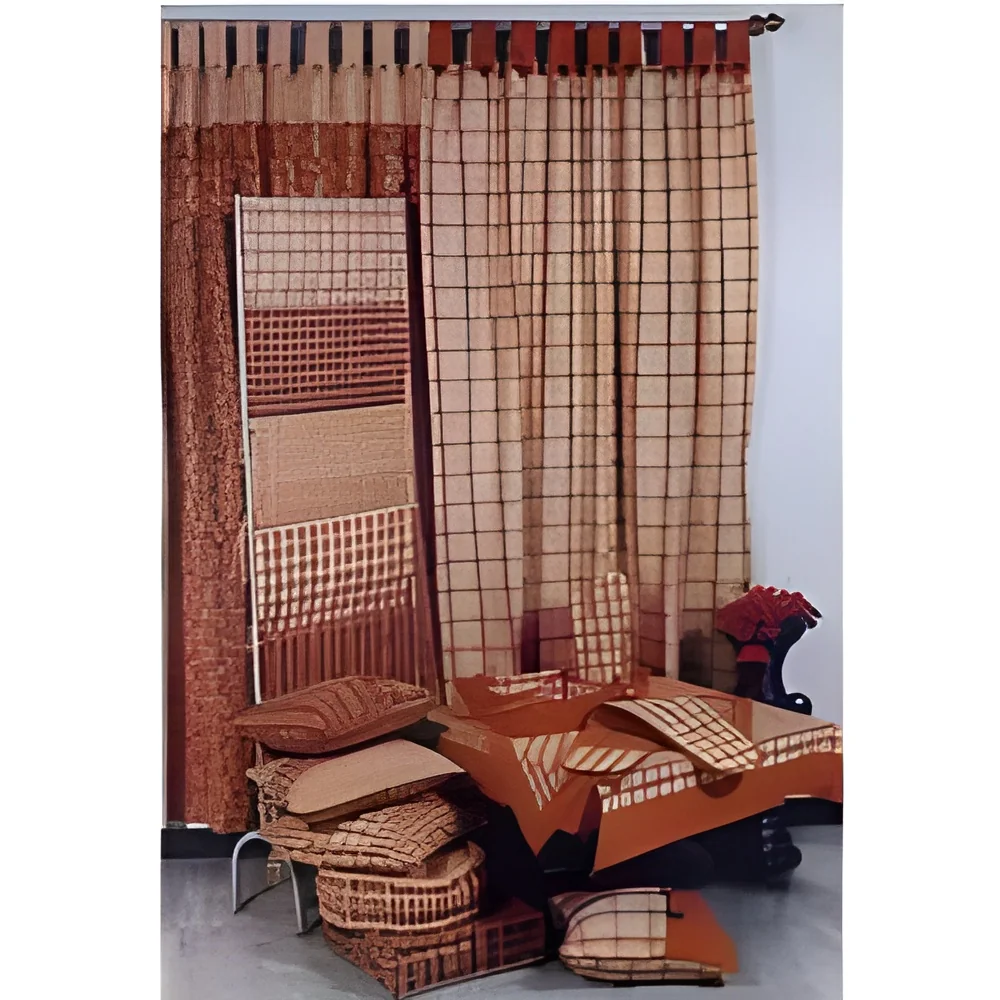
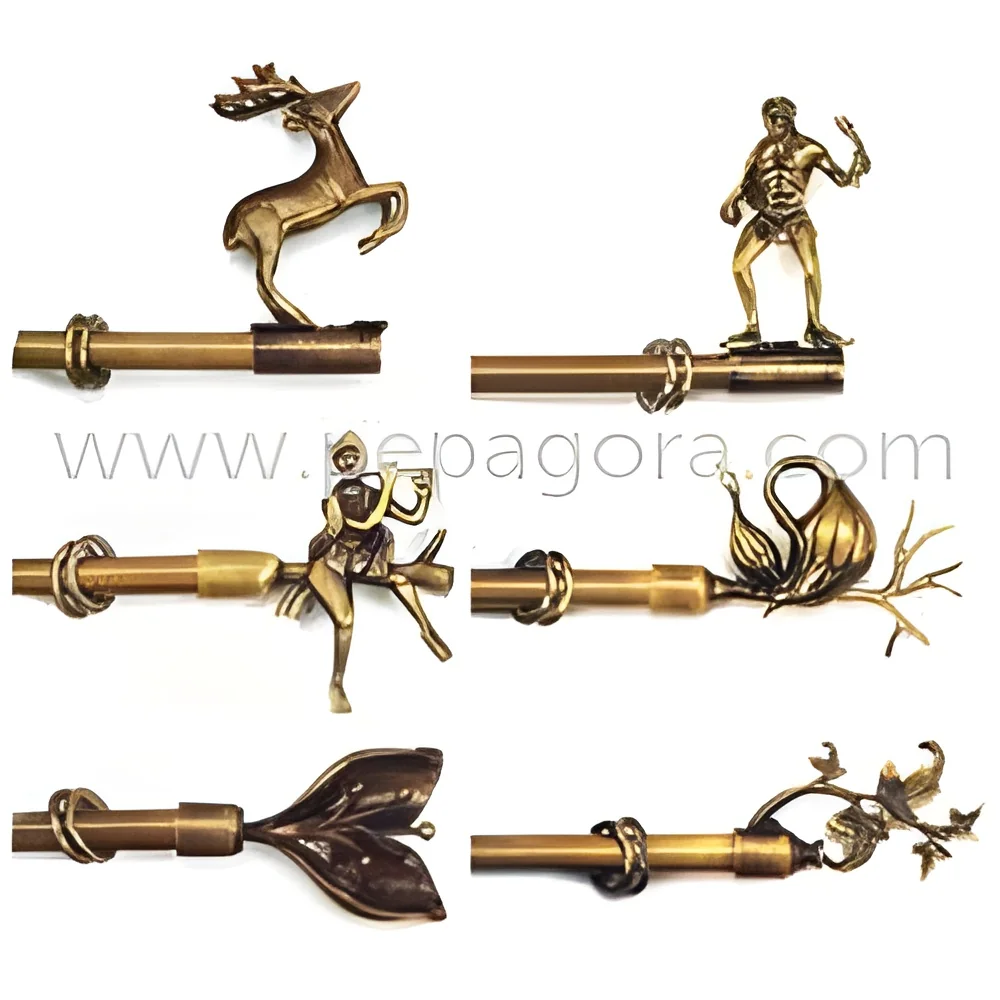
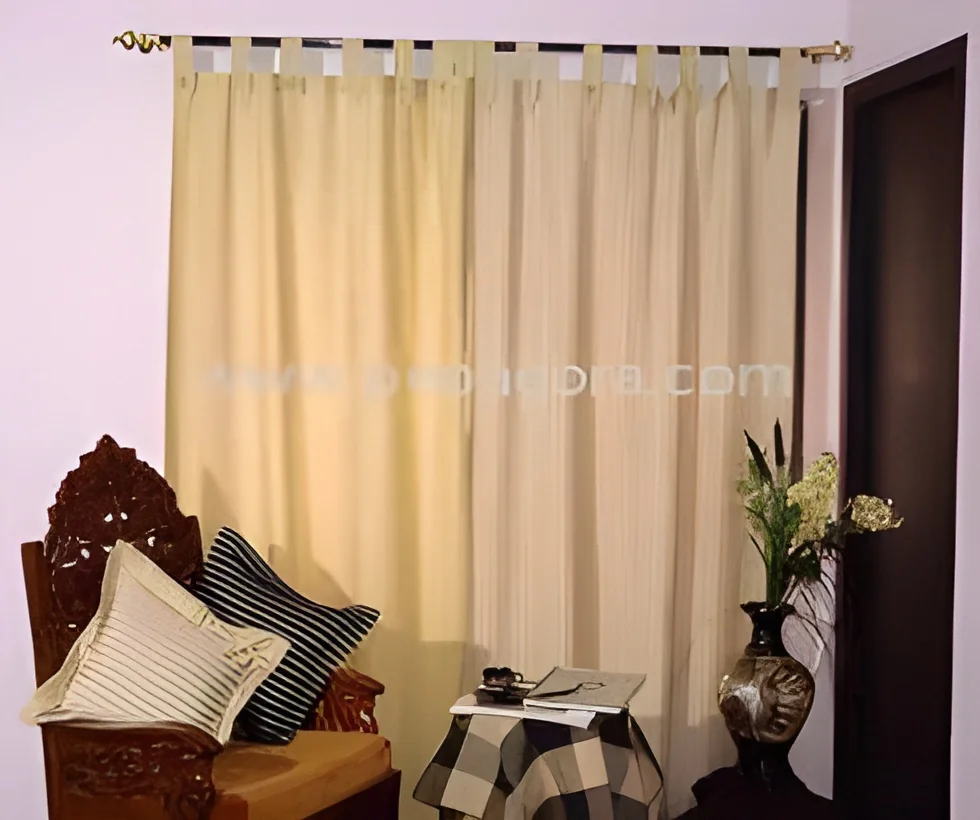
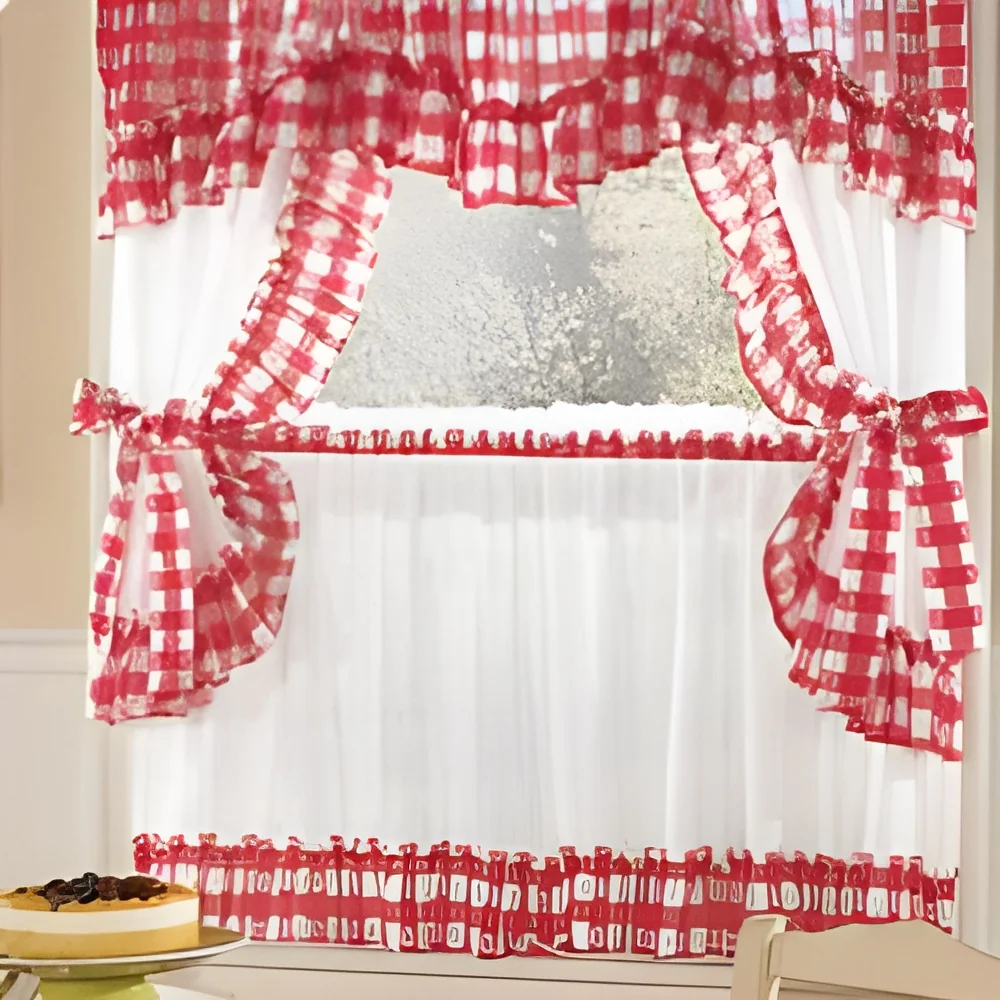
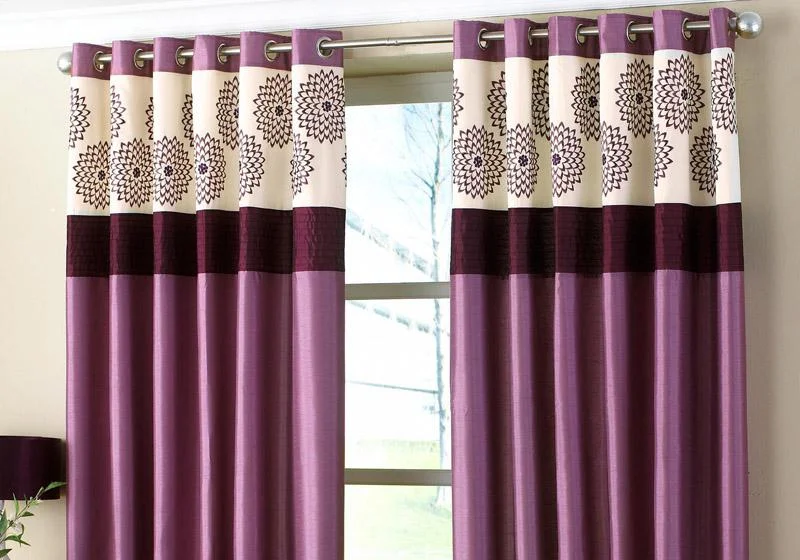
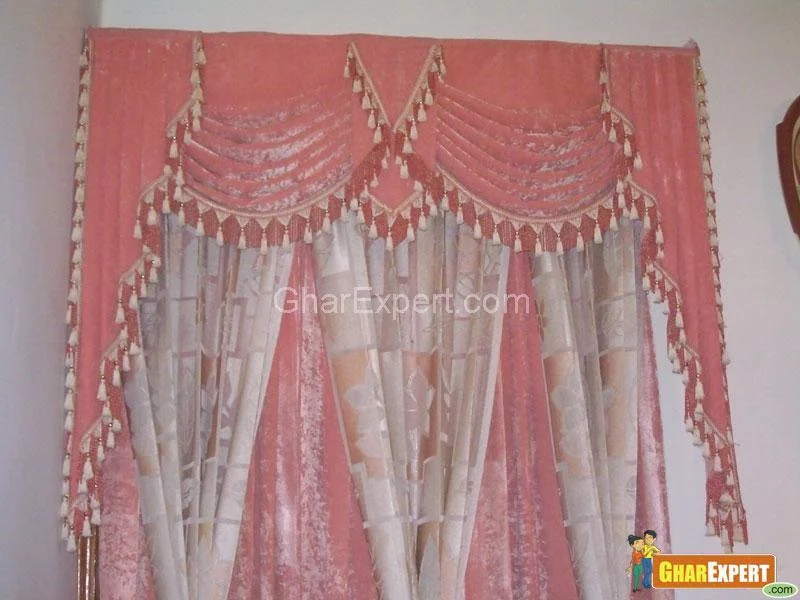
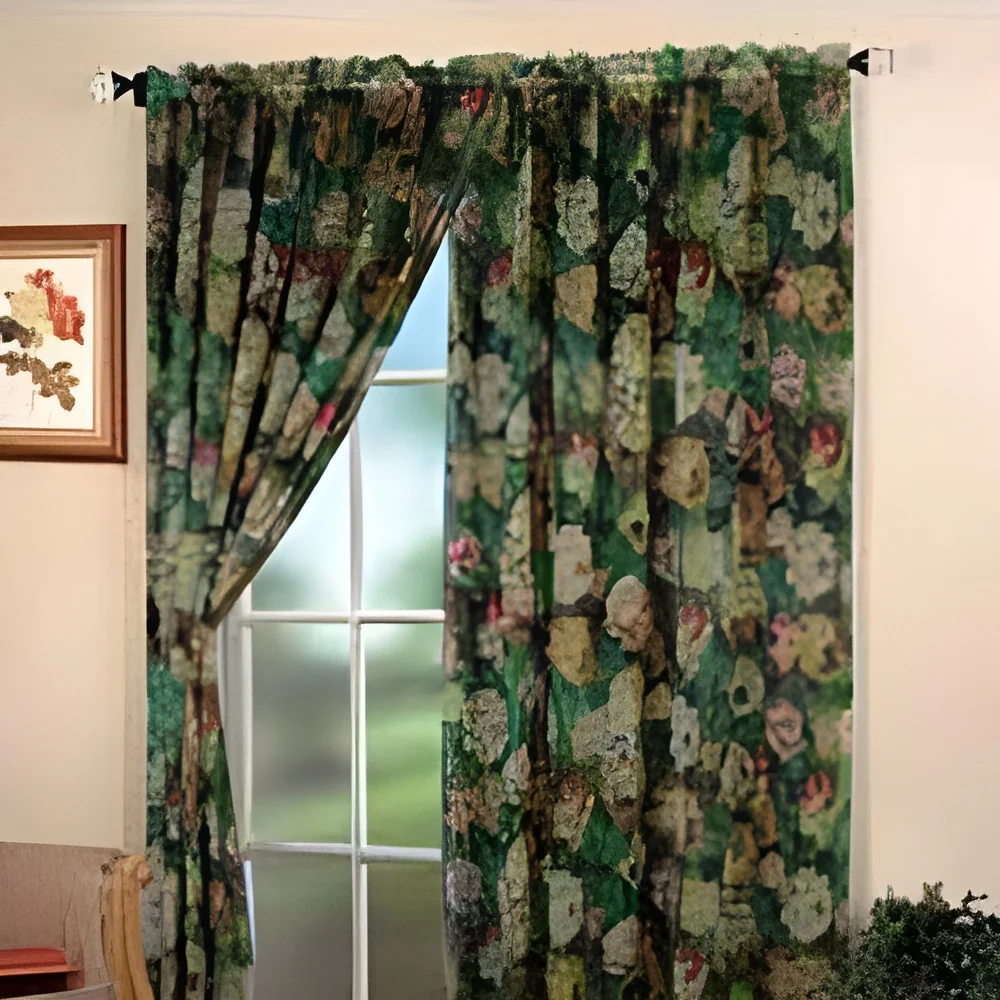
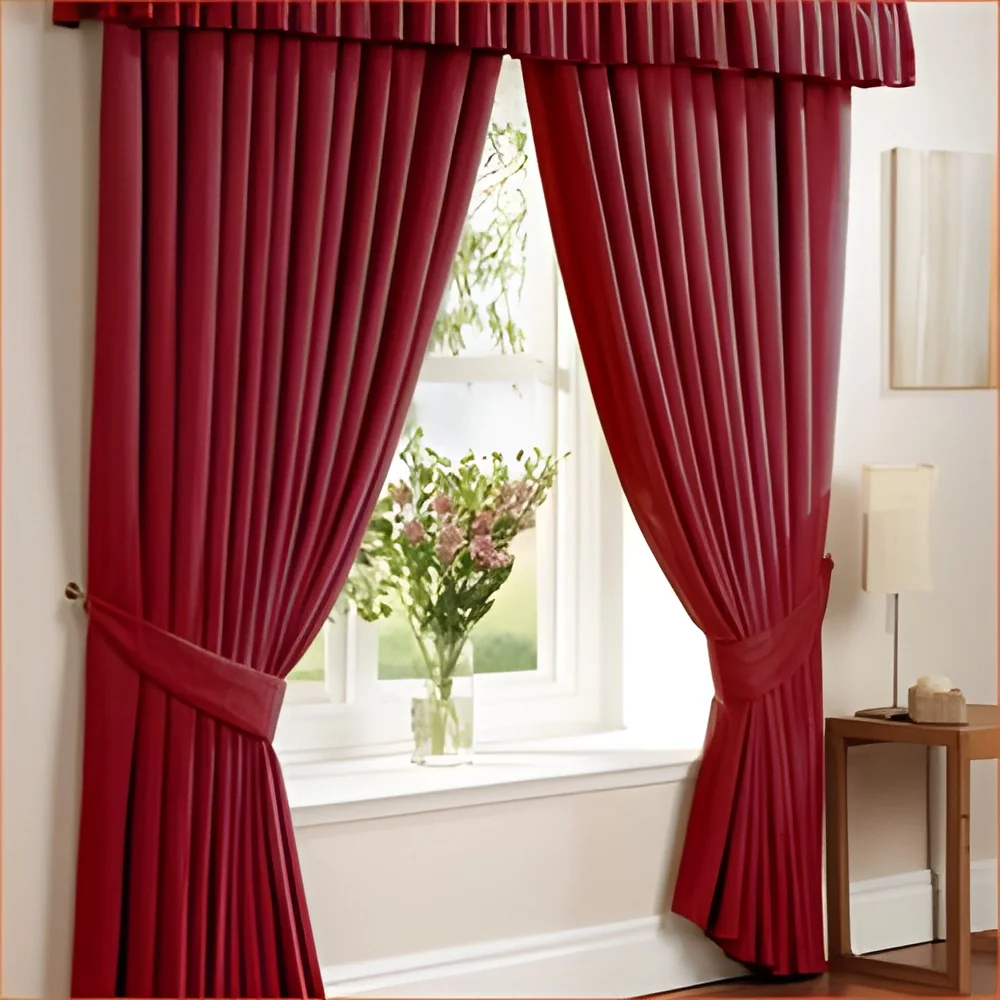
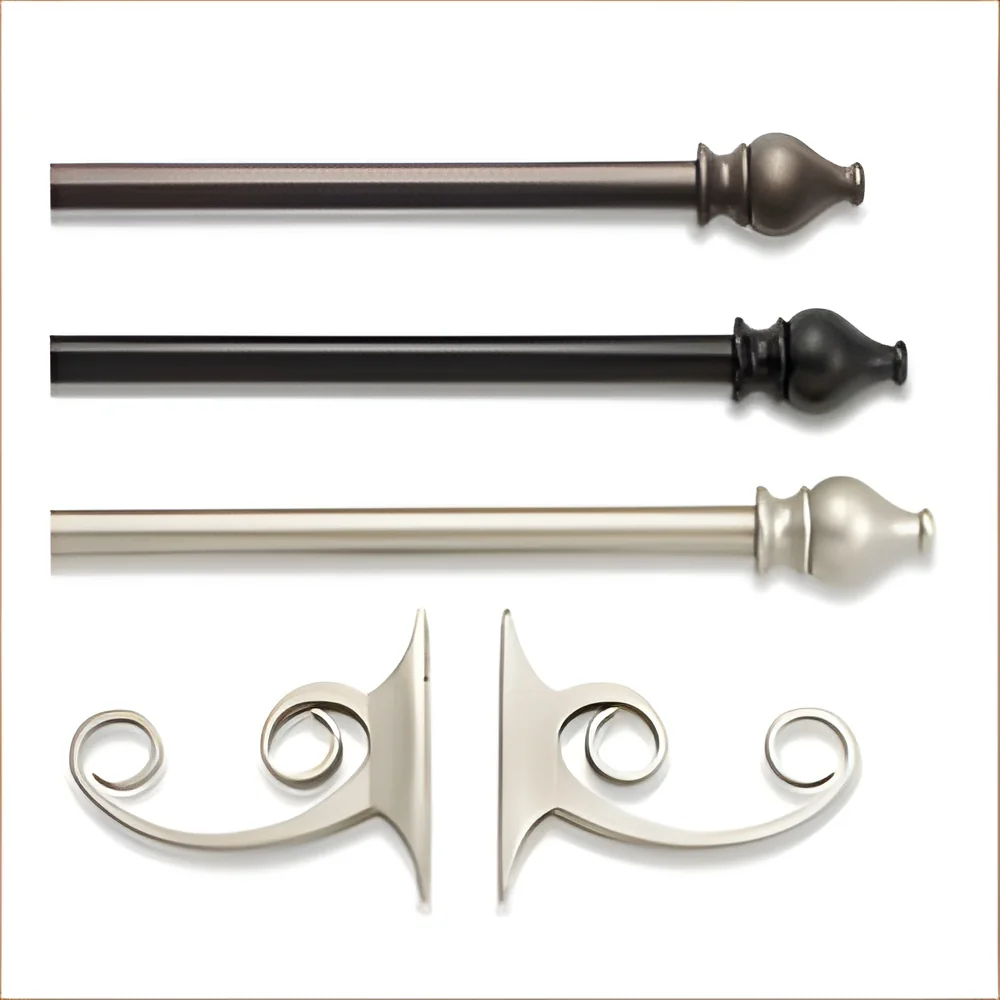
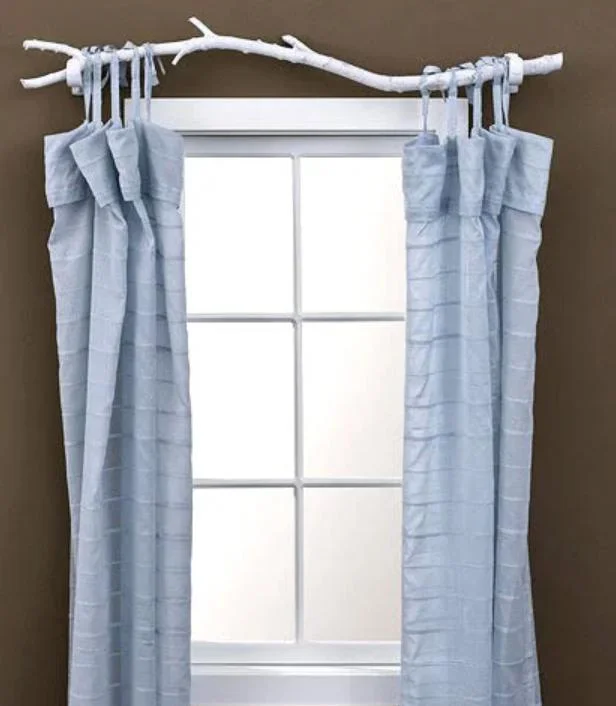
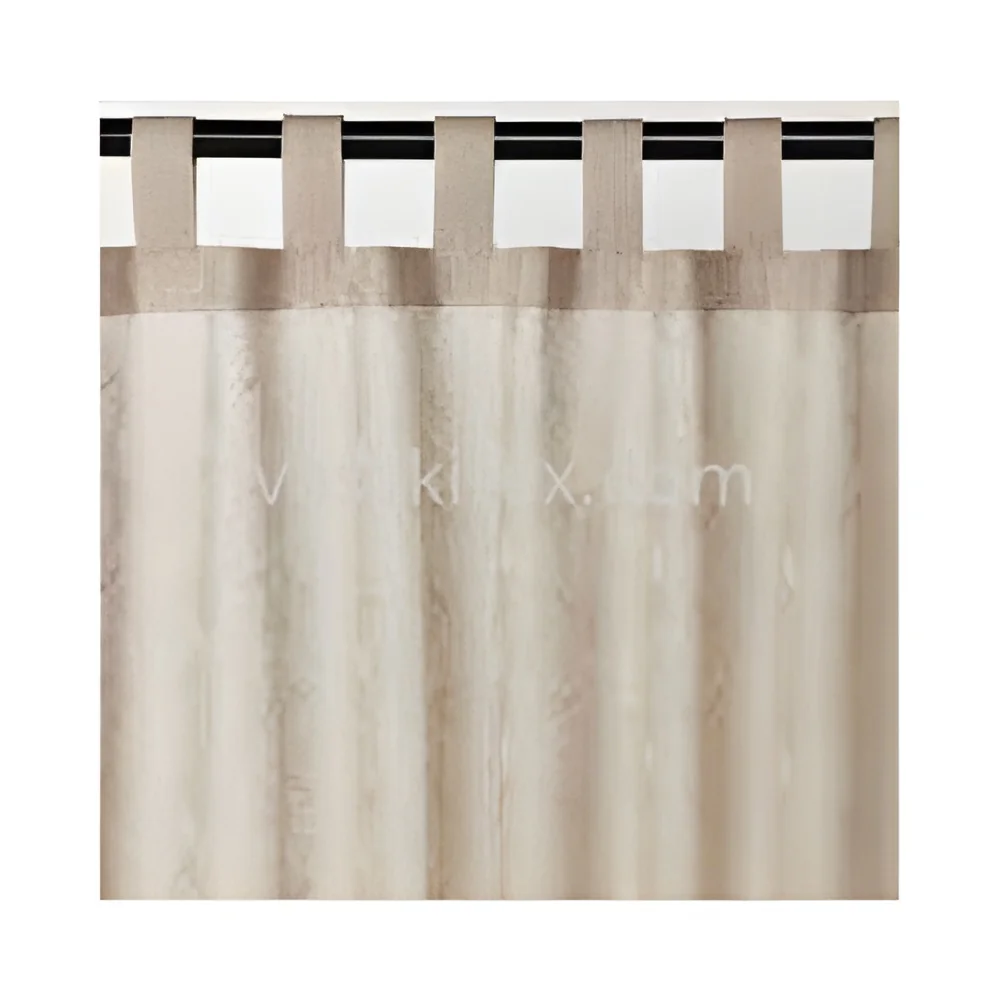
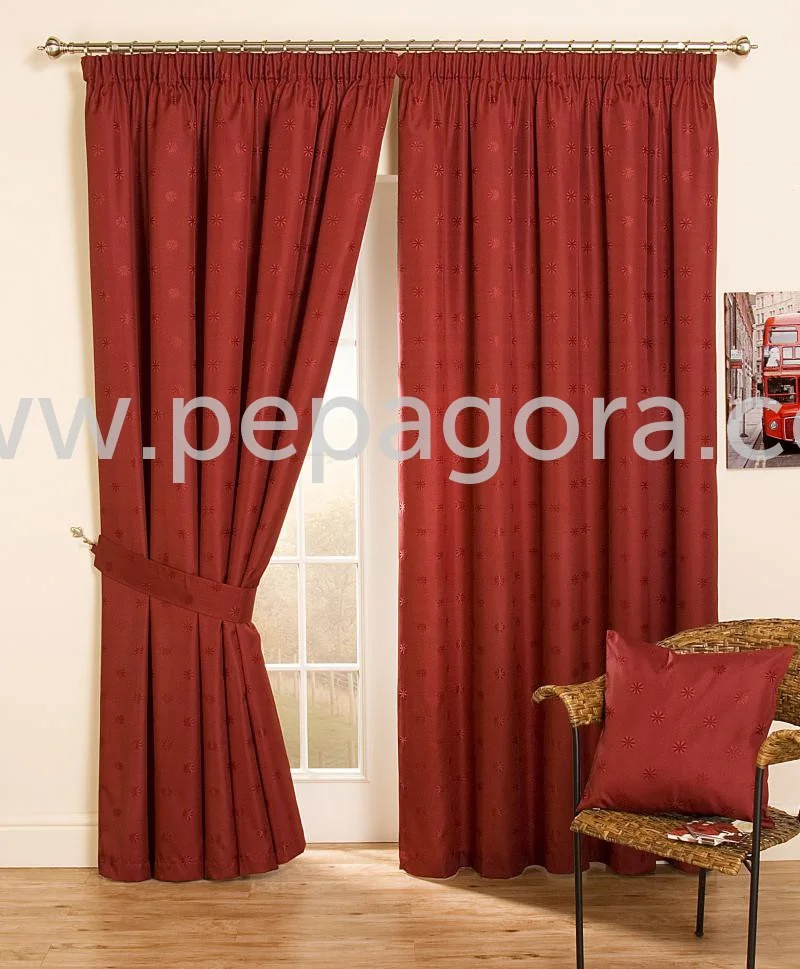
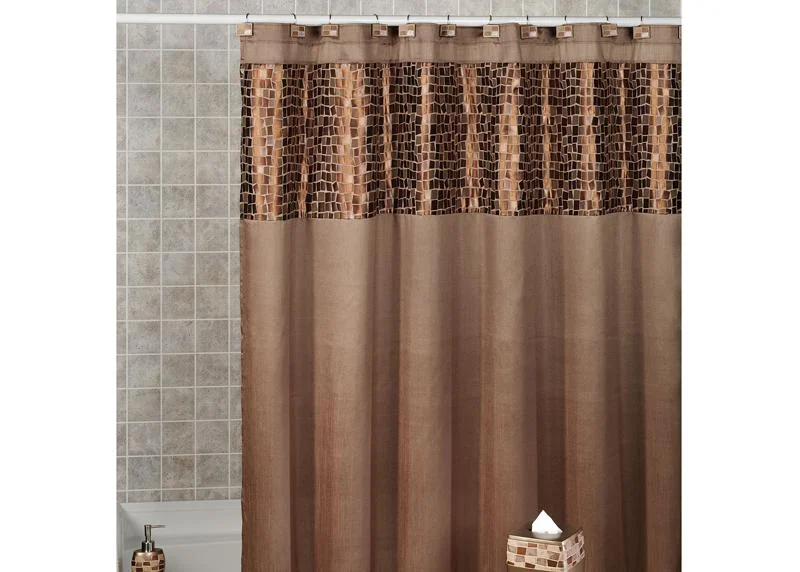
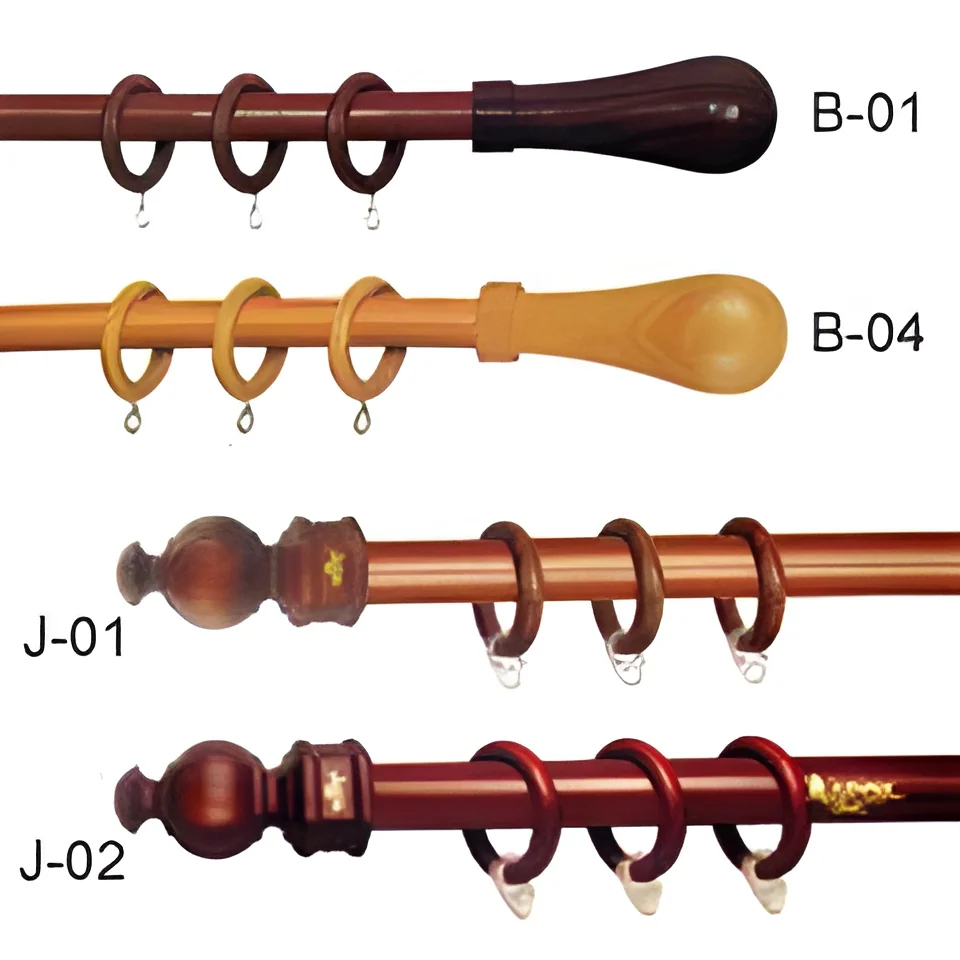
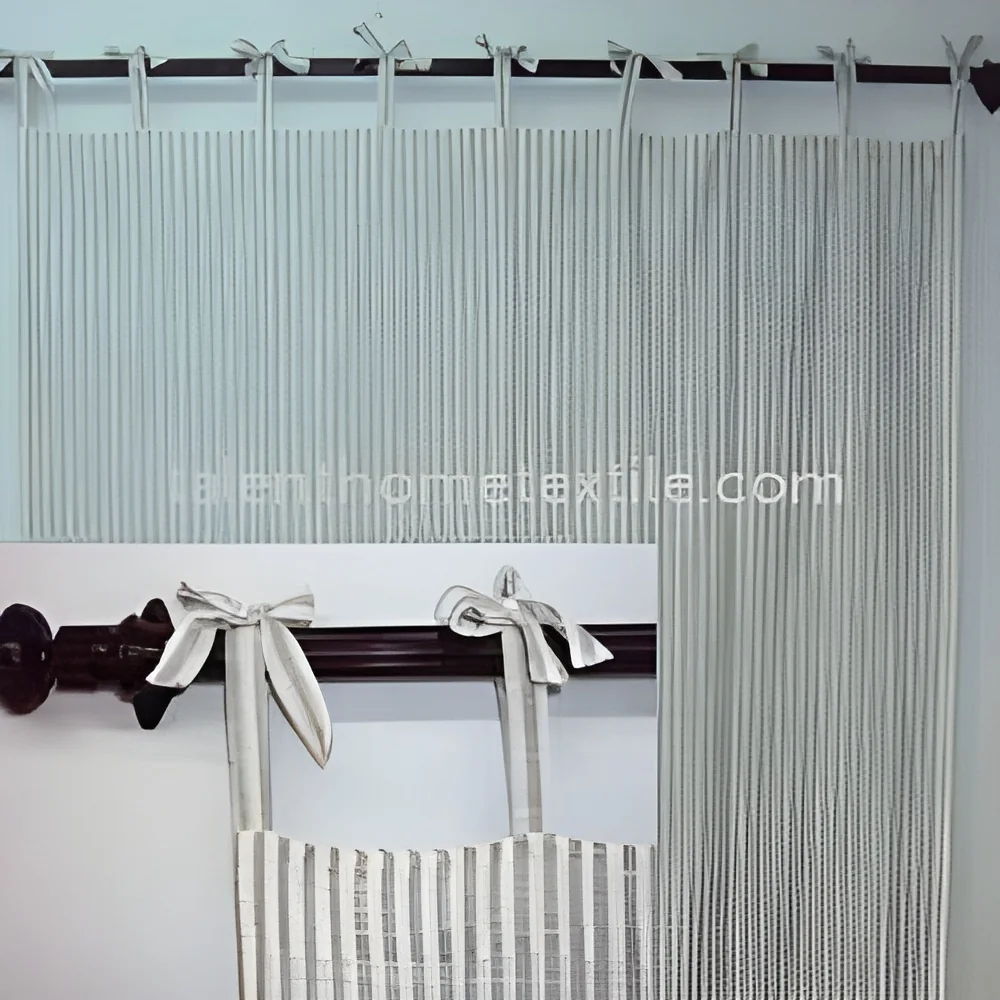
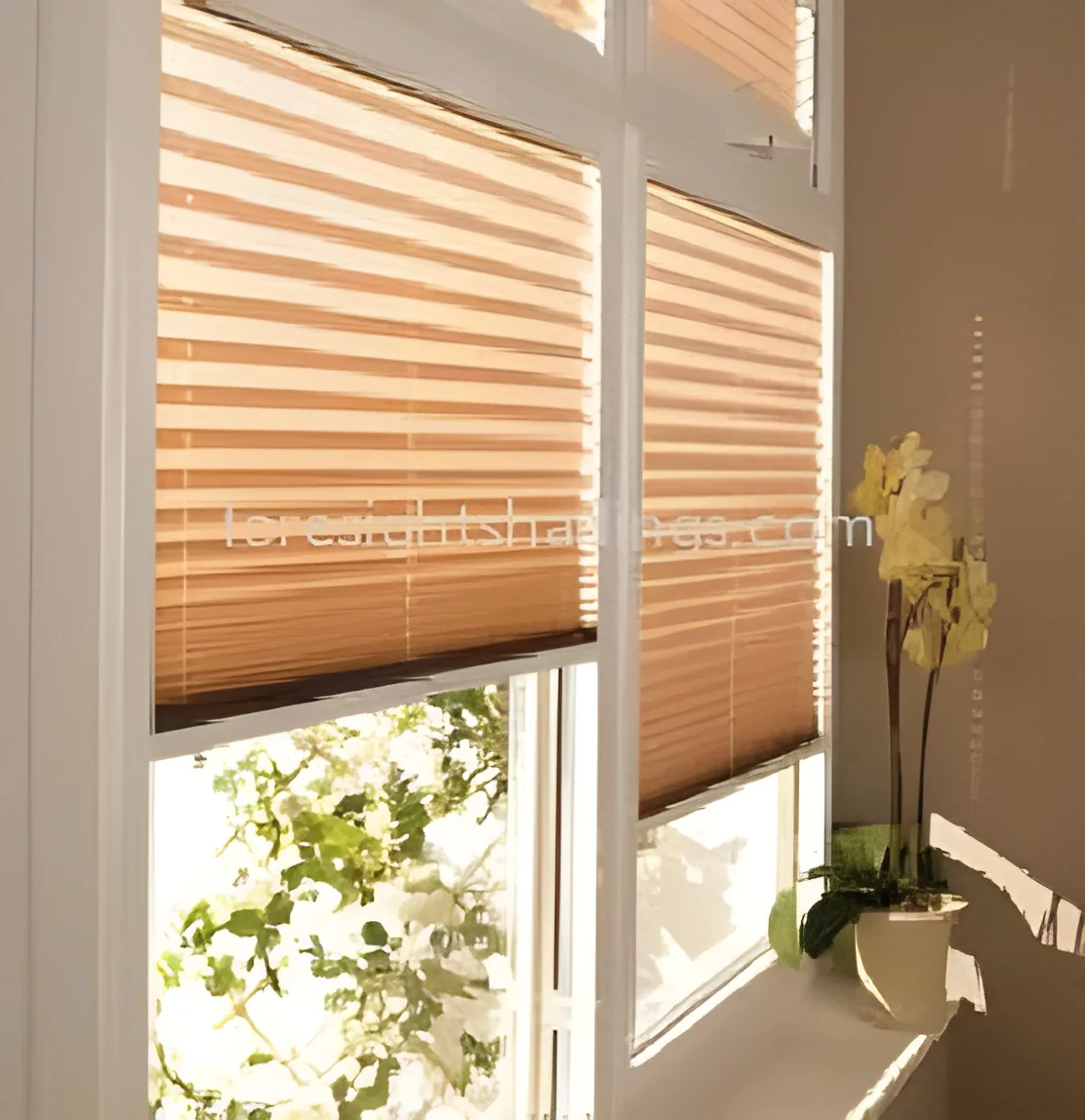
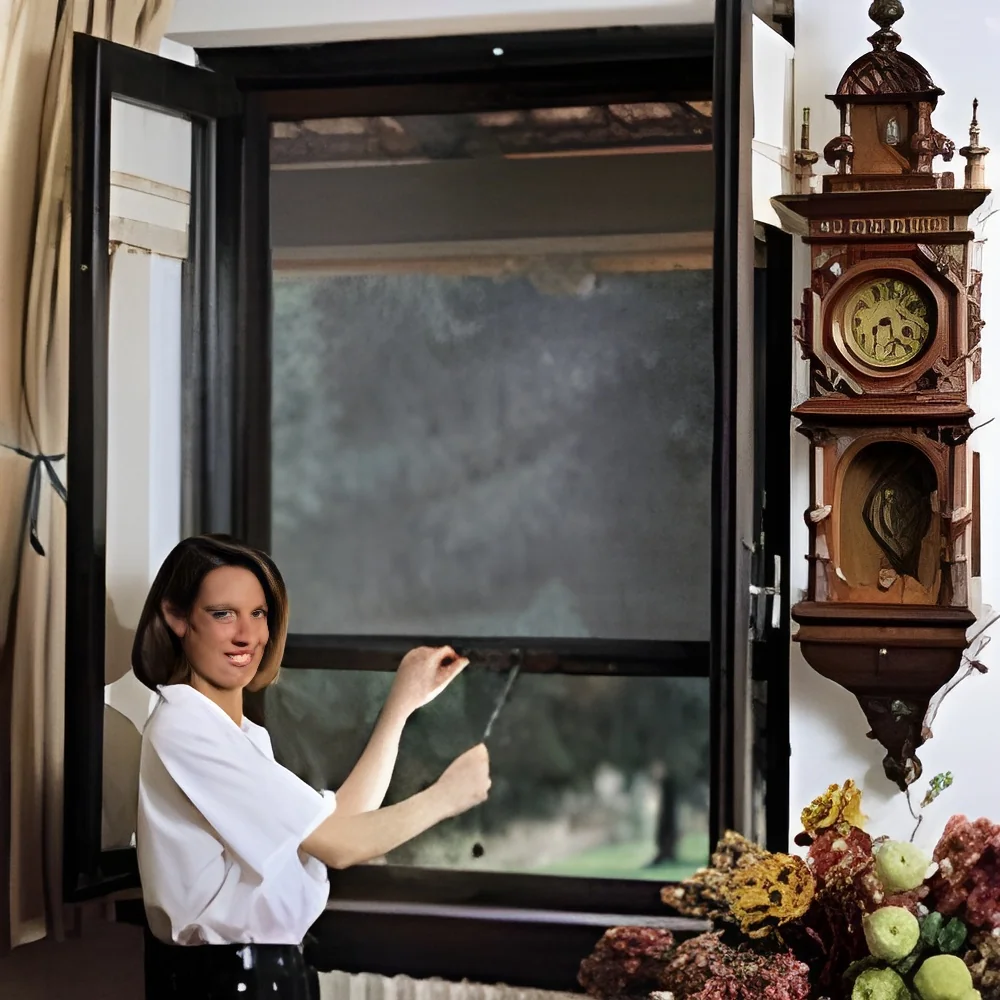
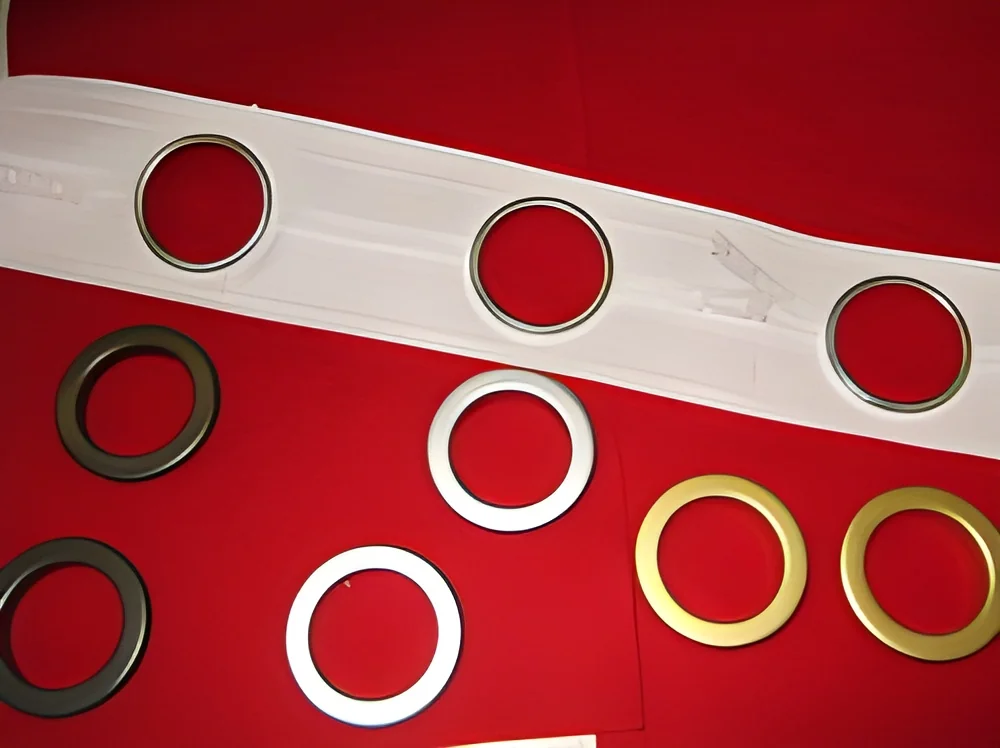
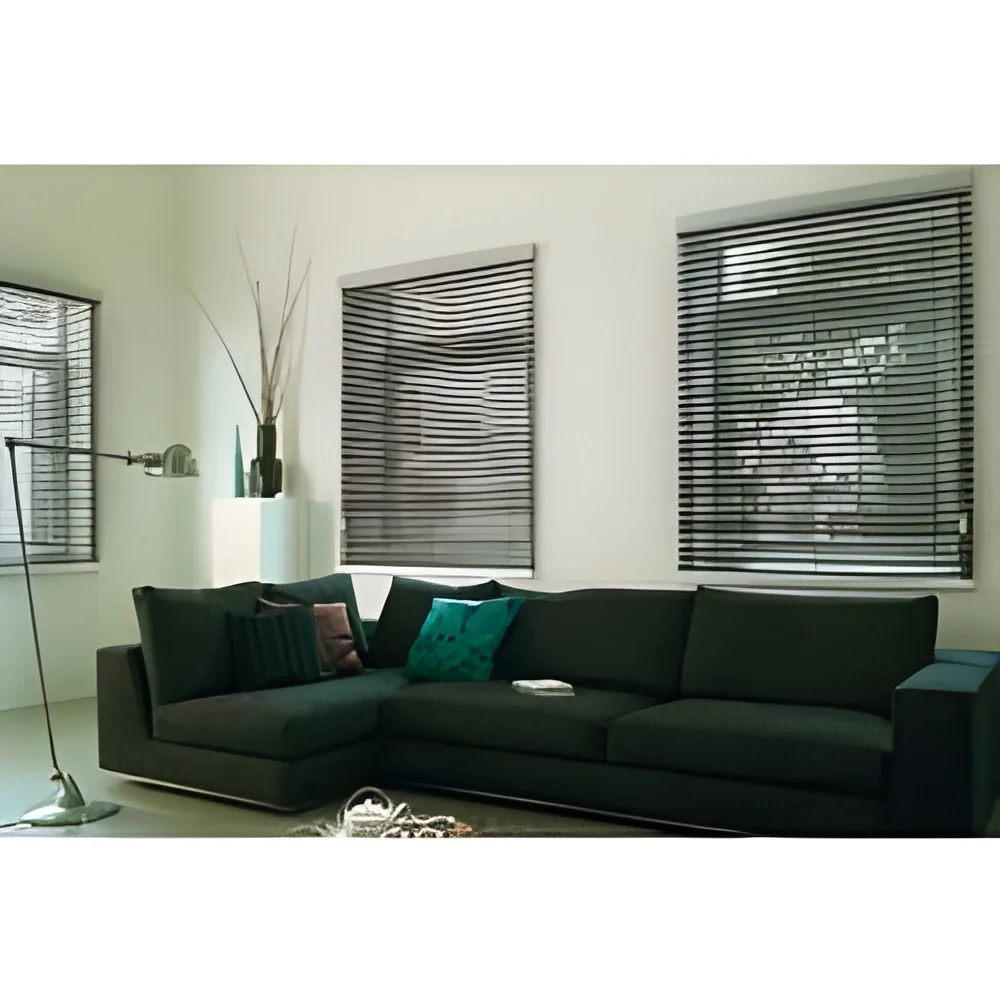
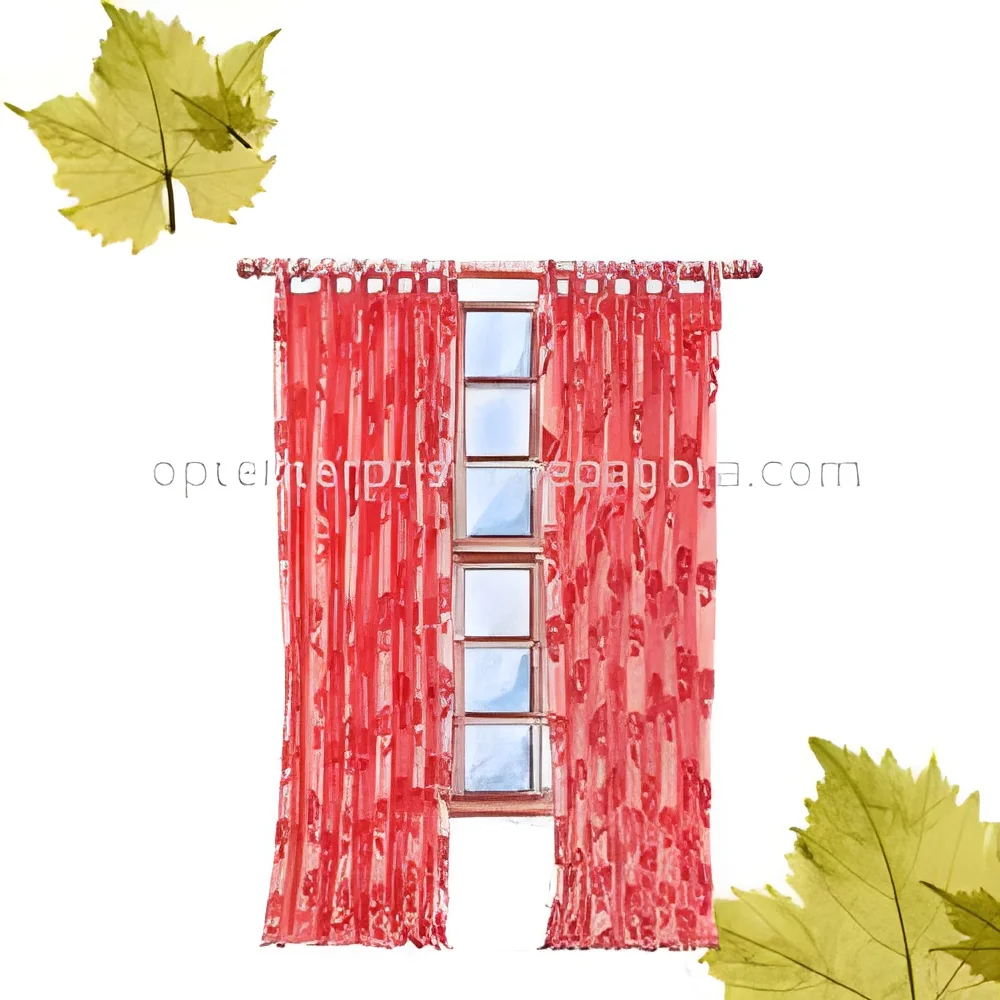
Curtains and blinds are essential window treatments that serve both functional and aesthetic purposes in various settings. Curtains are typically made from fabric and hang from a rod, allowing for a softer look while providing privacy and light control. Blinds, on the other hand, are usually constructed from materials like wood, metal, or vinyl and consist of horizontal or vertical slats that can be adjusted to control light and visibility.
These products are widely used in residential, commercial, and industrial environments. In offices, they can enhance privacy and reduce glare on computer screens. In hotels, they contribute to the overall ambiance while ensuring guests' comfort. Additionally, in manufacturing facilities, blinds and curtains can help regulate temperature and manage energy efficiency, making them significant in various business applications.
The market for curtains and blinds is continually evolving, driven by trends in interior design, energy efficiency, and technology. As businesses increasingly seek to improve their environments, the demand for high-quality, customizable options is on the rise, underscoring the importance of these products in the contemporary market.
𝗞𝗲𝘆 𝗙𝗲𝗮𝘁𝘂𝗿𝗲𝘀 𝗮𝗻𝗱 𝗦𝗽𝗲𝗰𝗶𝗳𝗶𝗰𝗮𝘁𝗶𝗼𝗻𝘀
Curtains and blinds come with a variety of features and specifications that address different needs across industries. Understanding these specifications is crucial for making informed purchasing decisions.
Key specifications include:
1. Fabric Type
- Options range from sheer to blackout materials
- Different fabrics offer varying levels of light control and insulation
2. Operating Mechanism
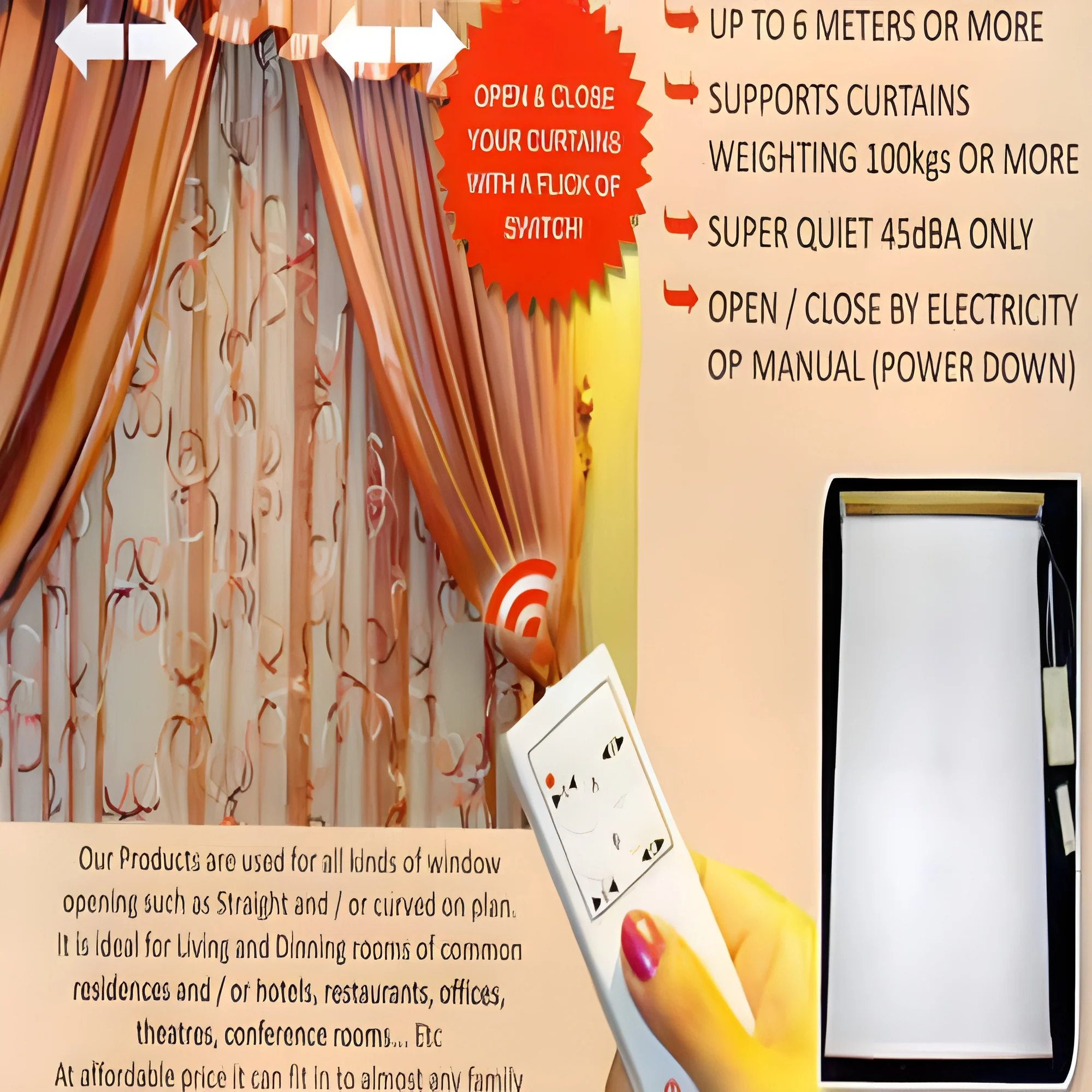
- Manual or motorized operation
- Motorized options may include smart technology integration for automation
3. Size and Dimensions
- Customizable dimensions to fit various window sizes
- Standard sizes available for quick solutions
4. Insulation Properties
- Thermal insulation to improve energy efficiency
- Helps in maintaining indoor temperature and reducing energy costs
5. UV Protection
- Some fabrics offer UV protection to shield interiors from sun damage
- Helps in prolonging the life of furniture and flooring
6. Maintenance Requirements
- Ease of cleaning varies by material
- Some options are machine washable or easy to wipe clean
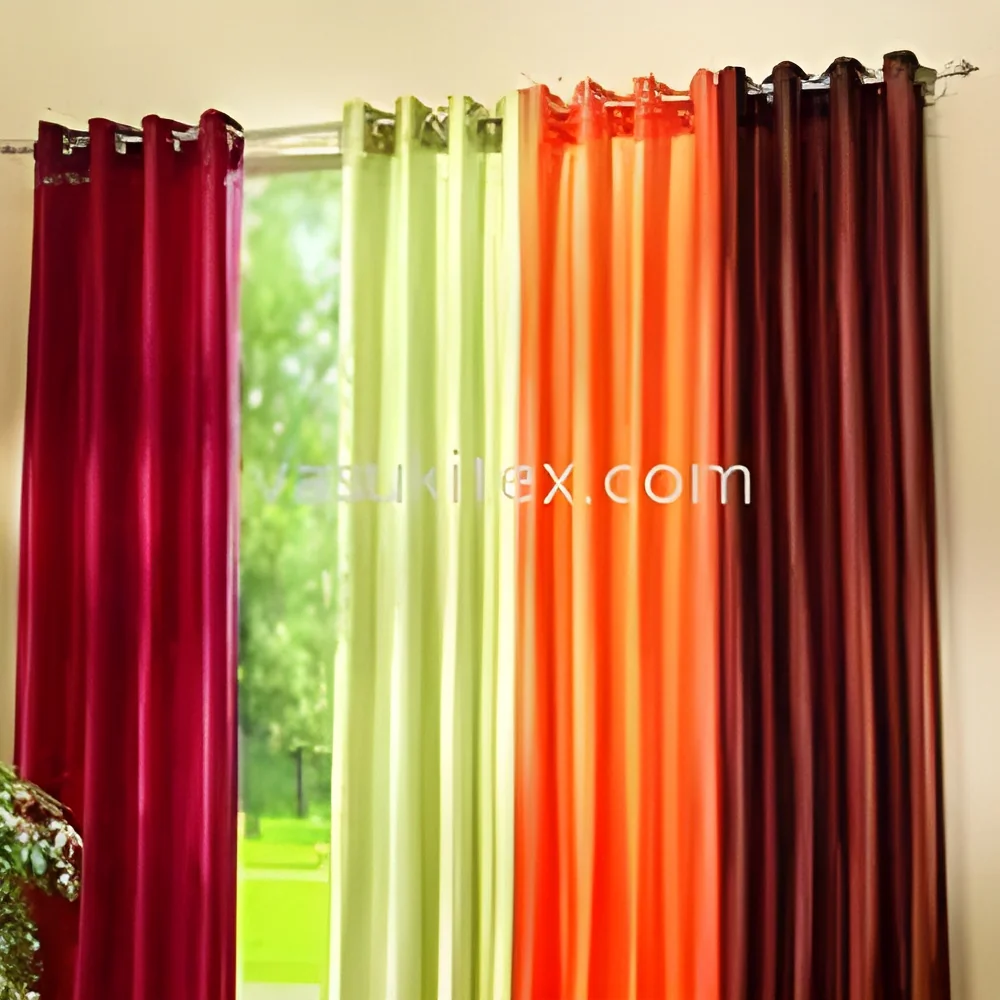
7. Color and Design Options
- Wide range of colors and patterns available
- Customization options to match specific design aesthetics
In summary, understanding the key features and specifications of curtains and blinds can help buyers select the right products tailored to their specific requirements.
𝗖𝗼𝗺𝗺𝗼𝗻 𝗔𝗽𝗽𝗹𝗶𝗰𝗮𝘁𝗶𝗼𝗻𝘀 𝗮𝗻𝗱 𝗨𝘀𝗲 𝗖𝗮𝘀𝗲𝘀
Curtains and blinds are versatile products serving various industries effectively.
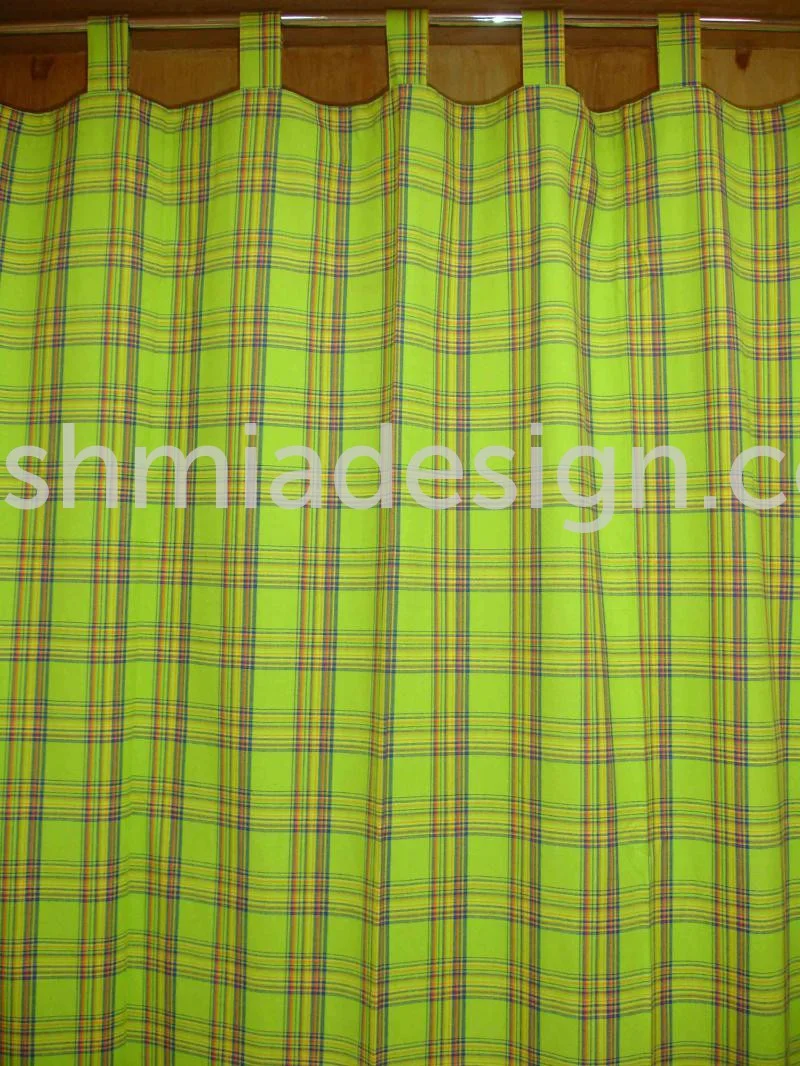
1. Residential: Homeowners use curtains and blinds to enhance privacy, control light, and improve energy efficiency in living spaces.
2. Hospitality: Hotels and resorts utilize these products to create a welcoming ambiance, ensuring guest comfort and satisfaction.
3. Corporate Offices: Businesses rely on curtains and blinds to reduce glare on screens and improve employee productivity in workspaces.
4. Educational Institutions: Schools and universities implement window treatments to create conducive learning environments while managing light and noise.
5. Healthcare Facilities: Hospitals and clinics use curtains for privacy in patient rooms and waiting areas, contributing to a calming atmosphere.
6. Retail Spaces: Stores use blinds to control lighting and protect merchandise from UV damage while enhancing visual merchandising.
7. Industrial Settings: Factories and warehouses utilize heavy-duty blinds and curtains to regulate temperature and improve working conditions.
𝗣𝗿𝗼𝗱𝘂𝗰𝘁 𝗩𝗮𝗿𝗶𝗮𝗻𝘁𝘀 𝗮𝗻𝗱 𝗦𝘂𝗯𝗰𝗮𝘁𝗲𝗴𝗼𝗿𝗶𝗲𝘀
Curtains and blinds come in various forms to meet diverse needs across different environments.
Roller Blinds
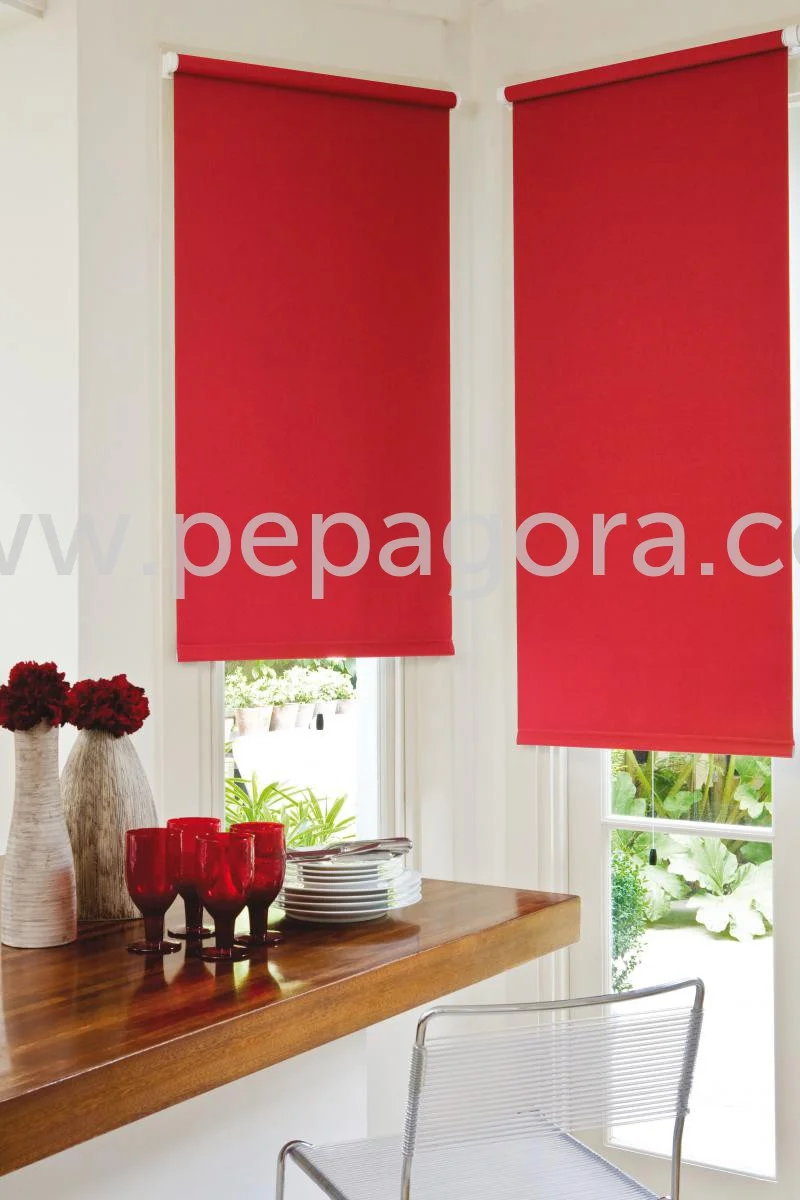
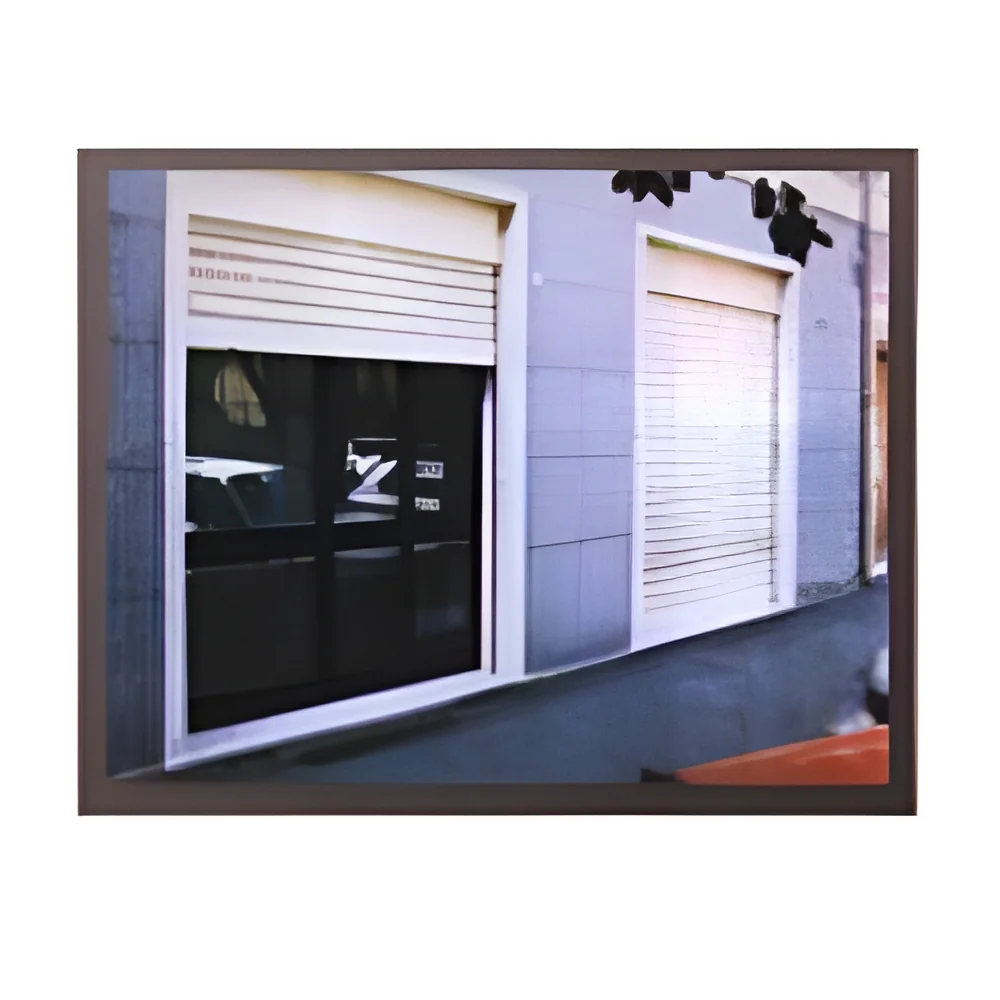
Roller blinds are designed for simplicity and functionality. They can be easily rolled up or down and are available in various fabrics, including blackout options for complete light blockage. Ideal for offices and homes, they offer a sleek look while providing excellent light control.
Vertical Blinds
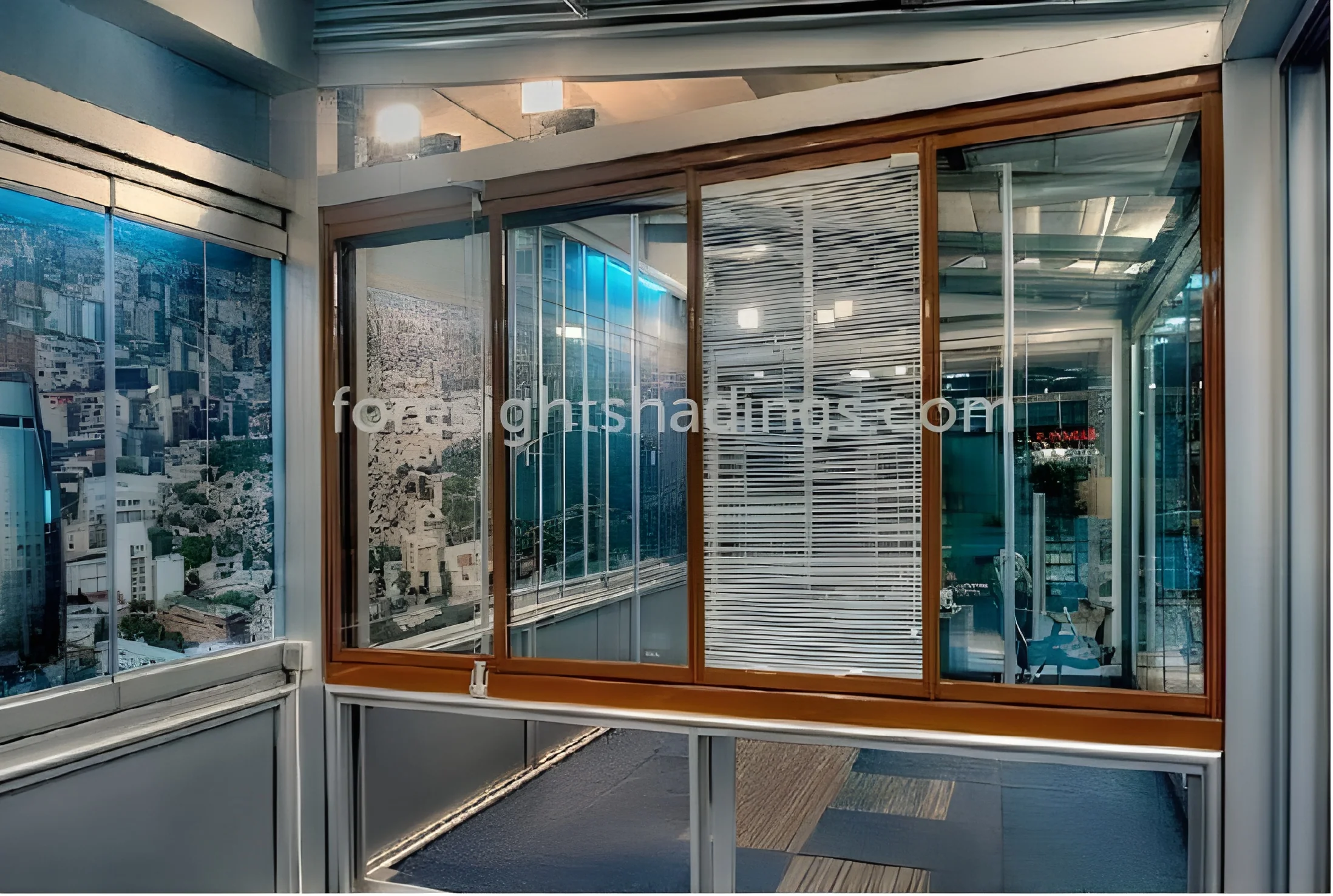
Vertical blinds consist of vertical slats that can be rotated to adjust light levels. They are particularly suitable for large windows and sliding doors, making them common in commercial spaces. Their versatility allows for both privacy and expansive views when desired.
Roman Shades
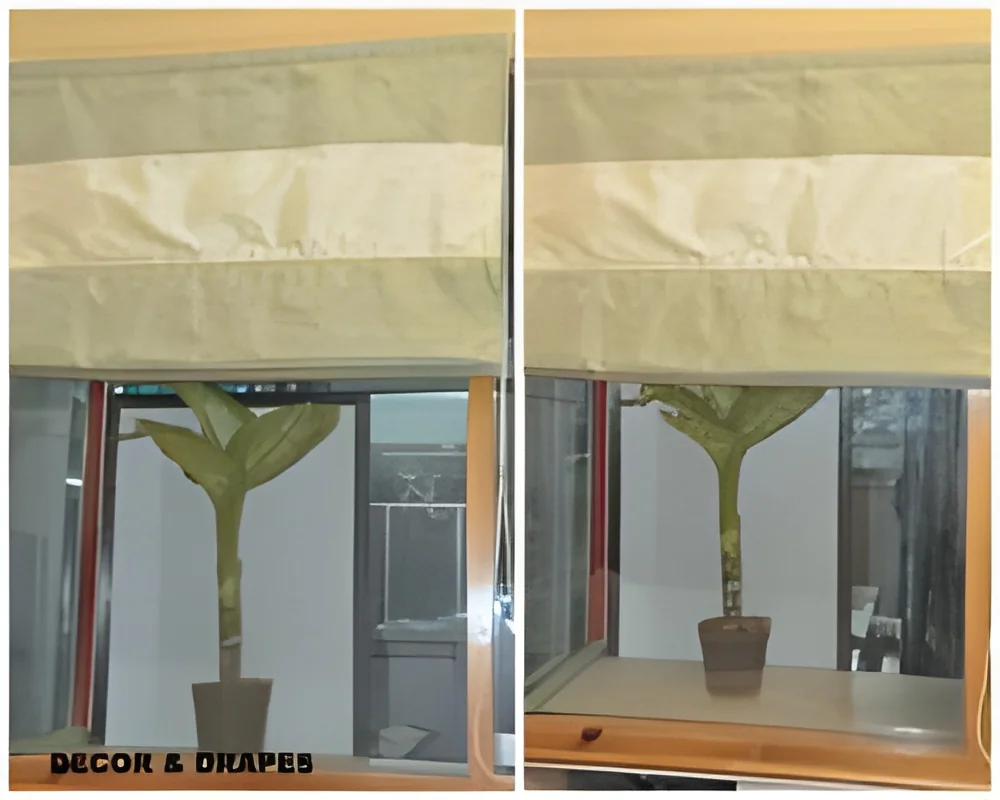
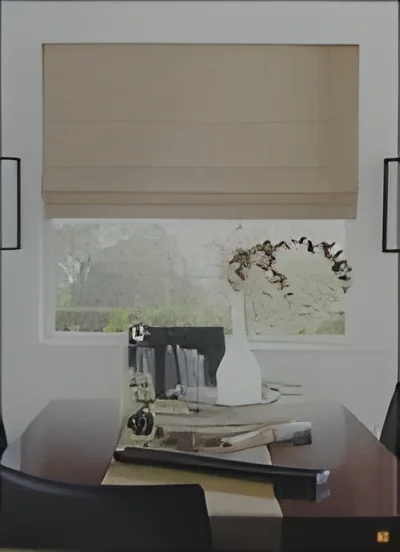
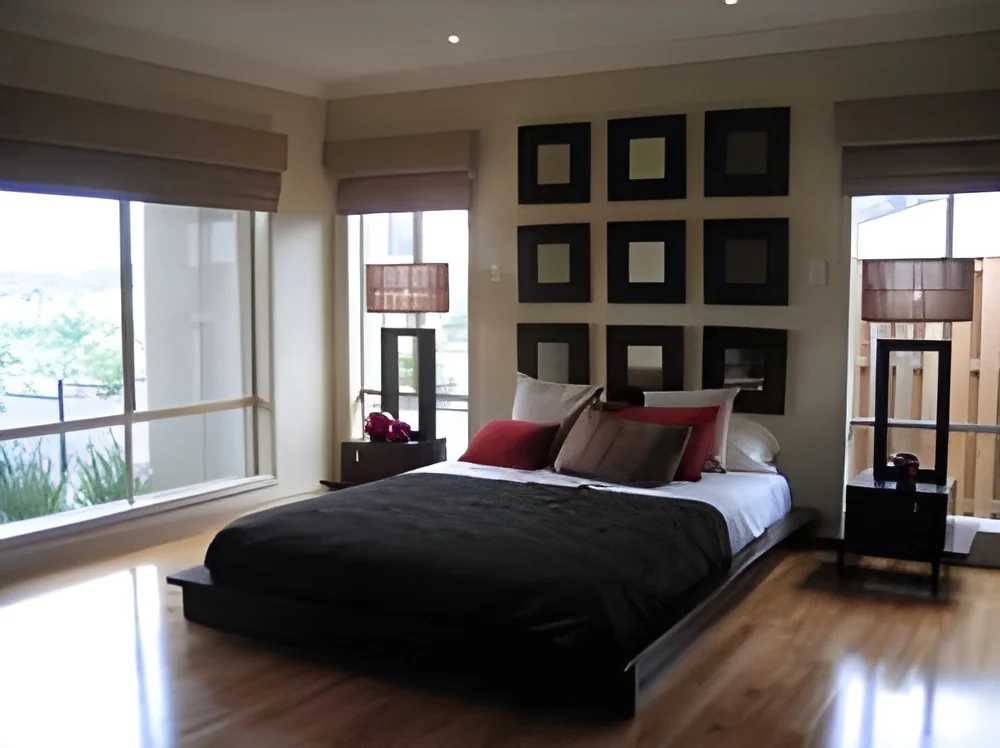
Roman shades provide a soft, elegant look that enhances interior design while offering light control. These shades fold up neatly when raised and can be made from a variety of fabrics. They are commonly used in residential settings for a touch of sophistication.
Venetian Blinds
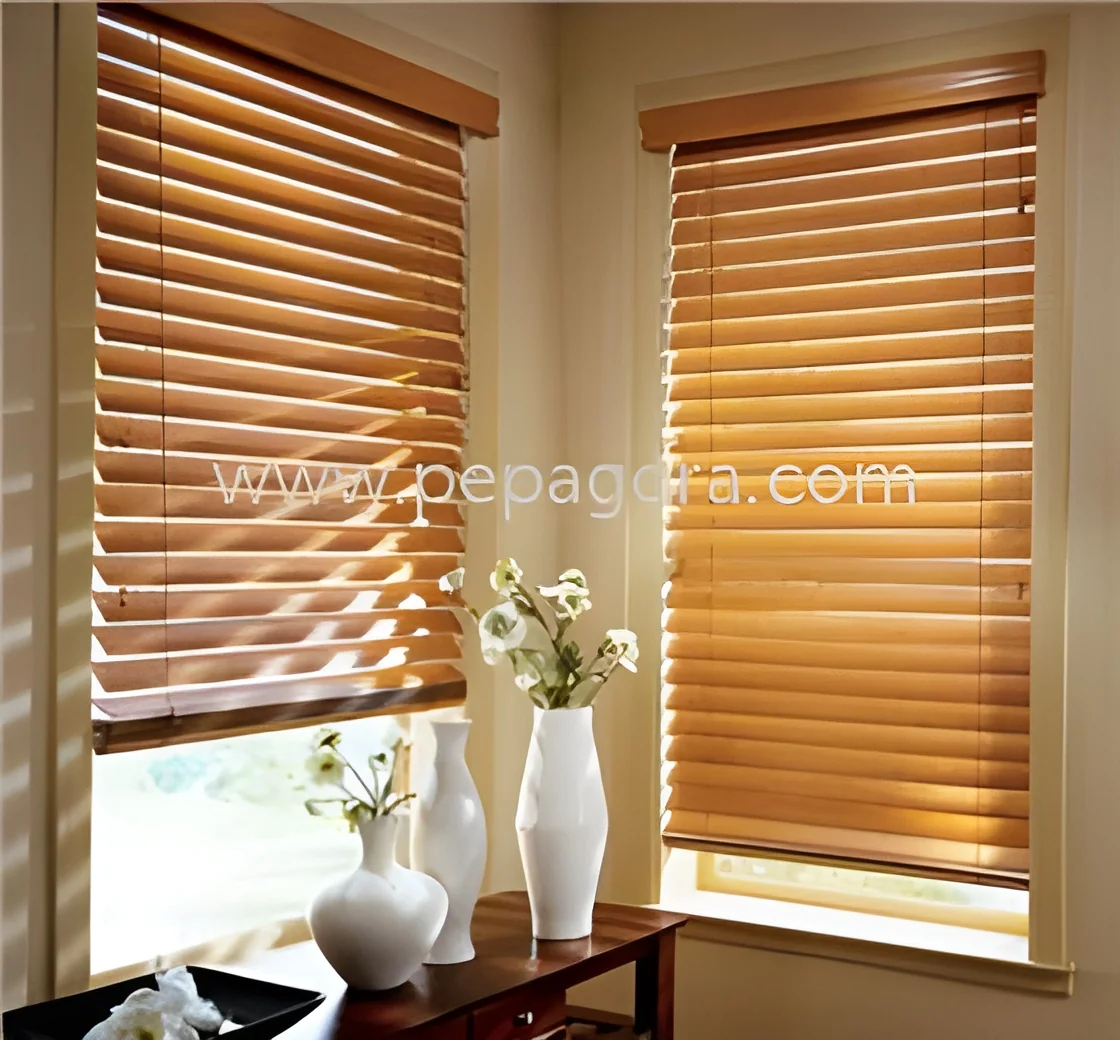
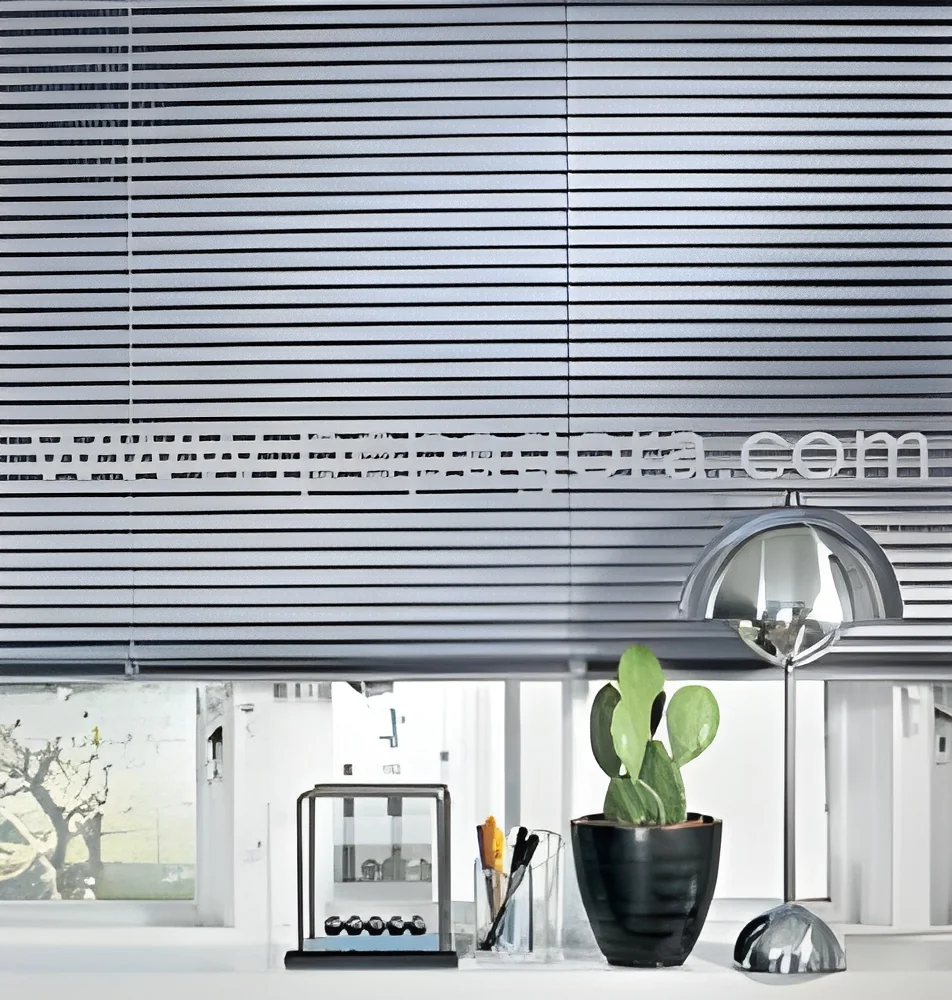
Venetian blinds feature horizontal slats that can be tilted to control light and visibility. They are available in various materials, including aluminum and wood, making them popular in both homes and offices for their classic appeal and practicality.
𝗕𝗲𝗻𝗲𝗳𝗶𝘁𝘀 𝗮𝗻𝗱 𝗔𝗱𝘃𝗮𝗻𝘁𝗮𝗴𝗲𝘀
Curtains and blinds offer several key benefits that can enhance environments across various sectors.
1. Light Control: They allow users to manage the amount of natural light entering a space, contributing to comfort and energy savings.
2. Privacy: Curtains and blinds provide essential privacy, particularly in communal areas or offices, helping to create a more secure environment.
3. Energy Efficiency: Insulating properties can help reduce heating and cooling costs by maintaining a consistent indoor temperature.
4. Aesthetic Appeal: Available in numerous colors, patterns, and styles, they can significantly enhance the visual appeal of any space.
5. Noise Reduction: Certain materials can help absorb sound, contributing to a quieter environment, especially in busy settings.
6. Easy Maintenance: Many curtains and blinds are designed for easy cleaning and maintenance, saving time and effort for users.
𝗕𝘂𝘆𝗶𝗻𝗴 𝗚𝘂𝗶𝗱𝗲 𝗳𝗼𝗿 𝗕𝟮𝗕 𝗕𝘂𝘆𝗲𝗿𝘀
When sourcing curtains and blinds for business purposes, it is essential to consider several factors to ensure the best fit for your needs.
1. Quality Assessment: Evaluate the fabric and material quality to ensure durability and suitability for the intended environment. Look for products that meet industry standards.
2. Supplier Verification: Vet potential suppliers for reliability and reputation. Check for customer reviews and industry certifications to ensure you are working with a trustworthy partner.
3. Pricing and MOQ: Consider the pricing structure and minimum order quantities (MOQ) to align with your budget and inventory needs. Negotiate terms that benefit both parties.
4. Delivery and Lead Times: Assess the supplier's ability to meet your delivery requirements. Timely delivery is crucial for maintaining project schedules and inventory levels.
5. Compliance Requirements: Ensure that the curtains and blinds meet relevant compliance and safety standards. This may include regional regulations or specific industry certifications.
𝗖𝗼𝗺𝗽𝗹𝗶𝗮𝗻𝗰𝗲 𝗮𝗻𝗱 𝗖𝗲𝗿𝘁𝗶𝗳𝗶𝗰𝗮𝘁𝗶𝗼𝗻𝘀
Curtains and blinds must adhere to various compliance and certification standards to ensure safety, quality, and performance.
Quality standards such as ISO 9001 focus on maintaining consistent quality management systems. This is crucial for manufacturers aiming to provide reliable products.
Industry certifications like CE indicate compliance with European safety and environmental protection standards. This certification assures buyers that products meet rigorous testing requirements.
Safety and testing requirements are also critical, particularly for products used in commercial and industrial settings. Manufacturers must ensure that their products are free from hazardous materials and conform to safety guidelines.
Regional compliance considerations can vary significantly. It is vital for businesses to understand the specific regulations that apply in their geographic areas to avoid potential legal issues.
𝗪𝗵𝘆 𝗦𝗼𝘂𝗿𝗰𝗲 𝗖𝘂𝗿𝘁𝗮𝗶𝗻𝘀 & 𝗕𝗹𝗶𝗻𝗱𝘀 𝗳𝗿𝗼𝗺 𝗣𝗲𝗽𝗮𝗴𝗼𝗿𝗮?
Pepagora is a trusted platform for sourcing curtains and blinds, offering several key advantages for B2B buyers.
Verified Supplier Network: Pepagora provides access to a network of verified suppliers, ensuring that buyers can source products from reputable manufacturers. This verification process helps mitigate risks associated with quality and reliability.
Streamlined RFQ Process: The request for quotation (RFQ) process on Pepagora is designed for efficiency. Buyers can easily compare quotes from multiple suppliers, facilitating informed decision-making and cost-effectiveness.
Trade Assurance and Support: Pepagora offers trade assurance, providing buyers with protection throughout the purchasing process. This support enhances buyer confidence and security when making significant investments.
Regional Coverage: With a strong presence in India, the GCC, and Southeast Asia, Pepagora offers extensive regional coverage. This allows businesses to access a wide range of products and suppliers tailored to their local markets.










Frequently Asked Questions
What are Curtains & Blinds?
Curtains & Blinds are window treatments that serve both functional and aesthetic purposes. They can regulate light, provide privacy, and enhance the decor of a room.
What are the different types of Curtains & Blinds?
There are various types of Curtains & Blinds, including traditional curtains, roller blinds, vertical blinds, Roman shades, and blackout curtains. Each type offers different styles, materials, and functionalities to suit various needs.
How do I choose the right Curtains & Blinds?
Choosing the right Curtains & Blinds involves considering factors such as the purpose (light control, privacy), material, style, and color that complements your interior. It's also essential to measure your windows accurately to ensure a proper fit.
What are the standard specifications for Curtains & Blinds?
Standard specifications for Curtains & Blinds typically include dimensions, fabric type, opacity levels, and mounting options. Additionally, they may specify compatibility with various window types and operating mechanisms.
What is the price range for Curtains & Blinds?
The price range for Curtains & Blinds can vary significantly based on material, size, and design complexity. Generally, prices can range from a few hundred to several thousand Indian Rupees per unit.
What quality standards apply to Curtains & Blinds?
Quality standards for Curtains & Blinds often include durability, colorfastness, and safety regulations, especially for materials used in homes with children. Manufacturers may adhere to international quality certifications to ensure product reliability.
Where can I find Curtains & Blinds suppliers in India?
You can find Curtains & Blinds suppliers in India through online B2B marketplaces, trade shows, and industry directories. Websites like Pepagora.com offer a comprehensive list of verified suppliers for easy sourcing.
Can Curtains & Blinds be customized?
Yes, Curtains & Blinds can often be customized to meet specific requirements, including size, color, fabric, and design. Many manufacturers offer bespoke solutions to cater to unique customer needs.
What is the typical minimum order quantity for Curtains & Blinds?
The typical minimum order quantity (MOQ) for Curtains & Blinds can vary by supplier but usually ranges from 10 to 50 units. It's advisable to check with specific manufacturers for their MOQ policies.
What is the typical lead time for Curtains & Blinds?
The typical lead time for Curtains & Blinds can range from 2 to 6 weeks, depending on the complexity of the order, customization requests, and supplier capabilities. It's best to confirm the lead time with the supplier before placing an order.
Why Businesses Trust Pepagora
Thousands of companies trust Pepagora to source smarter and sell faster
Expand Your Sales Globally

Source Smarter,Grow Faster
