𝗪𝗵𝗮𝘁 𝗮𝗿𝗲 𝗕𝘂𝘀𝗶𝗻𝗲𝘀𝘀 𝗖𝗮𝗿𝗱𝘀 & 𝗦𝘁𝗮𝘁𝗶𝗼𝗻𝗲𝗿𝘆 𝗣𝗿𝗶𝗻𝘁𝗶𝗻𝗴?
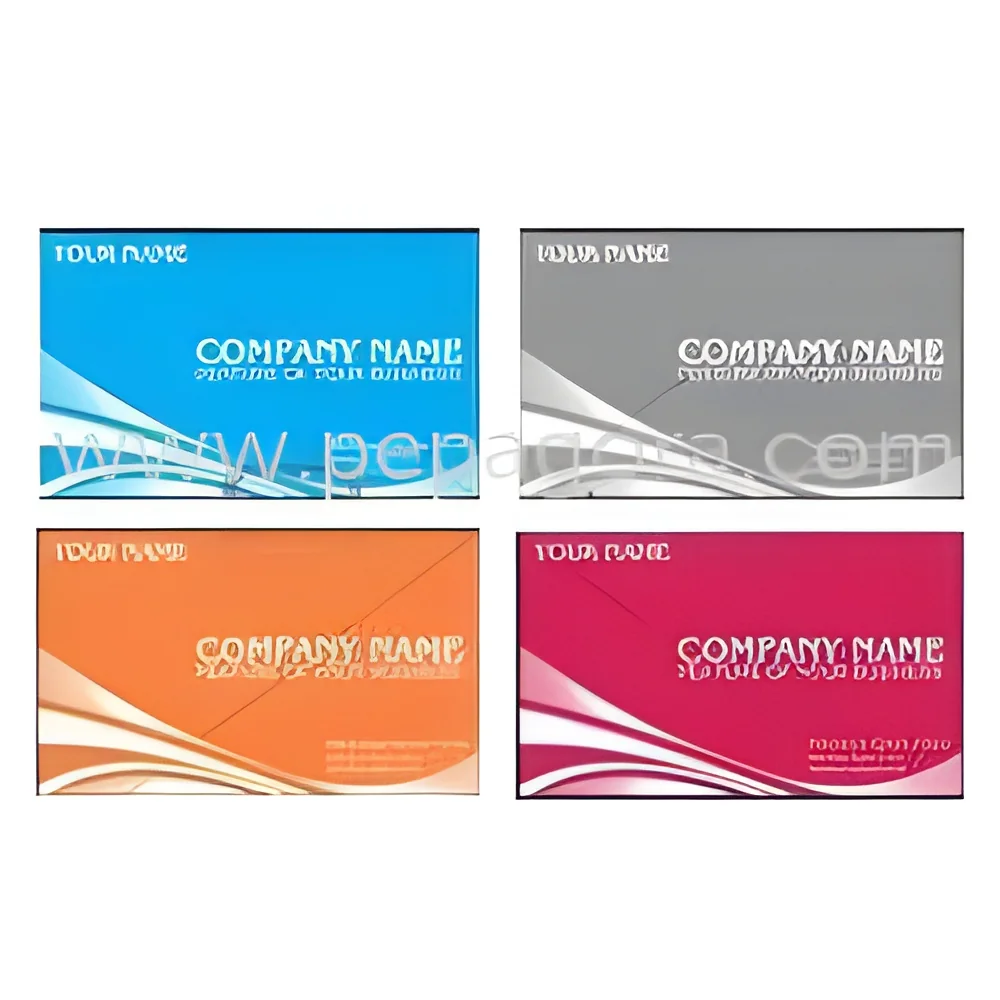
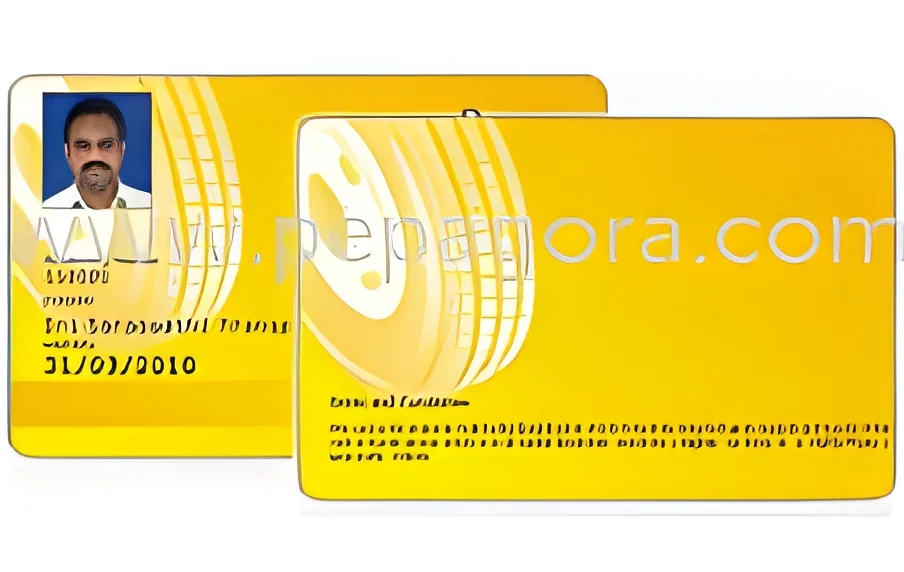
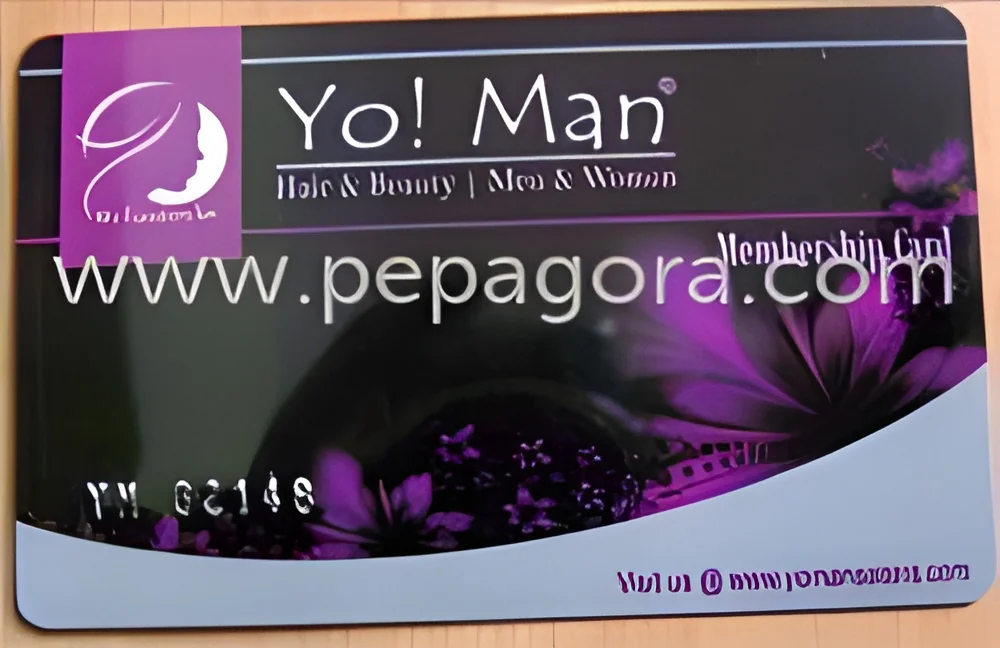
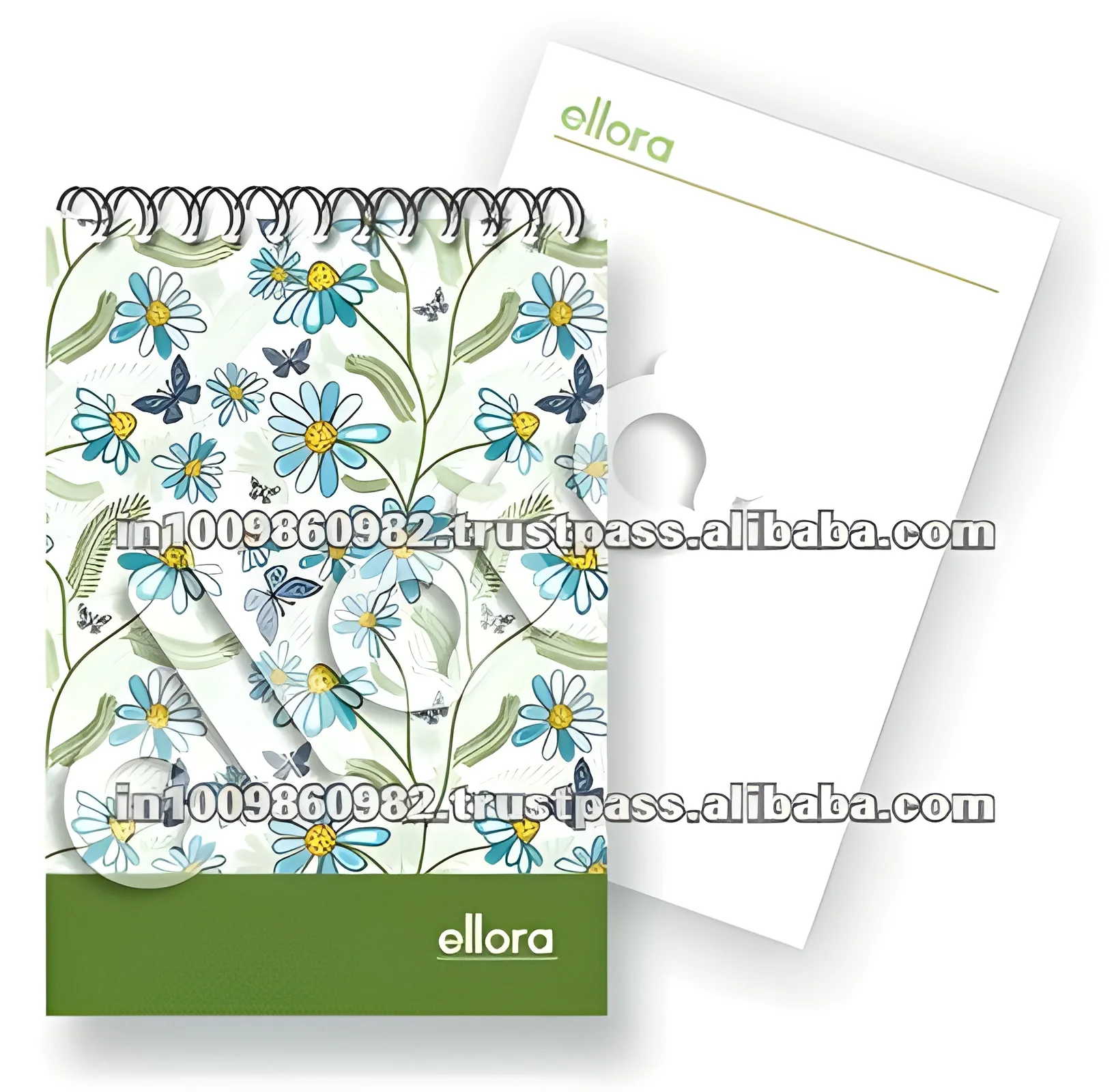
Business cards and stationery printing refer to the production of customized printed materials that serve as vital tools for branding and communication in business environments. Business cards are small cards that contain essential contact information and branding elements for individuals or organizations. Stationery includes a broader range of printed items such as letterheads, envelopes, and notepads, which are often used in formal business correspondence. Together, these printed materials help establish a professional identity and create lasting impressions.
In the business world, the primary uses of business cards and stationery include networking, promoting services, and providing a tangible means of communication. They are often exchanged during meetings, conferences, and networking events, making them integral to relationship-building. Stationery, on the other hand, supports formal communication, reinforcing the brand image through consistent design and quality. The relevance of these products in various industries underscores their importance in maintaining professionalism and facilitating effective communication.
As businesses continue to navigate digital landscapes, the demand for high-quality business cards and stationery remains strong. In markets across the globe, companies recognize the value of physical branding materials that leave a memorable impact. This makes business cards and stationery printing an essential consideration for companies aiming to enhance their visibility and establish their credibility.
𝗞𝗲𝘆 𝗙𝗲𝗮𝘁𝘂𝗿𝗲𝘀 𝗮𝗻𝗱 𝗦𝗽𝗲𝗰𝗶𝗳𝗶𝗰𝗮𝘁𝗶𝗼𝗻𝘀
Business cards and stationery printing come with a variety of features and specifications that cater to different business needs. Understanding these specifications is crucial for making informed purchasing decisions.
Key specifications include:
1. Material Quality
- Common materials include cardstock, recycled paper, and specialty paper.
- Thickness typically ranges from 14pt to 32pt for business cards.
2. Print Quality
- Printing methods include digital, offset, and letterpress.
- High-resolution printing is standard, often at 300 DPI or higher.
3. Finish Options
- Available finishes include matte, glossy, and uncoated.
- Special finishes like foil stamping or embossing can enhance design.
4. Customization
- Options for size, shape, and design are widely available.
- Businesses can choose from standard sizes or custom dimensions.
5. Color Options
- Full-color printing is standard, with options for spot colors.
- Pantone color matching is often available for brand consistency.
6. Minimum Order Quantity (MOQ)
- MOQs can vary, with some suppliers offering as few as 50 cards.
- Larger orders often result in reduced per-unit costs.
7. Delivery Timeframes
- Standard turnaround times range from 3 to 10 business days.
- Rush orders may be available for urgent needs.
In summary, understanding the key features and specifications of business cards and stationery printing helps businesses select the right products to meet their branding and communication needs.
𝗖𝗼𝗺𝗺𝗼𝗻 𝗔𝗽𝗽𝗹𝗶𝗰𝗮𝘁𝗶𝗼𝗻𝘀 𝗮𝗻𝗱 𝗨𝘀𝗲 𝗖𝗮𝘀𝗲𝘀
Business cards and stationery printing serve a wide range of industries and applications. Their versatility makes them an essential asset for many businesses.
1. Corporate Sector: In corporate environments, business cards are fundamental for networking and establishing professional connections. Stationery reinforces branding in official correspondence.
2. Real Estate: Real estate agents use business cards to share contact information with potential buyers and sellers, while branded stationery is often used for formal offers and contracts.
3. Healthcare: Healthcare professionals utilize business cards to provide essential information to patients and colleagues, while stationery can be used for appointment reminders and formal communications.
4. Education: Educational institutions use stationery for official communications, while business cards help educators network with peers and industry professionals.
5. Creative Industries: Designers and artists rely on unique business card designs to showcase their creativity, while custom stationery can be used for client presentations and proposals.
6. Hospitality: Hotels and restaurants use business cards to promote services and enhance customer interactions, while branded stationery is used for menus and formal communications.
7. Freelancers and Consultants: Independent professionals utilize business cards to market their services and maintain a professional image, while stationery is often used for client invoices and contracts.
𝗣𝗿𝗼𝗱𝘂𝗰𝘁 𝗩𝗮𝗿𝗶𝗮𝗻𝘁𝘀 𝗮𝗻𝗱 𝗦𝘂𝗯𝗰𝗮𝘁𝗲𝗴𝗼𝗿𝗶𝗲𝘀
Business cards and stationery printing offer various product variants to suit different business requirements. These variants allow companies to choose options that align with their branding strategies.
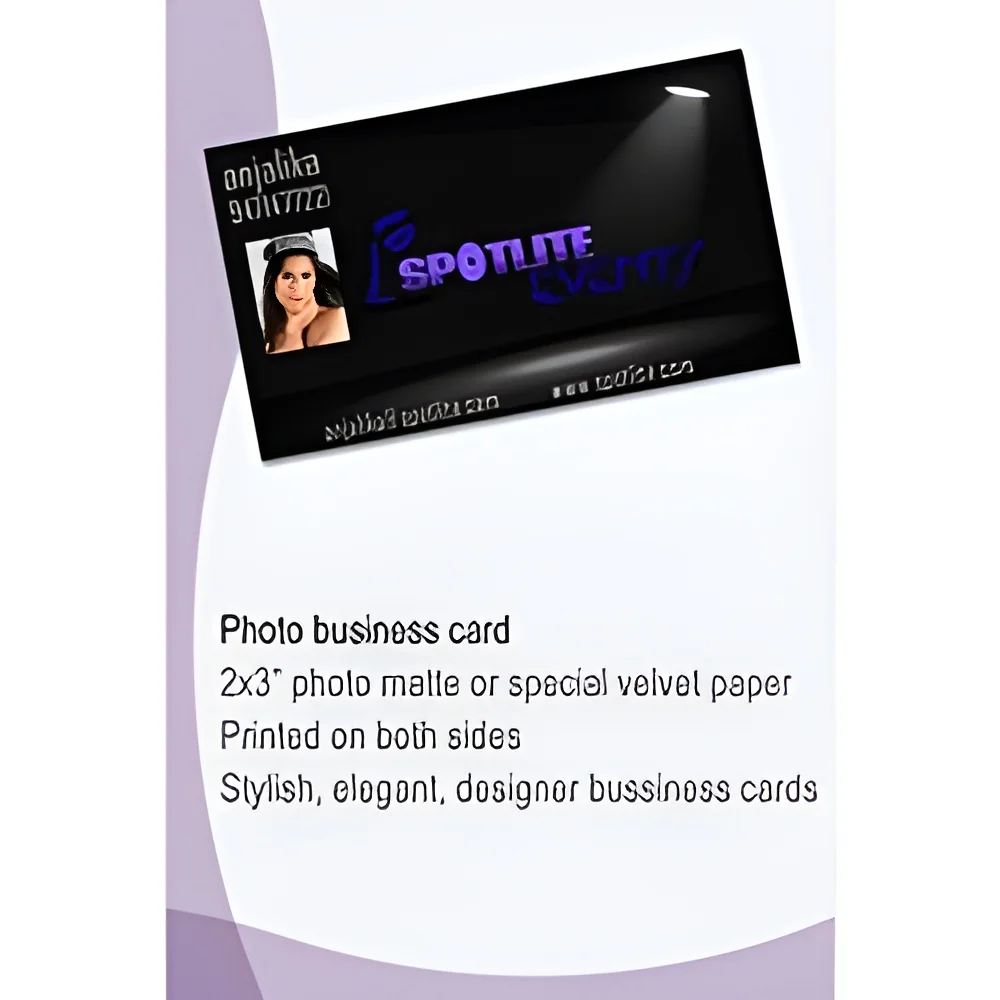
Standard Business Cards: These are the most common variant, typically printed on cardstock with standard dimensions. They often feature essential contact details and branding elements.
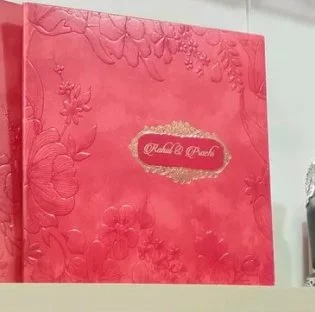
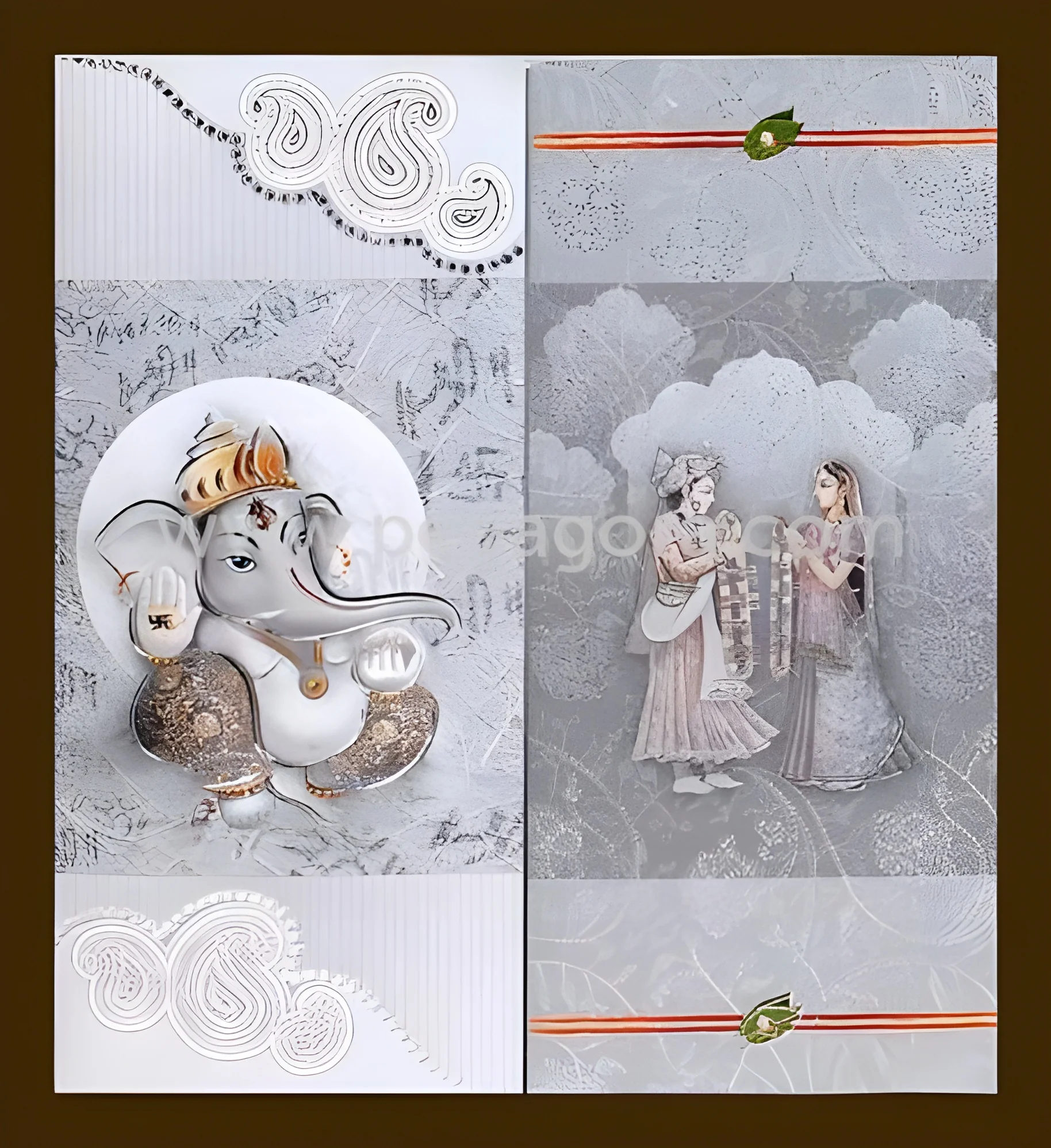
Luxury Business Cards: These cards are made from premium materials and may include special finishes like embossing or foil stamping. They are designed to create a lasting impression and convey exclusivity.
Eco-Friendly Business Cards: Made from recycled materials, these cards appeal to environmentally conscious businesses. They provide a sustainable option without compromising quality.
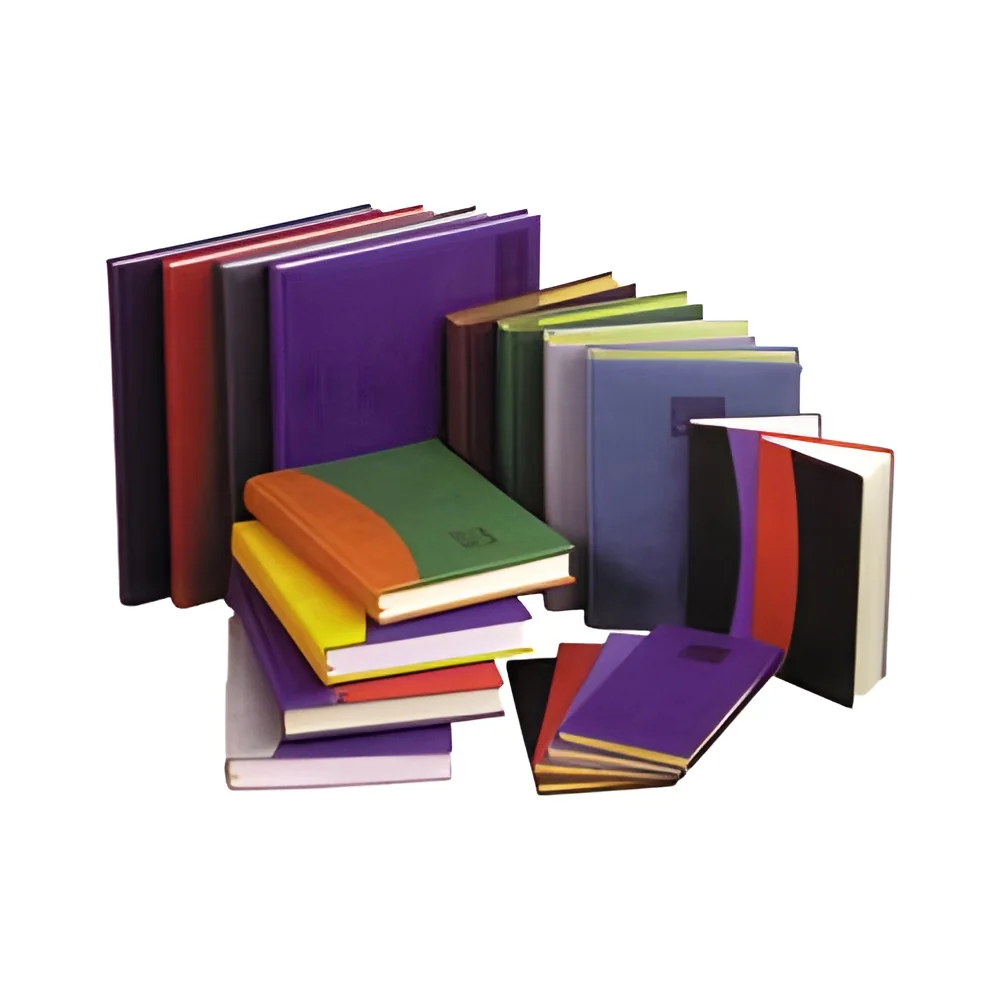
Stationery Sets: This variant includes a collection of items like letterheads, envelopes, and notepads, all designed to maintain brand consistency across various communication channels.
Custom Stationery: Businesses can opt for fully customized stationery to reflect their unique branding. This includes personalized designs, colors, and formats tailored to specific needs.
𝗕𝗲𝗻𝗲𝗳𝗶𝘁𝘀 𝗮𝗻𝗱 𝗔𝗱𝘃𝗮𝗻𝘁𝗮𝗴𝗲𝘀
Choosing to invest in business cards and stationery printing comes with several notable benefits that can enhance a company's branding efforts.
1. Professional Image: High-quality business cards and stationery create a polished and professional appearance, making a positive impression on clients and partners.
2. Brand Recognition: Consistent branding across all printed materials reinforces brand identity, helping businesses stand out in competitive markets.
3. Networking Opportunities: Business cards facilitate networking by providing a tangible way to share contact information, fostering connections that can lead to new opportunities.
4. Versatile Communication: Stationery allows for formal communication, enhancing the professionalism of business correspondence and helping maintain a formal tone.
5. Customizability: The ability to customize designs, sizes, and finishes ensures that businesses can create materials that truly reflect their branding and message.
6. Tangible Marketing: Printed materials serve as physical marketing tools that can be distributed at events, meetings, or through direct mail, reaching potential customers effectively.
𝗕𝘂𝘆𝗶𝗻𝗴 𝗚𝘂𝗶𝗱𝗲 𝗳𝗼𝗿 𝗕𝟮𝗕 𝗕𝘂𝘆𝗲𝗿𝘀
When sourcing business cards and stationery printing, B2B buyers should take several factors into consideration to ensure they make informed decisions.
1. Quality Assessment: Evaluate the quality of materials and printing techniques. Look for samples or reviews to ensure the final product meets your expectations.
2. Supplier Verification: Research potential suppliers to verify their reputation and reliability. Check for certifications and customer testimonials to gauge their trustworthiness.
3. Pricing and MOQ: Compare pricing structures among different suppliers. Be aware of minimum order quantities, as larger orders may offer better pricing but require upfront investment.
4. Delivery and Lead Times: Inquire about delivery schedules and lead times. Ensure that the supplier can meet your deadlines to avoid disruptions in your business operations.
5. Compliance Requirements: Consider any regulatory or compliance needs specific to your industry. Ensure that the supplier adheres to relevant standards and certifications.
𝗖𝗼𝗺𝗽𝗹𝗶𝗮𝗻𝗰𝗲 𝗮𝗻𝗱 𝗖𝗲𝗿𝘁𝗶𝗳𝗶𝗰𝗮𝘁𝗶𝗼𝗻𝘀
Business cards and stationery printing can be subject to various compliance and certification requirements. Understanding these standards can enhance product quality and marketability.
ISO 9001: This international standard focuses on quality management systems, ensuring that suppliers maintain high-quality production processes and customer satisfaction.
CE Certification: This certification indicates that products meet European safety, health, and environmental protection requirements. While not universally required, it can enhance credibility in certain markets.
Safety and Testing Requirements: Depending on the materials used, printed products may need to comply with specific safety standards, particularly for items used in sectors like education and healthcare.
Regional Compliance Considerations: Businesses should be aware of local regulations that may impact printing materials and processes. Compliance with regional standards is essential for market access and credibility.
𝗪𝗵𝘆 𝗦𝗼𝘂𝗿𝗰𝗲 𝗕𝘂𝘀𝗶𝗻𝗲𝘀𝘀 𝗖𝗮𝗿𝗱𝘀 & 𝗦𝘁𝗮𝘁𝗶𝗼𝗻𝗲𝗿𝘆 𝗣𝗿𝗶𝗻𝘁𝗶𝗻𝗴 𝗳𝗿𝗼𝗺 𝗣𝗲𝗽𝗮𝗴𝗼𝗿𝗮?
Pepagora offers a trusted platform for sourcing business cards and stationery printing, providing several key advantages for B2B buyers.
Verified Supplier Network: Pepagora features a network of verified suppliers, ensuring that buyers can connect with reputable manufacturers that meet high standards of quality and reliability.
Streamlined RFQ Process: The request for quotation (RFQ) process on Pepagora simplifies sourcing by allowing buyers to easily compare quotes from multiple suppliers, saving time and effort.
Trade Assurance and Support: Pepagora offers trade assurance, providing buyers with protection in transactions. Customer support is available to assist with any queries or issues that may arise throughout the purchasing process.
Regional Coverage: With a strong presence in regions like India, the GCC, and Southeast Asia, Pepagora enables businesses to access a wide range of suppliers and products tailored to their specific market needs.

 IN
IN