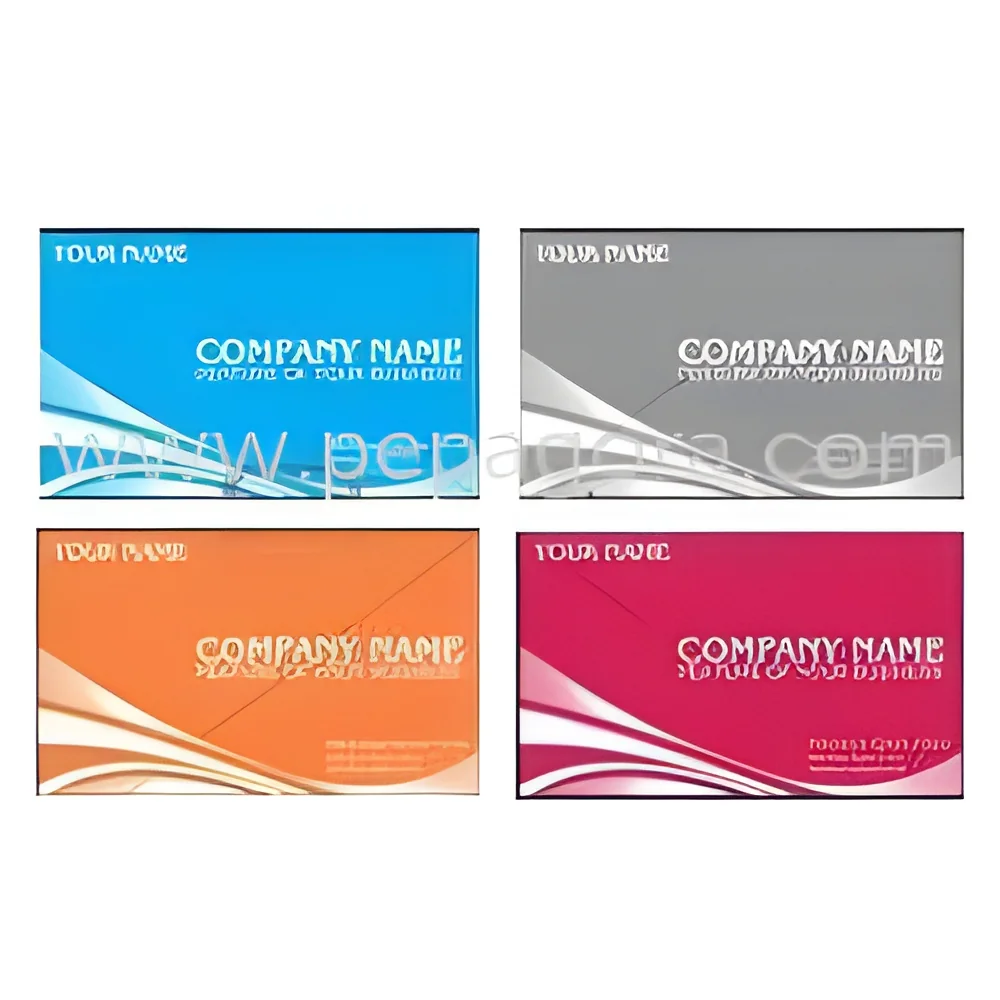
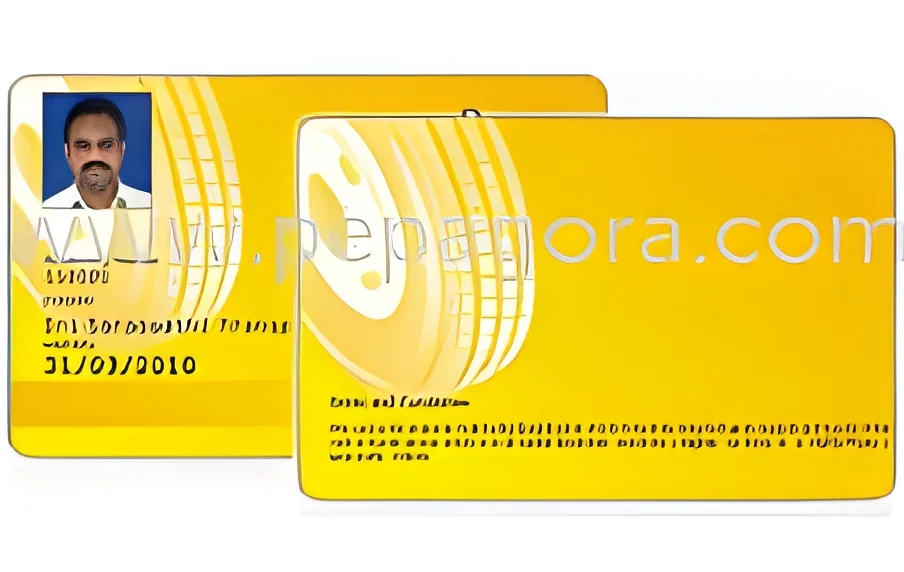
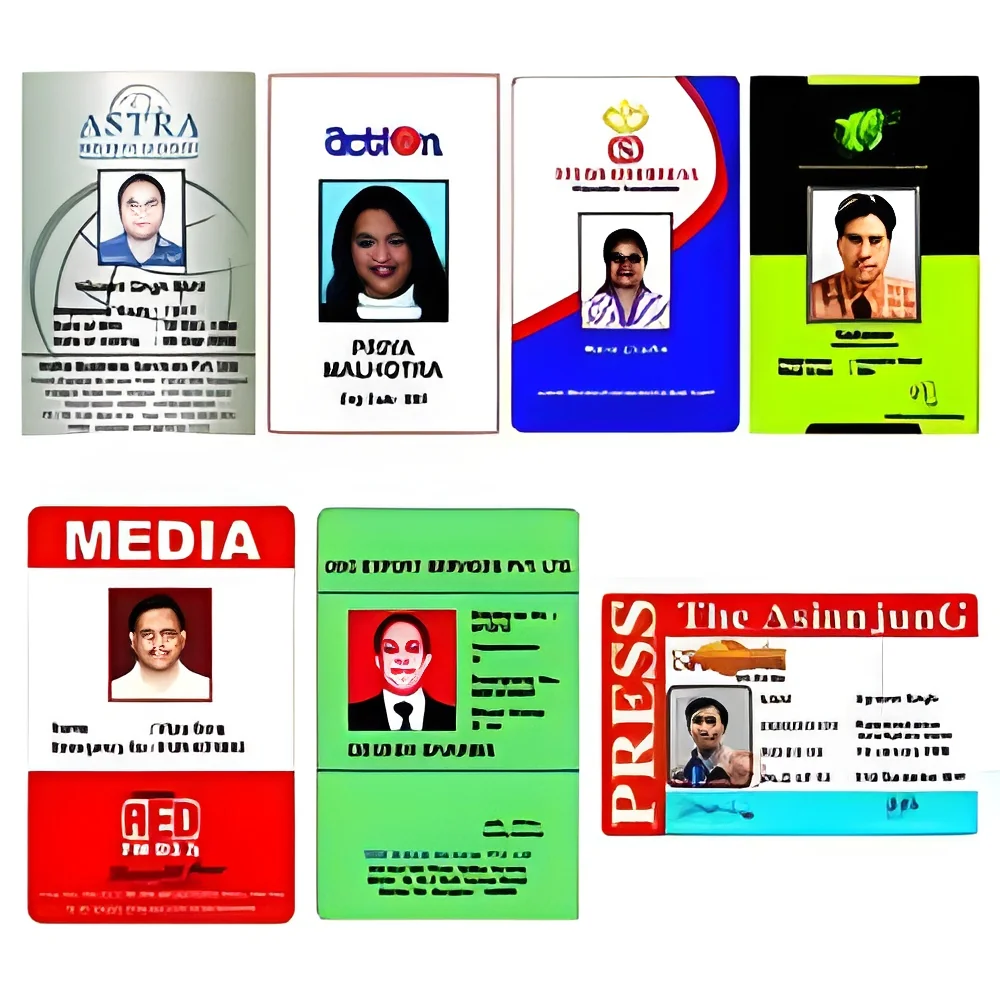
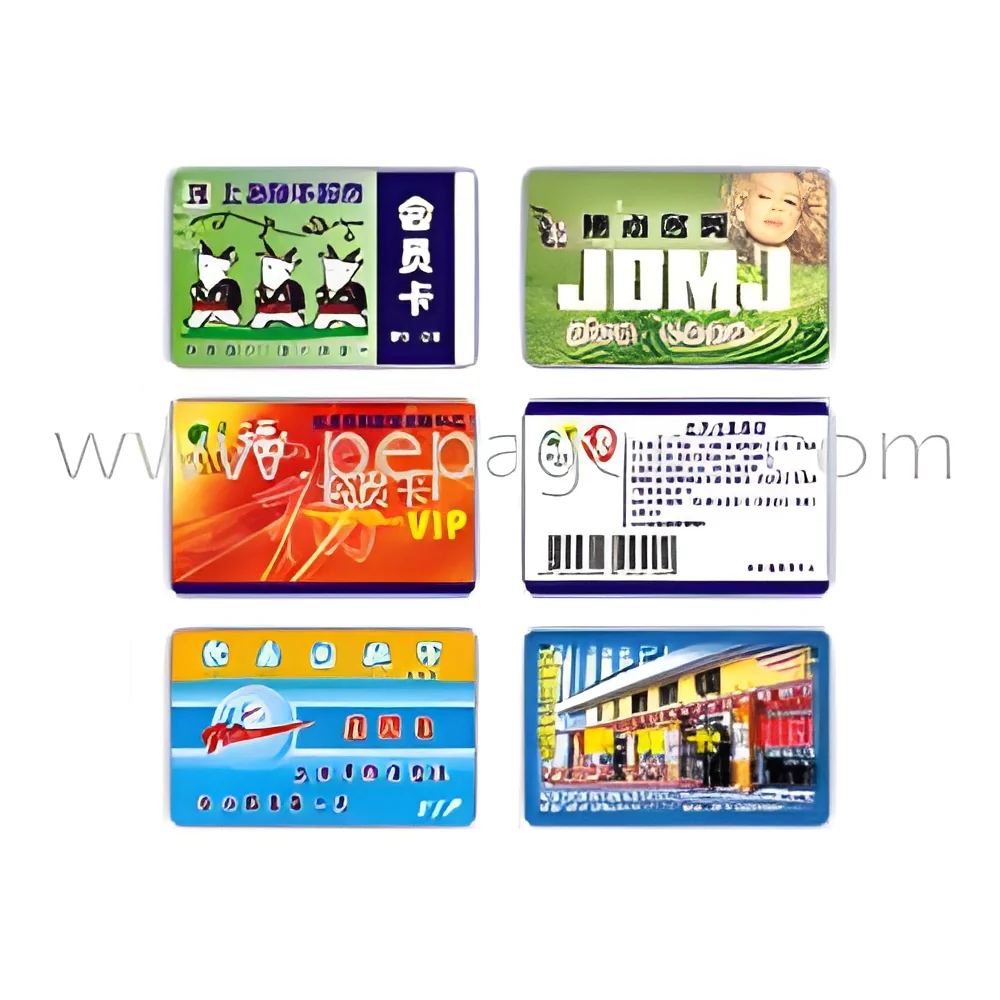
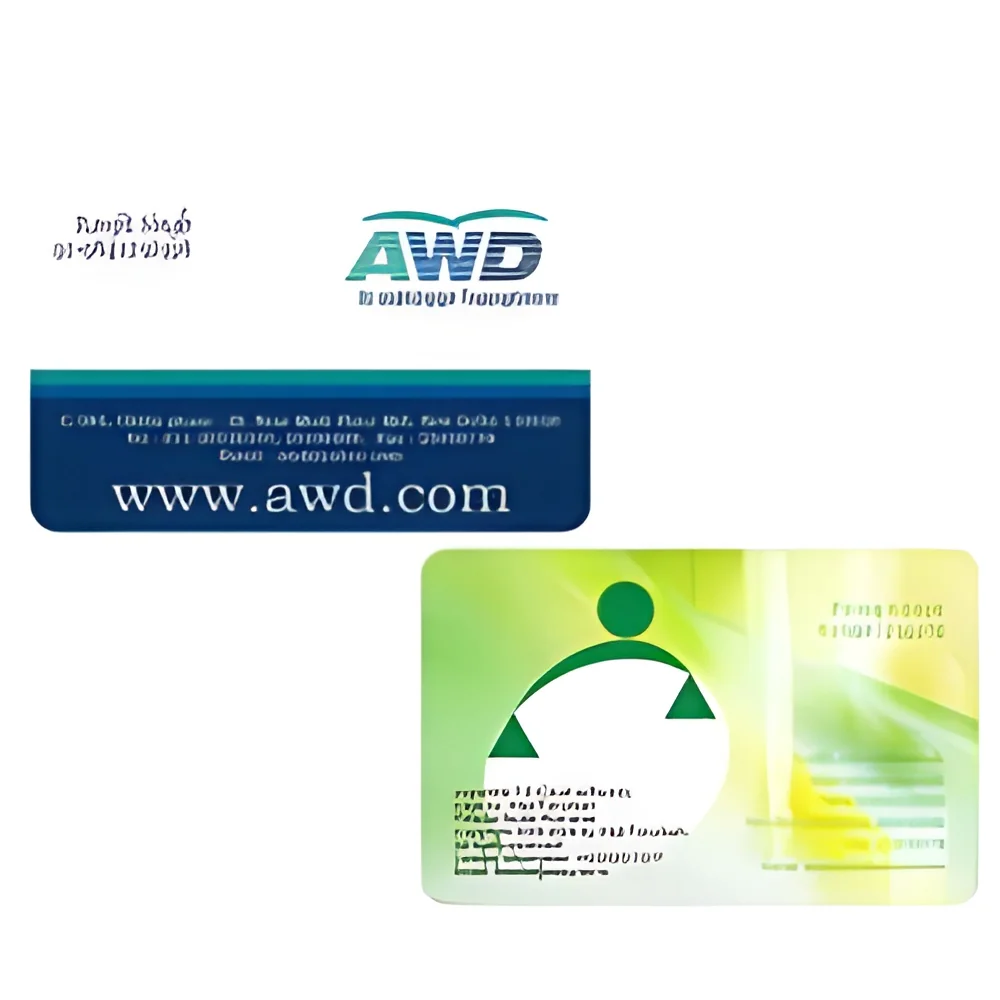
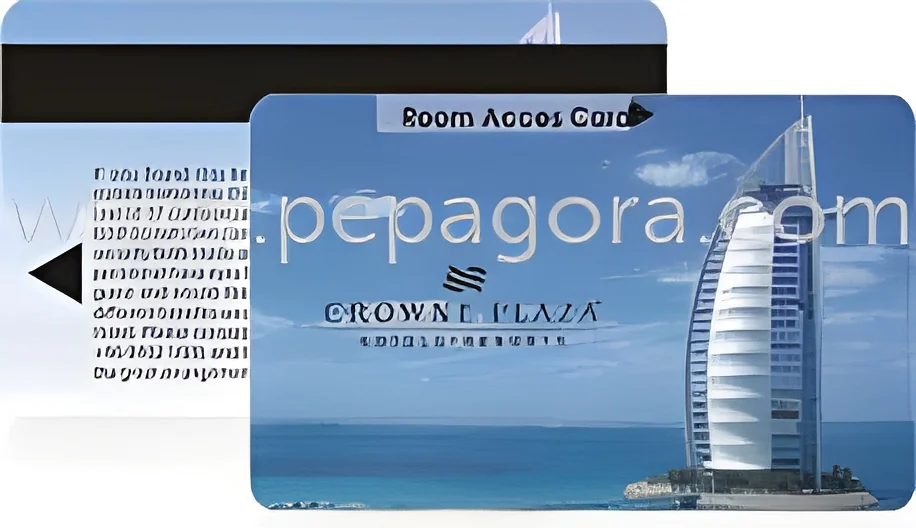
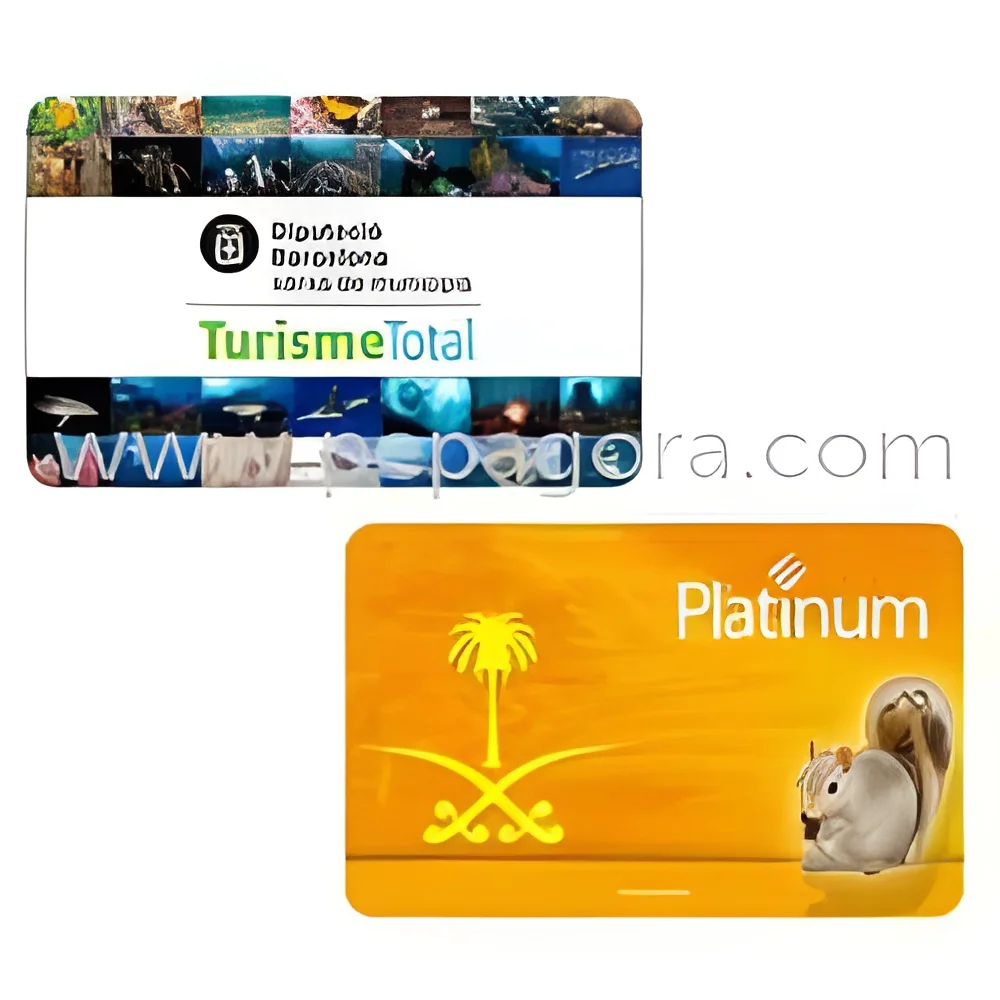
What are Plastic Business Cards?
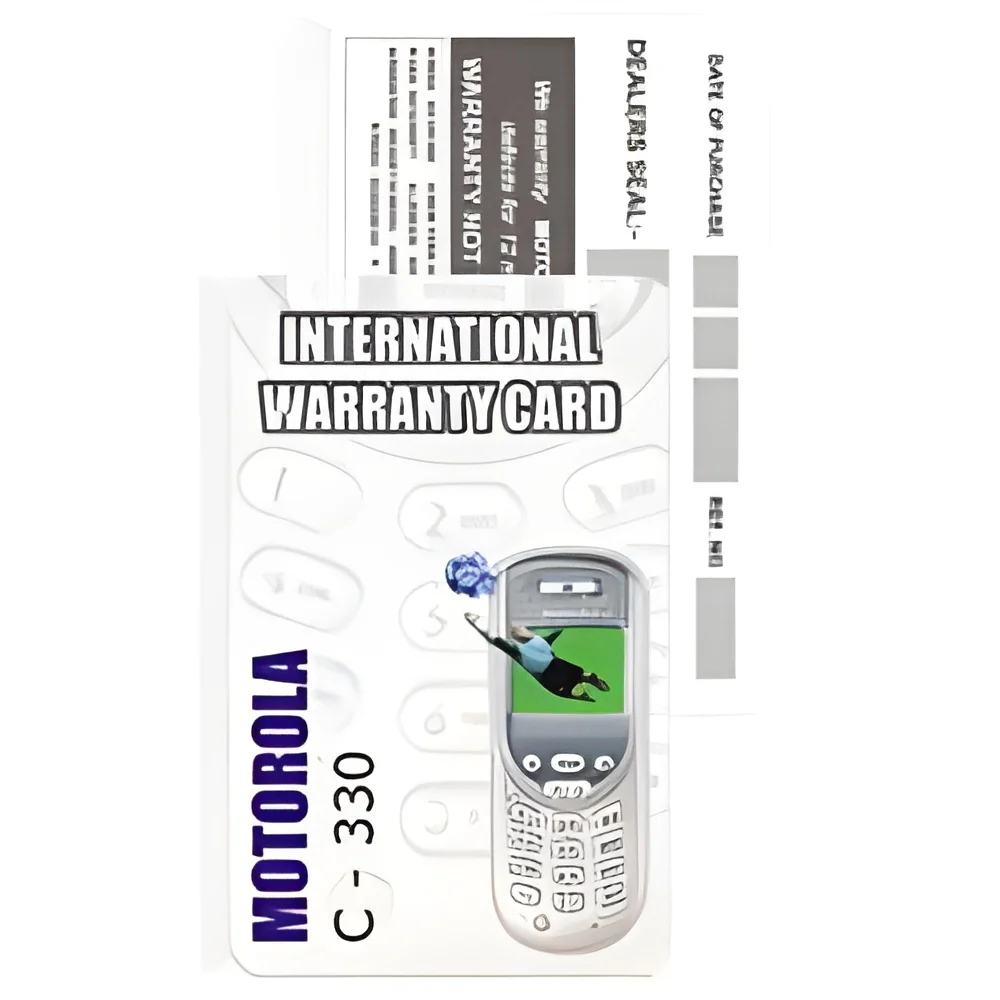
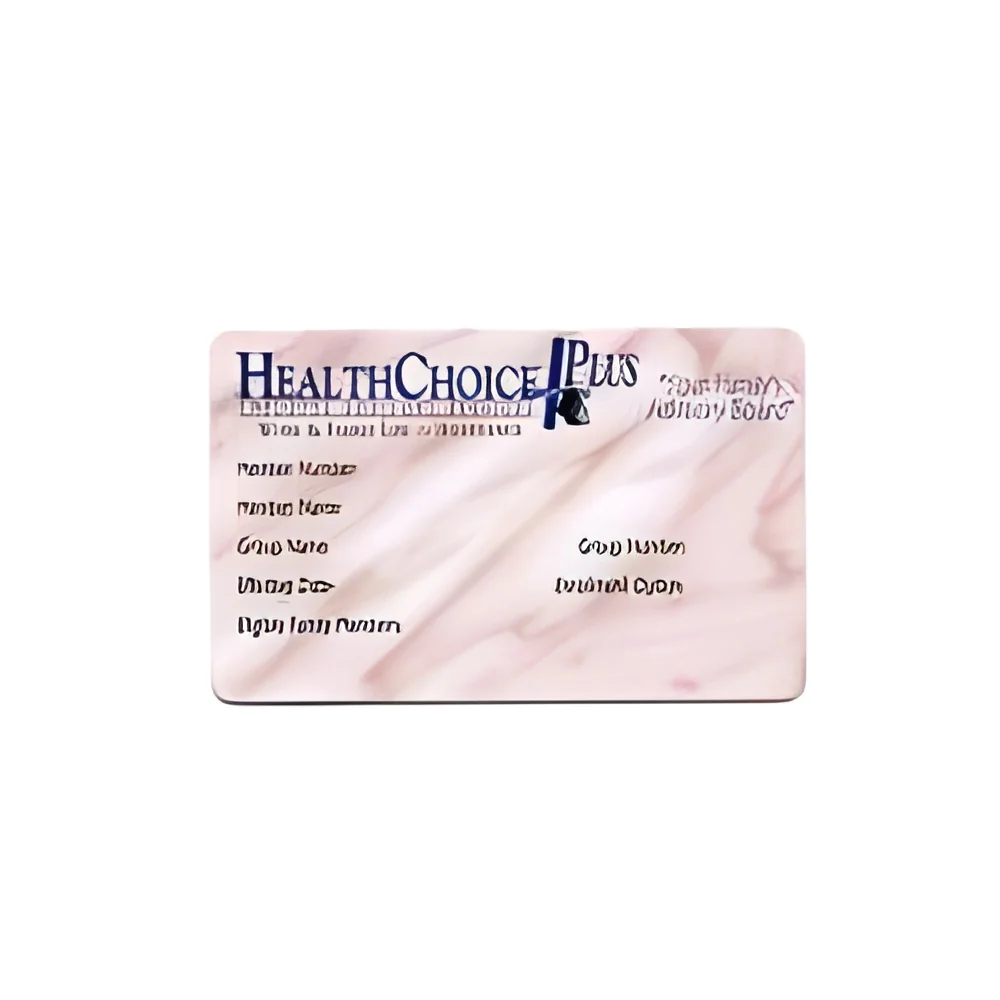
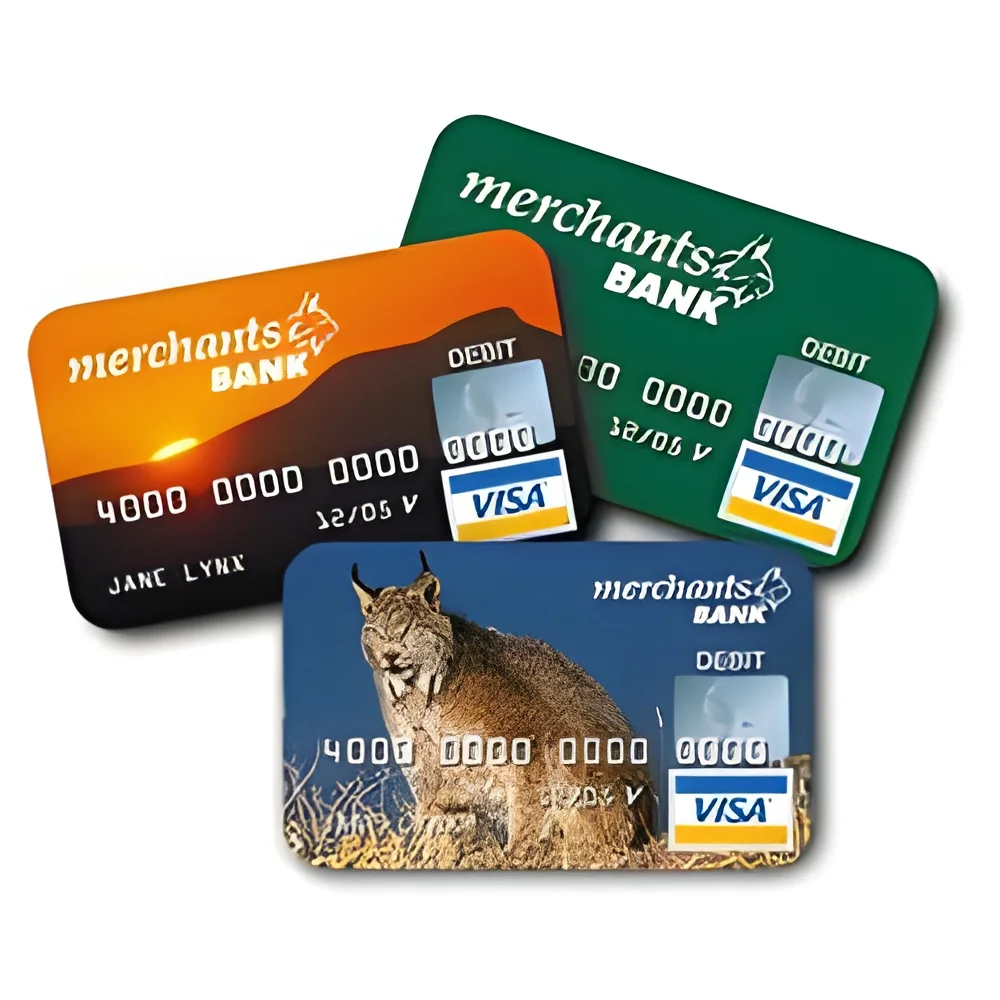
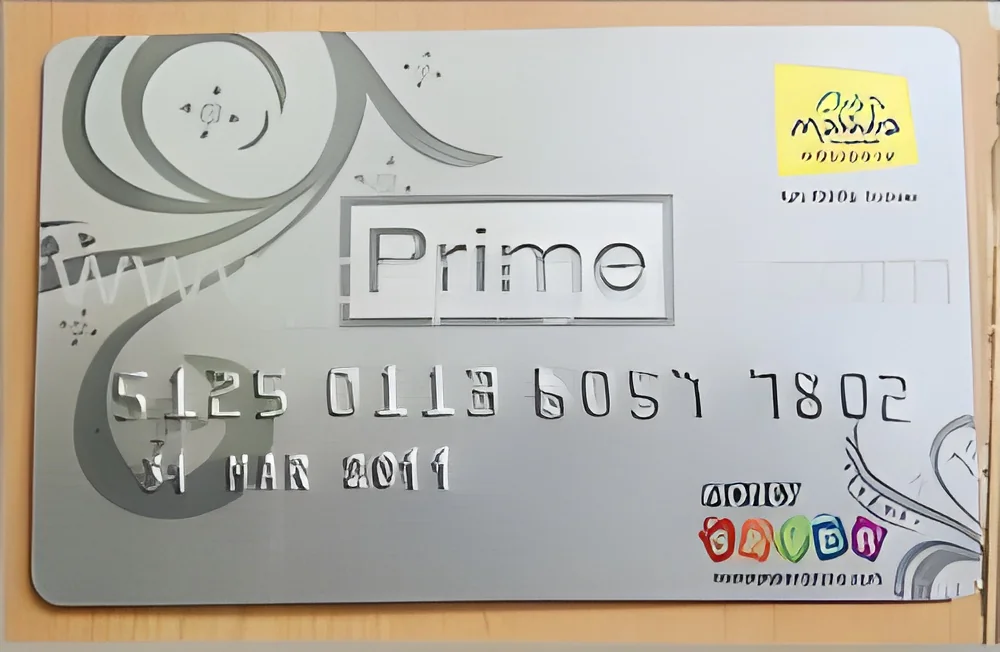
Plastic business cards are a modern alternative to traditional paper business cards. Made from durable plastic materials, these cards offer enhanced longevity and resistance to wear and tear. Unlike paper cards that can easily bend, tear, or become damaged by moisture, plastic business cards maintain their shape and appearance over time, making them a reliable option for networking.
These cards are primarily used in professional settings where first impressions matter. They are ideal for industries such as real estate, finance, technology, and design, where showcasing creativity and professionalism is essential. Businesses often use plastic cards for promotional events, conferences, and trade shows to stand out from competitors. In a market where branding and identity are crucial, plastic business cards provide a unique and memorable way to represent a brand.
The demand for plastic business cards is growing as businesses seek to innovate and differentiate themselves. As more companies recognize the importance of quality in their marketing materials, the plastic business card market has expanded, offering various styles, colors, and customizations. This evolution reflects a broader trend in the business landscape that values quality, durability, and creativity.
Key Features and Specifications
Plastic business cards come with an array of features that enhance their utility and appeal. They are designed to be durable while allowing for customization in design and finish. The following specifications highlight the essential characteristics of plastic business cards:
1. Material Type
- Made from high-quality PVC or PET plastic
- Offers durability and resistance to bending or tearing
2. Thickness Options
- Typically available in thicknesses ranging from 0.30mm to 0.76mm
- Thicker cards provide a premium feel and increased durability
3. Finish Types
- Available in matte, glossy, or transparent finishes
- Finish type affects the card's appearance and tactile experience
4. Print Quality
- High-resolution printing for vibrant colors and sharp details
- Options for full-color printing or spot color
5. Customization Options
- Ability to include rounded corners, die-cut shapes, or embossed text
- Custom designs can align with brand identity
6. Waterproof and Tear-Resistant
- Resistant to water damage and tearing
- Ideal for environments where exposure to moisture is likely
7. UV Coating
- Optional UV coating for added protection against sunlight
- Enhances the longevity of the print quality
8. Eco-Friendly Options
- Some manufacturers offer biodegradable or recyclable materials
- Appeals to environmentally-conscious businesses
In summary, plastic business cards are characterized by their durability, customization, and aesthetic appeal, making them a preferred choice for professionals across various industries.
Common Applications and Use Cases
Plastic business cards find usage across a range of industries, each leveraging their unique properties for effective networking and branding.
1. Real Estate: Real estate agents often use plastic business cards to provide potential clients with a durable and attractive representation of their services. These cards can withstand outdoor conditions during property showings.
2. Technology: Companies in the tech sector utilize plastic business cards to showcase innovation. Their sleek design and modern feel align with the industry’s image, making them a fitting choice for tech entrepreneurs.
3. Hospitality: Hotels and restaurants frequently hand out plastic business cards as part of their marketing strategy. The durability of these cards allows them to be carried easily by clients without worry of damage.
4. Event Management: Event planners utilize plastic business cards to make a lasting impression at conferences and exhibitions. The visual appeal of these cards can draw attention and facilitate networking.
5. Creative Industries: Designers and artists favor plastic business cards for their ability to showcase creativity. Custom shapes and finishes can help convey a unique artistic identity.
6. Financial Services: Professionals in banking and finance benefit from the professional appearance of plastic business cards. Their durability emphasizes reliability, which is crucial for building client trust.
7. Fitness and Wellness: Gyms and wellness centers use plastic cards for membership identification. The durability ensures that the cards remain intact even through regular use.
Product Variants and Subcategories
Plastic business cards are available in various styles and designs, allowing businesses to choose options that best fit their branding needs.
Standard Plastic Cards: These are the most commonly used plastic business cards, featuring a simple rectangular design. They can be customized with various finishes and colors, making them versatile for different industries.
Transparent Plastic Cards: These cards offer a unique look with their transparent design. They can create a striking visual effect and are often used by brands wanting to stand out.
Frosted Plastic Cards: These cards have a frosted finish, giving them a sophisticated appearance. They are popular in industries where elegance and professionalism are important.
Custom-Shaped Cards: Businesses can opt for die-cut cards in unique shapes that reflect their brand identity. These cards can capture attention and leave a memorable impression.
Benefits and Advantages
Plastic business cards provide several advantages over traditional paper cards, making them a smart investment for businesses.
1. Durability: Plastic cards are resistant to wear and tear, ensuring that they maintain their appearance and functionality over time.
2. Customization: The ability to customize design, shape, and finish allows businesses to create unique cards that align with their brand identity.
3. Professionalism: The sleek and modern look of plastic business cards conveys professionalism, enhancing the first impression made on potential clients.
4. Water Resistance: Unlike paper cards, plastic cards are waterproof, making them suitable for various environments and reducing the risk of damage.
5. Long Lifespan: The longevity of plastic cards means that they remain effective marketing tools for longer periods, providing excellent value for money.
6. Eco-Friendly Options: With biodegradable and recyclable options available, businesses can showcase their commitment to sustainability while using plastic cards.
Buying Guide for B2B Buyers
When sourcing plastic business cards for your business, several factors should be considered to ensure you make the best purchasing decision.
1. Quality Assessment: Look for suppliers who provide high-quality materials and printing services. Check samples to evaluate the finish and feel of the cards.
2. Supplier Verification: It is essential to vet suppliers for reliability and reputation. Check reviews and seek recommendations to ensure you partner with a trustworthy company.
3. Pricing and MOQ: Be aware of pricing structures and minimum order quantities. Compare quotes from multiple suppliers to get the best deal while ensuring quality.
4. Delivery and Lead Times: Understand the expected delivery schedules and lead times. This will help you plan your marketing activities and ensure timely distribution of cards.
5. Compliance Requirements: Depending on your location, ensure that the cards meet any relevant regulatory standards. Verify that suppliers adhere to industry compliance requirements.
Compliance and Certifications
Plastic business cards must adhere to specific quality standards and certifications to ensure they meet market expectations.
ISO 9001 certification is often relevant for manufacturers, as it denotes a commitment to quality management systems. This standard ensures that the production processes are efficient and that the products meet customer requirements.
CE certification may also apply in certain regions, indicating that the product complies with European health, safety, and environmental protection standards.
While specific safety and testing requirements for plastic business cards are not extensively detailed, manufacturers should conduct quality checks to ensure the cards are free from defects and safe for use.
Regional compliance considerations may vary, so it is essential for businesses to understand local regulations affecting the production and marketing of plastic business cards.
Why Source Plastic Business Cards from Pepagora?
Pepagora offers a comprehensive platform for sourcing plastic business cards, presenting several advantages for B2B buyers.
Verified Supplier Network: Pepagora connects businesses with a network of verified suppliers who have undergone rigorous screening. This ensures that buyers are working with reputable manufacturers who deliver quality products.
Streamlined RFQ Process: The Request for Quotation (RFQ) process is simplified on Pepagora, allowing buyers to easily compare offers and select the best option based on their needs.
Trade Assurance and Support: Buyers can benefit from trade assurance programs that protect their orders. Pepagora’s customer support is also available to assist throughout the purchasing process, ensuring a smooth experience.
Regional Coverage: With a strong presence in India, the GCC, and Southeast Asia, Pepagora provides access to a broad market of suppliers and ensures that businesses can find the right products regardless of their geographic location.

 IN
IN