What are Stamp & Seal Printing?
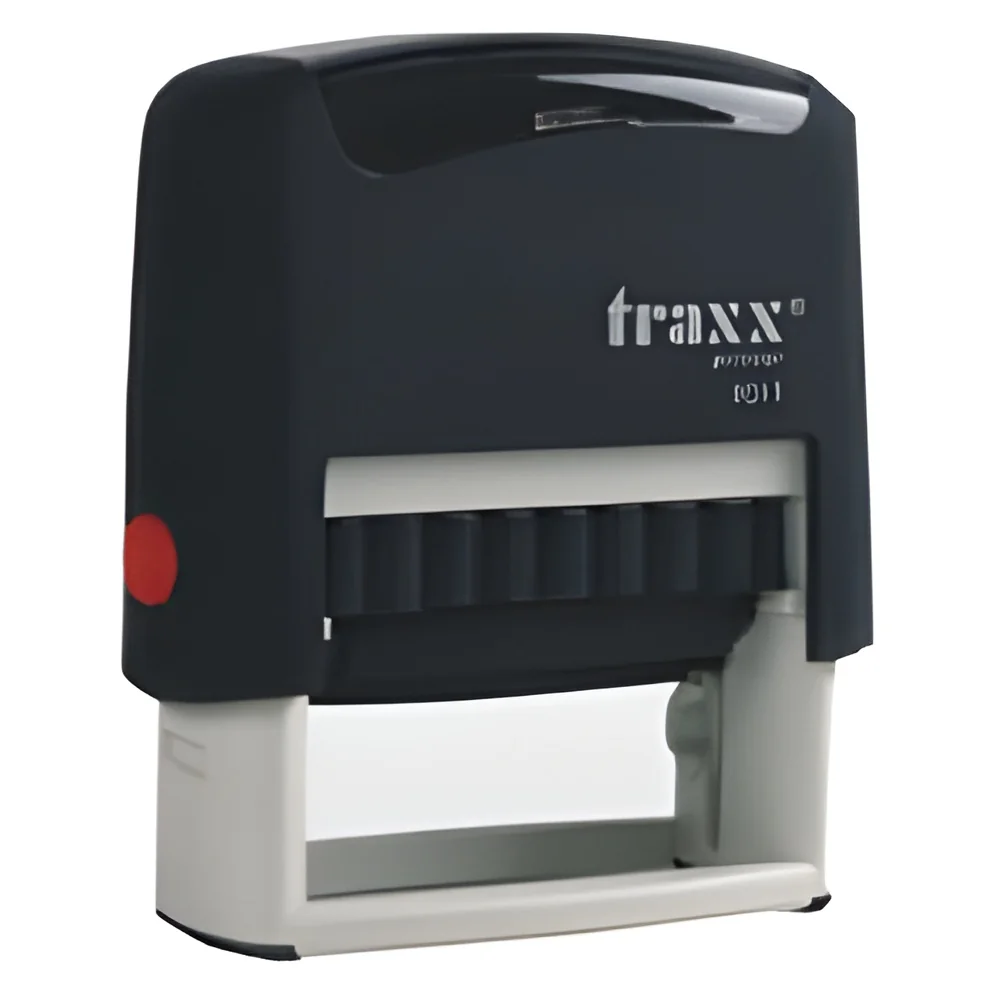
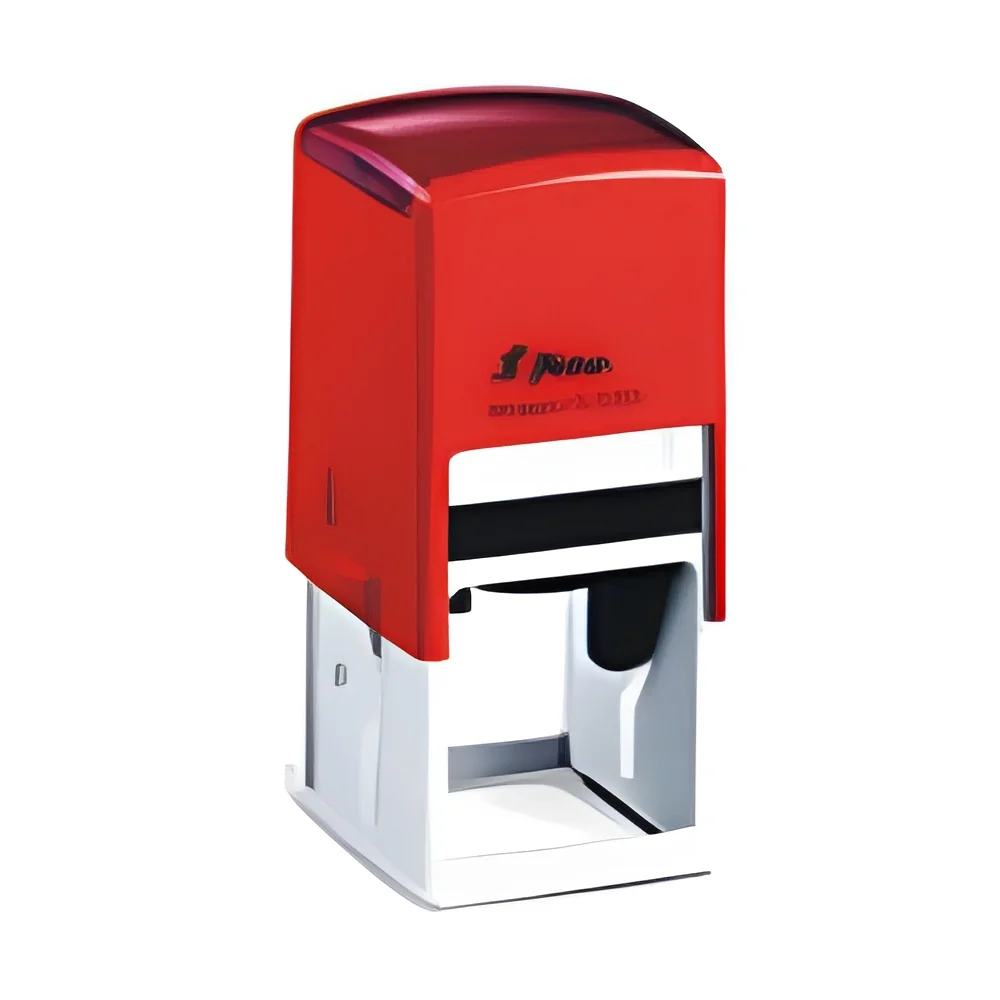
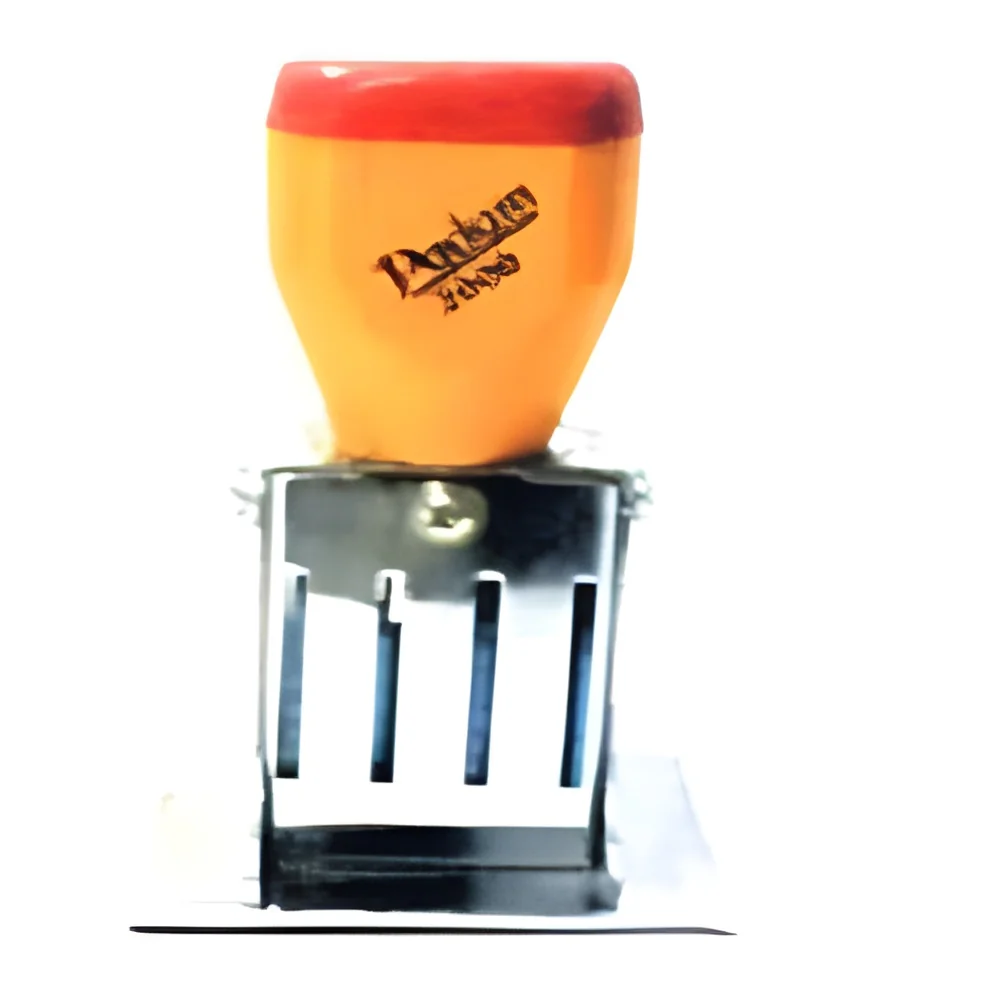
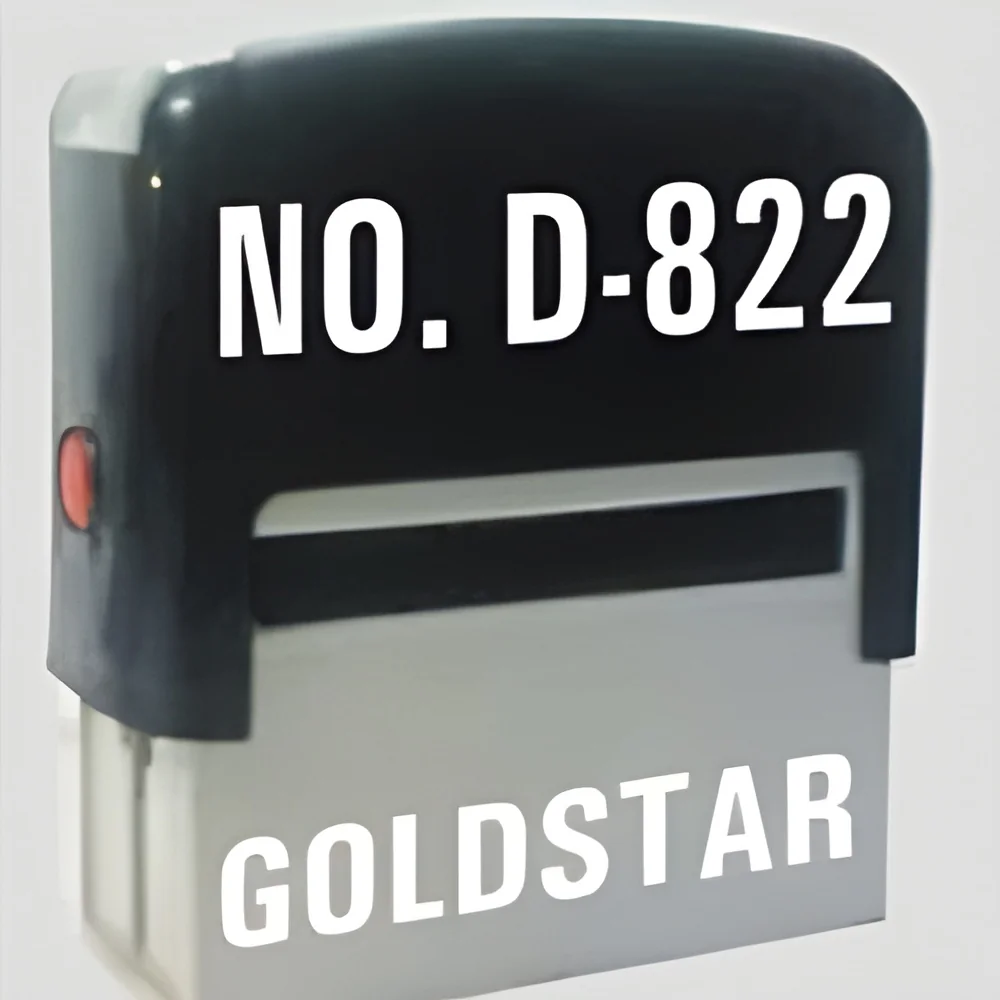
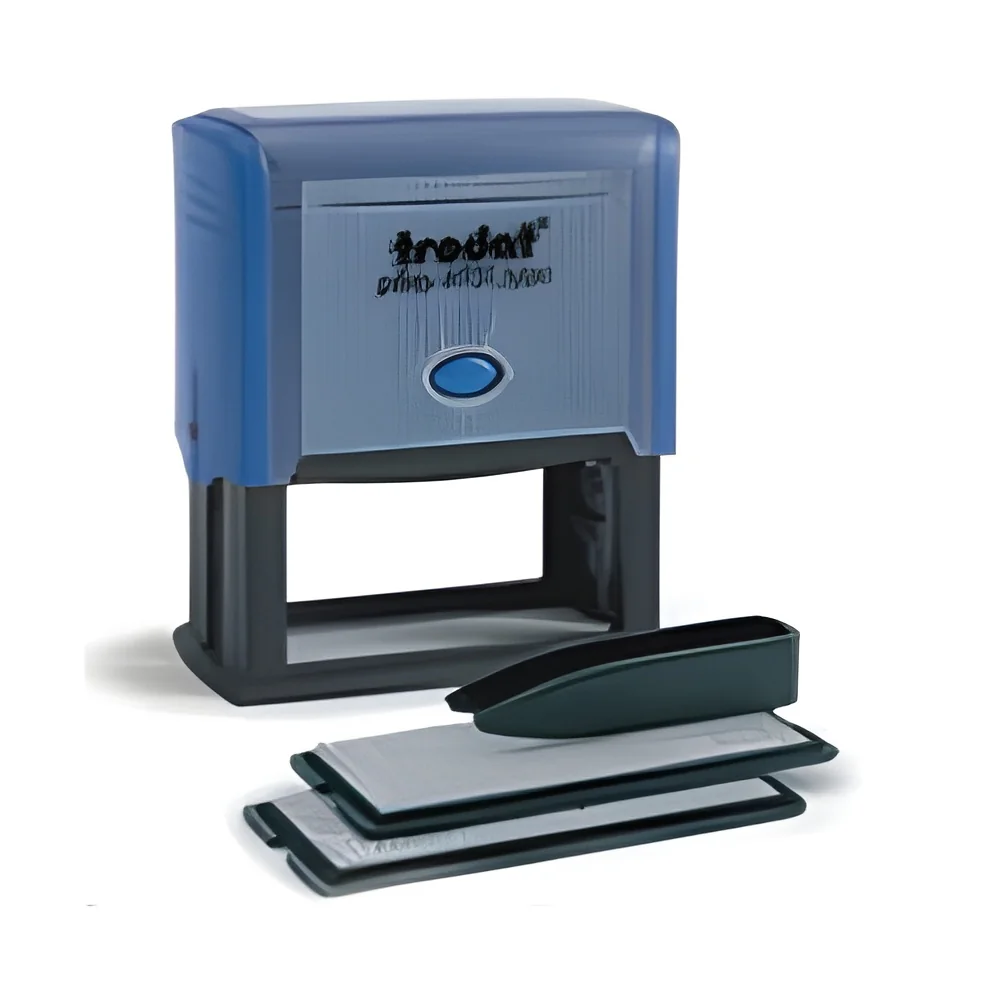
Stamp and seal printing refers to the process of creating customized stamps and seals that can be used for various official and branding purposes. These products typically feature a design or text that represents a company, organization, or individual, allowing for quick and efficient marking on documents. The stamps can be made from rubber, metal, or plastic and can range in size, shape, and complexity, depending on their intended use.
The primary uses of stamp and seal printing include legal documentation, branding, and authentication. Businesses utilize these tools for tasks such as signing contracts, approving documents, or marking company property. In addition to traditional office settings, stamp and seal printing is also utilized in industries such as education, healthcare, and government, where formal approvals and endorsements are necessary. The relevance of this product in the market is significant, as it plays a crucial role in ensuring operational efficiency and brand recognition in various sectors.
Key Features and Specifications
Stamp and seal printing products come with a range of features and specifications that cater to different business requirements. Understanding these specifications is essential for making an informed purchasing decision.
Key specifications include:
1. Material Type
- Stamps can be made from rubber, polymer, or metal.
- Each material type offers different durability and impression quality.
2. Size Options
- Stamps come in various sizes, from small to large.
- Size selection impacts the amount of detail that can be printed.
3. Ink Type
- Options include water-based, oil-based, and permanent inks.
- Different inks provide varying levels of permanence and drying times.
4. Customization Capabilities
- Many printing services allow for custom designs and text.
- This feature is crucial for branding and personalization.
5. Ease of Use
- Stamps can be self-inking or require separate ink pads.
- User-friendly designs enhance operational efficiency.
6. Durability Ratings
- Some stamps are designed for heavy use, while others are for occasional use.
- Durability affects the lifespan and performance of the stamp.
7. Production Time
- Lead times can vary based on customization and order quantity.
- Understanding production timelines is important for planning.
8. Compliance Standards
- Stamps may need to meet specific regulatory requirements.
- Certification ensures that products are suitable for official use.
In summary, understanding these key features and specifications is vital for businesses looking to invest in stamp and seal printing solutions that meet their operational needs.
Common Applications and Use Cases
Stamp and seal printing serves various industries, providing essential tools for official documentation and branding.
1. Legal Sector: Law firms often use stamps for signing and authenticating legal documents, ensuring that paperwork is properly validated.
2. Education: Schools and universities use stamps for certification purposes, such as verifying diplomas or official letters.
3. Healthcare: Medical facilities utilize stamps for patient records and prescriptions, ensuring accuracy and authenticity in documentation.
4. Government: Government agencies employ stamps for official approvals, marks on forms, and documentation needed for public services.
5. Real Estate: Real estate companies use stamps for property transactions and to certify important documents related to sales and leases.
6. Manufacturing: Manufacturers may use stamps for quality assurance marks on products, ensuring compliance with industry standards.
7. Retail: Retailers often use stamps for branding on packaging and promotional materials, enhancing brand visibility.
Product Variants and Subcategories
Stamp and seal printing products come in various forms to suit different business applications and preferences.
Self-Inking Stamps
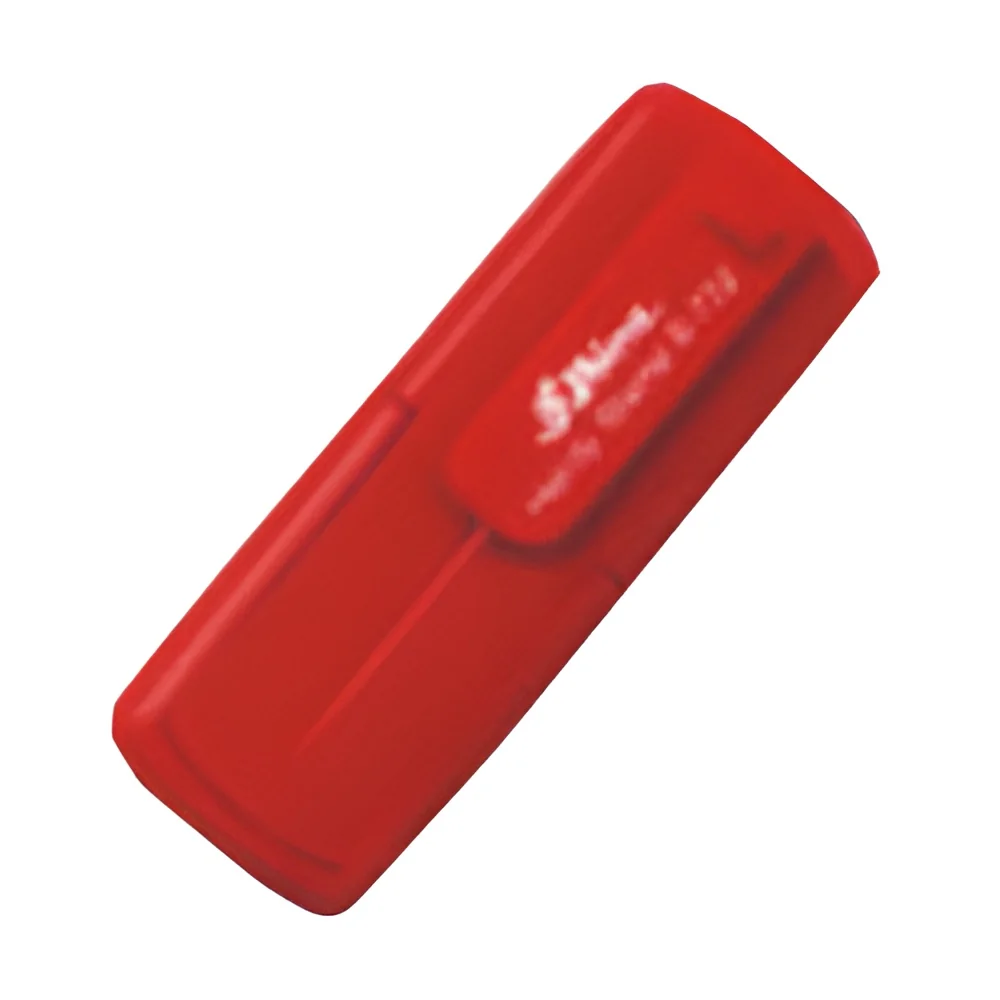
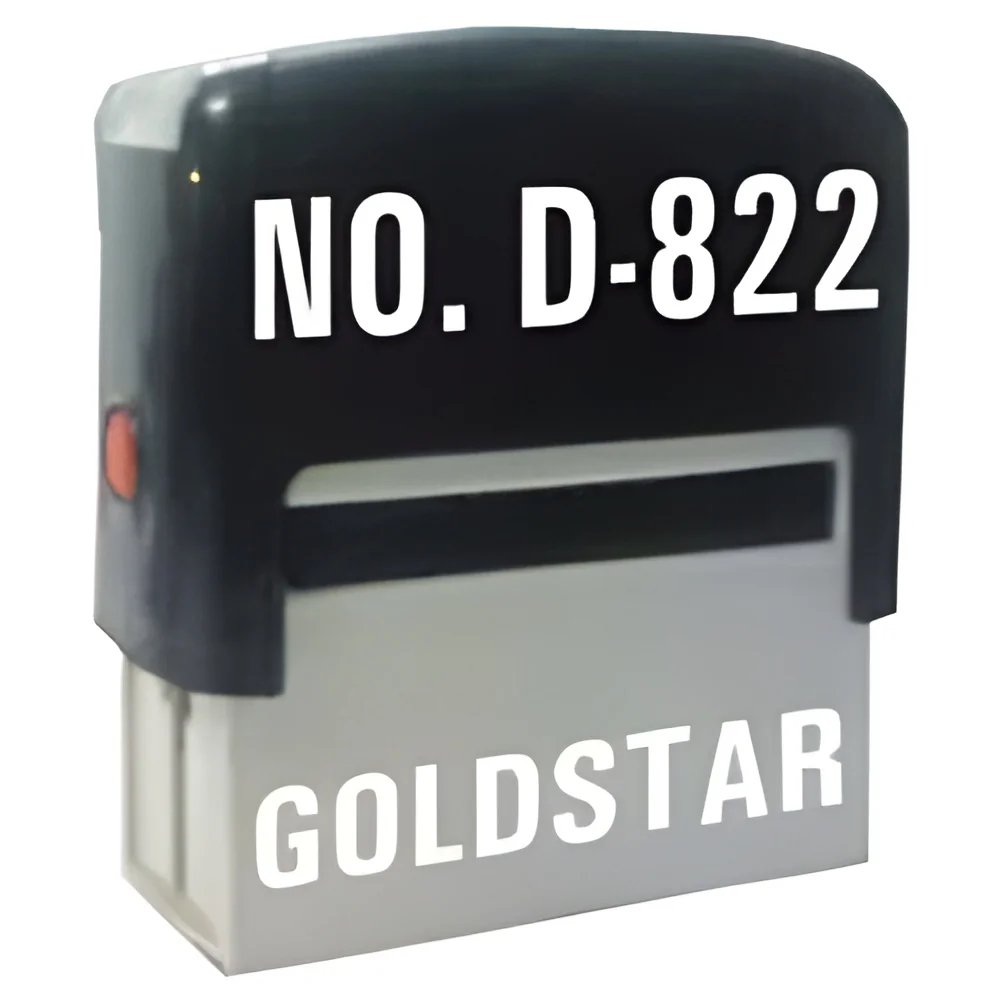
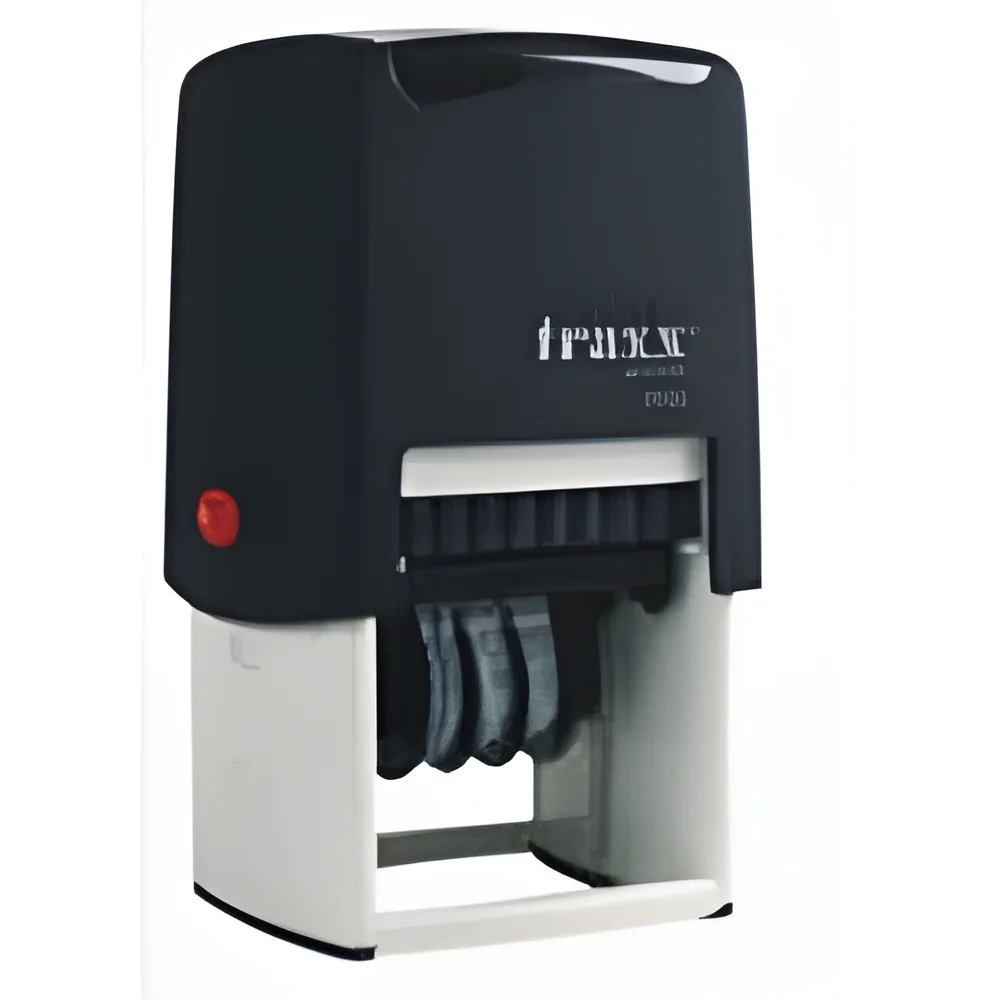
These stamps feature built-in ink pads that allow for quick and repetitive use without the need for a separate ink source. Self-inking stamps are ideal for high-volume applications, as they streamline the stamping process.
Pre-Inked Stamps
Pre-inked stamps offer a more refined impression and are often used for intricate designs. These stamps are filled with ink and provide a clearer, sharper mark, making them suitable for official documents that require a professional appearance.
Handheld Stamps
Handheld stamps require an ink pad for use and are often more customizable. They are versatile for various applications and can be easily transported for use in different locations.
Benefits and Advantages
Investing in stamp and seal printing offers numerous advantages for businesses.
1. Efficiency: Stamps significantly reduce the time needed for signing or marking documents, enhancing overall productivity.
2. Customization: Businesses can create stamps that reflect their branding, ensuring consistency in communication and documentation.
3. Cost-Effectiveness: Producing stamps can be a cost-effective solution for repetitive tasks, reducing the need for manual signatures.
4. Professionalism: Well-designed stamps lend an air of authority and professionalism to documents, enhancing credibility.
5. Security: Stamps can serve as a deterrent against forgery and unauthorized use, providing an additional layer of security.
6. Versatility: Stamp and seal printing can be used across various sectors, making them a versatile tool for different industries.
Buying Guide for B2B Buyers
When sourcing stamp and seal printing, businesses should consider several key factors to ensure they select the right products.
1. Quality Assessment: Look for stamps made from durable materials that can withstand frequent use. Check for reviews and feedback on the quality of the stamp impressions.
2. Supplier Verification: Vet suppliers to ensure they are reputable and have a track record of delivering quality products. Request samples if possible.
3. Pricing and MOQ: Understand the pricing structure and minimum order quantities. Compare prices among suppliers to find the best deal while considering quality.
4. Delivery and Lead Times: Inquire about lead times for production and shipment. Timely delivery is crucial for maintaining business operations.
5. Compliance Requirements: Ensure that the stamps meet any industry-specific compliance standards, especially for sectors such as healthcare and legal.
Compliance and Certifications
Compliance and certifications are critical aspects of stamp and seal printing. Relevant quality standards such as ISO 9001 ensure that manufacturers meet international quality management principles. These standards help guarantee that products are consistently produced and meet customer requirements.
Additionally, stamps may need to adhere to industry certifications like CE, which indicates compliance with European safety standards. This is particularly important for businesses operating in regulated industries, as compliance ensures that products are safe and reliable for use.
Safety and testing requirements are also important, especially for products used in sensitive environments. Manufacturers should conduct thorough testing to confirm that their stamps perform well under various conditions.
Regional compliance considerations may also apply depending on the geographic area of operation. Businesses should familiarize themselves with local regulations to ensure adherence to any specific requirements.
Why Source Stamp & Seal Printing from Pepagora?
Pepagora provides a trusted platform for sourcing stamp and seal printing with several key advantages.
Verified Supplier Network: Pepagora connects buyers with a network of verified suppliers. This ensures that businesses can source high-quality products from reputable manufacturers.
Streamlined RFQ Process: The platform features a streamlined request for quotation (RFQ) process, making it easy for buyers to obtain multiple quotes from different suppliers. This simplifies the decision-making process.
Trade Assurance and Support: Pepagora offers trade assurance, providing buyers with protection throughout the purchasing process. This includes assistance with dispute resolution, ensuring a secure transaction.
Regional Coverage: Pepagora has a broad geographic reach, serving customers across India, the Gulf Cooperation Council (GCC), and Southeast Asia. This allows businesses to access a diverse range of suppliers and products tailored to their specific needs.

 IN
IN