
 IN
Yoga Mats (PVC, TPE, Cork, Cotton)
1 products available
Key Features and Specifications
Yoga mats are available in different materials, each with specific features and specifications that cater to various user needs. Understanding these specifications helps buyers make informed purchasing decisions.
Key specifications include:
1. Material Type
- Options include PVC, TPE, cork, and cotton, each providing different levels of grip, durability, and eco-friendliness.
2. Thickness
- Common thicknesses range from 3mm to 8mm, impacting cushioning and portability.
3. Weight
- Mats typically weigh between 1 kg to 3 kg, affecting ease of transport.
4. Texture
- Surfaces can vary from smooth to textured, influencing grip and comfort during practice.
5. Eco-friendliness
- TPE and cork mats are often preferred for being more sustainable compared to PVC.
6. Durability
- PVC mats tend to last longer than natural options, while cork mats provide a unique, durable surface.
7. Price Range
- Prices can range from affordable to premium, depending on material and brand.
8. Compliance Standards
- Many mats are designed to meet specific quality standards, ensuring safety and performance.
In summary, understanding the features and specifications of yoga mats is crucial for businesses to select the right products that meet customer expectations and industry standards.
Common Applications and Use Cases
Yoga mats serve various industries, extending their utility beyond personal fitness.
1. Fitness Studios: Yoga mats are essential in studios for yoga classes, providing students with a stable and comfortable surface.
2. Gyms: Many gyms offer yoga and Pilates classes, making mats a necessary component of their equipment inventory.
3. Health and Wellness Centers: These facilities utilize yoga mats for therapeutic practices and holistic health programs.
4. Educational Institutions: Schools and universities often incorporate yoga mats into physical education programs to promote wellness.
5. Corporate Wellness Programs: Companies use yoga mats in workplace wellness initiatives, encouraging physical activity among employees.
6. Home Users: Individual consumers purchase mats for personal use, reflecting the growing trend of at-home fitness.
7. Retail Stores: Retail outlets stock various types of yoga mats to cater to the increasing demand from fitness enthusiasts.
Product Variants and Subcategories
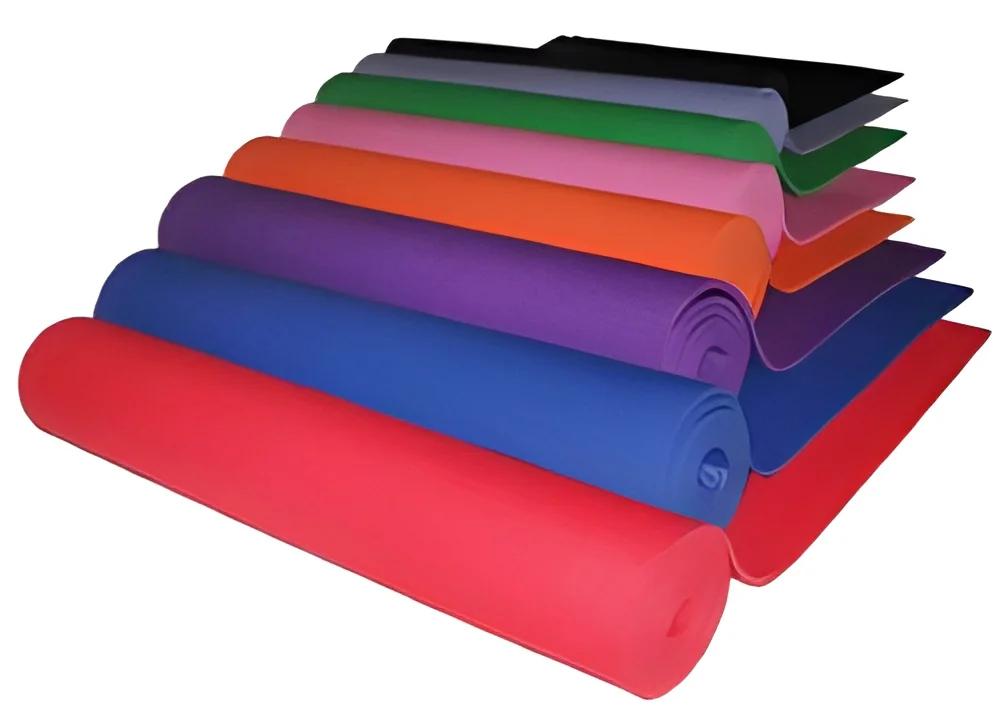
The diversity of yoga mats allows for a range of variants that cater to specific user preferences and practices.
PVC Yoga Mats: These are the most common type, known for their durability and affordability. They provide excellent grip and cushioning, making them suitable for various types of yoga practices.
TPE Yoga Mats: These mats are eco-friendly and made from thermoplastic elastomer. They offer a good balance of grip and comfort, appealing to environmentally conscious users.
Cork Yoga Mats: Cork mats provide a unique texture and natural feel, offering excellent grip and antimicrobial properties. They are ideal for users looking for sustainable options.
Cotton Yoga Mats: These mats are often used for gentle yoga practices. They are soft and absorbent, providing comfort during sessions.
Benefits and Advantages
Yoga mats offer several benefits that enhance the practice experience for users.
1. Improved Stability: The textured surface of yoga mats provides better grip, helping users maintain balance during poses.
2. Enhanced Comfort: Mats offer cushioning that reduces strain on joints, making practice more enjoyable.
3. Versatility: Available in different materials, yoga mats cater to various preferences and practice styles.
4. Eco-friendliness: Many mats are now made from sustainable materials, appealing to environmentally aware consumers.
5. Easy to Clean: Most mats can be wiped down or machine washed, ensuring hygiene during use.
6. Portable: Lightweight designs allow for easy transport, making it convenient for users to practice anywhere.
Buying Guide for B2B Buyers
When sourcing yoga mats (PVC, TPE, Cork, Cotton), several factors should be considered to ensure the best selection.
1. Quality Assessment: Evaluate the material and construction to ensure durability and performance. Look for reviews and product testing reports.
2. Supplier Verification: Vet suppliers carefully to ensure they meet quality standards and have a good reputation in the market.
3. Pricing and MOQ: Understand the price range and minimum order quantities to align with your budget and inventory needs.
4. Delivery and Lead Times: Confirm logistics options and lead times to ensure timely delivery of products.
5. Compliance Requirements: Check for relevant certifications and compliance with industry standards to avoid regulatory issues.
Compliance and Certifications
Yoga mats must adhere to various quality standards and certifications to ensure safety and performance. ISO 9001 is a widely recognized standard that ensures consistent quality management across manufacturing processes.
Additionally, many yoga mats are certified with the CE mark, indicating compliance with health and safety requirements within the European Economic Area.
Safety and testing requirements are crucial, especially for mats that may come into contact with skin during use. It is essential to consider regional compliance, which may vary depending on the market where the mats will be sold.
Why Source Yoga Mats (PVC, TPE, Cork, Cotton) from Pepagora?
Pepagora provides a trusted platform for sourcing yoga mats (PVC, TPE, Cork, Cotton) with several key advantages that benefit B2B buyers.
Verified Supplier Network: Pepagora connects buyers with a network of verified suppliers, ensuring quality and reliability in sourcing.
Streamlined RFQ Process: The platform offers a simplified Request for Quotation process, allowing buyers to receive competitive pricing and options quickly.
Trade Assurance and Support: Buyers can benefit from trade assurance features that protect their purchases and provide support throughout the sourcing process.
Regional Coverage: With a broad geographic reach across India, GCC, and Southeast Asia, Pepagora ensures that buyers can access yoga mats efficiently from trusted local suppliers.



Frequently Asked Questions
What are Yoga Mats (PVC, TPE, Cork, Cotton)?
Yoga mats made from PVC, TPE, cork, and cotton are specialized mats designed for yoga practice. They provide a stable, non-slip surface to enhance stability and comfort during various poses.
What are the different types of Yoga Mats (PVC, TPE, Cork, Cotton)?
The main types of yoga mats include PVC mats, known for their durability; TPE mats, which are eco-friendly and lightweight; cork mats that offer natural grip; and cotton mats that are soft and absorbent. Each type has unique properties suited for different practices.
How do I choose the right Yoga Mats (PVC, TPE, Cork, Cotton)?
Choosing the right yoga mat depends on your practice style, comfort preference, and material sensitivity. Consider factors such as thickness, texture, and grip to find a mat that meets your specific needs.
What are the standard specifications for Yoga Mats (PVC, TPE, Cork, Cotton)?
Standard specifications for yoga mats include thickness (usually 4-6 mm), length (typically 180 cm or longer), and material composition. The texture and density of the mat also play a crucial role in providing adequate support and grip.
What is the price range for Yoga Mats (PVC, TPE, Cork, Cotton)?
The price range for yoga mats varies based on material and quality, typically ranging from INR 500 to INR 5,000. Higher-end mats made from natural materials may cost more due to their durability and eco-friendliness.
What quality standards apply to Yoga Mats (PVC, TPE, Cork, Cotton)?
Quality standards for yoga mats include non-toxicity, slip resistance, and durability. Many manufacturers adhere to international safety and quality certifications to ensure their mats are safe for regular use.
Where can I find Yoga Mats (PVC, TPE, Cork, Cotton) suppliers in India?
You can find yoga mat suppliers in India through online B2B marketplaces, trade shows, and local directories. Pepagora.com offers a comprehensive list of manufacturers and suppliers for various yoga mats.
Can Yoga Mats (PVC, TPE, Cork, Cotton) be customized?
Yes, many manufacturers offer customization options for yoga mats, including color, size, and branding. Custom mats can be ideal for yoga studios or promotional purposes.
What is the typical minimum order quantity for Yoga Mats (PVC, TPE, Cork, Cotton)?
The typical minimum order quantity (MOQ) for yoga mats varies by supplier but usually ranges from 50 to 100 pieces. It's advisable to check with individual suppliers for their specific MOQ requirements.
What is the typical lead time for Yoga Mats (PVC, TPE, Cork, Cotton)?
The typical lead time for yoga mats can vary based on order size and customization. Generally, you can expect a lead time of 2 to 6 weeks for production and delivery.
Why Businesses Trust Pepagora
Thousands of companies trust Pepagora to source smarter and sell faster
Expand Your Sales Globally

Source Smarter,Grow Faster
