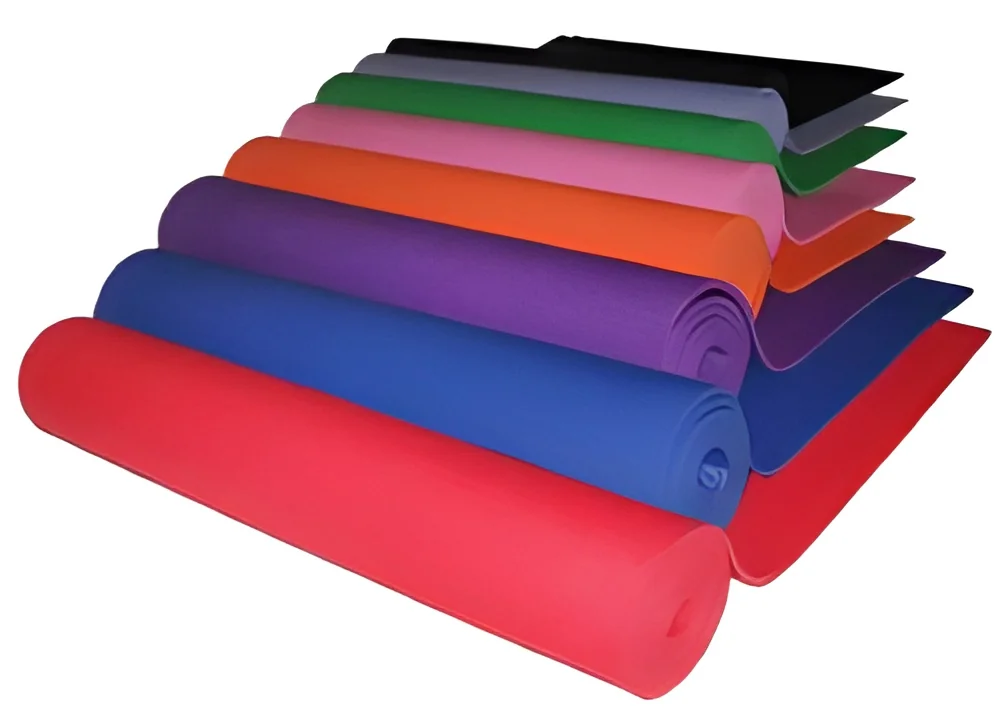
What are Yoga Mats (PVC, TPE, Cork, Cotton)?
Yoga mats are specialized floor coverings designed to provide traction and cushioning during yoga practice. They come in a variety of materials, including PVC (polyvinyl chloride), TPE (thermoplastic elastomer), cork, and cotton. Each material offers unique benefits, making it essential for practitioners and businesses to choose the right type based on their needs.
These mats are primarily used in fitness studios, gyms, and home practice environments. They enhance comfort and stability, allowing users to perform yoga poses safely. The market for yoga mats has grown significantly, driven by the increasing popularity of yoga and wellness activities globally. Businesses need to understand the various materials available to cater to customer preferences effectively.
𝗞𝗲𝘆 𝗙𝗲𝗮𝘁𝘂𝗿𝗲𝘀 𝗮𝗻𝗱 𝗦𝗽𝗲𝗰𝗶𝗳𝗶𝗰𝗮𝘁𝗶𝗼𝗻𝘀
Yoga mats are available in different materials, each with specific features and specifications that cater to various user needs. Understanding these specifications helps buyers make informed purchasing decisions.
Key specifications include:
1. Material Type
- Options include PVC, TPE, cork, and cotton, each providing different levels of grip, durability, and eco-friendliness.
2. Thickness
- Common thicknesses range from 3mm to 8mm, impacting cushioning and portability.
3. Weight
- Mats typically weigh between 1 kg to 3 kg, affecting ease of transport.
4. Texture
- Surfaces can vary from smooth to textured, influencing grip and comfort during practice.
5. Eco-friendliness
- TPE and cork mats are often preferred for being more sustainable compared to PVC.
6. Durability
- PVC mats tend to last longer than natural options, while cork mats provide a unique, durable surface.
7. Price Range
- Prices can range from affordable to premium, depending on material and brand.
8. Compliance Standards
- Many mats are designed to meet specific quality standards, ensuring safety and performance.
In summary, understanding the features and specifications of yoga mats is crucial for businesses to select the right products that meet customer expectations and industry standards.
𝗖𝗼𝗺𝗺𝗼𝗻 𝗔𝗽𝗽𝗹𝗶𝗰𝗮𝘁𝗶𝗼𝗻𝘀 𝗮𝗻𝗱 𝗨𝘀𝗲 𝗖𝗮𝘀𝗲𝘀
Yoga mats serve various industries, extending their utility beyond personal fitness.
1. Fitness Studios: Yoga mats are essential in studios for yoga classes, providing students with a stable and comfortable surface.
2. Gyms: Many gyms offer yoga and Pilates classes, making mats a necessary component of their equipment inventory.
3. Health and Wellness Centers: These facilities utilize yoga mats for therapeutic practices and holistic health programs.
4. Educational Institutions: Schools and universities often incorporate yoga mats into physical education programs to promote wellness.
5. Corporate Wellness Programs: Companies use yoga mats in workplace wellness initiatives, encouraging physical activity among employees.
6. Home Users: Individual consumers purchase mats for personal use, reflecting the growing trend of at-home fitness.
7. Retail Stores: Retail outlets stock various types of yoga mats to cater to the increasing demand from fitness enthusiasts.
𝗣𝗿𝗼𝗱𝘂𝗰𝘁 𝗩𝗮𝗿𝗶𝗮𝗻𝘁𝘀 𝗮𝗻𝗱 𝗦𝘂𝗯𝗰𝗮𝘁𝗲𝗴𝗼𝗿𝗶𝗲𝘀
The diversity of yoga mats allows for a range of variants that cater to specific user preferences and practices.
PVC Yoga Mats: These are the most common type, known for their durability and affordability. They provide excellent grip and cushioning, making them suitable for various types of yoga practices.
TPE Yoga Mats: These mats are eco-friendly and made from thermoplastic elastomer. They offer a good balance of grip and comfort, appealing to environmentally conscious users.
Cork Yoga Mats: Cork mats provide a unique texture and natural feel, offering excellent grip and antimicrobial properties. They are ideal for users looking for sustainable options.
Cotton Yoga Mats: These mats are often used for gentle yoga practices. They are soft and absorbent, providing comfort during sessions.
𝗕𝗲𝗻𝗲𝗳𝗶𝘁𝘀 𝗮𝗻𝗱 𝗔𝗱𝘃𝗮𝗻𝘁𝗮𝗴𝗲𝘀
Yoga mats offer several benefits that enhance the practice experience for users.
1. Improved Stability: The textured surface of yoga mats provides better grip, helping users maintain balance during poses.
2. Enhanced Comfort: Mats offer cushioning that reduces strain on joints, making practice more enjoyable.
3. Versatility: Available in different materials, yoga mats cater to various preferences and practice styles.
4. Eco-friendliness: Many mats are now made from sustainable materials, appealing to environmentally aware consumers.
5. Easy to Clean: Most mats can be wiped down or machine washed, ensuring hygiene during use.
6. Portable: Lightweight designs allow for easy transport, making it convenient for users to practice anywhere.
𝗕𝘂𝘆𝗶𝗻𝗴 𝗚𝘂𝗶𝗱𝗲 𝗳𝗼𝗿 𝗕𝟮𝗕 𝗕𝘂𝘆𝗲𝗿𝘀
When sourcing yoga mats (PVC, TPE, Cork, Cotton), several factors should be considered to ensure the best selection.
1. Quality Assessment: Evaluate the material and construction to ensure durability and performance. Look for reviews and product testing reports.
2. Supplier Verification: Vet suppliers carefully to ensure they meet quality standards and have a good reputation in the market.
3. Pricing and MOQ: Understand the price range and minimum order quantities to align with your budget and inventory needs.
4. Delivery and Lead Times: Confirm logistics options and lead times to ensure timely delivery of products.
5. Compliance Requirements: Check for relevant certifications and compliance with industry standards to avoid regulatory issues.
𝗖𝗼𝗺𝗽𝗹𝗶𝗮𝗻𝗰𝗲 𝗮𝗻𝗱 𝗖𝗲𝗿𝘁𝗶𝗳𝗶𝗰𝗮𝘁𝗶𝗼𝗻𝘀
Yoga mats must adhere to various quality standards and certifications to ensure safety and performance. ISO 9001 is a widely recognized standard that ensures consistent quality management across manufacturing processes.
Additionally, many yoga mats are certified with the CE mark, indicating compliance with health and safety requirements within the European Economic Area.
Safety and testing requirements are crucial, especially for mats that may come into contact with skin during use. It is essential to consider regional compliance, which may vary depending on the market where the mats will be sold.
Why Source Yoga Mats (PVC, TPE, Cork, Cotton) from Pepagora?
Pepagora provides a trusted platform for sourcing yoga mats (PVC, TPE, Cork, Cotton) with several key advantages that benefit B2B buyers.
Verified Supplier Network: Pepagora connects buyers with a network of verified suppliers, ensuring quality and reliability in sourcing.
Streamlined RFQ Process: The platform offers a simplified Request for Quotation process, allowing buyers to receive competitive pricing and options quickly.
Trade Assurance and Support: Buyers can benefit from trade assurance features that protect their purchases and provide support throughout the sourcing process.
Regional Coverage: With a broad geographic reach across India, GCC, and Southeast Asia, Pepagora ensures that buyers can access yoga mats efficiently from trusted local suppliers.

 IN
IN