𝗪𝗵𝗮𝘁 𝗮𝗿𝗲 𝗬𝗼𝗴𝗮 𝗔𝗰𝗰𝗲𝘀𝘀𝗼𝗿𝗶𝗲𝘀 & 𝗘𝗾𝘂𝗶𝗽𝗺𝗲𝗻𝘁?
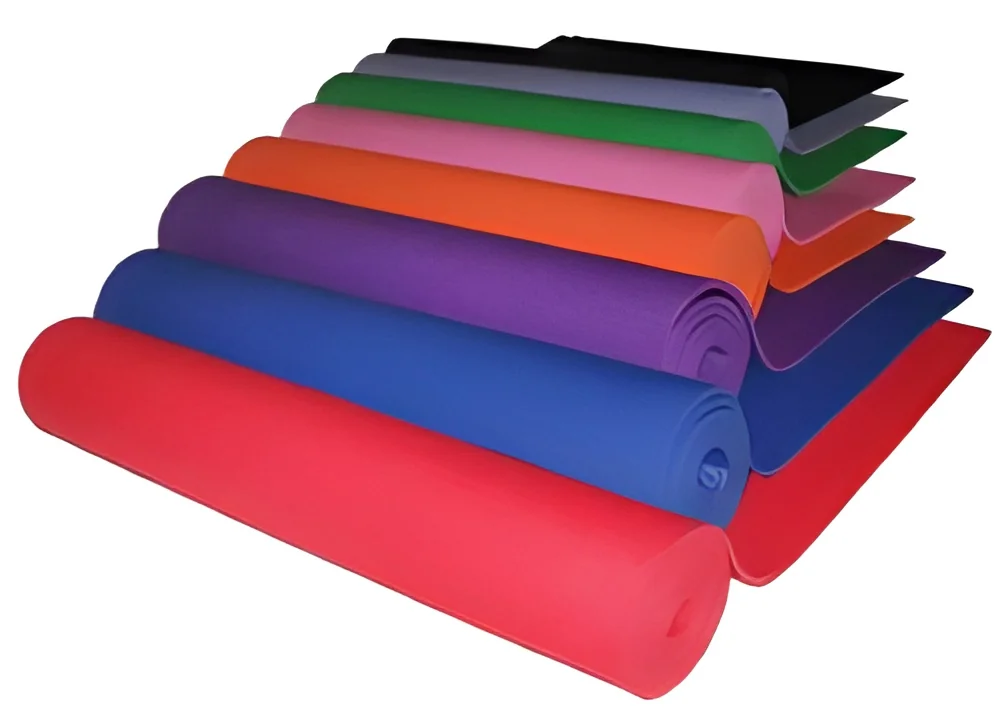
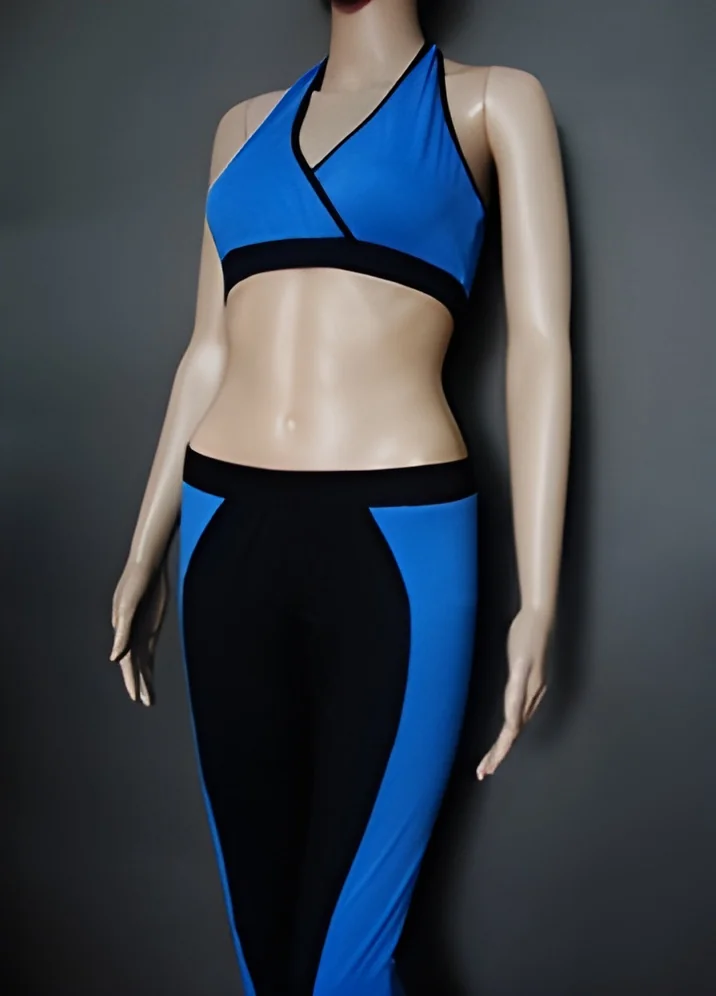
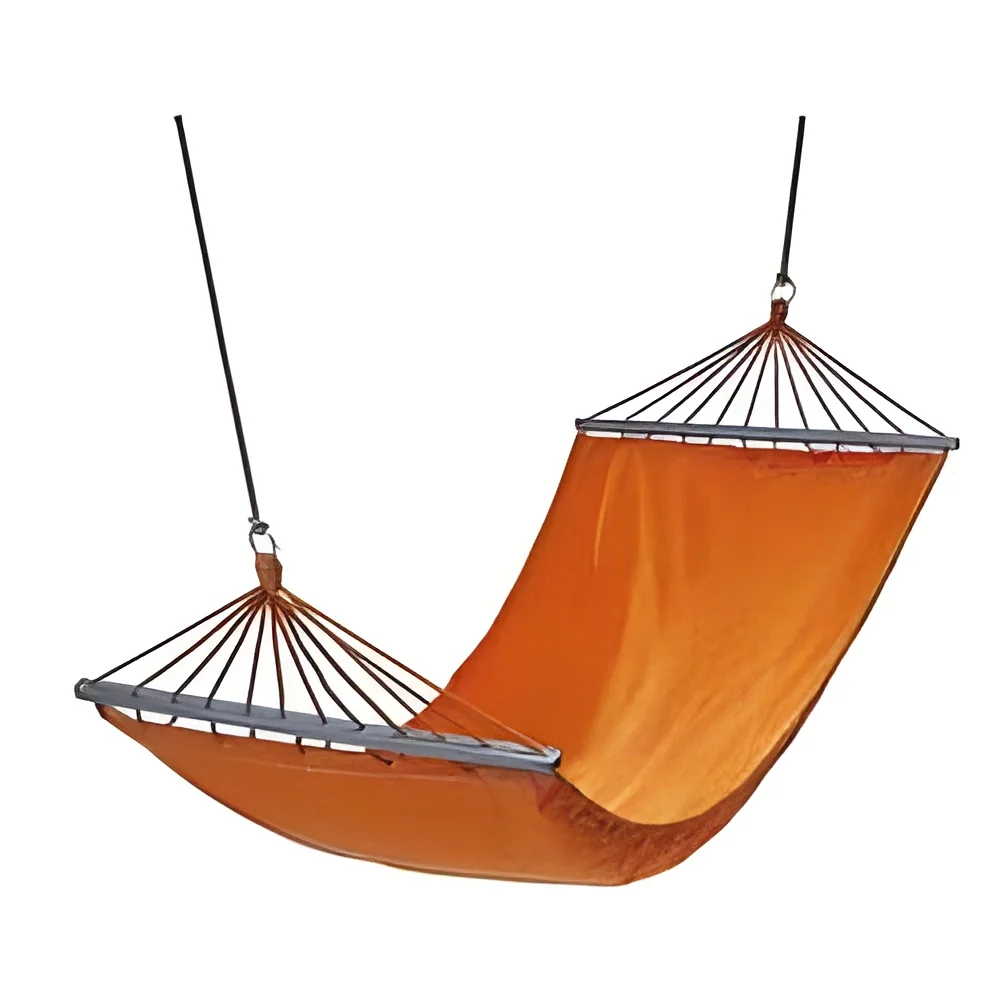
Yoga accessories and equipment encompass a wide range of tools designed to enhance the practice of yoga. These products can include items such as yoga mats, blocks, straps, bolsters, and wheels, all aimed at providing support, stability, and comfort during yoga sessions. They cater to both beginners and experienced practitioners, helping individuals achieve better alignment, flexibility, and overall performance in their yoga routines.
The primary uses of yoga accessories and equipment extend beyond individual practice. Businesses such as gyms, wellness centers, and yoga studios often invest in these products to improve their offerings. By providing high-quality accessories, these establishments can enhance the user experience, attract new clients, and foster loyalty among existing members. As the wellness industry continues to grow, the demand for these accessories remains strong, making them a relevant and essential component in the fitness market.
In terms of market context, the rise in health consciousness and the popularity of yoga as a holistic wellness practice have contributed to the increasing significance of yoga accessories and equipment. With a diverse range of options available, businesses can select products that align with their brand values and customer preferences, thereby enhancing their competitive edge in the industry.
𝗞𝗲𝘆 𝗙𝗲𝗮𝘁𝘂𝗿𝗲𝘀 𝗮𝗻𝗱 𝗦𝗽𝗲𝗰𝗶𝗳𝗶𝗰𝗮𝘁𝗶𝗼𝗻𝘀
Yoga accessories and equipment come with various features that enhance their usability and effectiveness. Understanding these specifications can help businesses make informed purchasing decisions.
Key specifications include:
1. Material Quality
- High-density foam, natural rubber, or eco-friendly materials
- Durability and longevity under regular use
2. Dimensions
- Standard sizes for mats (typically 68 inches long and 24 inches wide)
- Variations for blocks and straps to accommodate different poses
3. Weight Capacity
- Load-bearing capacity of mats and props
- Ensures stability and safety during use
4. Design Features
- Textured surfaces for improved grip
- Non-slip technology to prevent accidents
5. Portability
- Lightweight materials for easy transport
- Compact designs for storage and travel
6. Color and Aesthetic Options
- Variety of colors and designs to appeal to different clientele
- Customization options for branding purposes
7. Eco-friendliness
- Certifications indicating sustainability
- Use of biodegradable or recyclable materials
8. Safety Compliance
- Adherence to industry safety standards
- Testing protocols to ensure reliability
These specifications not only enhance the functionality of yoga accessories but also contribute to the overall user experience.
𝗖𝗼𝗺𝗺𝗼𝗻 𝗔𝗽𝗽𝗹𝗶𝗰𝗮𝘁𝗶𝗼𝗻𝘀 𝗮𝗻𝗱 𝗨𝘀𝗲 𝗖𝗮𝘀𝗲𝘀
Yoga accessories and equipment serve a variety of industries and applications.
1. Fitness Centers: Gyms and fitness studios utilize yoga accessories to offer specialized classes, attracting diverse clientele interested in holistic wellness.
2. Wellness Retreats: These facilities often include yoga sessions as part of their programs, requiring a range of accessories to accommodate participants of all levels.
3. Physical Therapy: Practitioners use yoga props to assist patients in rehabilitation, promoting flexibility, strength, and mindfulness.
4. Corporate Wellness Programs: Businesses incorporate yoga sessions into their wellness initiatives, utilizing accessories to enhance employee engagement and well-being.
5. Home Fitness: Consumers increasingly invest in yoga accessories for at-home workouts, supporting a growing trend of remote fitness practices.
6. Educational Institutions: Schools and colleges integrate yoga into their physical education curricula, necessitating the use of appropriate accessories for students.
7. Yoga Studios: Dedicated yoga studios rely heavily on a variety of accessories to support their diverse class offerings and to enhance the experience for their students.
𝗣𝗿𝗼𝗱𝘂𝗰𝘁 𝗩𝗮𝗿𝗶𝗮𝗻𝘁𝘀 𝗮𝗻𝗱 𝗦𝘂𝗯𝗰𝗮𝘁𝗲𝗴𝗼𝗿𝗶𝗲𝘀
Yoga accessories and equipment come in various forms to cater to different needs and preferences.
Yoga Mats: These are essential for providing a stable and comfortable surface for practice. They come in different thicknesses and materials, catering to various styles of yoga.
Yoga Blocks: Used to support and enhance poses, blocks help practitioners achieve proper alignment and make challenging poses more accessible.
Yoga Straps: These tools assist practitioners in stretching and holding poses, especially for those with limited flexibility. They are available in various lengths and materials.
Yoga Bolsters: Designed for restorative practices, bolsters provide cushioning and support during poses, enhancing comfort and relaxation.
Yoga Wheels: These innovative tools aid in deepening stretches and improving balance, making them a popular accessory for advanced practitioners.
𝗕𝗲𝗻𝗲𝗳𝗶𝘁𝘀 𝗮𝗻𝗱 𝗔𝗱𝘃𝗮𝗻𝘁𝗮𝗴𝗲𝘀
Utilizing yoga accessories and equipment offers numerous benefits to both businesses and practitioners.
1. Enhanced Performance: Accessories help improve alignment and stability, allowing practitioners to achieve deeper and more effective poses.
2. Increased Accessibility: Props make yoga more accessible for individuals of all skill levels, accommodating those who may struggle with certain postures.
3. Improved Safety: Quality accessories reduce the risk of injury by providing necessary support and stability during practice.
4. Elevated Comfort: Accessories like bolsters and mats enhance comfort, allowing for longer and more enjoyable sessions.
5. Versatile Use: Yoga accessories can be used across various practices and settings, making them suitable for different types of yoga and fitness classes.
6. Brand Differentiation: Offering a range of high-quality accessories can set businesses apart in a competitive market, attracting more clients.
𝗕𝘂𝘆𝗶𝗻𝗴 𝗚𝘂𝗶𝗱𝗲 𝗳𝗼𝗿 𝗕𝟮𝗕 𝗕𝘂𝘆𝗲𝗿𝘀
When sourcing yoga accessories and equipment, businesses should consider several key factors to ensure they make the best purchasing decisions.
1. Quality Assessment: Evaluate the materials and craftsmanship of the accessories to ensure durability and reliability. Look for products that meet industry standards and provide long-lasting performance.
2. Supplier Verification: Vet potential suppliers thoroughly. Check for reviews, certifications, and past customer experiences to ensure they are reputable and reliable.
3. Pricing and MOQ: Understand the pricing structures of different suppliers and inquire about minimum order quantities. This can influence budgeting and inventory planning.
4. Delivery and Lead Times: Discuss logistics with suppliers to establish clear expectations regarding delivery times and shipping methods. Timely delivery is crucial for customer satisfaction.
5. Compliance Requirements: Stay informed about regulatory and safety standards that apply to yoga accessories in your region. Ensure that products meet these requirements to avoid legal issues.
𝗖𝗼𝗺𝗽𝗹𝗶𝗮𝗻𝗰𝗲 𝗮𝗻𝗱 𝗖𝗲𝗿𝘁𝗶𝗳𝗶𝗰𝗮𝘁𝗶𝗼𝗻𝘀
Adhering to relevant compliance and certification standards is crucial for yoga accessories and equipment. Key quality standards such as ISO 9001 ensure that products meet consistent quality management criteria. Certifications like CE indicate compliance with European safety standards, providing assurance of product safety and reliability.
Additionally, various safety testing requirements must be fulfilled to ensure that accessories are safe for use. This includes testing for durability, material safety, and user comfort. Regional compliance considerations may vary, so it is essential to be aware of local regulations governing yoga products.
𝗪𝗵𝘆 𝗦𝗼𝘂𝗿𝗰𝗲 𝗬𝗼𝗴𝗮 𝗔𝗰𝗰𝗲𝘀𝘀𝗼𝗿𝗶𝗲𝘀 & 𝗘𝗾𝘂𝗶𝗽𝗺𝗲𝗻𝘁 𝗳𝗿𝗼𝗺 𝗣𝗲𝗽𝗮𝗴𝗼𝗿𝗮?
Pepagora offers a trusted platform for sourcing yoga accessories and equipment, providing several key advantages for buyers.
Verified Supplier Network: With a rigorous verification process, Pepagora ensures that all suppliers meet quality and reliability standards. This gives buyers confidence in their sourcing decisions.
Streamlined RFQ Process: The request for quotation system simplifies the procurement process, allowing buyers to easily compare products and prices from multiple suppliers.
Trade Assurance and Support: Pepagora provides buyer protection through trade assurance, ensuring that transactions are secure and disputes are minimized. This support fosters trust between buyers and suppliers.
Regional Coverage: With a strong presence in India, the GCC, and Southeast Asia, Pepagora offers extensive geographic reach. This makes it easier for businesses to find local suppliers and access a wide range of yoga accessories.

 IN
IN