
 IN
IN₹
Apparel & Fashion
Wood Polishing (Melamine, PU, Wax)
5 products available
Key Features and Specifications
When selecting wood polishing products, it is essential to understand their key features and specifications. These characteristics determine their effectiveness, ease of application, and suitability for different environments.
Key specifications include:
1. Melamine Finish
- Hard and durable finish
- Resistant to scratches and stains
2. Polyurethane (PU) Finish
- Excellent moisture resistance
- Suitable for high-traffic areas
3. Wax Finish
- Provides a natural sheen
- Easy to apply and reapply
4. Drying Time
- Varies by type; generally ranges from 30 minutes to several hours
5. Application Method
- Can be applied by brush, roller, or spray
6. VOC Content
- Low-VOC options available for environmentally conscious applications
7. Sheen Level
- Options include matte, satin, and gloss finishes
8. Coverage Area
- Typically covers 200-300 square feet per liter, depending on the surface
These specifications are crucial for ensuring that the chosen wood polishing product meets the requirements of the intended use.
Common Applications and Use Cases
Wood polishing products serve a range of industries with unique requirements.
1. Furniture Manufacturing: Wood polishing is essential in the furniture industry to enhance the visual appeal and durability of wooden products.
2. Cabinetry: High-quality finishes are crucial for kitchen and bathroom cabinets, where moisture resistance is a priority.
3. Flooring: Wood polishing helps protect and beautify hardwood and engineered flooring, improving their lifespan.
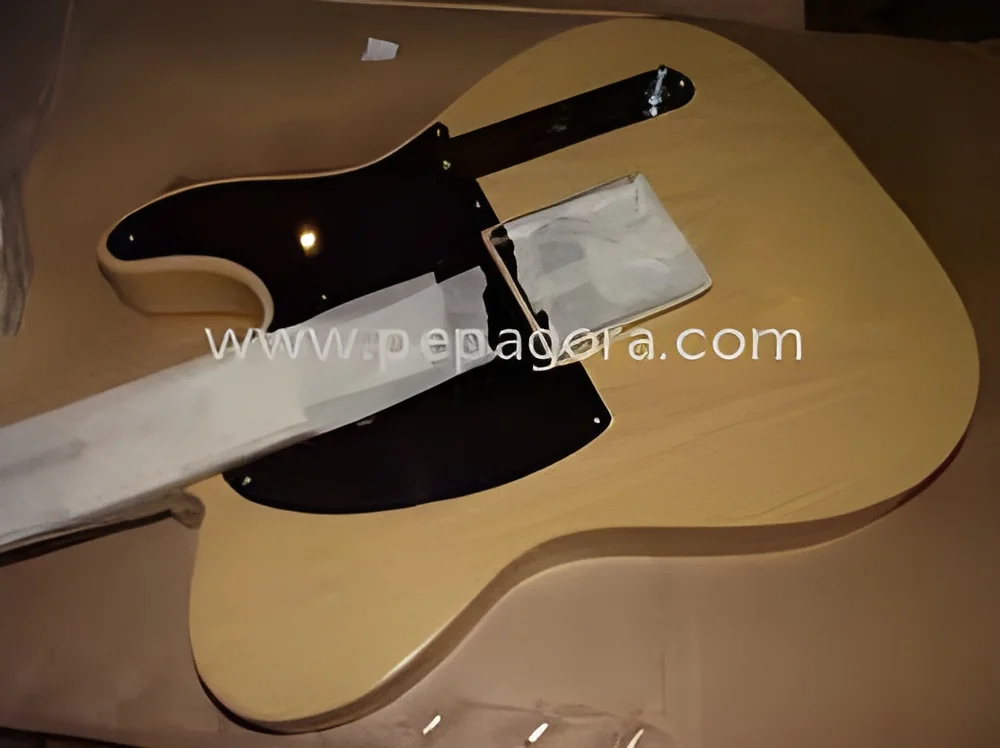
4. Musical Instruments: Fine wood finishing enhances the aesthetics and acoustic properties of instruments like pianos and guitars.
5. Antique Restoration: Wax polishing is often utilized to restore and preserve the original beauty of antique wooden items.
6. Interior Design: Designers use various wood finishes to complement decor styles, creating cohesive and attractive spaces.
7. Woodworking: Craftsmen apply polishing agents to showcase their work and protect it from wear and tear.
Product Variants and Subcategories
Wood polishing products come in several variants, allowing for tailored solutions based on specific needs.
Melamine Polish
This variant offers a hard, durable finish ideal for modern furniture and cabinetry. Its quick-drying properties make it suitable for mass production.
Polyurethane (PU) Polish
PU polish provides superior protection against moisture and abrasion. It is well-suited for high-traffic areas, such as floors and countertops, where durability is vital.
Wax Polish
Wax polish is preferred for achieving a natural look and feel on wooden surfaces. It is easy to apply and reapply, making it ideal for furniture that may require regular maintenance.
Benefits and Advantages
Wood polishing products present several advantages that make them essential for various applications.
1. Enhanced Durability: Polishing protects wood surfaces from scratches, moisture, and wear, extending their lifespan.
2. Improved Aesthetics: A polished finish enhances the natural beauty of wood, making it more appealing to consumers.
3. Ease of Maintenance: Many polished surfaces are easier to clean and maintain, reducing long-term upkeep efforts.
4. Versatility: Different types of polish can be used for diverse applications, from furniture to flooring, catering to various industry needs.
5. Cost-Effectiveness: Investing in quality wood polishing can prevent damage and the need for costly repairs or replacements.
6. Eco-Friendly Options: Many wood polishing products are available in low-VOC formulations, aligning with sustainability goals.
Buying Guide for B2B Buyers
When sourcing wood polishing products, it is important to consider several factors to ensure the best fit for your needs.
1. Quality Assessment: Evaluate the quality by looking at product reviews, test samples, and industry certifications to ensure it meets your requirements.
2. Supplier Verification: Vet suppliers by checking their reputation, experience in the industry, and customer feedback to ensure reliability.
3. Pricing and MOQ: Understand the price range and minimum order quantities to align with your budget and operational needs.
4. Delivery and Lead Times: Discuss logistics with suppliers to establish expected delivery times and ensure they can meet your project deadlines.
5. Compliance Requirements: Ensure that the products meet relevant regulatory standards and certifications, such as CE marking, to avoid compliance issues.
Compliance and Certifications
Wood polishing products are subject to various quality standards and certifications that ensure safety and performance.
ISO 9001 is a standard that outlines quality management principles, ensuring consistent product quality. Compliance with such standards indicates that the manufacturing processes are efficient and reliable.
HACCP (Hazard Analysis Critical Control Point) is a critical framework for ensuring food safety, relevant for wood polishing products used in food-related applications, such as kitchen cabinetry.
CE marking signifies that products conform to EU safety, health, and environmental protection standards. This certification is vital for market acceptance in Europe.
Safety requirements often involve testing for toxicity and environmental impact, ensuring that the products do not pose health risks.
Regional compliance considerations may vary, so it is essential to be aware of local regulations in the markets where the products will be sold.
Why Source Wood Polishing (Melamine, PU, Wax) from Pepagora?
Pepagora provides a trusted platform for sourcing wood polishing products with several key advantages.
Verified Supplier Network: Pepagora connects buyers with a network of verified suppliers, ensuring that products meet quality standards and buyer expectations.
Streamlined RFQ Process: The Request for Quotation (RFQ) system simplifies the procurement process, allowing buyers to receive competitive offers from multiple suppliers efficiently.
Trade Assurance and Support: Buyers are protected through trade assurance services, which provide a safety net in transactions, fostering trust and reliability.
Regional Coverage: With a strong presence in India, GCC, and Southeast Asia, Pepagora facilitates access to a diverse range of suppliers and products, catering to various market needs.
This comprehensive approach makes Pepagora an ideal partner for businesses looking to source quality wood polishing products.
Newly Added

Frequently Asked Questions
1
What is Wood Polishing (Melamine, PU, Wax)?
Wood Polishing (Melamine, PU, Wax) is a product offered by global suppliers on Pepagora.
2
How do I find suppliers for Wood Polishing (Melamine, PU, Wax)?
Use Pepagora's search and filter options to find verified suppliers.
3
Can I request a quote for Wood Polishing (Melamine, PU, Wax)?
Yes, use the RFQ feature to request quotes from multiple suppliers.
4
Is Wood Polishing (Melamine, PU, Wax) available in multiple languages?
Pepagora supports multilingual catalogs for global buyers.
5
What trust signals are available for Wood Polishing (Melamine, PU, Wax)?
Look for TruBadge, RFQ, and multilingual support on supplier profiles.
Why Businesses Trust Pepagora
Thousands of companies trust Pepagora to source smarter and sell faster
Expand Your Sales Globally
25000+Products listed.Get discovered by global buyers
Tools to boost visibility
Build your own catalog

Source Smarter,Grow Faster
4000+Active RFQs
100+ Countries served
Easy Sourcing Tools
