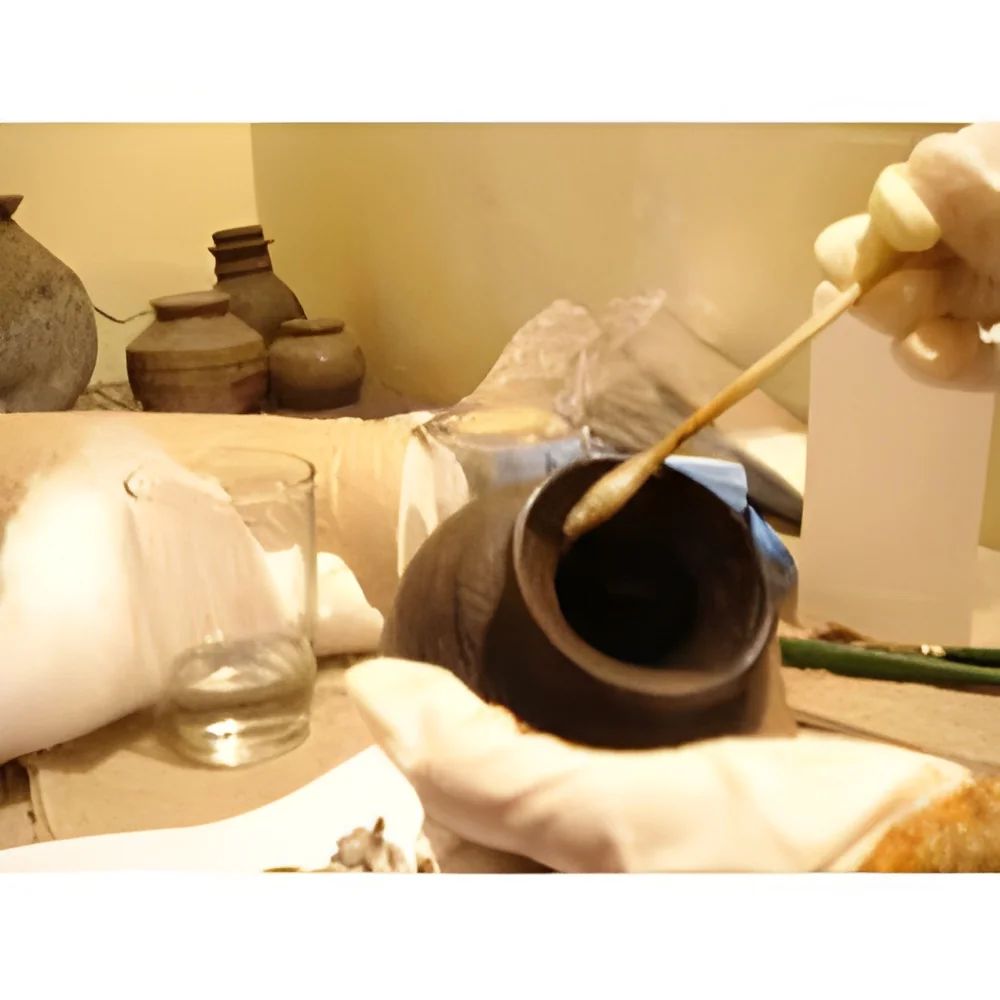
What are Antique Furniture Restoration?
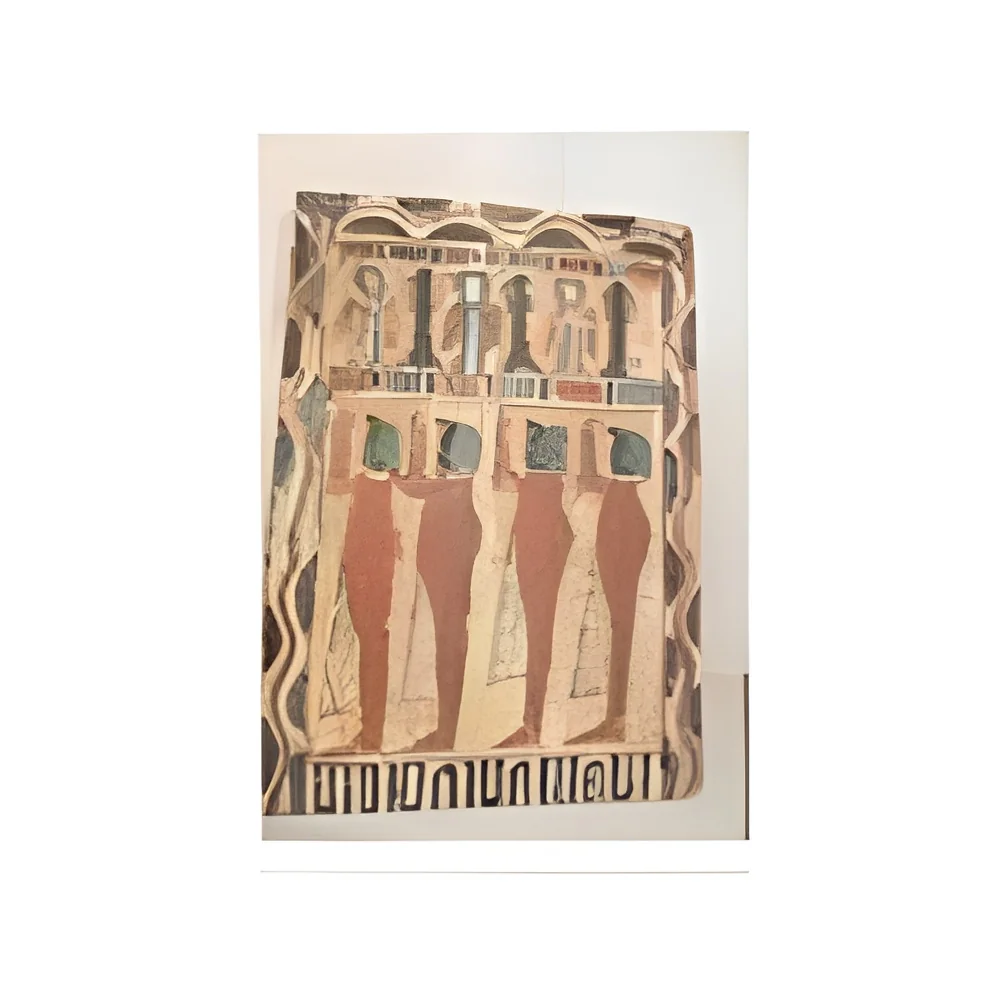
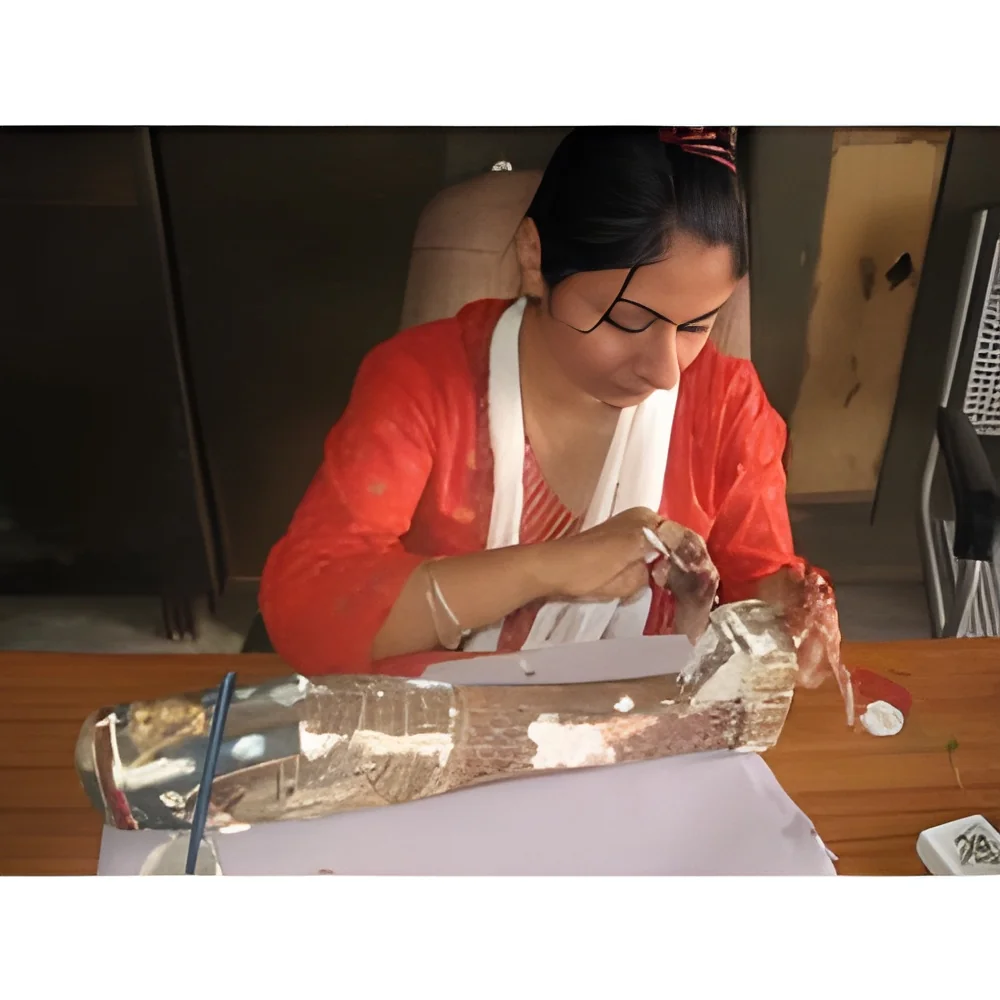
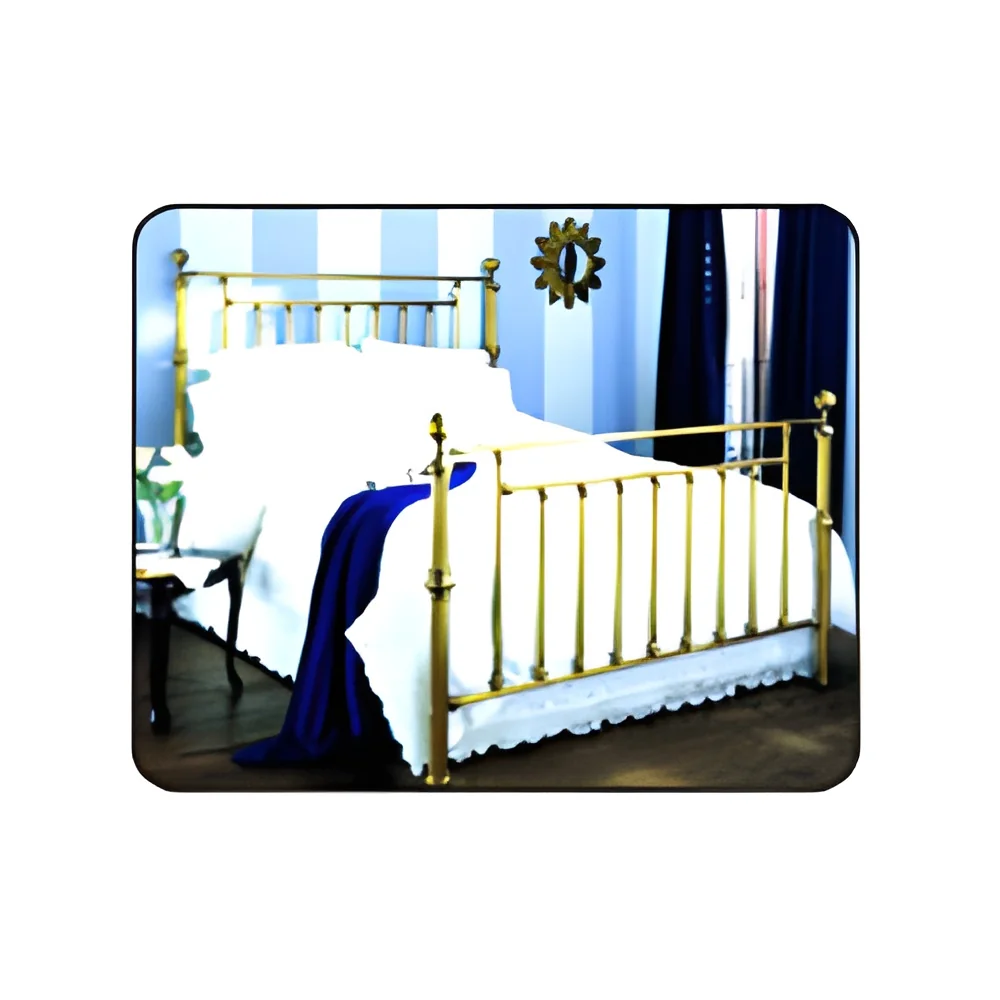
Antique furniture restoration involves the careful process of repairing and revitalizing furniture pieces that have historical significance and aesthetic value. This practice aims to preserve the original character and craftsmanship of the furniture while enhancing its functionality and appearance. Restoration techniques can include refinishing surfaces, repairing structural damage, and replacing missing components.
The primary applications of antique furniture restoration are found in the interior design, antique dealership, and heritage conservation sectors. Businesses in these industries often require restoration services to maintain the integrity and value of their items. In addition, collectors and enthusiasts seek out restoration to ensure their antiques remain in good condition for display or use. As the demand for vintage and unique furniture pieces grows, the relevance of antique furniture restoration continues to increase within the market, supporting both aesthetic appreciation and investment value.
Key Features and Specifications
Antique furniture restoration encompasses a variety of techniques and standards to ensure quality results. The following specifications outline essential features that should be considered during the restoration process:
1. Material Quality
- Use of high-grade woods, metals, and fabrics that match the original composition.
- Ensures durability and authenticity in the restored piece.
2. Finish Techniques
- Application of traditional finishes such as shellac, varnish, or wax.
- Protects the wood while enhancing its natural beauty.
3. Structural Integrity
- Assessment and repair of joints, legs, and support structures.
- Minimizes the risk of future damage and maintains usability.
4. Historical Accuracy
- Adherence to original designs and construction methods.
- Preserves historical value and authenticity of the furniture.
5. Restoration Tools
- Utilization of specialized tools for precise repairs.
- Ensures a professional finish and reduces the risk of damaging the piece.
6. Preservation Methods
- Techniques for preventing further deterioration, including climate control and protective coatings.
- Extends the life of the furniture while maintaining its appearance.
7. Customization Options
- Availability of bespoke restoration services tailored to specific client needs.
- Allows for personalization while respecting the original design.
8. Certification of Authenticity
- Providing documentation that verifies the restoration process and materials used.
- Enhances the value and trustworthiness of the restored piece.
In summary, understanding these specifications is vital for ensuring that antique furniture restoration meets the highest standards of quality and authenticity.
Common Applications and Use Cases
Antique furniture restoration serves a diverse range of industries and applications.
1. Interior Design: Designers often incorporate restored antique furniture into their projects to create unique and character-rich environments.
2. Antique Dealership: Dealers require restoration services to enhance the value and appeal of items before resale, ensuring they meet customer expectations.
3. Heritage Conservation: Museums and historical societies utilize restoration to preserve furniture for future generations, maintaining cultural and historical significance.
4. Residential Use: Homeowners seek restoration to revitalize inherited or acquired pieces, blending them seamlessly into modern interiors.
5. Event Planning: Event coordinators may use restored antiques to create themed environments, enhancing the aesthetic appeal of weddings and corporate events.
6. Film and Theatre: Production companies often source restored antique furniture to create authentic historical settings in films and stage plays.
7. Collectibles Market: Collectors invest in restoration to improve the quality and presentation of their items, enhancing their overall investment value.
Product Variants and Subcategories
The field of antique furniture restoration encompasses various techniques and approaches, each tailored to meet specific needs.
Traditional Restoration
This approach focuses on preserving the original materials and methods used in the creation of the furniture. Artisans skilled in traditional techniques ensure that the piece retains its historical integrity while being functional.
Modern Restoration
Modern restoration may incorporate contemporary materials and methods to enhance durability and usability. This approach often appeals to those looking for practical solutions while still appreciating the antique's aesthetic.
Hybrid Restoration
Combining both traditional and modern techniques, hybrid restoration aims to balance authenticity with contemporary needs. This approach is ideal for clients who want to maintain historical value while also making the furniture suitable for everyday use.
Benefits and Advantages
Antique furniture restoration offers numerous advantages to both businesses and individuals.
1. Preservation of Heritage: Restoration helps maintain the historical significance of antique pieces, preserving cultural heritage for future generations.
2. Increased Value: Properly restored furniture can significantly increase in market value, making it a wise investment for collectors and dealers.
3. Enhanced Aesthetic Appeal: Restoration improves the visual appeal of antique furniture, making it more attractive for display or everyday use.
4. Sustainable Practices: By restoring rather than replacing furniture, businesses and individuals contribute to sustainable practices and reduce waste.
5. Customization: Restoration services can be tailored to meet specific client preferences, allowing for unique designs that suit individual tastes.
6. Expert Craftsmanship: Professional restorers possess the skills and knowledge required to handle delicate antique materials, ensuring quality results.
Buying Guide for B2B Buyers
When sourcing antique furniture restoration services, several key factors should be considered to ensure quality and reliability.
1. Quality Assessment: Evaluate the materials and techniques used in the restoration process. Look for providers who use high-quality, authentic materials that match the original specifications.
2. Supplier Verification: Vet suppliers by checking their credentials, experience, and past projects. Seek references or reviews from previous clients to gauge their reliability.
3. Pricing and MOQ: Understand the pricing structure and minimum order quantity (MOQ) required by suppliers. This information is crucial for budgeting and planning purchases.
4. Delivery and Lead Times: Inquire about the expected lead times for restoration projects. Timely delivery is essential for businesses with specific deadlines.
5. Compliance Requirements: Ensure that restoration practices adhere to any relevant industry regulations and standards. This may include safety requirements and environmental considerations.
Compliance and Certifications
Antique furniture restoration is subject to various quality and safety standards that ensure high levels of craftsmanship and compliance.
Relevant quality standards such as ISO 9001 focus on maintaining consistent quality management systems within restoration practices. Adhering to these standards can help businesses ensure that their restoration processes meet international benchmarks.
Certain industry certifications, such as CE marking, may apply to specific restoration materials and products used in the process. This certification indicates conformity with health, safety, and environmental protection standards.
Safety requirements are paramount, as restoration work often involves the use of chemicals and tools that can pose risks. Proper training and adherence to safety protocols are essential.
Regional compliance considerations may also play a role, depending on the location of the restoration services. Understanding local regulations ensures that businesses operate within legal frameworks and maintain trust with their clients.
Why Source Antique Furniture Restoration from Pepagora?
Pepagora provides a trusted platform for sourcing antique furniture restoration with several key advantages.
Verified Supplier Network: Pepagora has a comprehensive network of verified suppliers who specialize in antique furniture restoration. This ensures that buyers have access to reliable services that meet quality standards.
Streamlined RFQ Process: The Request for Quotation (RFQ) system offered by Pepagora makes sourcing efficient. Buyers can easily submit their requirements and receive competitive quotes from multiple suppliers.
Trade Assurance and Support: Pepagora prioritizes buyer protection by offering trade assurance. This feature provides peace of mind during transactions, ensuring that buyers receive the quality they expect.
Regional Coverage: With a strong presence in India, the GCC, and Southeast Asia, Pepagora connects buyers with restoration services across diverse markets. This geographic reach allows businesses to find the right partners for their needs.

 IN
IN