
 IN
INOffice Furniture Assembly (Desks, Workstations)
1 products available
Key Features and Specifications
Common Applications and Use Cases
Product Variants and Subcategories
Benefits and Advantages
Buying Guide for B2B Buyers
Compliance and Certifications

Frequently Asked Questions
What are Office Furniture Assembly (Desks, Workstations)?
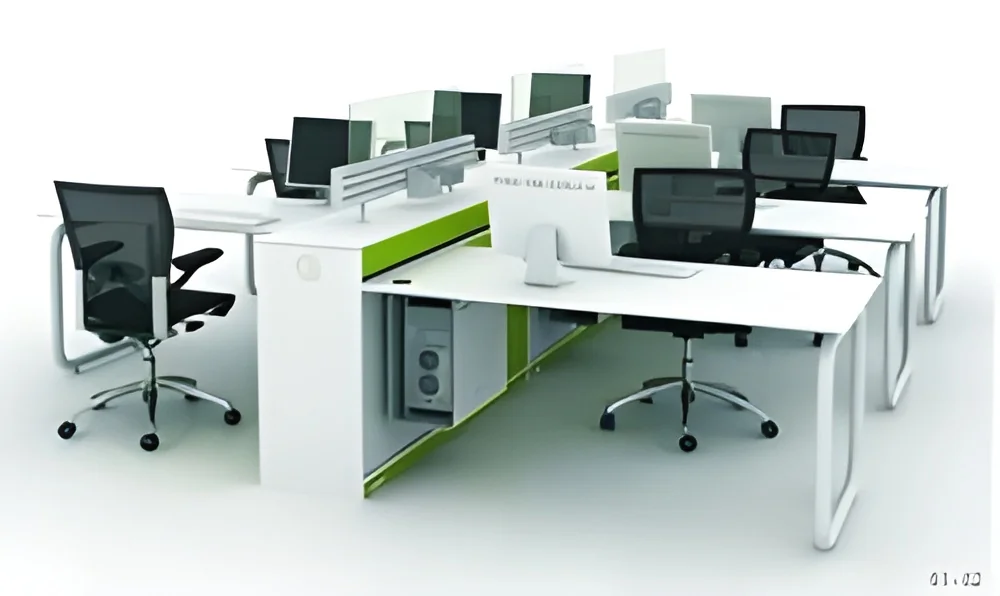
Office Furniture Assembly (Desks, Workstations) refers to the process of putting together various components of office desks and workstations, which are essential for creating functional work environments. These assemblies usually include parts such as tabletops, legs, shelves, and drawer units that are combined to form a complete functional unit.
What are the different types of Office Furniture Assembly (Desks, Workstations)?
There are several types of Office Furniture Assembly (Desks, Workstations), including executive desks, cubicle workstations, collaborative desks, and standing desks. Each type is designed to cater to specific work styles and office layouts, providing various features and configurations.
How do I choose the right Office Furniture Assembly (Desks, Workstations)?
To choose the right Office Furniture Assembly (Desks, Workstations), consider factors such as the size of your office, the number of employees, and the nature of work being performed. It's also essential to evaluate the ergonomics, aesthetics, and functionality of the furniture to ensure it meets the needs of your workspace.
What are the standard specifications for Office Furniture Assembly (Desks, Workstations)?
Standard specifications for Office Furniture Assembly (Desks, Workstations) typically include dimensions, weight capacity, material composition, and finish options. Common materials used include wood, metal, and laminate, with dimensions varying based on the specific type of desk or workstation.
What is the price range for Office Furniture Assembly (Desks, Workstations)?
The price range for Office Furniture Assembly (Desks, Workstations) can vary widely based on design, materials, and brand. Generally, you can expect prices to start from a few thousand rupees for basic models and go up to several tens of thousands for high-end or customizable options.
What quality standards apply to Office Furniture Assembly (Desks, Workstations)?
Quality standards for Office Furniture Assembly (Desks, Workstations) often include certifications related to durability, safety, and environmental impact. Common standards may include ISI certification in India, as well as adherence to ergonomic guidelines to ensure user comfort and safety.
Where can I find Office Furniture Assembly (Desks, Workstations) suppliers in India?
You can find Office Furniture Assembly (Desks, Workstations) suppliers in India through various online marketplaces, trade shows, and industry directories. Platforms like Pepagora.com offer a comprehensive list of manufacturers and suppliers specializing in office furniture.
Can Office Furniture Assembly (Desks, Workstations) be customized?
Yes, many manufacturers offer customization options for Office Furniture Assembly (Desks, Workstations) to meet specific requirements. Customizations can include variations in size, color, material, and additional features like built-in storage or cable management systems.
What is the typical minimum order quantity for Office Furniture Assembly (Desks, Workstations)?
The typical minimum order quantity (MOQ) for Office Furniture Assembly (Desks, Workstations) varies by supplier and product. Generally, MOQs can range from a single unit for retail customers to larger quantities for bulk orders or corporate purchases.
What is the typical lead time for Office Furniture Assembly (Desks, Workstations)?
The typical lead time for Office Furniture Assembly (Desks, Workstations) can vary based on availability, customization, and the supplier's production capacity. On average, lead times can range from 2 to 6 weeks, depending on the specific requirements and order size.
Why Businesses Trust Pepagora
Thousands of companies trust Pepagora to source smarter and sell faster
Expand Your Sales Globally

Source Smarter,Grow Faster
