
 IN
Women's Salwar Suits
1107 products available
What are Women's Salwar Suits?
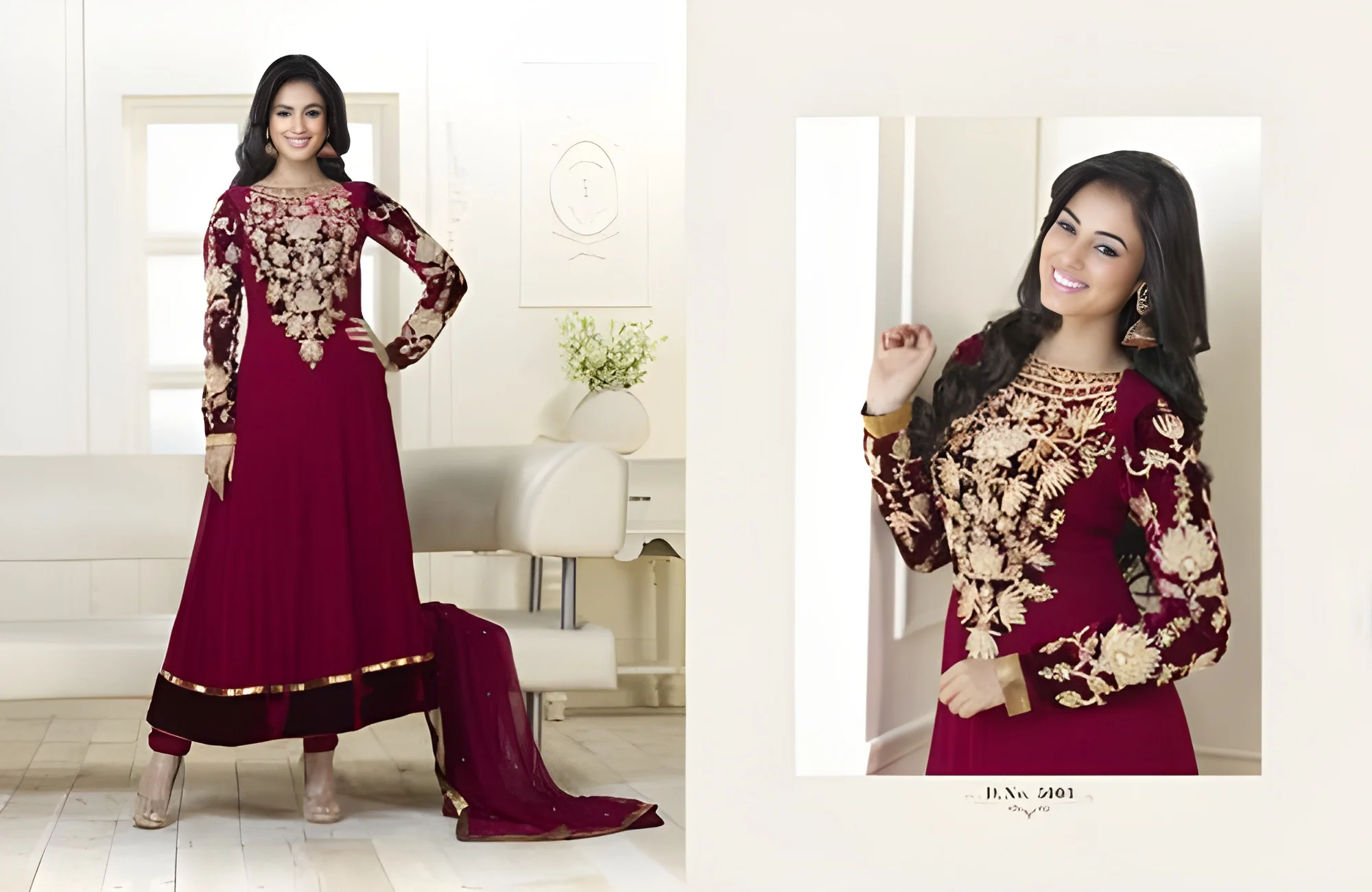
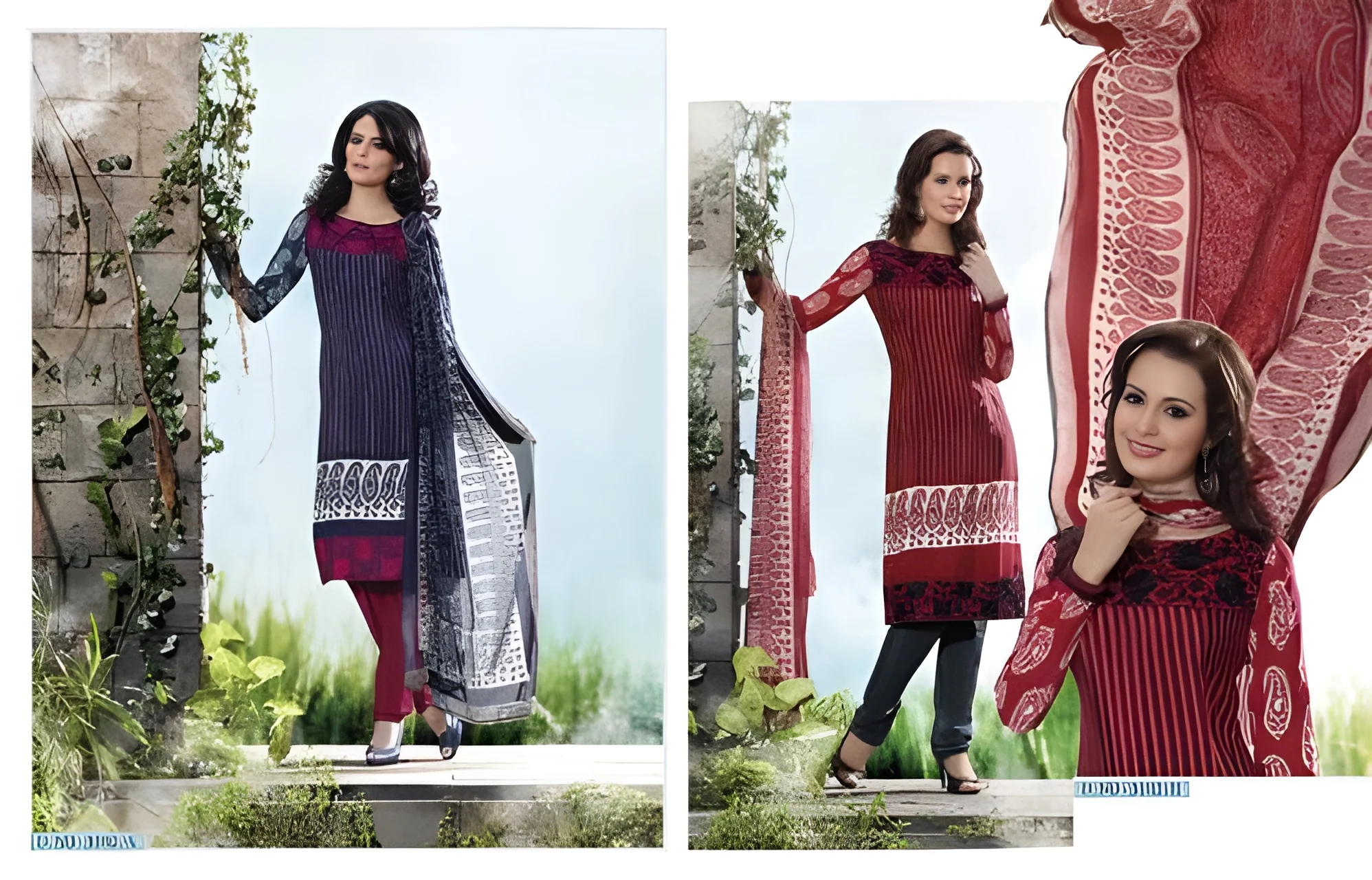
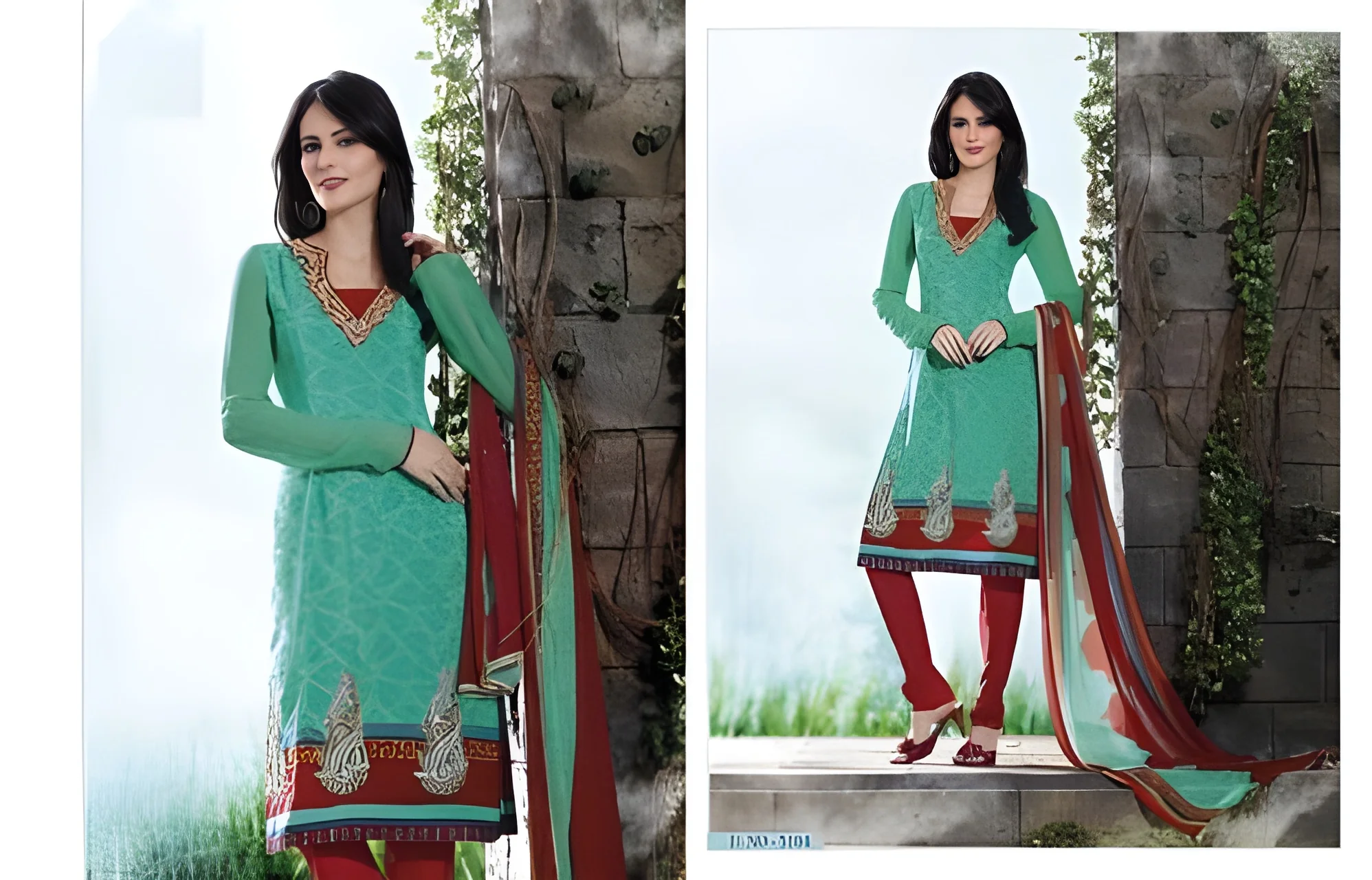
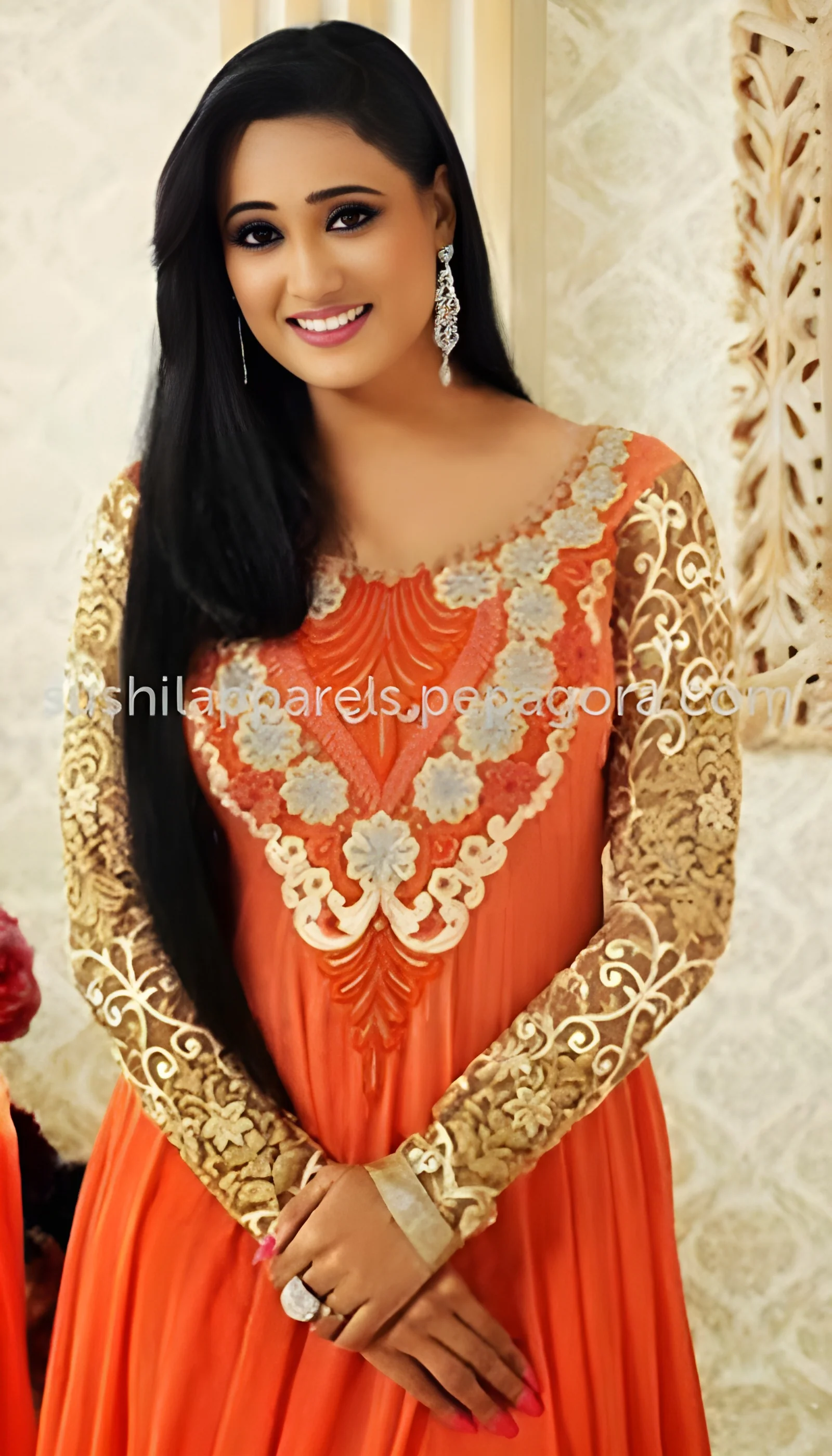
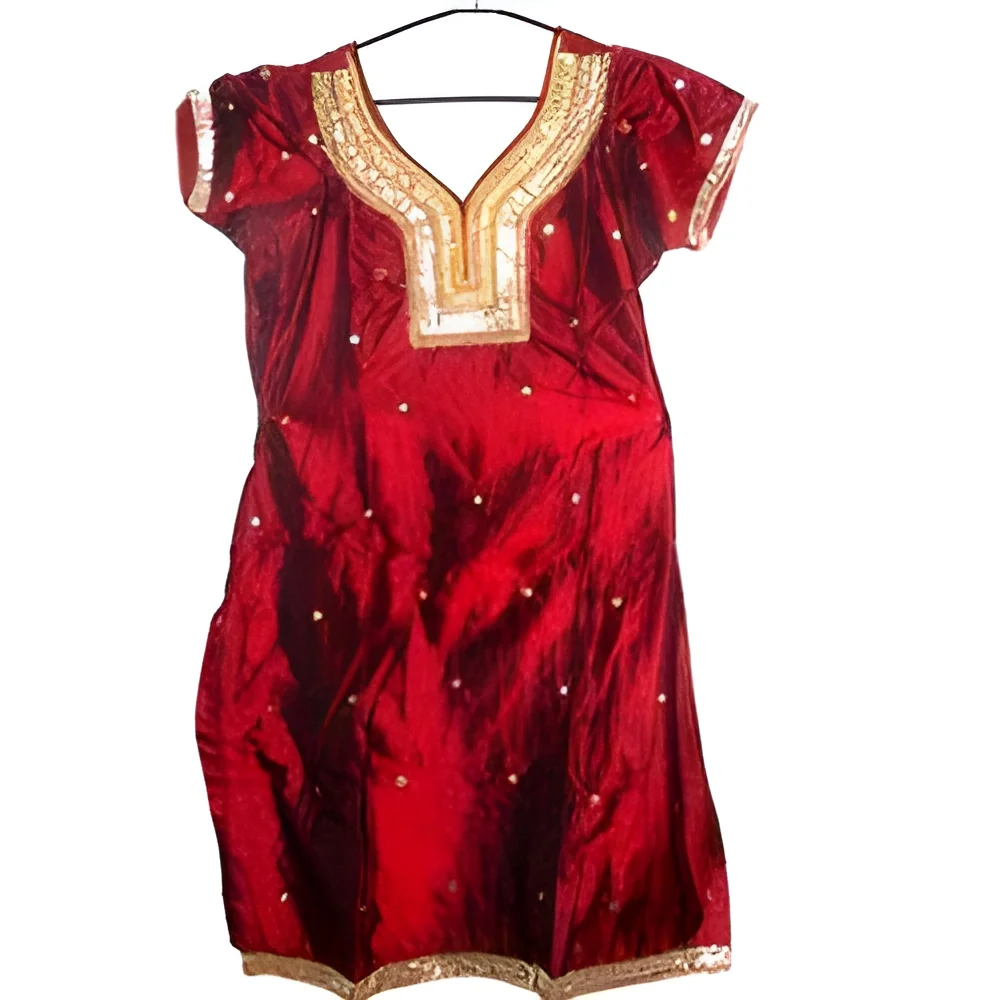
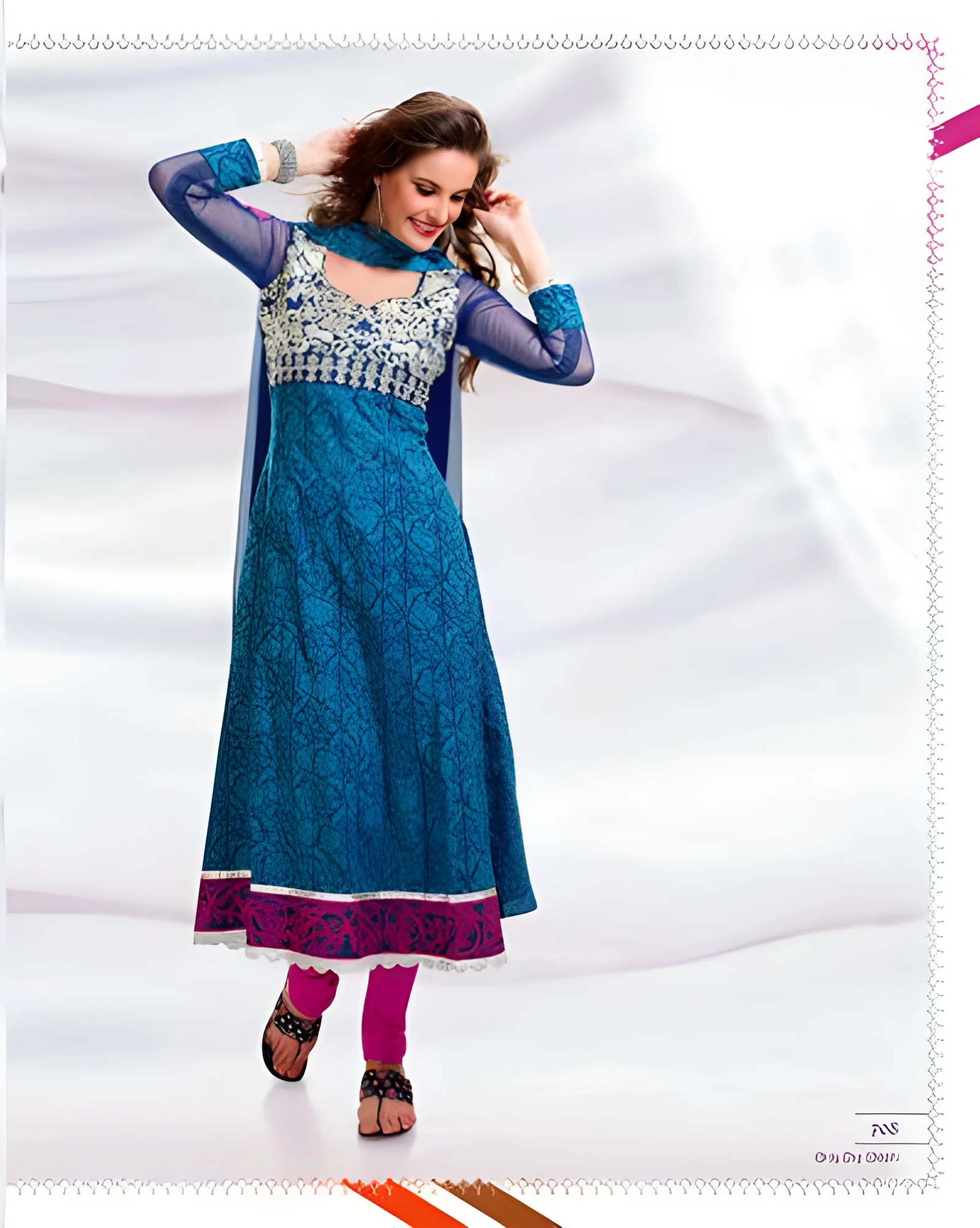
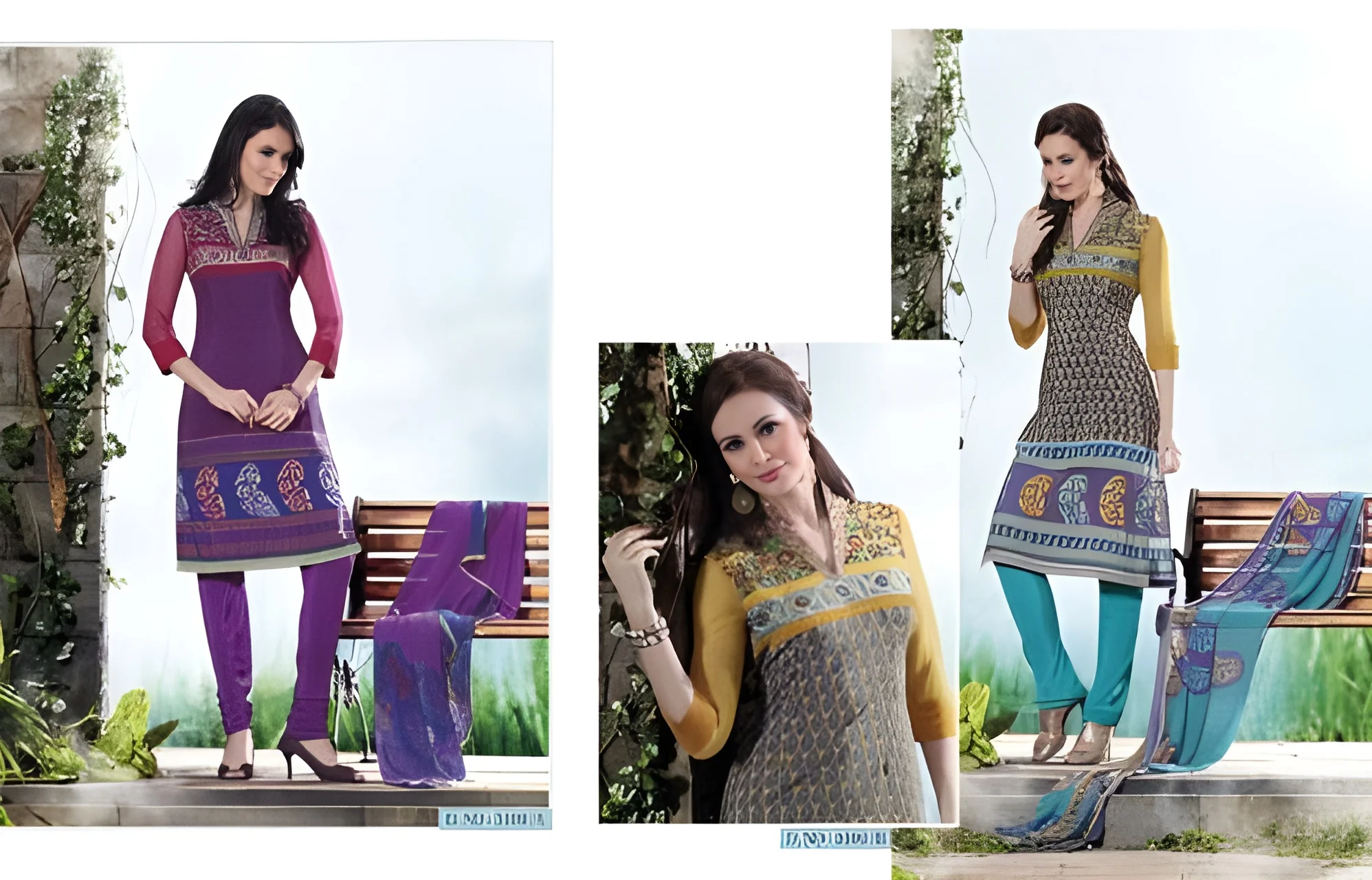
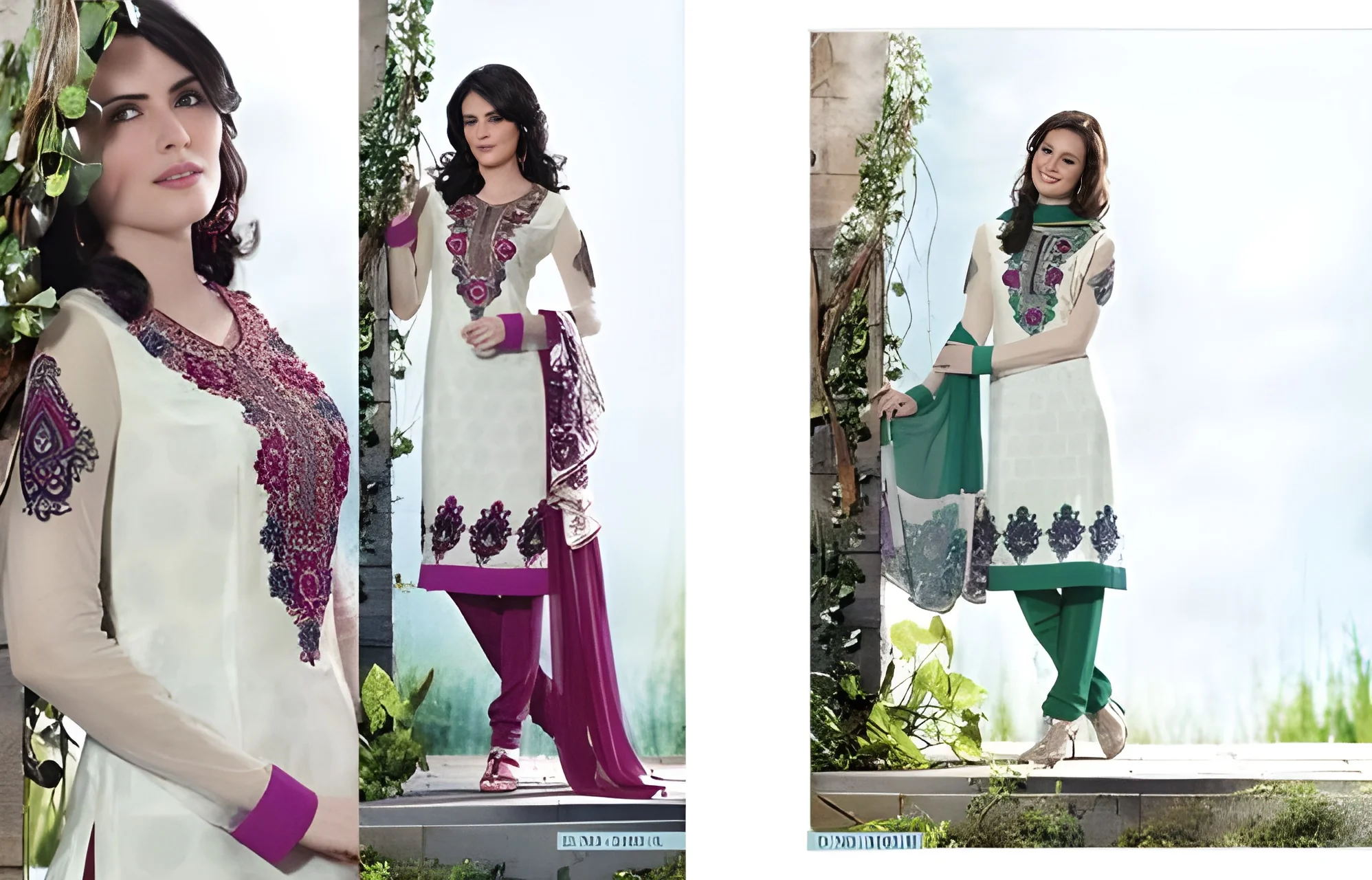
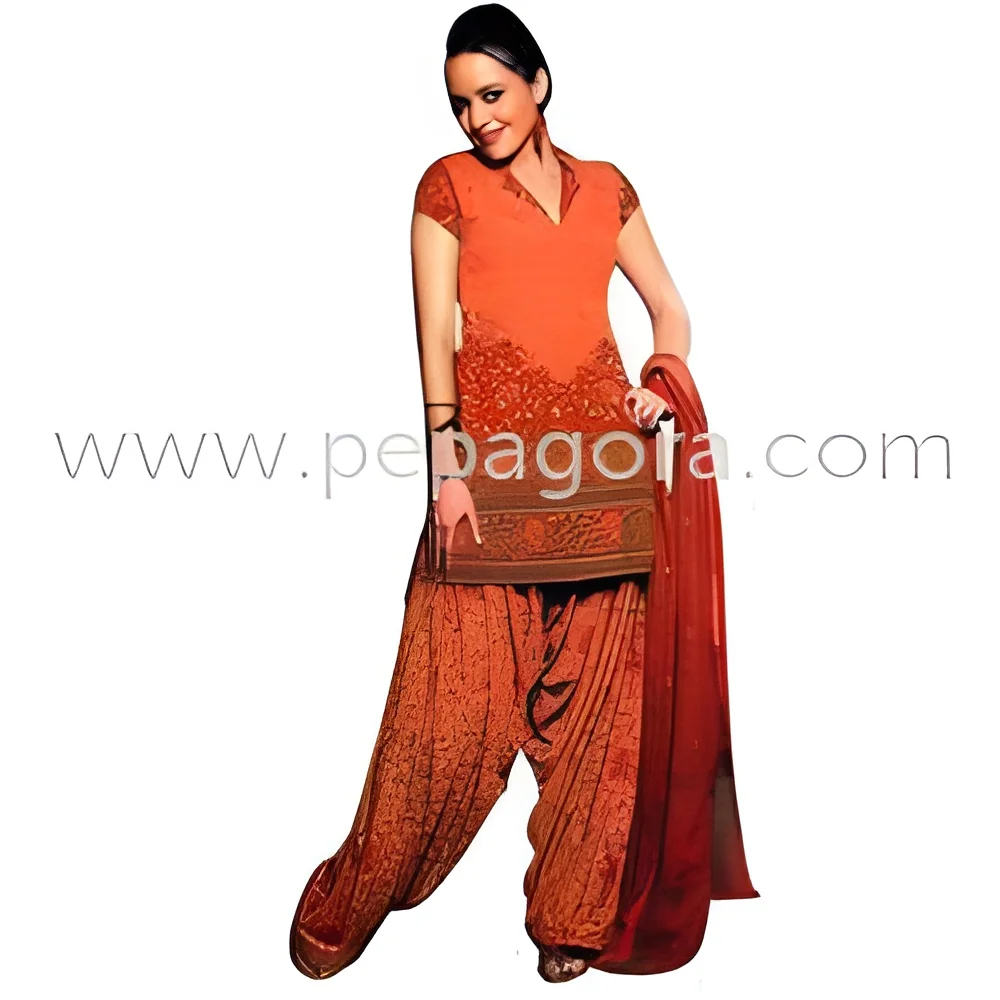
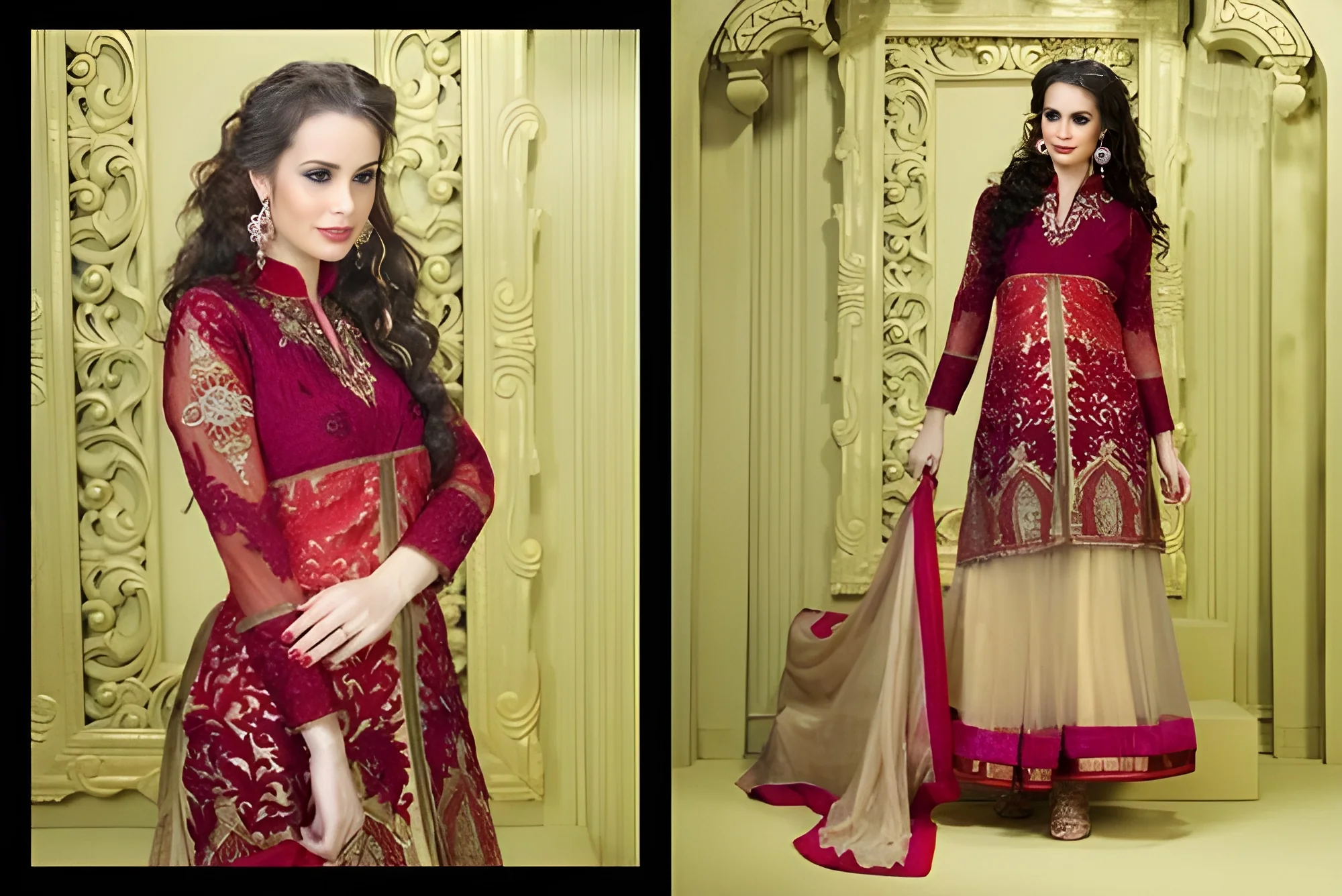
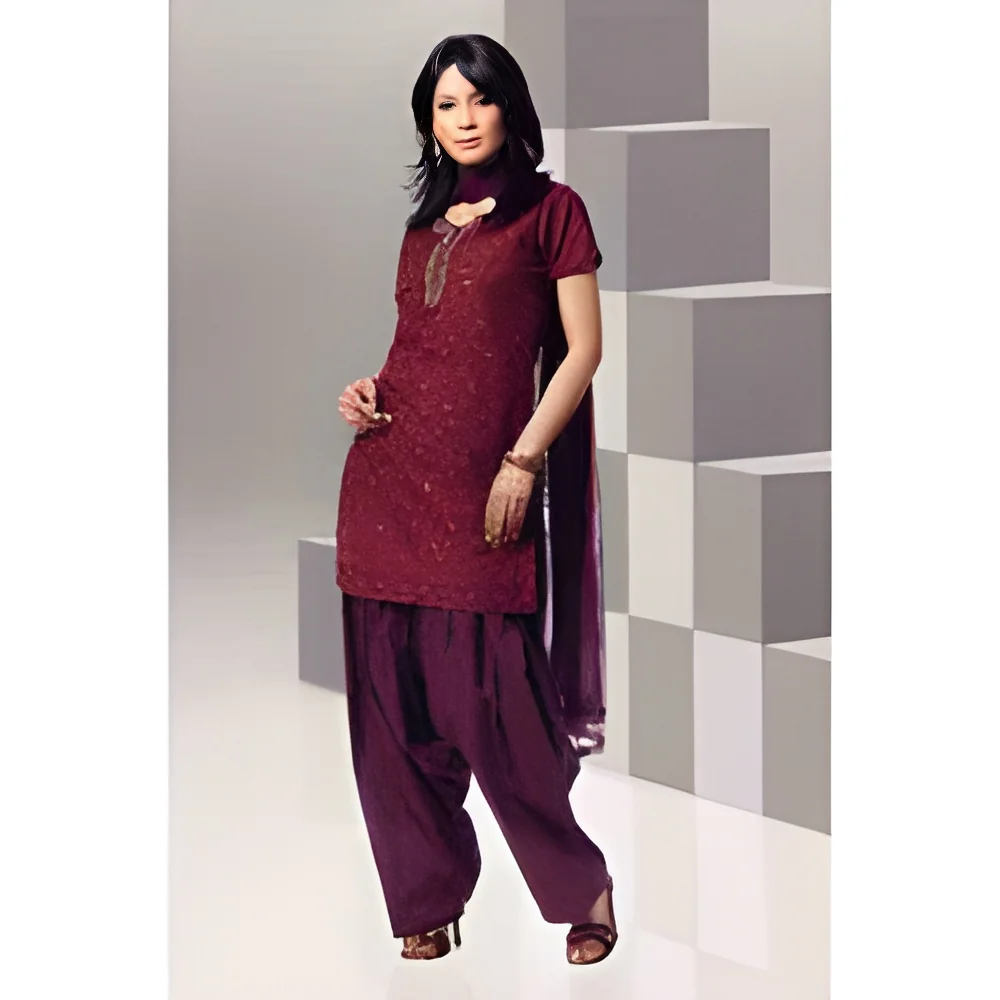
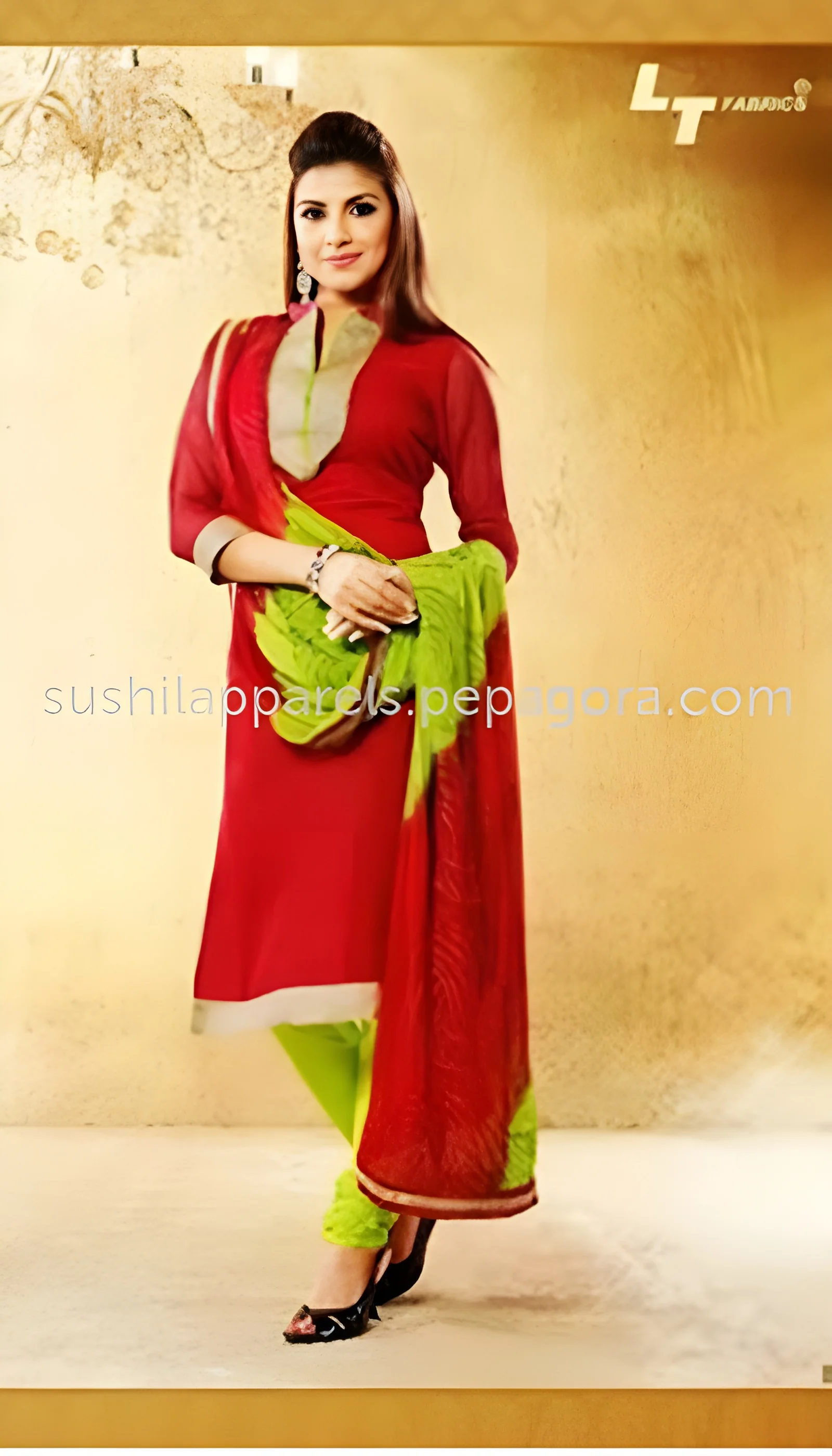
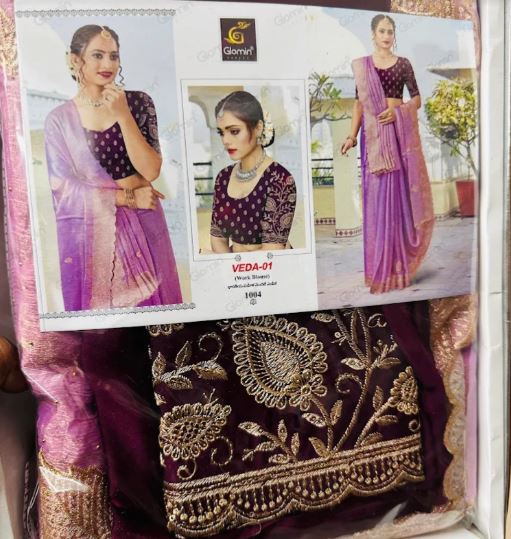
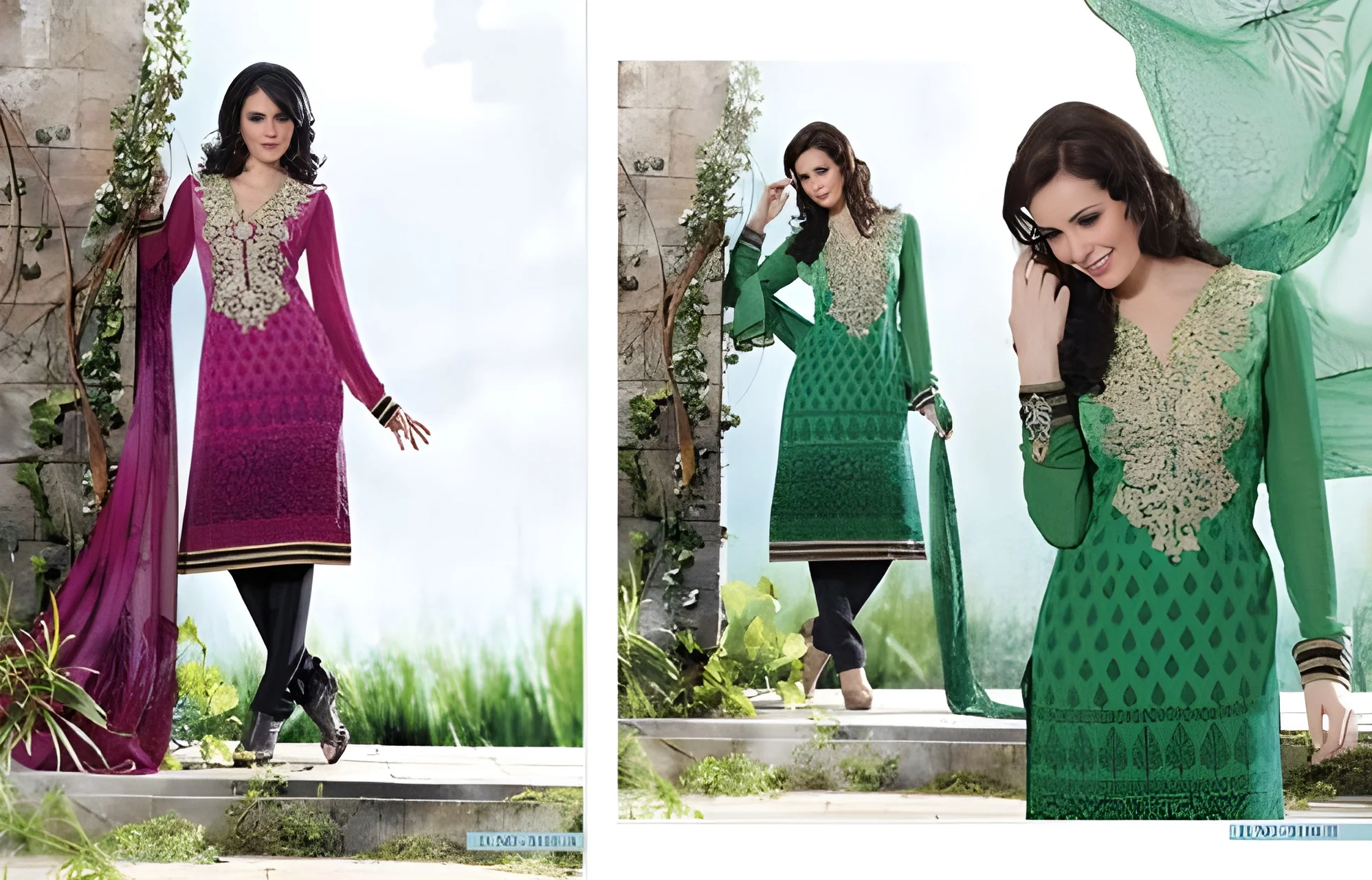
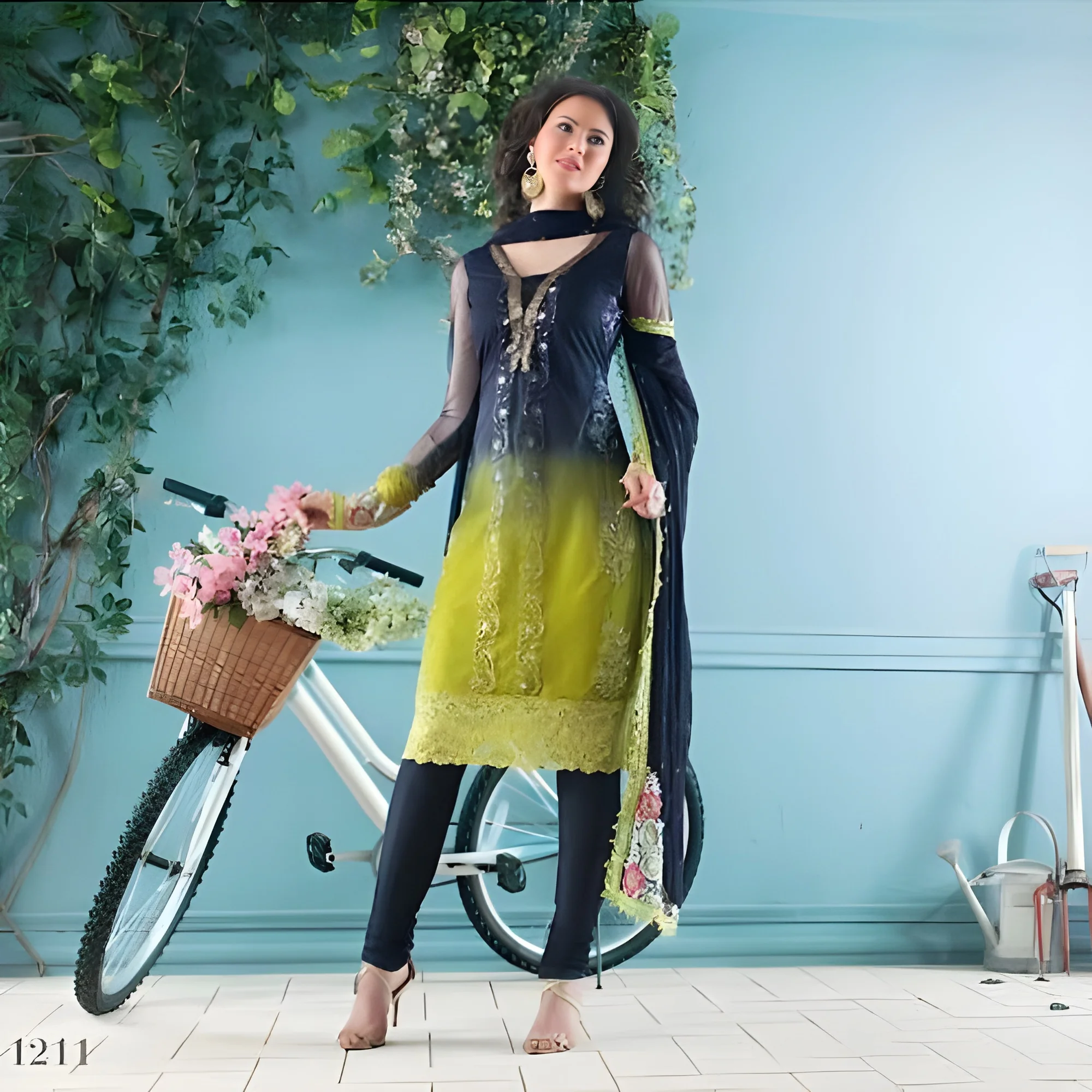
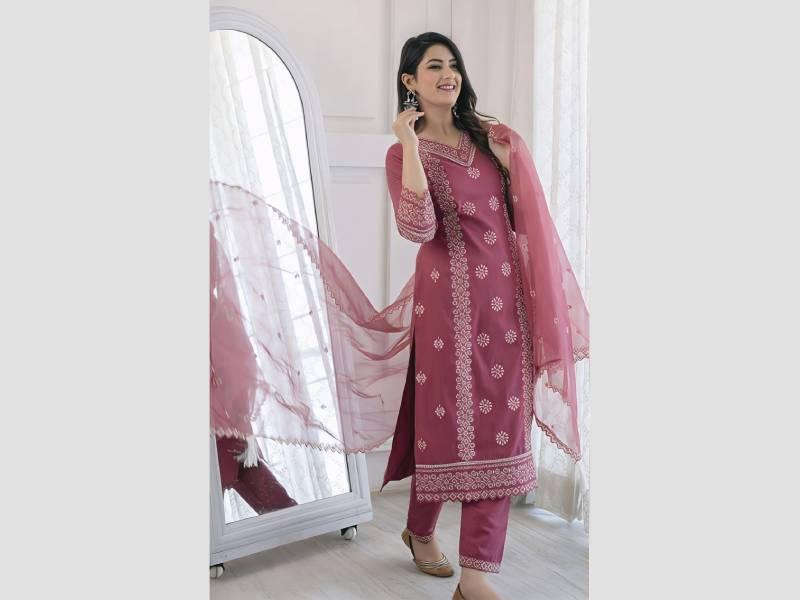
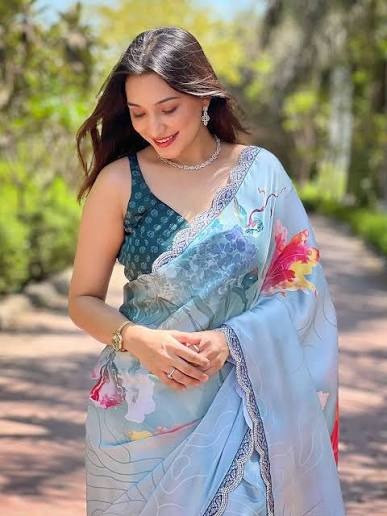
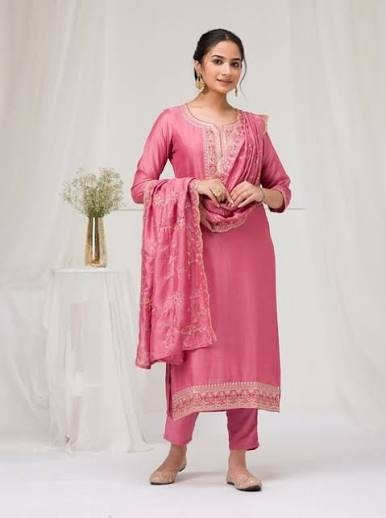
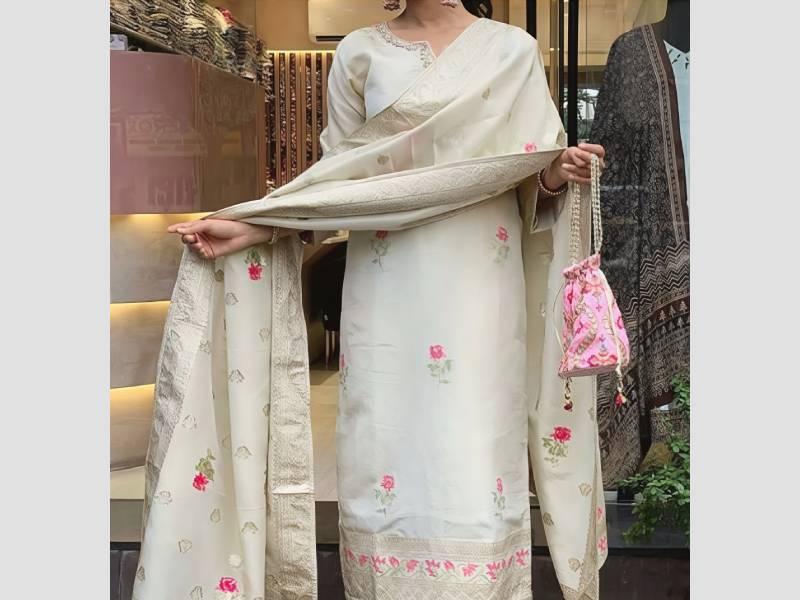
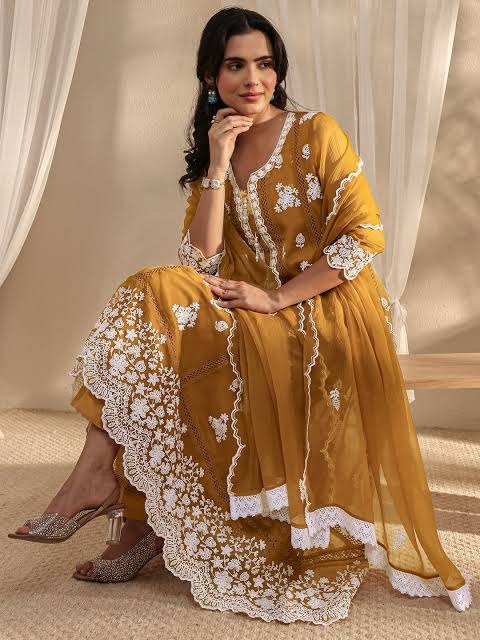
Women's Salwar Suits are traditional outfits primarily worn in South Asia, consisting of three main components: the salwar (loose trousers), the kameez (tunic top), and the dupatta (scarf). This attire is known for its comfort and versatility, making it suitable for various occasions, from casual wear to formal events. Salwar Suits are available in a wide range of fabrics, colors, and designs, reflecting the rich cultural heritage of the region.
These suits are not only popular among individual consumers but also find significant applications in the retail and fashion industry. They are often produced in bulk for distribution in boutiques and department stores, catering to a diverse clientele. With the rise of ethnic fashion in global markets, Women's Salwar Suits have gained interest among international buyers, making them a lucrative product in the B2B sector.
The industry relevance of Women's Salwar Suits is evident in their growing demand across different markets. As fashion trends evolve, many manufacturers are focusing on blending traditional designs with modern aesthetics. This has resulted in an expanding market for Women's Salwar Suits, driven by both regional preferences and global fashion influences.
Key Features and Specifications
Women's Salwar Suits offer a variety of features that appeal to both consumers and businesses. They are designed for comfort and ease of wear, making them suitable for daily use as well as special occasions. The intricate designs and fabric choices allow for customization and personalization, which can be beneficial for retailers.
Key specifications include:
1. Fabric Type
- Common fabrics include cotton, silk, and chiffon.
- Each fabric offers distinct qualities, such as breathability and drape.
2. Size Range
- Available in various sizes, typically ranging from XS to XXL.
- Custom sizing options are also available for specific orders.
3. Design Options
- Includes printed, embroidered, and plain styles.
- Designs can be tailored to meet market trends.
4. Color Variability
- Offered in a wide spectrum of colors.
- Seasonal color trends influence product availability.
5. Dupatta Length
- Dupattas typically measure between 2.5 to 3 meters.
- Variations in length can be customized based on customer preferences.
6. Care Instructions
- Generally machine washable, though some fabrics require hand washing.
- Specific care instructions are provided with each suit.
7. Packaging
- Usually packaged in protective materials for shipping.
- Custom packaging options can be offered for bulk orders.
In summary, Women's Salwar Suits are characterized by their fabric variety, design options, and customizable features, making them suitable for diverse markets and consumer preferences.
Common Applications and Use Cases
Women's Salwar Suits are utilized across various industries, reflecting their versatility and cultural significance.
1. Fashion Retail: Retailers stock Salwar Suits to cater to customers seeking traditional and modern ethnic wear, especially during festival seasons.
2. Event Planning: Wedding planners often incorporate Salwar Suits into their offerings, providing attire for brides and bridal parties.
3. Textile Manufacturing: Manufacturers produce Salwar Suits in bulk for both local and international markets, adapting to consumer trends and preferences.
4. E-commerce: Online platforms sell a wide range of Salwar Suits, enabling access to a global audience looking for ethnic attire.
5. Cultural Events: Organizations and communities often use Salwar Suits for cultural events and celebrations, promoting traditional attire.
6. Export Business: Exporters focus on Salwar Suits as a significant product line, catering to demand in international markets.
Product Variants and Subcategories
Women's Salwar Suits come in diverse variants, catering to different tastes and occasions.
Ethnic Wear Salwar Suits: These suits feature traditional designs and embellishments, making them perfect for festivals and family gatherings. They often incorporate rich fabrics and intricate embroidery.
Casual Wear Salwar Suits: Designed for everyday use, these suits emphasize comfort and practicality. They are made from breathable fabrics and often feature simple designs suitable for casual outings.
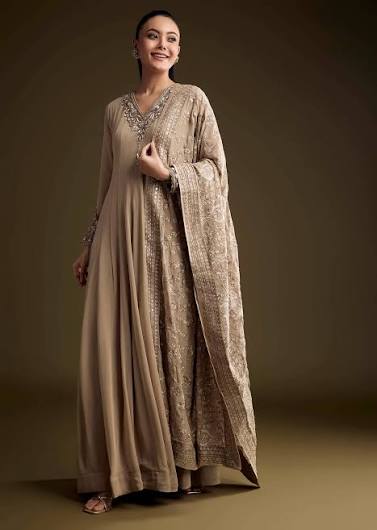
Formal Wear Salwar Suits: These are tailored for formal events, combining elegance with traditional elements. They may include luxurious fabrics and sophisticated patterns, ideal for weddings and corporate events.
Seasonal Collections: Many designers release seasonal collections that reflect current fashion trends, incorporating innovative designs and color palettes.
Benefits and Advantages
Choosing Women's Salwar Suits provides several advantages for both consumers and businesses.
1. Versatility: Salwar Suits can be worn for various occasions, from casual to formal settings, making them a valuable addition to any wardrobe.
2. Comfort: The loose fit and breathable fabrics ensure comfort, which is particularly beneficial for long wear.
3. Cultural Significance: Salwar Suits carry cultural importance, making them a preferred choice for traditional celebrations and events.
4. Customization: The option for custom designs and sizes allows businesses to cater to specific customer needs and preferences.
5. Trend Adaptability: Salwar Suits can easily adapt to changing fashion trends, ensuring ongoing relevance in the market.
6. Cost-Effective: With a range of pricing options available, Salwar Suits can fit various budgets, appealing to a wide customer base.
Buying Guide for B2B Buyers
When sourcing Women's Salwar Suits, it is essential for buyers to consider several critical factors.
1. Quality Assessment: Evaluate the quality of fabrics and stitching to ensure durability and comfort. Request samples if possible to assess material firsthand.
2. Supplier Verification: Vet suppliers thoroughly by checking their credentials, customer reviews, and past performance. This ensures reliability and quality in sourcing.
3. Pricing and MOQ: Understand the pricing structure and minimum order quantities to ensure the products align with budget and inventory needs.
4. Delivery and Lead Times: Discuss logistics and lead times with suppliers to avoid delays in receiving goods. Timeliness is crucial in maintaining inventory levels.
5. Compliance Requirements: Be aware of any regulatory or compliance requirements relevant to the market, such as safety standards and certification processes.
Compliance and Certifications
Compliance and certifications play a vital role in ensuring the quality and safety of Women's Salwar Suits.
Relevant quality standards such as ISO 9001 ensure that manufacturers adhere to consistent quality management practices. This certification assures buyers of the reliability and quality of the products.
Industry certifications like CE signify compliance with health, safety, and environmental protection standards. These certifications are crucial for gaining trust among international buyers.
Safety and testing requirements may vary by region, necessitating adherence to local regulations. Buyers should verify that the products meet these safety norms.
Regional compliance considerations may include specific labeling requirements and fabric safety standards, depending on the destination market. Understanding these regulations is essential for successful sourcing and sales.
Why Source Women's Salwar Suits from Pepagora?
Pepagora provides a trusted platform for sourcing Women's Salwar Suits, offering several key advantages for B2B buyers.
Verified Supplier Network: Pepagora features a network of verified suppliers who have undergone thorough vetting processes. This ensures that buyers can trust the quality and reliability of the products being sourced.
Streamlined RFQ Process: The platform's Request for Quotation (RFQ) system simplifies the sourcing process. Buyers can easily receive quotes from multiple suppliers, allowing for informed decision-making.
Trade Assurance and Support: Pepagora offers trade assurance programs to protect buyers from potential issues. This support enhances buyer confidence when making purchases.
Regional Coverage: With a strong presence in India, the GCC, and Southeast Asia, Pepagora ensures that buyers can access a broad range of Women's Salwar Suits tailored to regional preferences and trends.

Frequently Asked Questions
What are Women's Salwar Suits?
Women's Salwar Suits are traditional Indian garments consisting of a tunic (kameez), loose-fitting trousers (salwar), and a complementary scarf or shawl (dupatta). They are known for their comfort and versatility, making them suitable for various occasions, from casual wear to festive celebrations.
What are the different types of Women's Salwar Suits?
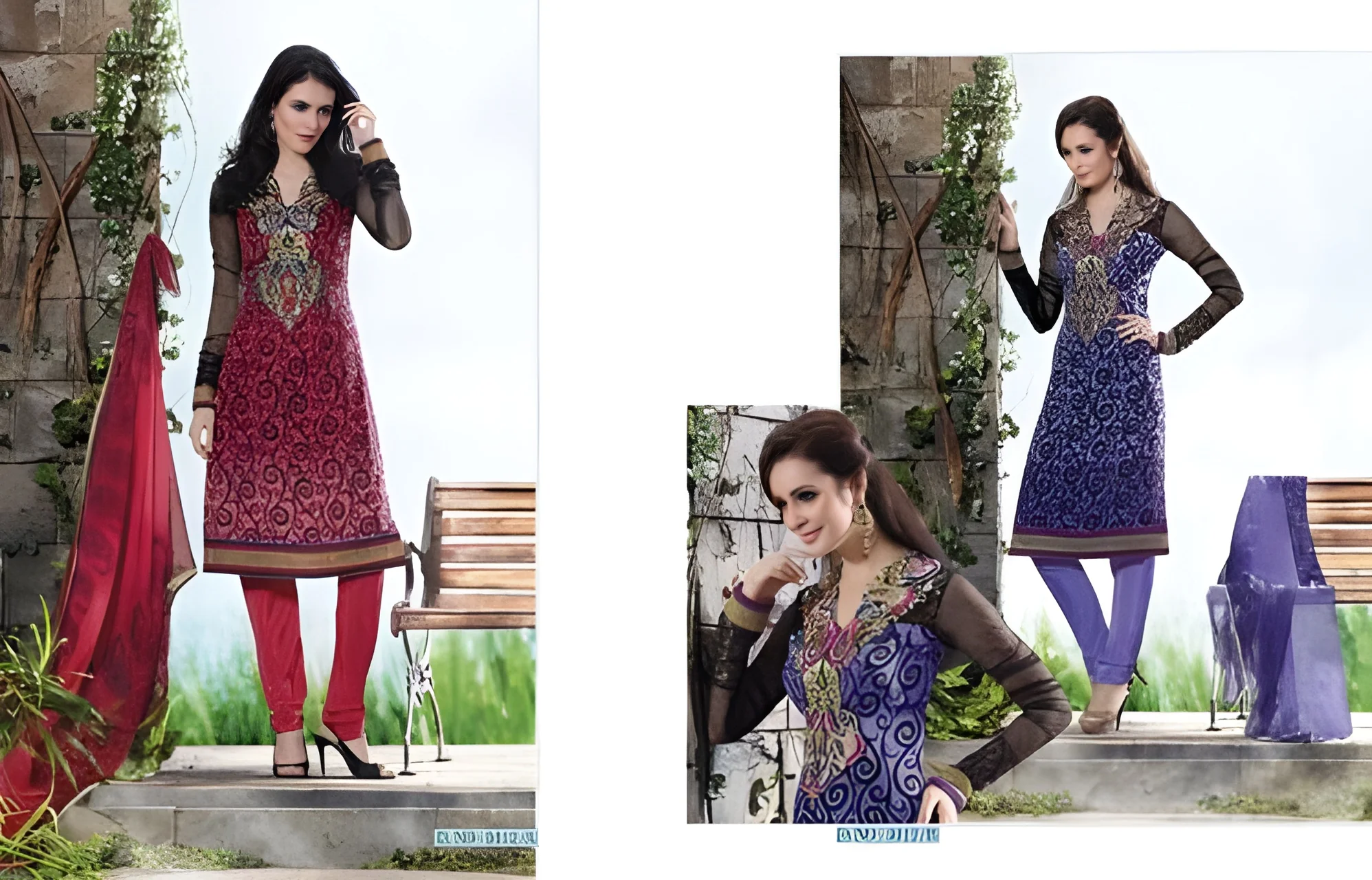
There are several types of Women's Salwar Suits, including Anarkali suits, straight-cut suits, palazzo suits, and churidar suits. Each style varies in silhouette and design, catering to different fashion preferences and body types.
How do I choose the right Women's Salwar Suits?
When choosing Women's Salwar Suits, consider factors such as fabric, fit, occasion, and personal style. It's important to select a suit that complements your body shape and is made from breathable materials for comfort.
What are the standard specifications for Women's Salwar Suits?
Standard specifications for Women's Salwar Suits typically include measurements for the kameez length, salwar width, and dupatta dimensions. Fabrics commonly used are cotton, chiffon, silk, and georgette, depending on the intended use and season.
What is the price range for Women's Salwar Suits?
The price range for Women's Salwar Suits can vary widely based on fabric, design, and brand. Generally, you can find them priced anywhere from INR 800 to INR 5,000 or more for designer pieces.
What quality standards apply to Women's Salwar Suits?
Quality standards for Women's Salwar Suits focus on fabric durability, stitching precision, and colorfastness. It is essential to ensure that the suits are made from high-quality materials that can withstand regular wear and washing.
Where can I find Women's Salwar Suits suppliers in India?
You can find Women's Salwar Suits suppliers in India through online B2B marketplaces like Pepagora, trade shows, and local textile markets. It's advisable to verify suppliers' credentials and product quality before making a purchase.
Can Women's Salwar Suits be customized?
Yes, many manufacturers and suppliers offer customization options for Women's Salwar Suits. You can choose specific fabrics, colors, patterns, and sizes to meet your individual requirements.
What is the typical minimum order quantity for Women's Salwar Suits?
The typical minimum order quantity (MOQ) for Women's Salwar Suits can vary by supplier but generally ranges from 20 to 50 pieces. It's best to check with the supplier for their specific MOQ requirements.
What is the typical lead time for Women's Salwar Suits?
The typical lead time for Women's Salwar Suits can range from 2 to 6 weeks, depending on the supplier's production capacity and order size. Custom orders may take longer, so it's advisable to confirm lead times before placing an order.
Why Businesses Trust Pepagora
Thousands of companies trust Pepagora to source smarter and sell faster
Expand Your Sales Globally

Source Smarter,Grow Faster
