
 IN
Women's Platform Shoes
3 products available
What are Women's Platform Shoes?
Women's platform shoes are a type of footwear characterized by an elevated sole that provides additional height to the wearer. The platform typically runs the full length of the shoe, which helps distribute weight more evenly and offers greater stability than traditional high heels. These shoes come in various styles, including sandals, sneakers, and dress shoes, making them versatile for different occasions.
The primary uses of women's platform shoes extend beyond mere fashion. They are often chosen for their comfort and support, making them suitable for long periods of wear. In business settings, they can be worn to enhance professional attire while allowing for ease of movement. The rise of casual and athleisure trends has also made platform shoes a popular choice for everyday wear, appealing to a wide range of consumers.
In the current market context, women's platform shoes have seen a surge in demand as consumers increasingly prioritize comfort without sacrificing style. The expanding e-commerce landscape allows for greater accessibility and options, making it important for businesses to stay updated on trends and consumer preferences in this diverse footwear category.
Key Features and Specifications
Women's platform shoes come with a variety of features designed to enhance comfort and style. Understanding these specifications is crucial for businesses looking to source the right products.
Key specifications include:
1. Sole Material
- Common materials include rubber, EVA, and synthetic compounds.
- These materials offer varying degrees of durability, flexibility, and traction.
2. Upper Material
- Options include leather, suede, canvas, and synthetic fabrics.
- The choice of material impacts breathability and overall aesthetics.
3. Heel Height
- Typically ranges from 2 to 6 inches.
- Provides an elevated look while maintaining comfort.
4. Weight
- Usually designed to be lightweight for ease of wear.
- Weight specifications can vary based on materials used.
5. Size Range
- Available in a wide range of sizes to accommodate diverse foot shapes.
- Custom sizing options may be available.
6. Design Variations
- Includes open-toe, closed-toe, and various strap configurations.
- Design impacts versatility and suitability for different occasions.
7. Cushioning
- Many styles feature padded insoles for added comfort.
- Cushioning types can vary, influencing the overall feel of the shoe.
8. Traction Features
- Outsoles may incorporate tread patterns for improved grip.
- Important for safety in various environments.
In summary, understanding key features and specifications allows businesses to make informed decisions when sourcing women's platform shoes, ensuring they meet customer needs in both style and functionality.
Common Applications and Use Cases
Women's platform shoes serve a variety of industries and applications, reflecting their versatility.
1. Retail Fashion: These shoes are a staple in retail fashion outlets, appealing to consumers looking for both style and comfort in casual or formal settings.
2. Hospitality: In the hospitality industry, staff may wear platform shoes to maintain a professional appearance while ensuring comfort during long shifts.
3. Event Planning: Event coordinators and planners often choose platform shoes for their ability to elevate formal attire while being comfortable enough for prolonged wear.
4. Entertainment: Performers in theater or dance might opt for platform shoes to enhance their stage presence while ensuring stability during performances.
5. Health and Wellness: In the health sector, some professionals may select platform shoes for their ergonomic benefits, particularly in roles requiring long hours on their feet.
6. Corporate Settings: Office workers may wear platform shoes to add a fashionable touch to business attire while maintaining comfort.
7. E-commerce: Online retailers frequently stock women's platform shoes due to their popularity and demand across various demographics.
Product Variants and Subcategories
Women's platform shoes come in several variants, each catering to different tastes and functional needs.
Casual Platform Sneakers
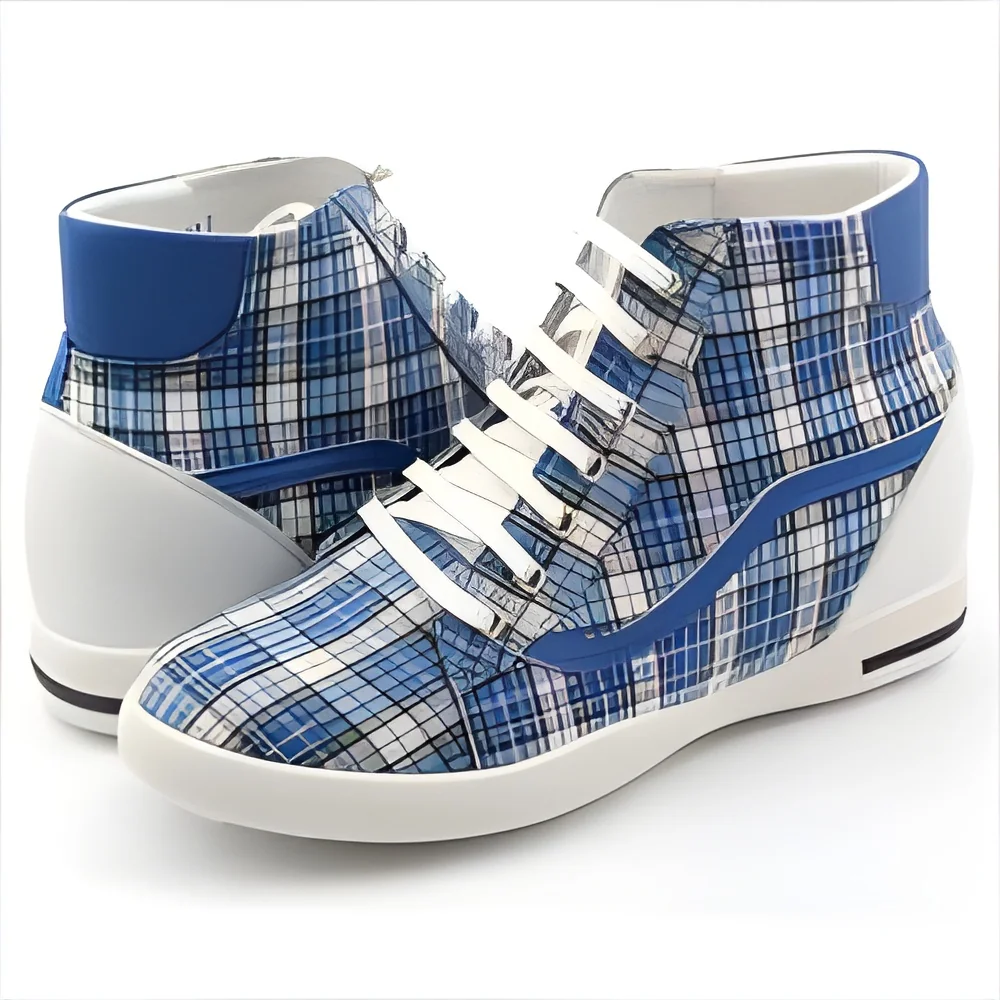
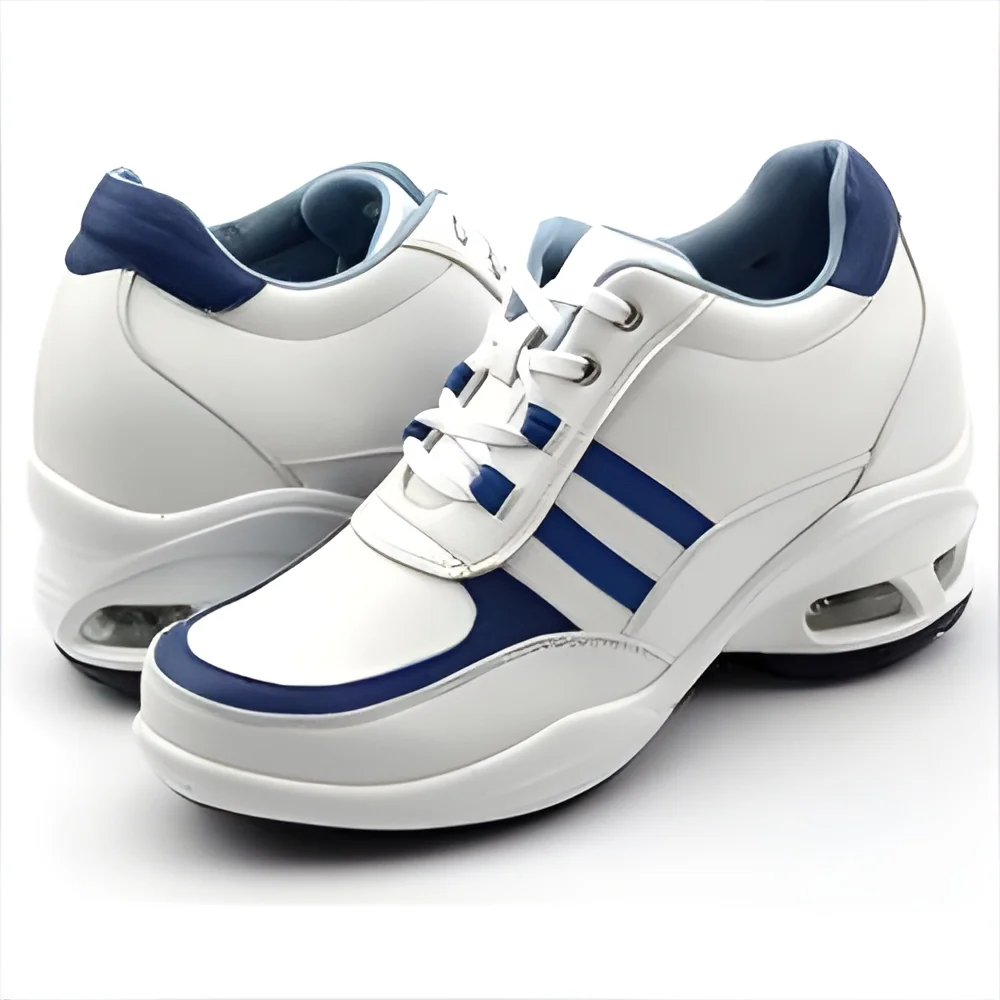
These sneakers combine comfort with casual style, making them suitable for everyday wear. They often feature breathable materials and supportive soles, appealing to consumers seeking both fashion and functionality.
Dress Platform Shoes
Ideal for formal occasions, dress platform shoes elevate outfits while providing stability. They come in various designs, from classic pumps to trendy open-toe styles, allowing for customization based on event requirements.
Platform Sandals
These sandals offer a stylish option for warm weather, with designs ranging from casual to dressy. Many feature adjustable straps for a secure fit, catering to diverse consumer preferences.
Platform Ankle Boots
These boots provide versatility for colder months, combining the height of a platform with the warmth of a boot. They often feature stylish embellishments and durable materials, appealing to fashion-conscious consumers.
Benefits and Advantages
Choosing women's platform shoes offers numerous benefits for consumers and businesses alike.
1. Enhanced Comfort: The platform design distributes weight evenly, reducing foot fatigue, making them ideal for long wear.
2. Versatile Style: With various designs available, platform shoes can be styled for both casual and formal occasions.
3. Increased Height: These shoes provide a stylish elevation, enhancing the wearer's posture and appearance without compromising comfort.
4. Supportive Fit: Many platform shoes feature cushioned insoles and ergonomic designs, ensuring a supportive fit for various foot types.
5. Trend Appeal: As fashion trends shift towards comfort, platform shoes remain popular, making them a wise addition for retailers.
6. Easy to Pair: The diverse range of styles allows for easy pairing with different outfits, increasing their appeal to consumers.
Buying Guide for B2B Buyers
When sourcing women's platform shoes, B2B buyers should consider several key factors to ensure a successful purchase.
1. Quality Assessment: Evaluate the materials and construction of the shoes to ensure they meet durability and comfort standards. Look for samples if possible.
2. Supplier Verification: Vet suppliers for reliability and reputation. Check references and read reviews to ensure consistent quality and timely delivery.
3. Pricing and MOQ: Be aware of pricing structures and minimum order quantities. Negotiate terms that align with budget and inventory needs.
4. Delivery and Lead Times: Discuss logistics and delivery timelines with suppliers to ensure timely arrival of products. Plan for seasonal demand fluctuations.
5. Compliance Requirements: Ensure that products meet relevant industry standards and regulatory requirements, particularly if selling in specific markets.
Compliance and Certifications
Compliance and certifications play a crucial role in the sourcing of women's platform shoes. Adhering to relevant quality standards ensures product reliability and safety.
ISO 9001 is a widely recognized standard that outlines quality management principles. Manufacturers of women's platform shoes may seek this certification to demonstrate their commitment to quality control and continuous improvement.
The CE marking is essential for products sold in the European market, indicating compliance with health, safety, and environmental protection standards. This certification assures buyers that the shoes meet necessary regulations.
Safety and testing requirements also include assessments for durability and performance under various conditions. Manufacturers may conduct wear tests to ensure longevity and comfort for consumers.
Regional compliance considerations may vary, so it is important for businesses to be aware of local regulations and standards that may impact product availability and sales.
Why Source Women's Platform Shoes from Pepagora?
Pepagora provides a trusted platform for sourcing women's platform shoes, offering several key advantages for B2B buyers.
Verified Supplier Network: Pepagora ensures that all suppliers are thoroughly vetted, providing buyers with access to a network of reliable and reputable manufacturers. This verification process helps mitigate risks associated with sourcing.
Streamlined RFQ Process: The request for quotation (RFQ) process on Pepagora is designed to be user-friendly. Buyers can easily submit their requirements, receiving quotations from multiple suppliers, allowing for informed decision-making.
Trade Assurance and Support: Pepagora offers trade assurance, protecting buyers against potential risks during transactions. This support fosters confidence in purchasing decisions, ensuring a smoother buying experience.
Regional Coverage: With a strong presence in India, the GCC, and Southeast Asia, Pepagora provides extensive geographic reach. This allows buyers to access a diverse range of women's platform shoes, catering to various market needs while ensuring timely delivery.


Frequently Asked Questions
What are Women's Platform Shoes?
Women's Platform Shoes are footwear designed with thick soles that elevate the height of the wearer without the steep angle of traditional high heels. They provide added comfort and stability, making them a popular choice for both casual and formal occasions.
What are the different types of Women's Platform Shoes?
There are several types of Women's Platform Shoes, including platform sandals, platform sneakers, platform boots, and dressy platform heels. Each type varies in style, material, and intended use, catering to different fashion preferences and occasions.
How do I choose the right Women's Platform Shoes?
When selecting Women's Platform Shoes, consider the occasion, comfort level, and style. It's important to choose the right size and fit, as well as to assess the materials used for durability and breathability.
What are the standard specifications for Women's Platform Shoes?
Standard specifications for Women's Platform Shoes typically include the heel height, platform height, material composition, and sizing. Additionally, features such as cushioning, traction, and breathability are also important specifications to consider.
What is the price range for Women's Platform Shoes?
The price range for Women's Platform Shoes can vary significantly based on brand, materials, and design, typically ranging from INR 1,000 to INR 5,000 or more. High-end designer options may exceed this range.
What quality standards apply to Women's Platform Shoes?
Quality standards for Women's Platform Shoes include durability, material safety, and comfort. Shoes should meet industry standards for manufacturing and testing to ensure they are safe and reliable for consumers.
Where can I find Women's Platform Shoes suppliers in India?
You can find Women's Platform Shoes suppliers in India through various B2B marketplaces, trade shows, and industry directories. Websites like Pepagora.com offer a platform to connect with manufacturers and suppliers directly.
Can Women's Platform Shoes be customized?
Yes, many manufacturers offer customization options for Women's Platform Shoes, allowing you to select materials, colors, and even design elements. Custom orders may have specific requirements and lead times.
What is the typical minimum order quantity for Women's Platform Shoes?
The typical minimum order quantity (MOQ) for Women's Platform Shoes varies by supplier but generally ranges from 50 to 100 pairs. It is advisable to check with individual suppliers for their specific MOQs.
What is the typical lead time for Women's Platform Shoes?
The typical lead time for Women's Platform Shoes can range from 2 to 6 weeks, depending on the manufacturer and whether the shoes are in stock or made to order. It's important to confirm lead times with your supplier at the time of order.
Why Businesses Trust Pepagora
Thousands of companies trust Pepagora to source smarter and sell faster
Expand Your Sales Globally

Source Smarter,Grow Faster
