What are Women's Wedding Footwear?
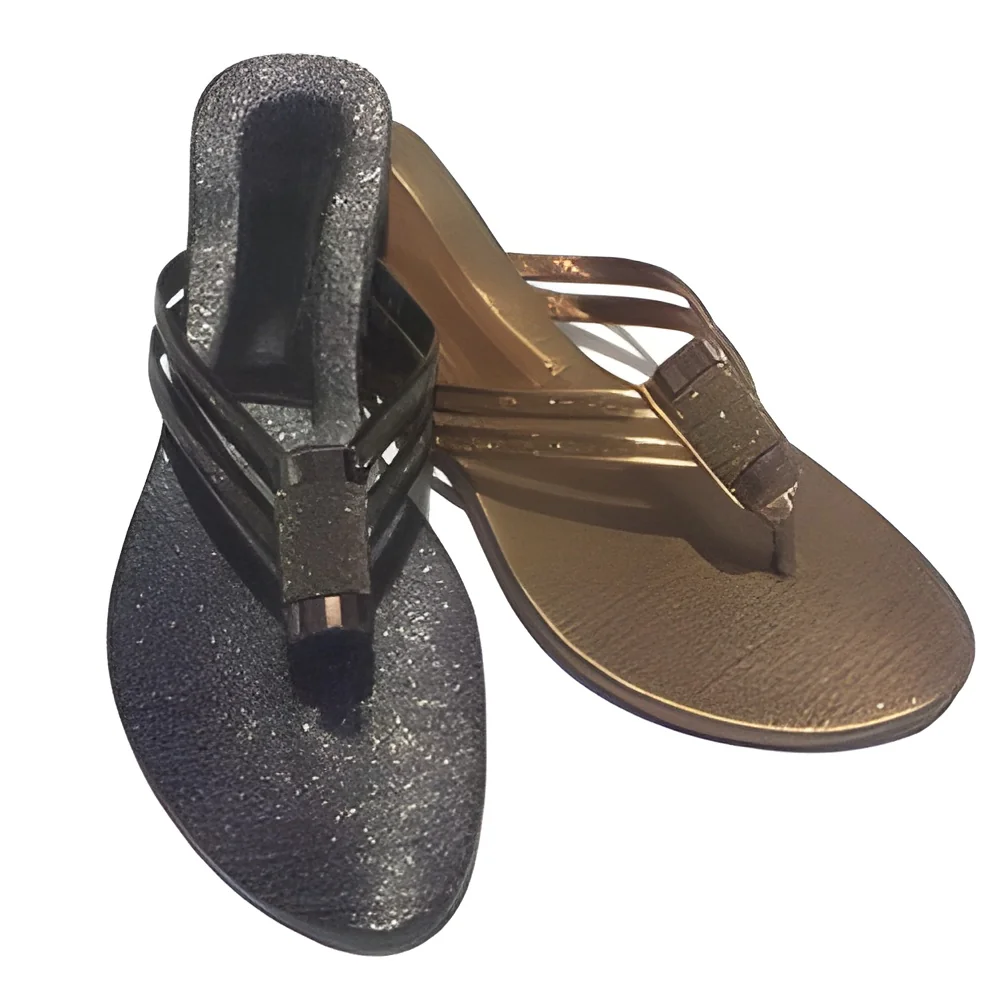
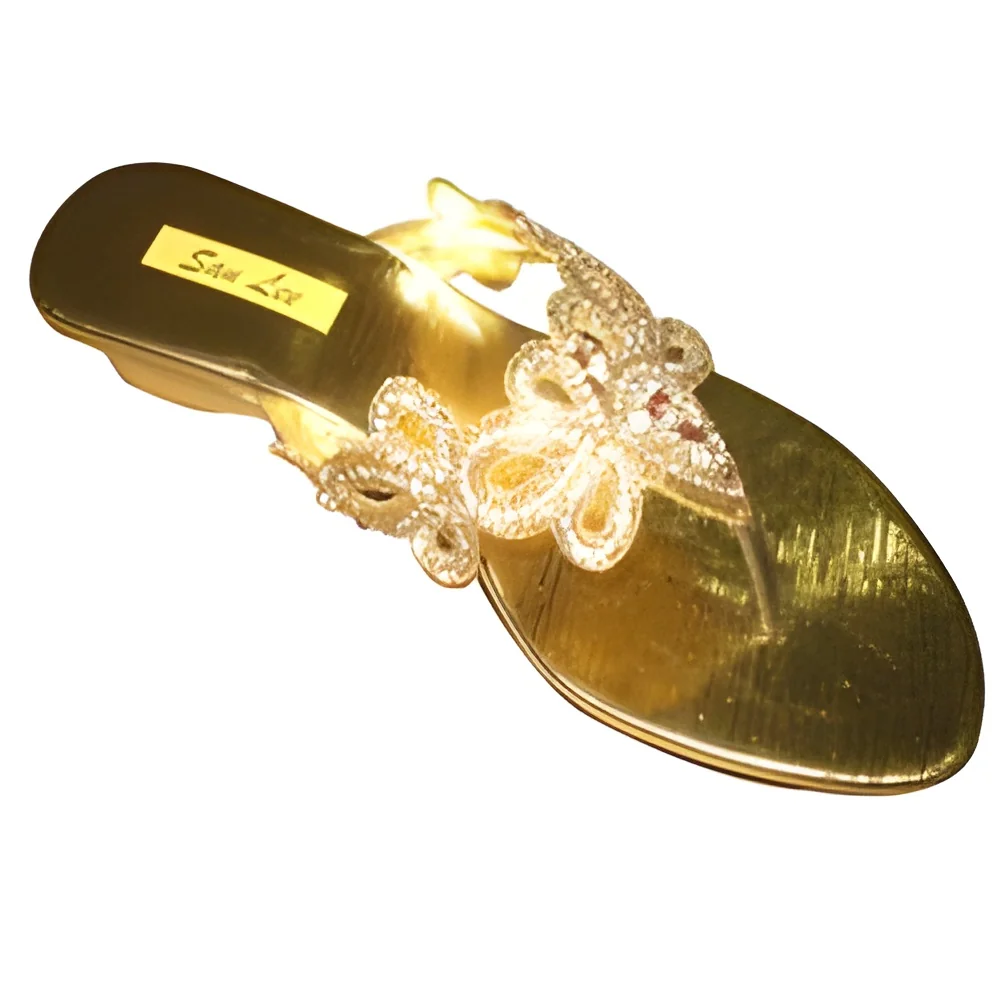
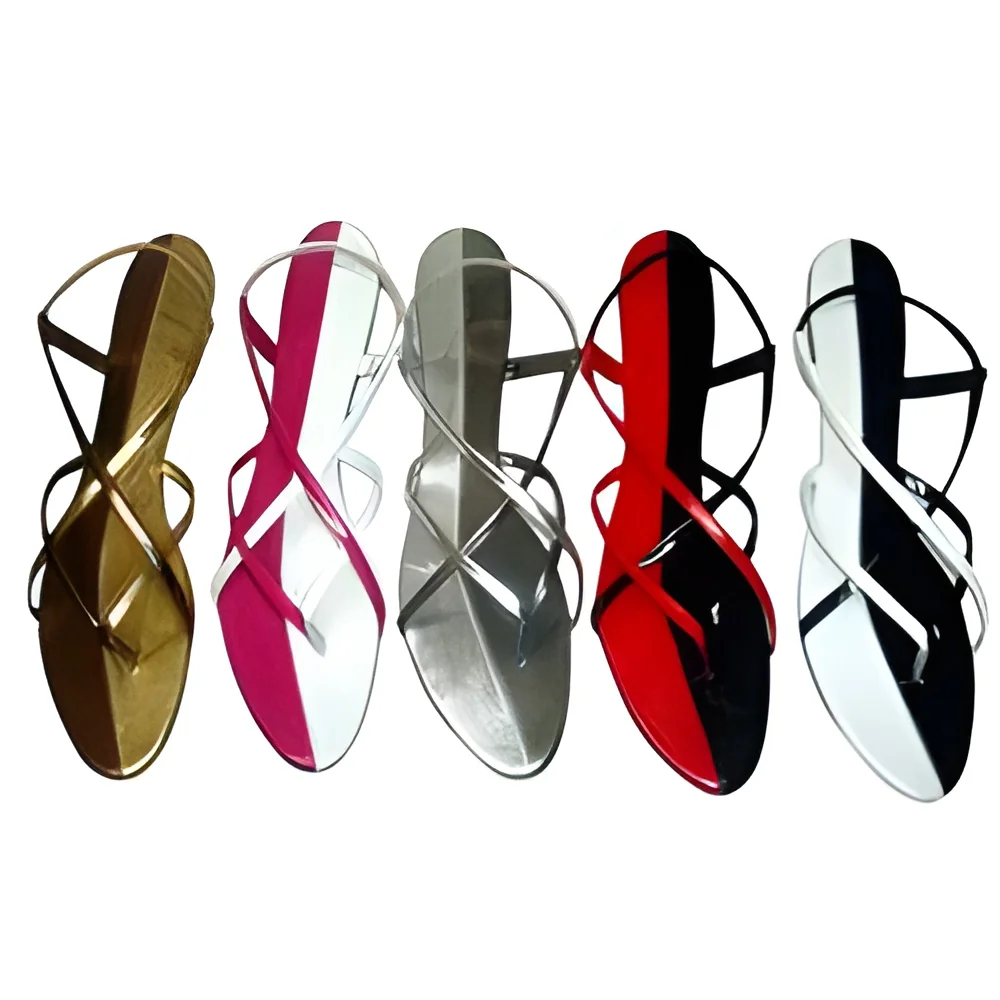
Women's wedding footwear refers to a specialized category of shoes designed specifically for brides and bridesmaids during wedding ceremonies and receptions. These shoes are crafted to complement wedding attire while ensuring comfort and style throughout the event. Typically, they range from elegant heels to stylish flats, incorporating various materials and design elements that enhance the overall bridal look.
The primary use of women's wedding footwear is to provide the perfect finishing touch to bridal ensembles. They are essential for completing the aesthetic of the wedding dress and reflect the personal style of the wearer. Businesses involved in the wedding industry, such as bridal shops and event planners, often seek these products to meet the diverse needs of their clients. The demand for women's wedding footwear is consistently strong, especially during peak wedding seasons, making it a relevant market segment.
In terms of industry context, women's wedding footwear is influenced by fashion trends, cultural preferences, and seasonal styles. The market includes a wide range of offerings from luxury brands to affordable options, catering to various budgets. As weddings evolve with changing societal norms, the footwear segment continues to adapt, ensuring that businesses can provide modern and appealing choices to customers.
Key Features and Specifications
Women's wedding footwear comes with various features and specifications that enhance their usability and appeal. Understanding these characteristics is crucial for buyers aiming to source the right products.
Key specifications include:
1. Material Quality
- Common materials include satin, leather, and synthetic options.
- Shoes may have varying durability and comfort levels based on material choice.
2. Heel Height
- Typical heel heights range from flat (0 inches) to high (over 4 inches).
- Options are available for both comfort and style preferences.
3. Size Range
- Women's wedding footwear generally ranges from size 5 to size 12.
- Some brands offer custom sizes for a better fit.
4. Design Types
- Includes options like open-toe, closed-toe, and ankle strap styles.
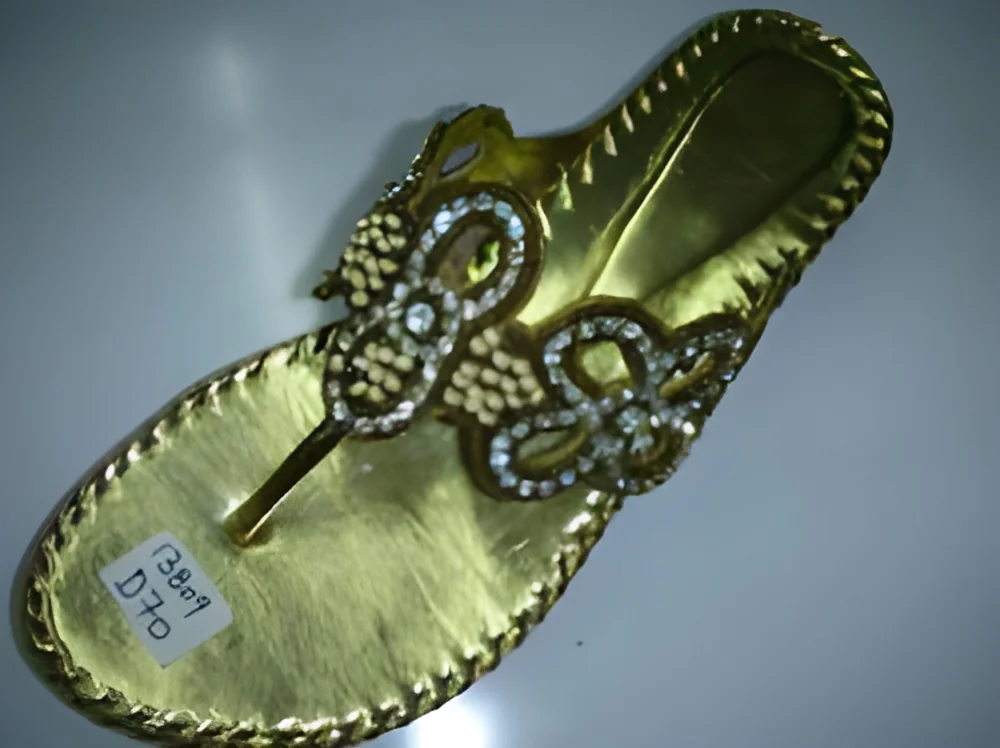
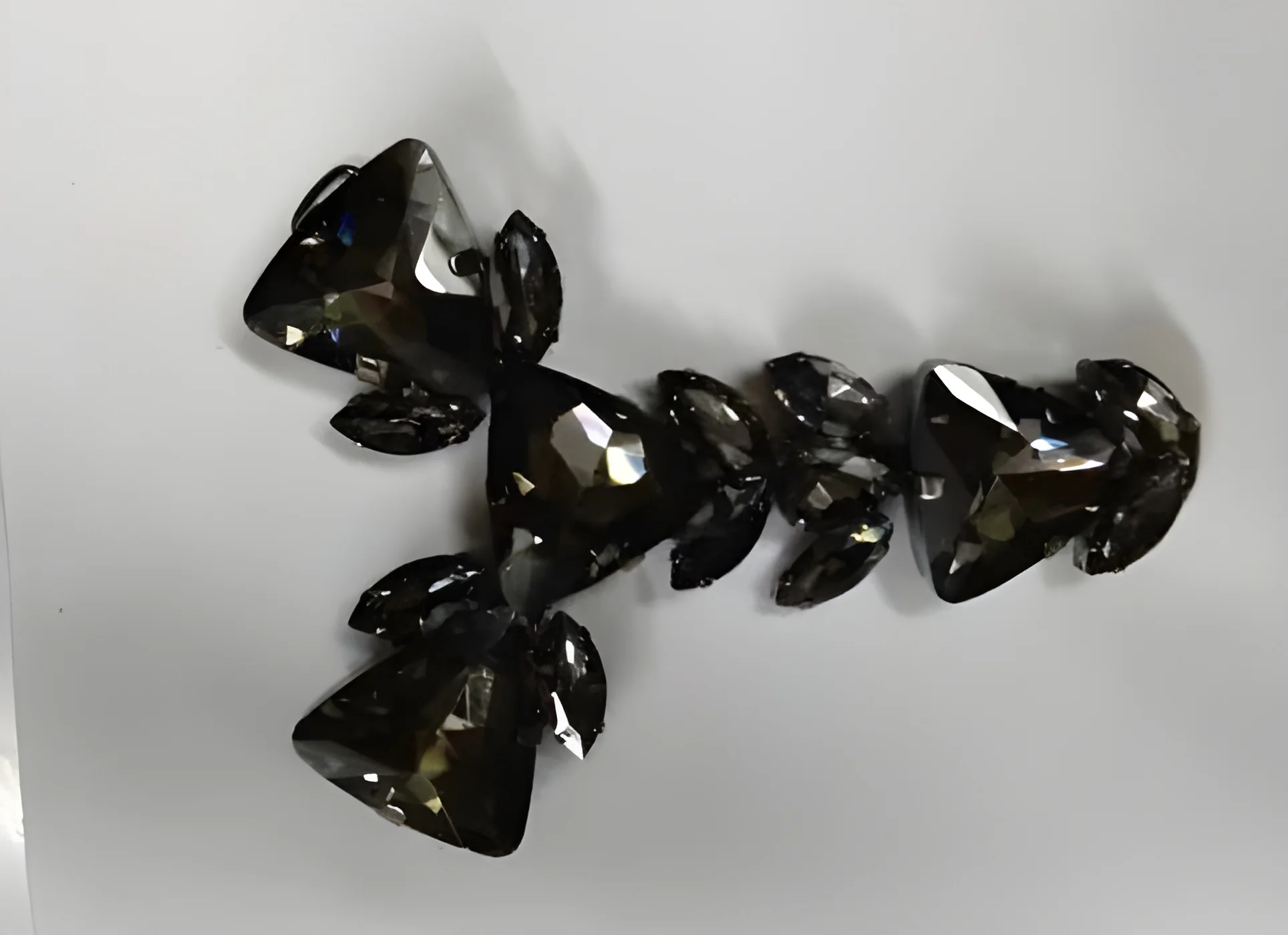
- Designs may feature embellishments like beads and lace.
5. Comfort Features
- Many shoes include cushioned insoles and arch support.
- Breathable materials are often used to enhance comfort.
6. Color Availability
- Available in various colors, including traditional white and ivory.
- Custom color options may be available for specific orders.
7. Price Range
- Prices can vary significantly, typically from $50 to $500.
- Custom and designer options may exceed this range.
8. Certifications
- Some products may carry the CE certification indicating compliance with European standards.
In summary, understanding these specifications helps buyers make informed decisions when selecting women's wedding footwear that meets their clients' needs.
Common Applications and Use Cases
Women's wedding footwear has a broad range of applications across various sectors.
1. Bridal Retail: Bridal shops often stock a variety of women's wedding footwear to match their dress offerings. This ensures a complete outfit for brides and bridesmaids.
2. Event Planning: Event planners frequently recommend specific footwear styles to align with the wedding theme, ensuring aesthetic harmony and comfort for the bride and her party.
3. Photography: Footwear is essential for bridal photo shoots, where the shoes contribute to the overall visual appeal of the images.
4. Rentals: Some companies offer women's wedding footwear rentals, catering to clients who prefer not to purchase shoes they will only wear once.
5. Customization: Many businesses offer customization options for brides looking for unique designs that reflect personal style.
6. Online Retail: E-commerce platforms have become popular for sourcing women’s wedding shoes, providing a wider selection and convenience for buyers.
7. Cultural Events: In some cultures, specific styles of wedding footwear are significant, leading to specialized offerings in those markets.
Product Variants and Subcategories
Women's wedding footwear encompasses diverse variants to cater to different preferences and styles.
Classic Heels
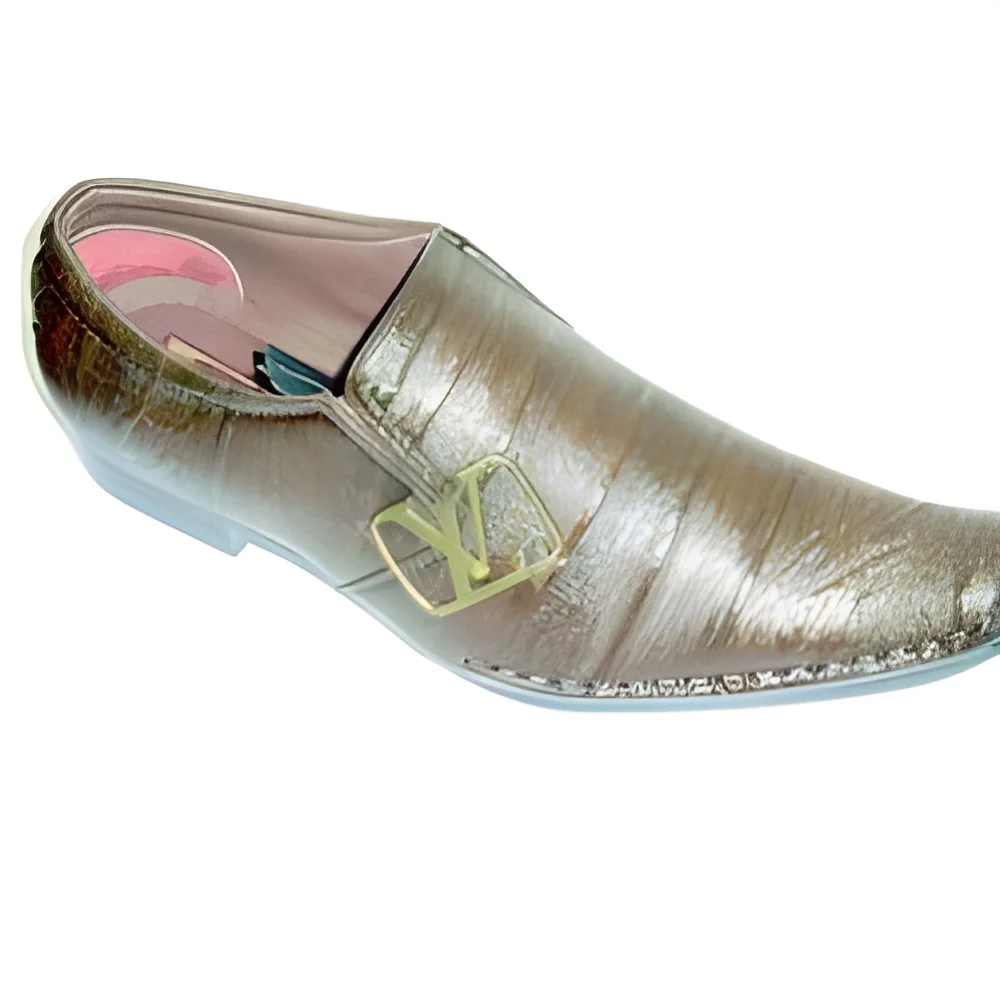
Classic heels are a timeless choice for brides looking for elegance. They typically feature a pointed toe and a stiletto heel, offering a sophisticated look ideal for formal weddings.
Flats
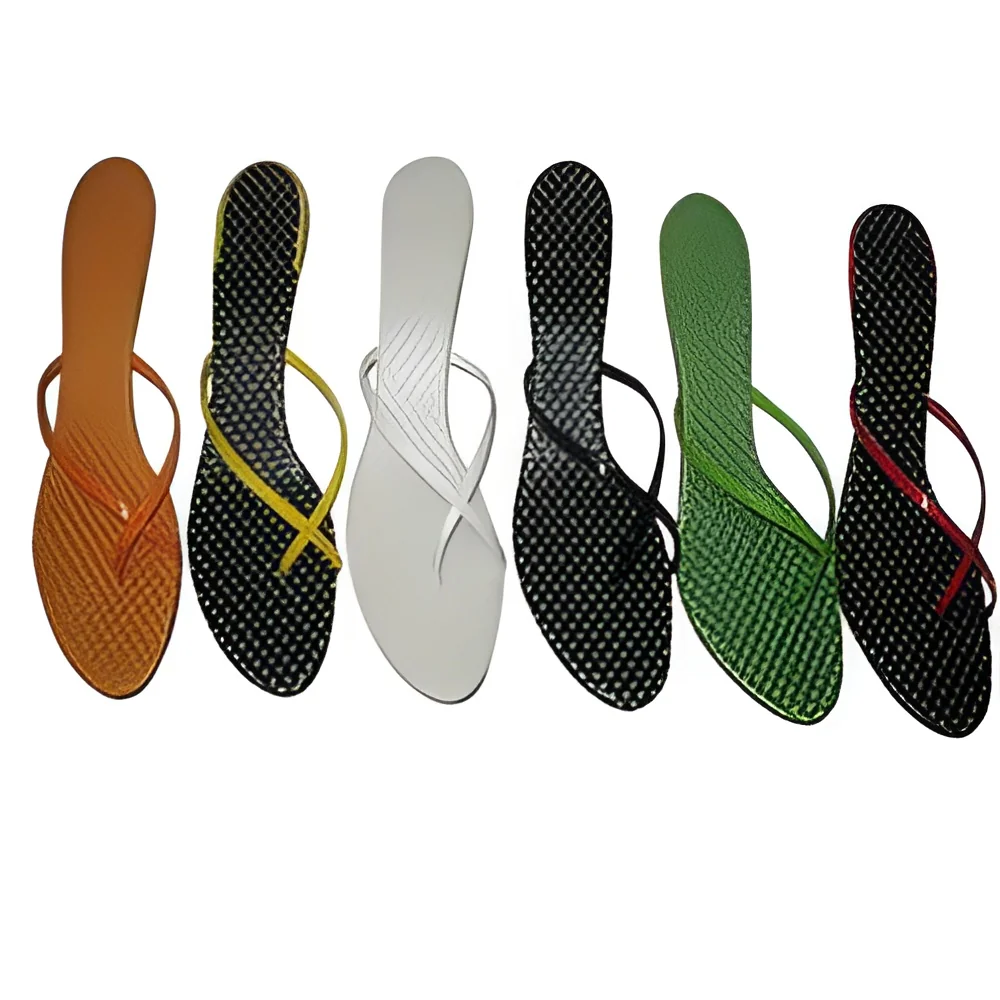
Flats provide a comfortable alternative for brides who prioritize ease of movement. They come in various designs, from embellished ballerina styles to chic sandals.
Wedge Shoes
Wedge shoes combine height with stability, making them a popular choice for outdoor weddings. They offer a stylish yet comfortable option for brides who may be on their feet for extended periods.
Ankle Boots
Ankle boots have gained popularity in modern weddings, particularly for fall or winter ceremonies. They provide a unique flair and can be styled in various ways to complement wedding attire.
Benefits and Advantages
Sourcing women's wedding footwear offers several key benefits for businesses in the wedding industry.
1. Enhanced Customer Satisfaction: Providing stylish and comfortable options leads to happier clients and positive word-of-mouth referrals.
2. Diverse Product Range: A wide variety of styles and materials allows businesses to cater to different tastes and preferences.
3. Seasonal Appeal: The demand for wedding footwear peaks during certain times of the year, offering businesses opportunities for increased sales.
4. Brand Differentiation: Unique or customized footwear can help businesses stand out in a competitive market.
5. Partnership Opportunities: Collaborating with footwear suppliers can lead to mutually beneficial relationships, enhancing product offerings.
6. Market Adaptability: Staying updated with trends allows businesses to meet evolving customer expectations and preferences.
Buying Guide for B2B Buyers
When sourcing women's wedding footwear, buyers should consider several important factors to ensure they select the right products.
1. Quality Assessment: Evaluate the materials and craftsmanship of the footwear. Look for durability and comfort to ensure customer satisfaction.
2. Supplier Verification: Vet potential suppliers for reliability and reputation. Check for prior customer reviews and request samples if needed.
3. Pricing and MOQ: Assess the pricing structure and minimum order quantities. Understand how these factors align with your budget and inventory needs.
4. Delivery and Lead Times: Inquire about the logistics involved in shipping and delivery. Consider lead times to ensure timely availability for events.
5. Compliance Requirements: Ensure that the footwear meets any necessary regulatory standards or certifications that may apply within your region.
Compliance and Certifications
Compliance and certifications play a critical role in the sourcing of women's wedding footwear. Relevant quality standards, such as ISO 9001, outline requirements for quality management systems in manufacturing processes. These standards help ensure that products meet specific quality criteria, which is crucial for maintaining customer satisfaction.
Industry certifications, like the CE mark, indicate that products conform to health, safety, and environmental protection standards set by the European Union. This certification is vital for suppliers targeting the European market as it assures buyers of product quality and safety.
Safety and testing requirements should also be considered, especially for materials used in footwear. Buyers should ensure that the products are free from harmful substances and are safe for long-term wear. Regional compliance considerations may vary, so it is essential to understand local regulations affecting the footwear market.
Why Source Women's Wedding Footwear from Pepagora?
Pepagora provides a trusted platform for sourcing women's wedding footwear with several key advantages.
Verified Supplier Network: Pepagora connects buyers with a network of verified suppliers, ensuring that businesses can source high-quality products with confidence. This verification process reduces the risk of dealing with unreliable vendors.
Streamlined RFQ Process: The request for quotation (RFQ) system simplifies the sourcing process. Buyers can easily submit requests and receive competitive quotes from multiple suppliers, allowing for informed decision-making.
Trade Assurance and Support: Pepagora offers trade assurance, providing buyers with protection against potential issues during transactions. This support instills confidence in the purchasing process.
Regional Coverage: With a geographic reach that includes India, the GCC, and Southeast Asia, Pepagora caters to a diverse range of buyers, ensuring that businesses can find suitable footwear options regardless of location.

 IN
IN