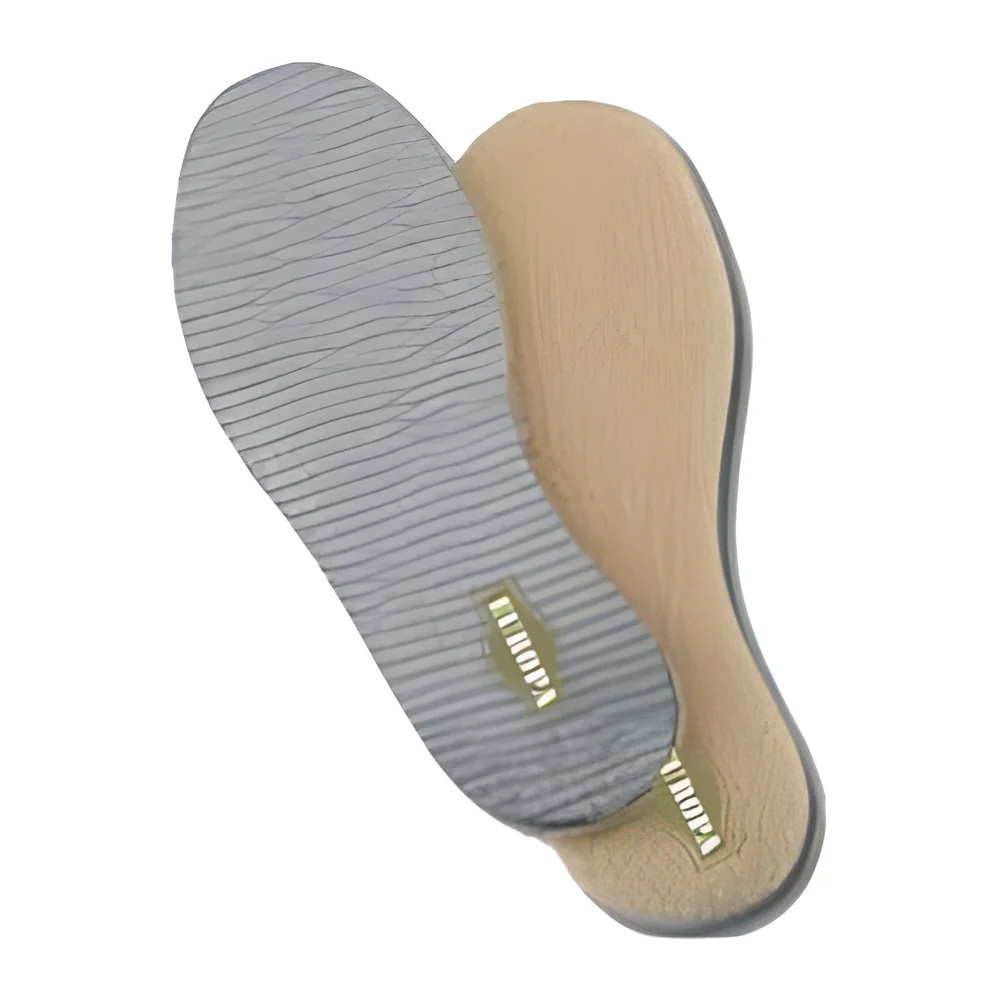
What are Women's Thermal Footwear?
Women's thermal footwear refers to specialized shoes and boots designed to provide insulation and warmth to the feet in cold environments. These products are typically made from materials that trap heat while allowing moisture to escape, ensuring comfort and dryness. They often feature a combination of thermal linings, waterproofing, and rugged outsoles suitable for various terrains.
These types of footwear are primarily used in industries and activities where exposure to cold conditions is prevalent. Common applications include outdoor work, winter sports, and leisure activities. Businesses in sectors such as construction, logistics, and outdoor recreation often require thermal footwear to ensure that employees remain warm and comfortable while performing their duties. As the demand for durable and functional winter wear increases, the market for women's thermal footwear continues to grow, driven by innovation and a focus on performance.
Key Features and Specifications
Women's thermal footwear comes equipped with several features that enhance their functionality and comfort. Understanding these specifications is crucial for B2B buyers looking to make informed purchasing decisions.
Key specifications include:
1. Insulation Material
- Typically made from synthetic materials or wool blends
- Provides effective thermal regulation in cold climates
2. Waterproofing
- Often includes waterproof membranes or treatments
- Keeps feet dry in wet conditions
3. Outsole Composition
- Made from rubber or thermoplastic materials
- Designed for maximum grip and durability on various surfaces
4. Temperature Rating
- Indicates the lowest temperature the footwear can effectively handle
- Typically ranges from -10°C to -30°C, depending on the model
5. Breathability
- Features moisture-wicking linings and breathable materials
- Aids in temperature control and comfort
6. Weight
- Lightweight designs for ease of movement
- Typically weighs between 1 to 3 pounds per pair
7. Sizing Range
- Available in a range of sizes to accommodate different foot shapes
- Includes half sizes for a better fit
8. Style Variants
- Includes options like ankle boots, knee-high boots, and slip-ons
- Various designs to suit different preferences and applications
In summary, the right specifications can greatly enhance the performance and comfort of women's thermal footwear, making them suitable for various industrial and recreational applications.
Common Applications and Use Cases
Women's thermal footwear serves a wide range of industries, ensuring that professionals remain comfortable and protected during cold-weather conditions.
1. Construction: Workers in construction often face harsh weather. Thermal footwear provides necessary insulation and safety features for those working outdoors.
2. Logistics and Warehousing: Employees in cold storage facilities require thermal footwear to maintain warmth while navigating chilly environments.
3. Outdoor Recreation: Individuals engaging in winter sports such as skiing, snowboarding, or hiking benefit from thermal footwear designed for performance and warmth.
4. Agriculture: Farm workers exposed to cold weather during early mornings or late nights need reliable thermal boots to keep their feet warm and dry.
5. Emergency Services: First responders often work in extreme conditions, making thermal footwear essential for maintaining comfort and functionality.
6. Hospitality: Staff in ski resorts or winter hotels require thermal footwear to ensure they remain warm while providing service in cold environments.
7. Retail: Employees in outdoor gear shops may wear thermal footwear to demonstrate products and provide customer service.
Product Variants and Subcategories
Women's thermal footwear includes various product variants that cater to different needs and preferences. Each variant offers unique features suitable for specific applications.
Winter Boots
These are designed for extreme cold and often include advanced insulation, waterproofing, and slip-resistant outsoles. Ideal for outdoor workers and winter sports enthusiasts.
Insulated Slippers
Perfect for indoor use, these slippers provide warmth and comfort for home use. They typically feature soft linings and are easy to slip on and off.
Waterproof Hiking Boots
Designed for outdoor activities, these boots combine thermal insulation with waterproof materials. They are suitable for hiking in snowy or wet conditions.
Casual Thermal Shoes
These shoes offer a balance between style and warmth, making them suitable for everyday wear in cooler climates. They often feature fashionable designs while maintaining thermal properties.
Benefits and Advantages
Women's thermal footwear offers a range of benefits that make them an essential choice for cold-weather applications. Understanding these advantages can aid businesses in selecting the right products.
1. Enhanced Comfort: Thermal footwear is designed to provide warmth without sacrificing comfort, ensuring that users can work or play for longer periods.
2. Improved Safety: Many models feature slip-resistant outsoles, reducing the risk of accidents in icy conditions.
3. Versatile Use: These footwear options are suitable for various applications, from work to leisure, making them a practical investment.
4. Durability: Constructed from high-quality materials, thermal footwear withstands harsh conditions and prolonged use.
5. Moisture Management: Advanced materials wick away sweat and moisture, keeping feet dry and comfortable throughout the day.
6. Stylish Options: With various designs available, users can find thermal footwear that meets both their functional and aesthetic needs.
Buying Guide for B2B Buyers
When sourcing Women's Thermal Footwear for your business, several factors should be considered to ensure the best purchase decision.
1. Quality Assessment: Evaluate the materials and construction of the footwear. Look for sturdy stitching, reputable insulation materials, and effective waterproofing to ensure longevity.
2. Supplier Verification: It is essential to vet suppliers for reliability and quality. Check references, read reviews, and ensure they have a solid reputation in the industry.
3. Pricing and MOQ: Understand the pricing structure and minimum order quantities. Compare quotes from different suppliers to find a balance between cost and quality.
4. Delivery and Lead Times: Discuss delivery timelines with suppliers. Ensure they can meet your scheduling needs, especially during peak seasons.
5. Compliance Requirements: Research any industry-specific compliance standards that the footwear must meet. Verify that suppliers can provide necessary certifications, such as CE.
Compliance and Certifications
Women's thermal footwear must adhere to specific quality standards and certifications to ensure safety and performance. Relevant standards include ISO 9001, which outlines quality management systems that ensure consistent product quality.
Industry certifications such as CE indicate compliance with European safety standards, assuring that the footwear meets essential health, safety, and environmental requirements.
Additionally, safety and testing requirements may involve assessments for thermal insulation, waterproofing, and slip resistance. Regional compliance considerations may vary based on local regulations, so it is vital for manufacturers and suppliers to stay updated on these requirements.
Why Source Women's Thermal Footwear from Pepagora?
Pepagora provides a trusted platform for sourcing Women's Thermal Footwear, offering several key advantages for B2B buyers.
Verified Supplier Network: Pepagora connects buyers with a network of verified suppliers. This ensures that businesses can source high-quality thermal footwear from reputable manufacturers.
Streamlined RFQ Process: The platform offers an efficient Request for Quotation (RFQ) process, allowing buyers to easily request pricing and product details from multiple suppliers, saving time and effort.
Trade Assurance and Support: Pepagora offers trade assurance, providing buyers with protection against potential issues. This support fosters confidence in transactions and encourages smoother procurement processes.
Regional Coverage: With a strong presence in regions such as India, GCC, and Southeast Asia, Pepagora facilitates access to a diverse range of thermal footwear options, meeting the needs of various markets and industries.
By leveraging Pepagora's resources and network, businesses can make informed decisions when sourcing women's thermal footwear, ensuring they invest in quality products that meet their operational needs.

 IN
IN