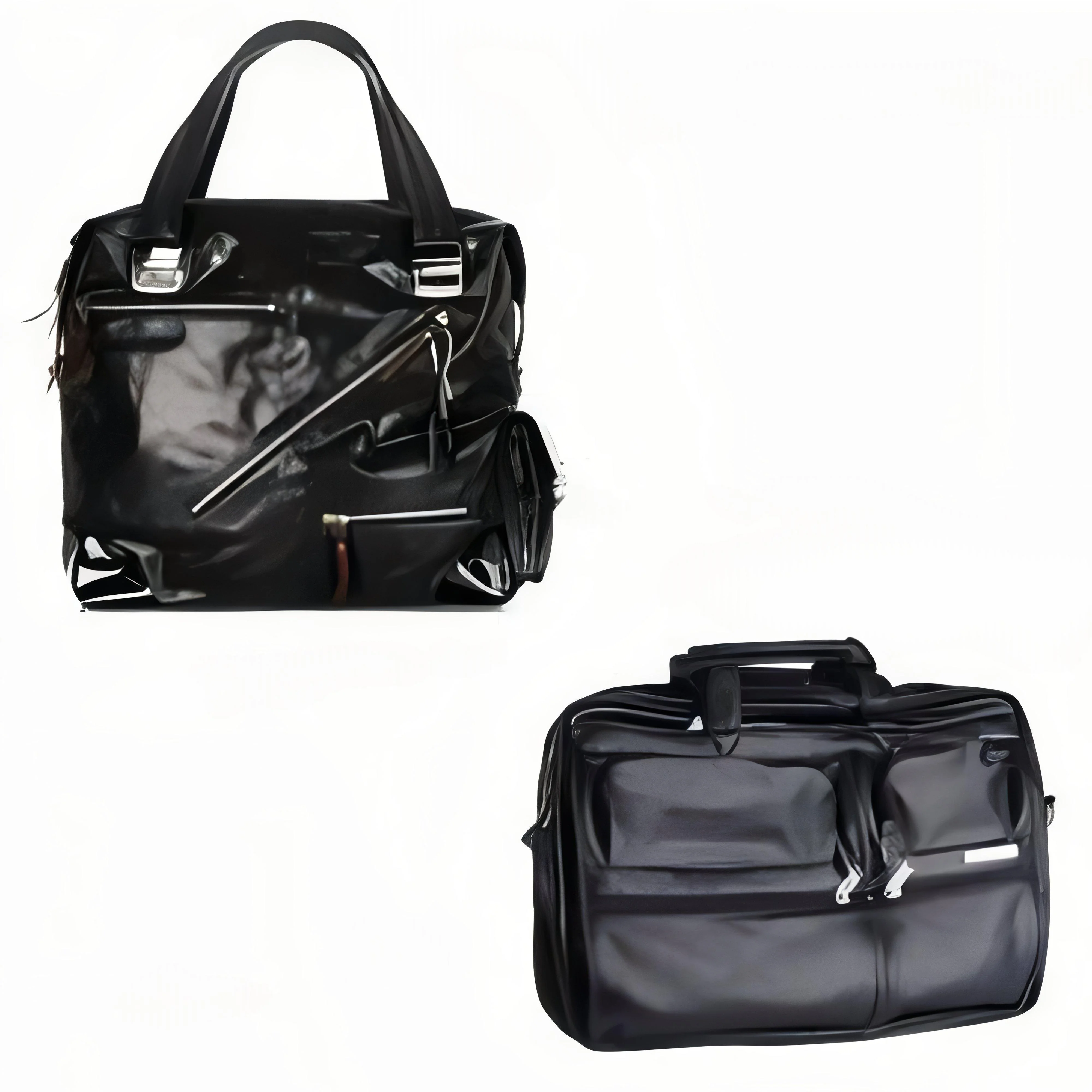
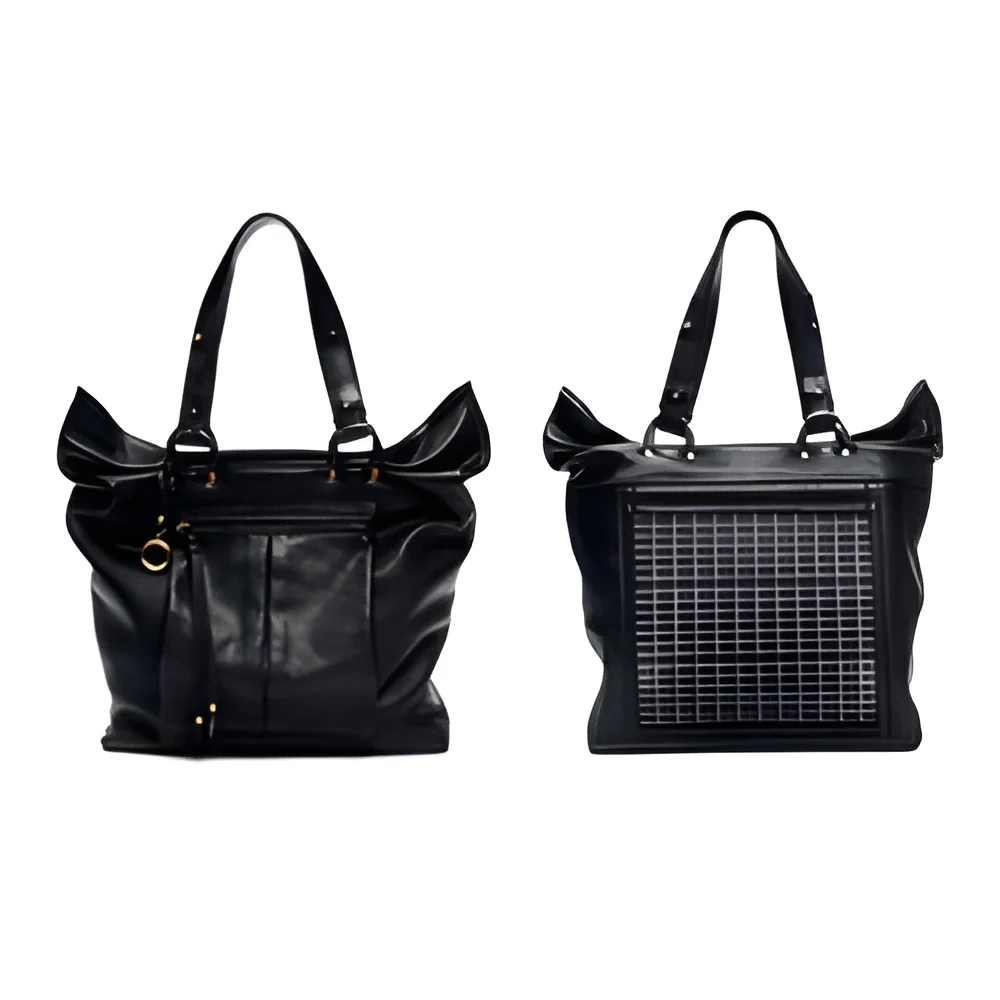
What are Women's Handbags?
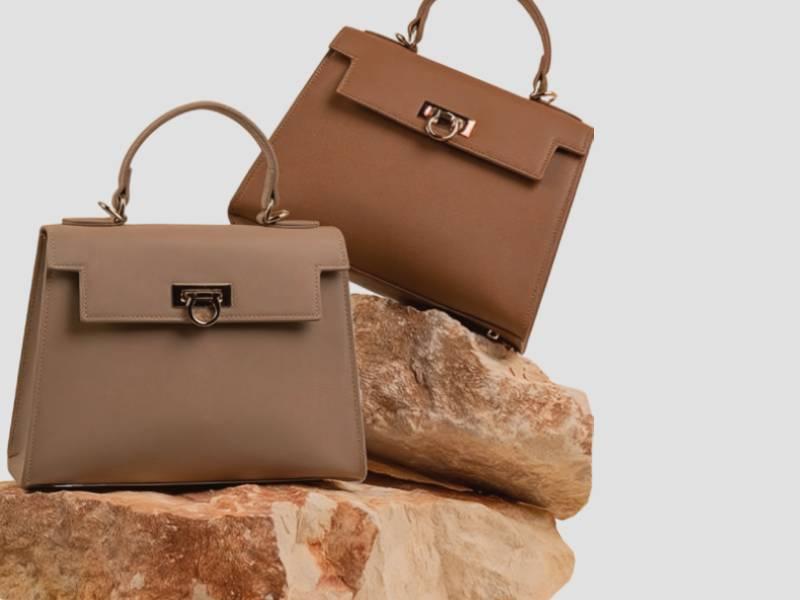
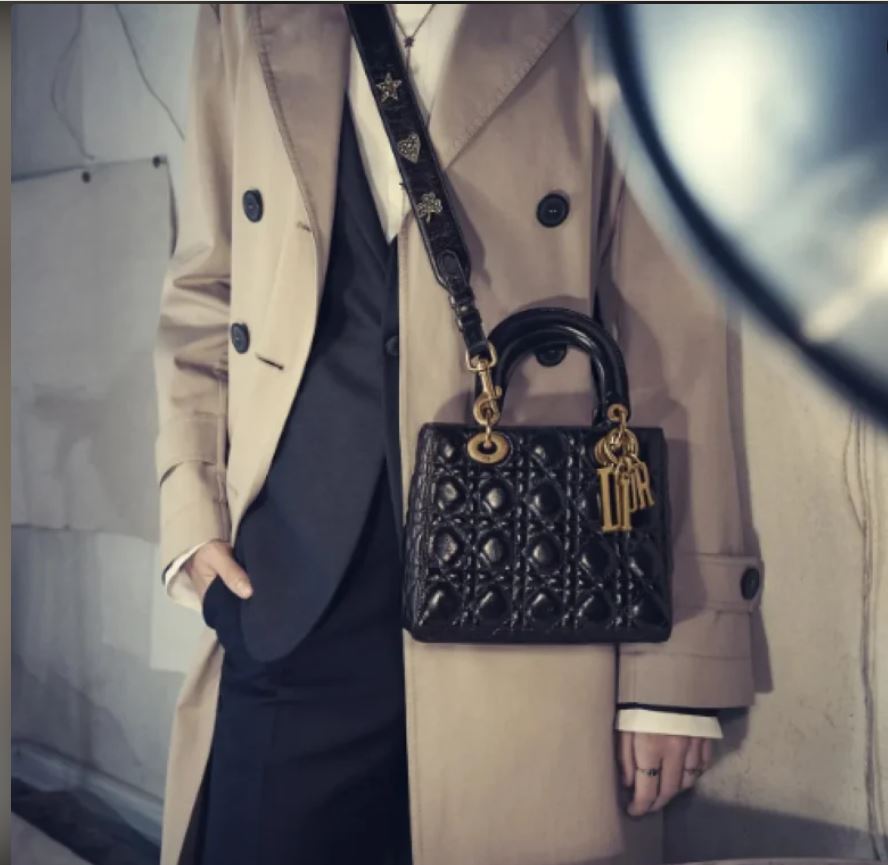
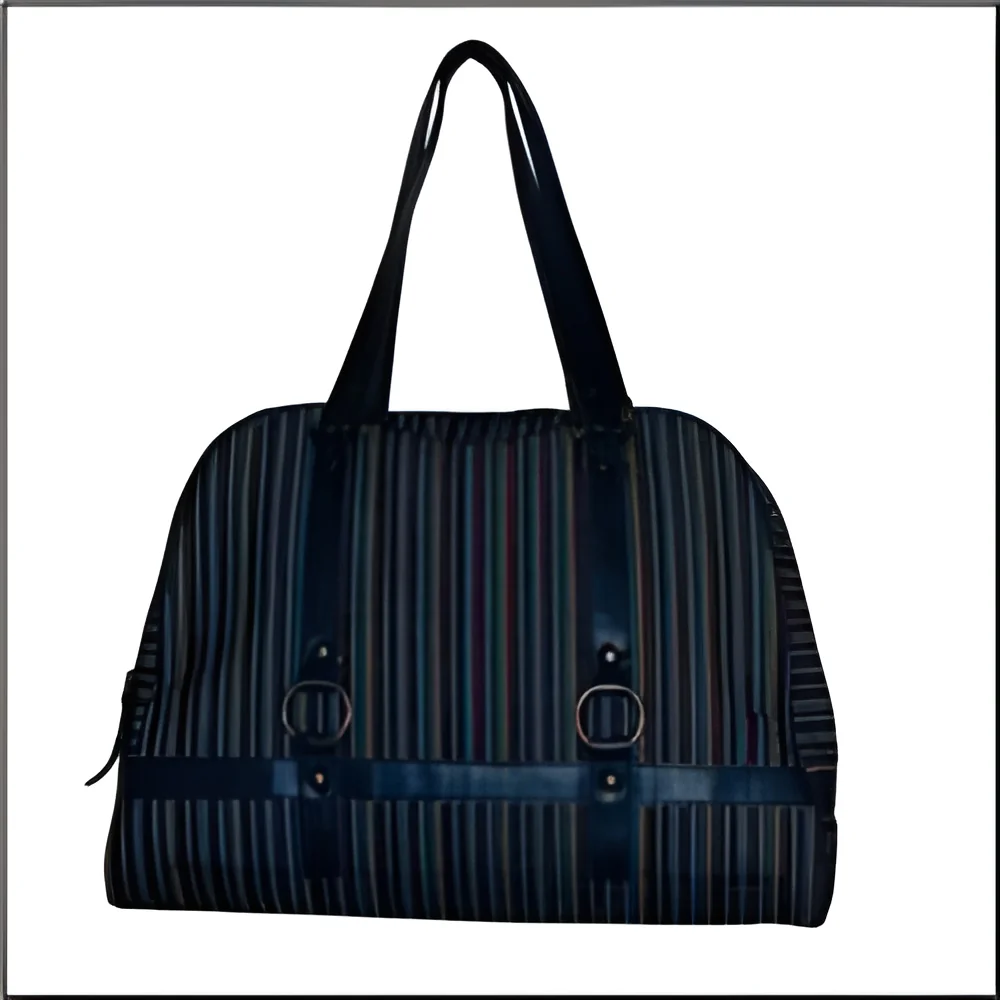
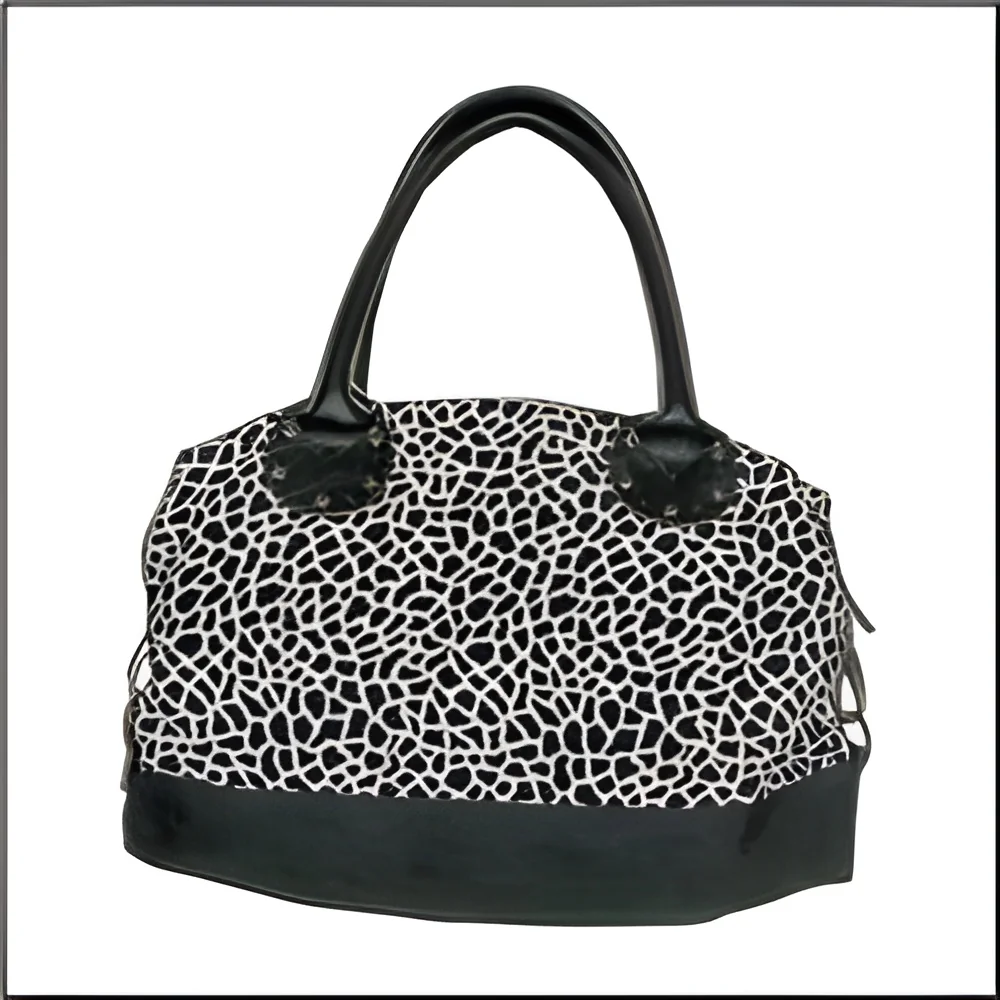
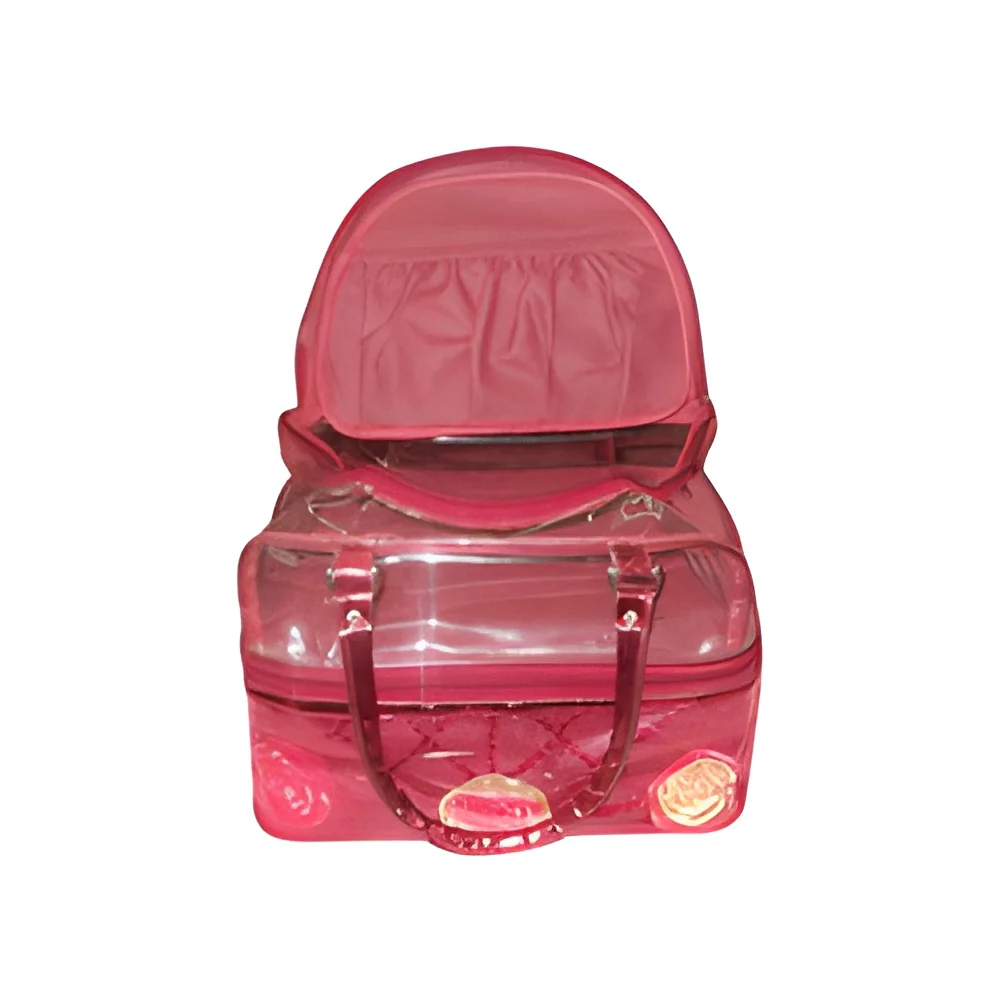
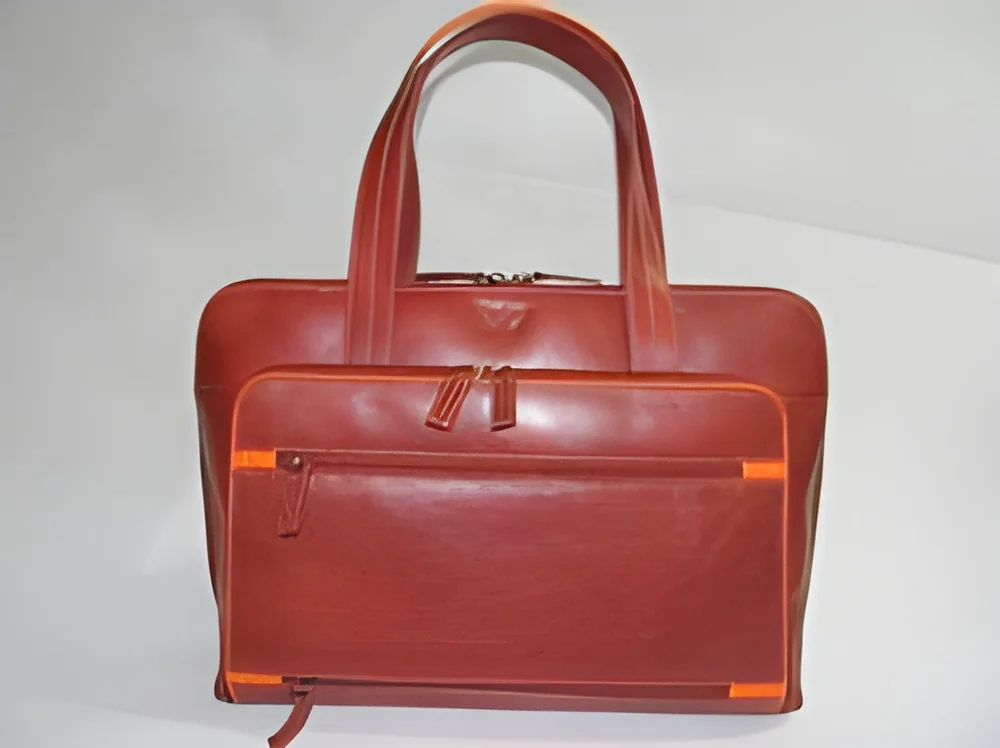
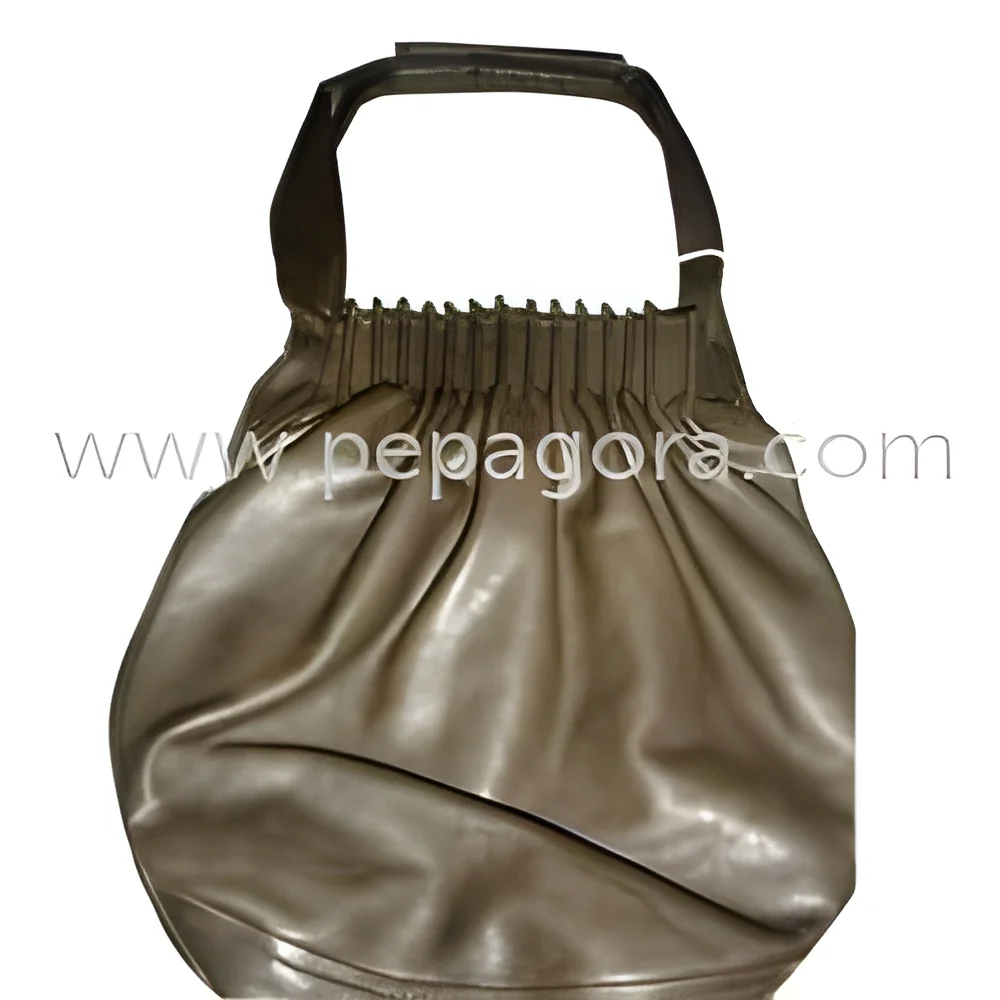
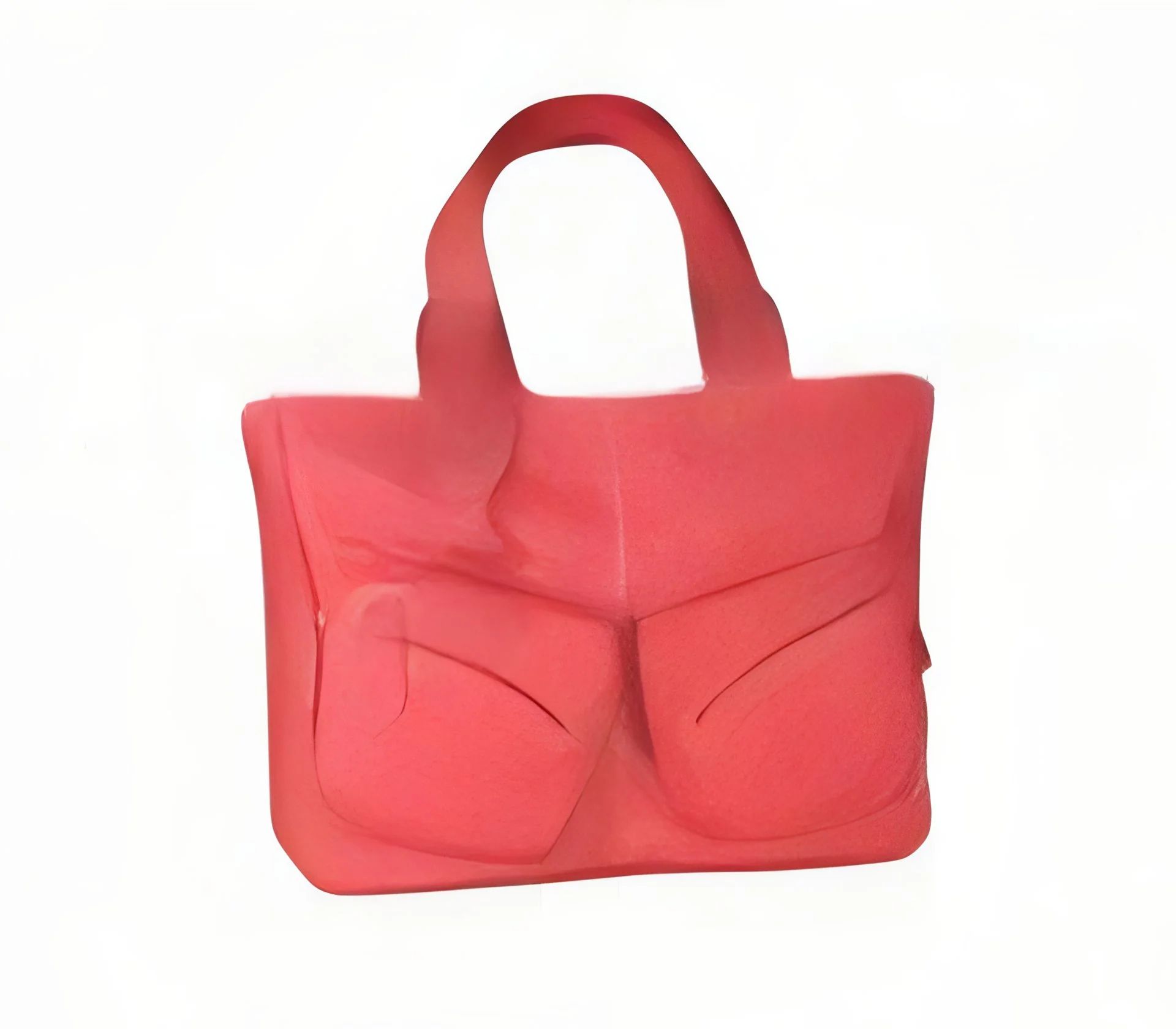
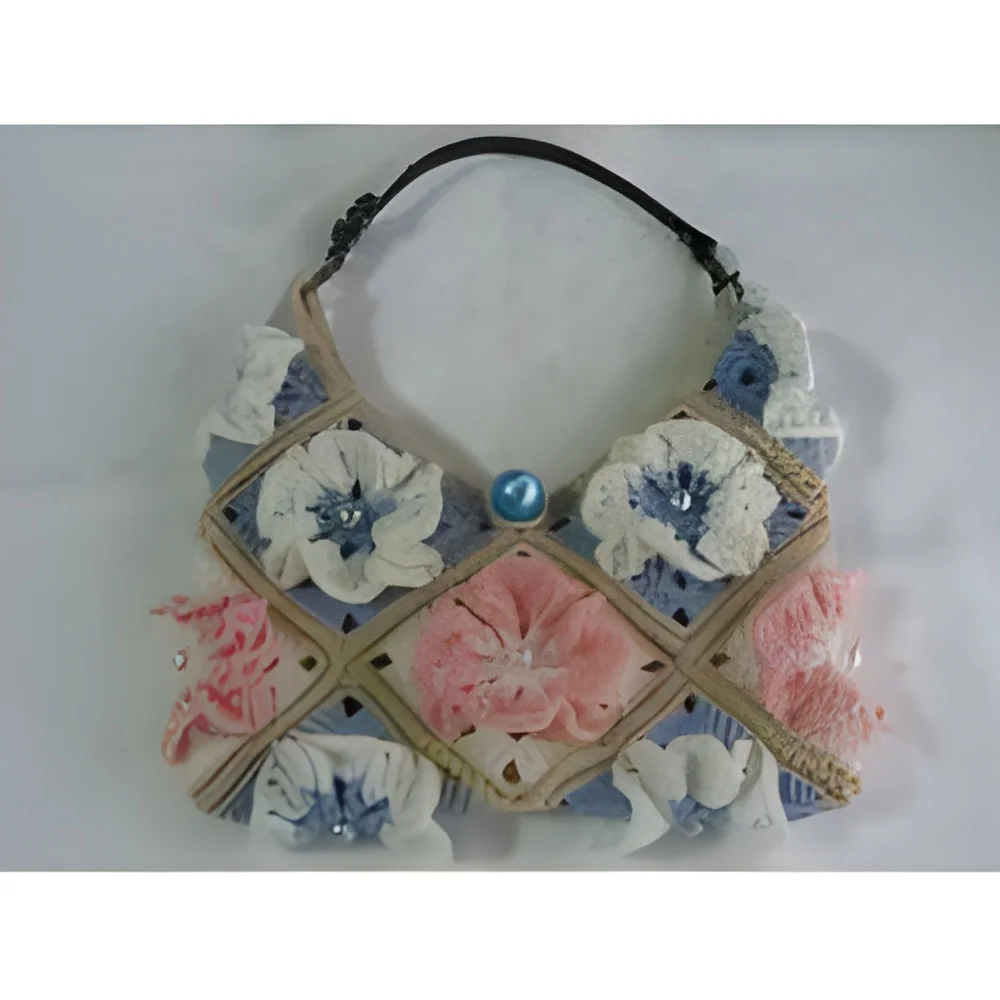
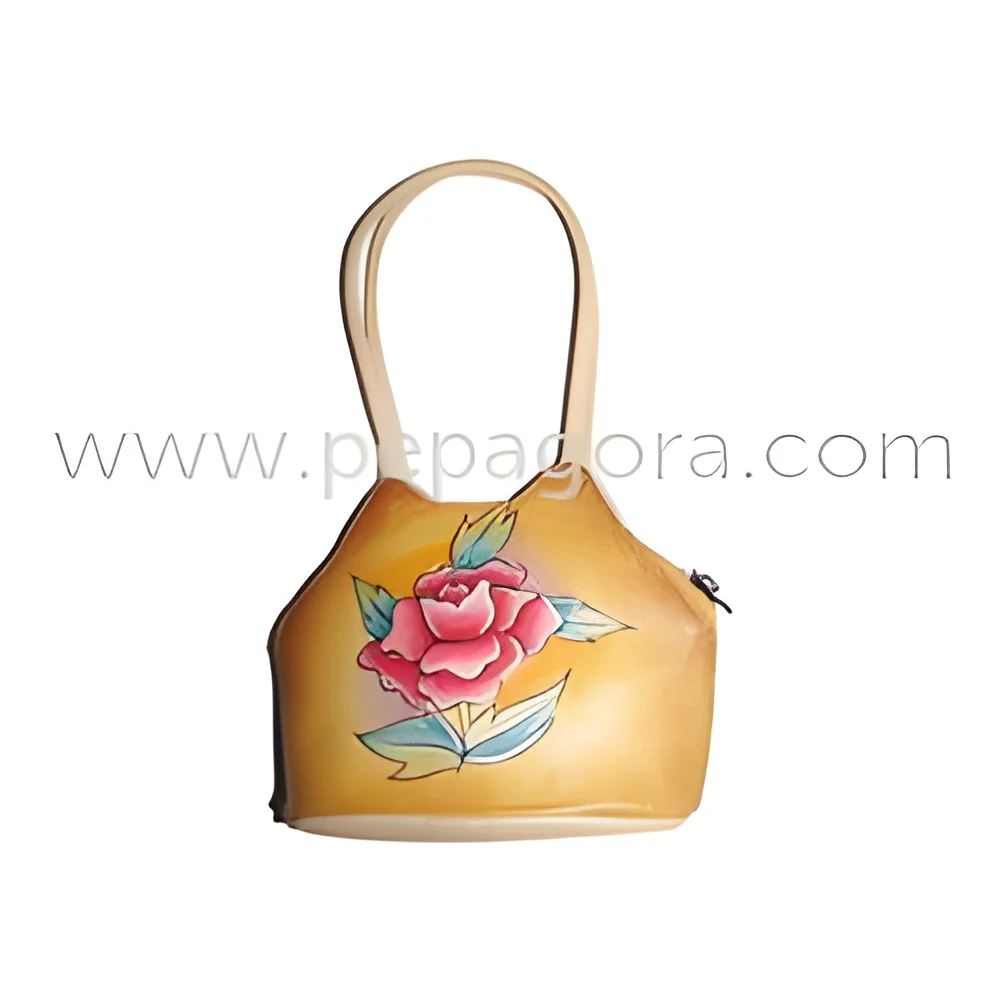
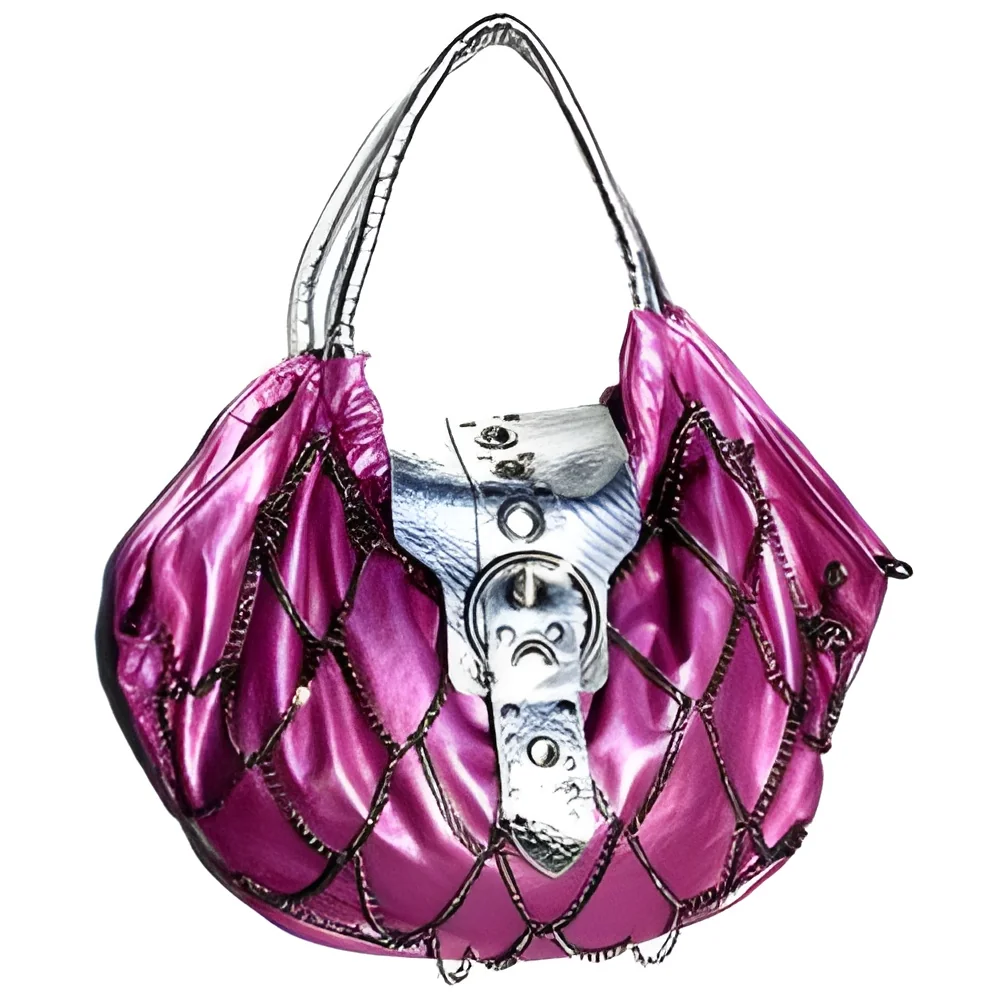
Women's handbags are essential fashion accessories designed to carry personal items and enhance the overall aesthetic of an outfit. These bags come in various styles, sizes, and materials, catering to different tastes and functional needs. They often serve as a statement piece while providing practical storage for everyday essentials such as wallets, phones, keys, and cosmetics.
In the business realm, women's handbags play a significant role in retail, fashion, and e-commerce industries. They are commonly marketed as luxury items or everyday essentials, appealing to a wide audience. Retailers leverage handbag collections to attract consumers and enhance shopping experiences. Moreover, women's handbags can be customized for branding purposes, making them valuable promotional items for businesses seeking to connect with their target market.
The global market for women's handbags is robust, with steady demand driven by changing fashion trends and consumer preferences. As sustainability becomes a priority, eco-friendly materials and ethical production practices are gaining traction. This shift towards conscious consumerism influences manufacturers and retailers to innovate and align their products with current market trends.
Key Features and Specifications
When considering women's handbags, it is essential to understand their key features and specifications that define their quality and usability. These specifications can help buyers make informed decisions based on their needs and preferences.
Key specifications include:
1. Material Quality
- Common materials include leather, faux leather, canvas, and synthetic fabrics.
- Durability and maintenance requirements vary by material type.
2. Size and Dimensions
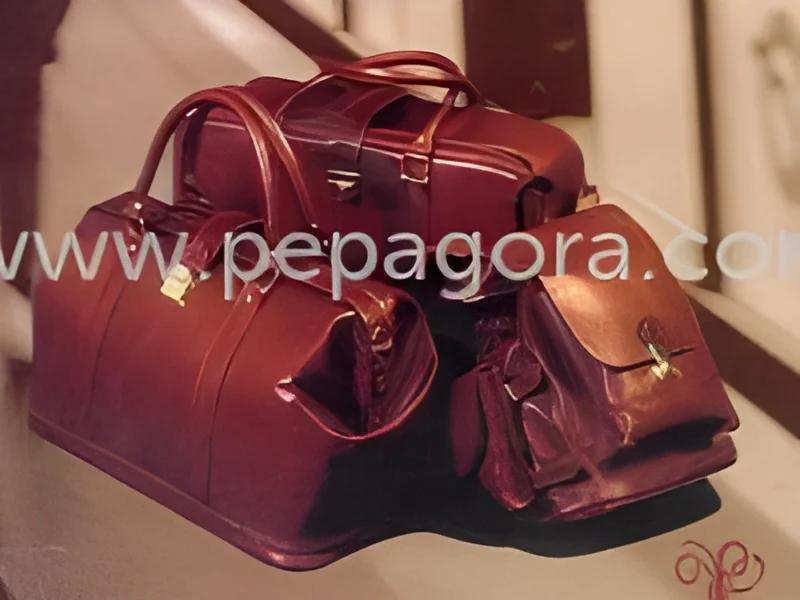
- Handbags come in various sizes, from small clutches to large totes.
- Dimensions typically range from 10 inches to 20 inches in width.
3. Design and Style
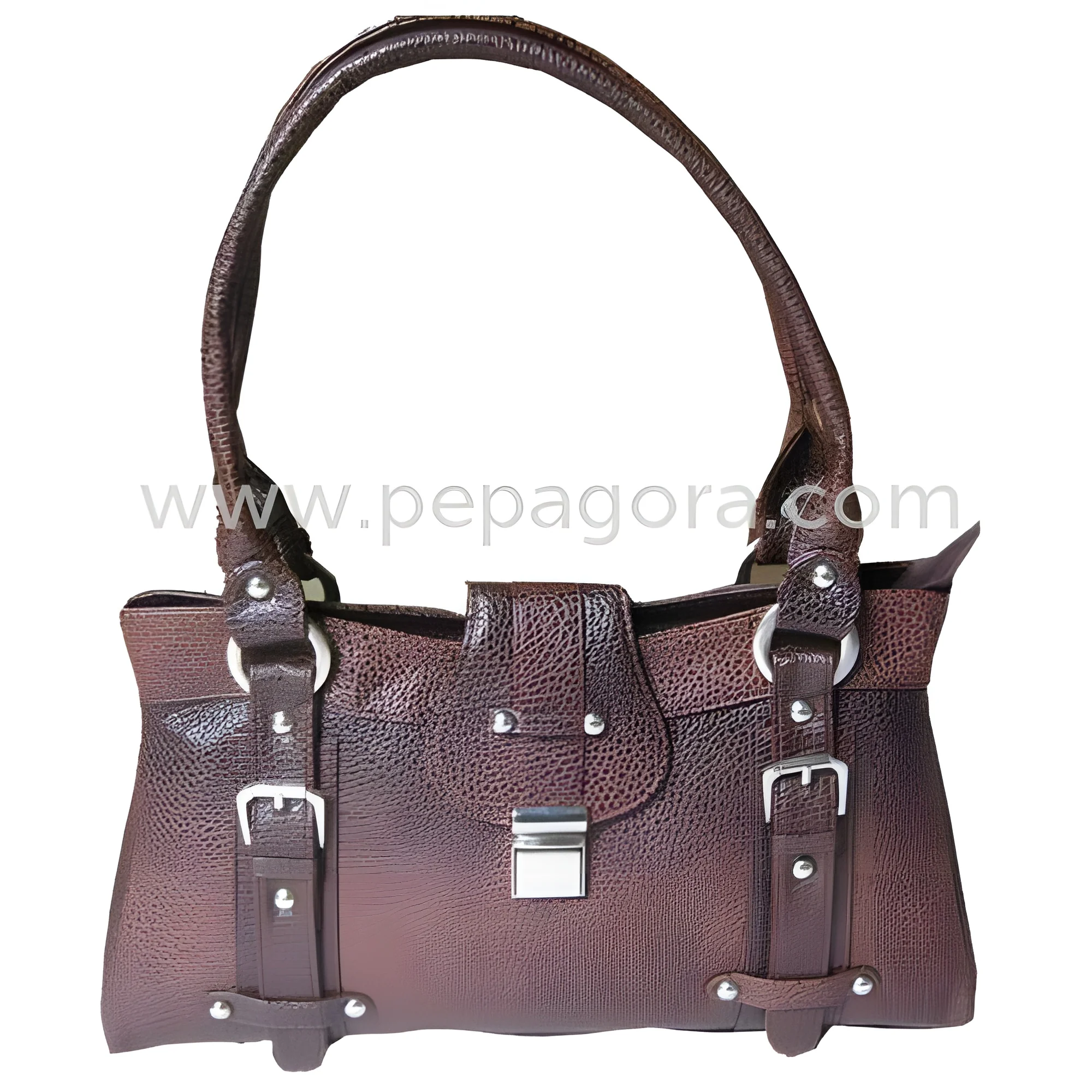
- Various designs include shoulder bags, crossbody bags, and backpacks.
- Styles can be casual, formal, or sporty, catering to different occasions.
4. Closure Type
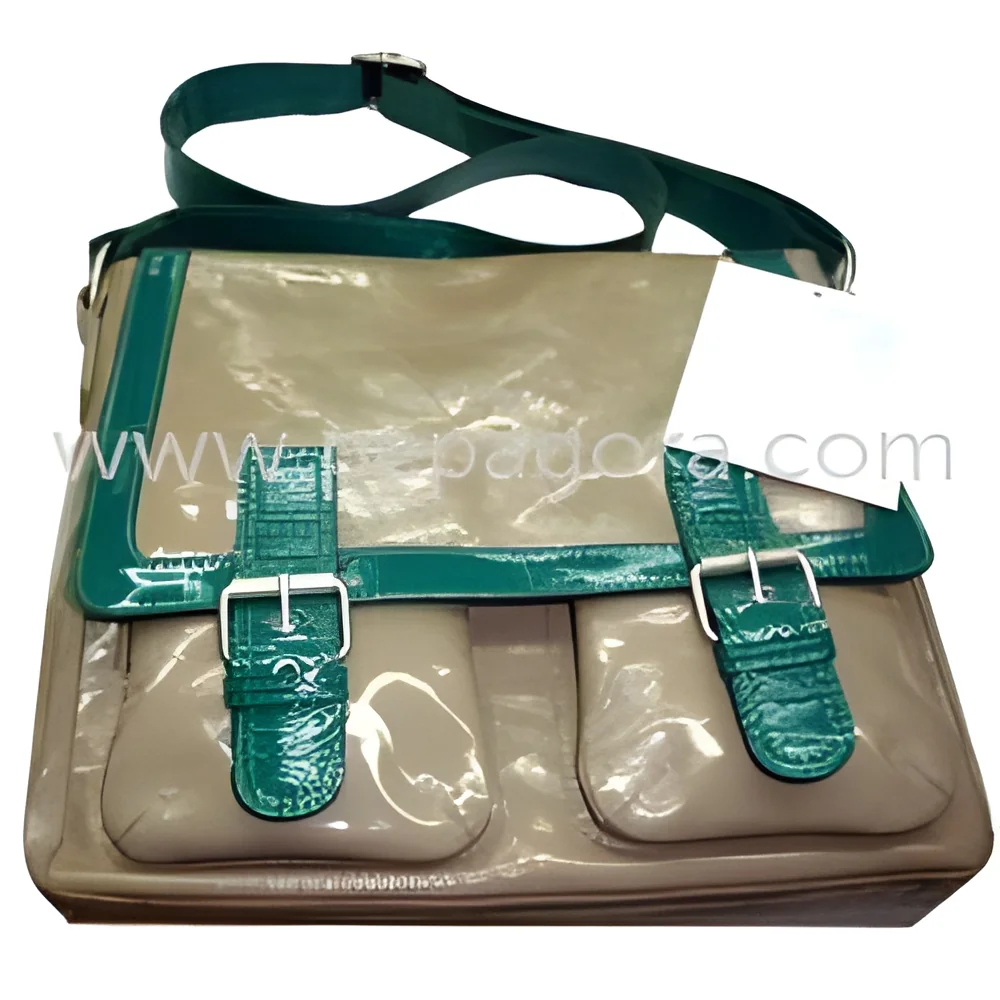
- Common closure types include zippers, magnetic clasps, and snap buttons.
- Closure functionality can affect security and ease of access.
5. Strap Options
- Handbags may feature adjustable, detachable, or fixed straps.
- Strap length and width should accommodate user preferences.
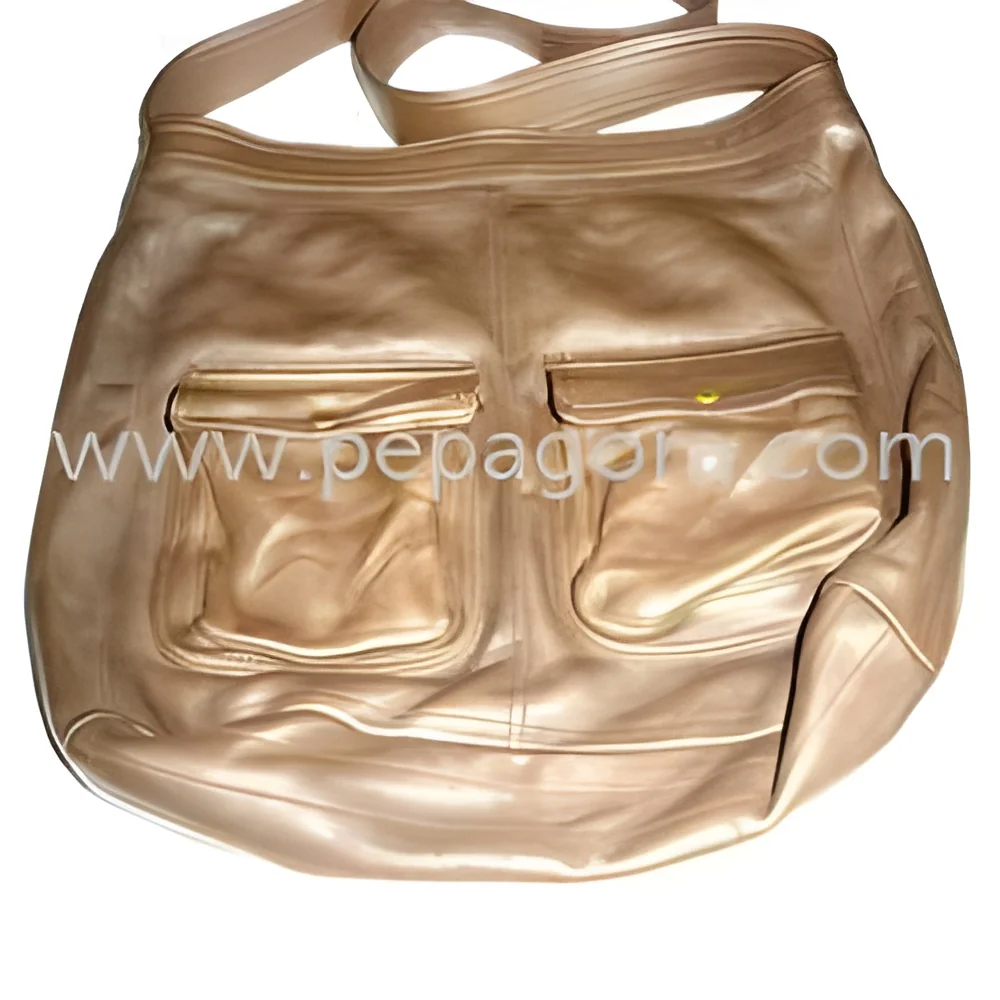
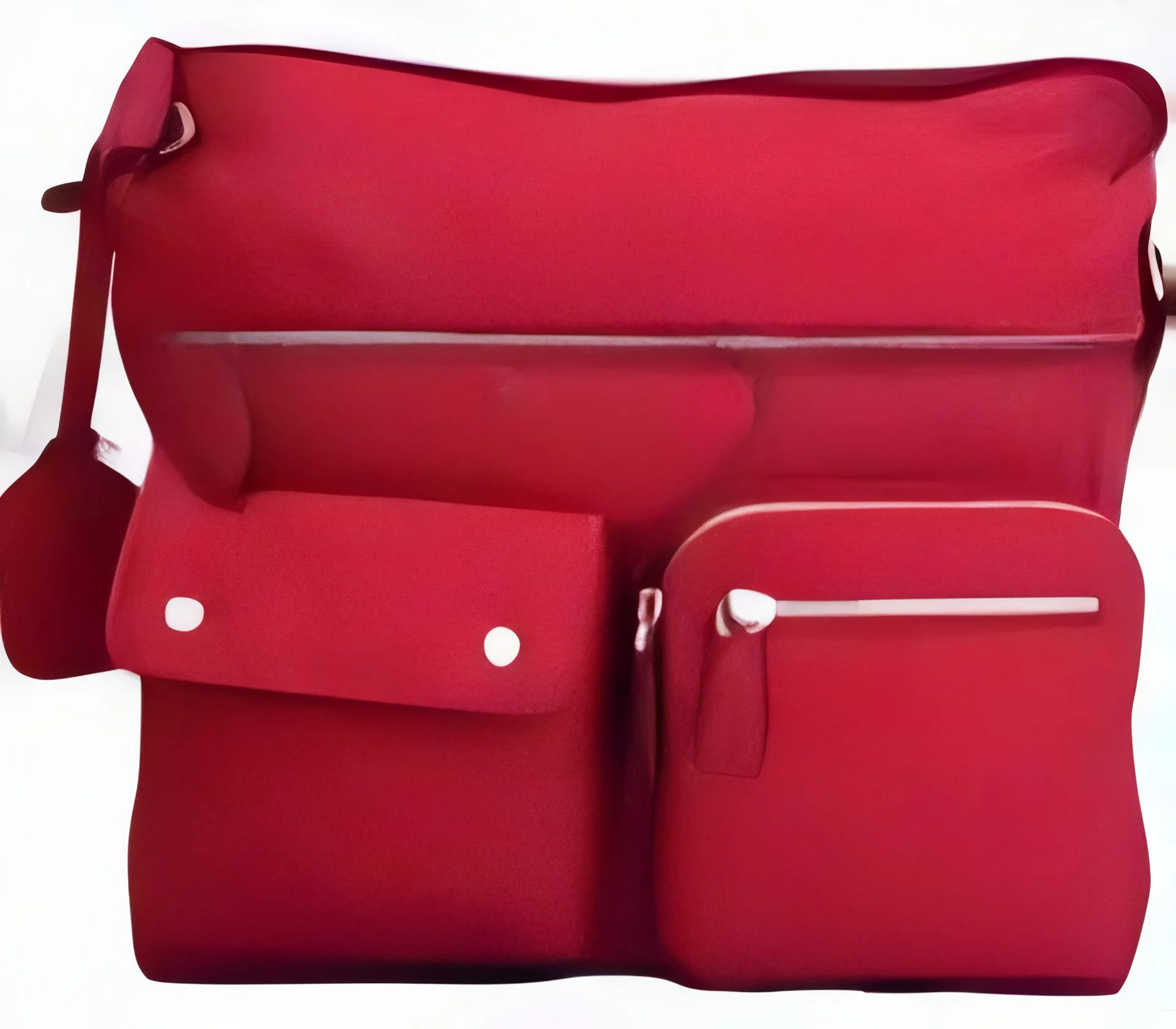
6. Compartments and Pockets
- Multiple compartments enhance organization and accessibility.
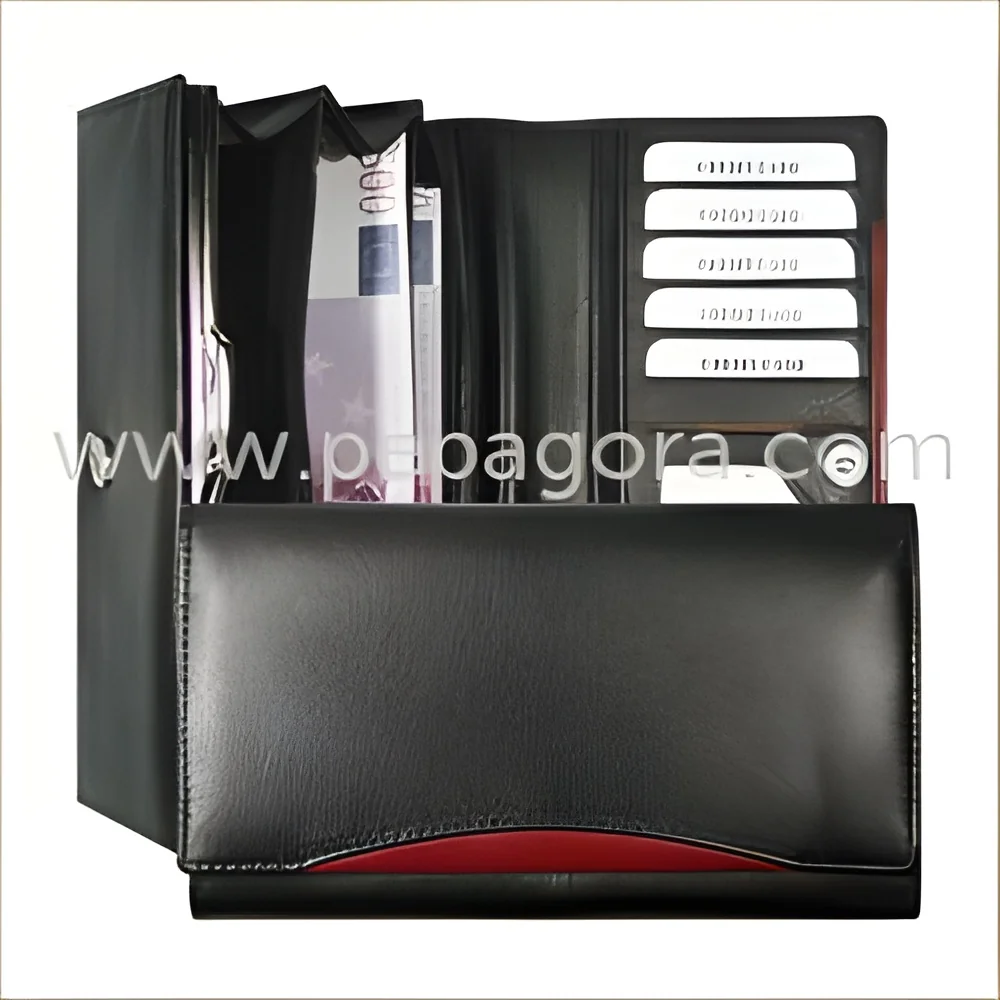
- Pockets may include exterior, interior, and specialized slots for items like phones or wallets.
7. Weight
- The weight of handbags can range from light to heavy, impacting portability.
- Lightweight options are preferable for daily use.
8. Color and Finish
- Handbags are available in a wide range of colors and finishes.
- Color choices can reflect personal style and current fashion trends.
In summary, understanding these specifications can guide buyers in selecting women's handbags that meet their functional and aesthetic requirements.
Common Applications and Use Cases
Women's handbags serve various industries beyond personal use, highlighting their versatility.
1. Retail Fashion: Handbags are a staple in retail fashion, showcasing the latest trends and styles to attract consumers. Retailers often create exclusive collections to enhance brand identity.
2. Corporate Gifting: Many companies opt to customize handbags as corporate gifts for clients or employees. This practice can strengthen relationships and enhance brand visibility.
3. Event Planning: Handbags are frequently used in event planning and marketing, such as giveaways during trade shows or fashion events, to engage attendees and promote brands.
4. E-commerce: Online retailers leverage women's handbags to increase sales and drive traffic to their platforms. Detailed product descriptions and visual appeal are crucial for successful online retail.
5. Fashion Shows: Handbags play a critical role in fashion shows, where designers showcase new collections. They can set trends and influence consumer preferences.
6. Travel and Tourism: Travel companies may offer branded handbags as promotional items to enhance customer experience and loyalty.
7. Social Media Marketing: Influencers and brands utilize handbags in social media campaigns to reach wider audiences and engage potential buyers.
Product Variants and Subcategories
Women's handbags come in various styles, each designed for specific purposes and preferences.
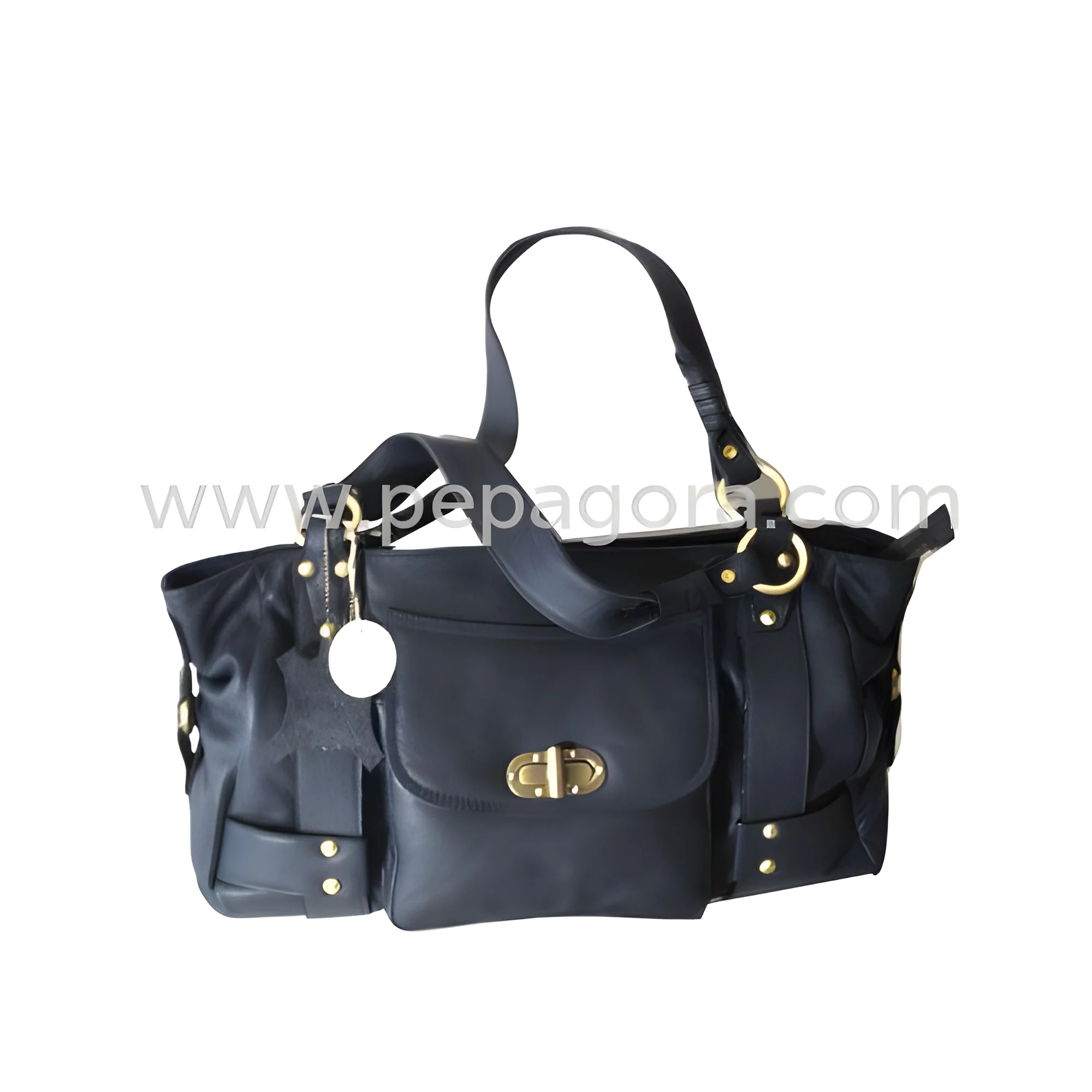
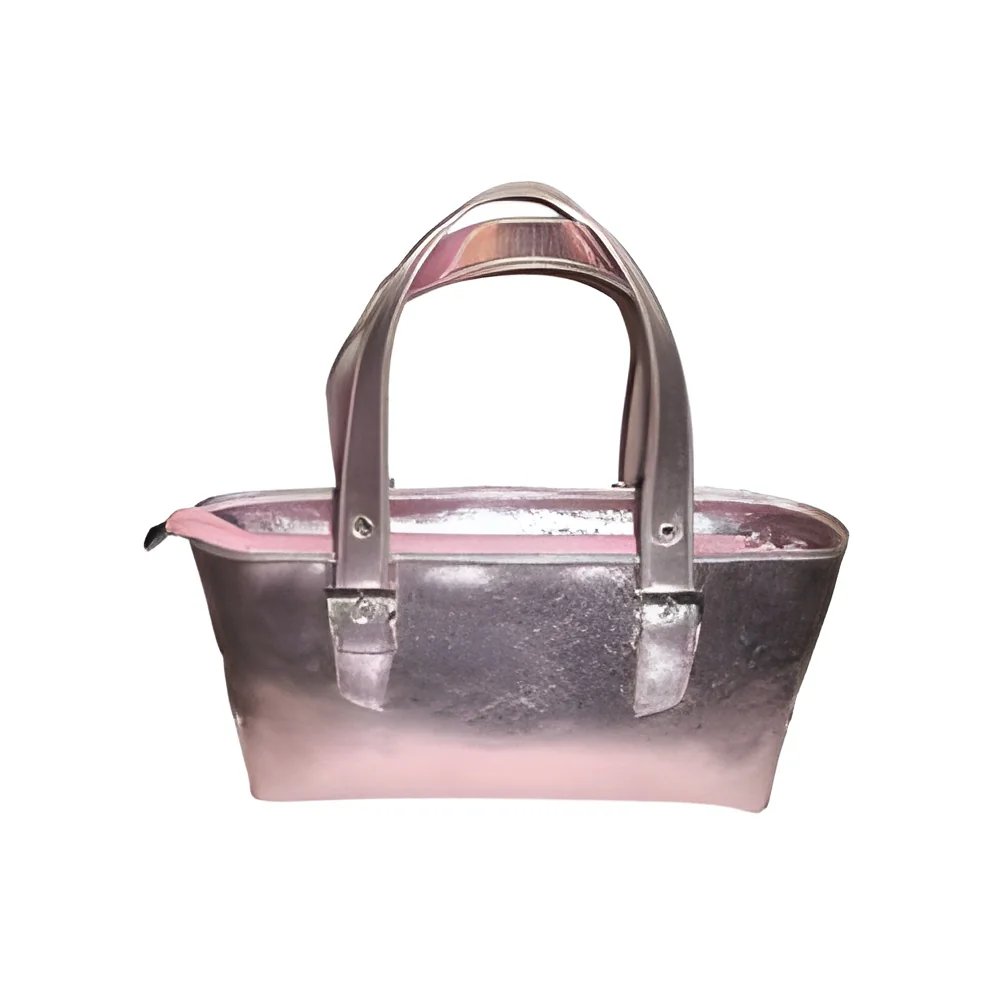
Tote Bags
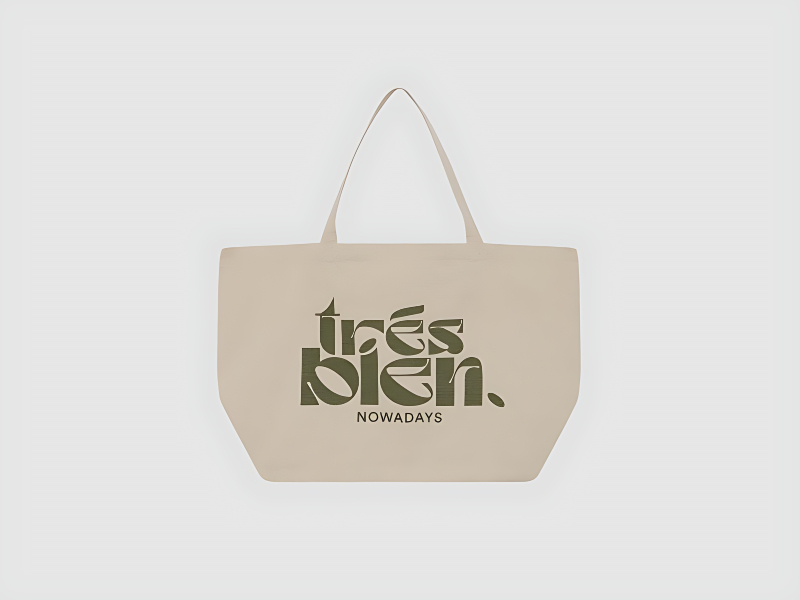
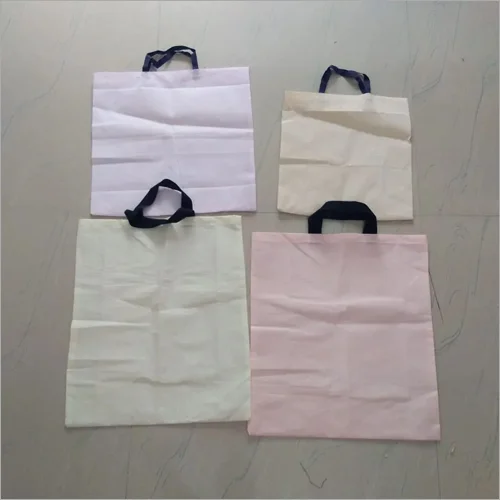
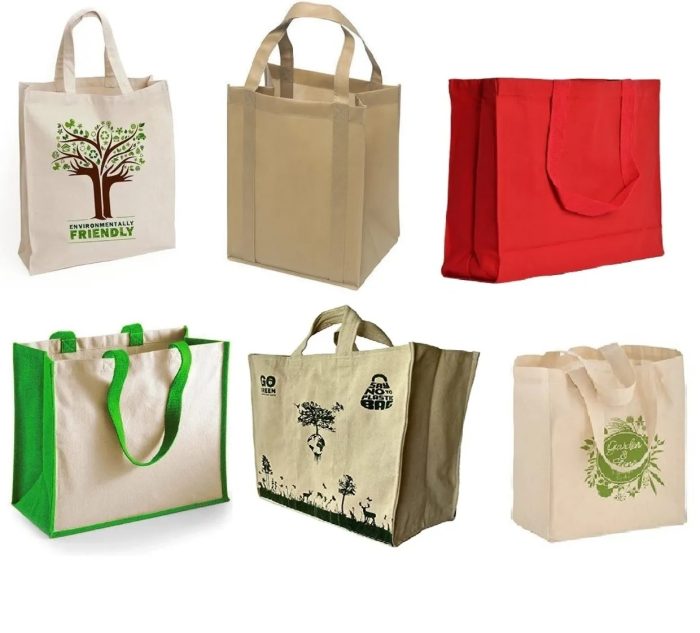
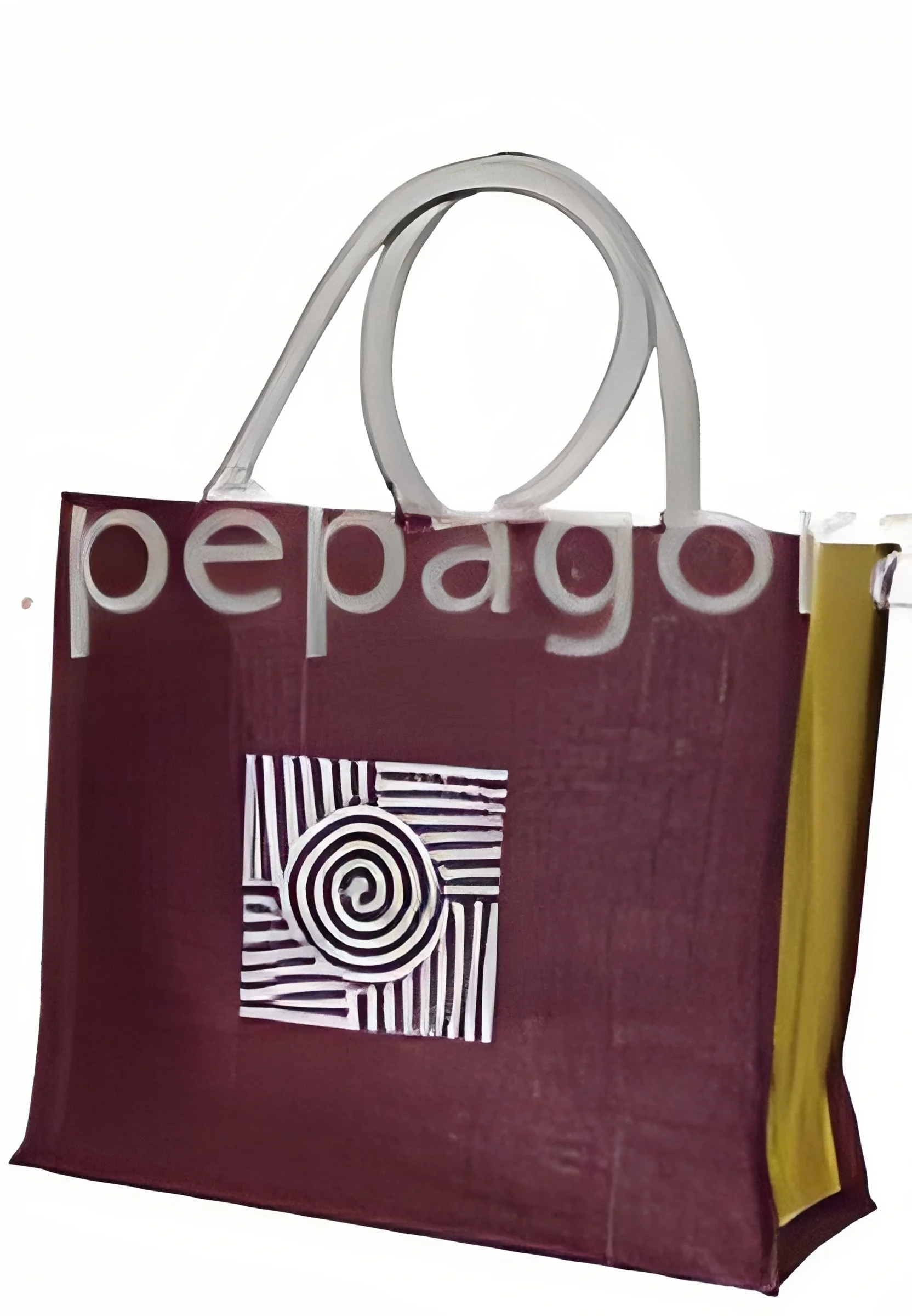
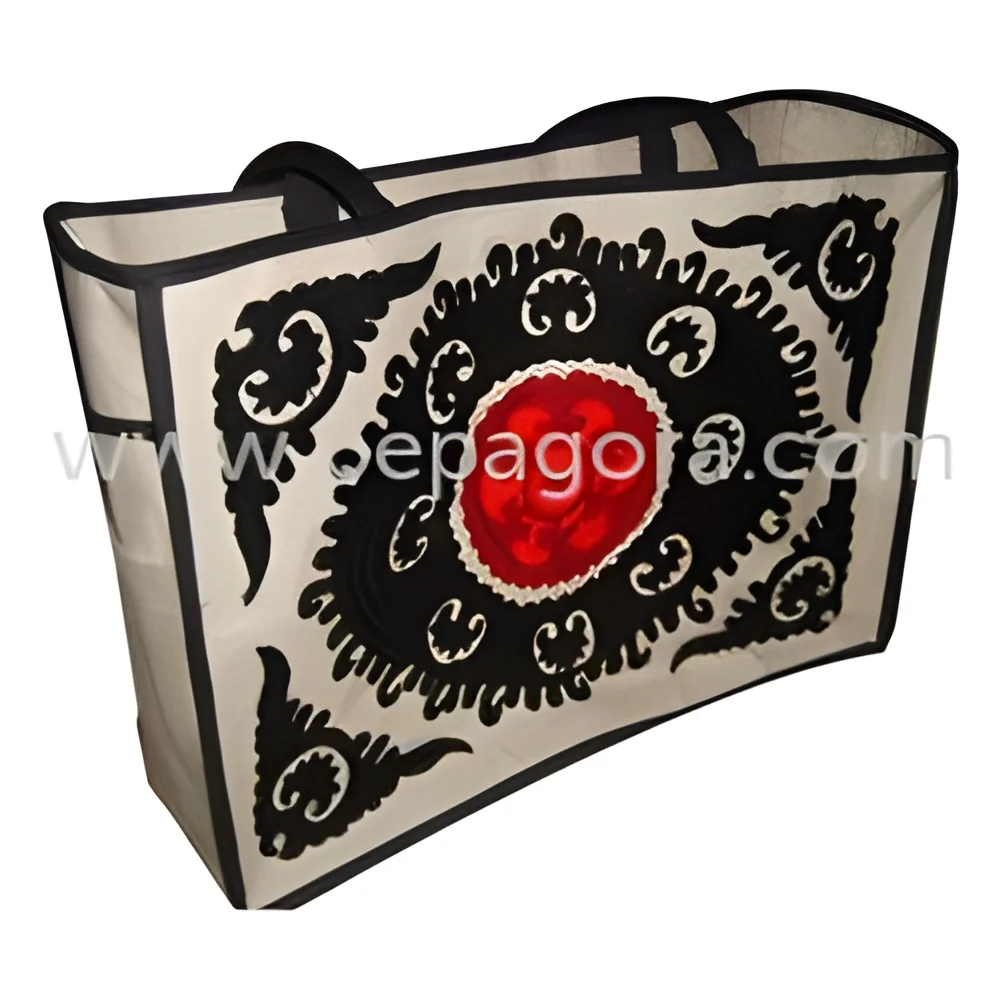
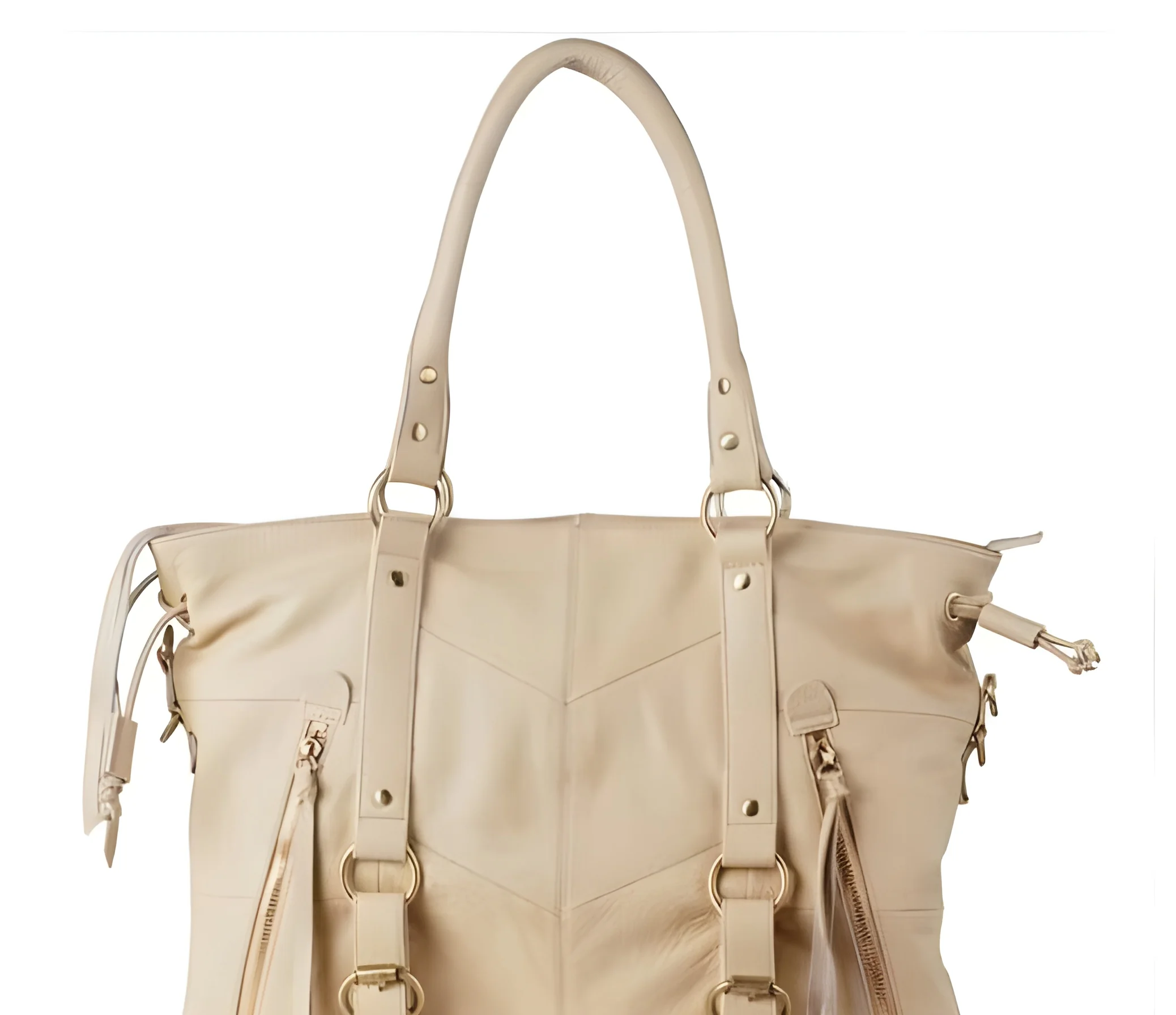
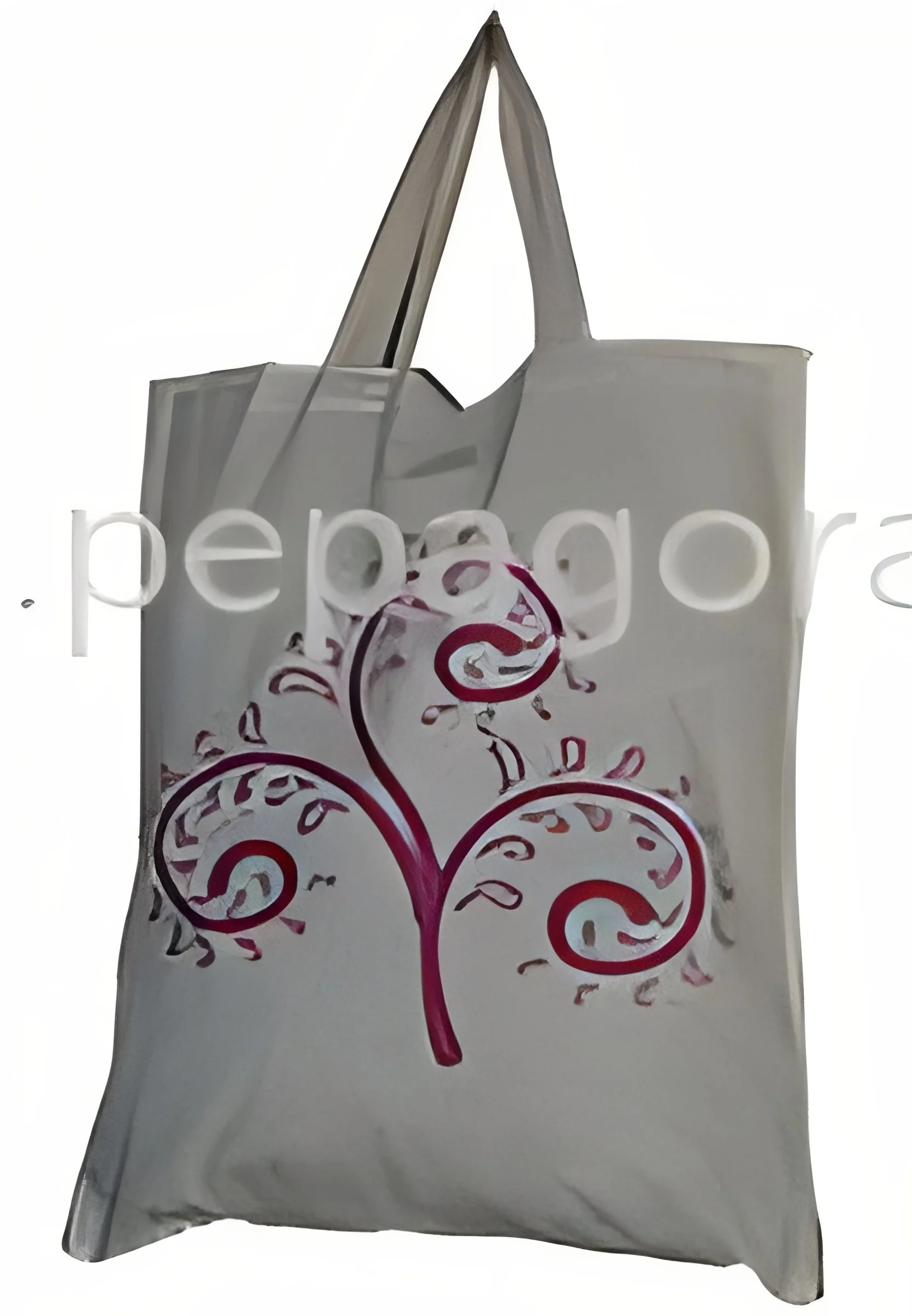
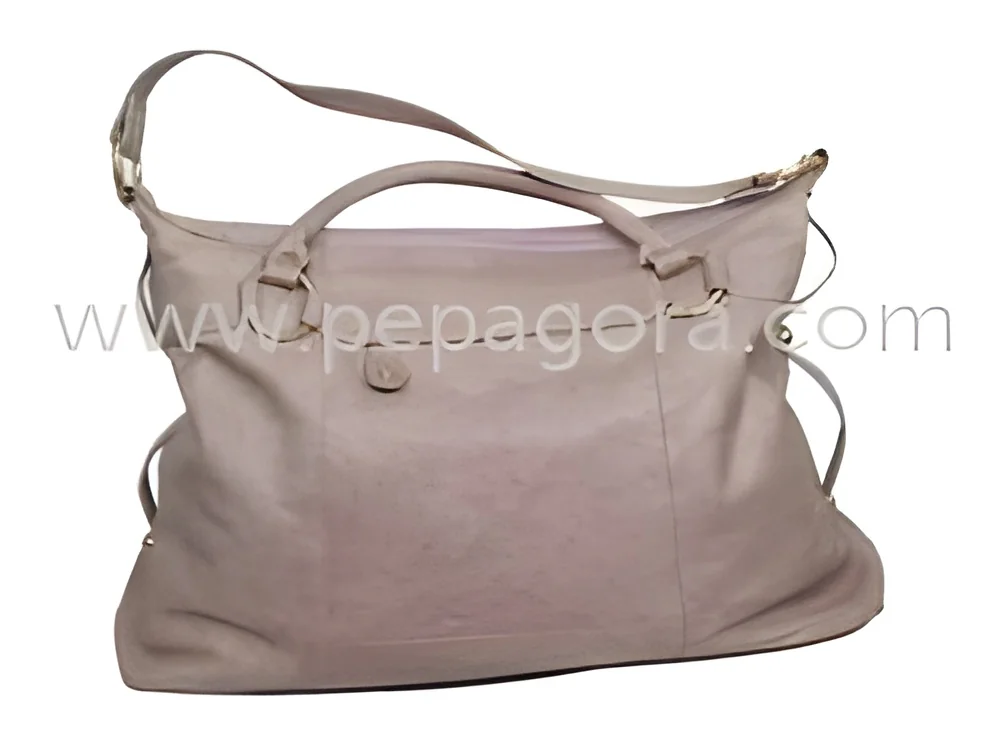
Tote bags are spacious and versatile, making them ideal for everyday use or shopping. They often feature open tops and sturdy handles, providing easy access to contents.
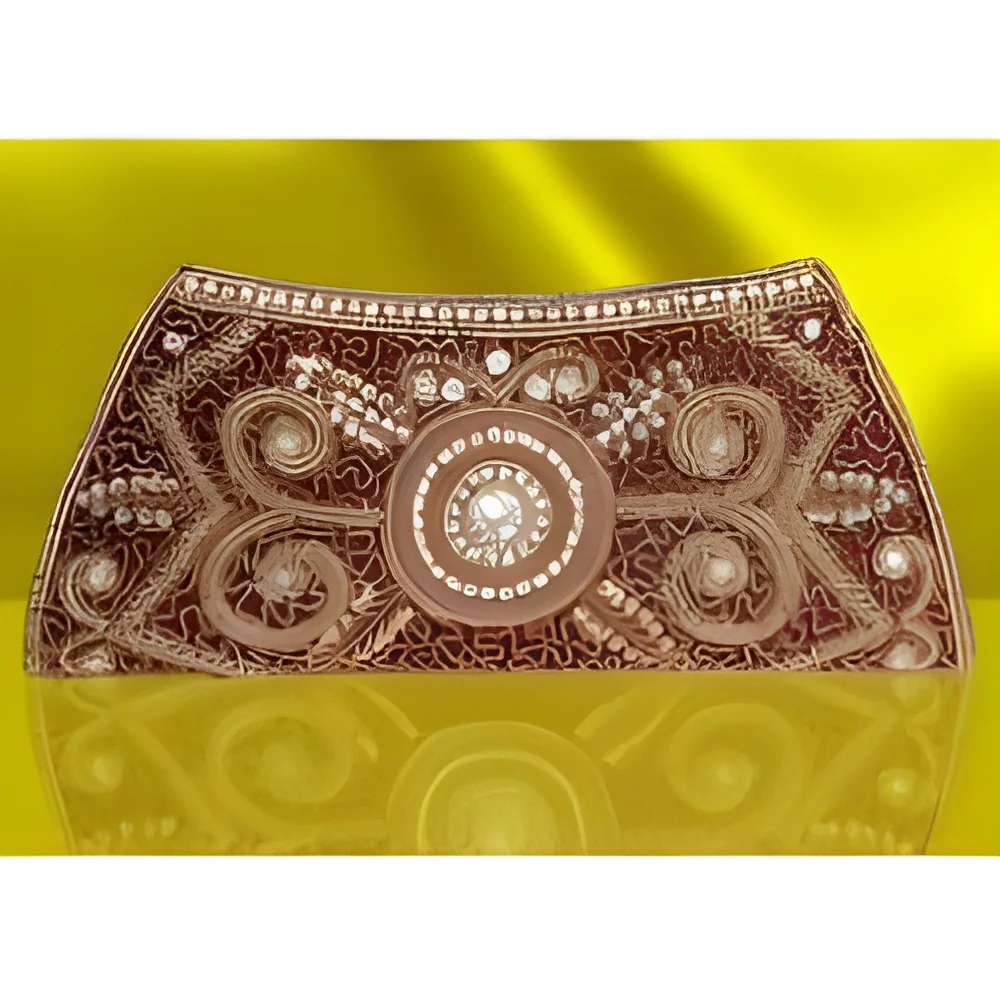
Clutches
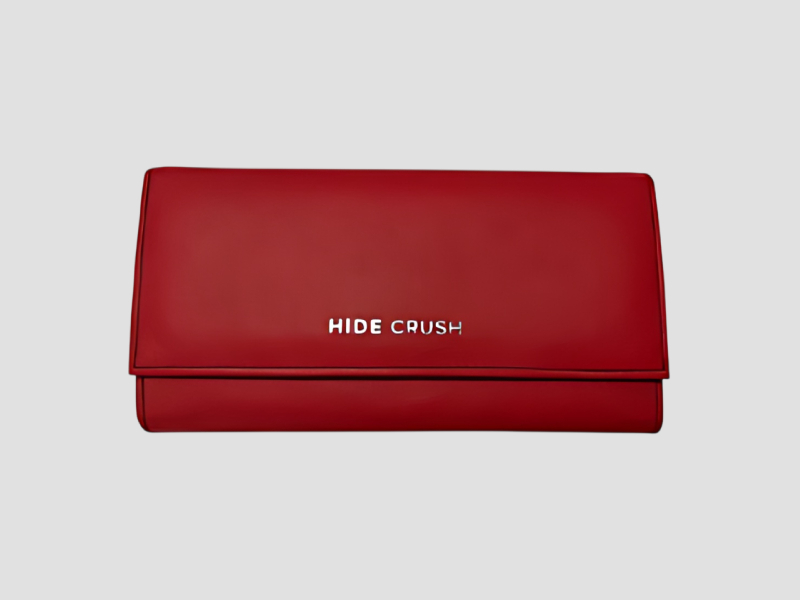
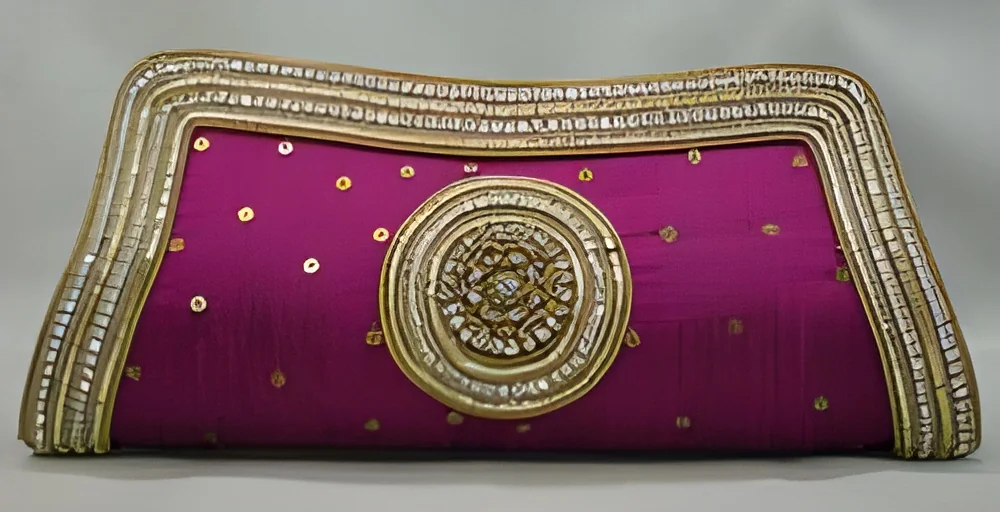
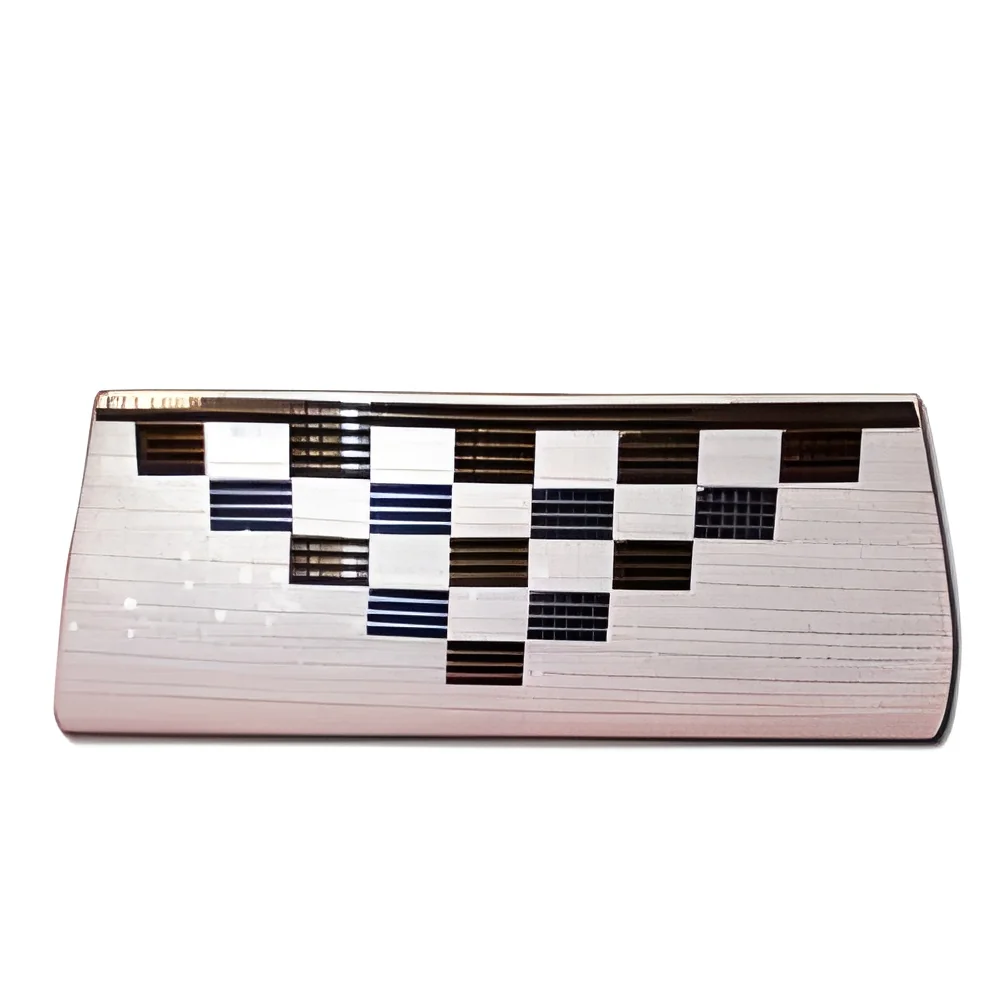
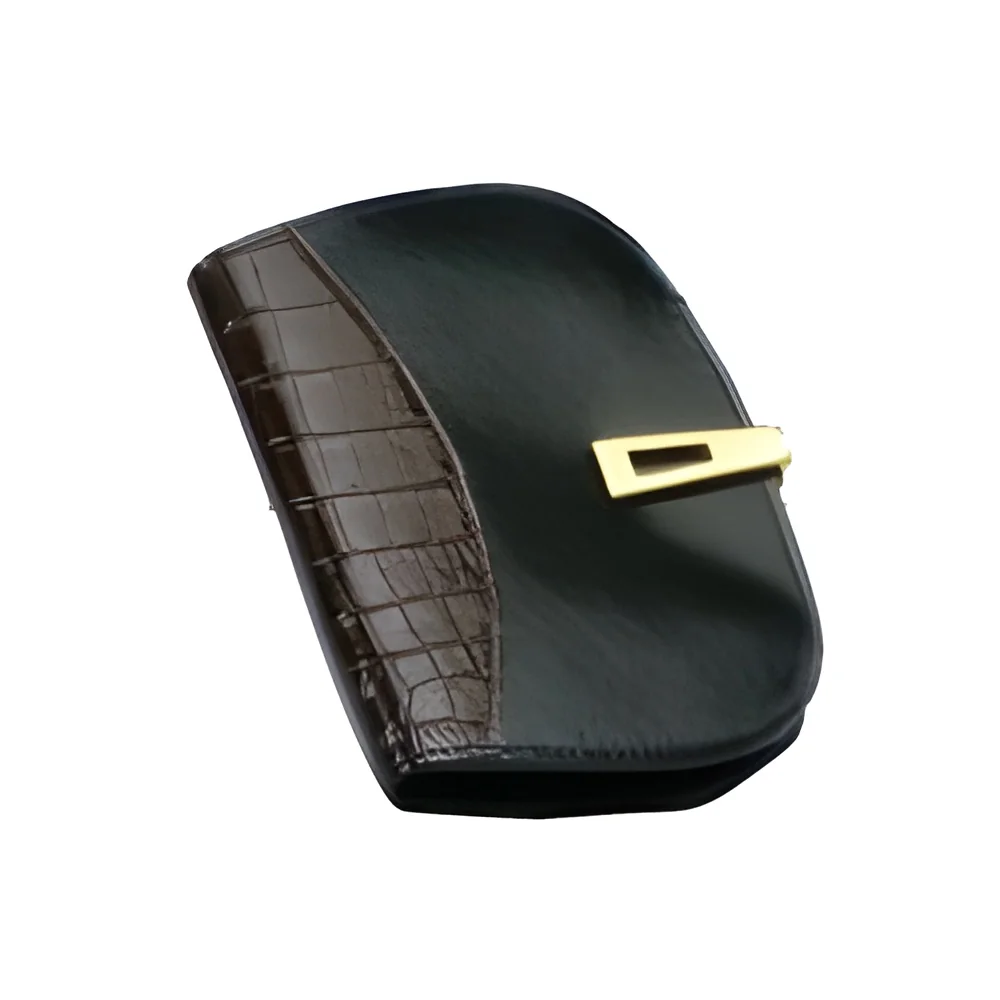
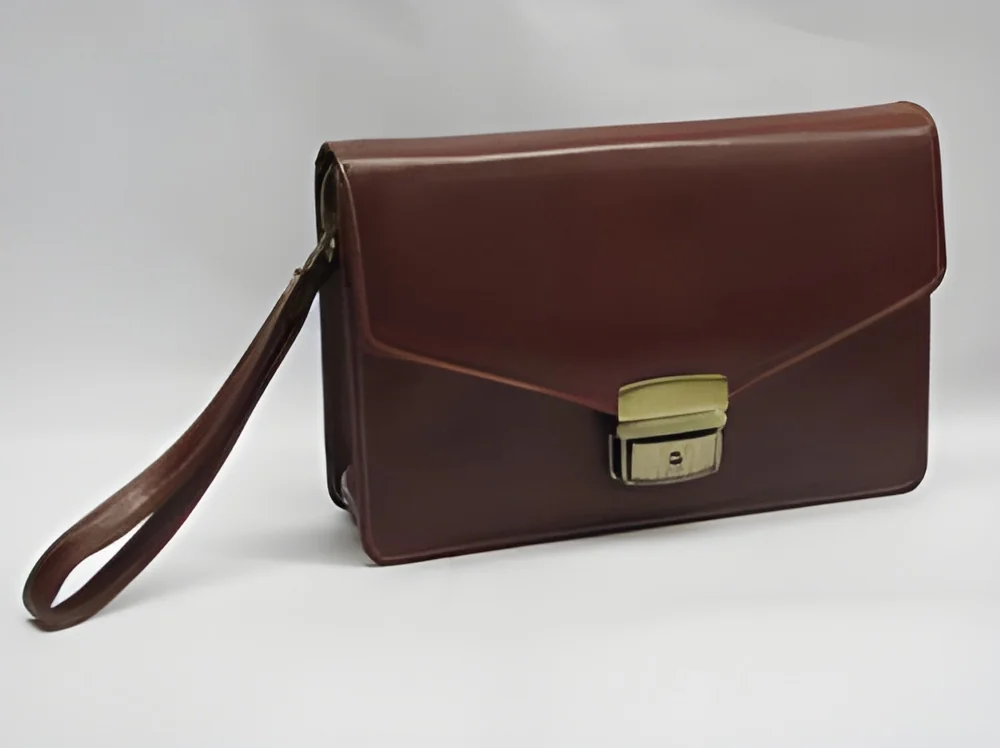
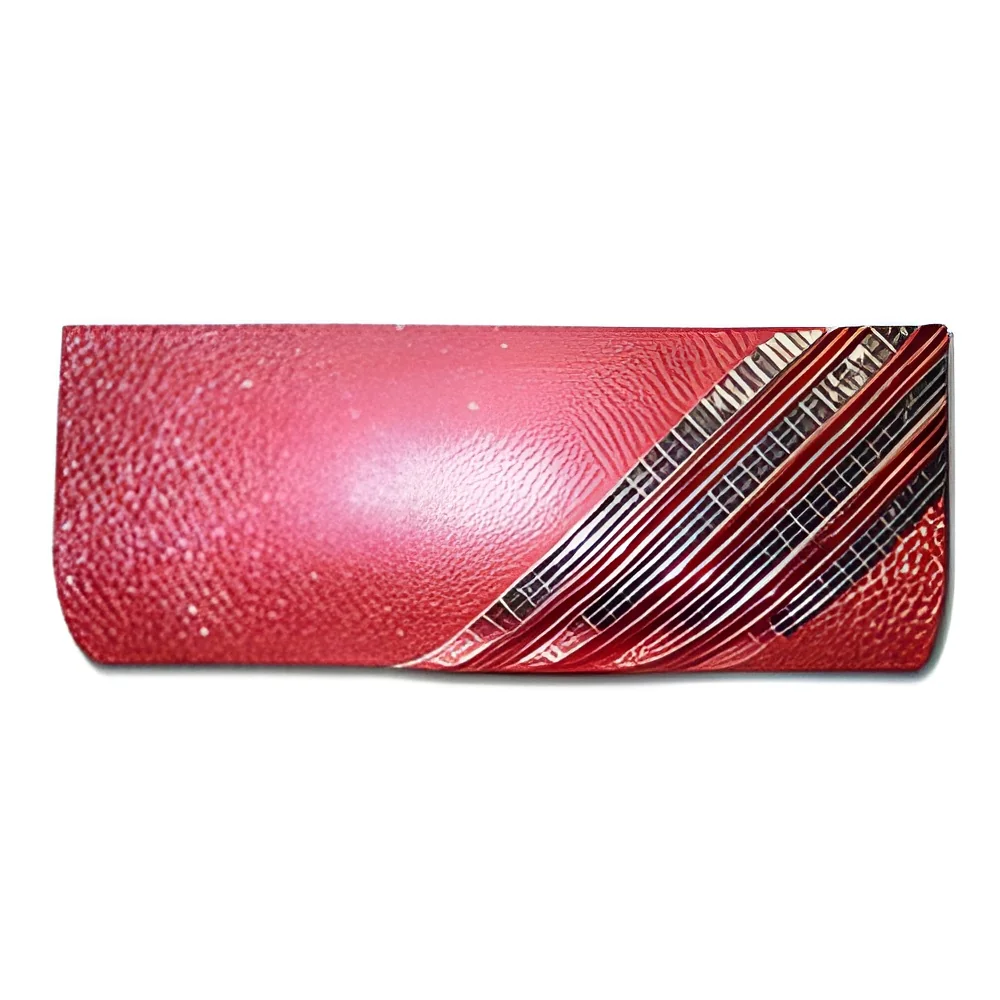
Clutches are small, elegant bags typically used for formal occasions. They are designed to be held in hand or under the arm, often featuring unique designs and embellishments.
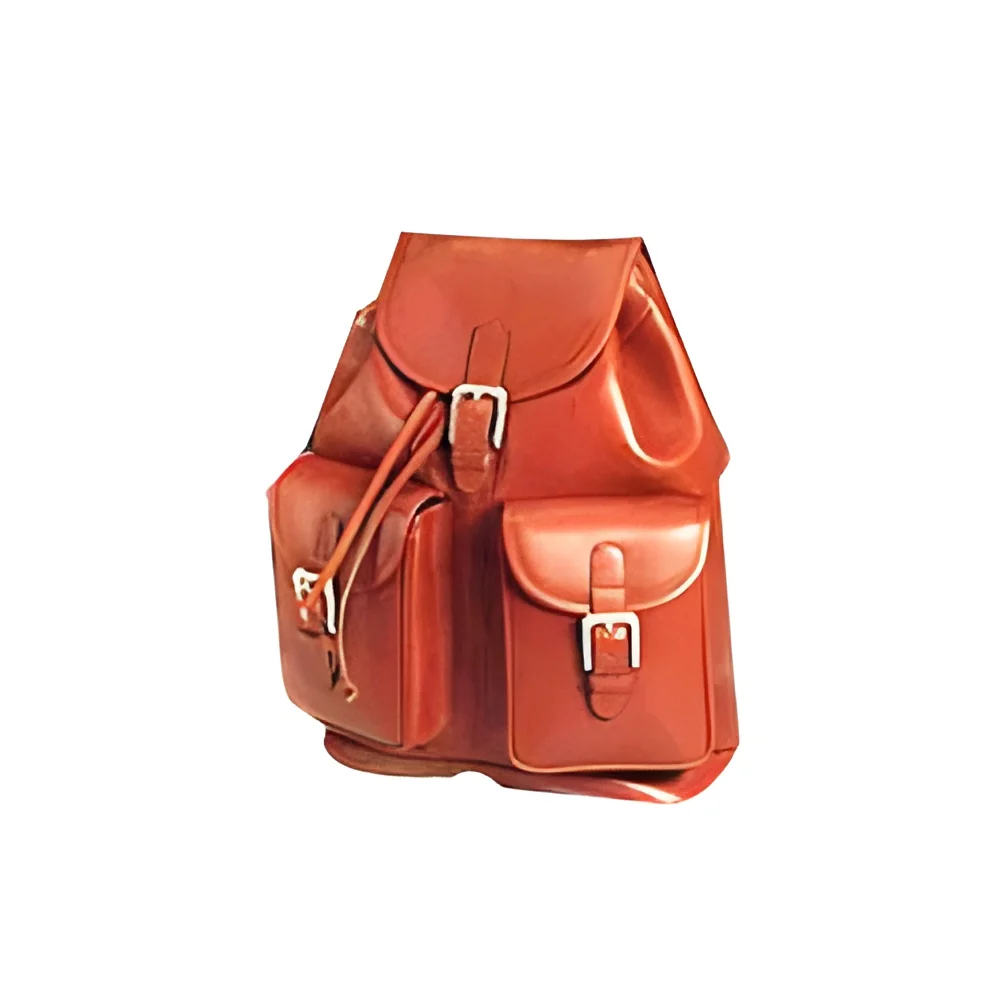
Backpacks
Backpacks combine functionality with style, appealing to those seeking hands-free options. They are popular among students and professionals alike, offering ample storage and comfort.
Shoulder Bags
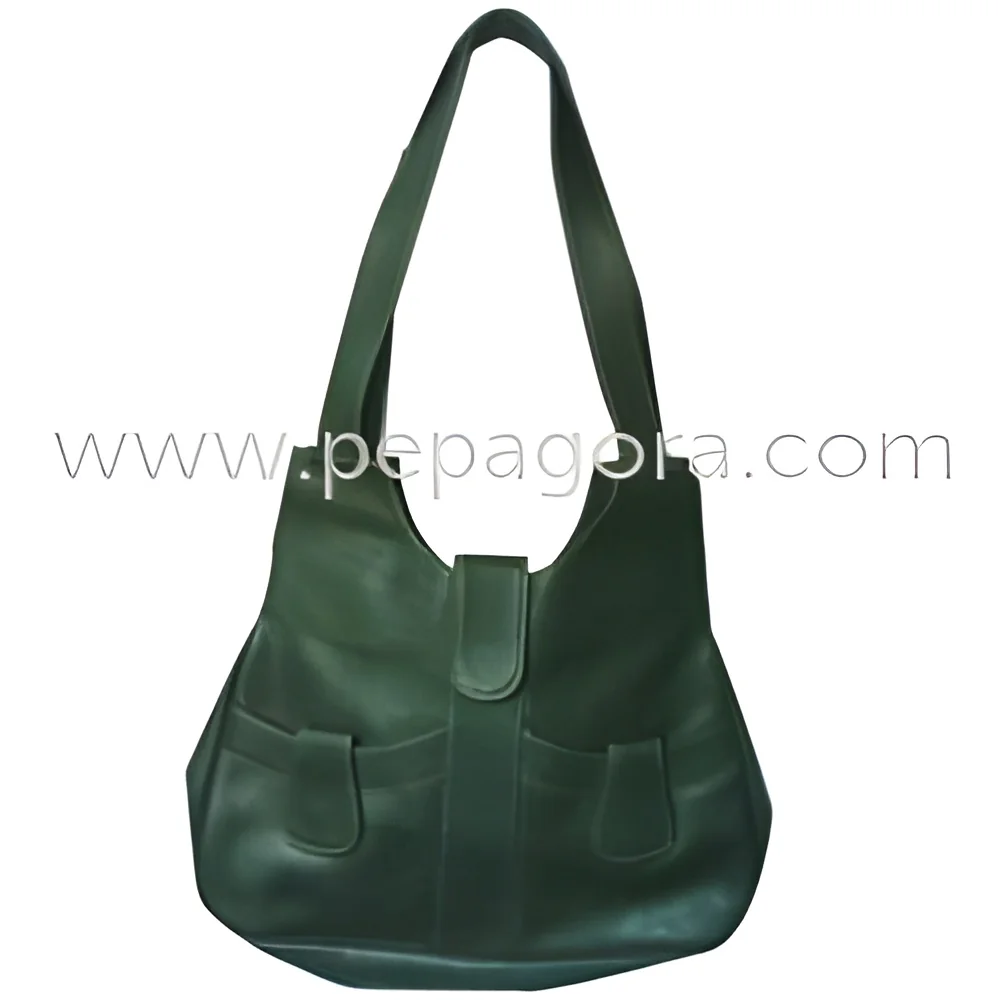
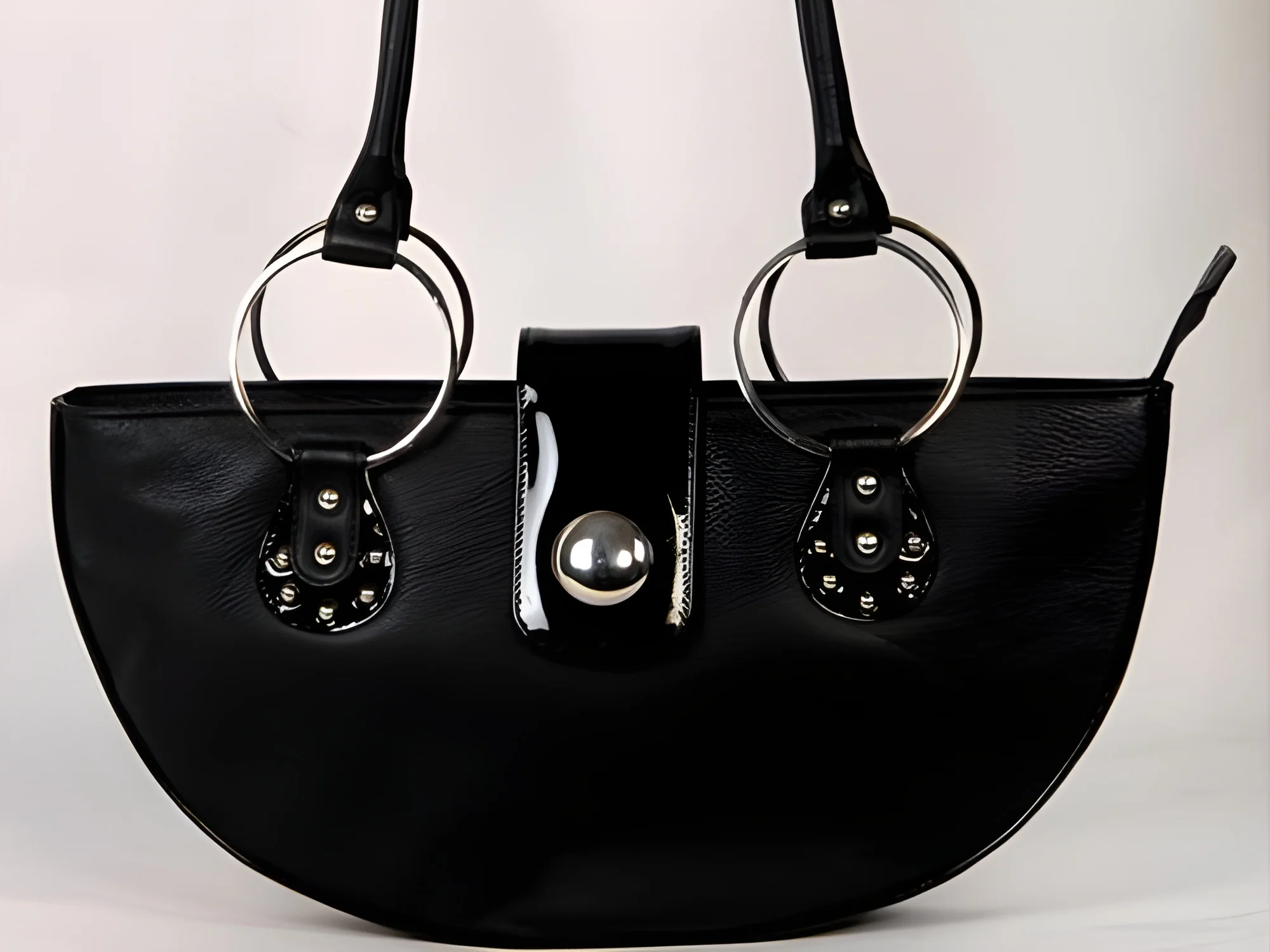
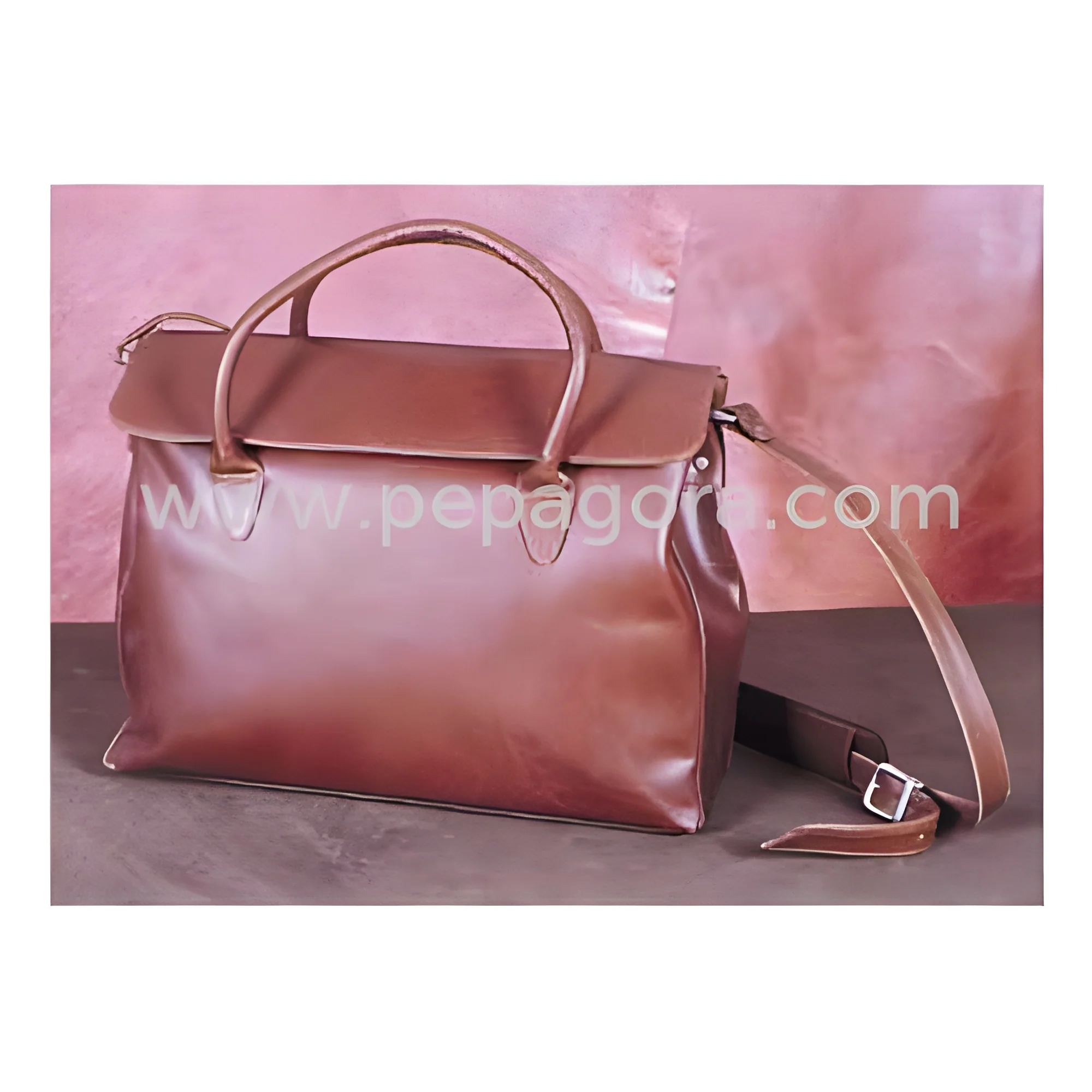
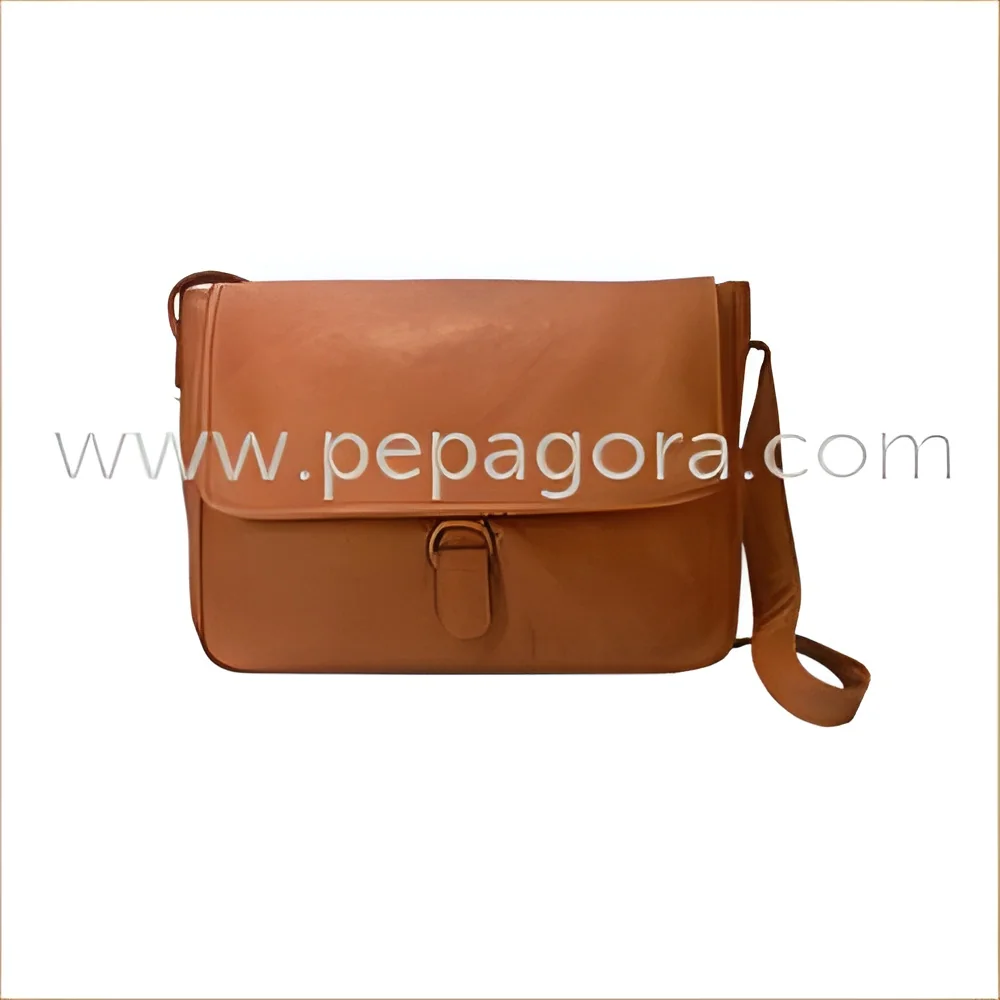
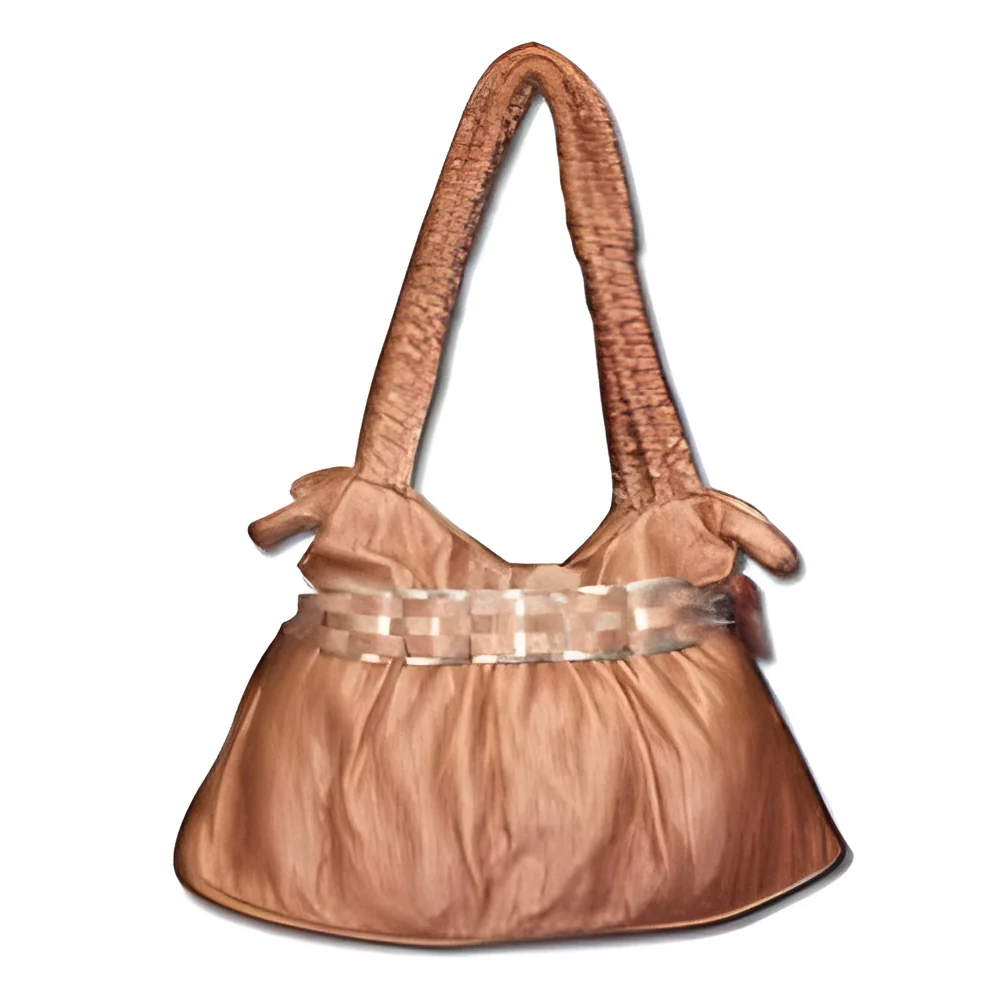
Shoulder bags are designed for convenience, featuring long straps that allow them to be carried over the shoulder. They range from casual to sophisticated styles, catering to various needs.
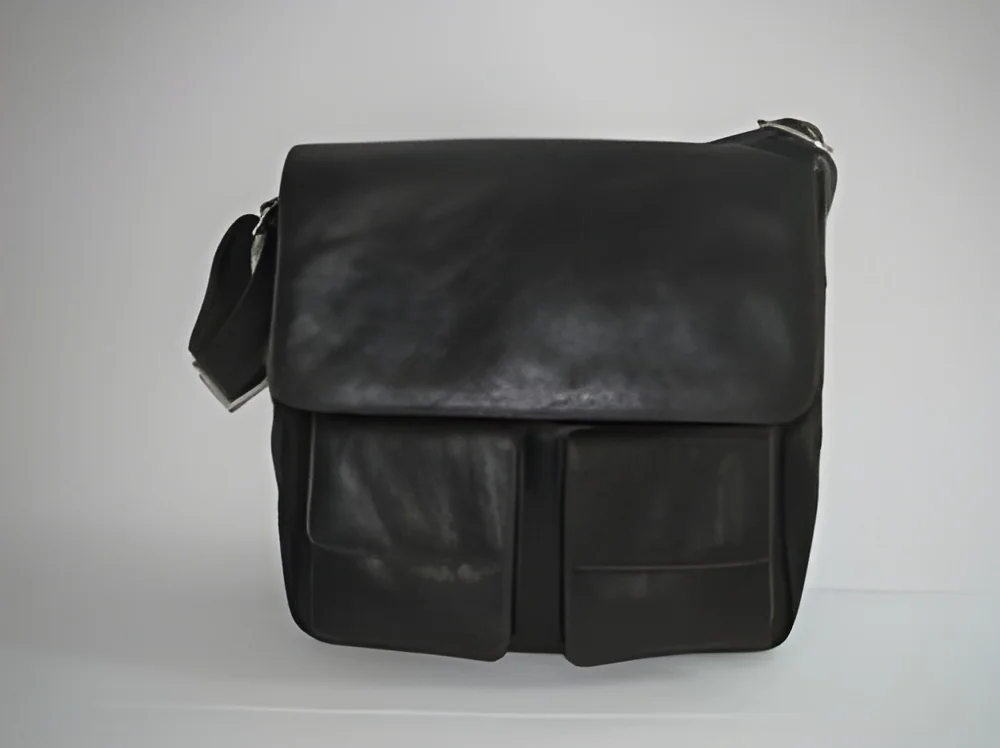
Crossbody Bags
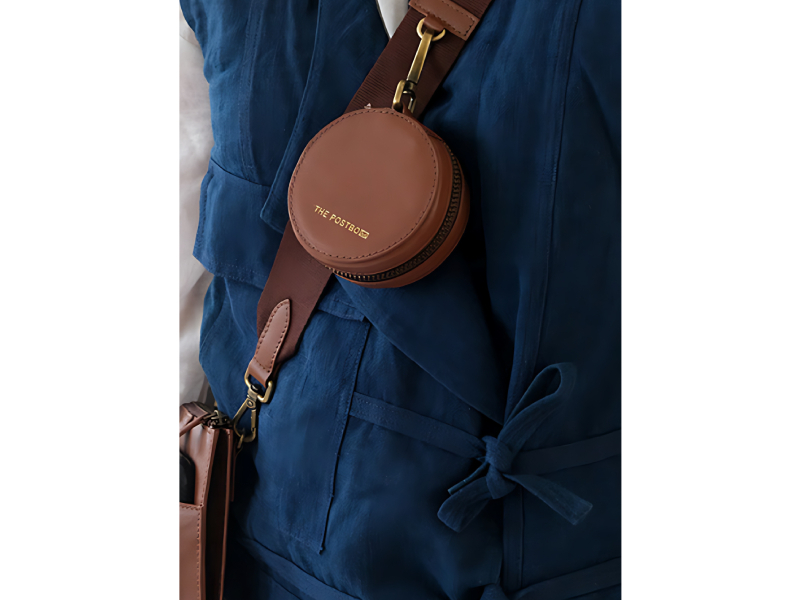
Crossbody bags offer a secure and hands-free carrying option, ideal for those on the go. They are typically smaller in size and designed for easy access.
Benefits and Advantages
Women's handbags provide numerous benefits that enhance their appeal to consumers and businesses alike.
1. Versatility: Handbags come in various styles and sizes, making them suitable for different occasions and outfits, from casual to formal.
2. Functionality: With multiple compartments and pockets, handbags offer organized storage for personal items, enhancing convenience for users.
3. Fashion Statement: Women's handbags serve as fashion accessories that can elevate an outfit, allowing individuals to express their personal style.
4. Brand Promotion: Custom handbags can be used as promotional items, effectively increasing brand visibility and customer engagement.
5. Quality Craftsmanship: High-quality materials and craftsmanship ensure durability and longevity, providing value for consumers over time.
6. Trend Adaptability: Handbags are continually evolving with fashion trends, allowing brands to cater to changing consumer preferences and demands.
Buying Guide for B2B Buyers
When sourcing women's handbags, buyers should consider several critical factors to ensure they make informed purchasing decisions.
1. Quality Assessment: Evaluate the quality of materials and craftsmanship. Look for handbags that are well-constructed and durable to withstand regular use.
2. Supplier Verification: Conduct thorough research to verify suppliers' credibility. Check for reviews, certifications, and industry reputation to ensure reliable partnerships.
3. Pricing and MOQ: Understand the pricing structure and minimum order quantities (MOQ) offered by suppliers. This will help in budgeting and aligning with business needs.
4. Delivery and Lead Times: Inquire about delivery schedules and lead times. Timely delivery is crucial for maintaining inventory and meeting customer demands.
5. Compliance Requirements: Ensure that handbags meet relevant compliance and safety standards. Research any regional regulations that may impact sourcing decisions.
Compliance and Certifications
Women's handbags are subject to various quality standards and regulations to ensure safety and consumer satisfaction. While specific standards for handbags may not be universally defined, several key certifications and compliance measures are relevant in the industry.
ISO 9001 is a widely recognized standard for quality management systems. Manufacturers adhering to ISO 9001 demonstrate their commitment to consistent quality and customer satisfaction.
CE marking indicates compliance with European health, safety, and environmental protection standards. Handbags sold in European markets should meet these requirements to ensure consumer safety.
Safety and testing requirements may vary based on materials used in handbag production. It is essential for manufacturers to conduct appropriate testing to guarantee that materials are safe for use.
Regional compliance considerations are also important, as different countries may have specific regulations regarding materials, labeling, and product safety. Understanding these requirements can help businesses avoid potential legal issues and ensure successful market entry.
Why Source Women's Handbags from Pepagora?
Pepagora offers a reliable platform for sourcing women's handbags, bringing several key advantages to B2B buyers.
Verified Supplier Network: Pepagora connects buyers with a network of verified suppliers. This ensures that businesses can source quality handbags from reputable manufacturers, minimizing risks associated with unreliable suppliers.
Streamlined RFQ Process: The Request for Quotation (RFQ) process on Pepagora is designed to be efficient and user-friendly. Buyers can easily submit their requirements and receive quotes from multiple suppliers, facilitating better purchasing decisions.
Trade Assurance and Support: With trade assurance features, Pepagora provides protection for buyers, ensuring that transactions are secure and that products meet agreed-upon standards.
Regional Coverage: Pepagora serves a broad geographic market, including India, the GCC, and Southeast Asia. This extensive reach allows buyers to access diverse suppliers and products, enhancing their sourcing options.

 IN
IN