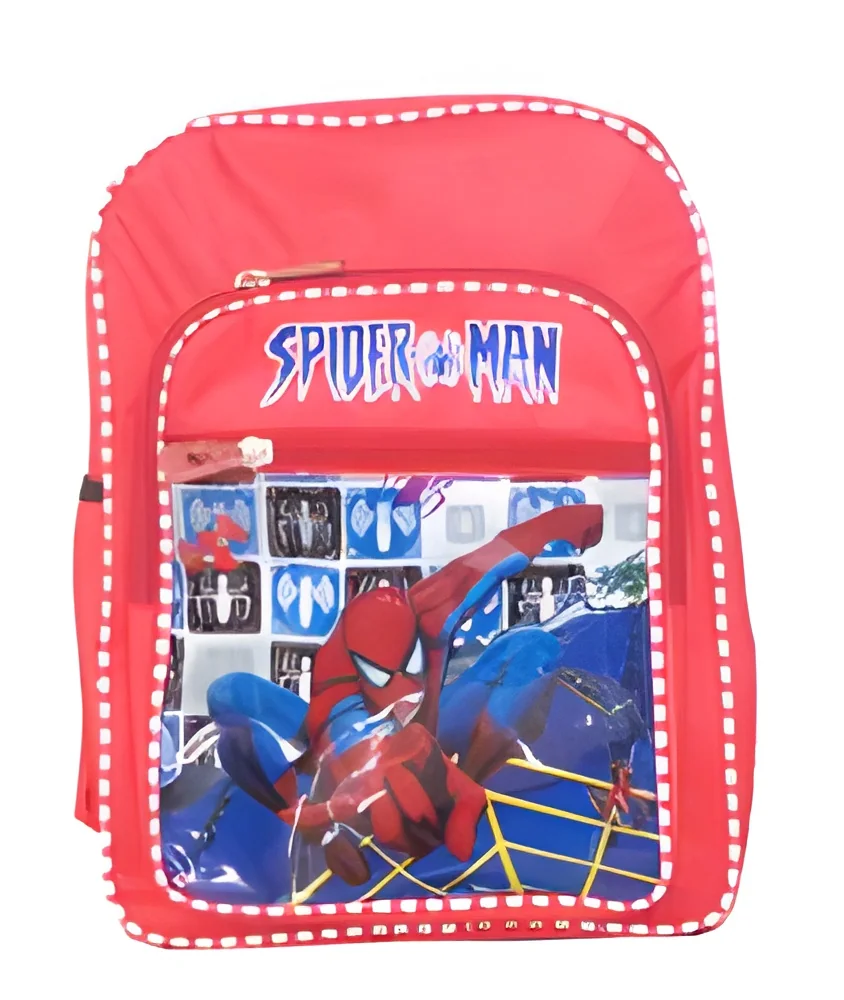
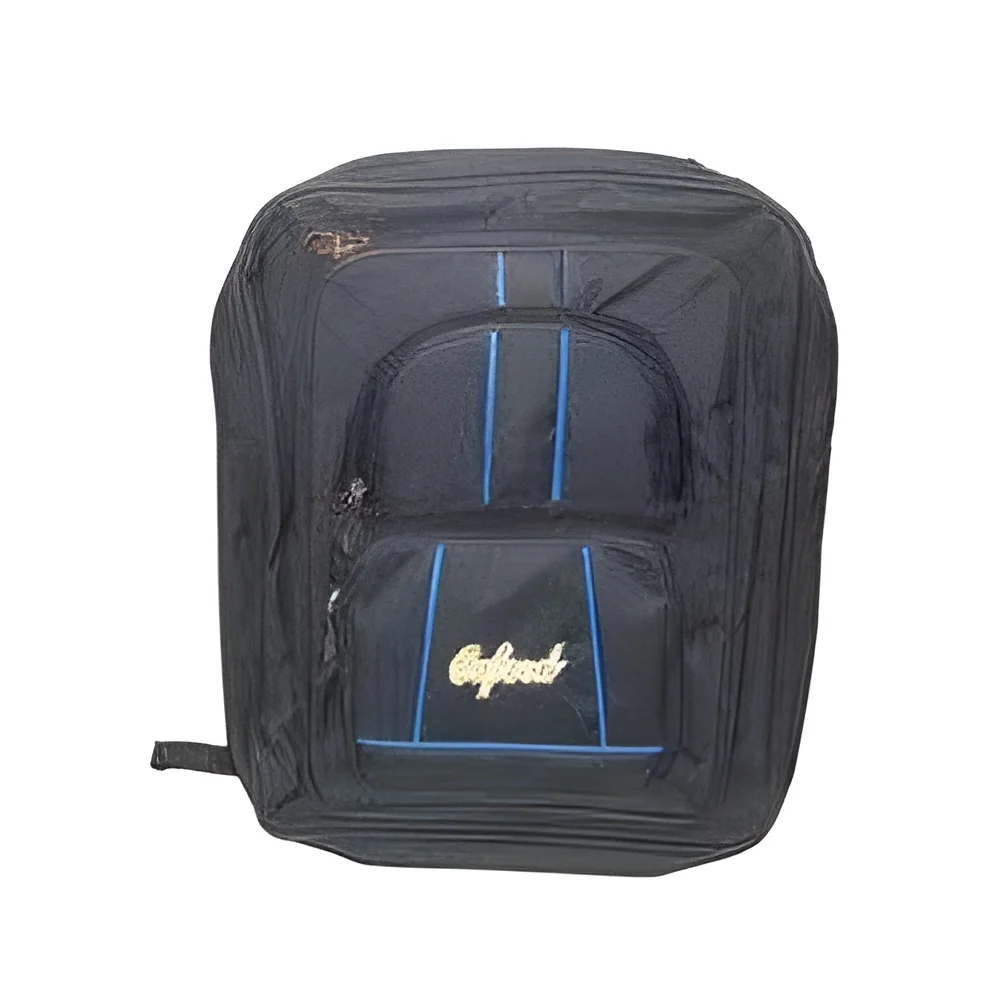
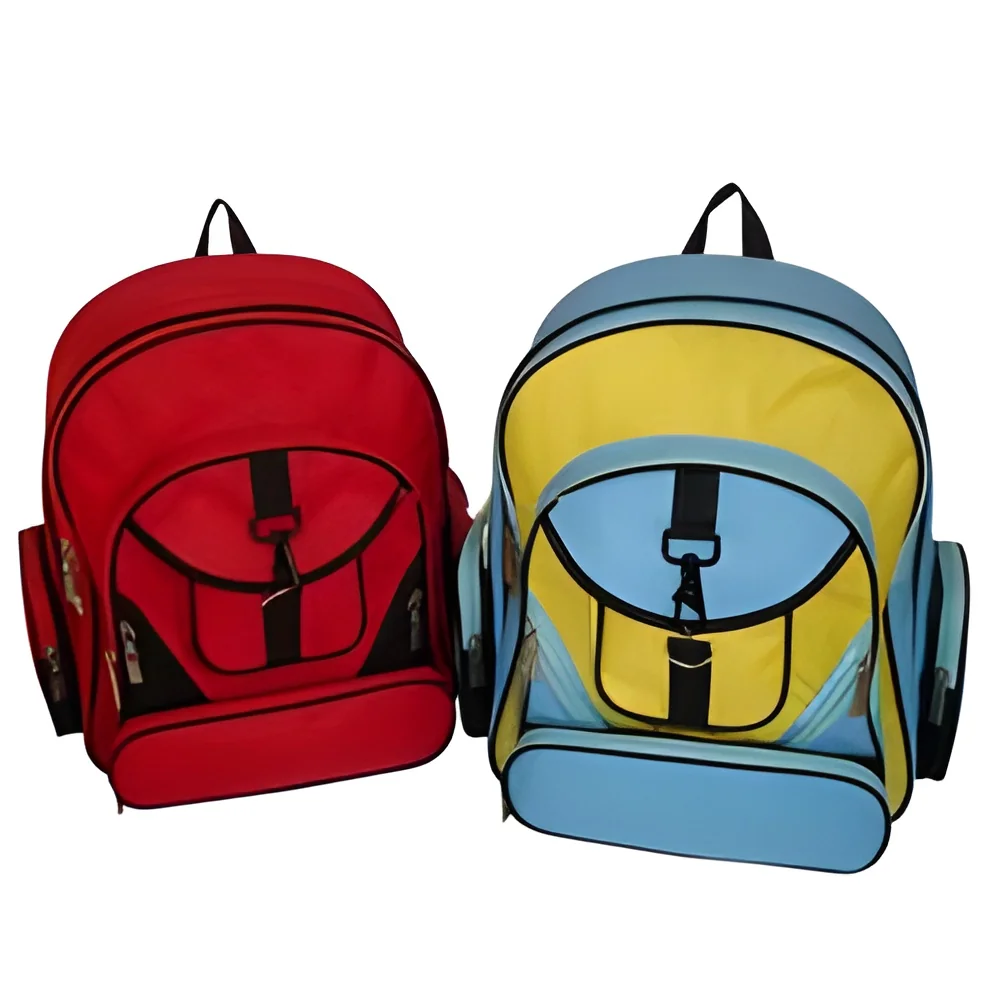
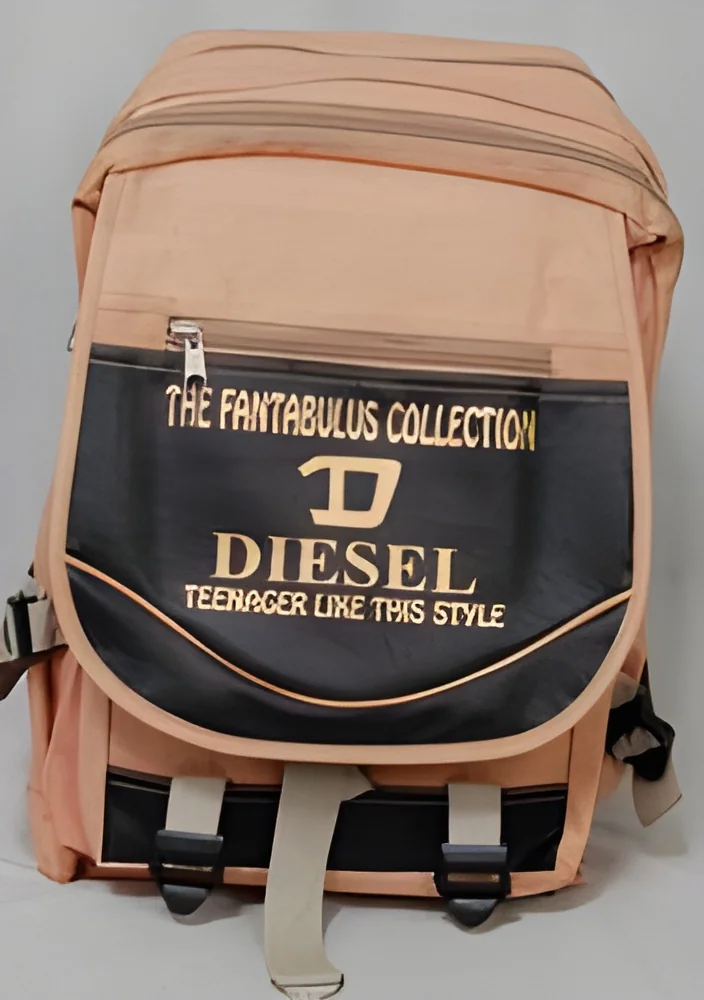
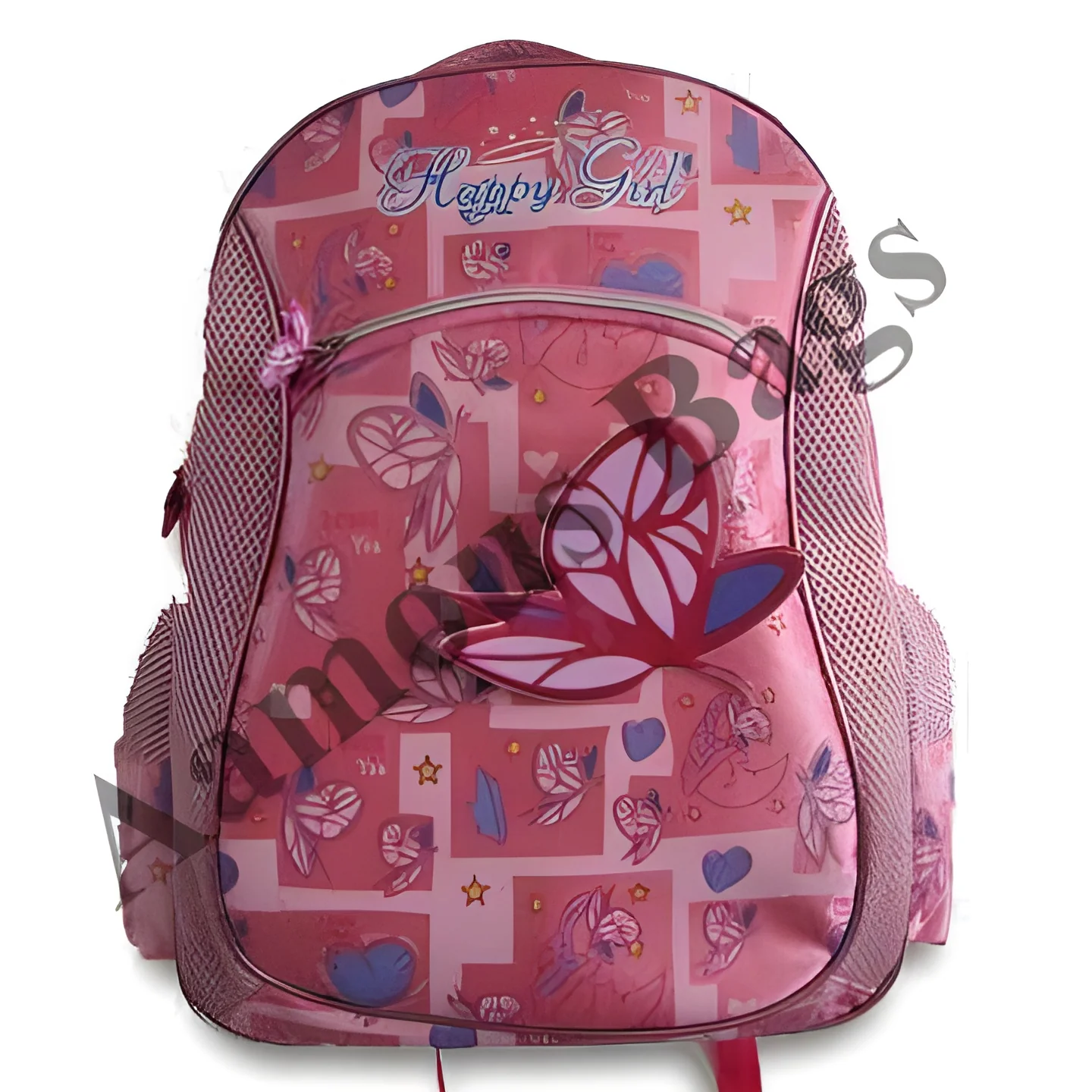
What are School Bags?
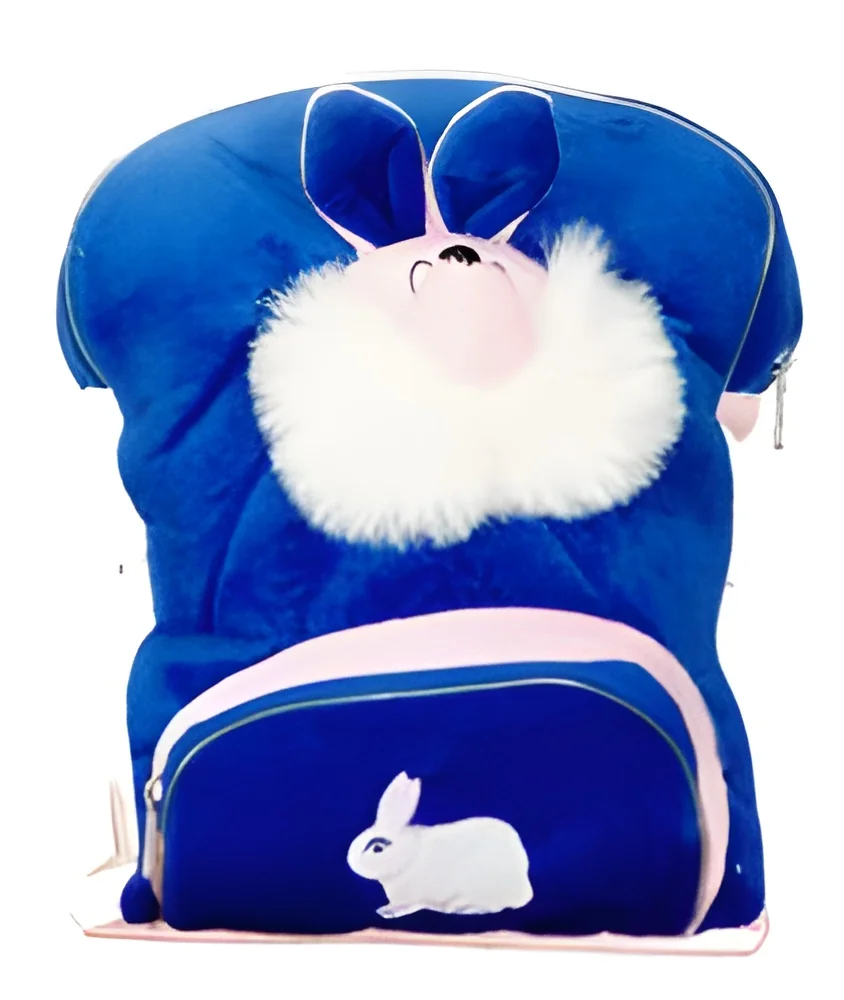
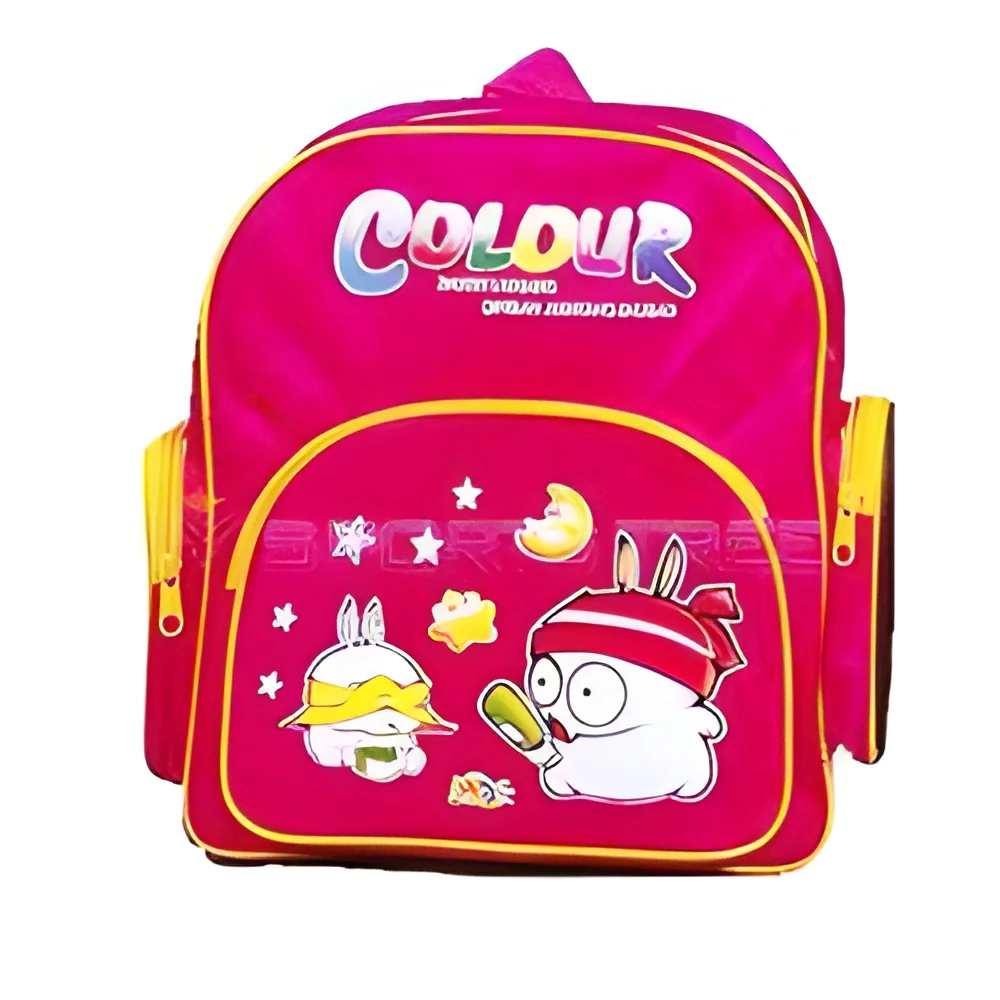
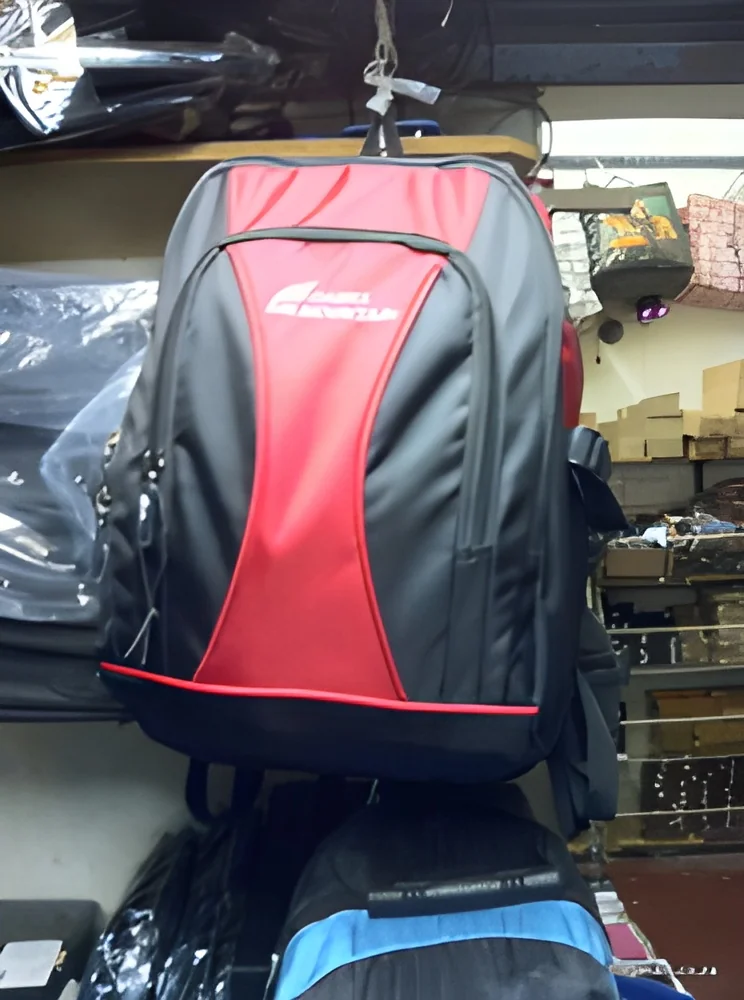
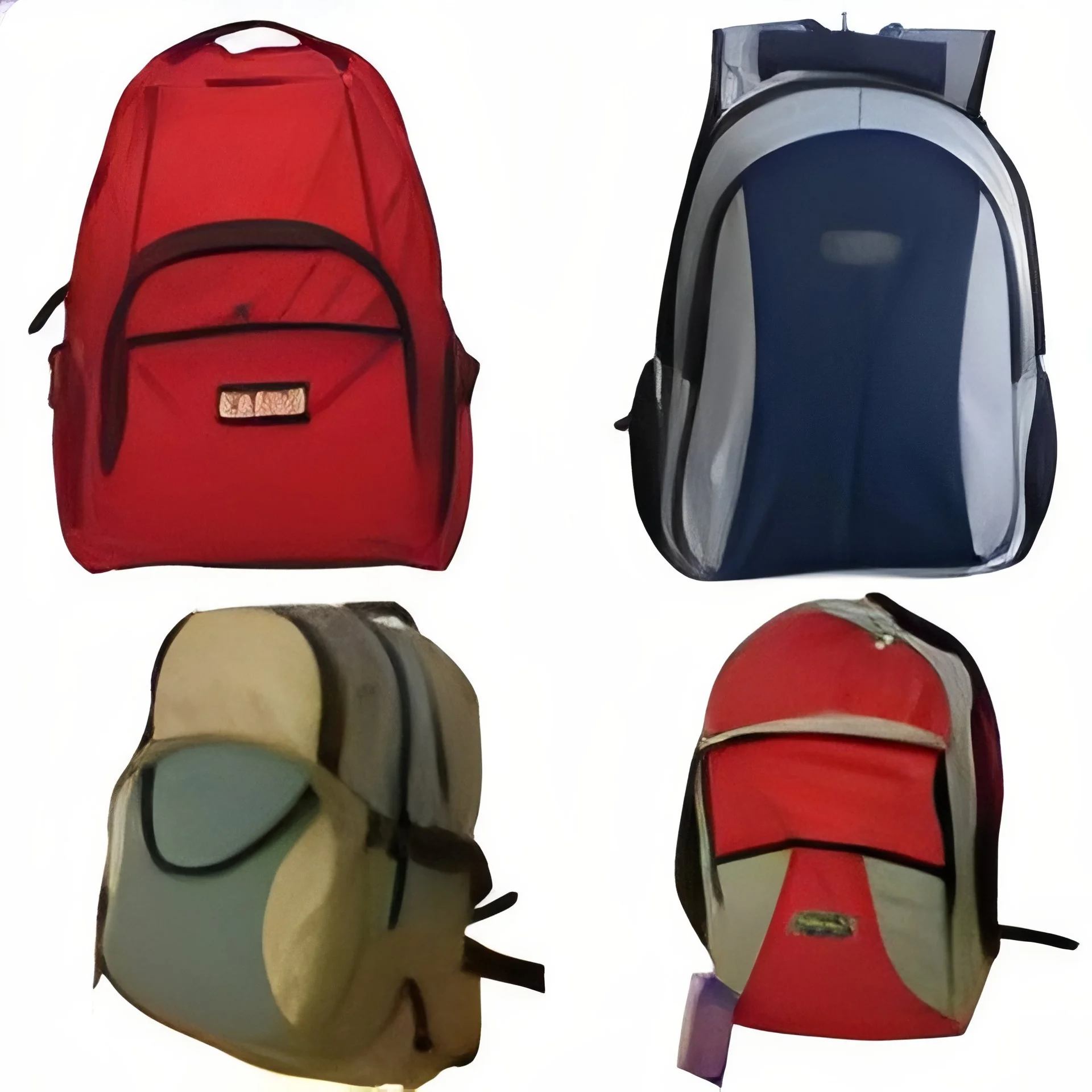
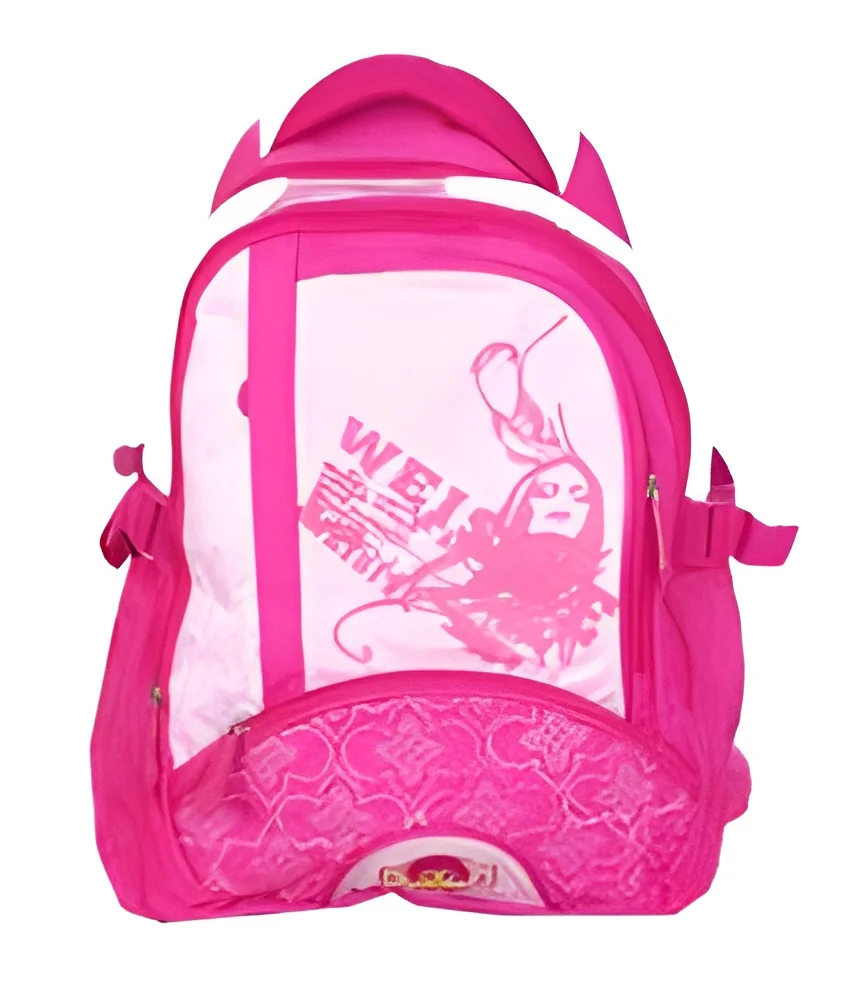
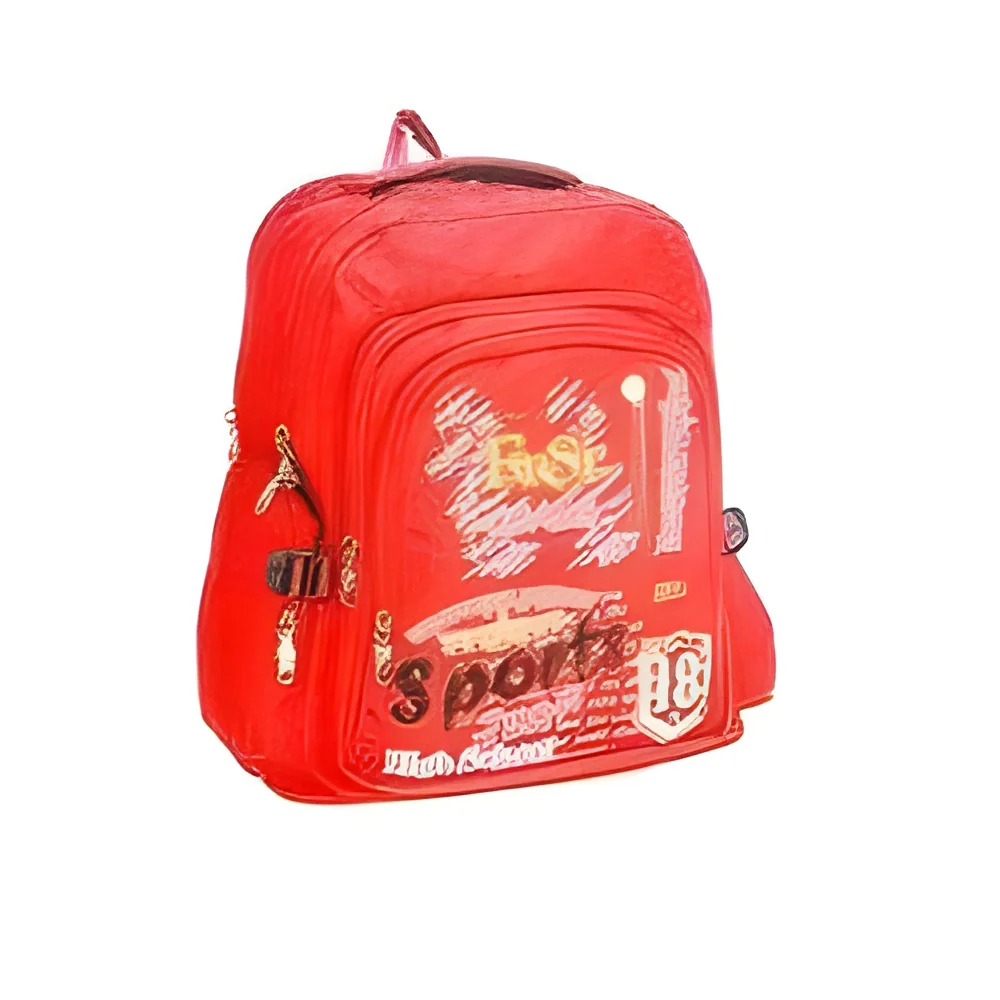
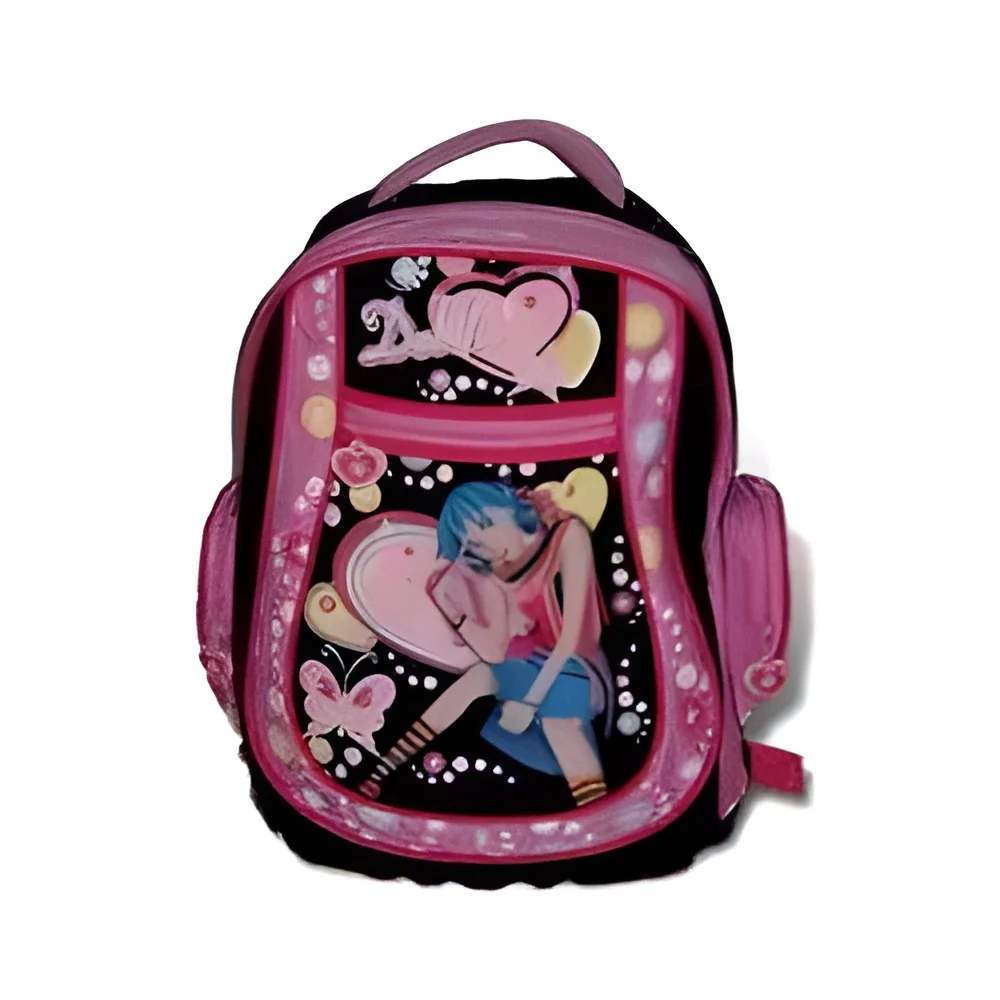
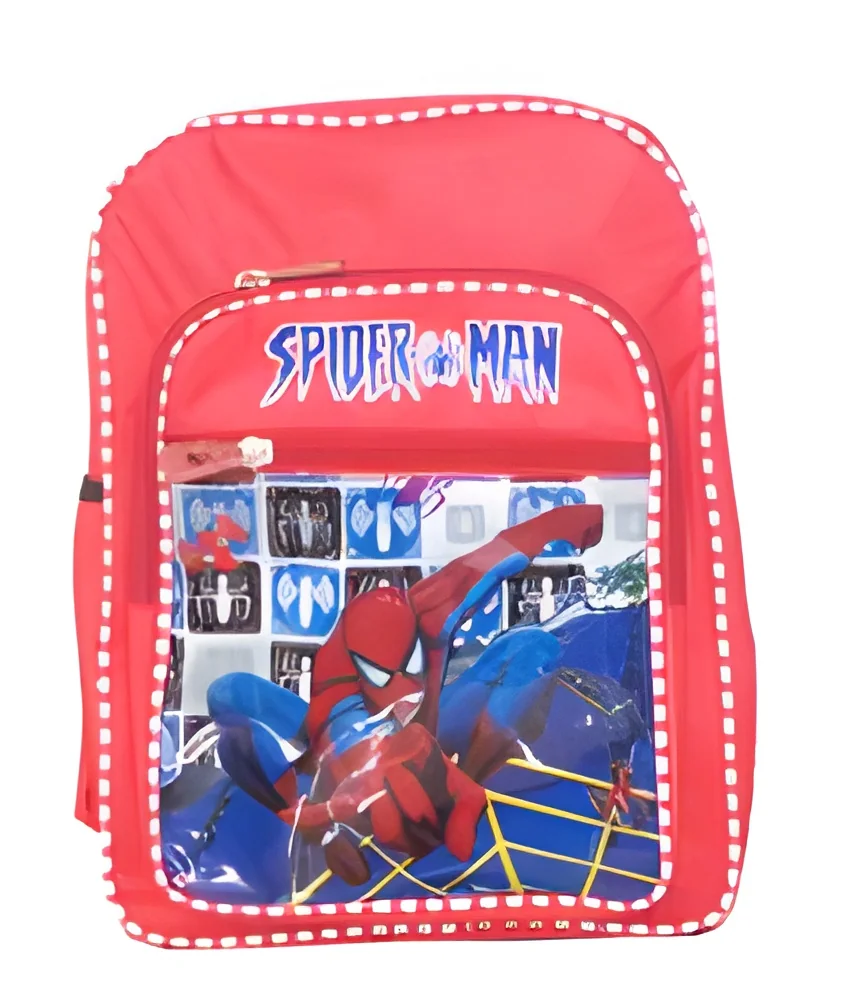
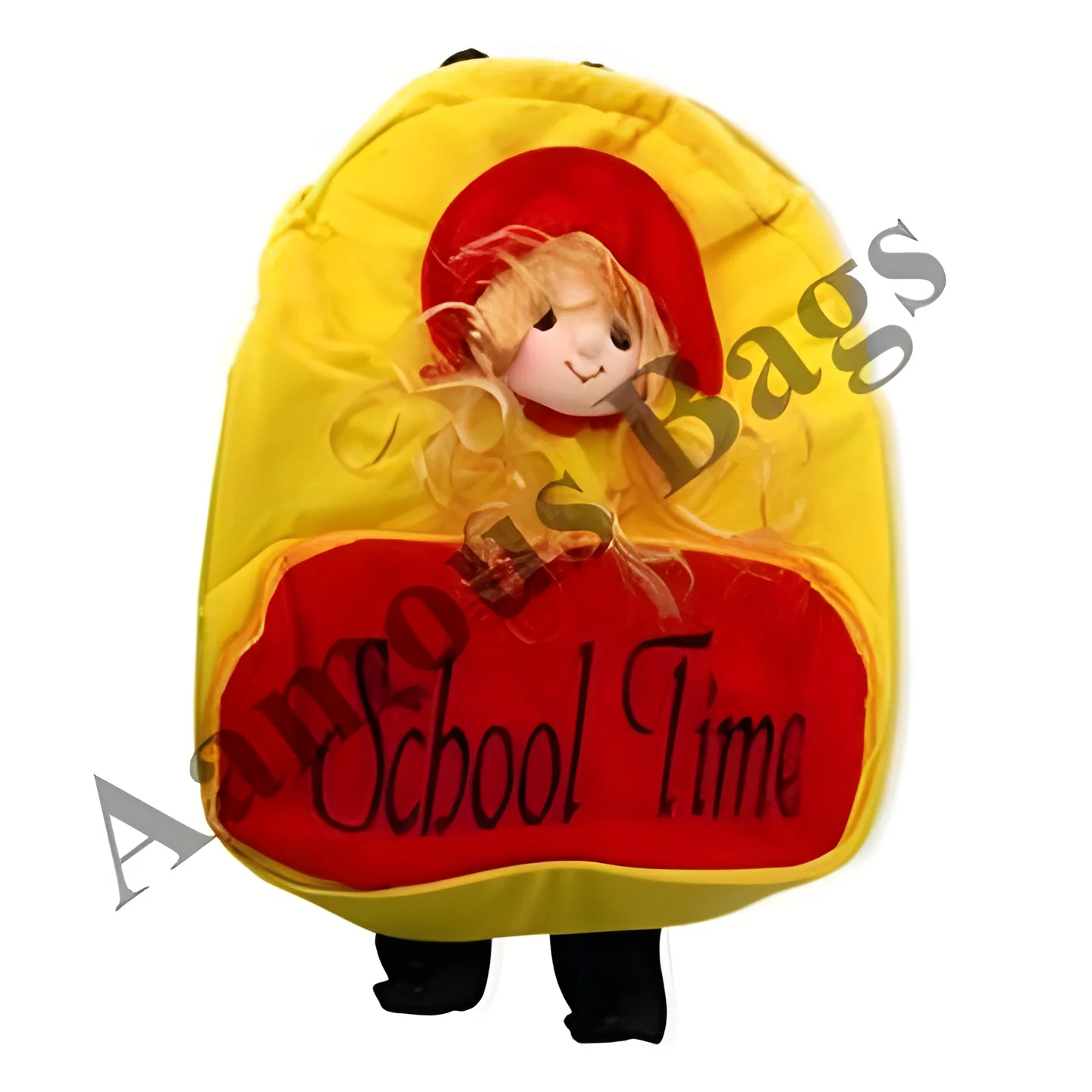
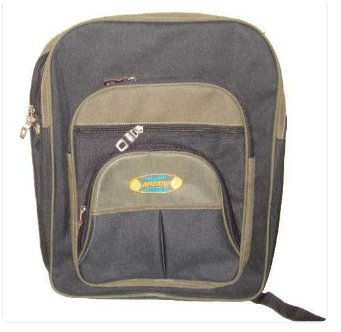
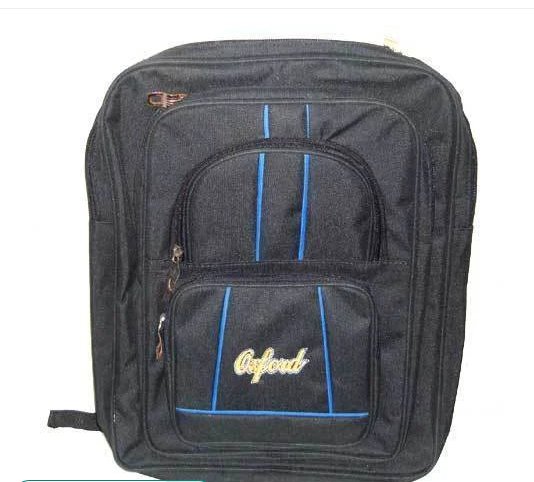
School bags are essential accessories designed to carry educational materials and personal items for students of all ages. They come in various shapes, sizes, and materials, tailored specifically to meet the needs of school-going children. These bags typically feature compartments for books, stationery, and sometimes even electronic devices, ensuring that students can organize their belongings effectively. The design of school bags often incorporates ergonomic features to support the comfort and health of young users.
In a business context, school bags are primarily used by educational institutions, retailers, and distributors. Schools may purchase these bags in bulk for students, while retailers stock them for direct sale to parents. The market for school bags is significant, driven by the annual back-to-school shopping season and ongoing demand for durable, stylish, and functional bags. As educational trends evolve, so does the design and functionality of school bags, making them relevant in a competitive retail landscape.
Key Features and Specifications
School bags are designed with a range of features and specifications to suit various user needs. Understanding these specifications is crucial for businesses looking to procure quality products. Key specifications include:
1. Material
- Common materials include polyester, nylon, and canvas.
- Durability and water-resistance levels may vary.
2. Size
- Available in various sizes, typically ranging from mini to large.
- Dimensions often cater to different age groups.
3. Weight
- Lightweight designs are preferred for easy carrying.
- Typical weight ranges from 300 grams to 1 kilogram.
4. Compartments
- Multiple compartments for organization are standard.
- Specialized pockets for laptops and water bottles may be included.
5. Straps
- Adjustable padded shoulder straps for comfort.
- Some models feature additional chest or waist straps for support.
6. Safety Features
- Reflective strips for visibility in low light.
- Lockable zippers in some designs for security.
7. Customization Options
- Many suppliers offer branding options for schools or organizations.
- Color and design customization may also be available.
8. Price Range
- Generally varies based on material and design complexity.
- Bulk purchasing can lead to discounts.
These specifications ensure that school bags meet the varying needs of students and educational institutions, making them a valuable product in the marketplace.
Common Applications and Use Cases
School bags serve various industries beyond just education. Their versatility makes them suitable for multiple applications:
1. Educational Institutions: Schools often purchase bags in bulk for students, providing a standardized option for all learners.
2. Retail: Retailers stock school bags to cater to parents shopping for back-to-school supplies, often highlighting seasonal trends.
3. Corporate Gifting: Companies may use school bags as promotional items or corporate gifts, especially in educational or family-oriented sectors.
4. NGOs: Non-profit organizations often distribute school bags to underprivileged children as part of educational support initiatives.
5. Sports and Extracurricular Activities: Some school bags are designed for specific uses, such as carrying sports gear or art supplies.
6. Travel: Lightweight and durable school bags can double as versatile travel bags for family trips.
7. Online Marketplaces: E-commerce platforms offer a wide variety of school bags, allowing consumers to compare prices and features easily.
Product Variants and Subcategories
School bags come in a range of variants to cater to different needs and preferences.
Backpacks
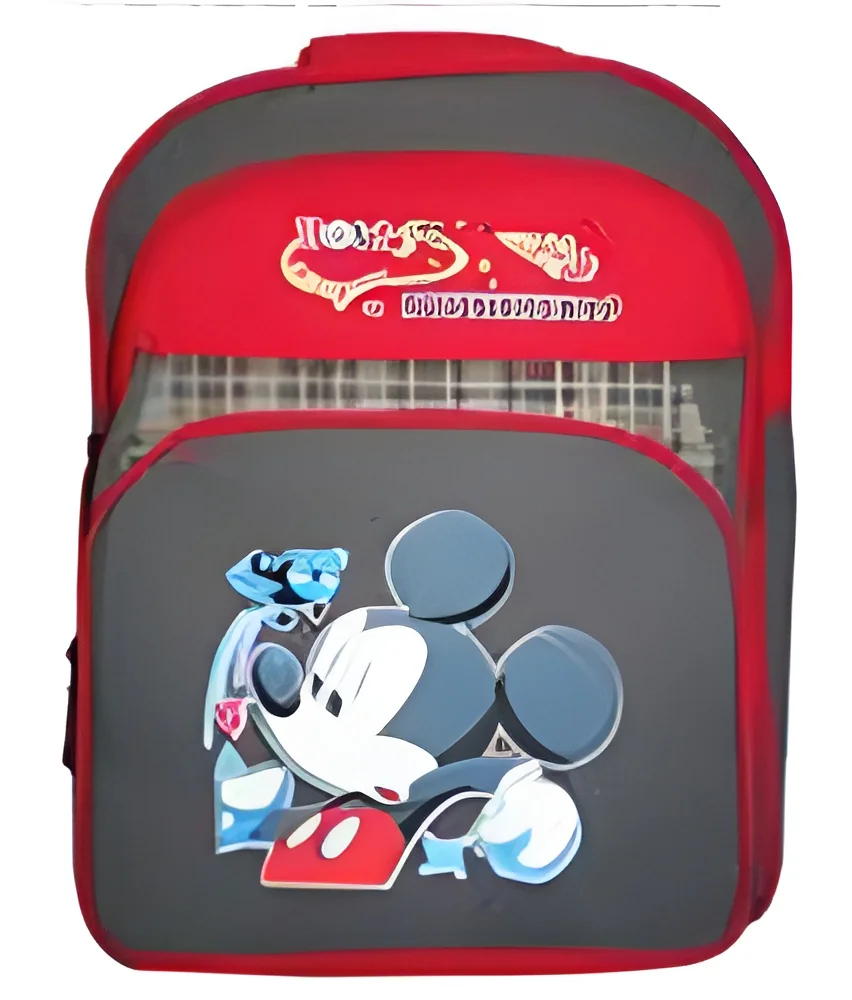
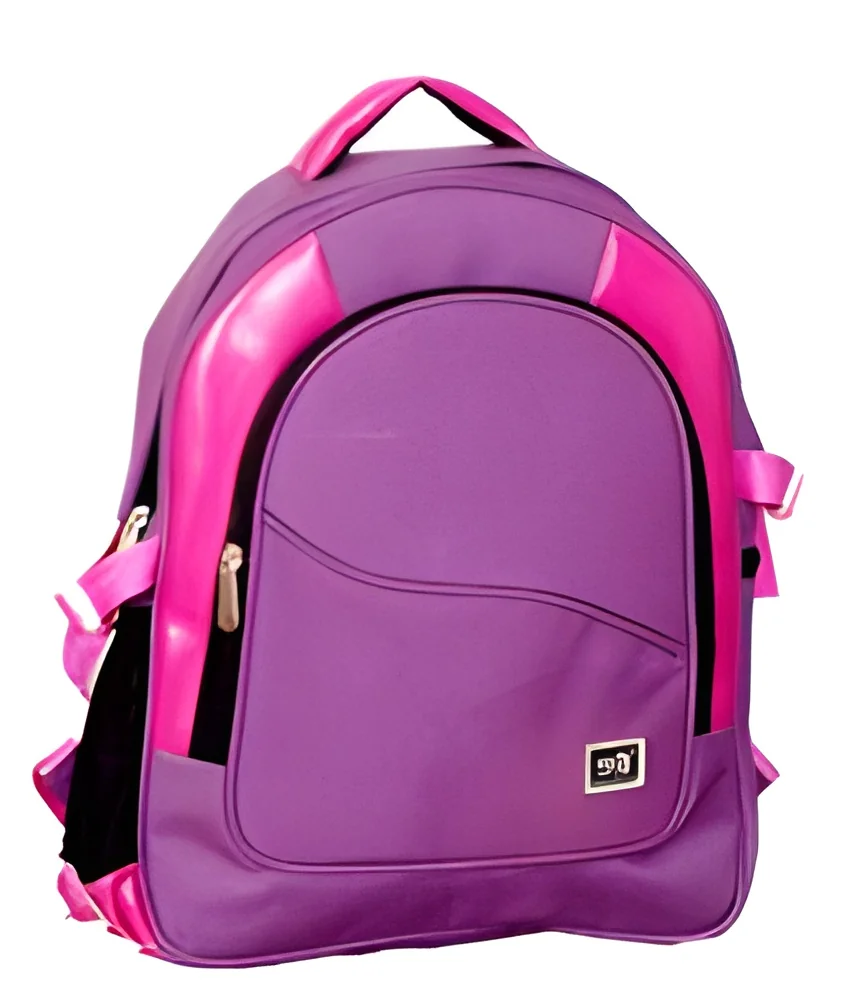
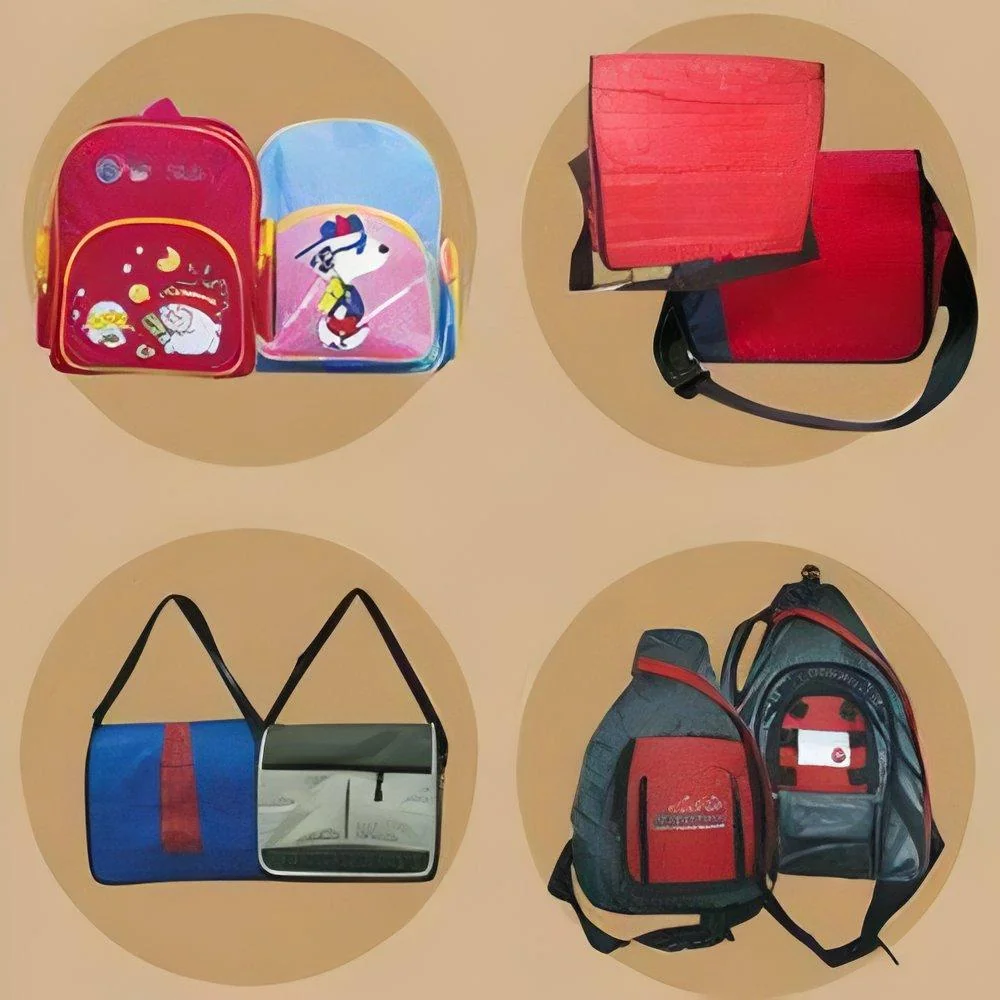
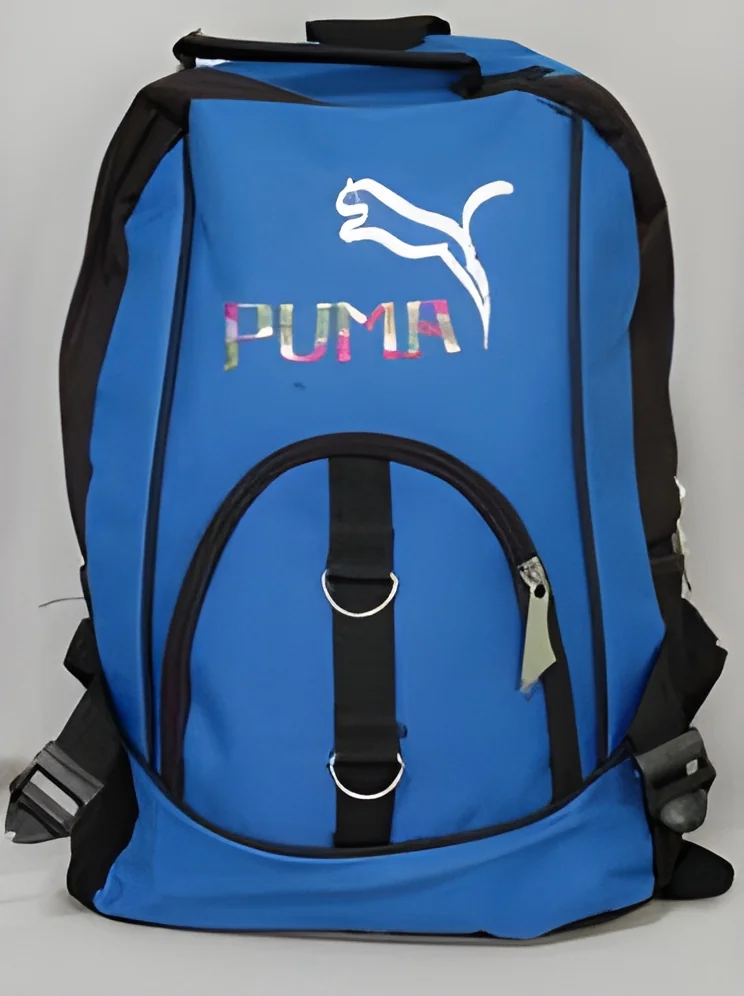
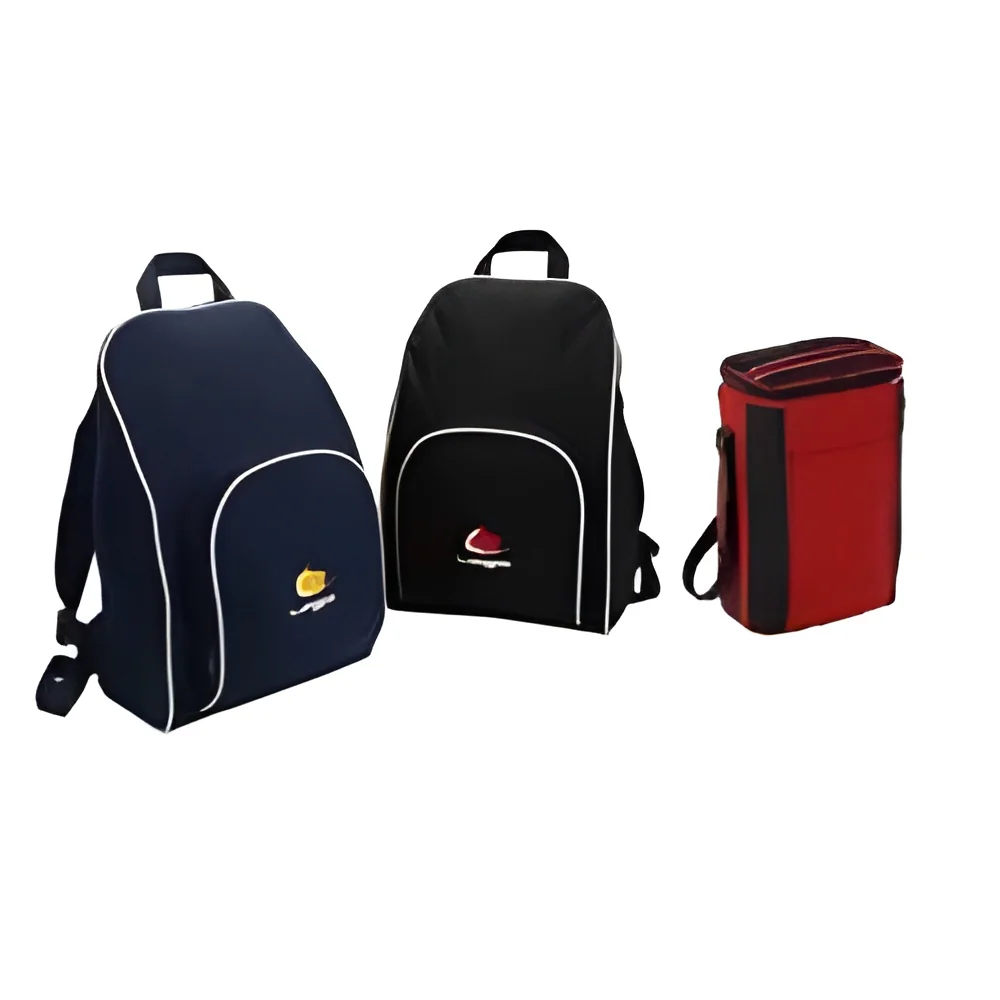
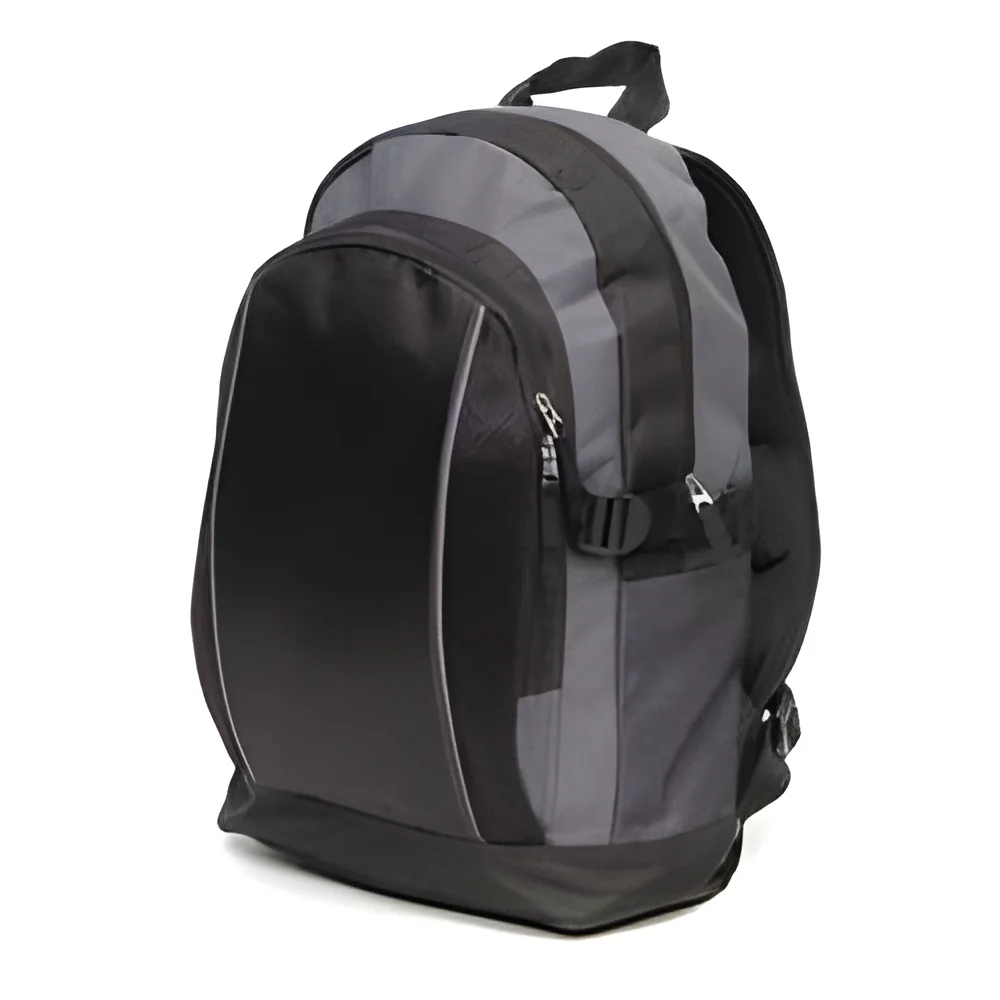
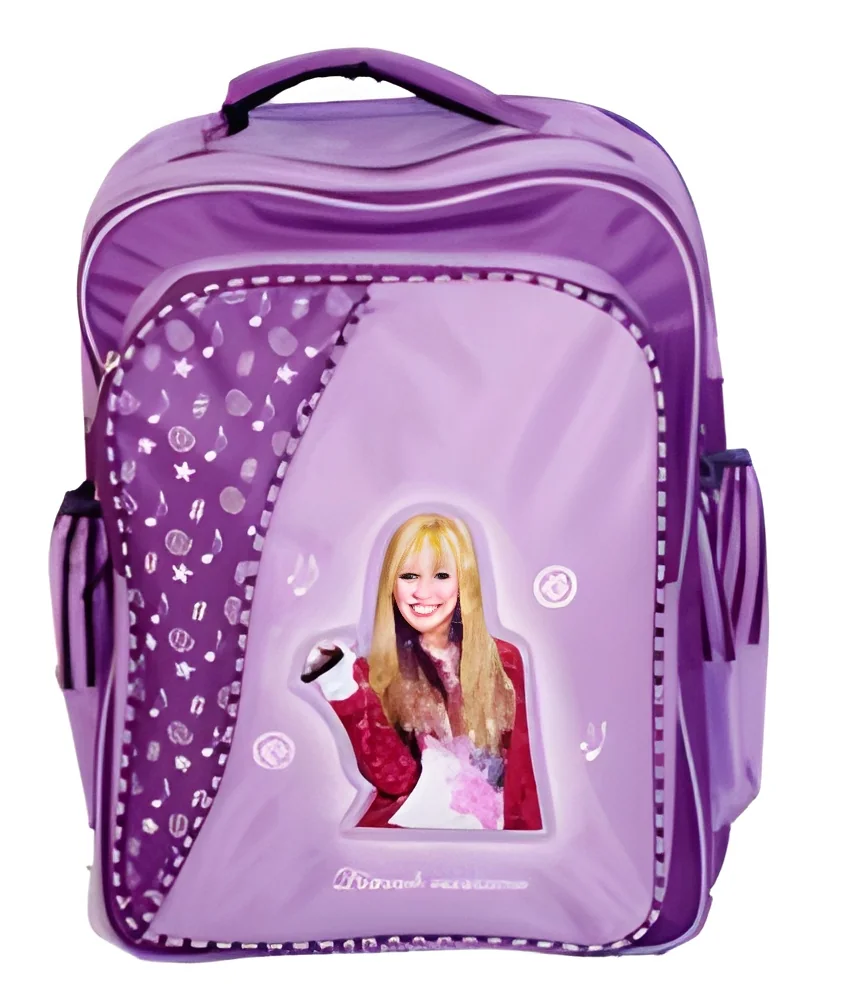
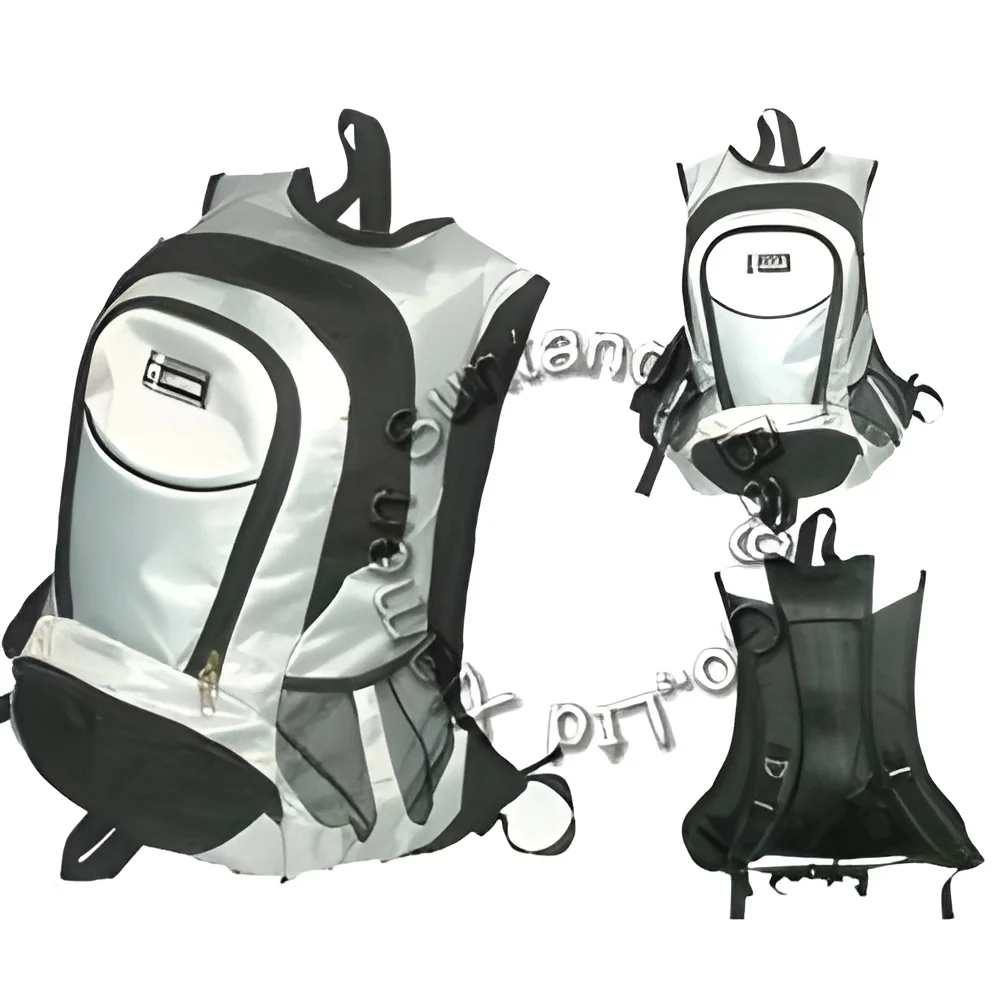
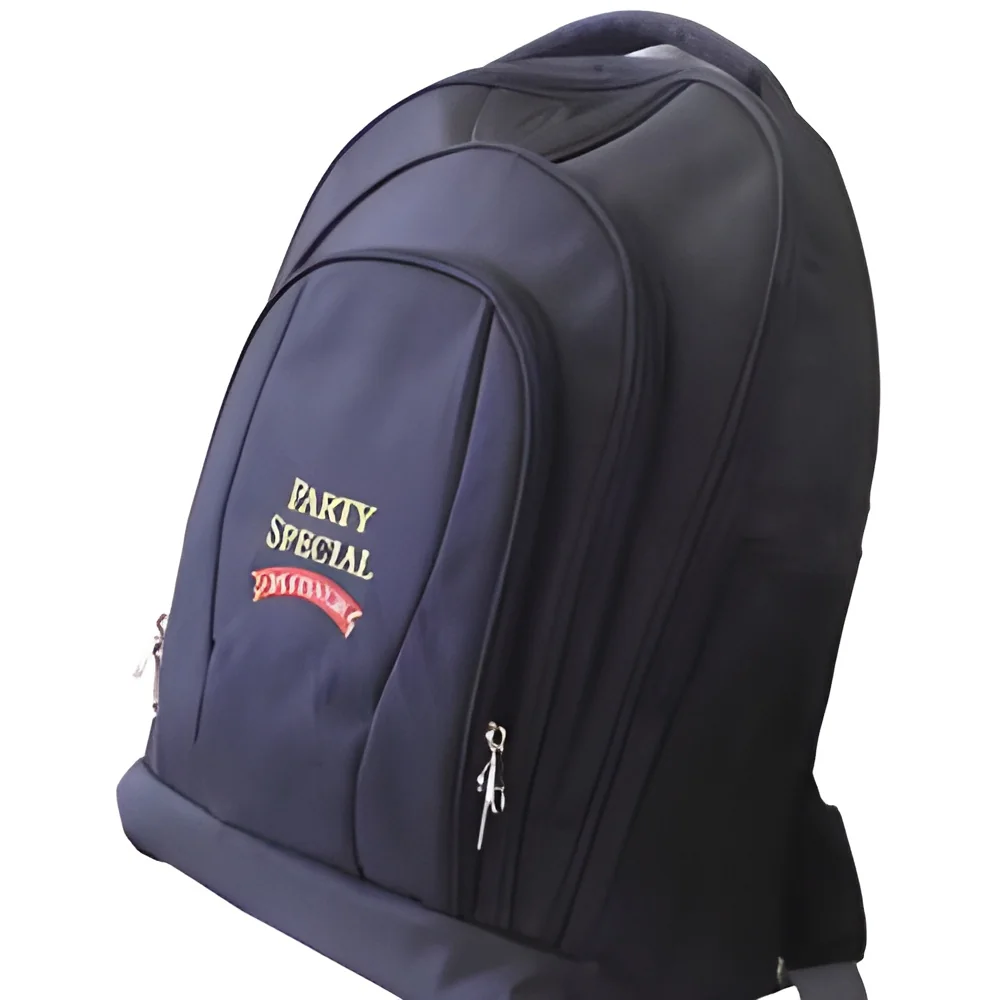
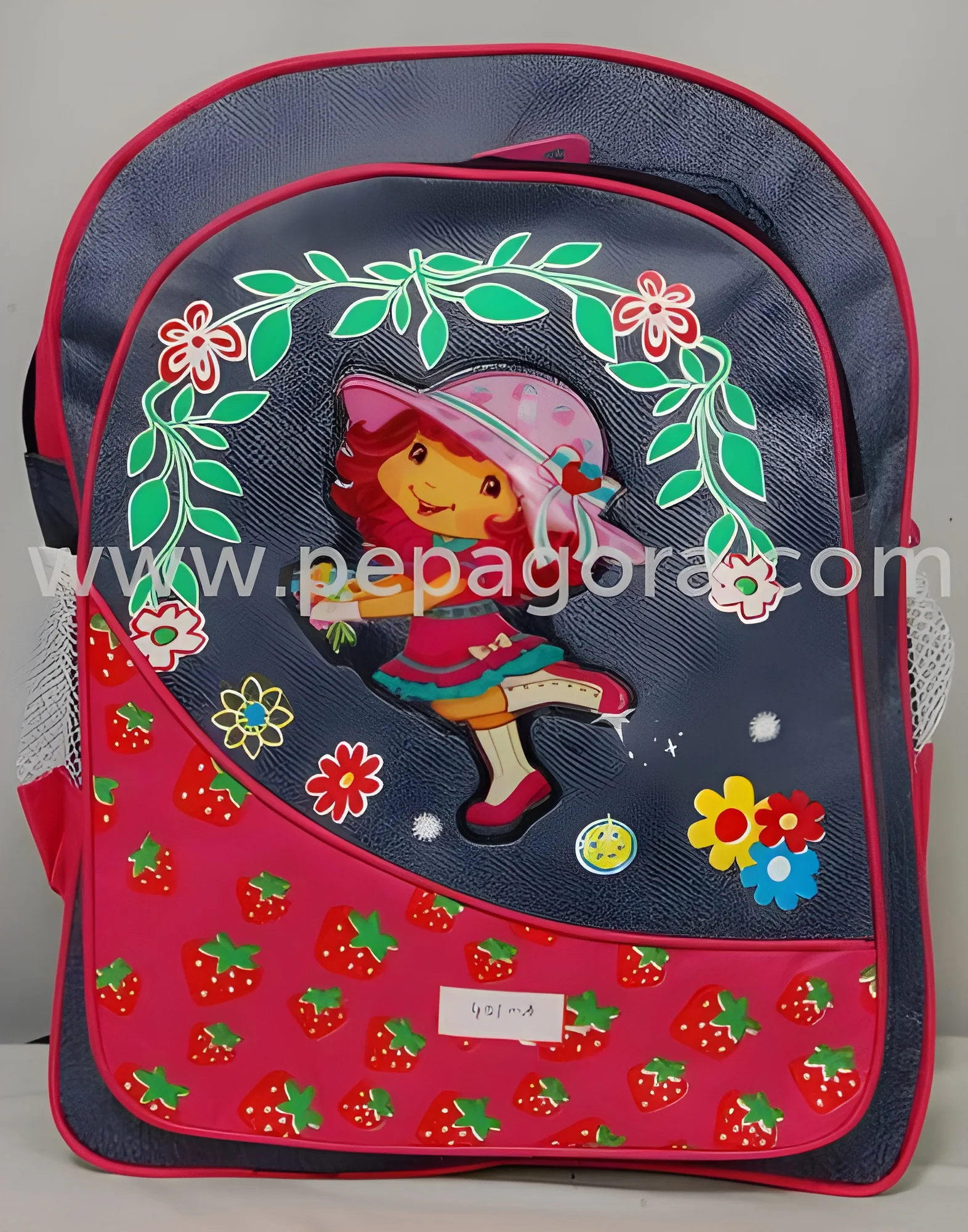
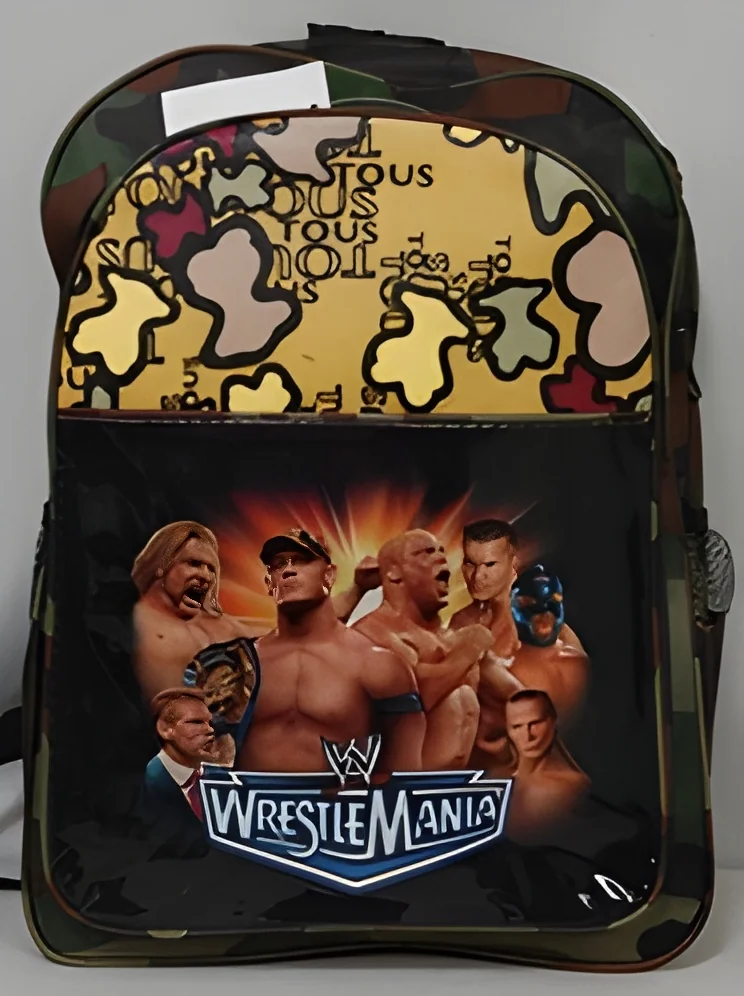
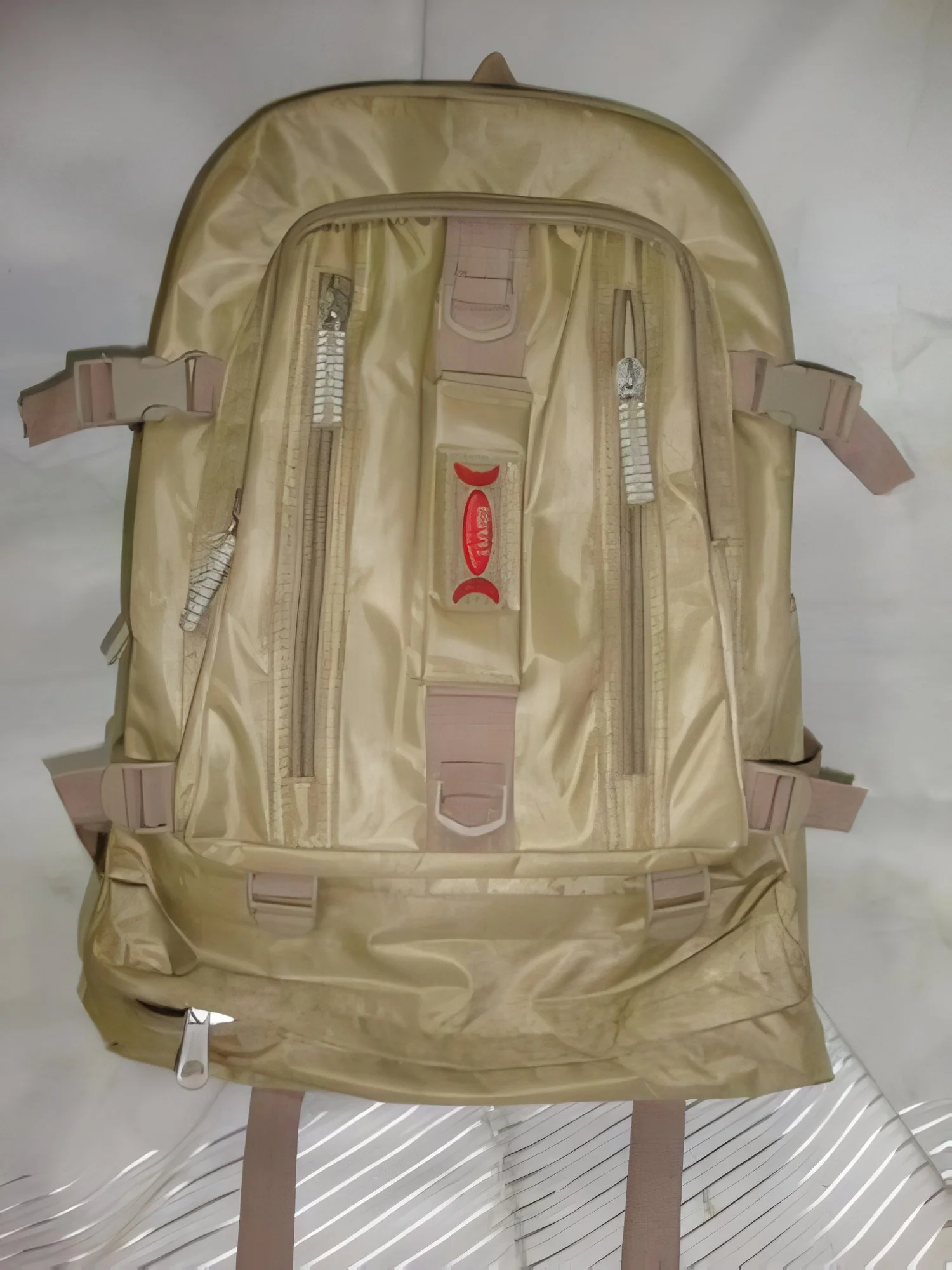
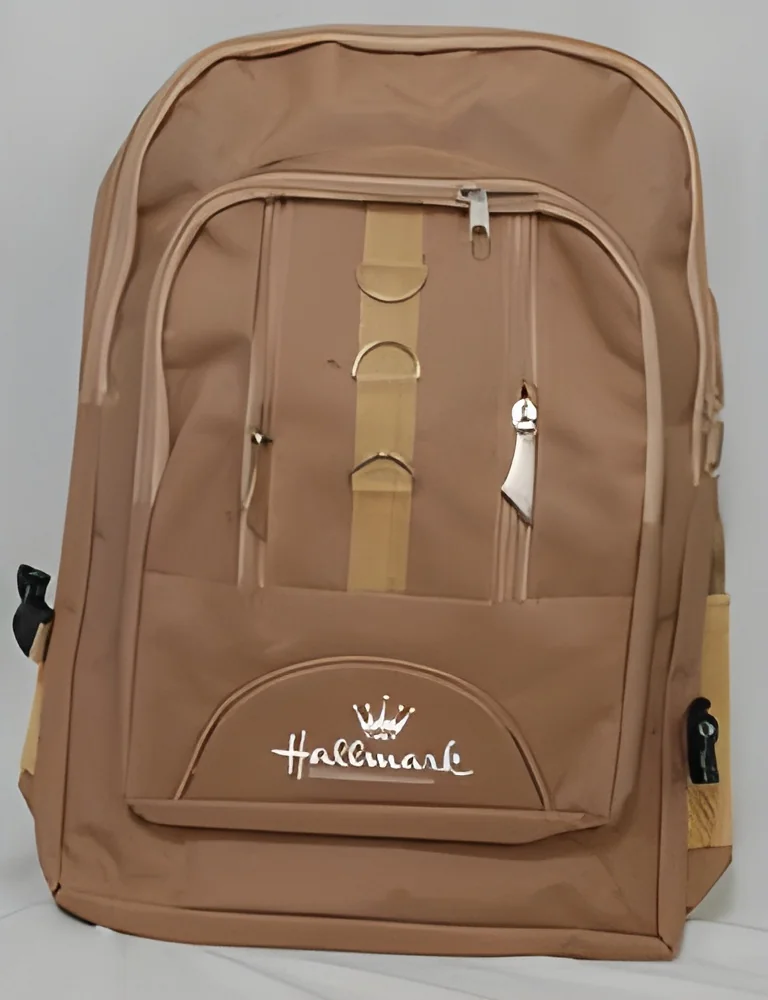
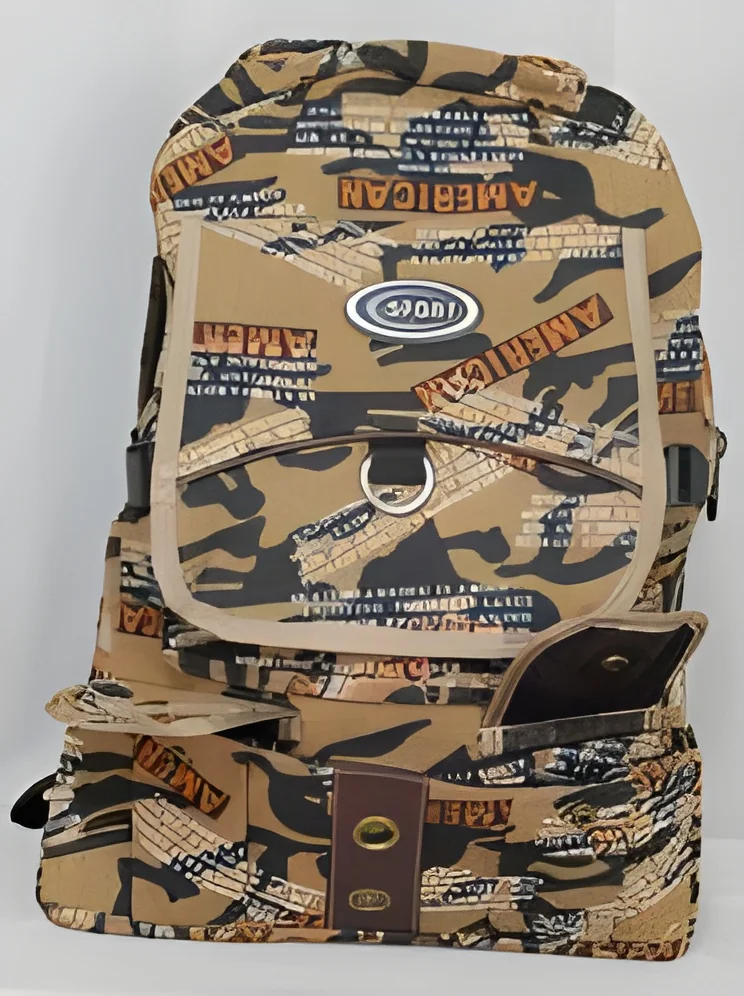
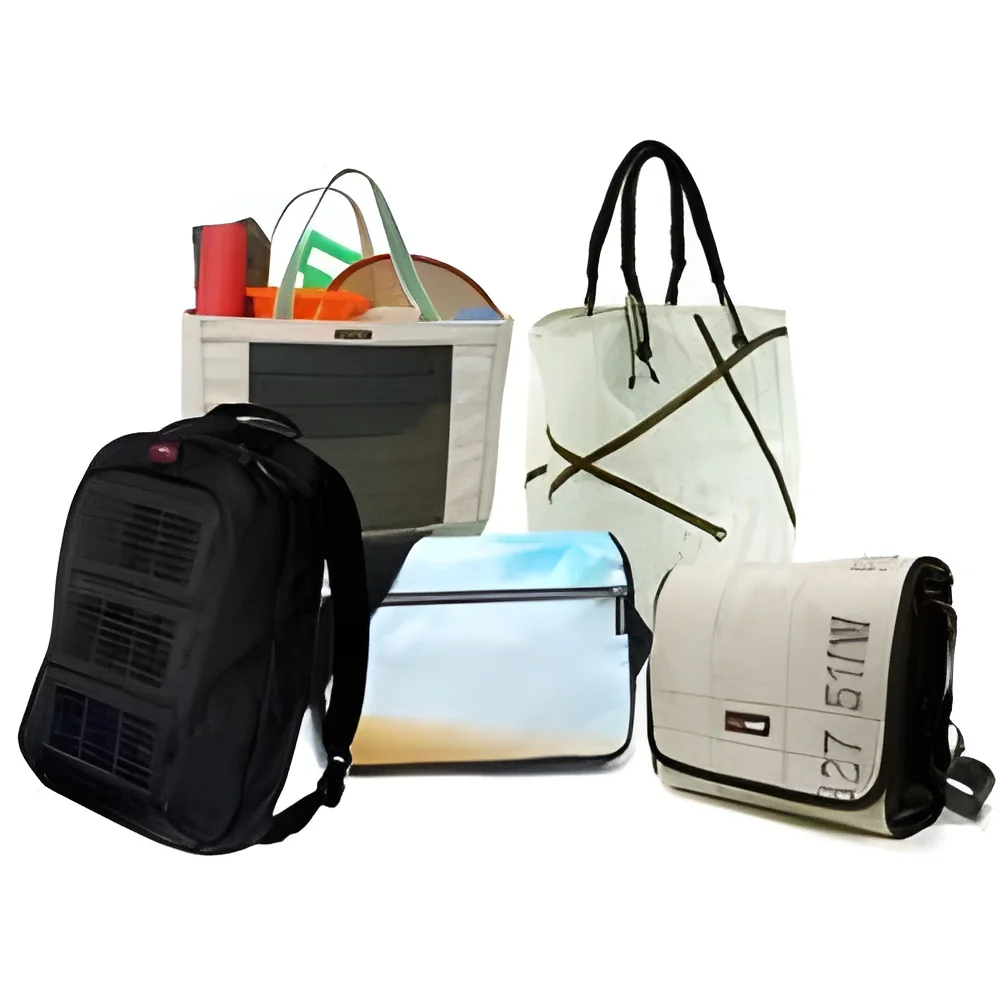
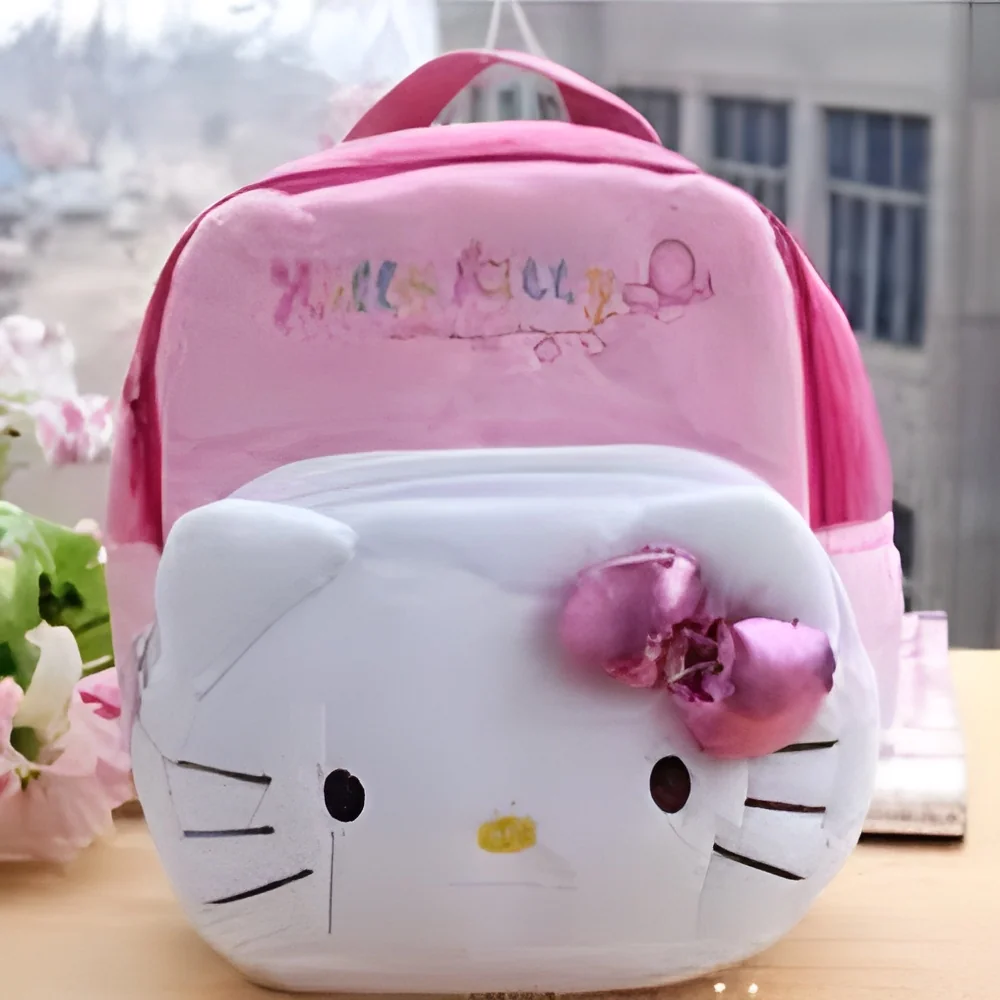
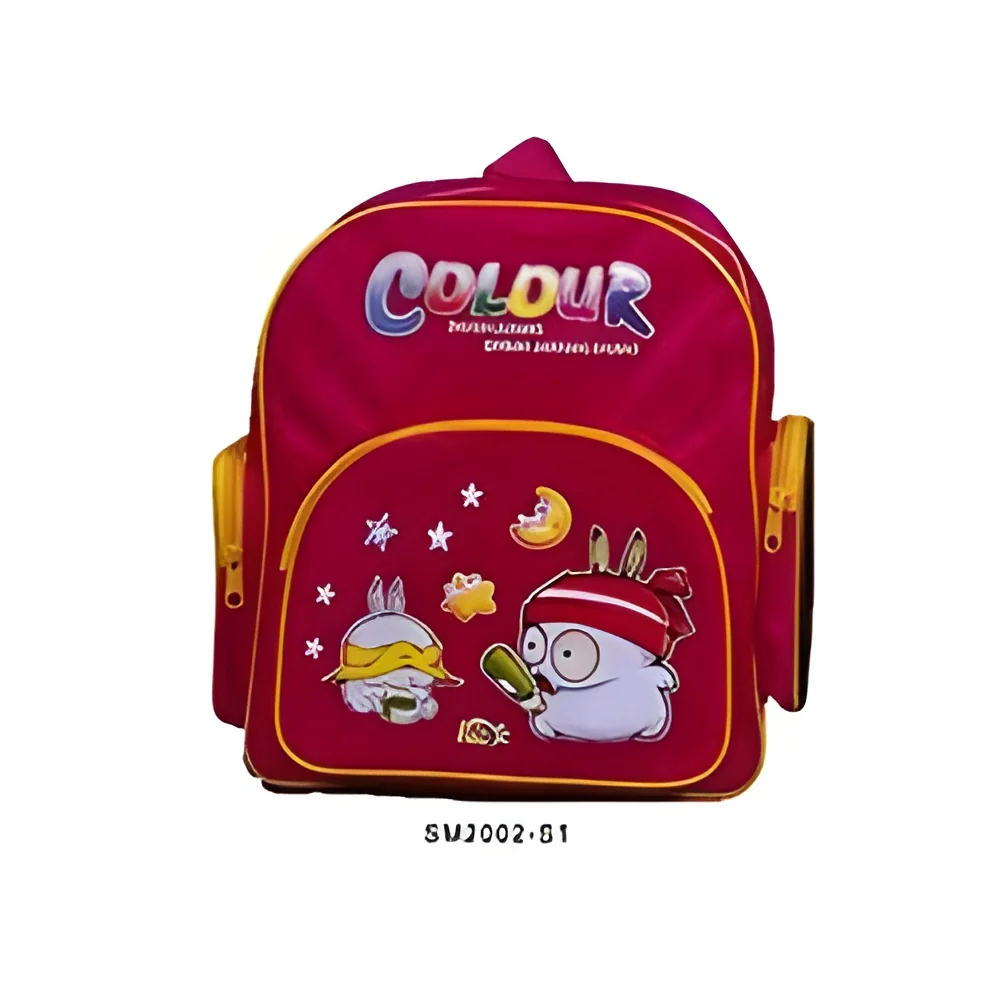
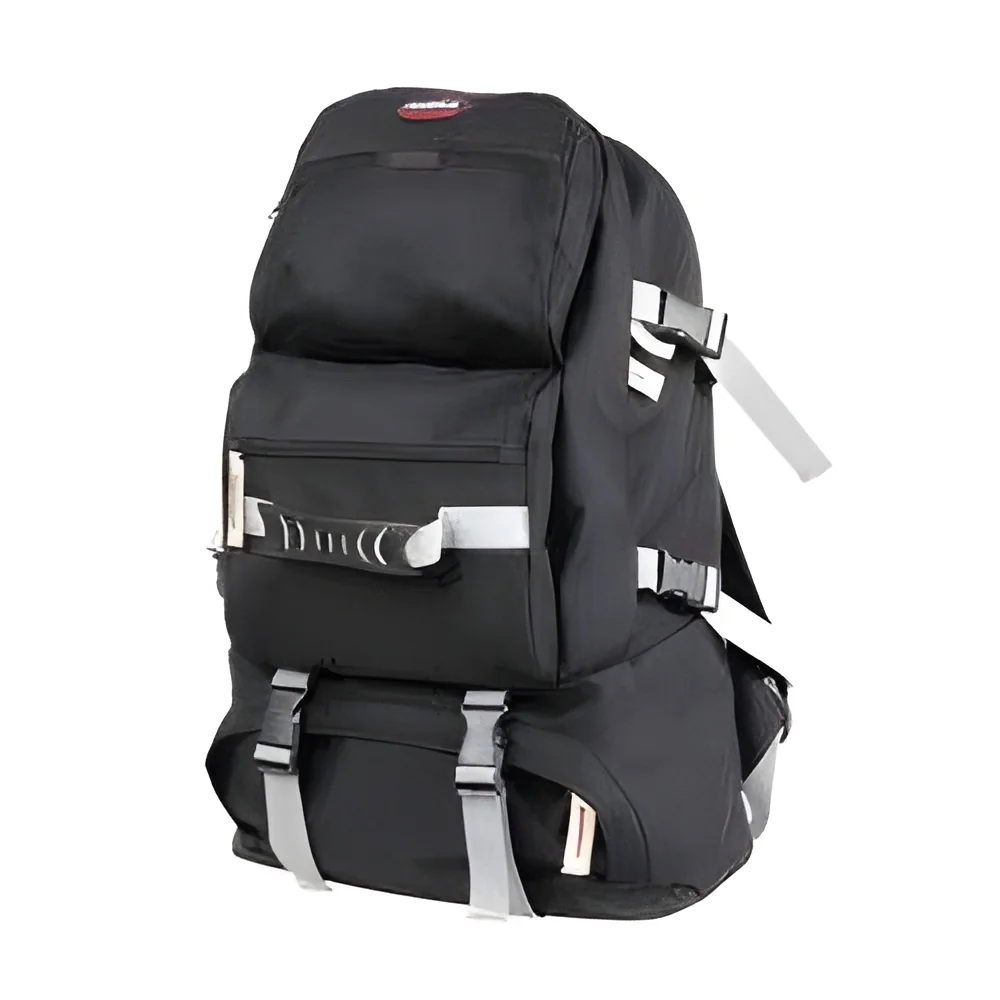
Backpacks are the most common type of school bag, featuring two shoulder straps and a variety of compartments. They are suitable for carrying books, notebooks, and personal items.
Tote Bags
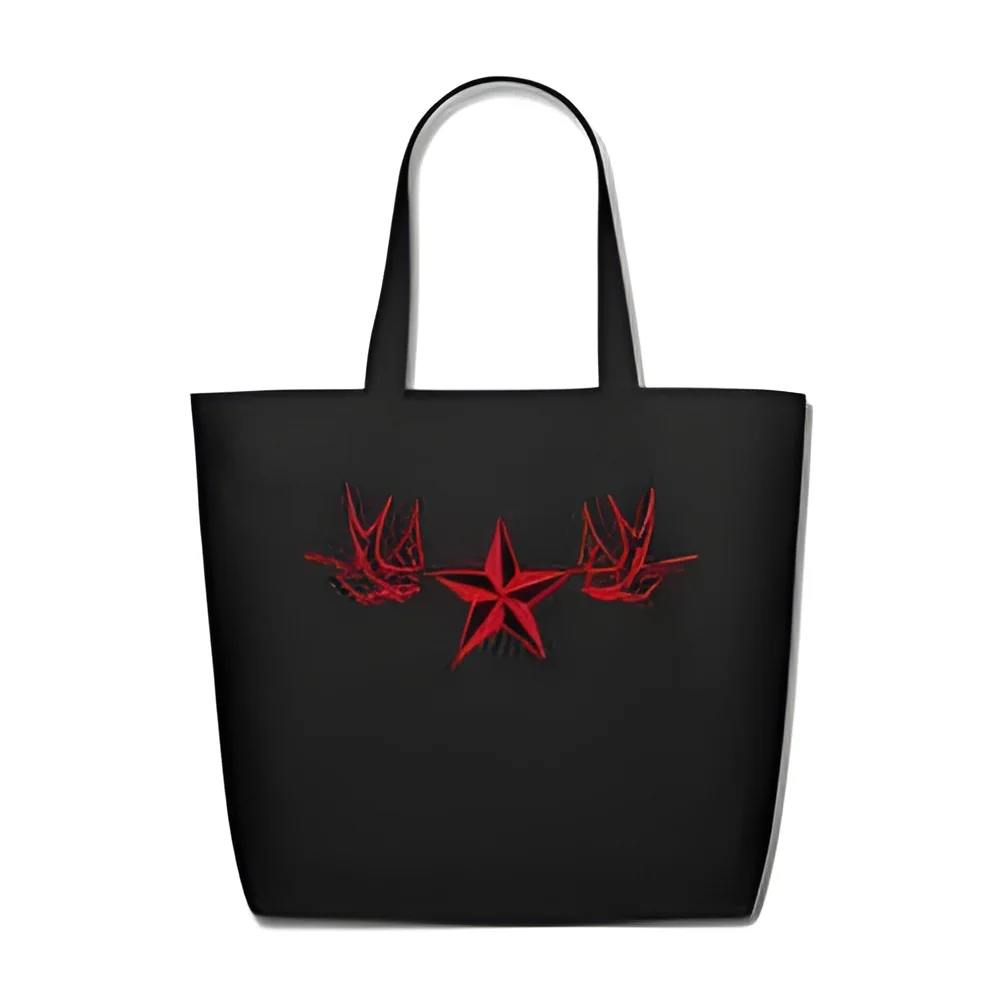
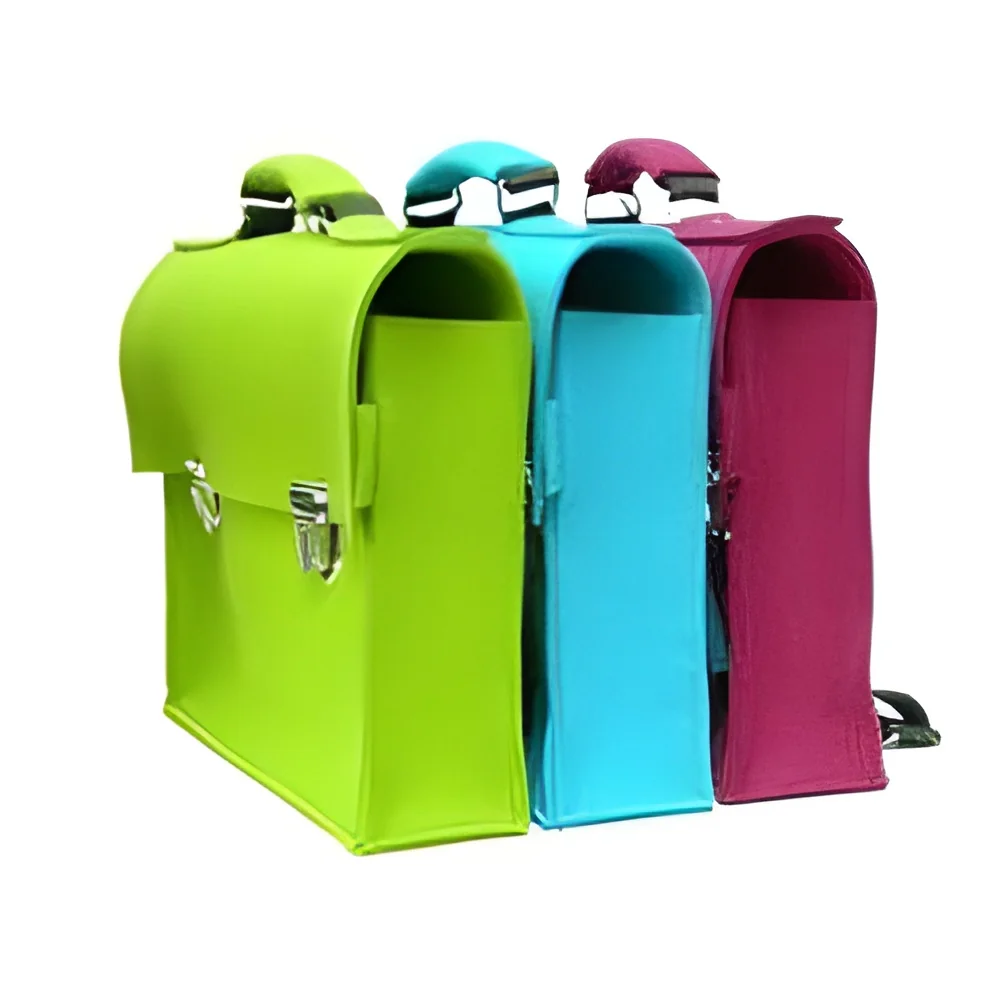
Tote bags are larger, single-strap bags often used for carrying a range of items. They are popular for younger students or casual settings.
Messenger Bags
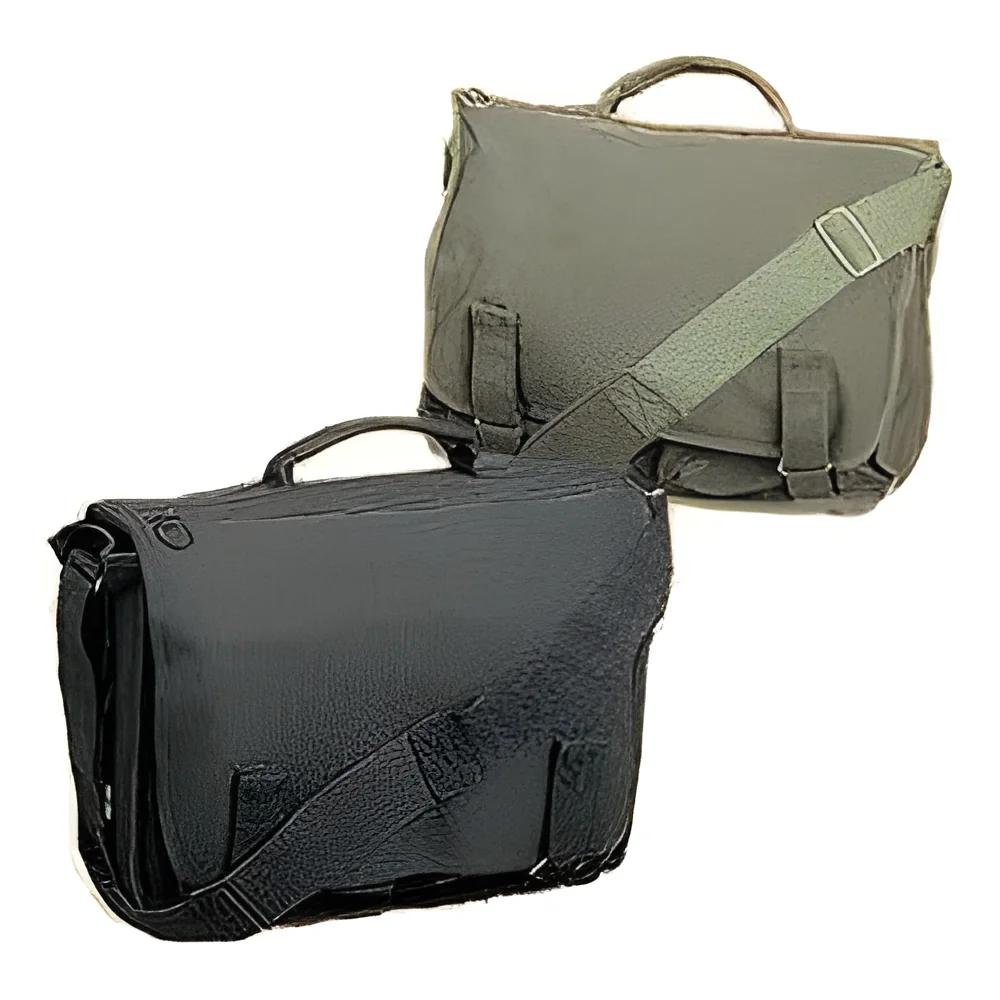
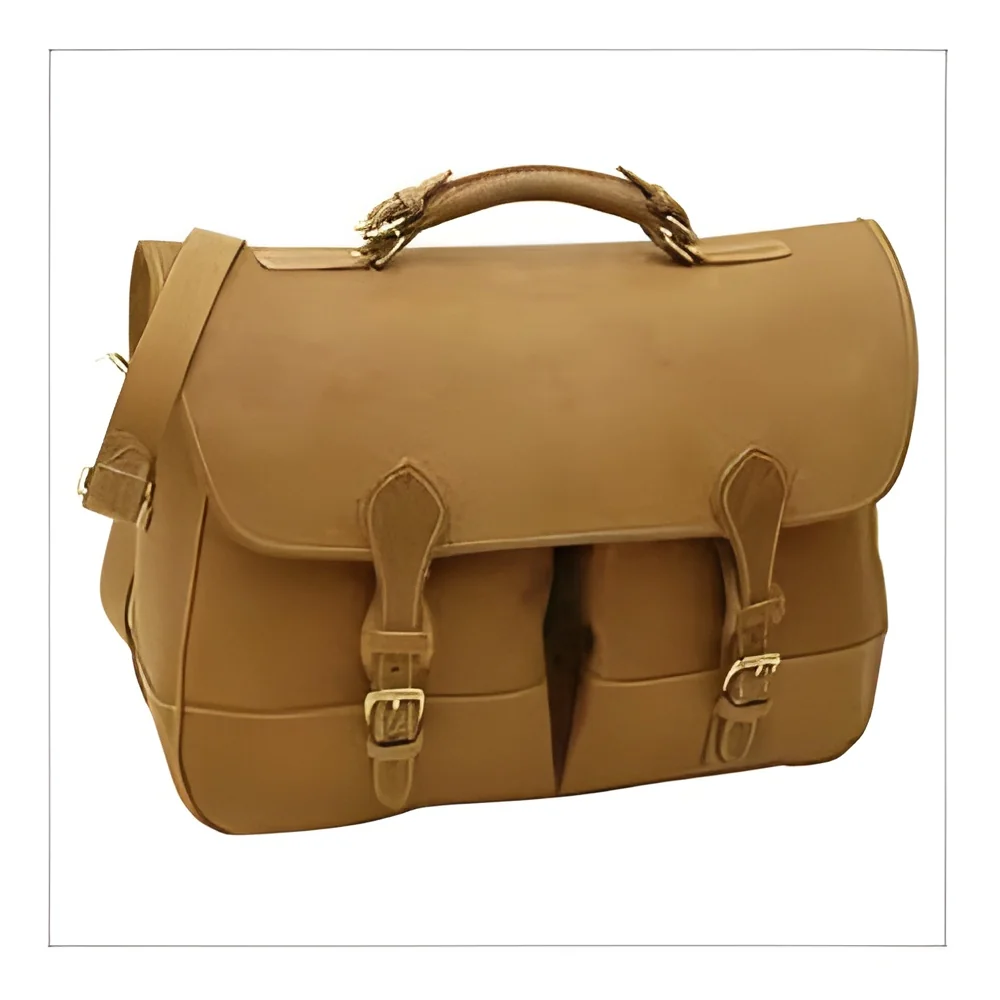
Messenger bags feature a crossbody strap and are often favored by older students. They provide easy access to contents and can carry laptops or tablets.
Rolling Bags
Rolling bags combine the ease of wheels and a handle with traditional school bag features. They are ideal for students carrying heavier loads.
Benefits and Advantages
Investing in quality school bags provides significant advantages for both students and educational institutions. Key benefits include:
1. Durability: High-quality materials ensure that school bags withstand daily wear and tear, providing long-term use.
2. Comfort: Ergonomic designs promote proper posture and reduce strain on young backs, supporting student health.
3. Organization: Multiple compartments help students keep their materials organized, enhancing their ability to find items quickly.
4. Style: A variety of designs and colors allow students to express their individuality, making the bags more appealing.
5. Safety: Features like reflective strips and sturdy zippers enhance the safety of student belongings.
6. Cost-Effectiveness: Purchasing in bulk can lead to significant savings for educational institutions, making them budget-friendly.
Buying Guide for B2B Buyers
When sourcing school bags for business purposes, several factors should be considered to ensure a successful purchase.
1. Quality Assessment: Evaluate the materials and construction of school bags to ensure they meet durability standards. Checking for wear tests and user reviews can provide insights into quality.
2. Supplier Verification: Vet suppliers thoroughly to confirm their reliability and reputation in the market. Look for reviews, industry ratings, and previous customer feedback.
3. Pricing and MOQ: Understand the pricing structure and minimum order quantities (MOQ) set by suppliers. Compare costs across various vendors to find competitive pricing.
4. Delivery and Lead Times: Discuss delivery schedules and lead times to ensure timely availability. Confirm any potential delays or issues that may affect the supply chain.
5. Compliance Requirements: Ensure that the bags comply with relevant safety and quality standards. This includes certifications like CE and adherence to regional regulations.
Compliance and Certifications
Compliance with quality standards and safety regulations is critical in the manufacturing of school bags. Key considerations include:
ISO 9001: This standard ensures that manufacturers maintain a quality management system, focusing on consistent quality and customer satisfaction.
CE Certification: This certification indicates that the product meets EU safety, health, and environmental protection standards, making it essential for products sold in Europe.
Safety and Testing Requirements: School bags must undergo rigorous testing for durability, safety, and performance. This includes assessments for material strength and functionality.
Regional Compliance: Different regions may have specific compliance requirements. Understanding these regulations is essential for ensuring that products are suitable for the intended market.
Why Source School Bags from Pepagora?
Pepagora provides a trusted platform for sourcing school bags, offering several key advantages for businesses.
Verified Supplier Network: Pepagora has a comprehensive network of verified suppliers, ensuring that buyers can trust the quality and reliability of the products they purchase.
Streamlined RFQ Process: The platform simplifies the request for quotation (RFQ) process, allowing businesses to receive competitive quotes quickly and efficiently, saving time and effort.
Trade Assurance and Support: Buyers benefit from trade assurance, protecting their purchases and investments. Pepagora’s support team is readily available to assist with any issues that may arise.
Regional Coverage: With a strong presence in India, GCC, and Southeast Asia, Pepagora can facilitate sourcing for businesses across various geographical regions, ensuring accessibility to quality school bags.

 IN
IN