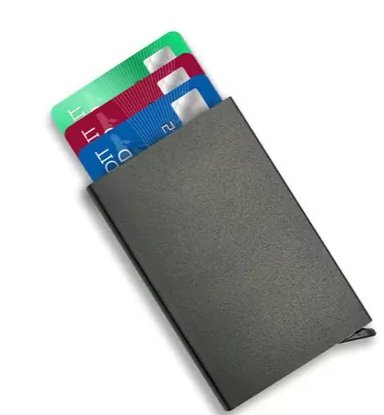
What are RFID-Blocking Wallets?
RFID-blocking wallets are specialized accessories designed to protect personal information stored on RFID chips, which are commonly found in credit cards, passports, and identification cards. These wallets feature materials that prevent unauthorized RFID scanners from accessing sensitive data. By blocking radio frequency signals, they help prevent identity theft and data breaches that can occur when such devices come into close proximity to RFID-enabled items.
The primary uses of RFID-blocking wallets are seen in personal security and data protection. Businesses often provide these wallets to employees who travel frequently or handle sensitive information. In sectors such as finance, government, and travel, the need for enhanced security measures is paramount. RFID-blocking wallets cater to this demand, offering a practical solution to an evolving problem in data protection.
In the current market context, RFID-blocking technology is increasingly relevant as digital transactions and smart identification become more common. With growing concerns over identity theft and data security, businesses are investing in products that offer reliable protection. As a result, RFID-blocking wallets have gained traction as a necessary tool for safeguarding personal information, making them an important product in the industrial and consumer markets.
Key Features and Specifications
RFID-blocking wallets come with a variety of features and specifications that enhance their functionality and effectiveness. These specifications not only define the quality of the wallet but also its performance in real-world scenarios.
Key specifications include:
1. RFID Protection Range
- Provides a specified frequency range for effective blocking.
- Typically ranges from 10 MHz to 3000 MHz.
2. Material Composition
- Often made from high-quality leather or synthetic materials combined with metallic fibers.
- Ensures durability and effectiveness in blocking RFID signals.
3. Storage Capacity
- Varies by design, accommodating a certain number of cards.
- Commonly holds 6 to 12 cards, depending on the model.
4. Dimensions
- Standard sizes to fit comfortably in pockets or bags.
- Typical dimensions range from 3 inches by 4 inches to 4 inches by 6 inches.
5. Design Variations
- Available in various styles, from bifold to trifold designs.
- Offers aesthetic options to match personal taste.
6. Warranty Period
- Often comes with a manufacturer warranty for quality assurance.
- Typical warranty ranges from 1 year to 5 years.
In summary, RFID-blocking wallets are designed with specific features that cater to security needs while maintaining usability and style.
Common Applications and Use Cases
RFID-blocking wallets serve a wide range of industries, providing essential security features for various applications.
1. Financial Services: In the banking sector, RFID-blocking wallets are used to protect credit and debit cards from unauthorized scanning, helping to prevent fraud and identity theft.
2. Government: Employees handling sensitive documents or identification, such as in law enforcement or regulatory agencies, benefit from these wallets to safeguard personal data.
3. Travel and Hospitality: Travelers use RFID-blocking wallets to protect passports and boarding passes from unauthorized access while moving through airports and other busy transport hubs.
4. Retail: Businesses in the retail sector may offer RFID-blocking wallets as promotional items or gifts, enhancing their brand image while providing practical benefits.
5. Technology: Tech companies that produce contactless payment solutions often advocate for the use of RFID-blocking wallets to mitigate security risks associated with their products.
6. Healthcare: Medical professionals who manage patient information can utilize RFID-blocking wallets to protect sensitive data from unauthorized access.
7. Corporate Sector: Organizations may provide these wallets to employees during travel for conferences or meetings, ensuring data protection during business trips.
Product Variants and Subcategories
RFID-blocking wallets come in various designs to meet different user preferences and needs.
Slim Wallets: These wallets are designed for minimalism, offering a lightweight option that still provides effective RFID protection. They are ideal for users who prefer to carry only essential cards and cash.
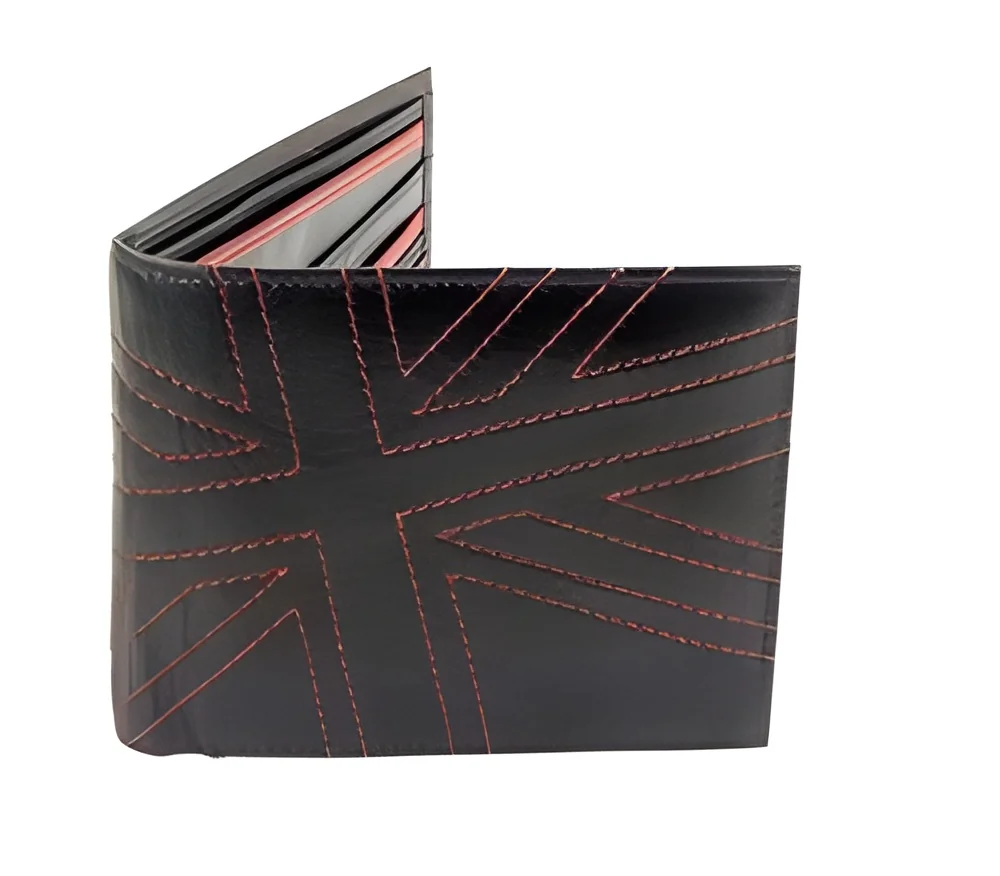
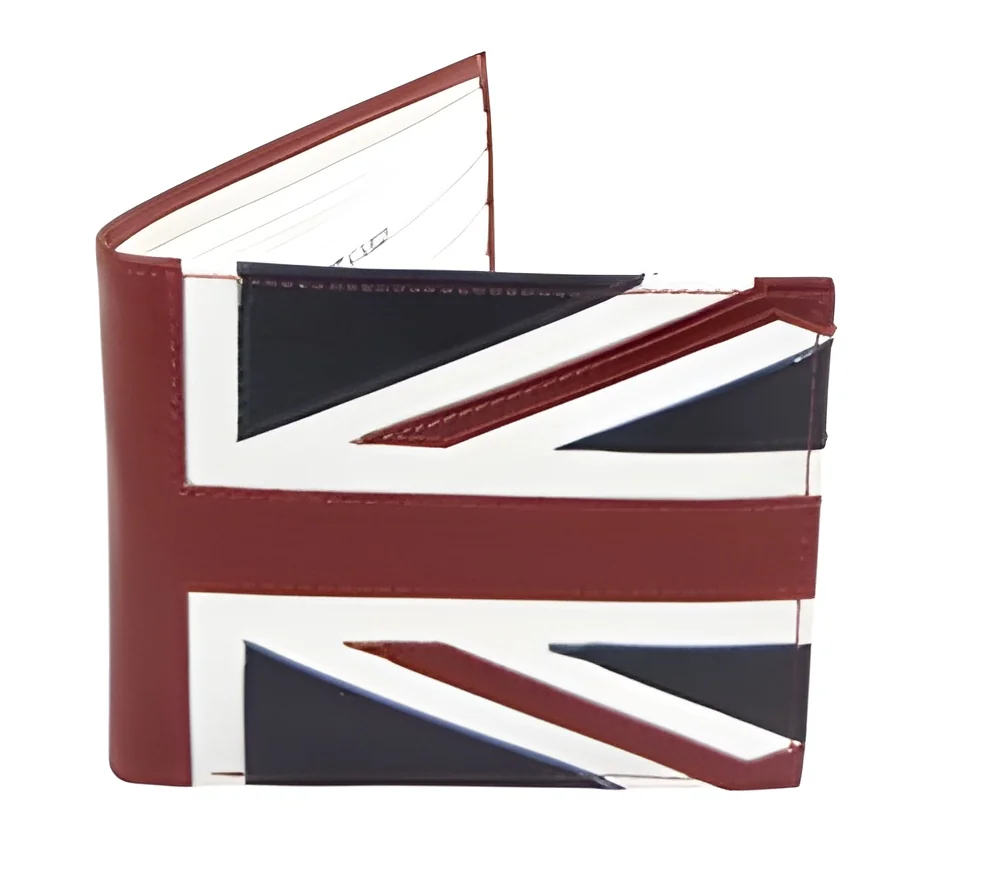
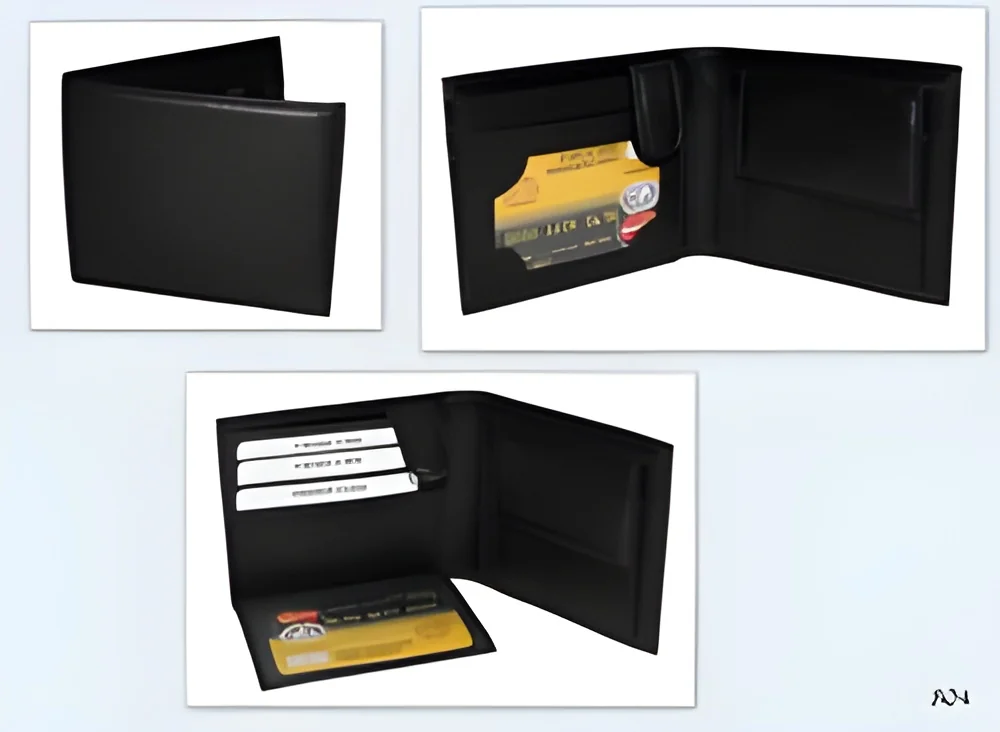
Bifold Wallets: This traditional design offers a balance of style and functionality. Bifold wallets typically feature multiple card slots and a compartment for cash, making them a popular choice for everyday use.
Travel Wallets: Designed with travelers in mind, these wallets often include additional compartments for passports, boarding passes, and travel documents, ensuring everything is organized and secure.
Women's Wallets: Tailored for women, these wallets may come in various fashionable designs and colors while still providing the necessary RFID protection.
Benefits and Advantages
RFID-blocking wallets offer several significant benefits that make them an essential item for consumers and businesses alike.
1. Enhanced Security: The primary advantage is the protection against unauthorized RFID scanning, reducing the risk of identity theft.
2. Peace of Mind: Users can carry their cards and personal information without constant worry, knowing they are protected from potential threats.
3. Durability: Many RFID-blocking wallets are made with high-quality materials, ensuring they last longer while providing ongoing security.
4. Versatile Designs: With various styles and colors available, users can find a wallet that suits their personal aesthetic while enjoying RFID protection.
5. Increased Awareness: The rise in popularity of these wallets raises awareness about data security, encouraging consumers to take proactive measures.
6. Cost-Effective Investment: By preventing identity theft, these wallets can save users from the financial ramifications associated with fraud and data breaches.
Buying Guide for B2B Buyers
When sourcing RFID-blocking wallets for business use, it is essential to consider several factors to ensure the right choice.
1. Quality Assessment: Evaluate the materials and construction of the wallets. High-quality materials often correlate with better RFID protection and durability, which is vital for frequent use.
2. Supplier Verification: Research potential suppliers for reliability and track record. Verify their credentials and customer reviews to ensure they meet industry standards.
3. Pricing and MOQ: Compare pricing structures and understand the minimum order quantities required by suppliers. This will help you manage your budget effectively while ensuring you have enough inventory.
4. Delivery and Lead Times: Discuss logistics with suppliers to understand estimated delivery times. Timely delivery is crucial for maintaining stock levels and meeting customer demand.
5. Compliance Requirements: Ensure that the products meet any necessary regulatory or compliance standards relevant to your industry. This may include certifications that guarantee the quality and safety of the wallets.
Compliance and Certifications
RFID-blocking wallets must adhere to certain quality standards and certifications to ensure their effectiveness and safety. While specific standards may not be detailed, compliance with general quality benchmarks such as ISO 9001 is common in the industry. This standard ensures that products meet high quality and reliability criteria.
Additionally, RFID-blocking wallets may carry the CE certification, indicating compliance with European safety standards. This certification is essential for products sold in European markets, ensuring they meet rigorous safety and performance requirements.
Safety and testing requirements are crucial for ensuring that RFID-blocking wallets function as intended. Manufacturers are typically required to conduct tests demonstrating the effectiveness of their RFID-blocking materials and designs.
Local compliance considerations should also be taken into account, especially if the wallets are being marketed in different regions. Understanding regional regulations ensures that products meet local safety and quality expectations.
Why Source RFID-Blocking Wallets from Pepagora?
Pepagora offers a trusted platform for sourcing RFID-blocking wallets, providing several key advantages that set it apart from competitors.
Verified Supplier Network: Pepagora ensures that all suppliers are thoroughly vetted and verified. This practice guarantees that buyers can trust the quality and reliability of the products they are purchasing.
Streamlined RFQ Process: The platform features an efficient request for quotation system, allowing buyers to easily compare offers from multiple suppliers. This expedites the purchasing process and helps businesses secure the best deals.
Trade Assurance and Support: Pepagora provides buyer protection through trade assurance, ensuring that transactions are secure. Their dedicated support team is available to assist buyers with any issues that may arise.
Regional Coverage: With a broad geographic reach across India, the GCC, and Southeast Asia, Pepagora connects buyers with suppliers in critical markets. This network facilitates easier access to quality RFID-blocking wallets while navigating regional differences in demand and supply.

 IN
IN