
 IN
Wi-Fi Routers & Range Extenders
4 products available
What are Wi-Fi Routers & Range Extenders?
Wi-Fi routers and range extenders are essential devices that facilitate wireless internet connectivity in both residential and commercial settings. A Wi-Fi router connects to a modem to provide internet access to multiple devices through a wireless network. It typically handles data traffic, manages connections, and provides network security. Range extenders, on the other hand, enhance the coverage area of the existing Wi-Fi network by amplifying the signal, allowing users to maintain a stable connection in larger spaces or areas with signal obstacles.
These devices are primarily used in businesses to ensure seamless connectivity across various operations, from administrative tasks to customer engagement. They are especially critical in environments where multiple devices require reliable internet access, such as offices, warehouses, and retail spaces. The growing reliance on cloud-based applications and digital services has made robust Wi-Fi solutions indispensable in today’s competitive market. As businesses expand, the demand for high-performance routers and effective range extenders continues to rise, driving innovation and advancements in networking technologies.
Key Features and Specifications
When evaluating Wi-Fi routers and range extenders, it is important to consider their key features and specifications that directly impact performance and usability. These specifications help businesses choose the right devices tailored to their specific networking needs.
Key specifications include:
1. Wireless Standards
- Most modern routers support standards such as 802.11ac and 802.11ax (Wi-Fi 6).
- These standards ensure higher data rates, improved performance in crowded environments, and better energy efficiency.
2. Frequency Bands
- Dual-band and tri-band options are available, allowing for simultaneous connections on different frequencies.
- Dual-band typically operates on 2.4 GHz and 5 GHz, while tri-band adds an additional 5 GHz band for reduced congestion.
3. Range and Coverage
- Effective range can vary, with many routers covering up to 2,000 square feet.
- Range extenders can further amplify coverage, reaching areas that routers alone may not effectively support.
4. Data Transfer Speed
- Speeds can reach up to several Gbps depending on the router or extender model.
- Higher speeds facilitate smoother streaming, quicker downloads, and lag-free online gaming.
5. Security Features
- Most devices come with WPA3 encryption and advanced security protocols.
- These features protect the network from unauthorized access and cyber threats.
6. Number of Ports
- Routers typically feature multiple Ethernet ports for wired connections.
- Range extenders may also have LAN ports for connecting additional devices directly.
7. MU-MIMO Technology
- Multi-User, Multiple Input, Multiple Output technology allows devices to communicate simultaneously.
- This reduces waiting time and improves overall network efficiency.
8. Management Features
- Many devices come with mobile apps or web interfaces for easy management and monitoring.
- These features often include parental controls, guest networks, and usage tracking.
In summary, selecting the right Wi-Fi router and range extender requires understanding these specifications to ensure optimal performance for business needs.
Common Applications and Use Cases
Wi-Fi routers and range extenders are versatile devices that serve various industries effectively.
1. Retail: In retail environments, these devices help maintain connectivity for point-of-sale systems, inventory management, and customer networks, ensuring smooth operations and customer satisfaction.
2. Education: Schools and universities utilize Wi-Fi solutions to support online learning platforms, administrative tasks, and student engagements, making reliable connectivity essential for educational success.
3. Healthcare: Hospitals and clinics rely on robust Wi-Fi networks for patient monitoring systems, electronic health records, and communication between medical staff, enhancing operational efficiency.
4. Warehousing: Wi-Fi routers and extenders help streamline logistics and inventory management in warehouses, allowing for real-time data tracking and improved communication across teams.
5. Hospitality: Hotels and restaurants use these devices to provide guests with convenient internet access, impacting customer experience and satisfaction.
6. Manufacturing: In industrial settings, Wi-Fi connectivity supports process automation, machine monitoring, and communication across various departments, boosting productivity.
7. Home Office: As remote work becomes more common, home offices benefit significantly from high-quality Wi-Fi routers and range extenders to ensure stable connections for video conferencing and collaborative tools.
Product Variants and Subcategories
The market for Wi-Fi routers and range extenders offers a diverse range of products to cater to different business needs.
Standard Wi-Fi Routers
These routers are designed for general use and provide reliable connectivity for small to medium-sized businesses. They typically feature dual-band capabilities and robust security features.
High-Performance Routers
Targeted at larger organizations, these devices offer advanced capabilities such as tri-band support, enhanced range, and higher data transfer speeds, suitable for high-demand environments.
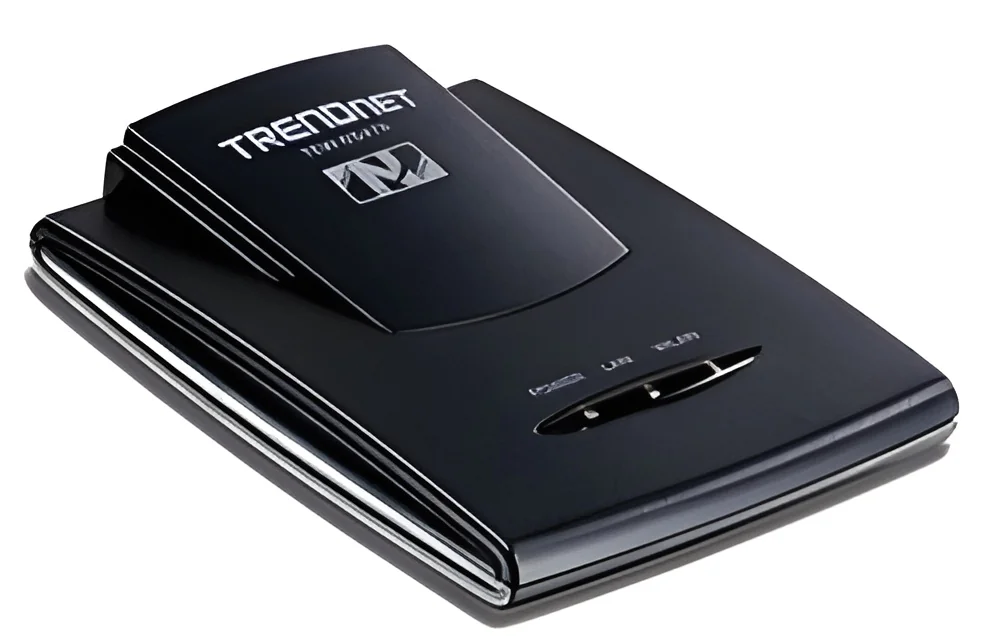
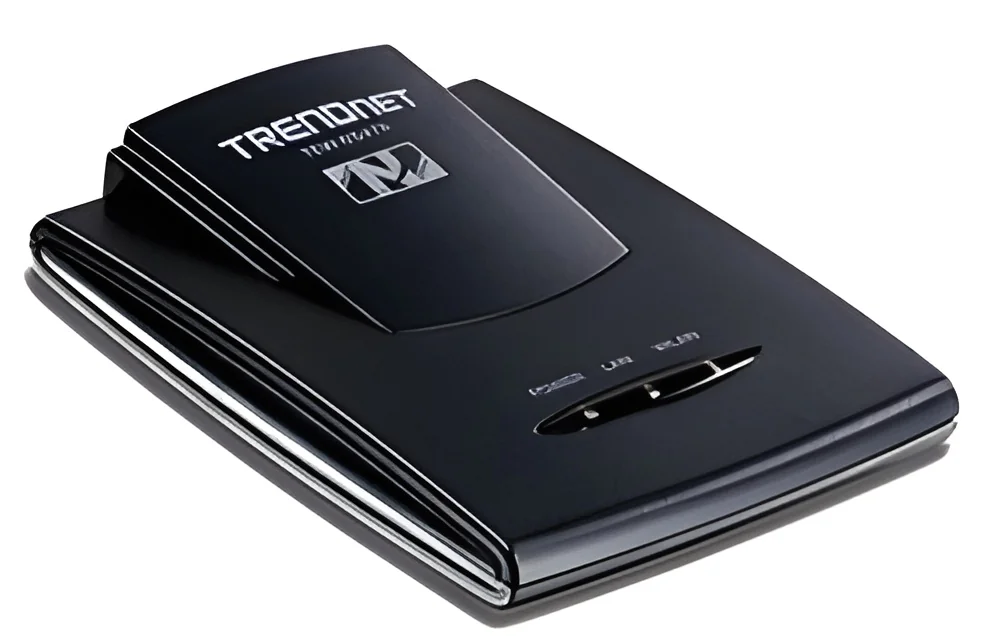
Travel Routers
Compact and portable, travel routers are ideal for professionals on the go. They enable secure connections in hotels or other temporary locations, ensuring reliable internet access.
Mesh Wi-Fi Systems
These systems utilize multiple nodes to create a unified network, eliminating dead zones and providing seamless coverage throughout larger premises, making them ideal for expansive office spaces.
Benefits and Advantages
Investing in high-quality Wi-Fi routers and range extenders offers numerous benefits for businesses.
1. Enhanced Connectivity: These devices provide reliable and consistent internet access across various environments, ensuring uninterrupted operations.
2. Increased Productivity: With improved network performance, employees can work more efficiently, utilizing cloud-based applications without delays or interruptions.
3. Scalability: Businesses can easily expand their network by adding range extenders or upgrading routers as their needs grow, ensuring long-term adaptability.
4. Cost-Effectiveness: High-performance devices reduce the need for multiple connections and improve overall network efficiency, leading to lower operational costs.
5. Improved Customer Experience: Reliable Wi-Fi access enhances customer satisfaction, particularly in retail and hospitality sectors, where connectivity is a key factor.
6. Advanced Security: Modern routers and extenders come with enhanced security features, protecting sensitive data and minimizing the risk of cyber threats.
Buying Guide for B2B Buyers
When sourcing Wi-Fi routers and range extenders, it is crucial for B2B buyers to consider several factors to ensure they make informed decisions.
1. Quality Assessment: Evaluate the quality of the devices based on manufacturer reputation, user reviews, and warranty options. High-quality devices tend to offer better reliability and performance.
2. Supplier Verification: Vet suppliers thoroughly by checking their certifications, customer feedback, and years of experience in the industry. This ensures that you are dealing with reputable manufacturers.
3. Pricing and MOQ: Analyze the pricing structure and minimum order quantities (MOQ) offered by suppliers. Comparing prices can help identify the best value for your investment.
4. Delivery and Lead Times: Understand the logistics involved, including shipping times and delivery methods. Reliable suppliers should provide clear timelines for when products will arrive.
5. Compliance Requirements: Familiarize yourself with relevant regulatory standards and certifications, such as CE, to ensure that the products meet industry requirements and safety standards.
Compliance and Certifications
Compliance and certifications play a vital role in the quality and safety of Wi-Fi routers and range extenders. Compliance with relevant quality standards, such as ISO 9001, assures buyers of the manufacturing processes' reliability, consistency, and quality management systems.
Industry certifications, including CE, indicate that the products meet European safety, health, and environmental protection standards, providing reassurance to buyers. Additionally, manufacturers may adhere to safety and testing requirements that ensure the devices can operate effectively without posing risks to users.
Regional compliance considerations are important as well. Different regions may have specific regulations regarding wireless communications, which can affect the types of technologies and frequencies that can be used. Buyers should ensure that their selected products comply with local laws to avoid any operational disruptions.
Why Source Wi-Fi Routers & Range Extenders from Pepagora?
Pepagora offers a trusted platform for sourcing Wi-Fi routers and range extenders, providing several key advantages to businesses.
Verified Supplier Network: Pepagora ensures that all suppliers in its network undergo rigorous verification processes. This guarantees that buyers are connected with reputable manufacturers who meet high-quality standards.
Streamlined RFQ Process: The platform features an efficient request for quotation (RFQ) system, allowing buyers to easily compare offers from multiple suppliers. This simplifies the sourcing process and helps businesses find the best deals.
Trade Assurance and Support: Pepagora provides buyer protection through trade assurance policies. This ensures that transactions are secure and that businesses receive the products as promised, giving peace of mind during the purchasing process.
Regional Coverage: With a focus on regions such as India, the GCC, and Southeast Asia, Pepagora offers extensive geographic reach. This allows businesses across different markets to access high-quality Wi-Fi solutions tailored to their specific needs.


Frequently Asked Questions
What are Wi-Fi Routers & Range Extenders?
Wi-Fi Routers are devices that connect to a modem and allow multiple devices to access the internet wirelessly. Range Extenders, on the other hand, are used to boost the signal of an existing Wi-Fi network, expanding its coverage area.
What are the different types of Wi-Fi Routers & Range Extenders?
There are several types of Wi-Fi Routers including single-band, dual-band, and tri-band routers. Range Extenders can be categorized into plug-in extenders, desktop extenders, and mesh systems that work together to enhance coverage.
How do I choose the right Wi-Fi Routers & Range Extenders?
To choose the right Wi-Fi Router or Range Extender, consider factors such as the size of your space, the number of devices that will connect, and the internet speed provided by your service. It's also important to check compatibility with your existing network.
What are the standard specifications for Wi-Fi Routers & Range Extenders?
Standard specifications for Wi-Fi Routers and Range Extenders include Wi-Fi standards (such as 802.11n, 802.11ac, or 802.11ax), frequency bands, data transfer speeds, and the number of Ethernet ports. These specifications determine the performance and capability of the devices.
What is the price range for Wi-Fi Routers & Range Extenders?
The price range for Wi-Fi Routers and Range Extenders can vary significantly based on features and specifications, typically starting from INR 1,500 and going up to INR 20,000 or more for high-end models. Factors such as brand, technology, and additional functionalities also affect pricing.
What quality standards apply to Wi-Fi Routers & Range Extenders?
Quality standards for Wi-Fi Routers and Range Extenders include compliance with international safety and performance standards, such as IEEE and Wi-Fi Alliance certifications. Ensuring that devices meet these standards helps guarantee reliability and safety.
Where can I find Wi-Fi Routers & Range Extenders suppliers in India?
You can find Wi-Fi Routers and Range Extenders suppliers in India through B2B marketplaces like Pepagora, trade shows, or industry-specific directories. These platforms often list manufacturers and suppliers based on product categories.
Can Wi-Fi Routers & Range Extenders be customized?
Yes, many manufacturers offer customization options for Wi-Fi Routers and Range Extenders based on specific requirements such as design, branding, and additional features. It's advisable to discuss customization options directly with suppliers.
What is the typical minimum order quantity for Wi-Fi Routers & Range Extenders?
The typical minimum order quantity (MOQ) for Wi-Fi Routers and Range Extenders varies by manufacturer, but it generally ranges from 10 to 100 units. Larger orders may qualify for discounts or better pricing.
What is the typical lead time for Wi-Fi Routers & Range Extenders?
The typical lead time for Wi-Fi Routers and Range Extenders can range from a few days to several weeks, depending on the supplier's inventory and customization requirements. It's best to confirm lead times when placing an order.
Why Businesses Trust Pepagora
Thousands of companies trust Pepagora to source smarter and sell faster
Expand Your Sales Globally

Source Smarter,Grow Faster
