What are Foldable Office Furniture?
Foldable office furniture refers to furniture pieces designed to be easily collapsible for storage and transport. This type of furniture typically includes items such as desks, chairs, tables, and shelves that can be folded down into a smaller size. The primary advantage of foldable office furniture is its versatility, allowing businesses to optimize space in various environments, from small offices to large conference rooms.
In business applications, foldable office furniture is used to create flexible workspaces that can be reconfigured based on specific needs. It is particularly beneficial in coworking spaces, training rooms, and event venues where space is at a premium. By providing the ability to quickly set up and dismantle workspaces, foldable furniture supports dynamic work environments that adapt to changing demands.
The relevance of foldable office furniture in today's market is growing, especially with the increase in remote work and flexible office layouts. Businesses are increasingly looking for solutions that maximize efficiency while minimizing clutter. The demand for foldable office furniture aligns with trends in sustainability and multifunctional spaces, making it a practical choice for many industries.
Key Features and Specifications
Foldable office furniture comes with a range of features that enhance its usability and convenience. Understanding these specifications can help businesses choose the right products for their needs. Below are key specifications to consider when evaluating foldable office furniture.
Key specifications include:
1. Material Quality
- Constructed from durable materials such as steel, aluminum, or high-quality plastic
- Ensures longevity and resistance to wear and tear
2. Load Capacity
- Designed to support varying weight limits depending on the type of furniture
- Common ranges for tables and desks are typically between 100 to 300 pounds
3. Folding Mechanism
- Features mechanisms that allow for quick and easy folding
- Can include locking systems for stability when in use
4. Dimensions
- Available in various sizes to accommodate different space requirements
- Compact sizes are common for easy storage
5. Portability
- Includes lightweight designs for easy transportation
- Some models may feature wheels for additional mobility
6. Aesthetic Options
- Available in multiple colors and finishes to match office decor
- Enables customization to fit corporate branding
7. Assembly Requirements
- Some models come pre-assembled, while others may require minimal setup
- Clear instructions are typically provided for ease of assembly
8. Warranty Information
- Often includes manufacturer warranties to ensure product reliability
- Warranties can range from one year to several years depending on the brand
In summary, foldable office furniture is characterized by its functional design, quality materials, and adaptability for various applications, making it an essential investment for modern businesses.
Common Applications and Use Cases
Foldable office furniture serves a variety of industries, providing solutions for space management and flexibility.
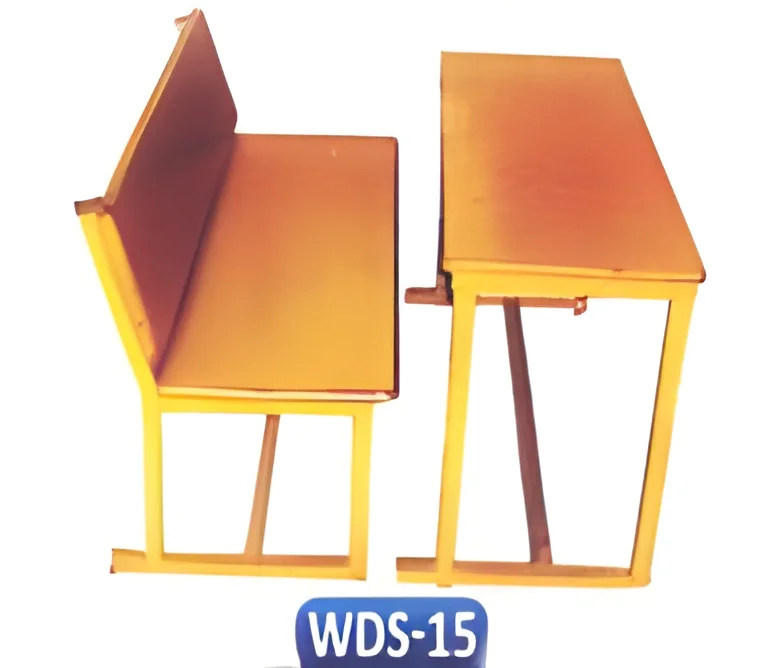
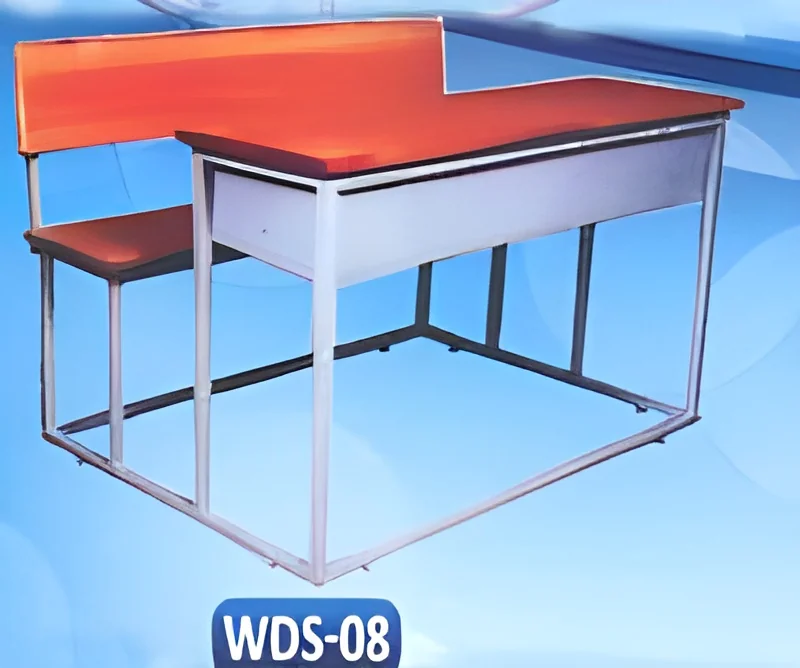
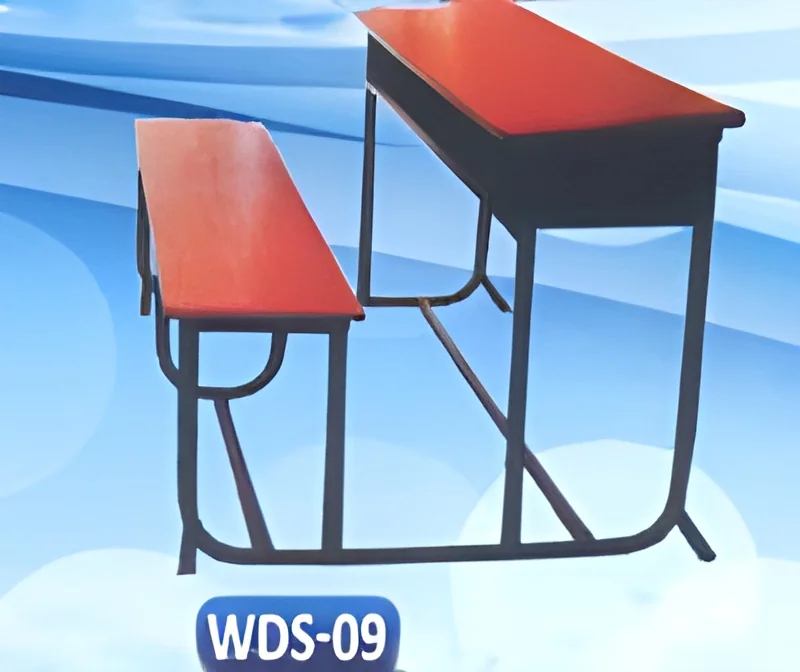
1. Educational Institutions: In schools and universities, foldable desks and chairs are used in classrooms and lecture halls to maximize available space. They can be easily arranged for group work or folded away for events.
2. Event Management: Event planners often utilize foldable tables and chairs for conferences, trade shows, and seminars. The ability to quickly set up and take down seating is crucial for efficient event execution.
3. Corporate Offices: Many companies are integrating foldable furniture into their offices for collaborative spaces. This provides teams with the flexibility to create temporary workstations as needed.
4. Hospitality Industry: Hotels and restaurants use foldable furniture for outdoor dining areas and banquet setups. This allows them to adjust seating arrangements based on guest volume.
5. Healthcare Facilities: Hospitals and clinics use foldable furniture in waiting areas and treatment rooms. This helps optimize space and allows for easy cleaning and reconfiguration.
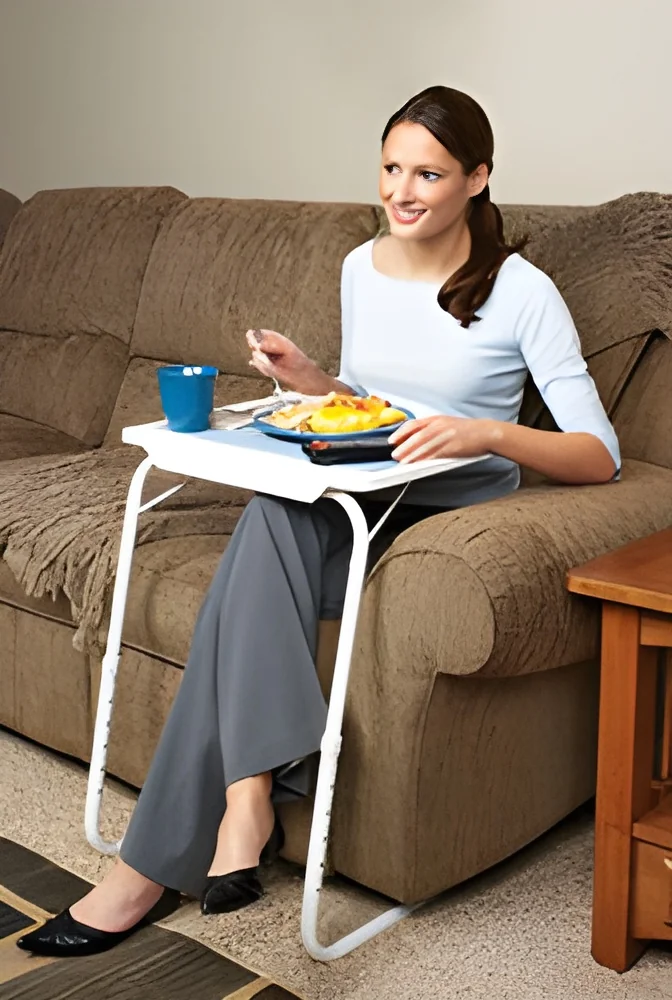
6. Remote Workspaces: As more employees work from home, foldable desks provide a practical solution for creating temporary office setups in small living spaces.
7. Community Centers: Community organizations often employ foldable furniture for various programs and activities, allowing for efficient use of space and quick transitions between events.
Product Variants and Subcategories
Foldable office furniture comes in various variants, catering to different needs and preferences.
Foldable Desks
These desks are designed to provide a workspace that can be easily folded away when not in use. They often feature sturdy legs and a smooth surface, making them ideal for home offices or temporary workstations.
Foldable Chairs
Lightweight and easy to store, foldable chairs are perfect for meetings and events. They offer comfort without taking up much space, making them a versatile option for any office environment.
Foldable Conference Tables
Ideal for meetings and collaborative sessions, these tables can be configured in different shapes and sizes. Their ability to fold makes them easy to store when the room needs to be cleared for other activities.
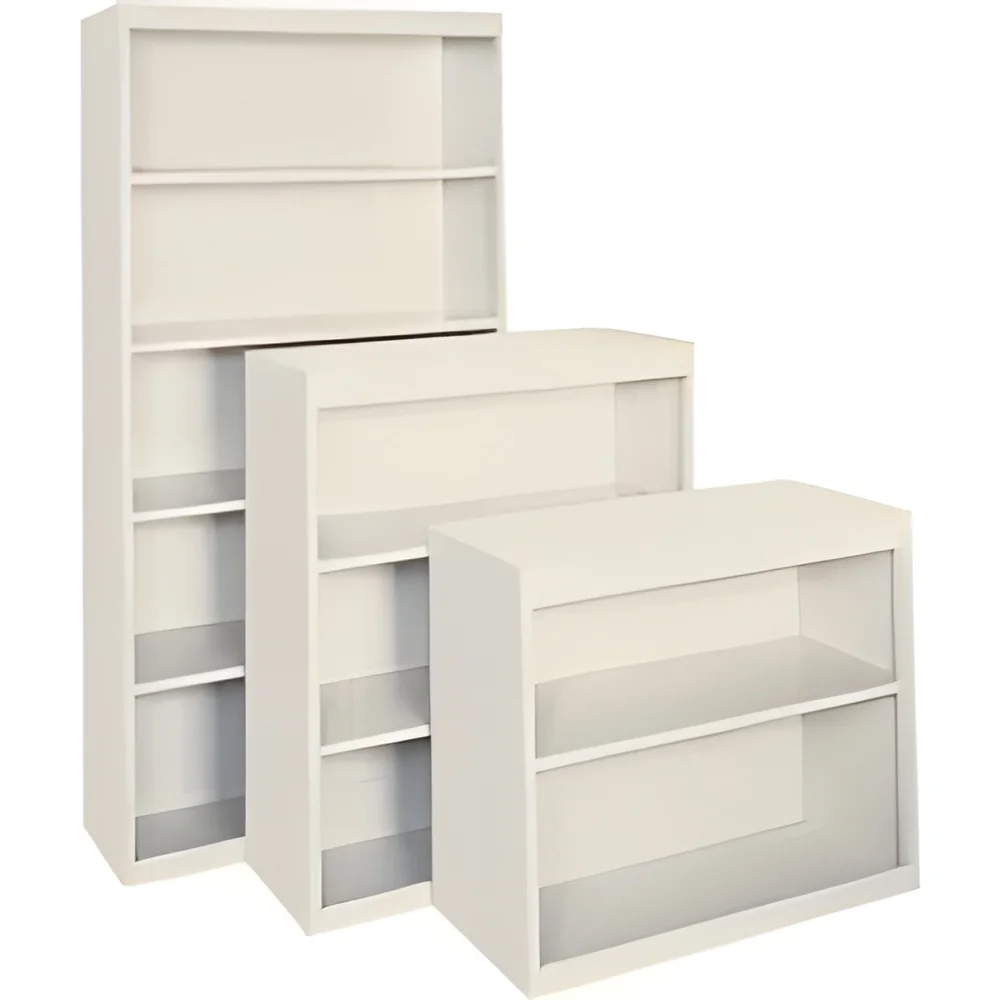
Foldable Storage Solutions
These include shelves or cabinets that can be collapsed for easy transport. They are useful for businesses that require flexibility in their storage options.
Benefits and Advantages
Foldable office furniture offers numerous benefits that can enhance workplace efficiency and comfort.
Key benefits include:
1. Space Efficiency: Foldable furniture maximizes available space, making it ideal for small offices or multi-purpose areas.
2. Cost-Effectiveness: Many foldable options are more affordable than traditional furniture, allowing businesses to save on costs while maintaining functionality.
3. Flexibility: The ability to quickly set up and dismantle furniture makes it easy to adapt to changing needs and layouts.
4. Portability: Lightweight designs enable easy transportation, making it simple to rearrange or relocate furniture as required.
5. Easy Storage: Foldable furniture can be compactly stored away when not in use, reducing clutter in the workplace.
6. Versatility: Suitable for various settings, from corporate offices to event spaces, foldable furniture meets diverse business needs.
Buying Guide for B2B Buyers
When sourcing foldable office furniture, several factors should be taken into account to ensure a satisfactory purchase.
1. Quality Assessment: Look for furniture that is made from high-quality materials and has a solid construction. Checking for durability will help ensure long-term use.
2. Supplier Verification: Vet potential suppliers to confirm their reliability and reputation in the market. This can include checking reviews and requesting references.
3. Pricing and MOQ: Understand the cost of the furniture and any minimum order quantities required by suppliers. This helps in budgeting and ensuring you meet procurement needs.
4. Delivery and Lead Times: Confirm estimated delivery times and logistics arrangements. Timely delivery is crucial for any office setup.
5. Compliance Requirements: Ensure that the selected furniture complies with relevant industry standards and regulations. This includes safety certifications and environmental considerations.
Compliance and Certifications
Compliance and certifications are vital aspects of foldable office furniture. Adhering to quality standards helps ensure that products meet safety and performance requirements.
Relevant quality standards include ISO 9001, which focuses on quality management systems. This standard ensures that products are manufactured consistently and meet customer expectations.
Industry certifications, such as CE marking, indicate compliance with European health, safety, and environmental protection standards. This certification assures buyers that the products have undergone rigorous testing.
Safety and testing requirements are essential to guarantee that foldable furniture is safe for use. Manufacturers often conduct various tests to ensure stability, load capacity, and material integrity.
Regional compliance considerations may vary based on local regulations. It is essential for businesses to research and ensure that the furniture they purchase meets the specific compliance needs of their region.
Why Source Foldable Office Furniture from Pepagora?
Pepagora provides a trusted platform for sourcing foldable office furniture, offering several key advantages to B2B buyers.
Verified Supplier Network: Pepagora has a robust network of verified suppliers, ensuring that buyers can access high-quality products from reputable manufacturers. This verification process adds an extra layer of security when making purchasing decisions.
Streamlined RFQ Process: The Request for Quotation (RFQ) system simplifies the procurement process. Buyers can easily submit their requirements and receive competitive quotes from multiple suppliers, facilitating informed decision-making.
Trade Assurance and Support: Pepagora offers trade assurance to protect buyers throughout the purchasing journey. This support includes assistance with negotiations and dispute resolution, ensuring a smooth transaction.
Regional Coverage: With a strong presence in India, the GCC, and Southeast Asia, Pepagora connects buyers with suppliers across diverse markets. This extensive coverage allows businesses to find suitable products regardless of their location, enhancing accessibility to foldable office furniture solutions.

 IN
IN