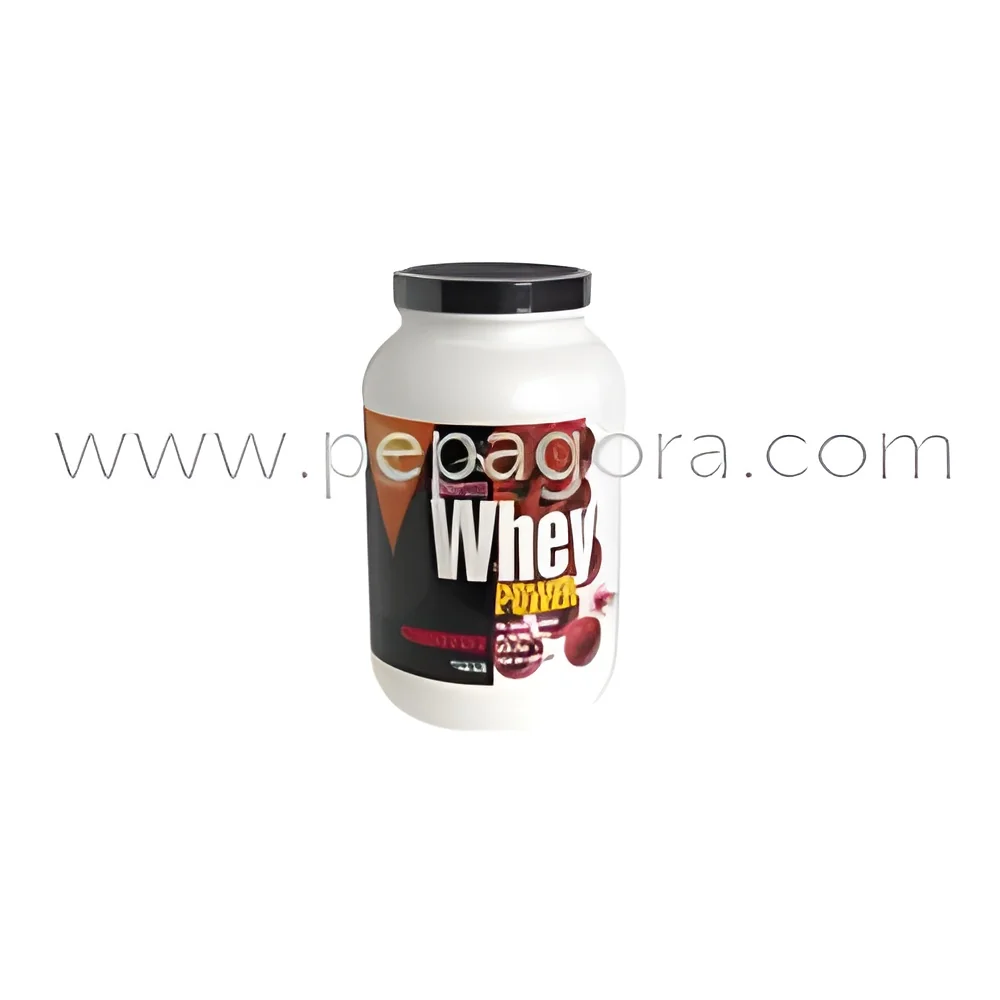
What are Whey Protein Powders?
Whey protein powders are dietary supplements derived from whey, a byproduct of cheese production. They are rich in essential amino acids and are considered a complete protein source. Whey protein is available in several forms, including whey protein concentrate, isolate, and hydrolysate, each differing in protein content and processing method. These powders are widely used in sports nutrition, weight management, and muscle recovery due to their high bioavailability and rapid absorption rate.
In a business context, whey protein powders play a significant role in various industries, including food and beverage, health and wellness, and sports nutrition. Manufacturers utilize whey protein to enhance product formulations, improve nutritional profiles, and appeal to health-conscious consumers. The growing trend of fitness and wellness among consumers has led to an increased demand for whey protein products, making it a vital component in many dietary supplements and functional foods.
The relevance of whey protein within the market is underscored by its consistent growth, driven by rising consumer awareness about health and fitness, as well as an increasing number of athletes and fitness enthusiasts. Companies involved in the production and distribution of whey protein powders find themselves in a competitive landscape, requiring them to innovate and meet evolving consumer preferences.
Key Features and Specifications
Whey protein powders are characterized by several key features that distinguish them from other protein sources. These specifications ensure quality and performance in various applications.
Key specifications include:
1. Protein Content
- Varies by type (concentrate, isolate, hydrolysate)
- Typically ranges from 70% to 90% protein
2. Amino Acid Profile
- Contains essential amino acids including BCAAs
- Supports muscle repair and growth
3. Solubility
- High solubility in water and other liquids
- Ensures easy mixing for beverages and food products
4. Taste and Flavor Options
- Available in various flavors such as chocolate, vanilla, and unflavored
- Custom formulations can be created to meet specific taste preferences
5. Shelf Life
- Generally 12 to 24 months when stored properly
- Requires appropriate packaging to maintain freshness
6. Source of Origin
- Sourced from grass-fed or conventional dairy
- Impact on quality and nutritional profile
7. Processing Method
- Different methods such as ultrafiltration or ion exchange
- Affects protein purity and functional properties
8. Allergen Information
- Contains lactose; may not be suitable for lactose-intolerant individuals
- Must be labeled accordingly for consumer safety
Whey protein powders exhibit a range of specifications that cater to diverse consumer needs and preferences. Understanding these features is crucial for businesses looking to incorporate whey protein into their product lines.
Common Applications and Use Cases
Whey protein powders find applications across various industries, highlighting their versatility and importance.
1. Food and Beverage Industry: Whey protein is commonly used in protein bars, shakes, and fortified foods. It enhances the nutritional content while providing a desirable texture.
2. Sports Nutrition: Athletes and fitness enthusiasts utilize whey protein for muscle recovery and growth. It is often consumed post-workout for optimal results.
3. Dietary Supplements: Many nutritional supplements incorporate whey protein powders for their high-quality protein content and amino acid profile, appealing to health-conscious consumers.
4. Functional Foods: Whey protein is used in functional foods aimed at weight management, as it promotes satiety and supports lean muscle maintenance.
5. Infant Nutrition: Some infant formula products include whey protein for its digestibility and nutritional benefits, supporting healthy growth and development.
6. Bakery Products: Whey protein can be added to baked goods to enhance protein levels and improve texture, making it suitable for health-focused baking.
7. Vegan and Plant-Based Alternatives: Some companies are developing plant-based protein products that mimic whey protein's functionality, catering to the growing vegan market.
Product Variants and Subcategories
Whey protein powders come in various forms, each tailored to specific needs and preferences.
Whey Protein Concentrate
This variant contains around 70% to 80% protein and retains some fat and carbohydrates. It is ideal for those seeking a cost-effective protein source with additional nutrients.
Whey Protein Isolate
With a protein content of 90% or higher, this variant is processed to remove most fats and lactose. It is favored by those looking for a purer protein option, especially in low-carb diets.
Whey Protein Hydrolysate
This form is pre-digested for faster absorption, making it suitable for athletes needing immediate protein intake post-exercise. It has a lower allergenic potential than other forms.
Benefits and Advantages
Whey protein powders offer several benefits that make them an attractive option for both consumers and businesses.
Key benefits include:
1. High Biological Value: Whey protein has a high biological value, meaning it is efficiently absorbed and utilized by the body, making it an excellent choice for muscle recovery.
2. Supports Muscle Growth: Rich in essential amino acids, particularly leucine, whey protein promotes muscle protein synthesis, crucial for athletes and bodybuilders.
3. Versatile Ingredient: Whey protein can be easily incorporated into various food and beverage formulations, enhancing nutritional profiles without significantly altering taste or texture.
4. Weight Management: Consuming whey protein helps promote feelings of fullness, aiding in weight management efforts by reducing overall calorie intake.
5. Immune Support: Whey protein contains immunoglobulins and lactoferrin, which may help support a healthy immune system.
6. Convenient Source of Nutrition: Whey protein powders provide a quick and easy way to increase protein intake, particularly for busy individuals seeking to meet dietary needs.
Buying Guide for B2B Buyers
When sourcing whey protein powders, businesses should consider several critical factors to ensure they select the right products.
1. Quality Assessment: Buyers should evaluate the protein content, amino acid profile, and processing methods to ensure high-quality whey protein that meets their specifications.
2. Supplier Verification: It is essential to vet suppliers for reliability and quality assurance. Look for certifications and a proven track record in the industry.
3. Pricing and MOQ: Understanding the pricing structure and minimum order quantities is vital for budgeting and inventory management. Negotiating favorable terms can lead to better profit margins.
4. Delivery and Lead Times: Consider logistics and lead times when placing orders. Reliable suppliers should provide clear timelines for delivery to avoid disruption in production.
5. Compliance Requirements: Ensure that the whey protein powders meet relevant regulatory standards, including safety and labeling requirements. Compliance with certifications such as CE is also crucial.
Compliance and Certifications
Whey protein powders are subject to various quality standards and certifications to ensure safety and efficacy. Key standards include ISO 9001, which pertains to quality management systems, and HACCP, focusing on food safety management. Compliance with Good Distribution Practices (GDP) ensures that products are handled and stored properly throughout the supply chain.
Industry certifications such as CE indicate that the products meet European health, safety, and environmental protection standards. Safety testing is essential to verify that whey protein powders are free from contaminants and meet nutritional claims. Additionally, regional compliance considerations may vary, making it vital for businesses to stay informed about local regulations affecting whey protein sourcing and distribution.
Why Source Whey Protein Powders from Pepagora?
Pepagora offers a reliable platform for sourcing whey protein powders, providing several key advantages for businesses.
Verified Supplier Network: Pepagora connects buyers with a network of verified suppliers, ensuring quality and reliability. Each supplier undergoes rigorous checks to maintain high standards.
Streamlined RFQ Process: The request for quotation system simplifies the sourcing process, allowing buyers to easily compare prices and terms from various suppliers. This efficiency saves time and resources.
Trade Assurance and Support: Pepagora provides trade assurance, protecting buyers against potential issues in transactions. Buyers can feel secure knowing they have support throughout the procurement process.
Regional Coverage: With a broad geographic reach, including India, the GCC, and Southeast Asia, Pepagora facilitates access to suppliers in diverse markets. This expanded network helps businesses find the right products to meet their local demands.

 IN
IN