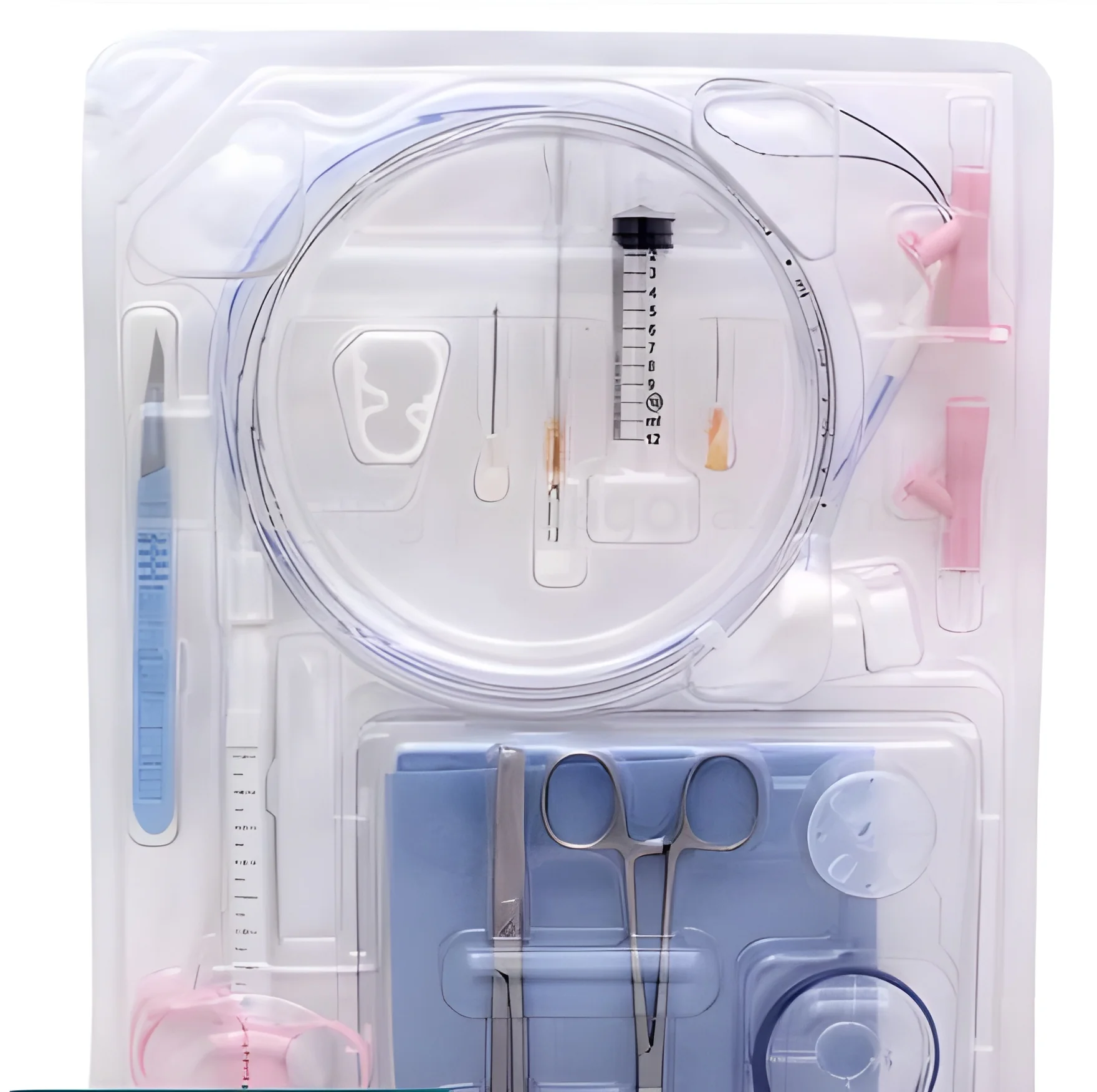
Key Features and Specifications
Enteral nutrition formulas are characterized by their specific formulations that cater to the diverse needs of patients. These products are designed to be easily administered through various feeding methods, including enteral tubes and syringes.
Key specifications include:
1. Nutritional Composition
- Contains a balanced mix of carbohydrates, proteins, and fats
- Specific ratios tailored for different medical conditions
2. Caloric Density
- Formulas available with different caloric densities, typically ranging from 1.0 to 2.0 kcal/mL
- Allows customization based on patient needs
3. Osmolality
- Formulas vary in osmolality, usually between 300 to 600 mOsm/kg
- Important for patient tolerance and digestive comfort
4. Fiber Content
- Options available with or without fiber to support digestive health
- Formulations can include soluble and insoluble fibers
5. Protein Source
- Formulas may contain whey, casein, or plant-based proteins
- Variety ensures suitability for different dietary restrictions
6. Flavor Profiles
- Available in multiple flavors to enhance patient acceptability
- Options include vanilla, chocolate, and unflavored
7. Packaging
- Offered in ready-to-use bottles or cartons for easy administration
- Some products available in bulk for hospital use
In summary, the diverse features and specifications of enteral nutrition formulas make them suitable for various patient needs, ensuring optimal nutritional support.
Common Applications and Use Cases
Enteral nutrition formulas are utilized across numerous healthcare settings, reflecting their versatility in addressing various nutritional requirements.
1. Hospitals: Enteral nutrition is commonly used in acute care settings to support patients recovering from surgery or serious illness, ensuring they receive necessary nutrients during their recovery.
2. Long-term Care Facilities: Residents with swallowing difficulties or chronic conditions benefit from enteral nutrition, allowing for consistent nutrient intake without the risk of aspiration.
3. Home Care: Patients receiving care at home often rely on enteral nutrition formulas to maintain their health and quality of life, providing convenience and ease of use for caregivers.
4. Palliative Care: For patients with terminal illnesses, enteral nutrition offers a compassionate approach to managing nutritional needs, focusing on comfort and quality of life.
5. Neurological Disorders: Individuals with conditions like stroke or ALS often require enteral feeding to meet their nutritional needs when oral intake is not feasible.
6. Pediatric Care: Specialized enteral nutrition formulas are designed for infants and children with specific dietary requirements due to medical conditions.
7. Oncology: Cancer patients undergoing treatment may use enteral nutrition to counteract weight loss and support overall health during therapy.
Product Variants and Subcategories
Enteral nutrition formulas are available in a variety of formulations to meet the specific needs of different patient populations. The diversity in these products ensures that healthcare providers can offer tailored solutions.
Standard Enteral Formulas
These are general-purpose formulas designed for patients with typical nutritional requirements. They provide a balanced mix of nutrients, making them suitable for a wide range of patients.
Elemental Formulas
These formulas contain pre-digested nutrients that are easier for patients with severe malabsorption issues to absorb. They are often used for patients with gastrointestinal disorders.
Specialized Formulas
Tailored for specific medical conditions, these formulas may focus on higher protein content, low carbohydrate levels, or additional fiber. They are used for patients with unique dietary needs.
Disease-Specific Formulas
Designed for patients with conditions like diabetes, renal issues, or liver disease, these formulas adjust macronutrient ratios to align with medical requirements.
Benefits and Advantages
Enteral nutrition formulas offer numerous benefits to patients requiring nutritional support.
1. Convenient Administration: Enteral feeding allows for easy and effective delivery of nutrients, particularly for patients unable to eat orally.
2. Tailored Nutrition: Formulas can be customized to meet individual dietary needs, ensuring optimal nutrition based on medical conditions.
3. Enhanced Recovery: Adequate nutritional support aids in quicker recovery from surgeries and illnesses, improving overall patient outcomes.
4. Improved Patient Comfort: Formulas designed with patient comfort in mind can reduce gastrointestinal discomfort and promote tolerance.
5. Versatile Use: Suitable for various healthcare settings, enteral nutrition supports patients in hospitals, long-term care, and home environments, ensuring continuity of care.
6. Cost-Effective: Enteral nutrition can be more economical than parenteral nutrition, reducing hospital stays and associated healthcare costs.
Buying Guide for B2B Buyers
When sourcing enteral nutrition formulas for business needs, several key factors should be considered to ensure quality and compliance.
1. Quality Assessment: Evaluate products based on nutritional content, manufacturing processes, and certifications. Look for formulas that meet established quality standards.
2. Supplier Verification: It is essential to vet suppliers for reliability and reputation. Check their history, customer reviews, and compliance with industry regulations.
3. Pricing and MOQ: Understand the cost structure, including any minimum order quantities. Compare prices across different suppliers to ensure competitive rates.
4. Delivery and Lead Times: Consider the logistics involved in the supply chain. Determine lead times for delivery to ensure timely access to products.
5. Compliance Requirements: Be aware of regional regulations and certifications necessary for enteral nutrition products. Ensure that suppliers comply with standards such as UL or CE.
Compliance and Certifications
Enteral nutrition products must adhere to various quality standards to ensure safety and efficacy. Relevant certifications include ISO 9001, which ensures effective quality management systems, and HACCP, which focuses on food safety through hazard analysis.
Additionally, products may be certified by UL or CE, indicating compliance with international safety standards. These certifications are crucial for maintaining high-quality manufacturing practices and ensuring that the products are safe for patient use.
Safety and testing requirements are paramount in the production of enteral nutrition formulas. Regular testing for contaminants and nutritional accuracy is necessary to uphold consumer trust and regulatory compliance.
Regional compliance considerations may vary, so it is important to be aware of local regulations governing the production and distribution of enteral nutrition products. This awareness helps businesses avoid potential legal issues and ensures that they are providing safe and effective nutrition solutions.
Why Source Enteral Nutrition (Feeding Formulas) from Pepagora?
Pepagora provides a trusted platform for sourcing enteral nutrition formulas, offering several key advantages for B2B buyers.
Verified Supplier Network: Pepagora has established a robust network of verified suppliers. This network ensures that buyers can access high-quality products with confidence, knowing that suppliers have undergone rigorous vetting.
Streamlined RFQ Process: The platform offers a user-friendly request for quotation system. Buyers can easily compare multiple suppliers and receive tailored quotes, making the sourcing process efficient and straightforward.
Trade Assurance and Support: Pepagora prioritizes buyer protection through trade assurance programs. This feature provides an added layer of security for transactions, ensuring that buyers receive what they pay for.
Regional Coverage: With a strong presence in India, the GCC, and Southeast Asia, Pepagora offers extensive geographic reach. This regional coverage enables buyers to source enteral nutrition products locally, reducing shipping times and costs while supporting local economies.

 IN
IN