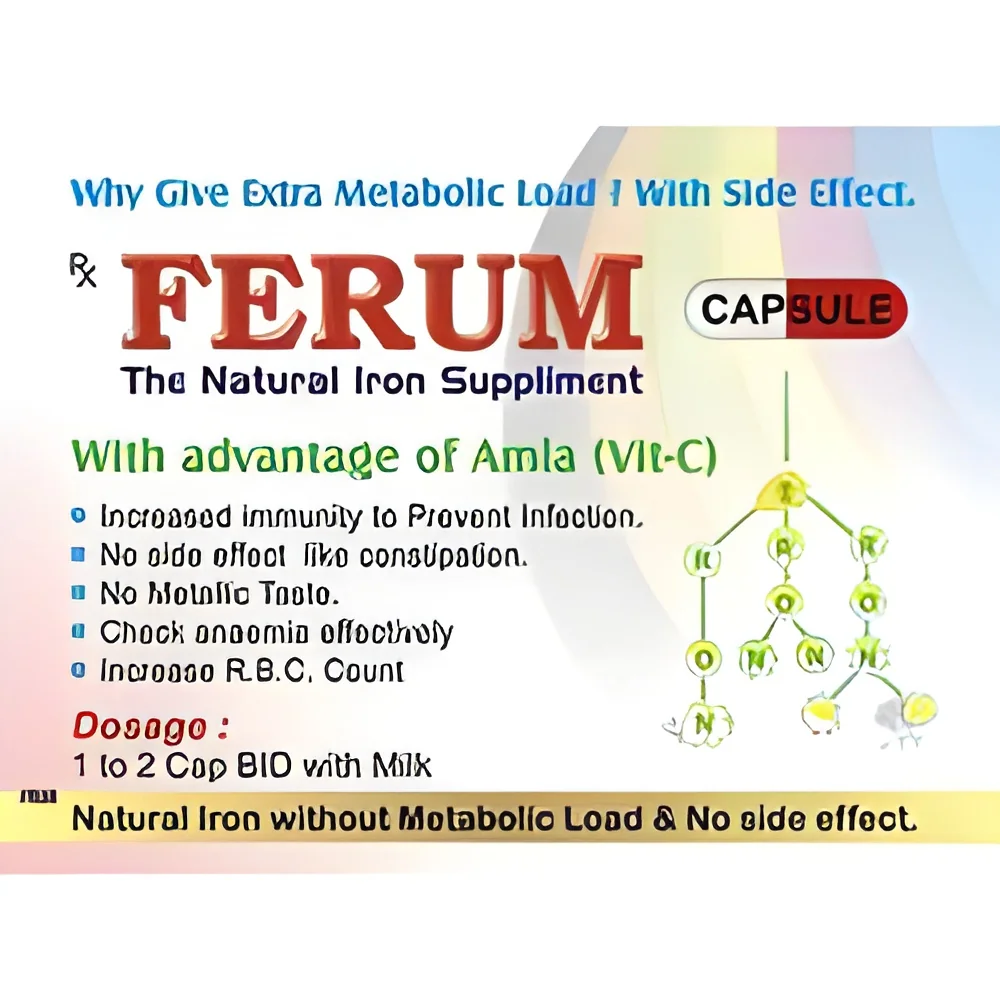
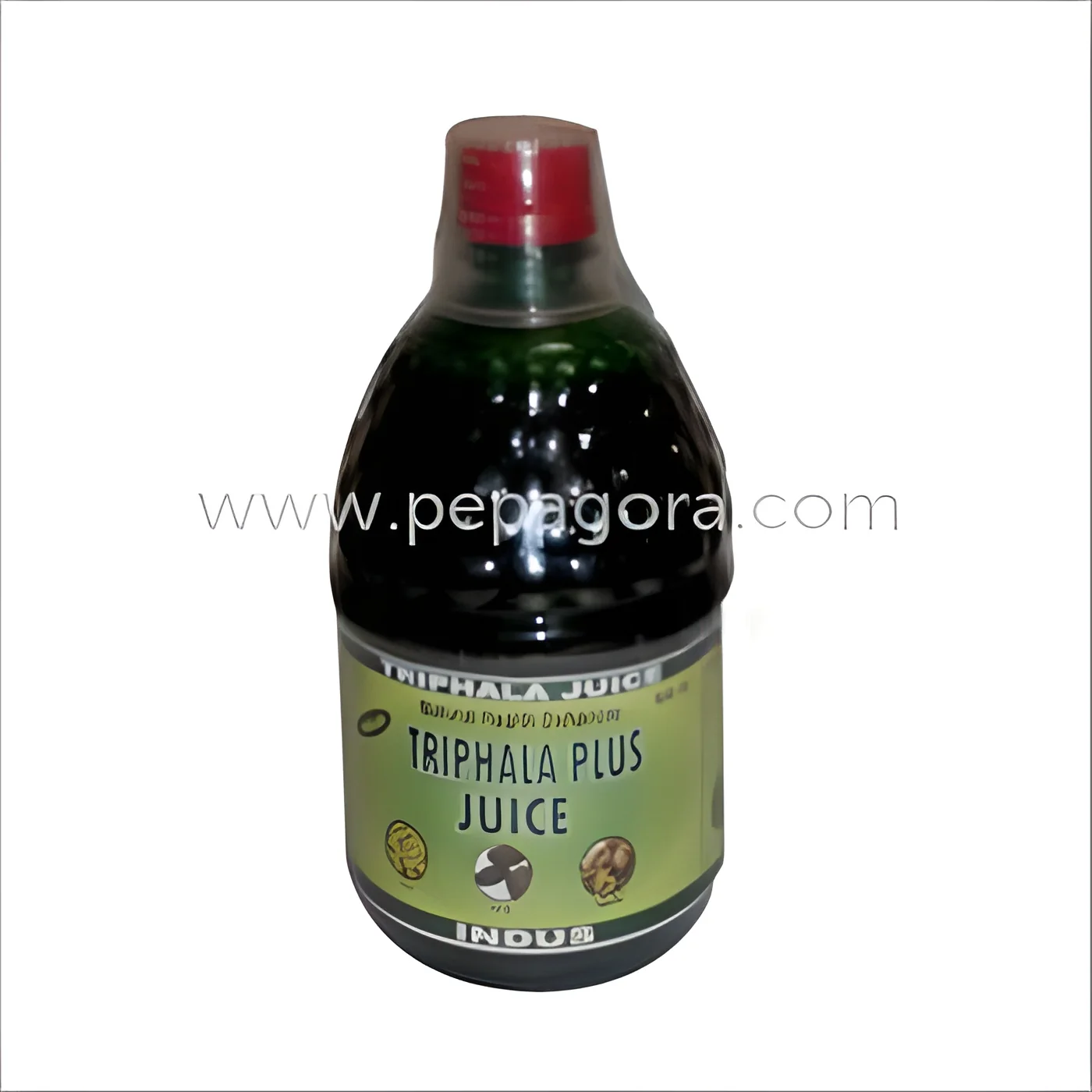
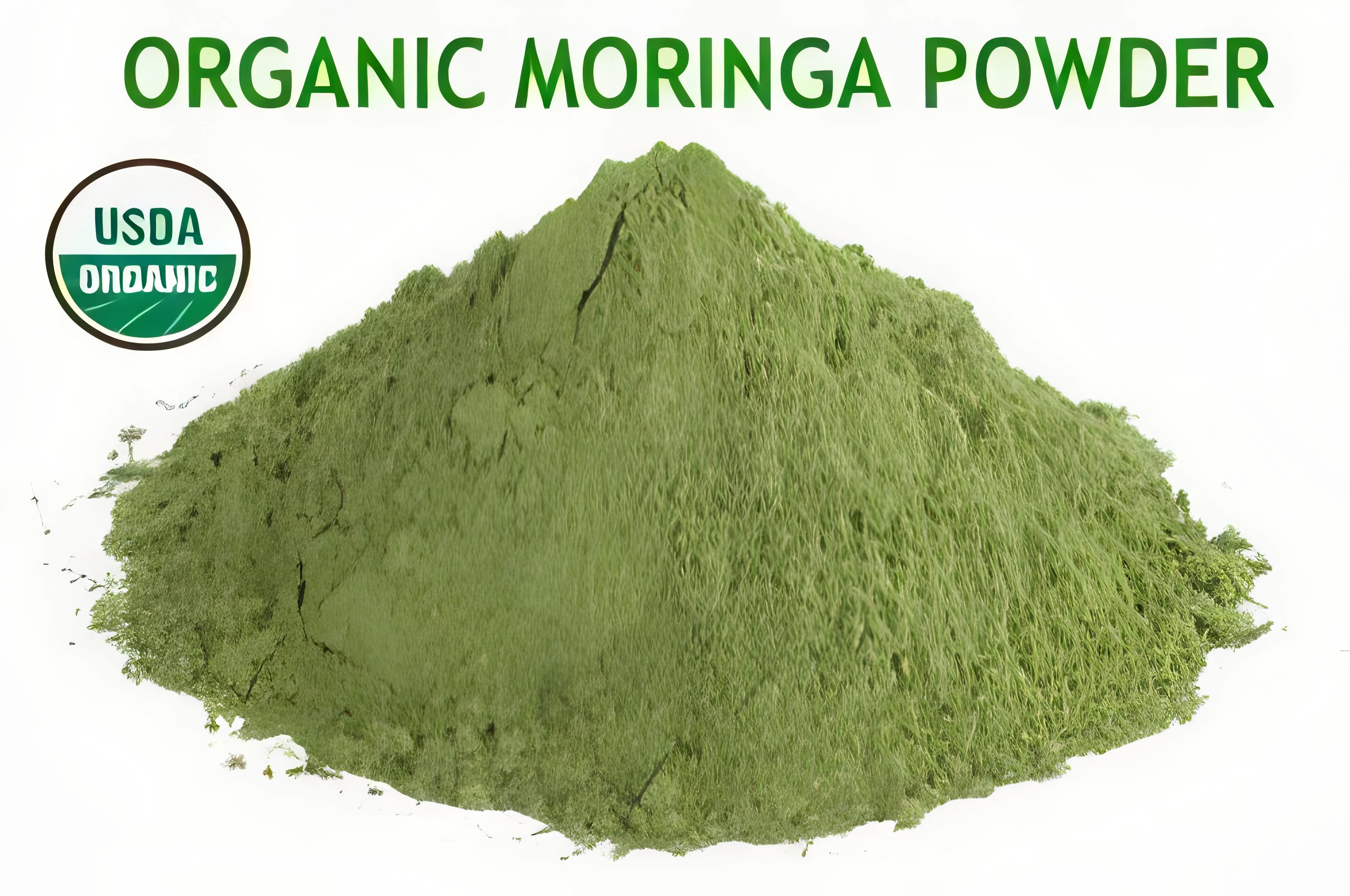
𝗪𝗵𝗮𝘁 𝗮𝗿𝗲 𝗡𝘂𝘁𝗿𝗶𝘁𝗶𝗼𝗻 & 𝗗𝗶𝗲𝘁𝗮𝗿𝘆 𝗣𝗿𝗼𝗱𝘂𝗰𝘁𝘀?
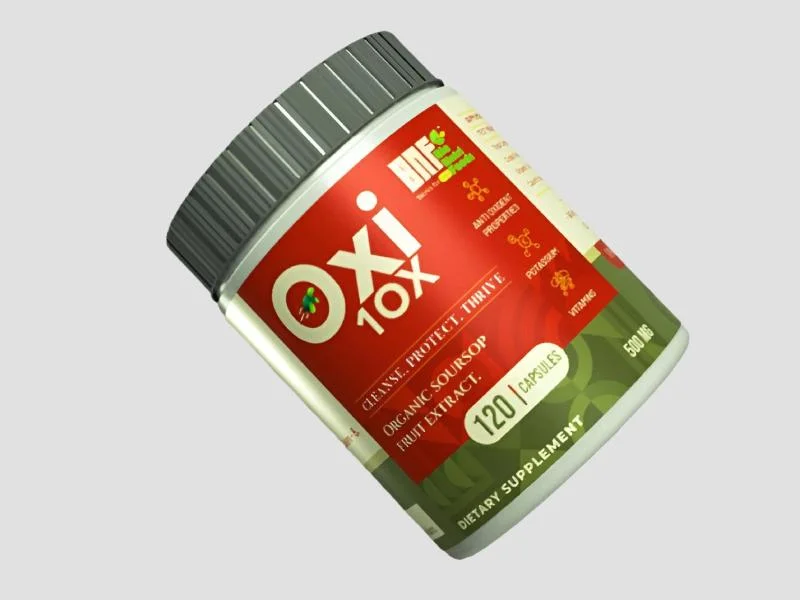
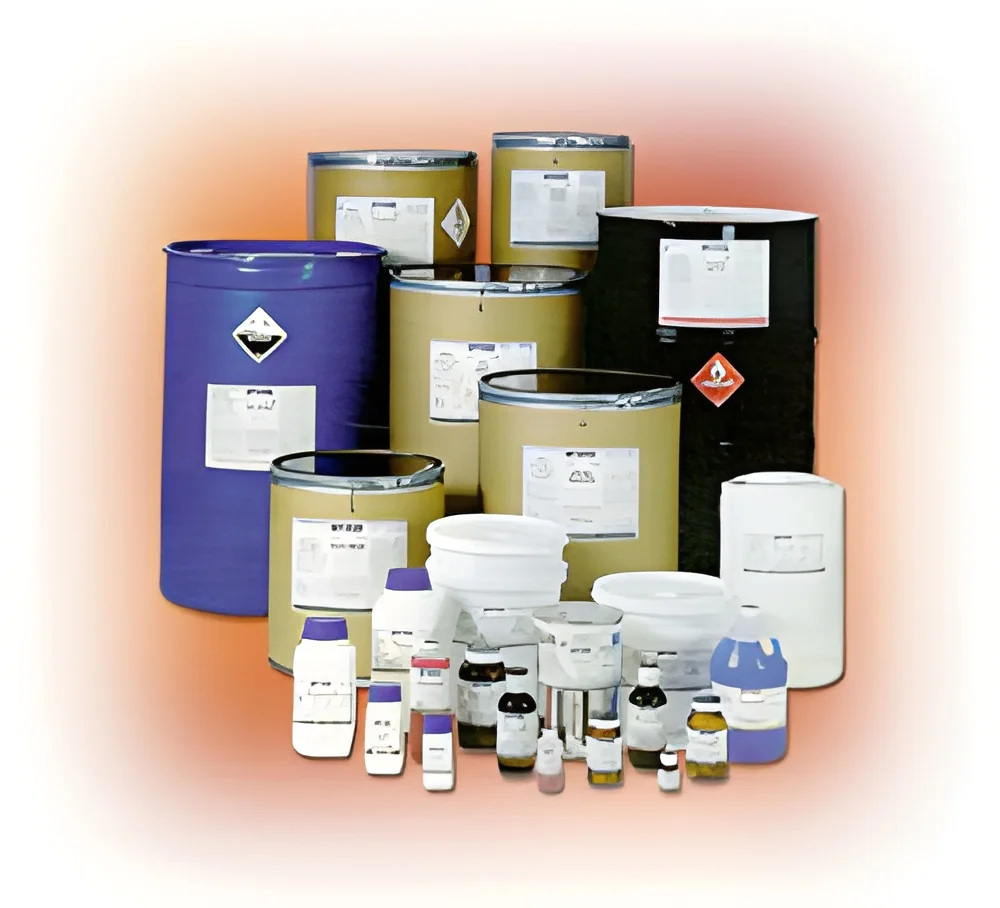
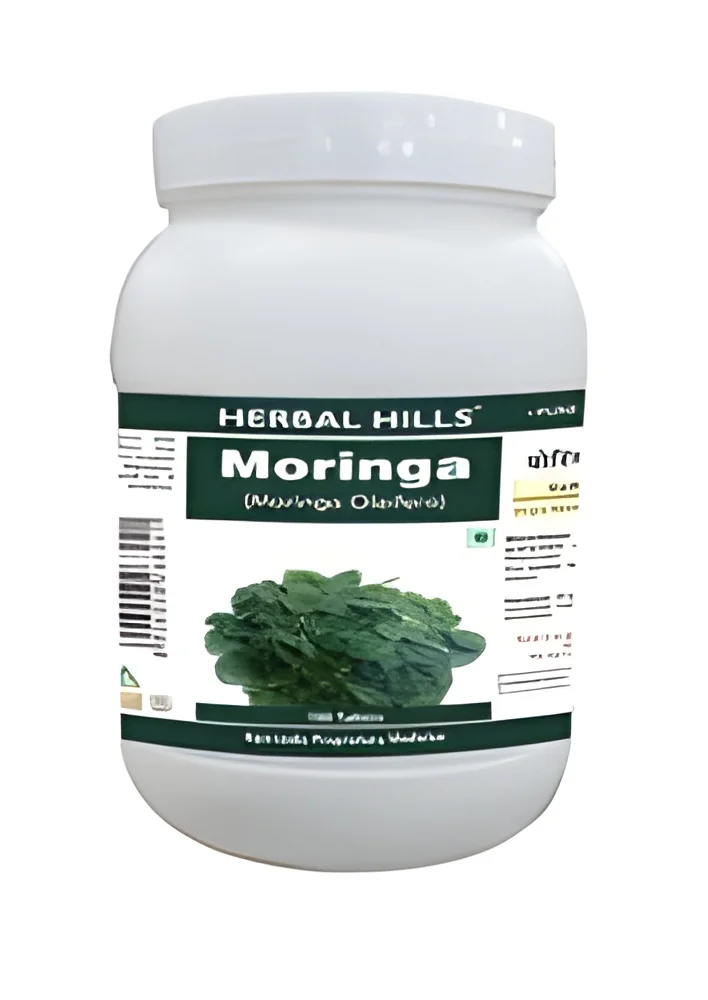
Nutrition and dietary products are specially formulated items designed to support health and well-being. These products can include dietary supplements, functional foods, and meal replacements, among others. They are created to meet specific nutritional needs and can provide vitamins, minerals, protein, fiber, and other essential nutrients that may be lacking in a typical diet.
Businesses utilize nutrition and dietary products for various applications, including health promotion, disease prevention, and overall wellness enhancement. They are commonly found in sectors such as healthcare, fitness, and food service. Companies often integrate these products into their offerings to cater to health-conscious consumers and promote a healthier lifestyle. The industry is experiencing significant growth, driven by increasing awareness of health and nutrition.
With a growing market trend towards preventive health care, nutrition and dietary products play a crucial role in many industries. They are relevant not only for individual consumers but also for institutions like hospitals, gyms, and wellness centers. As the global population becomes more health-conscious, the demand for these products continues to rise, making it a pivotal segment in the health and wellness market.
𝗞𝗲𝘆 𝗙𝗲𝗮𝘁𝘂𝗿𝗲𝘀 𝗮𝗻𝗱 𝗦𝗽𝗲𝗰𝗶𝗳𝗶𝗰𝗮𝘁𝗶𝗼𝗻𝘀
Nutrition and dietary products are characterized by specific features that enhance their effectiveness and appeal. Key specifications can help businesses select the products that best fit their needs.
Key specifications include:
1. Nutrient Composition
- A detailed breakdown of vitamins, minerals, and other nutrients.
- Varies based on product type and intended use.
2. Delivery Form
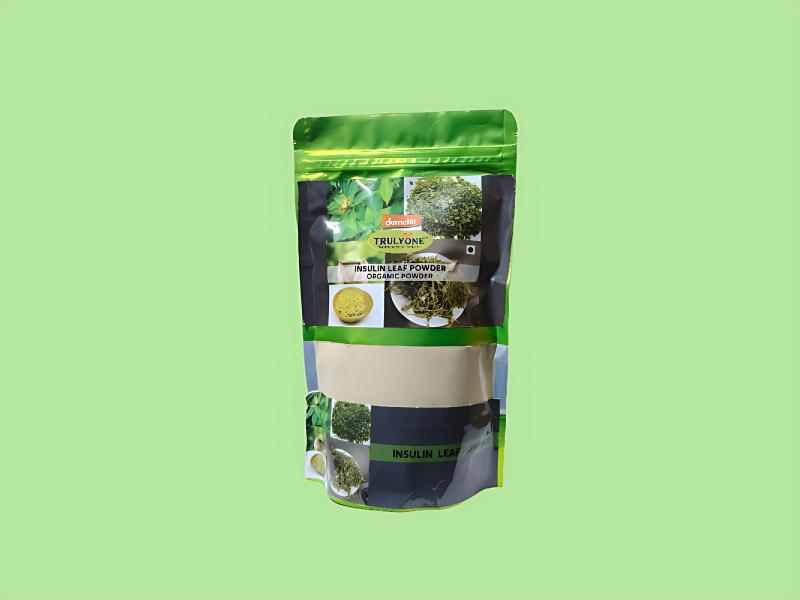
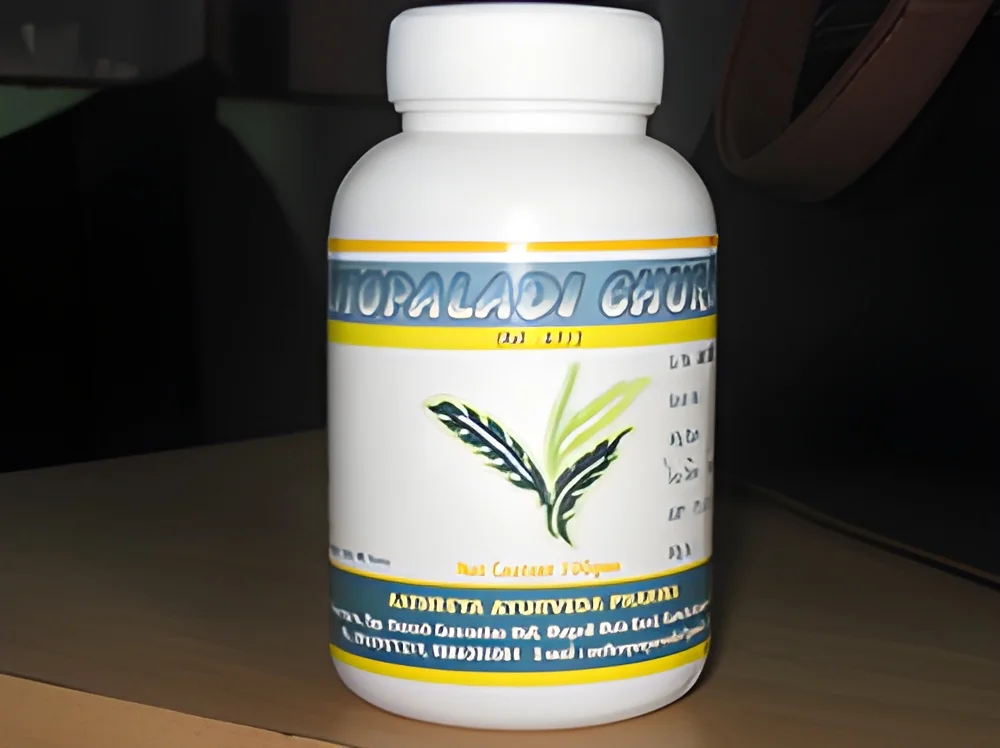
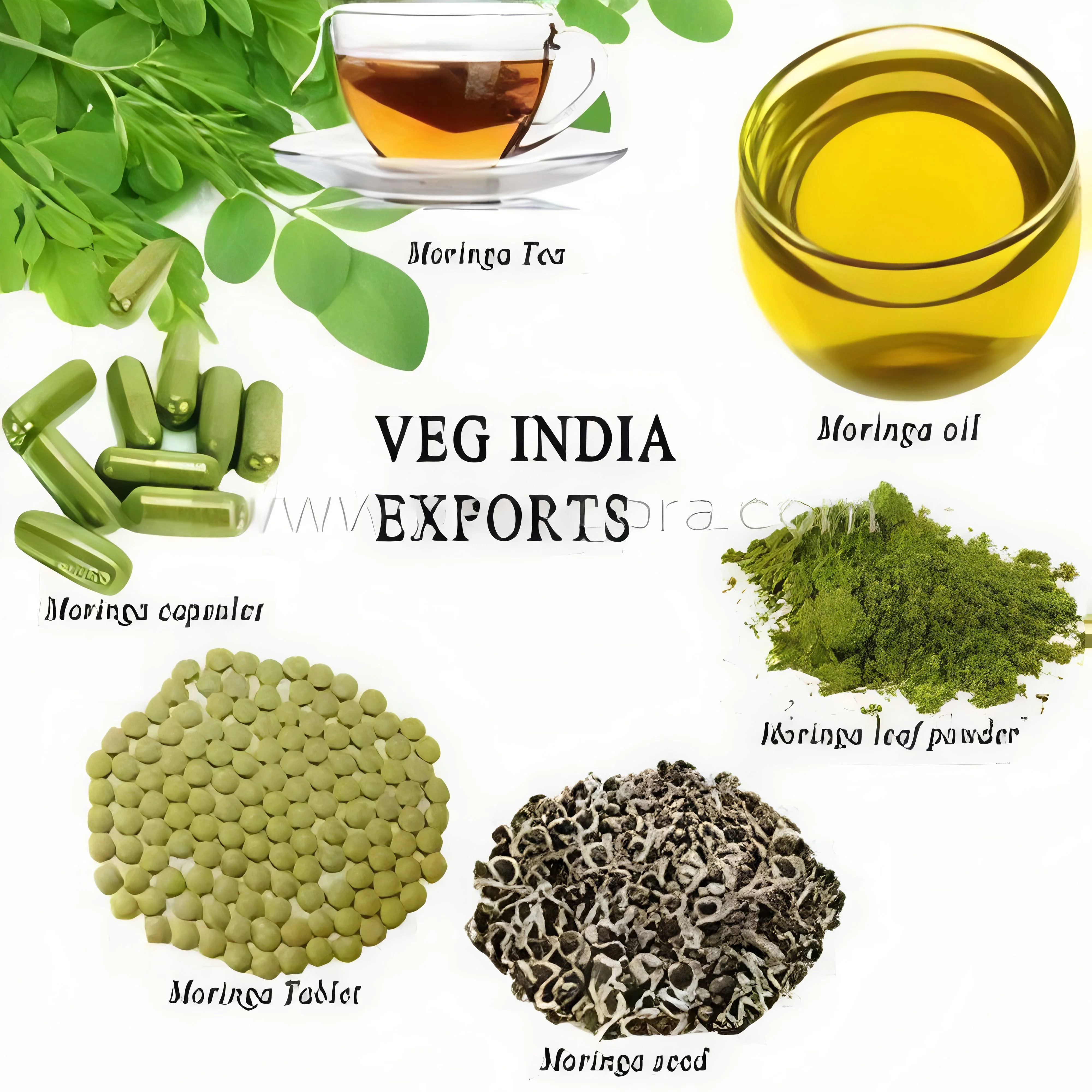
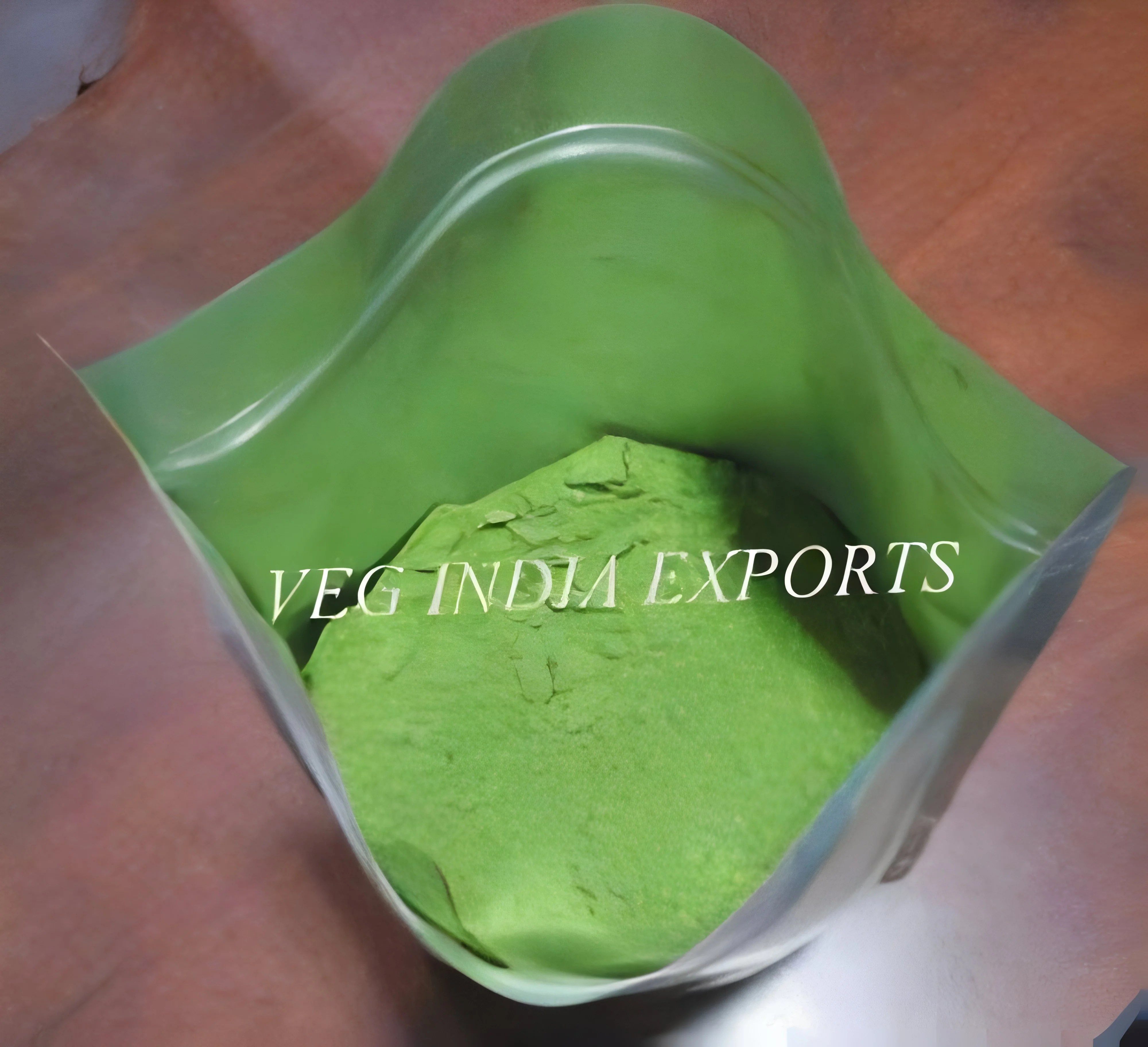
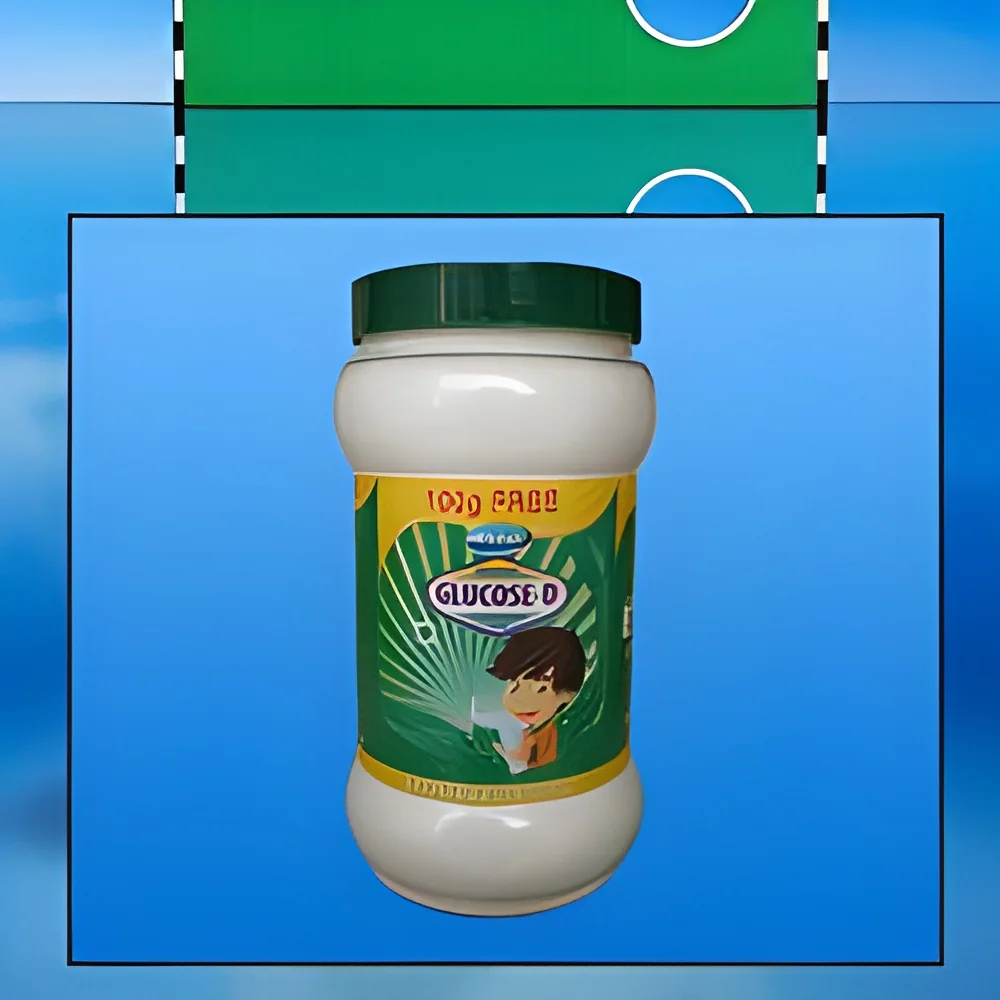
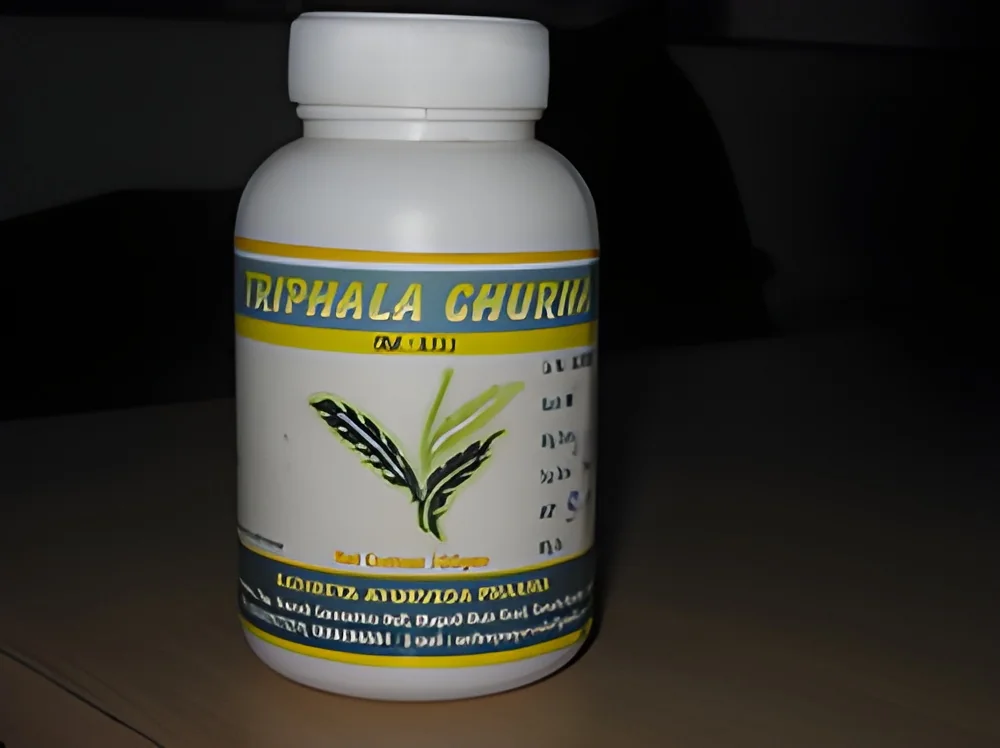
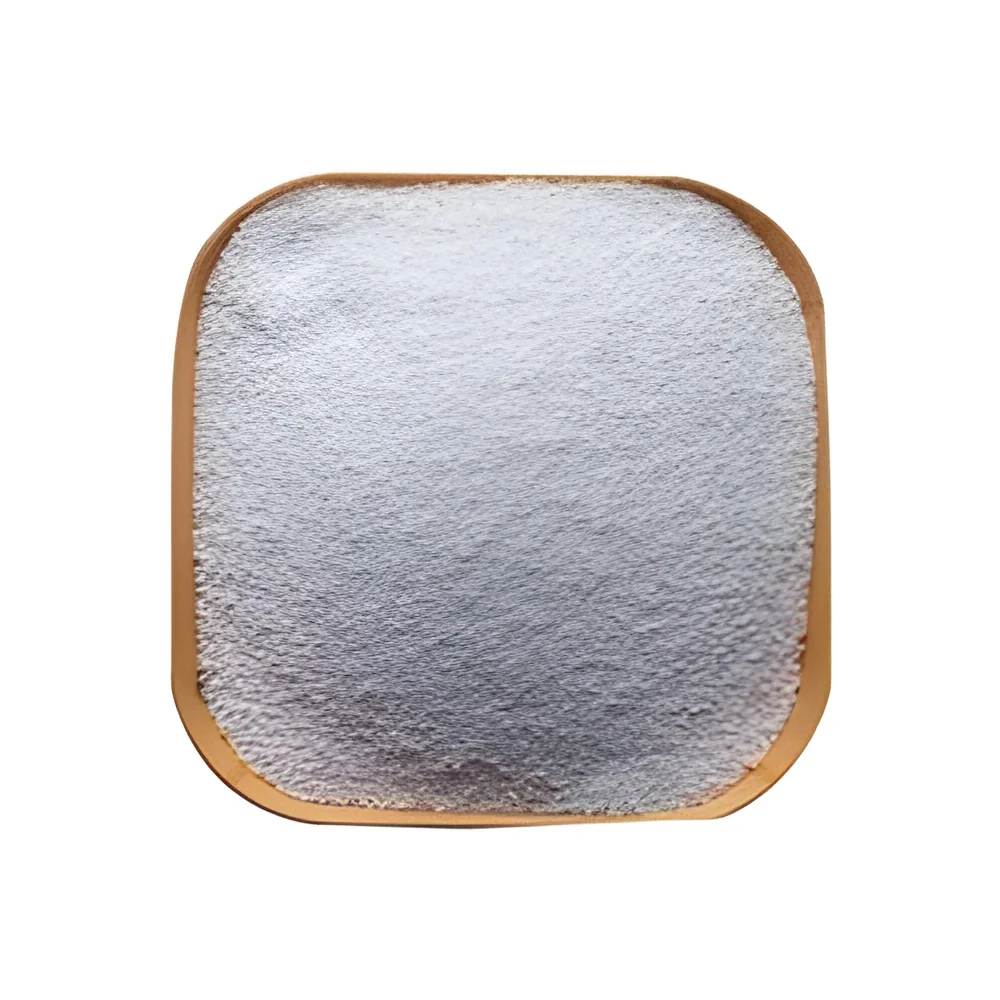
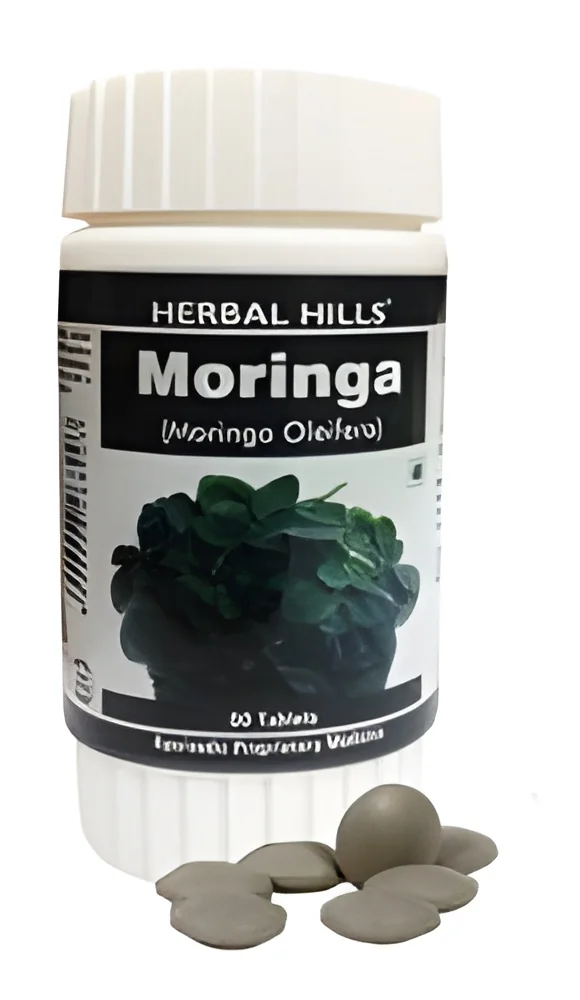
- Available in various forms such as powders, capsules, tablets, and liquids.
- Each form has its own absorption rates and convenience factors.
3. Shelf Life
- Indicates the duration for which the product maintains its intended quality.
- Typically ranges from one year to several years depending on formulation.
4. Taste and Flavor Options
- A range of flavors to improve palatability.
- Important for consumer acceptance, especially for powders and liquids.
5. Packaging Types
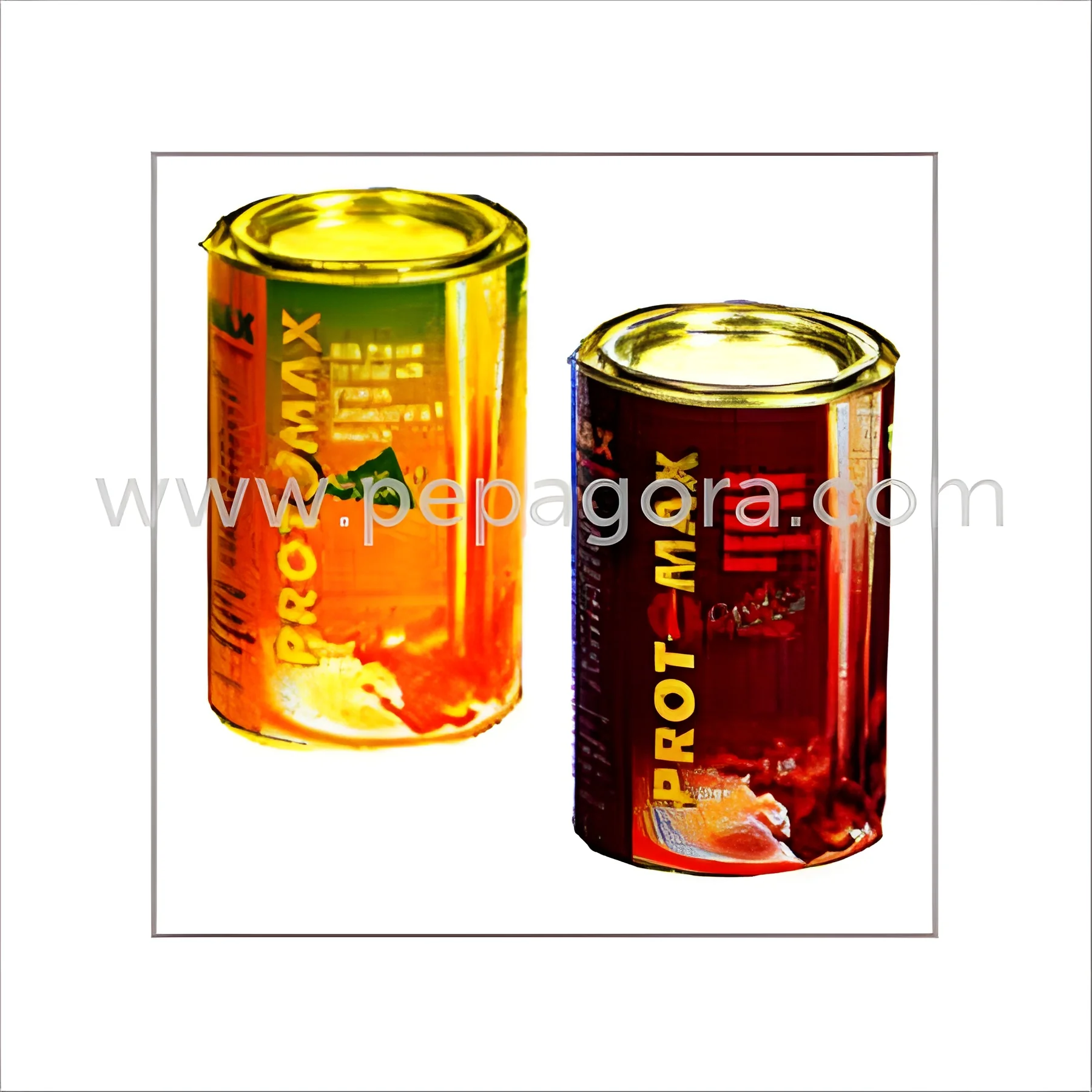
- Includes bulk packaging, single-use packets, and retail-ready containers.
- Affects storage, handling, and marketing strategies.
6. Allergen Information
- Clear labeling of common allergens such as gluten, dairy, or nuts.
- Essential for consumer safety and compliance.
7. Certification Status
- Indicates adherence to quality standards and regulations.
- Common certifications include CE marking for safety.
8. Customization Options
- Ability to tailor formulations based on specific client demands.
- Flexibility to meet unique business or consumer needs.
Understanding these specifications enables businesses to select the right nutrition and dietary products for their target markets, ensuring quality and compliance.
𝗖𝗼𝗺𝗺𝗼𝗻 𝗔𝗽𝗽𝗹𝗶𝗰𝗮𝘁𝗶𝗼𝗻𝘀 𝗮𝗻𝗱 𝗨𝘀𝗲 𝗖𝗮𝘀𝗲𝘀
Nutrition and dietary products are versatile and can be applied across various industries.
1. Healthcare: Used in hospitals and clinics for patient nutrition, recovery support, and preventative health measures.
2. Fitness: Popular among gyms and fitness centers to enhance performance, recovery, and overall health for athletes and regular gym-goers.
3. Food Service: Incorporated into meal programs for schools, nursing homes, and meal delivery services to ensure balanced nutrition.
4. Retail: Sold in supermarkets and health stores to cater to health-conscious consumers looking for dietary supplements and functional foods.
5. Sports Nutrition: Targeted at athletes requiring specialized nutrition to optimize performance and recovery.
6. Weight Management: Utilized in weight loss programs to provide meal replacements and nutritional support.
7. Elderly Care: Essential in senior living facilities to ensure that older adults receive adequate nutrition tailored to their health needs.
𝗣𝗿𝗼𝗱𝘂𝗰𝘁 𝗩𝗮𝗿𝗶𝗮𝗻𝘁𝘀 𝗮𝗻𝗱 𝗦𝘂𝗯𝗰𝗮𝘁𝗲𝗴𝗼𝗿𝗶𝗲𝘀
The diversity of nutrition and dietary products allows for a variety of options to meet different consumer needs.
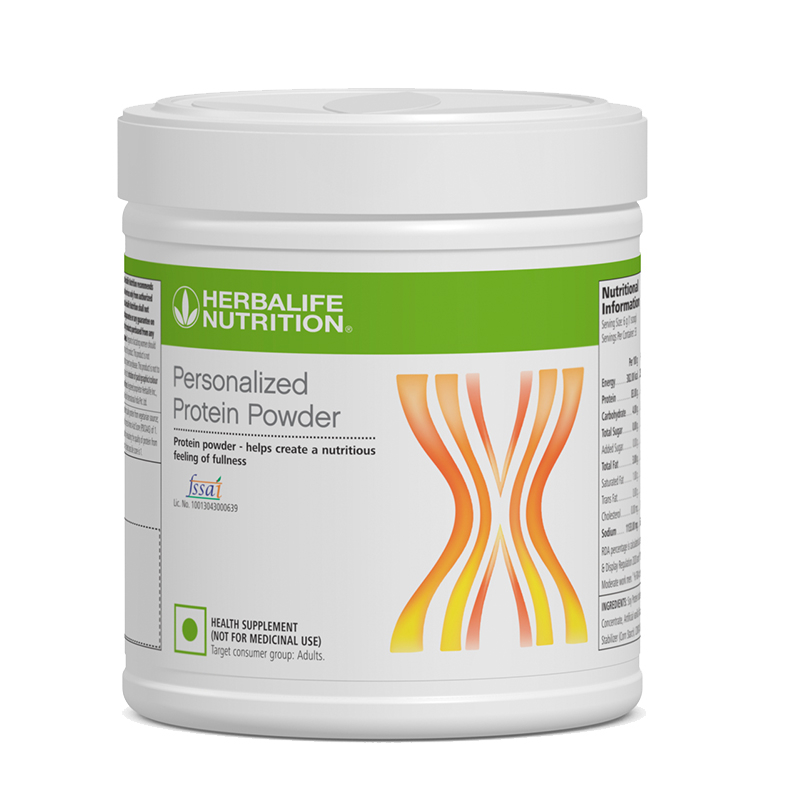
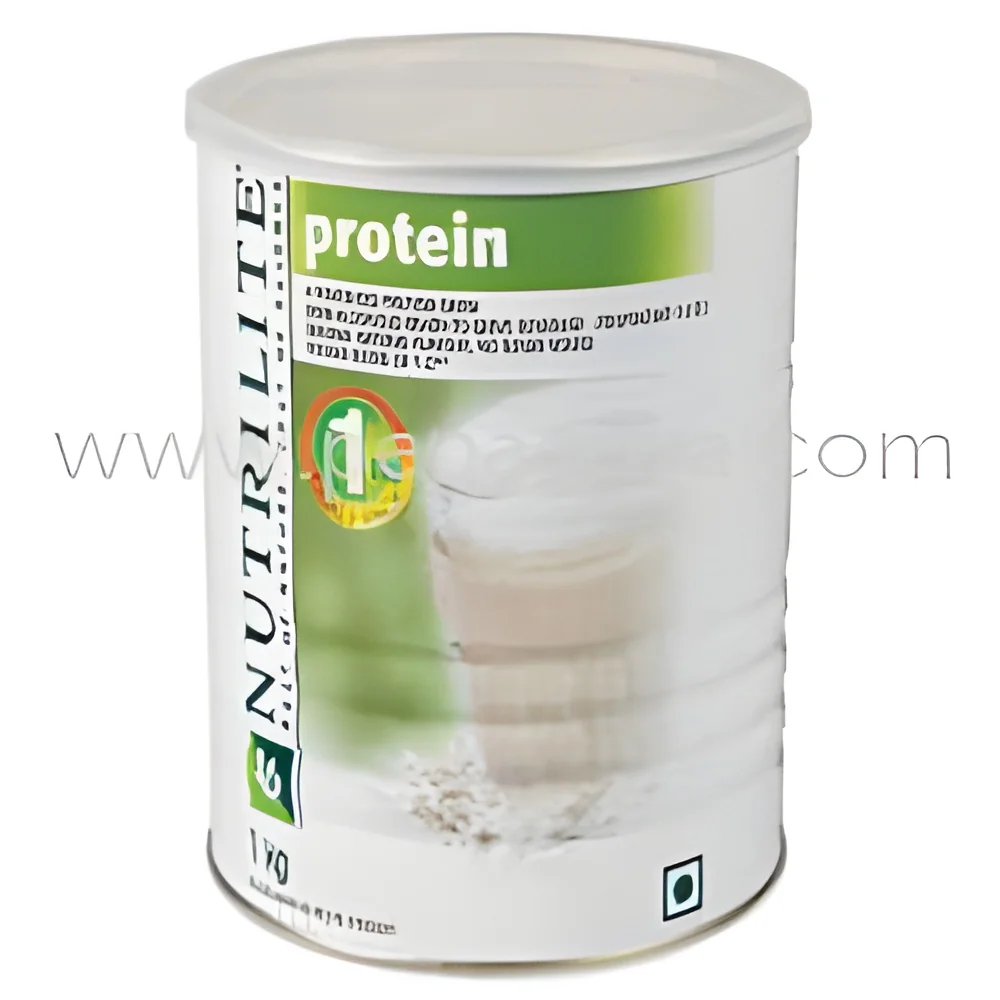
Protein Powders: These are popular among fitness enthusiasts seeking to increase muscle mass or enhance recovery. They come in various sources, including whey, casein, and plant-based proteins.
Meal Replacement Shakes: Designed to provide balanced nutrition in a convenient form. Ideal for busy individuals looking to maintain a healthy diet without the time to prepare meals.
Vitamins and Minerals: These supplements are essential for filling nutritional gaps in everyday diets. They cater to specific needs, such as prenatal vitamins or age-specific formulations.
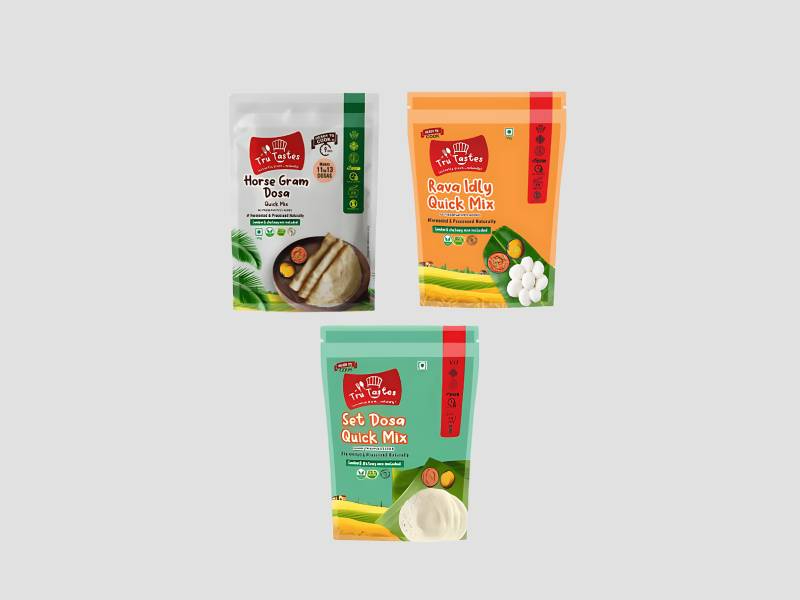
Functional Foods: These are everyday foods enhanced with additional nutrients or health benefits. Examples include fortified cereals or probiotic yogurts that support digestive health.
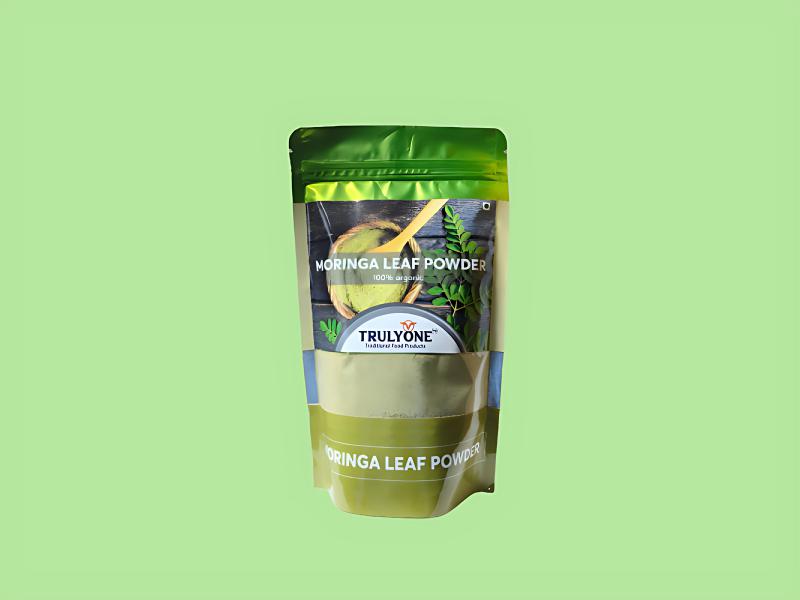
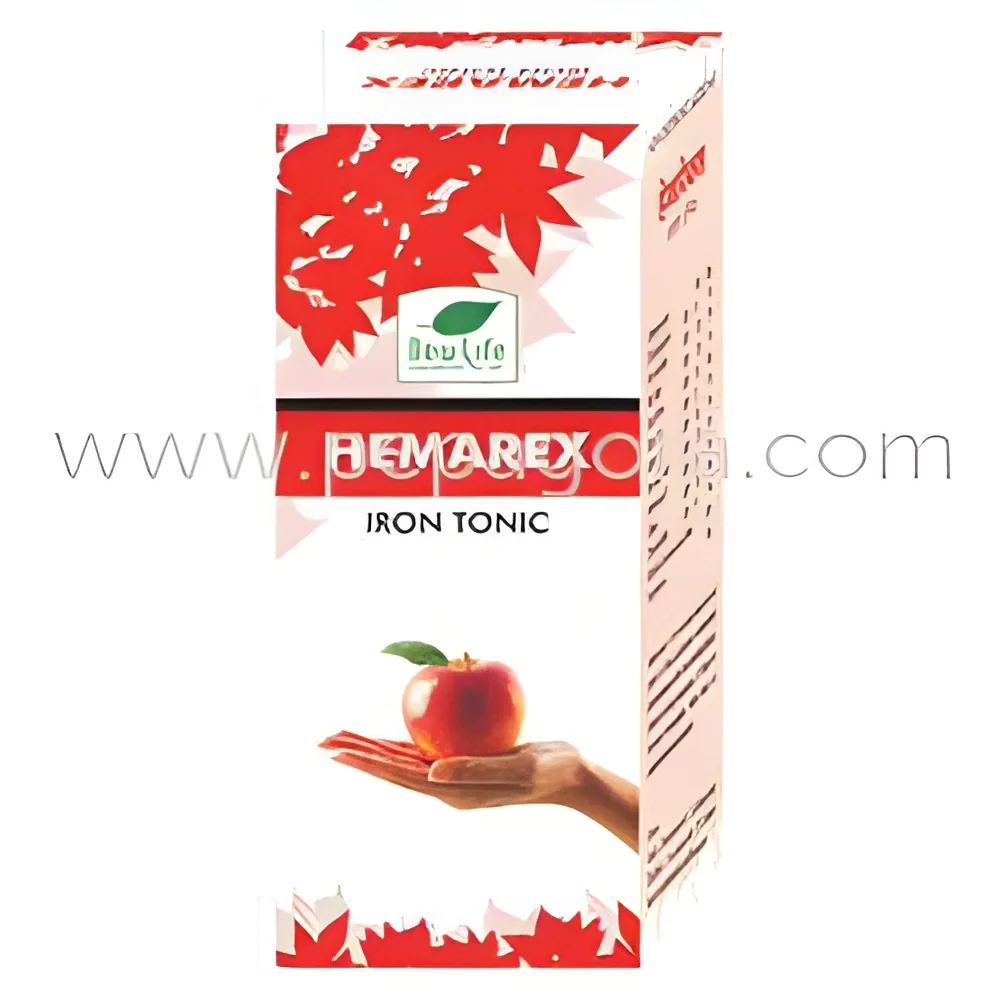
Dietary Supplements: A broad category that includes herbal products, omega-3 fatty acids, and other specialty nutrients aimed at supporting various health goals.
𝗕𝗲𝗻𝗲𝗳𝗶𝘁𝘀 𝗮𝗻𝗱 𝗔𝗱𝘃𝗮𝗻𝘁𝗮𝗴𝗲𝘀
Nutrition and dietary products offer numerous benefits that can enhance individual well-being and business opportunities.
Key benefits include:
1. Health Improvement: These products help in addressing nutrient deficiencies, contributing to better overall health and wellness.
2. Convenience: They provide easy-to-consume options for busy individuals or those with specific dietary needs, simplifying meal planning.
3. Customization: Many products can be tailored to meet the unique requirements of different consumer segments, allowing for targeted marketing.
4. Enhanced Performance: For athletes and active individuals, these products can improve physical performance and recovery.
5. Market Demand: The growing health-conscious consumer base creates strong market potential for businesses offering nutrition and dietary products.
6. Compliance and Safety: Adherence to quality standards ensures consumer safety, fostering trust and brand loyalty.
𝗕𝘂𝘆𝗶𝗻𝗴 𝗚𝘂𝗶𝗱𝗲 𝗳𝗼𝗿 𝗕𝟮𝗕 𝗕𝘂𝘆𝗲𝗿𝘀
When sourcing nutrition and dietary products, it is essential for B2B buyers to consider several key factors.
1. Quality Assessment: Evaluate product quality through certifications and laboratory testing. Look for reputable brands with a history of compliance to ensure safety and efficacy.
2. Supplier Verification: Conduct thorough due diligence on potential suppliers. Check their certifications, market reputation, and client testimonials to ensure reliability.
3. Pricing and MOQ: Understand the pricing structure and minimum order quantities (MOQ) to align with your budget and inventory needs.
4. Delivery and Lead Times: Discuss logistics with suppliers to establish clear timelines for delivery. Timely access to products is critical for maintaining business operations.
5. Compliance Requirements: Stay informed about regulatory standards applicable in your region. Ensure that all products meet local regulations to avoid legal issues.
𝗖𝗼𝗺𝗽𝗹𝗶𝗮𝗻𝗰𝗲 𝗮𝗻𝗱 𝗖𝗲𝗿𝘁𝗶𝗳𝗶𝗰𝗮𝘁𝗶𝗼𝗻𝘀
In the nutrition and dietary products industry, compliance with quality standards is paramount. Key standards include ISO 9001, which outlines requirements for a quality management system, and HACCP, which focuses on food safety management. GDP (Good Distribution Practice) guidelines ensure products are consistently stored and transported under appropriate conditions.
Industry certifications such as CE marking signify compliance with European health, safety, and environmental protection standards. This certification is critical for ensuring that products meet safety requirements before reaching the market.
Additionally, safety and testing requirements must be strictly adhered to, ensuring that products are safe for consumption and free from contaminants. Regional compliance considerations vary and should be fully understood by buyers to ensure adherence to local laws and regulations.
𝗪𝗵𝘆 𝗦𝗼𝘂𝗿𝗰𝗲 𝗡𝘂𝘁𝗿𝗶𝘁𝗶𝗼𝗻 & 𝗗𝗶𝗲𝘁𝗮𝗿𝘆 𝗣𝗿𝗼𝗱𝘂𝗰𝘁𝘀 𝗳𝗿𝗼𝗺 𝗣𝗲𝗽𝗮𝗴𝗼𝗿𝗮?
Pepagora provides a trusted platform for sourcing nutrition and dietary products, offering several key advantages that enhance the buyer experience.
Verified Supplier Network: Pepagora ensures a robust network of verified suppliers, giving buyers confidence in the quality and reliability of the products they source. Each supplier undergoes a comprehensive vetting process, ensuring they meet industry standards.
Streamlined RFQ Process: The platform features an efficient Request for Quotation (RFQ) system that simplifies the sourcing process. Buyers can quickly obtain quotes from multiple suppliers, making it easier to compare options and find the best fit.
Trade Assurance and Support: Pepagora prioritizes buyer protection through trade assurance policies. This support helps mitigate risks associated with transactions, ensuring a secure purchasing environment.
Regional Coverage: With a broad geographic reach across India, the GCC region, and Southeast Asia, Pepagora connects buyers with suppliers in key markets, facilitating diverse sourcing options tailored to specific business needs.
By leveraging these advantages, businesses can confidently source high-quality nutrition and dietary products that meet their operational requirements.

 IN
IN