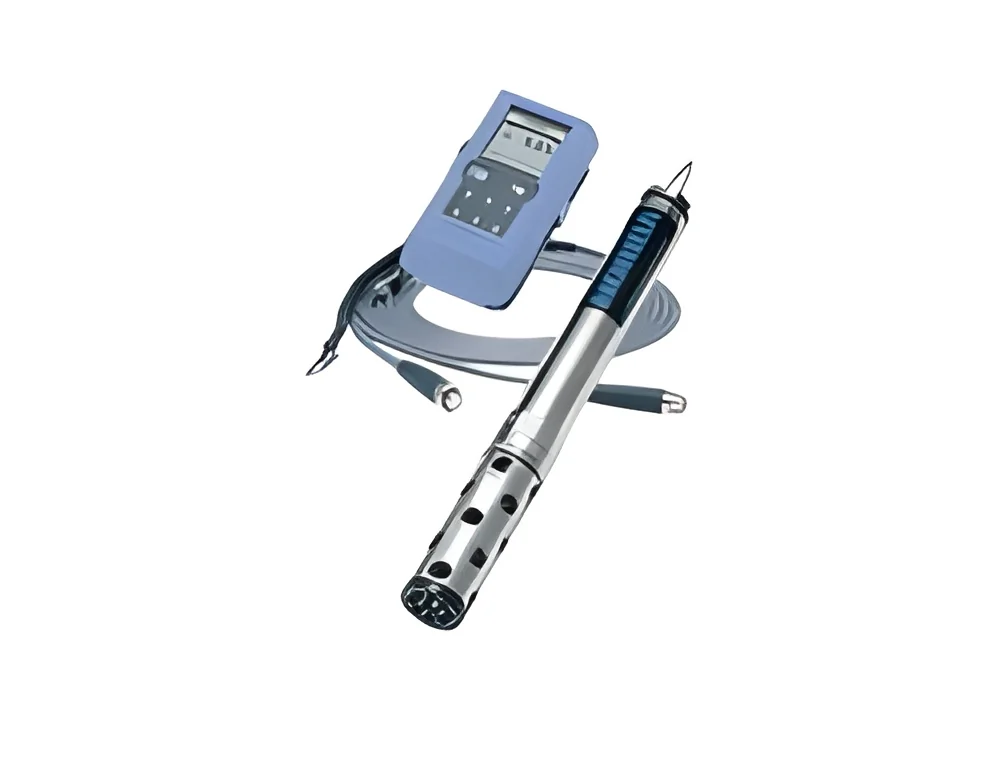
What are Water Quality Monitoring Advisory?
Water Quality Monitoring Advisory refers to a comprehensive service designed to assist businesses in ensuring the safety and quality of water sources. This service typically involves the continuous monitoring of water parameters such as pH levels, turbidity, dissolved oxygen, and the presence of contaminants. By utilizing advanced technologies and methodologies, businesses can receive timely insights into their water quality, enabling them to take corrective actions when necessary.
The primary uses of Water Quality Monitoring Advisory span across various industries, including agriculture, food and beverage, pharmaceuticals, and municipal water supply. These advisories help organizations maintain compliance with local regulations and standards, safeguard public health, and enhance operational efficiency. Additionally, industries rely on these services to support environmental sustainability initiatives and improve overall water management practices.
In the current market context, the relevance of Water Quality Monitoring Advisory is growing due to increasing regulatory pressures and heightened awareness of environmental issues. As businesses face stricter compliance requirements, effective water quality monitoring is crucial for risk mitigation and operational success. The rising demand for clean water sources further emphasizes the necessity of reliable monitoring services across various sectors.
Key Features and Specifications
Water Quality Monitoring Advisory encompasses a variety of features and specifications that cater to the needs of different industries. These features are designed to provide accurate and reliable data, ensuring informed decision-making.
Key specifications include:
1. Monitoring Features
- Continuous tracking of essential water quality parameters
- Real-time data transmission for timely insights
2. Compliance Standards
- Adherence to local and international water quality regulations
- Support for compliance with safety and environmental standards
3. Data Analysis Capabilities
- Advanced analytics for trend identification and forecasting
- User-friendly dashboards for easy data interpretation
4. Reporting Functionality
- Customizable reporting formats for varied business needs
- Automated alerts for parameter deviations
5. Temperature and Humidity Control
- Monitoring within specified operational ranges
- Ensures optimal conditions for accurate measurements
6. User Interface
- Intuitive interface for ease of use
- Accessible on multiple devices, including mobile
7. Integration Capability
- Compatibility with existing water management systems
- Seamless data integration for comprehensive analysis
8. Technical Support
- Ongoing technical assistance for system users
- Regular updates to ensure system reliability and performance
In summary, Water Quality Monitoring Advisory is characterized by its robust features that facilitate precise monitoring, compliance, and data management, catering to a diverse range of industry needs.
Common Applications and Use Cases
Water Quality Monitoring Advisory is utilized across several industries, each benefiting from tailored applications that enhance operational integrity.
1. Agriculture: In agricultural settings, monitoring water quality is essential for irrigation and ensuring crop health. Regular assessments help in managing water sources effectively, optimizing yield, and preventing contamination.
2. Food and Beverage: This industry requires strict adherence to hygiene and safety standards. Water quality monitoring ensures that the water used in production processes meets regulatory requirements, thereby safeguarding consumer health.
3. Pharmaceuticals: Water quality is critical for pharmaceutical manufacturing. Monitoring services help maintain the purity and quality of water used in drug production, ensuring compliance with health regulations.
4. Municipal Water Supply: Local governments rely on water quality monitoring to ensure that public water supplies are safe for consumption. This includes regular testing for contaminants and adherence to safety standards.
5. Aquaculture: In aquaculture, maintaining optimal water conditions is vital for the health of aquatic species. Monitoring services provide real-time data to manage water quality, preventing disease and promoting growth.
6. Environmental Monitoring: Organizations focused on environmental conservation use water quality monitoring to assess the health of natural water bodies. This data informs conservation efforts and regulatory compliance.
7. Industrial Applications: Various industries use water in their processes and need to monitor its quality to prevent operational issues and ensure product integrity.
Product Variants and Subcategories
Water Quality Monitoring Advisory offers a range of variants designed to meet specific customer needs.
Standard Monitoring Service: This variant provides essential monitoring of key water quality parameters. It is ideal for businesses looking for basic compliance and safety checks.
Advanced Monitoring System: This system includes advanced features such as real-time data analytics and customizable reporting. It is suited for industries that require detailed insights for operational decision-making.
Mobile Monitoring Solution: Designed for on-the-go access, this variant allows users to monitor water quality through mobile devices. It is particularly useful for field operations and remote locations.
Automated Monitoring Systems: These fully automated solutions provide continuous monitoring and alerts without manual intervention. They are ideal for industries requiring round-the-clock supervision.
Benefits and Advantages
Water Quality Monitoring Advisory offers numerous benefits that enhance operational efficiency and compliance.
1. Enhanced Compliance: Regular monitoring helps businesses meet regulatory requirements, minimizing the risk of penalties.
2. Improved Safety: Continuous tracking of water quality ensures the safety of employees and consumers, reducing health risks associated with contaminated water.
3. Cost Efficiency: Early detection of water quality issues can prevent costly downtime and product recalls, saving businesses money in the long run.
4. Data-Driven Insights: Access to real-time data allows organizations to make informed decisions regarding water management and operational improvements.
5. Environmental Sustainability: Effective water monitoring supports conservation efforts, helping businesses reduce their environmental footprint.
6. Increased Trust: Demonstrating commitment to water quality enhances brand reputation and builds trust with customers and stakeholders.
Buying Guide for B2B Buyers
When sourcing Water Quality Monitoring Advisory, it is essential to consider several key factors to ensure the best fit for your organization.
1. Quality Assessment: Evaluate the quality of monitoring equipment and methods used by the service provider. Look for certifications and compliance with industry standards to ensure reliability.
2. Supplier Verification: Conduct thorough vetting of potential suppliers. Check their track record, client testimonials, and industry reputation to ensure you are partnering with a reliable source.
3. Pricing and MOQ: Understand the pricing structure and minimum order quantities. Compare offerings from multiple suppliers to find the best balance of cost and service quality.
4. Delivery and Lead Times: Inquire about logistics, including delivery times and support during the procurement process. Reliable lead times are crucial for maintaining operational schedules.
5. Compliance Requirements: Ensure that the advisory service aligns with local regulations and industry standards. This is vital for both safety and operational compliance.
Compliance and Certifications
Water Quality Monitoring Advisory services must adhere to various compliance standards and certifications to ensure reliability and safety.
Relevant quality standards include ISO 9001, which focuses on quality management systems, and HACCP, which addresses food safety requirements. Compliance with these standards is crucial for businesses in the food and beverage sector.
Industry certifications, such as CE, signify that products meet European safety and health requirements. These certifications are important for businesses looking to operate in regulated markets.
Safety and testing requirements also play a significant role in water quality monitoring. Regular testing protocols ensure that monitoring equipment is functioning correctly and that water quality meets regulatory standards.
Regional compliance considerations may vary, necessitating a thorough understanding of local regulations. Businesses must ensure that their monitoring systems comply with all applicable laws in their region to avoid legal complications.
Why Source Water Quality Monitoring Advisory from Pepagora?
Pepagora provides a trusted platform for sourcing Water Quality Monitoring Advisory with several key advantages that benefit B2B buyers.
Verified Supplier Network: Pepagora boasts a comprehensive network of verified suppliers, ensuring that buyers have access to reliable and quality services. The verification process includes thorough assessments of supplier capabilities and compliance.
Streamlined RFQ Process: The request for quotation (RFQ) system at Pepagora simplifies the procurement process. Buyers can easily compare multiple quotes, helping them make informed decisions quickly.
Trade Assurance and Support: Pepagora prioritizes buyer protection through trade assurance measures. This includes support for negotiations and dispute resolution, ensuring a smooth purchasing experience.
Regional Coverage: With a broad geographic reach in India, the GCC, and Southeast Asia, Pepagora connects buyers with local suppliers, facilitating efficient logistics and timely service delivery. This regional expertise further enhances the sourcing experience for businesses.

 IN
IN