
 IN
INPolyhouse & Shade Net House Design
1 products available
What are Polyhouse & Shade Net House Design?
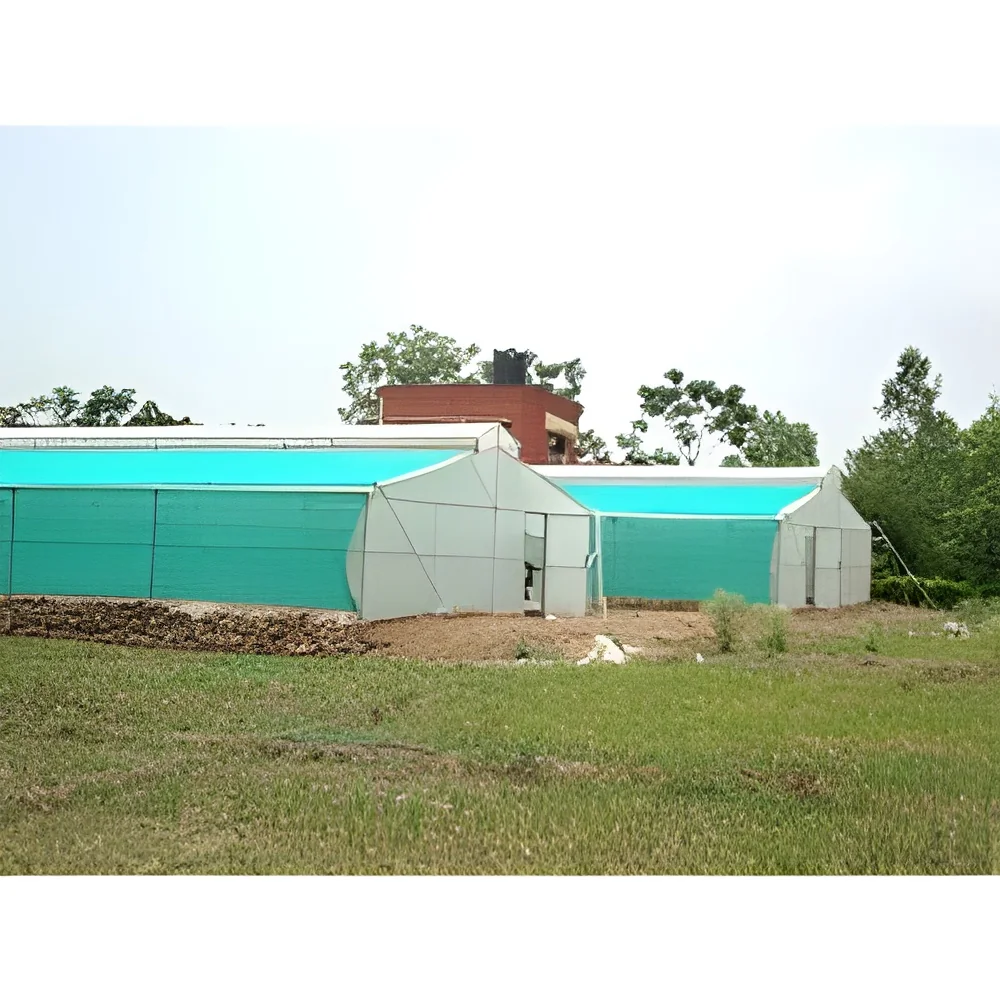
Polyhouse and shade net house designs are innovative agricultural structures that provide controlled environments for growing crops. A polyhouse is a greenhouse-like structure made with a plastic covering, allowing for optimal light penetration while maintaining temperature and humidity levels suitable for plant growth. Shade net houses, on the other hand, use a shading material to protect plants from excessive sunlight and harsh weather conditions while still allowing sufficient air circulation.
These structures are primarily used in horticulture, floriculture, and the cultivation of high-value crops such as vegetables and fruits. They enable farmers to extend growing seasons, improve crop yields, and reduce the reliance on pesticides by creating an environment that is less susceptible to pests and diseases. As agriculture increasingly shifts towards sustainable practices, polyhouses and shade net houses have gained significant popularity in the industry, reflecting a growing market demand for efficient farming solutions.
Key Features and Specifications
Polyhouse and shade net house designs come equipped with various features that enhance agricultural productivity. These structures are engineered to provide optimal growing conditions, ensuring crops thrive throughout their growth cycles.
Key specifications include:
1. Structural Framework
- Made from galvanized steel or aluminum for durability
- Designed to withstand wind loads and heavy rain
2. Covering Material
- Polyhouses typically use UV-stabilized polyethylene film
- Shade net houses utilize high-density polyethylene nets with varying shade percentages
3. Ventilation System
- Equipped with side vents and roof vents for improved airflow
- Automated ventilation options available for precision control
4. Irrigation System
- Drip irrigation integration for water efficiency
- Option for automated irrigation systems to manage water delivery
5. Temperature Control
- Insulated designs to maintain optimal internal temperatures
- Options for heating systems to extend growing seasons
6. Customizable Sizes
- Available in various dimensions to fit different land plots
- Modular designs allow for easy expansion
7. Accessories
- Options for shading nets, insect nets, and rain gutters
- Support systems for vertical farming and trellising
8. Sustainability Features
- Eco-friendly materials and designs
- Options for solar panels to power systems
In summary, these specifications enhance the functionality of polyhouses and shade net houses, making them essential tools for modern agriculture.
Common Applications and Use Cases
Polyhouse and shade net house designs cater to diverse agricultural needs across various industries.
1. Horticulture: These structures are used for cultivating flowers, ornamental plants, and seedlings, providing ideal growing conditions that enhance growth rates and flower quality.
2. Vegetable Farming: Farmers utilize polyhouses and shade net houses to grow high-value vegetables year-round, protecting them from pests and adverse weather.
3. Fruit Cultivation: Berries, tomatoes, and other fruits benefit from the controlled environment, leading to improved yield and quality.
4. Medicinal Plants: Growers of herbs and medicinal plants can optimize their production in a polyhouse, ensuring consistent quality and potency.
5. Research and Development: Agricultural research institutions use these structures for experiments on plant growth and pest management strategies.
6. Organic Farming: These designs support organic farming practices by minimizing pesticide use and promoting healthier crops.
7. Aquaponics: Integrated systems combining fish farming with plant cultivation can thrive in polyhouses, maximizing resource efficiency.
Product Variants and Subcategories
The diversity in polyhouse and shade net house designs allows for tailored solutions to meet specific agricultural needs.
Polyhouse Structures: These are designed with a fully enclosed environment, ideal for year-round cultivation. They are equipped with climate control systems, providing optimal conditions for sensitive crops.
Shade Net Houses: These structures focus on protecting plants from excessive sunlight while allowing for ventilation and moisture retention. They are commonly used for growing shade-loving plants and vegetables.
Benefits and Advantages
Polyhouse and shade net house designs offer numerous advantages for agricultural practices.
1. Enhanced Crop Yields: Controlled environments lead to healthier plants and increased production rates.
2. Pest and Disease Management: The enclosed design reduces pest access and minimizes disease spread.
3. Water Efficiency: Integrated irrigation systems ensure optimal water usage, reducing waste and conserving resources.
4. Extended Growing Seasons: These structures allow for earlier planting and later harvesting, maximizing productivity.
5. Reduced Labor Costs: Automation features decrease manual labor requirements, lowering operational expenses.
6. Improved Quality of Produce: Consistent growing conditions lead to higher quality crops with better market value.
Buying Guide for B2B Buyers
When sourcing polyhouse and shade net house designs, B2B buyers should consider multiple factors to ensure they meet their agricultural needs.
1. Quality Assessment: Look for materials that are durable and designed for long-term use. Check for manufacturer certifications and warranties to ensure reliability.
2. Supplier Verification: Vet suppliers by reviewing their history, customer feedback, and industry reputation. Ensure they have experience in agricultural structures.
3. Pricing and MOQ: Understand the pricing structure, including any minimum order quantities, to make informed purchasing decisions.
4. Delivery and Lead Times: Confirm logistics arrangements and expected delivery timelines to plan for installation and operational needs.
5. Compliance Requirements: Be aware of local regulations and standards that may affect the design and installation of these structures.
Compliance and Certifications
Polyhouse and shade net house designs must adhere to various quality standards and certifications to ensure safety and reliability in agricultural applications.
Relevant quality standards such as ISO 9001 ensure that manufacturers maintain consistent quality management systems. Compliance with HACCP and GDP guidelines is essential for structures used in food production to prevent contamination and ensure safe practices.
Industry certifications like CE signify that products meet European safety, health, and environmental protection requirements. These certifications help buyers ensure that the structures they purchase are safe and reliable.
Regional compliance considerations may vary, with local regulations affecting material specifications and construction methods. Buyers should research and ensure that their chosen designs comply with applicable laws.
Why Source Polyhouse & Shade Net House Design from Pepagora?
Pepagora provides a trusted platform for sourcing polyhouse and shade net house designs, offering multiple advantages to buyers.
Verified Supplier Network: Pepagora connects buyers with a network of verified suppliers, ensuring that all listed products meet high-quality standards. This verification process builds trust and reliability in sourcing.
Streamlined RFQ Process: The Request for Quotation (RFQ) system simplifies the process of obtaining quotes from multiple suppliers, allowing buyers to compare prices and features efficiently.
Trade Assurance and Support: Buyers benefit from trade assurance policies that protect their purchases, ensuring quality and timely delivery. Pepagora offers customer support to address any concerns throughout the buying process.
Regional Coverage: With a strong presence in India, the GCC, and Southeast Asia, Pepagora facilitates access to a wide range of suppliers and products, making it easier for buyers to find the right solutions for their agricultural needs.

Frequently Asked Questions
What are Polyhouse & Shade Net House Design?
Polyhouse & Shade Net House Design refers to structures specifically designed to protect crops from adverse weather conditions while optimizing growth conditions. These designs are typically made from materials like transparent plastics or shade nets, which allow sunlight while providing protection from pests and harsh environmental factors.
What are the different types of Polyhouse & Shade Net House Design?
There are several types of Polyhouse structures, including naturally ventilated, fan-assisted, and hybrid systems. Shade net houses also come in various forms, such as fixed shade nets and movable shade systems, each catering to different crop requirements and climatic conditions.
How do I choose the right Polyhouse & Shade Net House Design?
Selecting the right design involves considering factors such as the type of crops being grown, local climate conditions, and available budget. Consulting with experts or suppliers can also help in determining which design best meets specific agricultural needs.
What are the standard specifications for Polyhouse & Shade Net House Design?
Standard specifications typically include dimensions, frame materials (like galvanized steel or aluminum), covering materials (such as UV-stabilized polyethylene), and ventilation systems. It's essential to ensure that the chosen specifications align with the crop's growth requirements and local environmental conditions.
What is the price range for Polyhouse & Shade Net House Design?
The price range for Polyhouse & Shade Net House Design can vary widely based on size, materials, and additional features. Generally, prices can start from a few thousand rupees for smaller setups to several lakhs for larger, fully equipped structures.
What quality standards apply to Polyhouse & Shade Net House Design?
Quality standards for Polyhouse and Shade Net House Design often involve compliance with agricultural safety and durability specifications. Materials used should be UV-resistant, corrosion-resistant, and suitable for the intended environmental conditions to ensure longevity and effectiveness.
Where can I find Polyhouse & Shade Net House Design suppliers in India?
You can find Polyhouse & Shade Net House Design suppliers in India through online B2B marketplaces like Pepagora.com, agricultural exhibitions, and local agricultural supply stores. It is advisable to check supplier credentials and reviews to ensure reliable sourcing.
Can Polyhouse & Shade Net House Design be customized?
Yes, Polyhouse & Shade Net House Design can often be customized based on specific requirements such as size, shape, and material preferences. Many manufacturers offer customization options to cater to different agricultural needs.
What is the typical minimum order quantity for Polyhouse & Shade Net House Design?
The typical minimum order quantity (MOQ) for Polyhouse & Shade Net House Design varies by supplier, but it generally starts from one unit for small-scale operations. Larger orders may have different MOQ terms depending on the supplier's policies.
What is the typical lead time for Polyhouse & Shade Net House Design?
The typical lead time for Polyhouse & Shade Net House Design can range from a few weeks to several months, depending on the complexity of the design and the supplier's inventory. It is advisable to confirm lead times with the supplier at the time of ordering.
Why Businesses Trust Pepagora
Thousands of companies trust Pepagora to source smarter and sell faster
Expand Your Sales Globally

Source Smarter,Grow Faster
