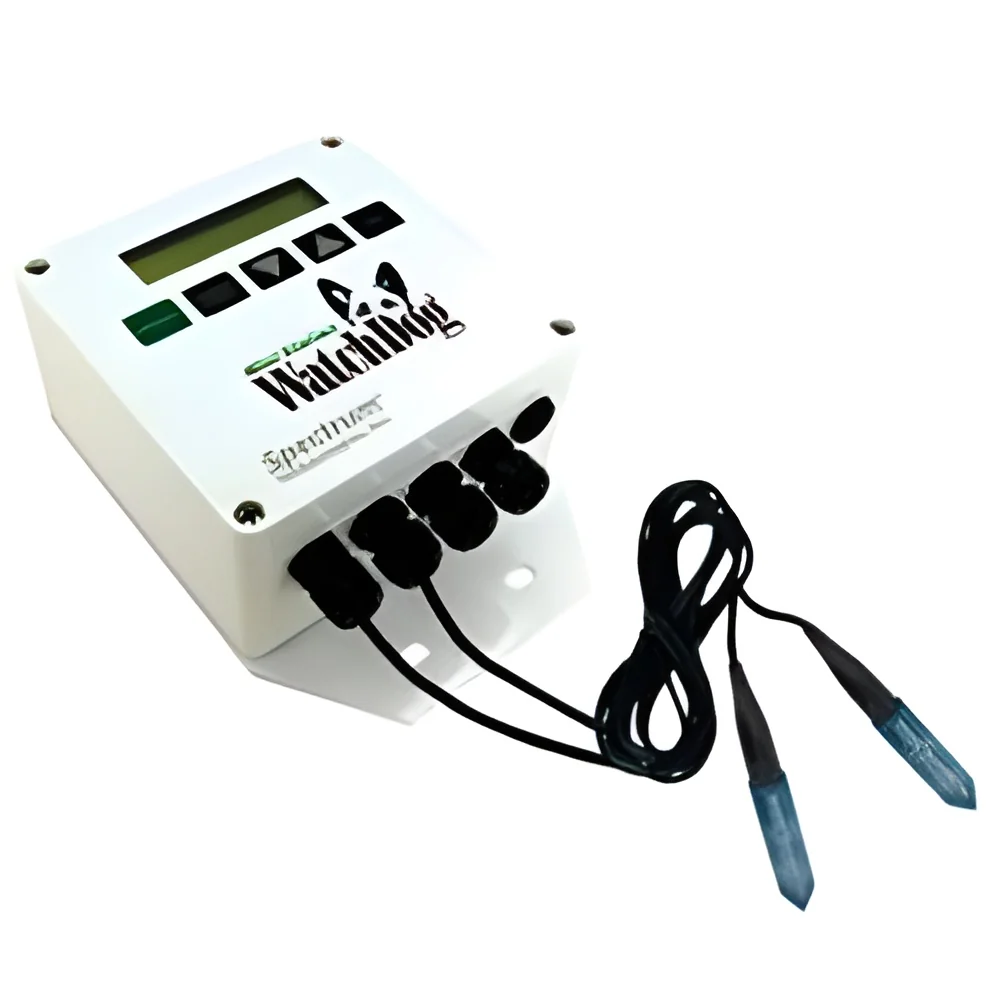
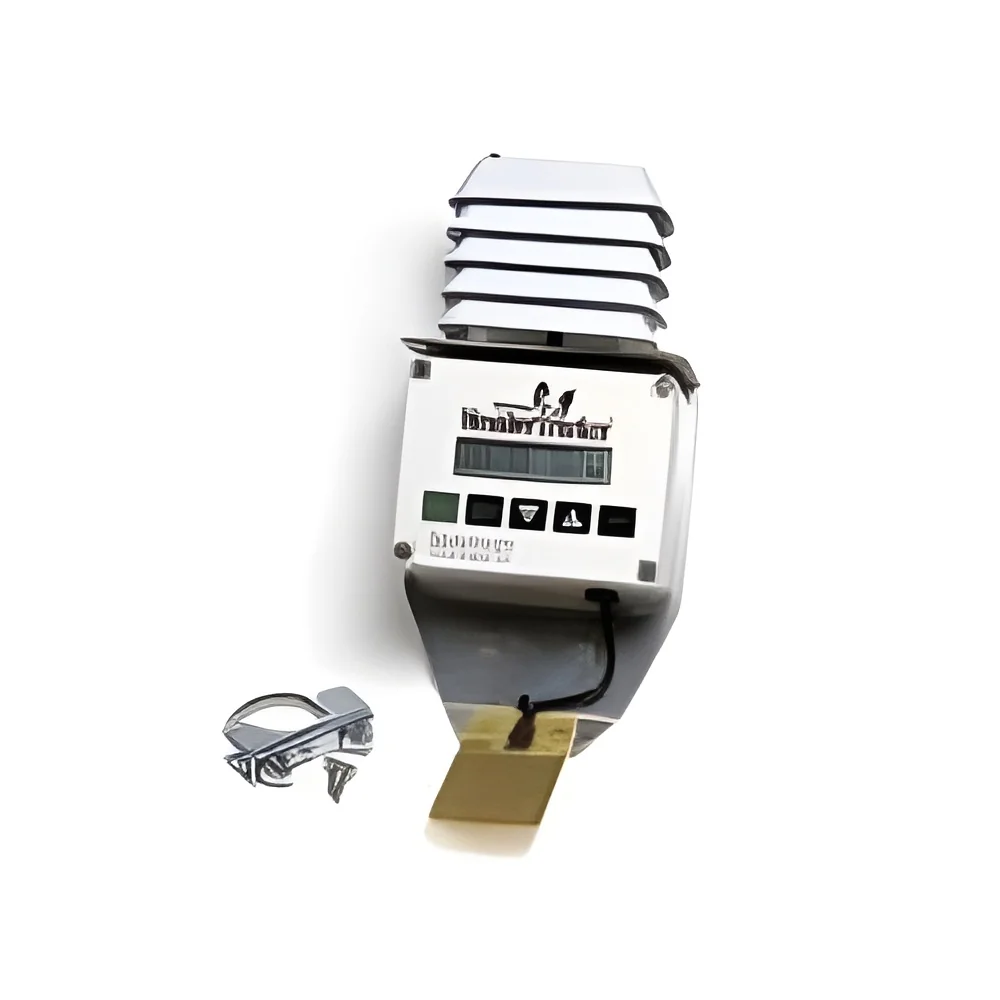
What are IoT Solutions for Smart Farming?
IoT Solutions for Smart Farming integrate advanced technologies and data analytics to enhance agricultural practices. These solutions utilize sensors, devices, and cloud computing to gather real-time data from the field. This data allows farmers to make informed decisions regarding crop management, irrigation, and pest control, ultimately leading to increased efficiency and productivity.
The primary applications of IoT in smart farming include soil moisture monitoring, crop health assessment, and climate control. Farmers can monitor their fields remotely, enabling them to respond quickly to changes in weather and soil conditions. The solutions also facilitate predictive analytics, helping farmers anticipate issues before they arise. With the growing demand for sustainable practices, IoT technology plays a crucial role in modernizing agriculture and improving yield.
The relevance of IoT solutions in the agricultural sector is increasing rapidly. The global smart farming market is projected to expand significantly as more farmers adopt technology to address challenges such as food security and resource conservation. As consumer preferences shift toward sustainably sourced products, IoT solutions will continue to be a vital component in advancing agricultural practices.
Key Features and Specifications
IoT Solutions for Smart Farming come equipped with various features designed to optimize agricultural operations. These solutions are tailored to meet the specific needs of farmers, providing essential data to enhance productivity.
Key specifications include:
1. Sensor Technology
- Utilizes soil moisture, temperature, and humidity sensors.
- Provides real-time data for informed decision-making.
2. Data Analytics
- Offers predictive analytics capabilities.
- Helps in identifying trends and optimizing crop management.
3. Remote Monitoring
- Enables farmers to monitor fields from any location.
- Supports mobile applications for on-the-go access.
4. Automated Irrigation
- Integrates with irrigation systems for efficient water usage.
- Reduces wastage and ensures optimal plant growth.
5. Climate Control Systems
- Monitors environmental conditions in greenhouses.
- Adjusts settings to maintain ideal growing conditions.
6. Connectivity Options
- Supports multiple connectivity protocols, including Wi-Fi and LoRaWAN.
- Ensures reliable data transmission across vast agricultural lands.
7. User-Friendly Interfaces
- Provides intuitive dashboards for easy data interpretation.
- Facilitates quick adjustments based on real-time analysis.
8. Scalability
- Designed to grow with the farm’s evolving needs.
- Adapts to various farm sizes and types.
In summary, the features and specifications of IoT Solutions for Smart Farming are designed to provide farmers with tools that enhance productivity, sustainability, and profitability.
Common Applications and Use Cases
IoT Solutions for Smart Farming serve a wide range of industries, each benefiting from tailored applications.
1. Crop Production: Farmers utilize IoT technology for monitoring soil conditions and optimizing irrigation schedules, resulting in higher yields and reduced resource consumption.
2. Livestock Management: Sensors track animal health and behavior, allowing for timely interventions and improved herd management practices.
3. Greenhouse Automation: IoT solutions control climate conditions within greenhouses, optimizing growth environments for various crops and maximizing production.
4. Precision Agriculture: Farmers apply IoT data for targeted fertilizer and pesticide application, minimizing waste and promoting sustainable practices.
5. Supply Chain Management: IoT devices track produce from farm to market, ensuring transparency and freshness throughout the distribution process.
6. Agricultural Equipment Monitoring: IoT sensors monitor machinery performance, predicting maintenance needs and reducing downtime.
7. Environmental Monitoring: IoT solutions assess environmental factors affecting farming, enabling proactive measures to combat adverse conditions.
Product Variants and Subcategories
IoT Solutions for Smart Farming encompass a variety of options to cater to specific agricultural needs. Each variant is designed with unique features to address different farming challenges.
Smart Irrigation System
This system automates irrigation based on real-time soil moisture data. It ensures plants receive adequate water while conserving resources. Ideal for large-scale farms, it helps optimize water usage and improve crop health.
Precision Farming Sensors
These sensors provide detailed insights into soil conditions and crop health. They assist farmers in making data-driven decisions on planting and harvesting. This variant is suitable for farmers looking to enhance yield through targeted interventions.
Livestock Monitoring Solutions
These solutions are designed to track the health and location of livestock. With real-time data, farmers can monitor animal well-being and productivity. This variant is critical for ensuring optimal livestock management practices.
Benefits and Advantages
Implementing IoT Solutions for Smart Farming offers numerous advantages to agricultural operations.
Key benefits include:
1. Increased Efficiency: Streamlined processes reduce waste and resource consumption, leading to higher productivity.
2. Enhanced Decision-Making: Real-time data allows farmers to make informed choices, improving overall farm management.
3. Cost Savings: Automated systems minimize labor costs and optimize resource use, leading to significant savings.
4. Improved Crop Quality: Continuous monitoring helps maintain ideal growing conditions, resulting in healthier crops.
5. Sustainability: IoT solutions promote environmentally friendly practices by optimizing resource usage and reducing chemical inputs.
6. Greater Yield: Data-driven insights enable farmers to maximize output and improve profitability.
Buying Guide for B2B Buyers
When sourcing IoT Solutions for Smart Farming, several factors should be taken into account to ensure effective purchasing decisions.
1. Quality Assessment: Evaluate the quality of the technology and materials used in the solutions. Look for reliable performance and durability to withstand agricultural conditions.
2. Supplier Verification: Conduct thorough research on potential suppliers. Check for their reputation, experience, and customer reviews to ensure reliability and support.
3. Pricing and MOQ: Understand the pricing structure and minimum order quantities. This will help in budgeting and determining the feasibility of the purchase.
4. Delivery and Lead Times: Consider the logistics involved in the delivery of the solutions. Ensure suppliers can meet your timeline for implementation.
5. Compliance Requirements: Verify that the products meet relevant regulatory and industry standards. This includes checking for necessary certifications to ensure safety and efficacy.
Compliance and Certifications
IoT Solutions for Smart Farming must adhere to relevant quality and safety standards to ensure reliability and effectiveness. Compliance with ISO 9001 ensures that products meet quality management system requirements, which promotes consistent quality across manufacturing processes.
Additionally, adherence to HACCP principles is crucial for agricultural practices, particularly in ensuring food safety and minimizing risks associated with food production. Compliance with the CE marking indicates that the products meet European safety, health, and environmental protection standards.
While specific temperature and humidity control standards were not available, it is essential for manufacturers to follow industry best practices in these areas. Regional compliance may vary, so it is important for buyers to understand local regulations and standards applicable to the agricultural technology they intend to implement.
Why Source IoT Solutions for Smart Farming from Pepagora?
Pepagora offers a trusted platform for sourcing IoT Solutions for Smart Farming, equipped with several key advantages that set it apart from competitors.
Verified Supplier Network: Pepagora ensures that all suppliers are thoroughly vetted. This guarantees that buyers can find reliable partners who meet high standards of quality and service.
Streamlined RFQ Process: The request for quotation system at Pepagora simplifies the buying process. Buyers can easily compare offerings, making it easier to select the best solution for their needs.
Trade Assurance and Support: Pepagora provides trade assurance that protects buyers throughout the purchasing process. This includes support for any issues that may arise, ensuring peace of mind when sourcing products.
Regional Coverage: Pepagora boasts a wide geographic reach, serving markets in India, the GCC, and Southeast Asia. This extensive network allows farmers in diverse regions to access innovative IoT solutions tailored to their specific agricultural challenges.

 IN
IN