
 IN
Walking Shoes
5 products available
What are Walking Shoes?
Walking shoes are specialized footwear designed to provide comfort, support, and durability for walking activities. They are engineered to accommodate the unique movements of walking, offering features such as cushioning, arch support, and flexibility. This type of shoe is distinct from running shoes and casual footwear, focusing on the stability and comfort necessary for extended periods of walking.
In a business context, walking shoes are commonly used in various sectors including retail, healthcare, hospitality, and logistics, where employees are required to be on their feet for long durations. These shoes contribute to employee comfort and productivity, reducing fatigue and the risk of foot-related issues. Given the increasing emphasis on employee well-being, the demand for high-quality walking shoes has grown, reflecting a broader trend in workplace ergonomics and health.
The market for walking shoes is competitive, with numerous brands offering a range of options to meet specific industry needs. Businesses are increasingly recognizing the importance of investing in quality footwear to enhance worker performance and satisfaction. This has led to innovations in design and technology, ensuring that walking shoes cater to diverse environments and usage scenarios.
Key Features and Specifications
Walking shoes come with a variety of features that enhance their performance and comfort. Understanding these specifications is crucial for businesses looking to invest in high-quality footwear.
Key specifications include:
1. Shoe Construction
- Lightweight materials for ease of movement
- Breathable mesh uppers for ventilation
2. Cushioning System
- EVA foam midsoles for shock absorption
- Gel or air cushioning technologies for added comfort
3. Arch Support
- Contoured footbeds for enhanced support
- Options for high, medium, or low arch support
4. Outsole Design
- Rubber outsoles for traction and durability
- Flex grooves for natural movement
5. Weight
- Typically ranges from 8 to 12 ounces depending on size and design
6. Fit and Sizing
- Available in various widths (narrow, regular, wide)
- Half sizes to ensure proper fit
7. Durability
- Reinforced toe caps to withstand wear
- Long-lasting materials for extended use
8. Style Variations
- Options for both casual and professional appearances
- Selection of colors and designs to suit branding needs
In summary, the features and specifications of walking shoes play a pivotal role in ensuring comfort and performance, making it essential for businesses to choose the right products for their employees.
Common Applications and Use Cases
Walking shoes are versatile and find applications across multiple industries.
1. Retail: Employees in retail often spend hours on their feet, making comfortable walking shoes essential for maintaining energy and productivity throughout long shifts.
2. Healthcare: Medical professionals, such as nurses and caregivers, require supportive footwear to endure the demanding nature of their jobs while safeguarding their foot health.
3. Hospitality: Staff in hotels and restaurants benefit from walking shoes that provide comfort and support during extended periods of standing and moving.
4. Logistics: Warehouse workers and delivery personnel depend on durable walking shoes to navigate various terrains while ensuring safety and comfort.
5. Education: Teachers and school staff can enhance their daily comfort with walking shoes designed for all-day wear in an active environment.
6. Manufacturing: Factory workers may require specialized walking shoes that offer both comfort and protection in potentially hazardous settings.
7. Field Services: Employees in outdoor or field service roles need walking shoes that provide support and grip under varying environmental conditions.
Product Variants and Subcategories
Walking shoes come in various styles and designs to cater to different user needs.
Casual Walking Shoes
These shoes focus on comfort and style, making them ideal for everyday wear. They often feature stylish designs while providing essential support for moderate walking.
Performance Walking Shoes
Designed for individuals who engage in more vigorous walking activities, these shoes offer superior cushioning and stability. They are suitable for fitness walking and longer distances.
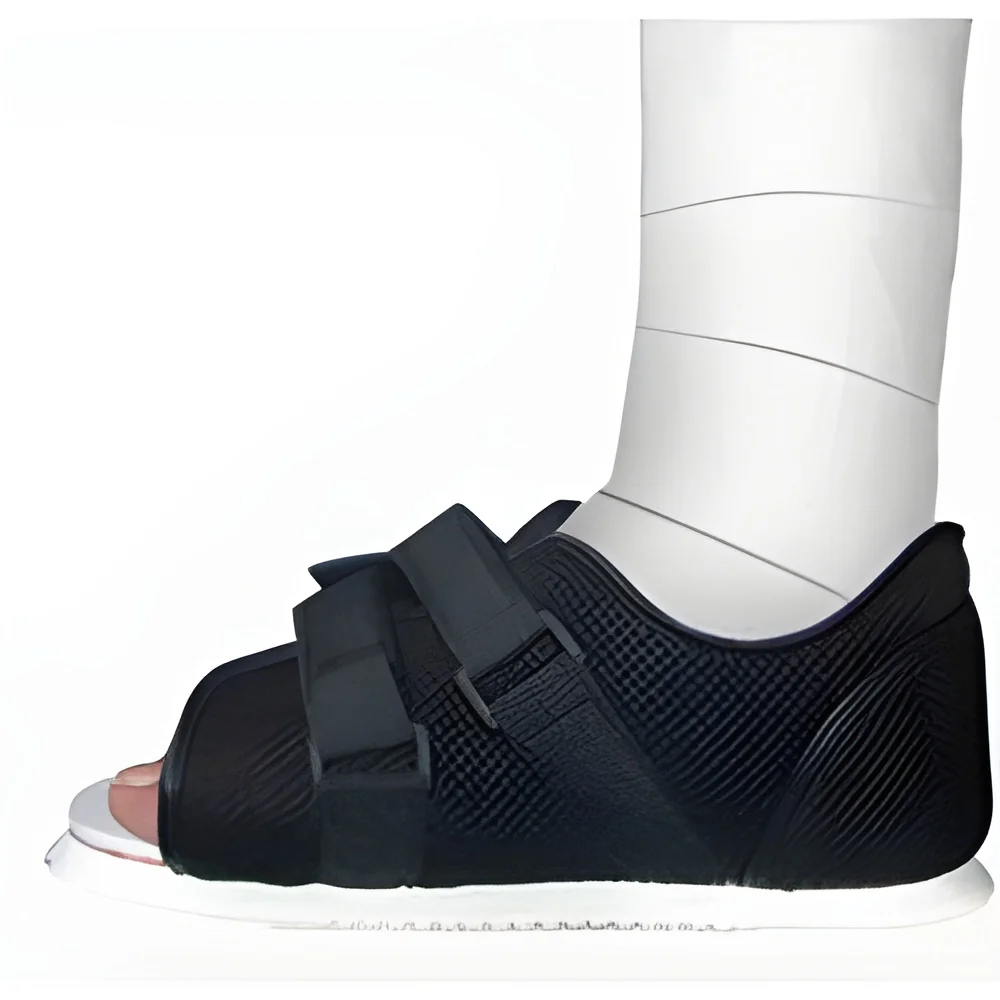
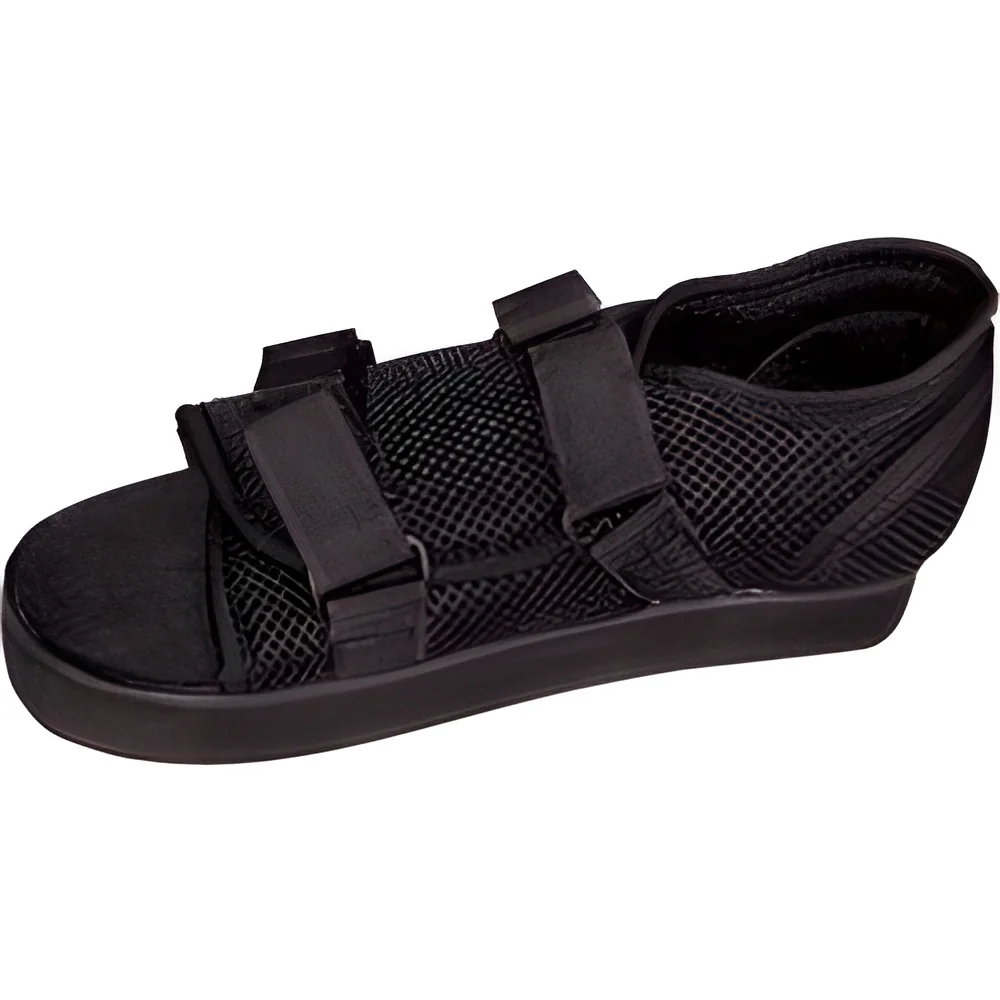
Orthopedic Walking Shoes
Targeted towards individuals with specific foot conditions, these shoes come with enhanced arch support and custom fit options. They help alleviate discomfort and promote better foot health.
Safety Walking Shoes
These shoes are equipped with features such as slip resistance and reinforced toe caps. They are designed for employees working in environments where foot protection is essential.
Benefits and Advantages
Investing in high-quality walking shoes yields several benefits for businesses and their employees.
1. Enhanced Comfort: Walking shoes are designed to provide all-day comfort, reducing fatigue and discomfort during long shifts.
2. Improved Productivity: Comfortable footwear can lead to increased employee performance and efficiency, as workers are less distracted by foot pain.
3. Health Benefits: Properly designed walking shoes can help prevent foot-related issues, such as plantar fasciitis and other musculoskeletal disorders.
4. Custom Fit Options: Many walking shoes are available in various sizes and widths, allowing for a better fit and enhanced comfort for all employees.
5. Durability: High-quality walking shoes are built to withstand wear and tear, ensuring a longer lifespan and better value for investment.
6. Style Versatility: Walking shoes come in a range of designs suitable for both professional and casual settings, allowing employees to maintain a polished appearance.
Buying Guide for B2B Buyers
When considering walking shoes for business needs, several factors should be taken into account to ensure the best purchase decision.
1. Quality Assessment: Inspect the materials and construction of the shoes. Look for reputable brands known for their durability and comfort.
2. Supplier Verification: Vet potential suppliers to ensure they have a solid reputation in the market. Check for reviews and testimonials from previous clients.
3. Pricing and MOQ: Understand the pricing structure and minimum order quantities. Compare costs among different suppliers to find the best deal.
4. Delivery and Lead Times: Inquire about the logistics involved in the delivery process. Ensure that the supplier can meet your required timelines.
5. Compliance Requirements: Be aware of any industry-specific regulations or standards that the walking shoes must meet, including safety certifications.
Compliance and Certifications
Quality and safety are paramount in the production of walking shoes. Various standards and certifications guide the manufacturing process to ensure consumer safety and product efficacy.
Relevant quality standards include ISO 9001, which focuses on maintaining quality management systems across production processes. Adhering to these standards assures buyers of consistent product quality.
In addition, CE certification is important, particularly in European markets, as it indicates compliance with health, safety, and environmental protection standards. This certification assures businesses that the footwear meets essential safety criteria.
Safety and testing requirements also play a crucial role, especially for shoes intended for industrial use. These requirements ensure that products can withstand specific conditions and provide adequate protection to users.
Regional compliance considerations may vary based on local regulations. Businesses should stay informed about the requirements in their respective regions to ensure that the shoes they source comply with local laws.
Why Source Walking Shoes from Pepagora?
Pepagora offers a trusted platform for sourcing walking shoes with several key advantages that benefit B2B buyers.
Verified Supplier Network: Pepagora has established a network of verified suppliers that meet stringent quality and reliability standards. This ensures that businesses can source products from credible manufacturers with confidence.
Streamlined RFQ Process: The Request for Quotation (RFQ) system simplifies the purchasing process. Buyers can easily compare prices and specifications from multiple suppliers, making informed decisions without hassle.
Trade Assurance and Support: Pepagora provides trade assurance, protecting buyers against potential issues in transactions. This support enhances buyer confidence and facilitates smoother procurement processes.
Regional Coverage: With a broad geographic reach, including India, the GCC, and Southeast Asia, Pepagora connects buyers with suppliers across multiple regions, ensuring accessibility to quality walking shoes regardless of location.



Frequently Asked Questions
What are Walking Shoes?
Walking shoes are specifically designed footwear that provides support and comfort for walking activities. They typically feature cushioning, arch support, and a flexible sole to enhance the walking experience and reduce fatigue.
What are the different types of Walking Shoes?
There are several types of walking shoes, including fitness walking shoes, casual walking shoes, and performance walking shoes. Each type is designed for different walking styles and environments, such as urban settings, trails, or fitness-focused walking.
How do I choose the right Walking Shoes?
Choosing the right walking shoes involves considering factors such as foot type, walking style, and intended use. It is important to try on different brands and styles to ensure a proper fit and adequate support.
What are the standard specifications for Walking Shoes?
Standard specifications for walking shoes typically include features like cushioning, arch support, breathable materials, and a durable outsole. Additionally, weight, flexibility, and traction are also important specifications that contribute to overall performance.
What is the price range for Walking Shoes?
The price range for walking shoes can vary significantly based on brand, materials, and features. Generally, you can find walking shoes priced anywhere from ₹1,500 to ₹7,000 or more.
What quality standards apply to Walking Shoes?
Walking shoes should adhere to quality standards that ensure durability, comfort, and safety. Common quality indicators include the use of high-grade materials, adherence to manufacturing standards, and certifications from relevant authorities.
Where can I find Walking Shoes suppliers in India?
Walking shoes suppliers in India can be found through various online B2B marketplaces, trade shows, and industry directories. Platforms like Pepagora.com can connect you with reputable manufacturers and suppliers of walking shoes.
Can Walking Shoes be customized?
Yes, many manufacturers offer customization options for walking shoes, including size, color, and design elements. Customization can help businesses meet specific branding or functional needs.
What is the typical minimum order quantity for Walking Shoes?
The typical minimum order quantity (MOQ) for walking shoes can vary by supplier but is often around 100 to 500 pairs. It is advisable to check with specific manufacturers for their MOQ requirements.
What is the typical lead time for Walking Shoes?
The typical lead time for walking shoes depends on the supplier and the order size, usually ranging from 4 to 12 weeks. Custom orders may require longer lead times due to additional production processes.
Why Businesses Trust Pepagora
Thousands of companies trust Pepagora to source smarter and sell faster
Expand Your Sales Globally

Source Smarter,Grow Faster
