What are Weightlifting Shoes?
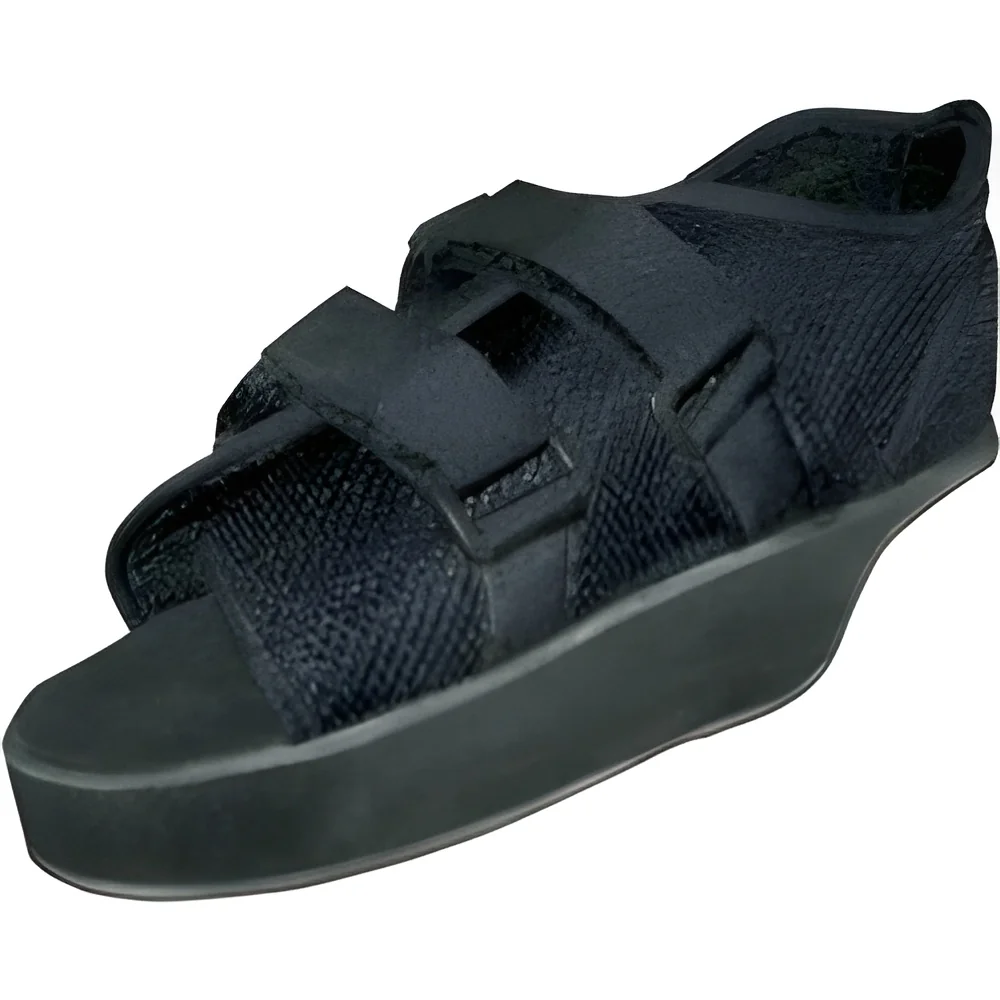
Weightlifting shoes are specialized footwear designed to support athletes during weightlifting and strength training exercises. Their primary purpose is to provide stability, enhance performance, and promote proper lifting mechanics. These shoes typically have a raised heel, a rigid sole, and a snug fit to help lifters maintain balance and posture when performing heavy lifts. The construction of weightlifting shoes is tailored to meet the unique demands of weightlifting, differentiating them from standard athletic shoes.
In the business context, weightlifting shoes are essential for professional athletes, fitness enthusiasts, and individuals involved in strength training. They are commonly used in gyms, training facilities, and competitions. Various sporting goods retailers and online platforms cater to this niche market, providing a range of options for different lifters' needs. As the fitness industry continues to grow, the demand for high-quality weightlifting shoes is on the rise, making them a relevant product in the market.
Key Features and Specifications
Weightlifting shoes are designed with specific features that enhance performance and safety. Understanding these specifications is crucial for buyers looking to invest in quality footwear for weightlifting.
Key specifications include:
1. Heel Height
- Typically ranges from 0.5 to 1.5 inches.
- The elevated heel aids in achieving better squat depth and stability.
2. Sole Material
- Generally made from hard rubber or plastic.
- Provides minimal flex for maximum energy transfer during lifts.
3. Upper Material
- Often constructed from leather or synthetic materials.
- Offers durability and breathability, ensuring comfort during workouts.
4. Strap System
- Features one or two straps for a secure fit.
- Helps prevent foot movement inside the shoe during lifts.
5. Weight
- Average weight ranges from 1 to 2 pounds per shoe.
- Lightweight construction enhances agility without compromising support.
6. Size Range
- Available in various sizes for both men and women.
- Ensures a proper fit for optimal performance.
In summary, weightlifting shoes combine essential features that cater to the needs of athletes. Their specific designs and materials contribute to improved performance and safety during weightlifting activities.
Common Applications and Use Cases
Weightlifting shoes play a vital role across several industries, primarily in fitness and athletics.
1. Fitness Centers: In gyms, weightlifting shoes are crucial for members participating in strength training classes and personal training sessions.
2. Professional Sports: Athletes in competitive weightlifting and powerlifting use these shoes to enhance performance and meet competition standards.
3. Rehabilitation Facilities: Physical therapists utilize weightlifting shoes to aid clients in regaining strength and stability after injuries.
4. Sports Education: Trainers and coaches in educational institutions employ weightlifting shoes for teaching proper lifting techniques to students.
5. Home Gyms: Fitness enthusiasts investing in home gym setups often purchase weightlifting shoes to ensure they have the right equipment for serious training.
Product Variants and Subcategories
Weightlifting shoes come in various styles and designs to cater to different preferences and requirements.
Classic Weightlifting Shoes
These shoes feature a traditional design with a raised heel and a sturdy sole. They are ideal for serious lifters who prioritize stability and performance.
Cross-Training Weightlifting Shoes
This variant is designed for athletes who engage in a mix of weightlifting and other workouts. They offer more flexibility and versatility for varied training routines.
Minimalist Weightlifting Shoes
These shoes provide a more natural feel with minimal cushioning. They are suited for lifters who prefer a closer connection to the ground during lifts.
Benefits and Advantages
Investing in weightlifting shoes comes with several key benefits for athletes and fitness enthusiasts.
1. Enhanced Stability: The rigid sole and raised heel promote a stable base for lifting, reducing the risk of injury.
2. Improved Performance: Proper footwear allows for better posture and mechanics, leading to more effective lifts.
3. Increased Comfort: Quality materials and a secure fit provide comfort during intense workouts.
4. Durability: Weightlifting shoes are designed to withstand the rigors of heavy lifting, ensuring longevity.
5. Confidence Boost: Wearing specialized footwear can enhance mental focus and confidence during training and competitions.
Buying Guide for B2B Buyers
When sourcing weightlifting shoes, several factors need consideration to ensure a wise investment.
1. Quality Assessment: Look for shoes made from high-quality materials that offer durability and performance. Check for reviews and ratings to gauge the reliability of the product.
2. Supplier Verification: Ensure that suppliers are reputable and have a history of providing quality products. Conduct background checks and request samples if possible.
3. Pricing and MOQ: Understand the pricing structure and minimum order quantities (MOQ) that suppliers offer. This helps in budgeting for bulk purchases.
4. Delivery and Lead Times: Inquire about the supplier's logistics capabilities, including delivery times, to ensure timely availability of products.
5. Compliance Requirements: Check for any relevant safety and quality standards that the shoes must meet, such as certifications for manufacturing practices.
Compliance and Certifications
Weightlifting shoes must adhere to certain compliance standards and certifications to ensure safety and quality.
ISO 9001 is a relevant quality standard that emphasizes effective quality management systems in manufacturing. Adhering to this standard ensures that products consistently meet customer expectations.
CE certification indicates that the product complies with European health, safety, and environmental protection standards. This certification is essential for products sold in the European market.
Safety testing requirements may include evaluating the materials used in shoe construction to ensure they are free from harmful substances. Regional compliance considerations can vary, so understanding local regulations is crucial for manufacturers and suppliers.
Why Source Weightlifting Shoes from Pepagora?
Pepagora offers a reliable platform for sourcing weightlifting shoes, providing several advantages for B2B buyers.
Verified Supplier Network: Pepagora has a robust system for vetting suppliers, ensuring that buyers have access to trusted manufacturers of weightlifting shoes.
Streamlined RFQ Process: The platform simplifies the request for quotation (RFQ) process, allowing buyers to easily compare offers and make informed decisions.
Trade Assurance and Support: Buyers can benefit from trade assurance policies that protect their purchases, providing peace of mind during transactions.
Regional Coverage: Pepagora has a strong geographic reach, serving clients across India, the GCC, and Southeast Asia. This extensive network facilitates easy access to quality weightlifting shoes for businesses in these regions.

 IN
IN