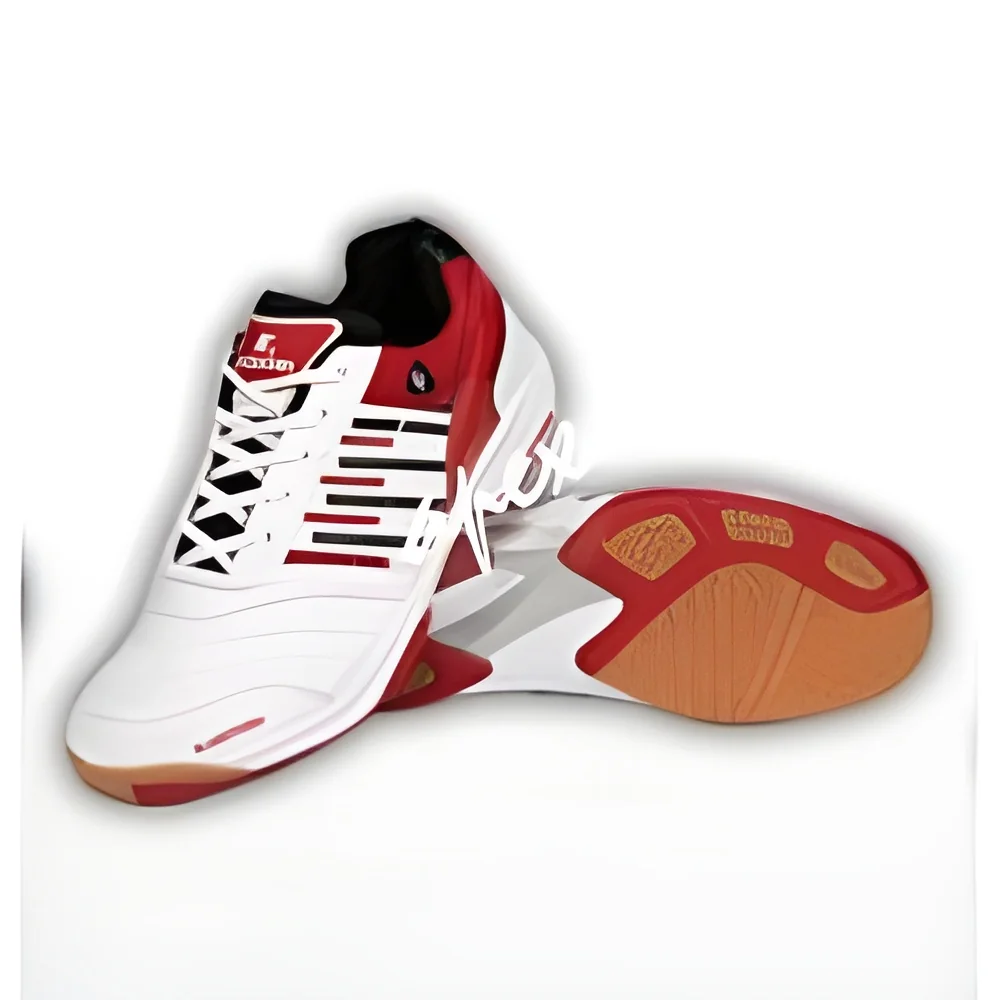
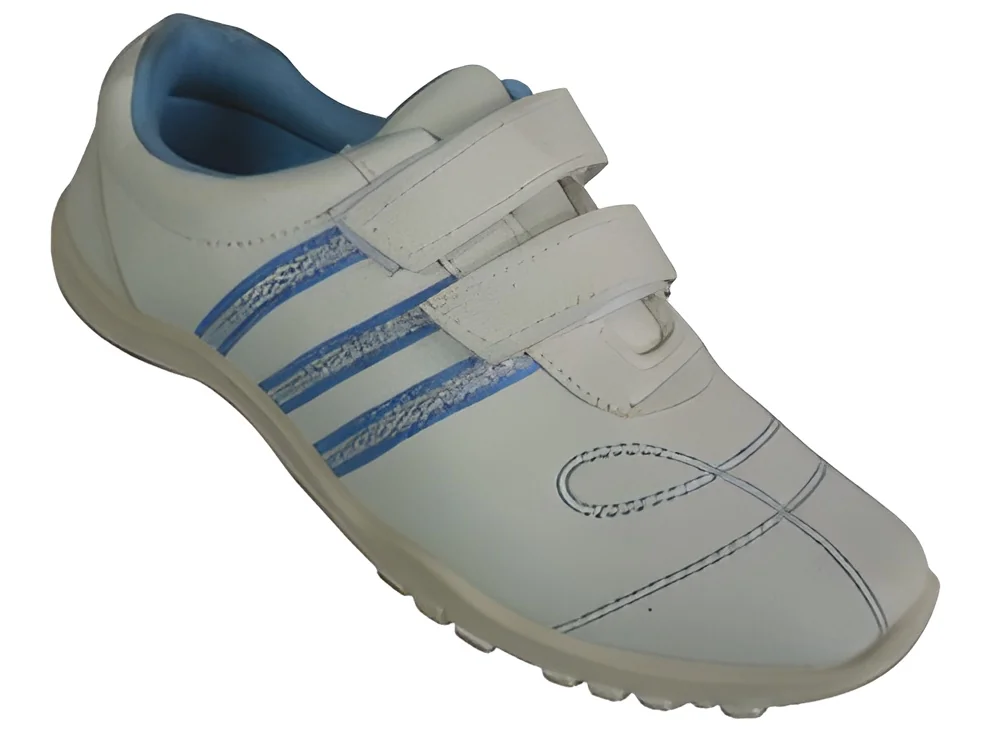
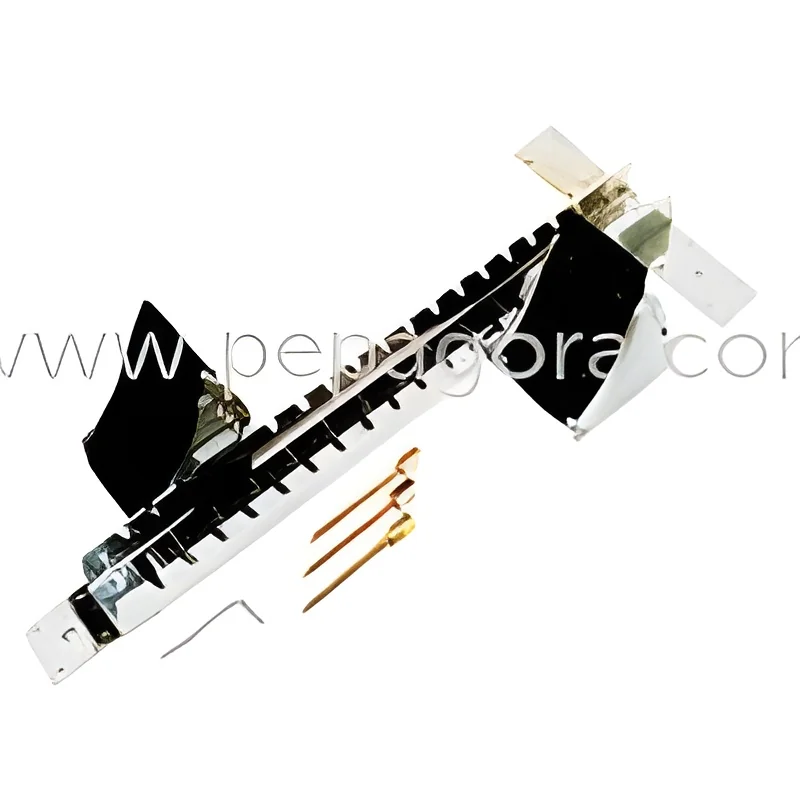
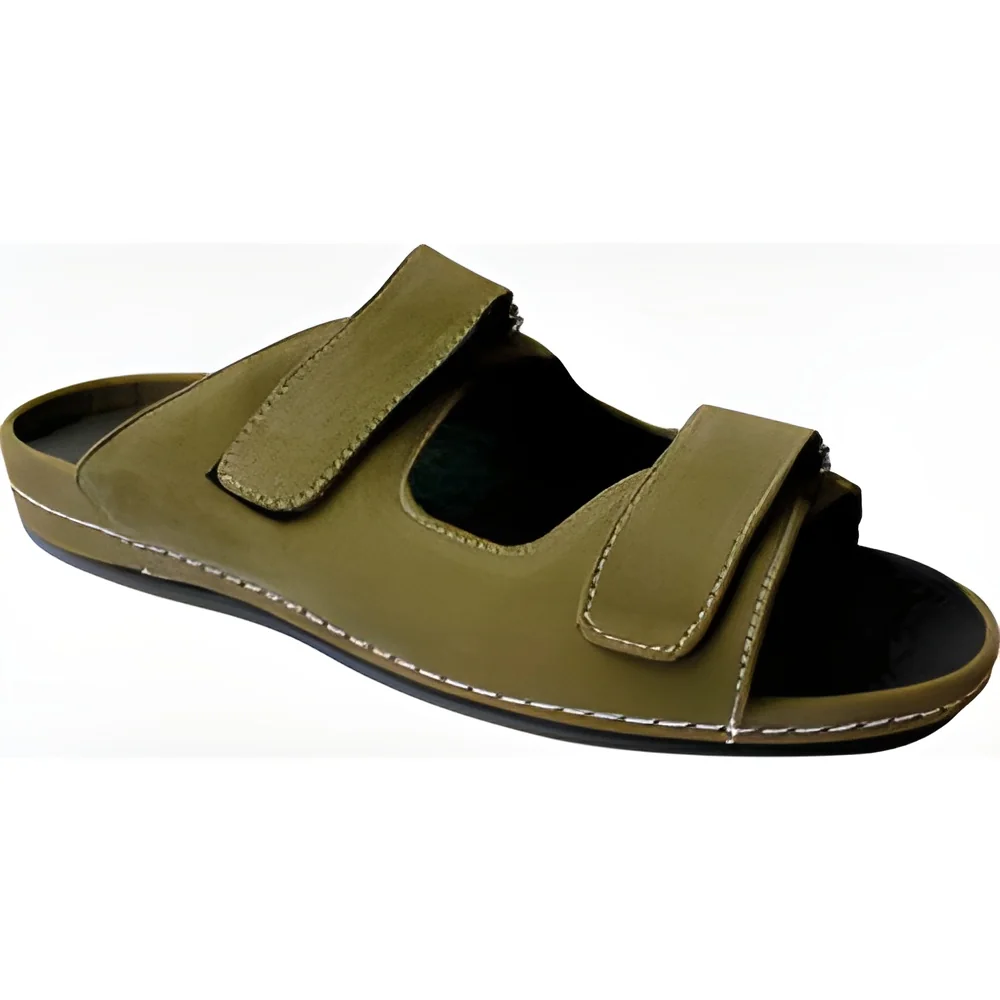
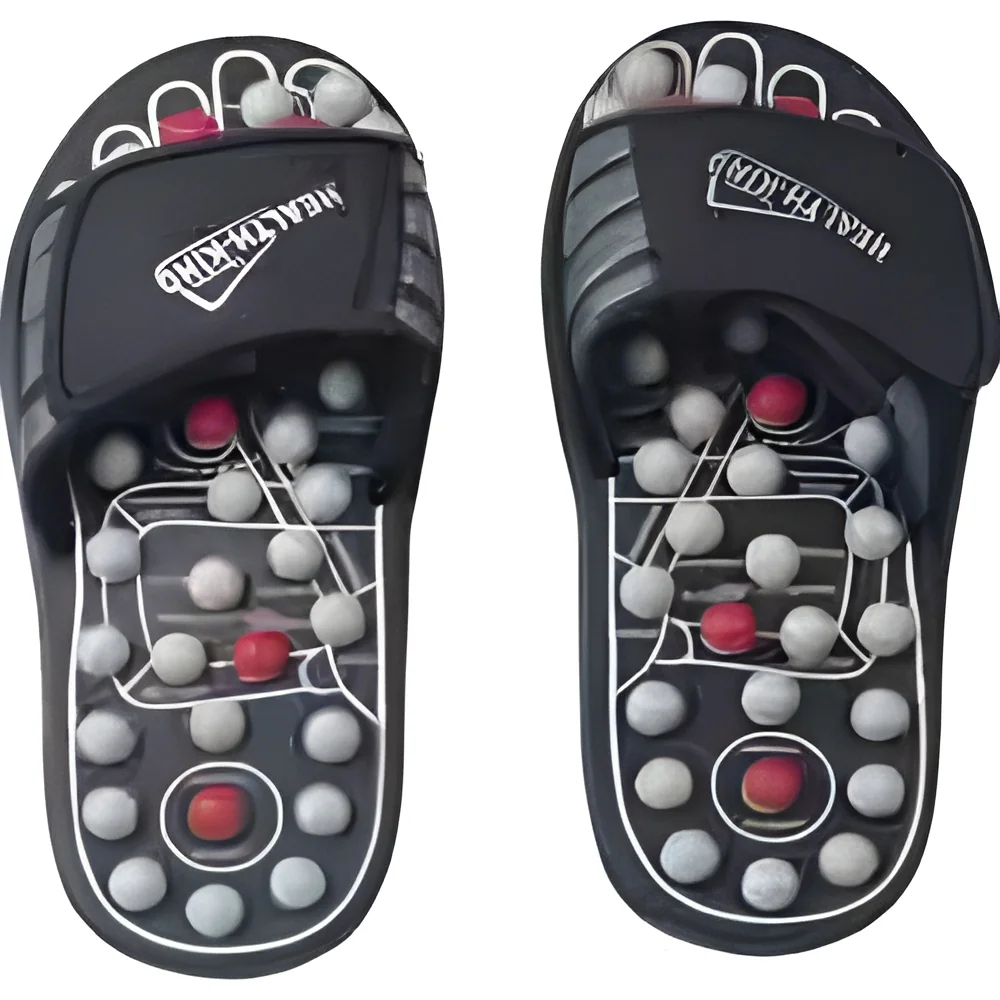
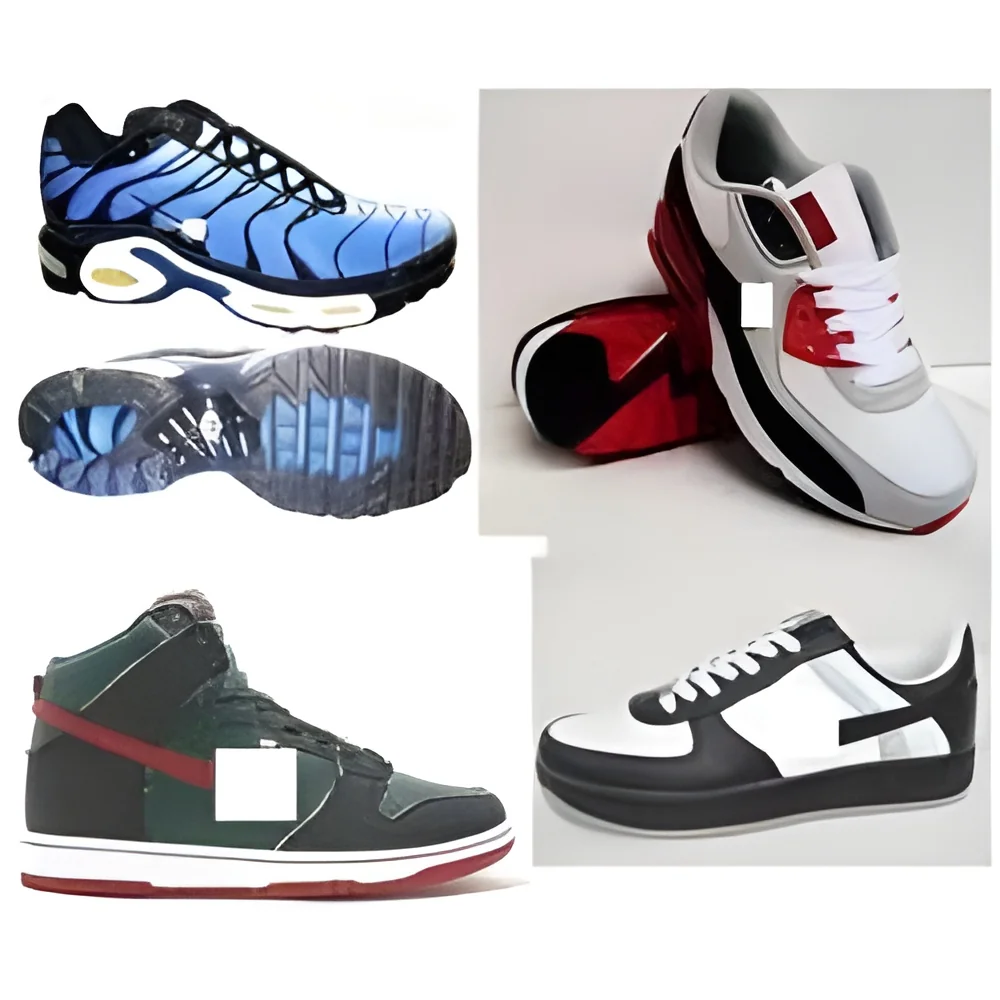
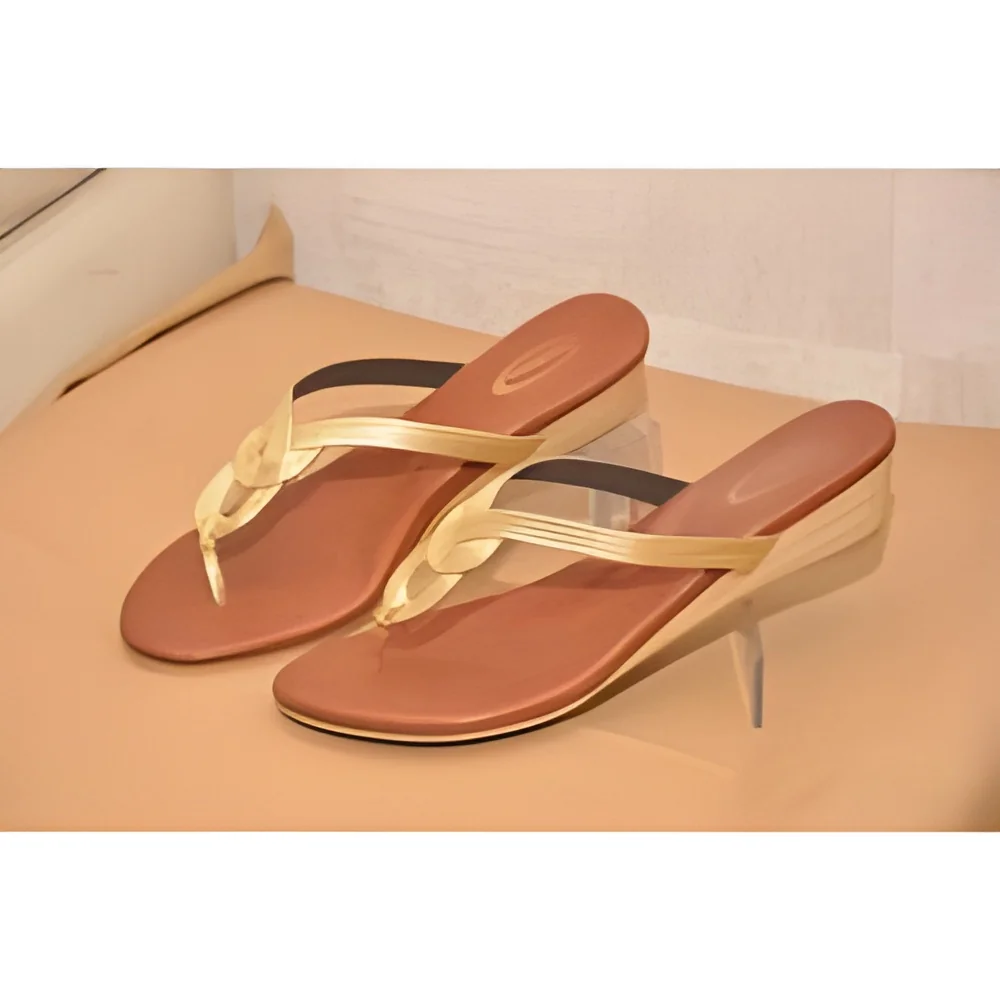
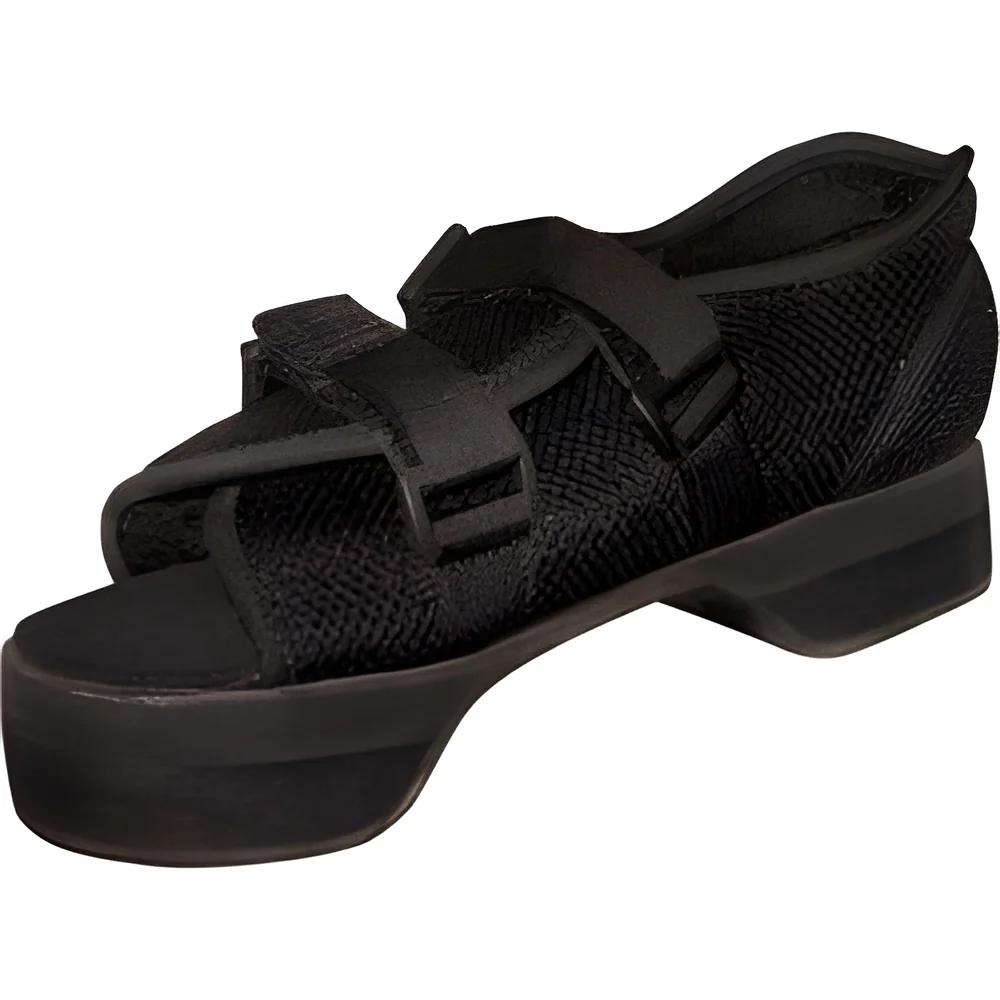
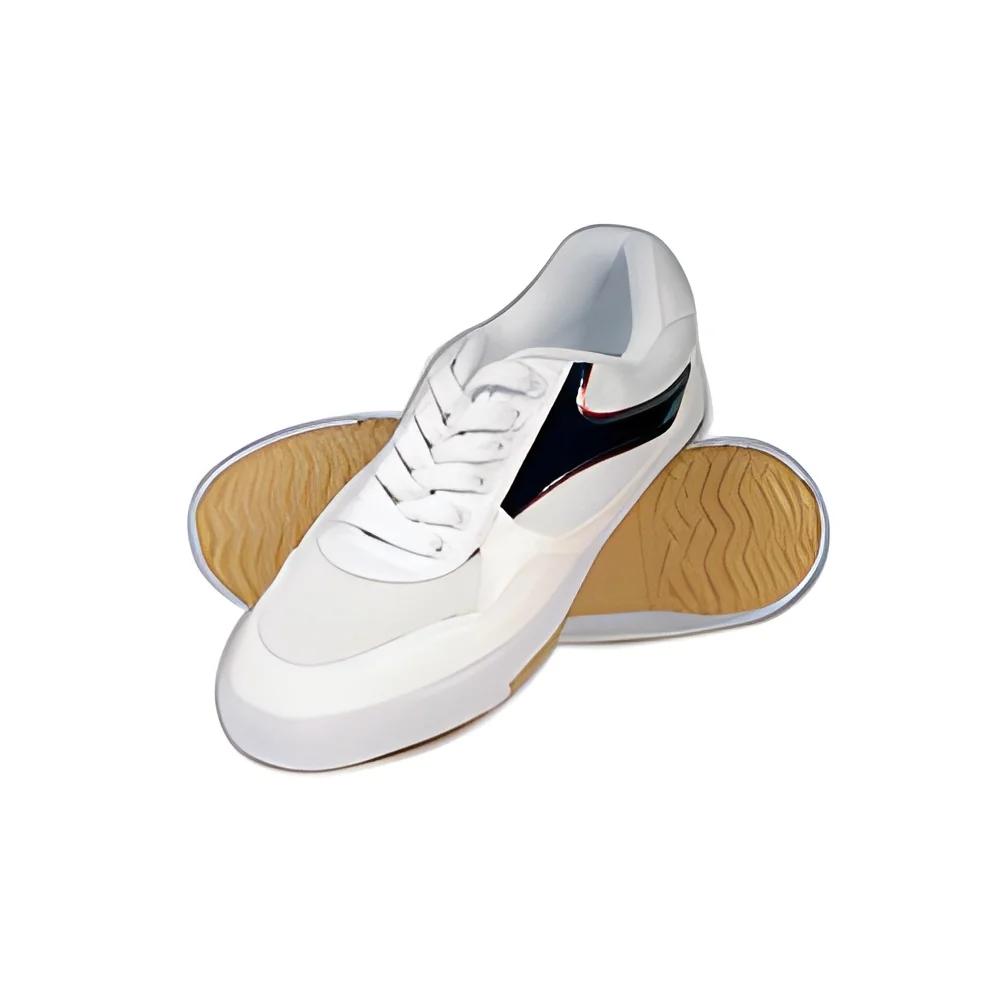
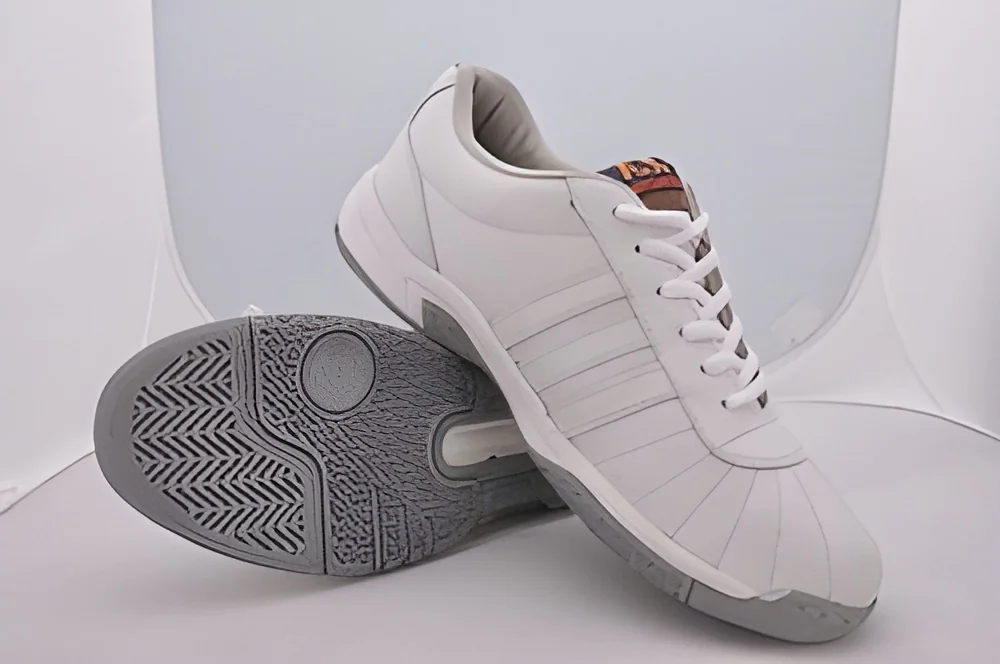
𝗪𝗵𝗮𝘁 𝗮𝗿𝗲 𝗔𝘁𝗵𝗹𝗲𝘁𝗶𝗰 𝗙𝗼𝗼𝘁𝘄𝗲𝗮𝗿?
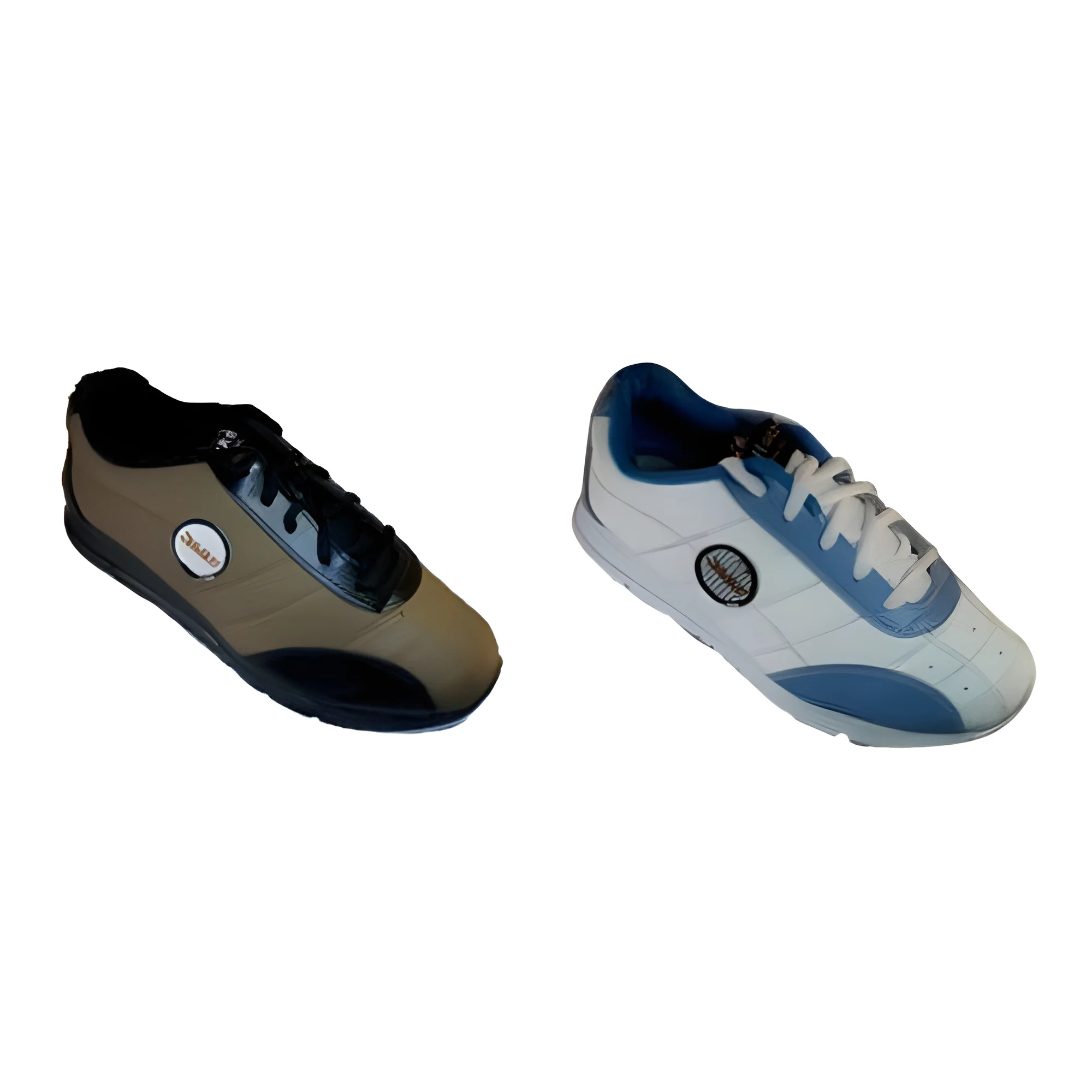
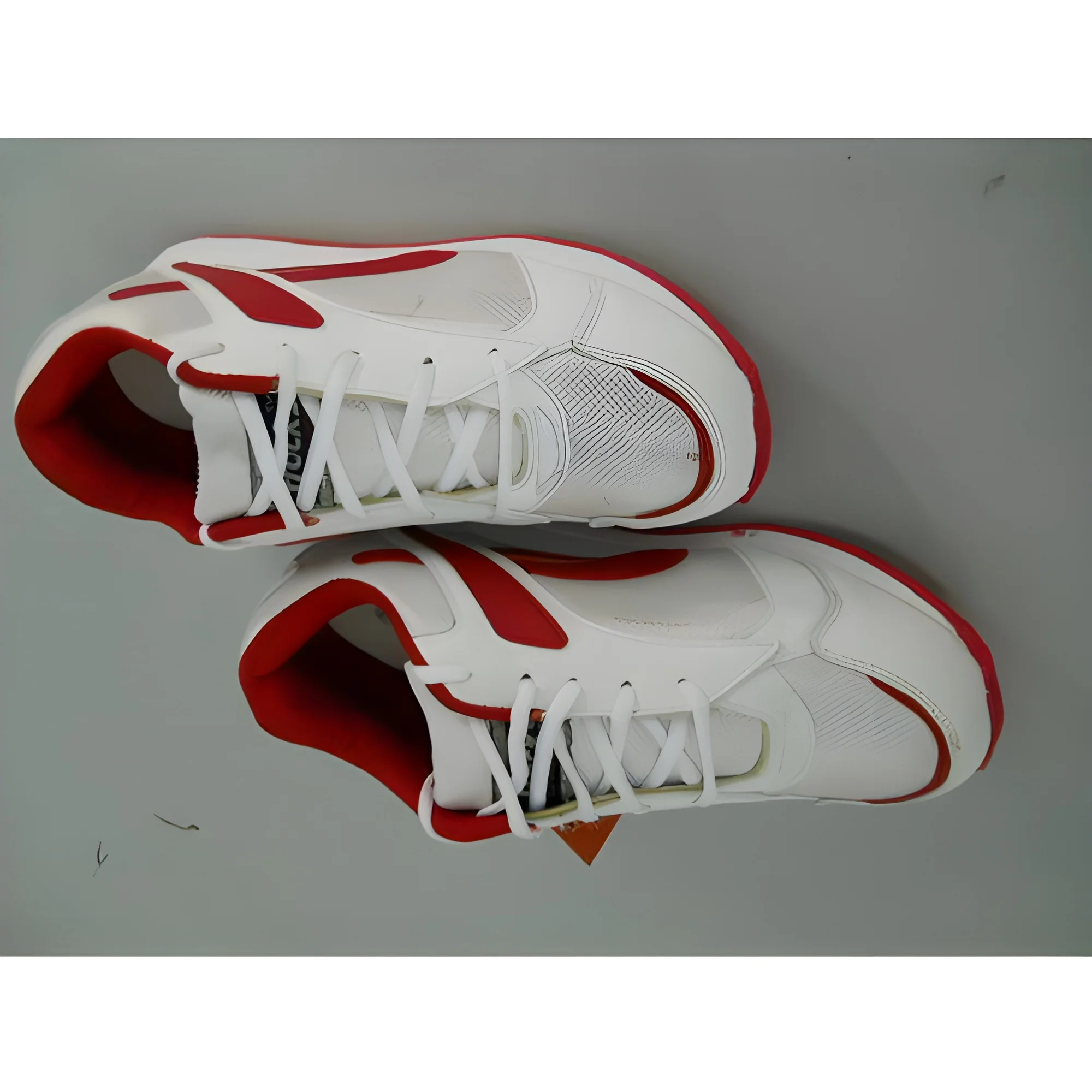
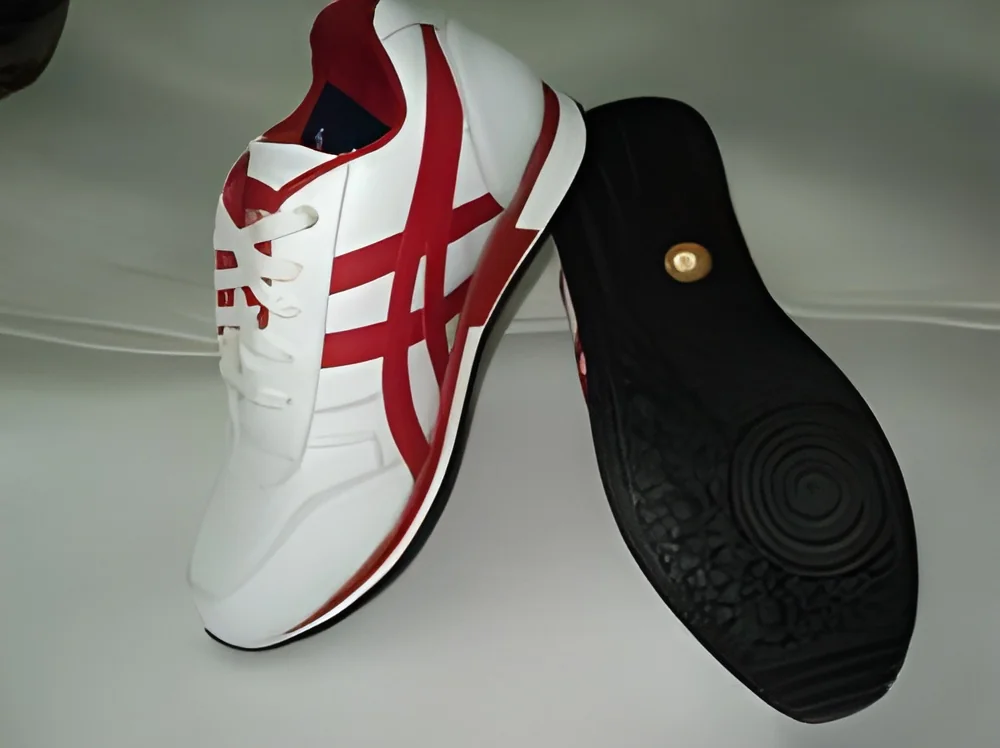
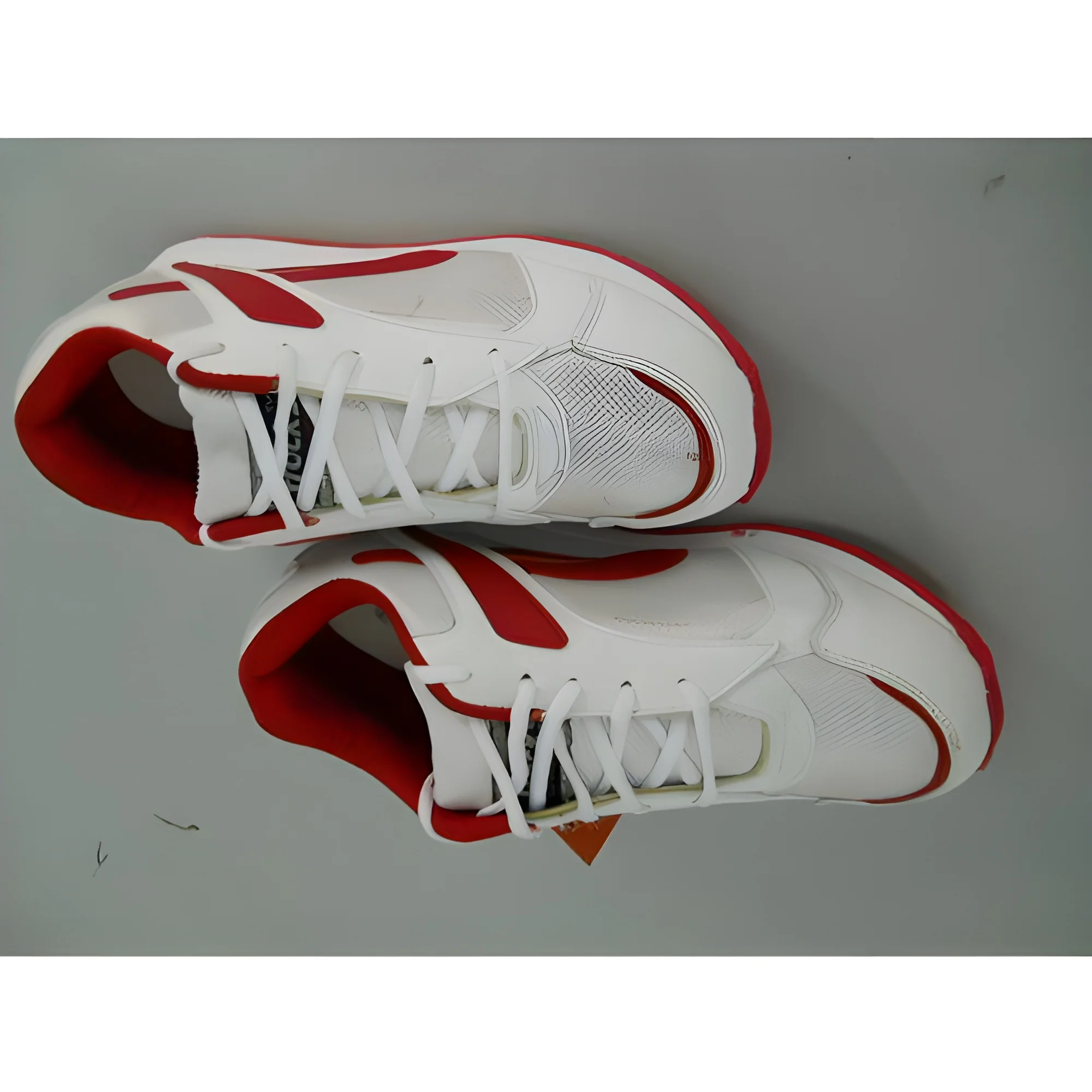
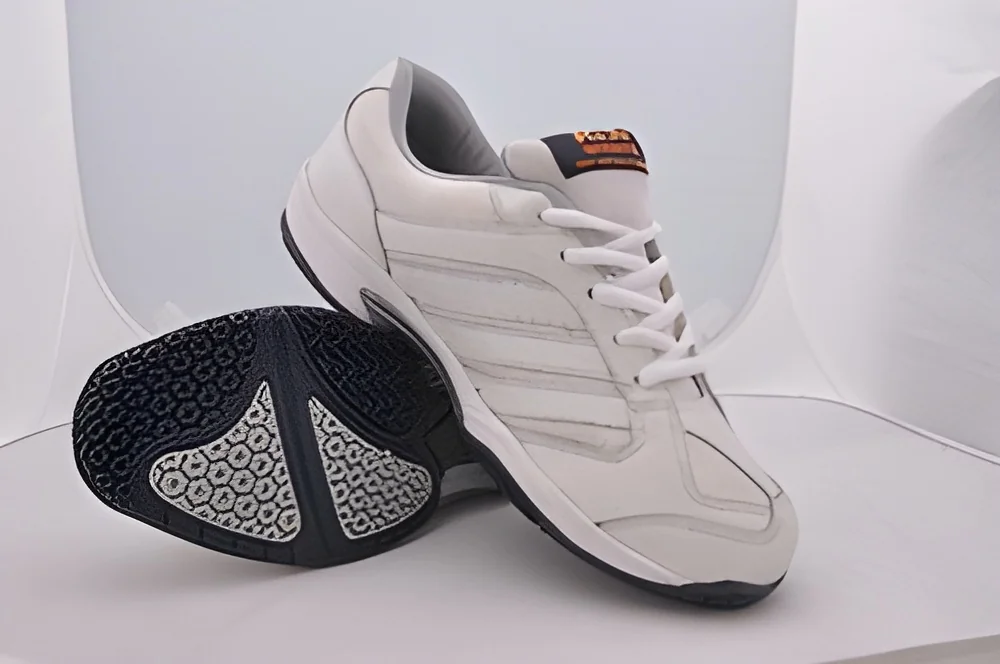
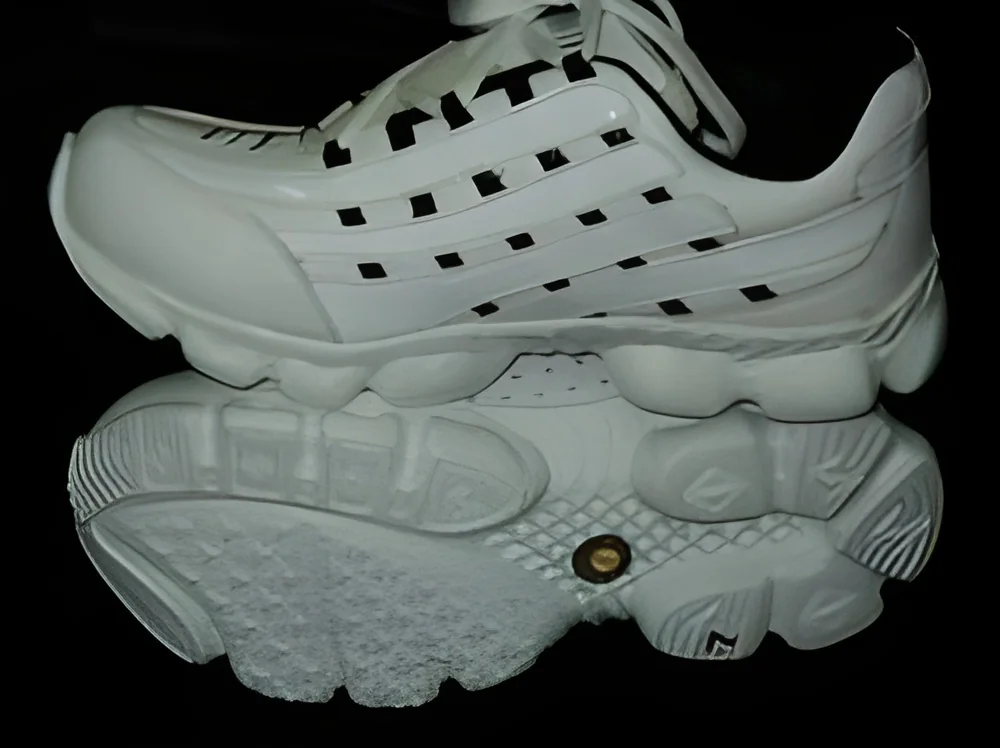
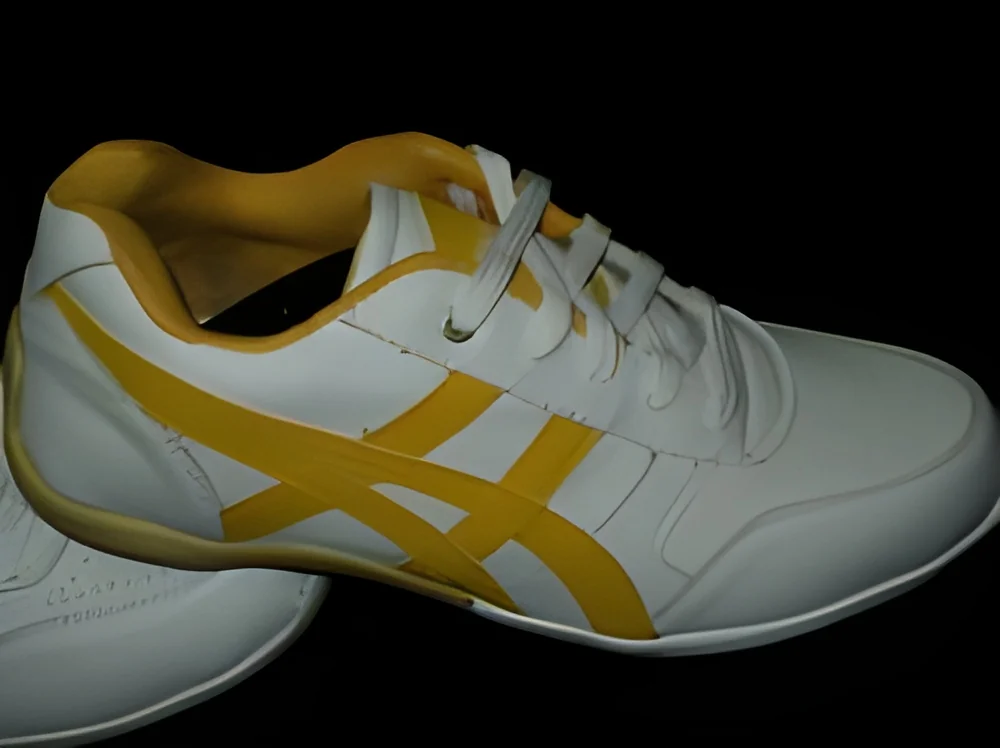
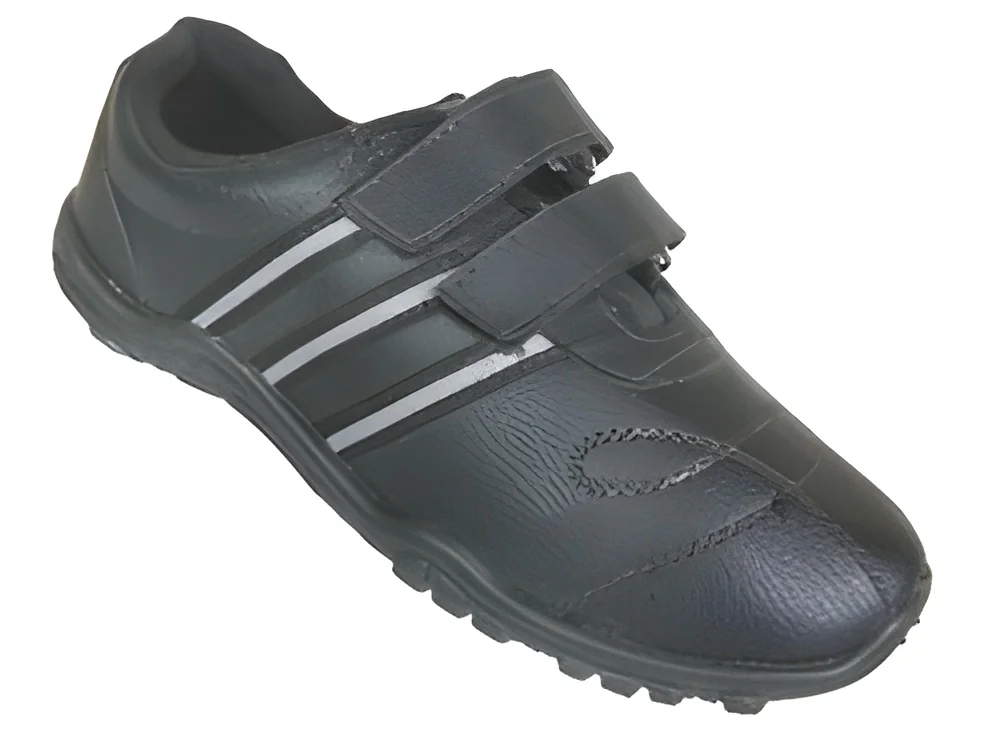
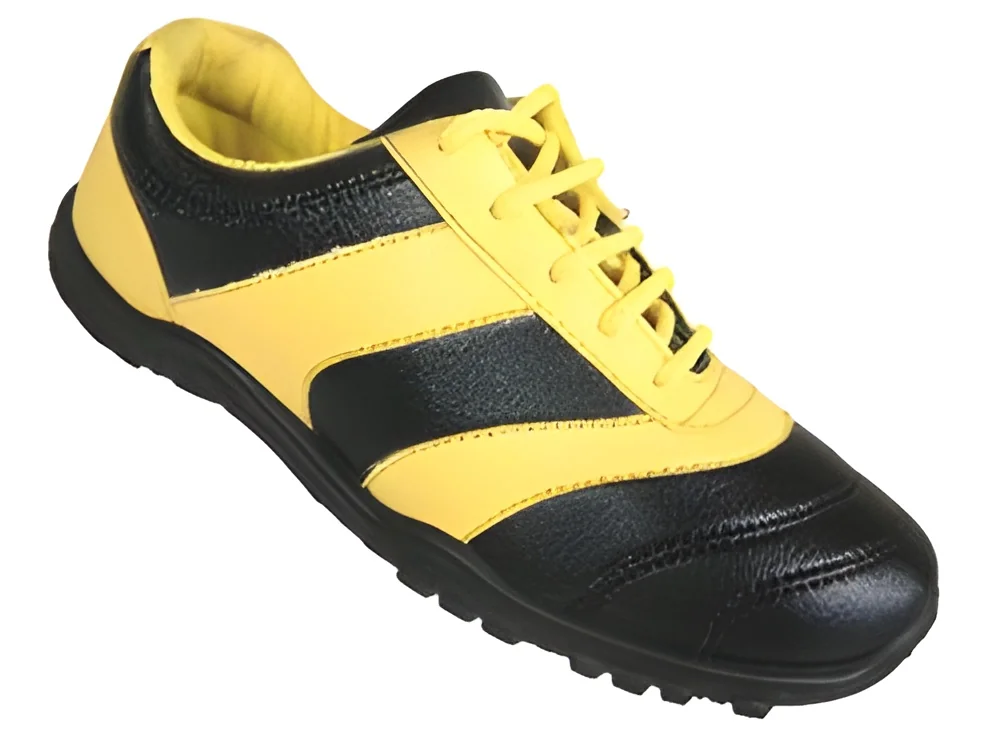
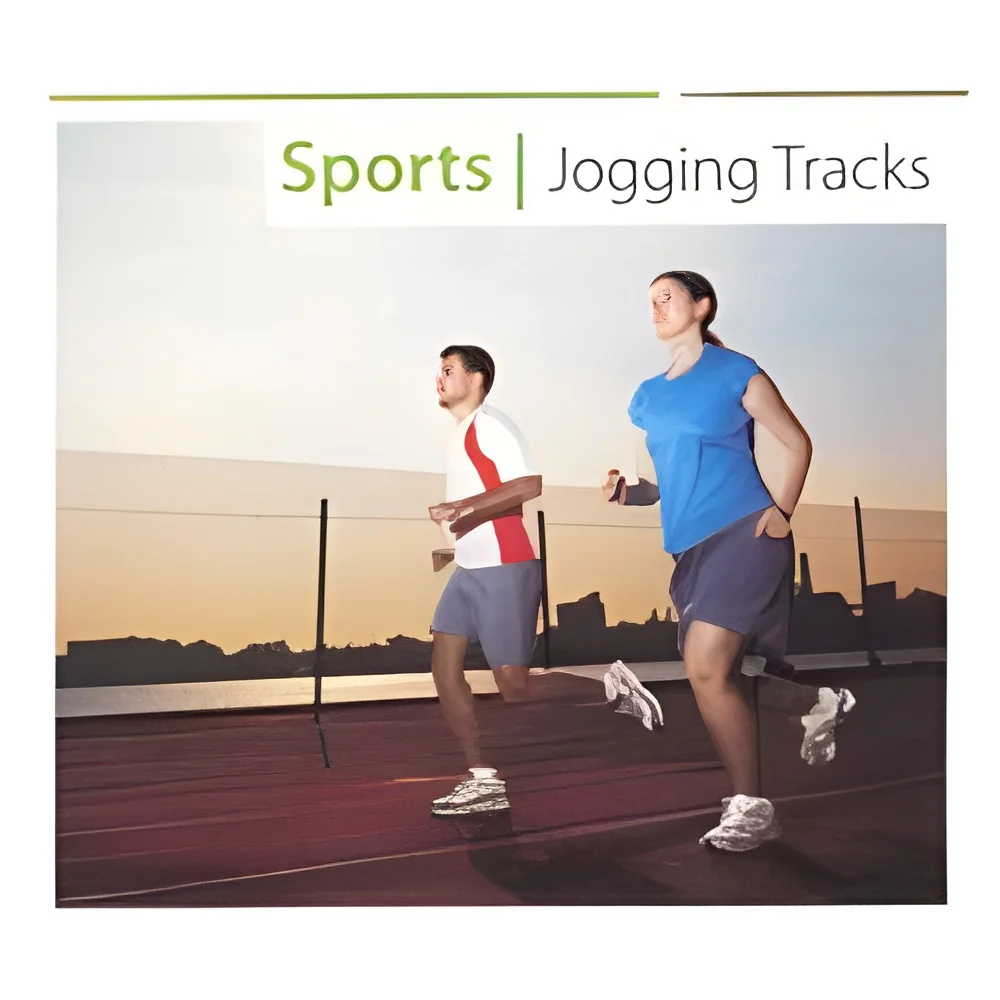
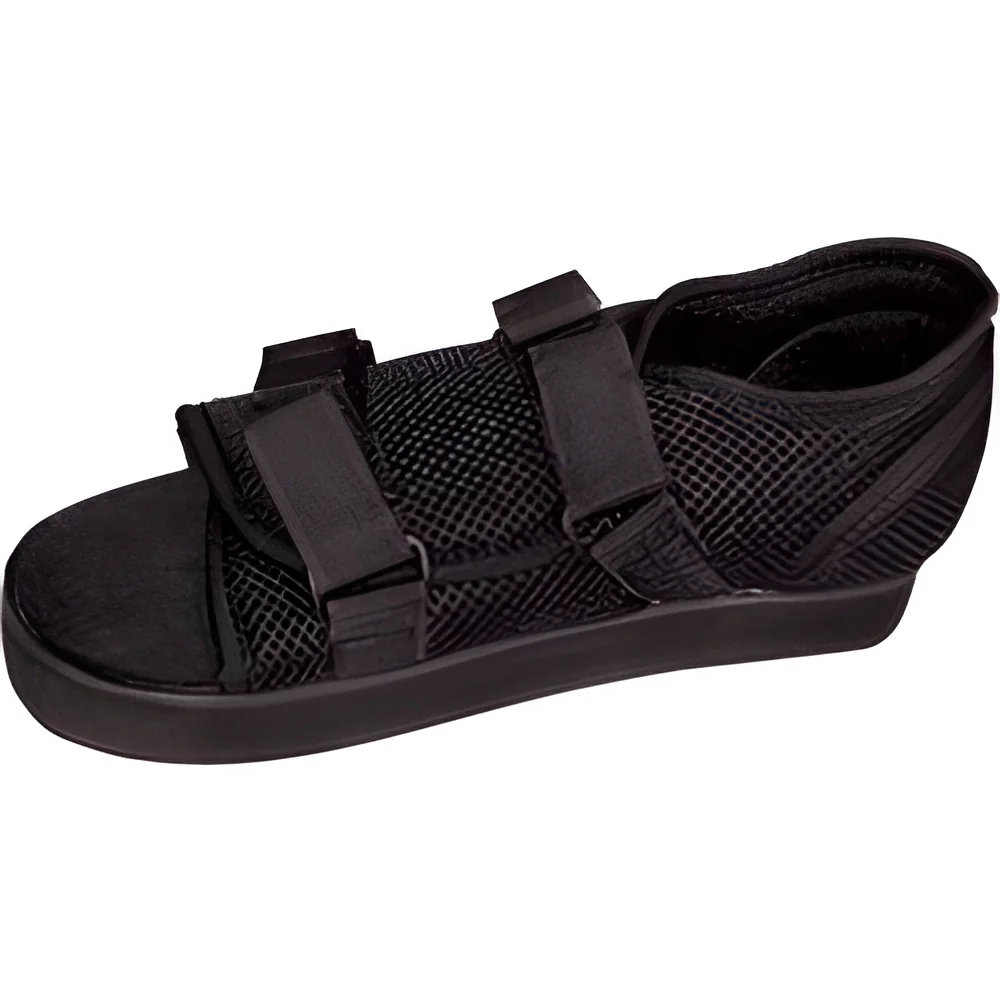
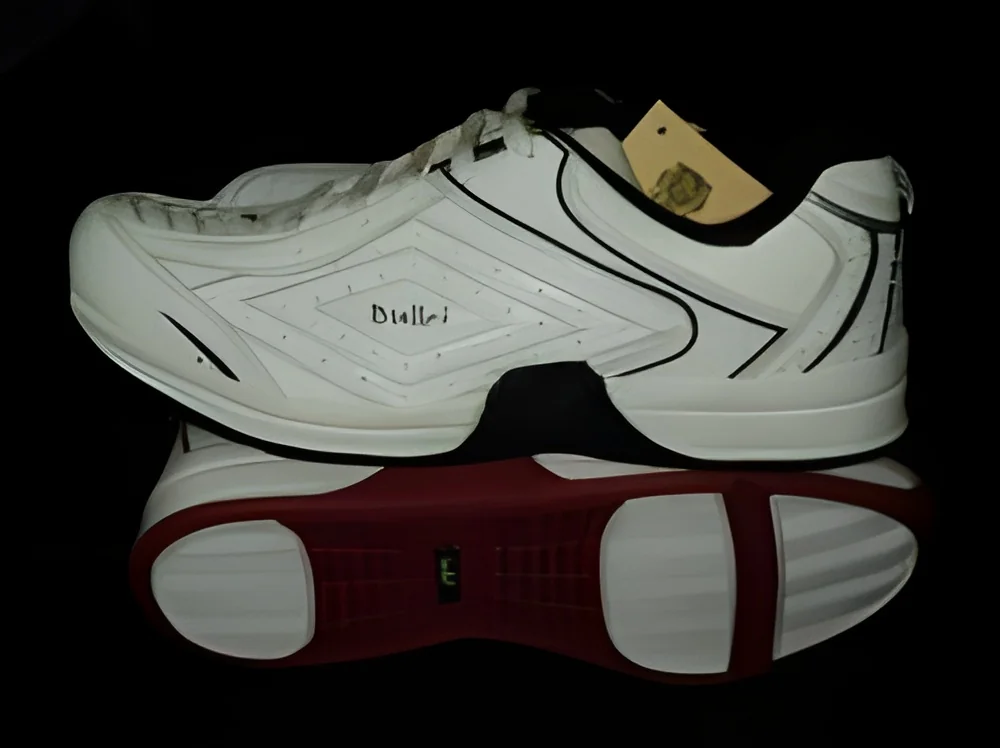
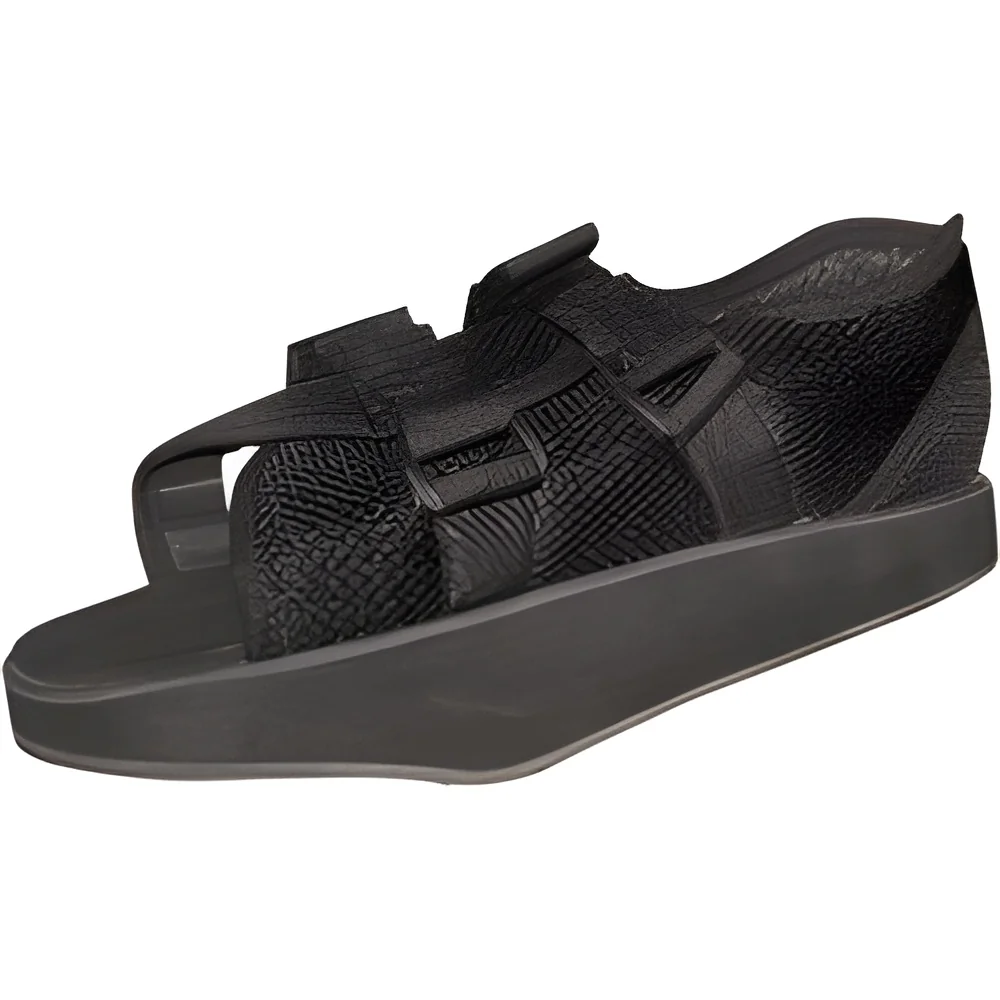
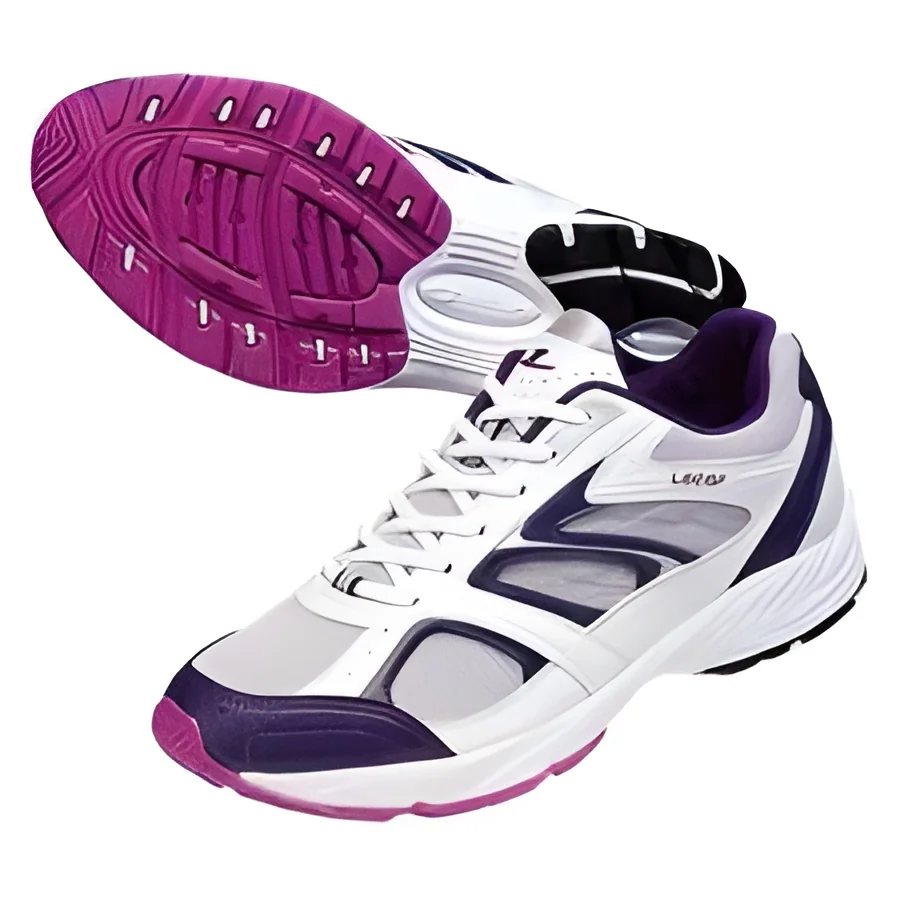
Athletic footwear refers to a specialized category of shoes designed primarily for sports and other physical activities. These shoes are engineered to provide comfort, support, and protection to the feet during various forms of exercise, including running, basketball, and training. Athletic footwear incorporates advanced materials and technologies to enhance performance, reduce injury risks, and improve overall athletic experience.
In the business context, athletic footwear is essential for sports teams, fitness centers, and retailers that cater to active consumers. Companies often stock a range of athletic shoes to meet the diverse needs of their clientele, whether they are casual joggers, professional athletes, or fitness enthusiasts. The demand for high-quality athletic footwear continues to grow as more people engage in fitness activities, making this sector a significant focus for manufacturers and distributors.
The athletic footwear market is highly competitive, with numerous brands vying for consumer attention. Industry trends indicate a shift towards sustainability and customization, influencing product offerings. As health and wellness become more prominent in society, the relevance of athletic footwear remains significant, driving innovation and adaptation in design and functionality.
𝗞𝗲𝘆 𝗙𝗲𝗮𝘁𝘂𝗿𝗲𝘀 𝗮𝗻𝗱 𝗦𝗽𝗲𝗰𝗶𝗳𝗶𝗰𝗮𝘁𝗶𝗼𝗻𝘀
Athletic footwear comes with a variety of features that enhance performance and comfort. Understanding these specifications can help businesses make informed purchasing decisions. Key specifications include:
1. Cushioning Technology
- Provides shock absorption during activities
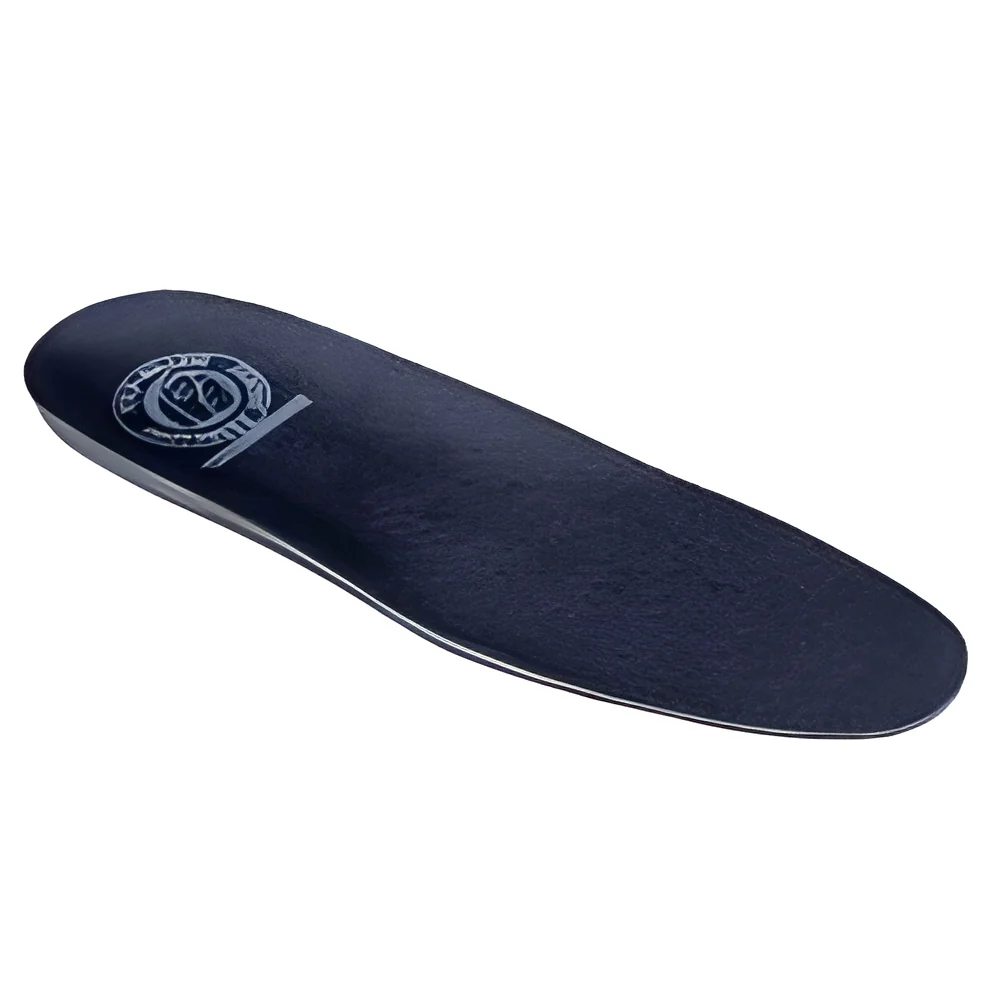
- Common technologies include EVA foam and gel inserts
2. Breathability
- Ensures airflow to keep feet cool and dry
- Typically achieved through mesh materials
3. Traction
- Offers grip on various surfaces
- Outsoles may feature rubber compounds with specific tread patterns
4. Support and Stability
- Enhances foot alignment and reduces the risk of injury
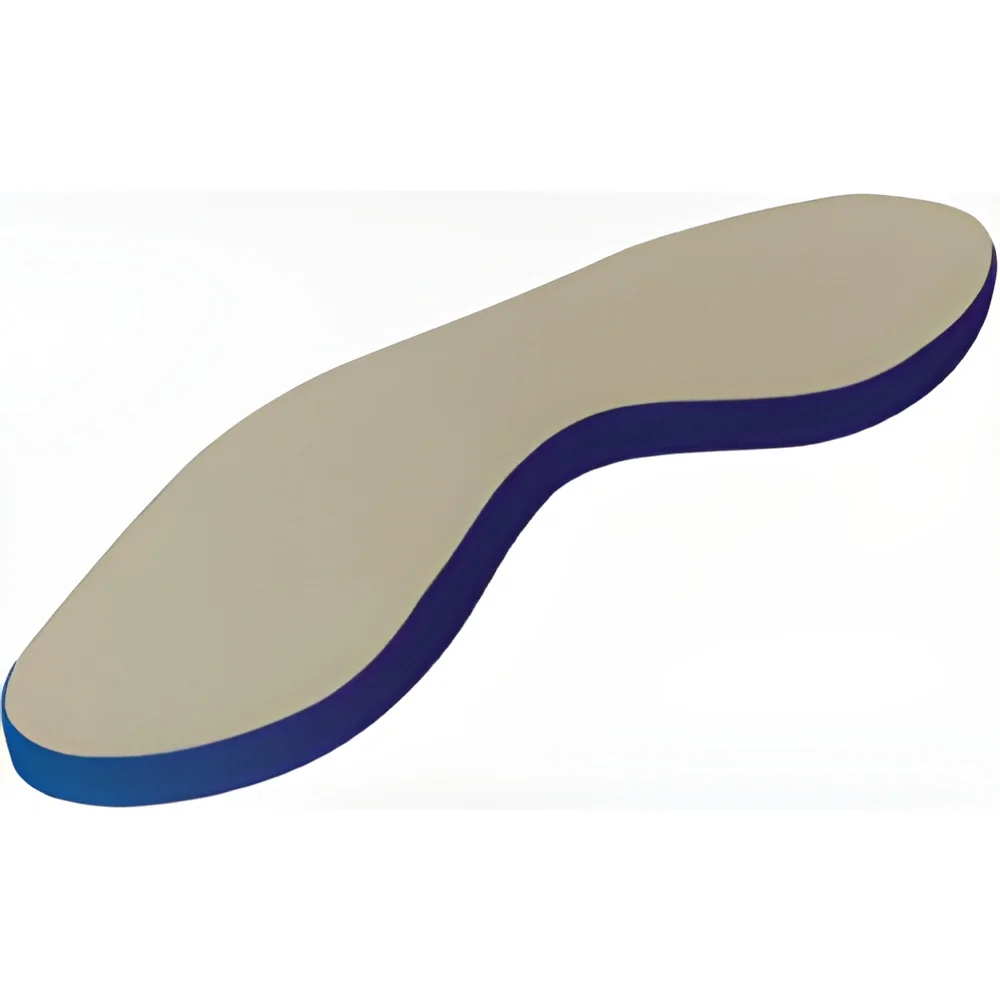
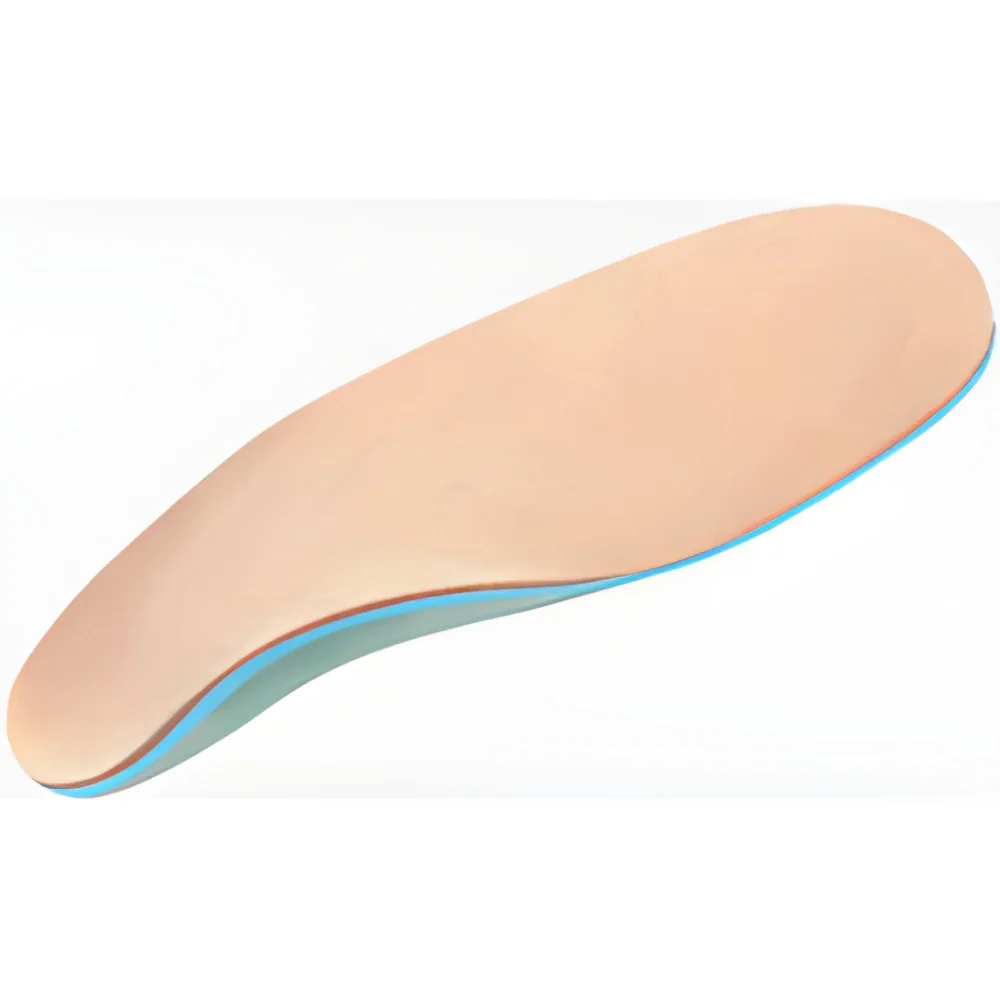
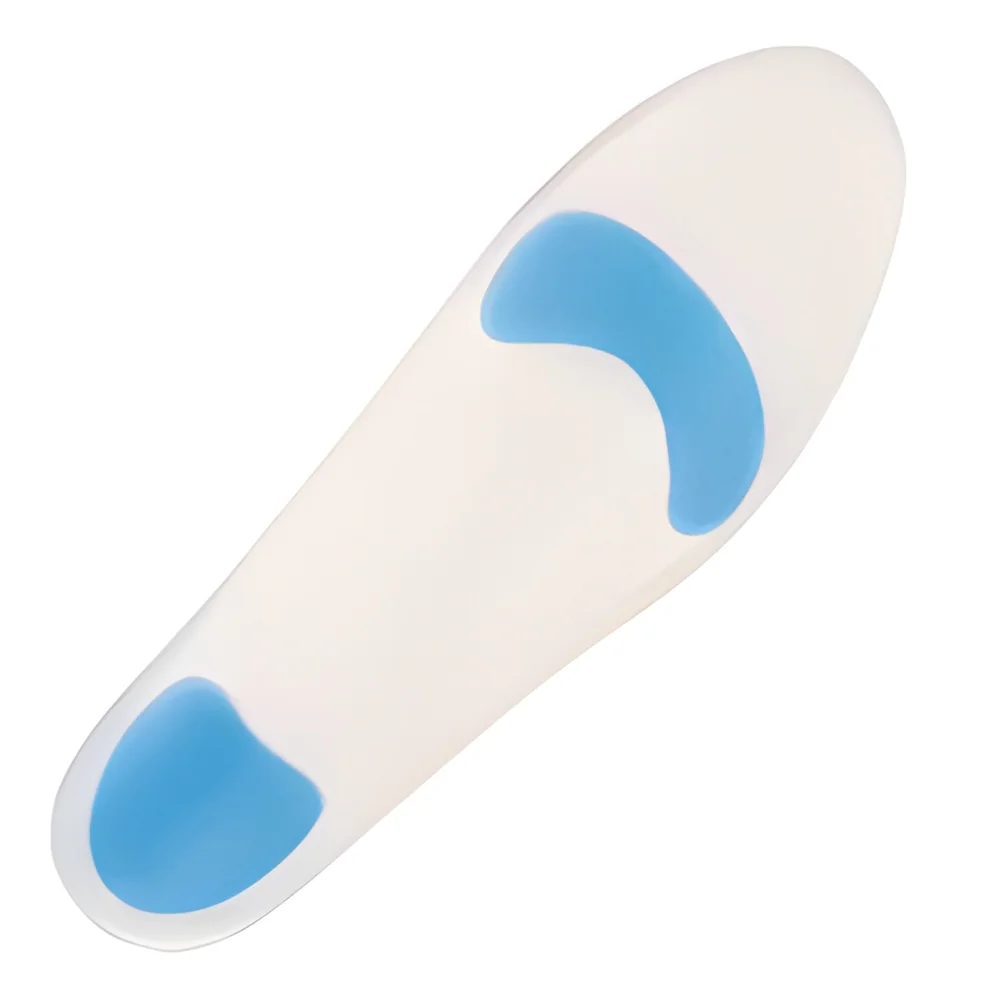
- Often includes arch support and heel counters
5. Fit and Comfort
- Designed to accommodate various foot shapes and sizes
- Adjustable lacing systems and padded collars are common
6. Durability
- Built to withstand wear and tear from regular use
- Quality materials such as synthetic leather and reinforced stitching
7. Weight
- Lightweight designs are preferred for agility and speed
- Range of weights available depending on shoe type
8. Style and Aesthetics
- Available in various colors and designs to appeal to different markets
- Collaboration with designers often influences trends
In summary, selecting athletic footwear with the right features is crucial for enhancing performance and ensuring user satisfaction. Understanding these specifications can guide buyers in choosing products that align with their needs.
𝗖𝗼𝗺𝗺𝗼𝗻 𝗔𝗽𝗽𝗹𝗶𝗰𝗮𝘁𝗶𝗼𝗻𝘀 𝗮𝗻𝗱 𝗨𝘀𝗲 𝗖𝗮𝘀𝗲𝘀
Athletic footwear serves a variety of industries and applications, making it a versatile product in the market.
1. Sports Teams: Athletic footwear is essential for players in sports such as soccer, basketball, and running, where performance and injury prevention are critical.
2. Fitness Centers: Gyms and fitness studios stock athletic shoes to offer clients the right footwear for activities like aerobics, weightlifting, and yoga.
3. Retail: Shoe retailers provide a range of athletic footwear to cater to different customer preferences and needs, from casual wear to professional sports.
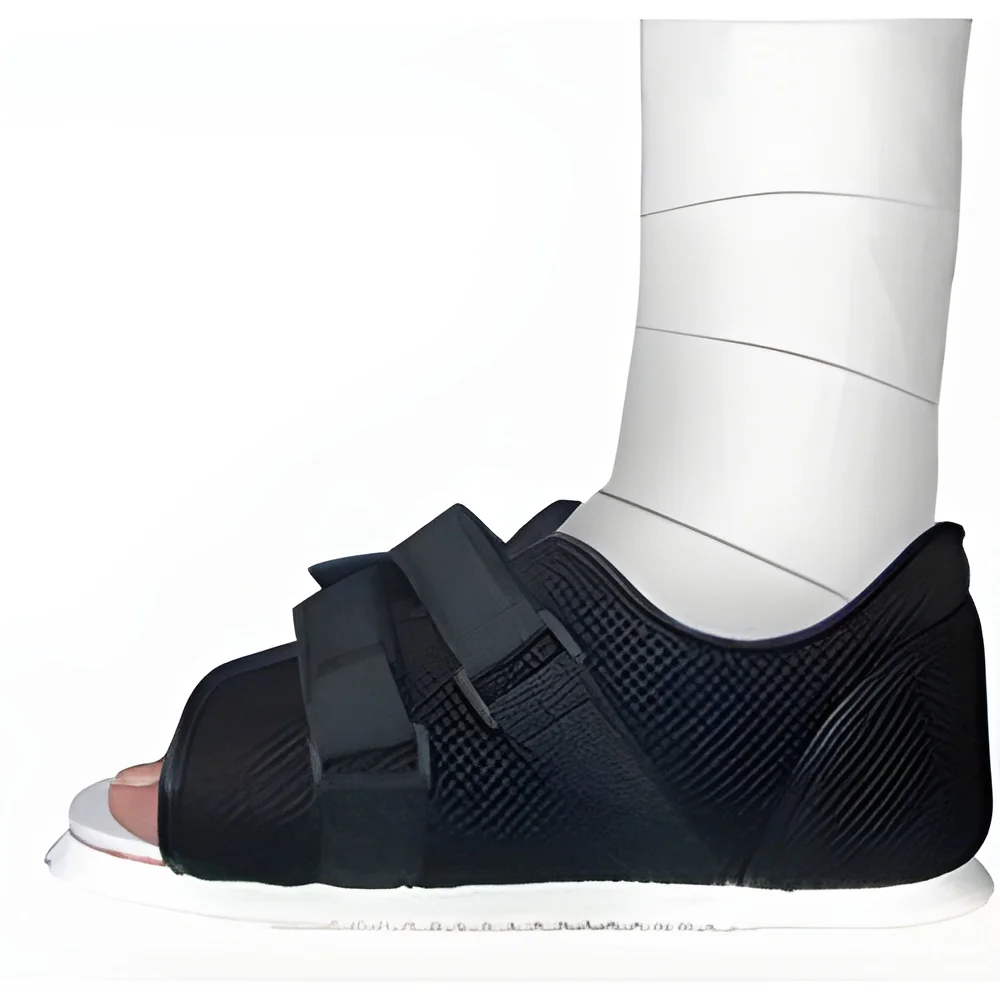
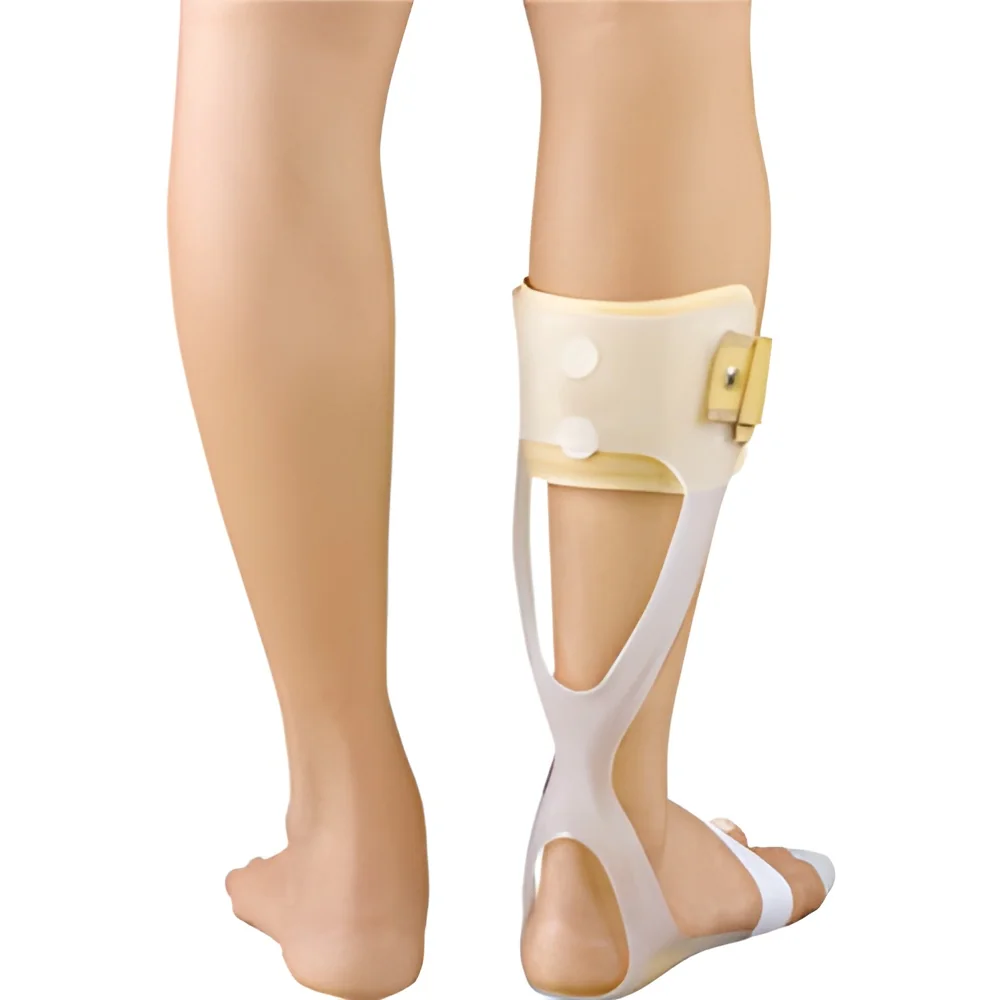
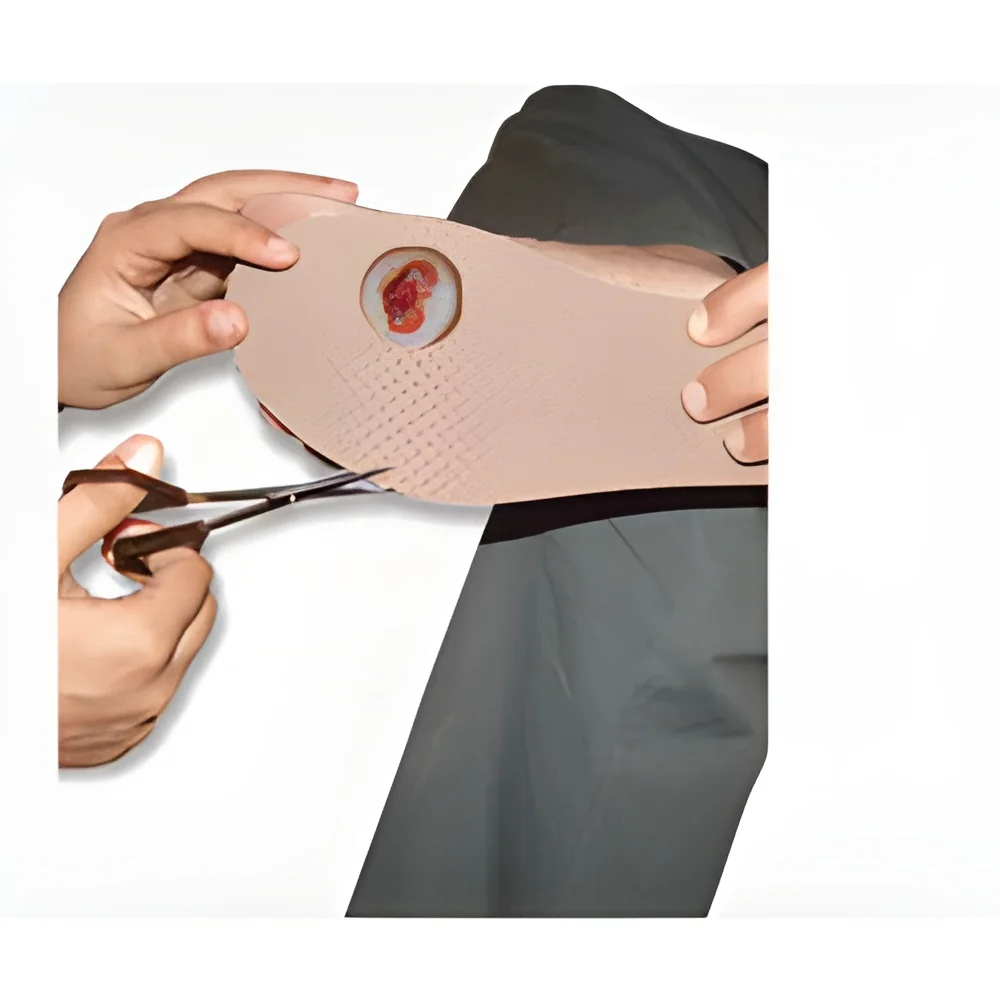
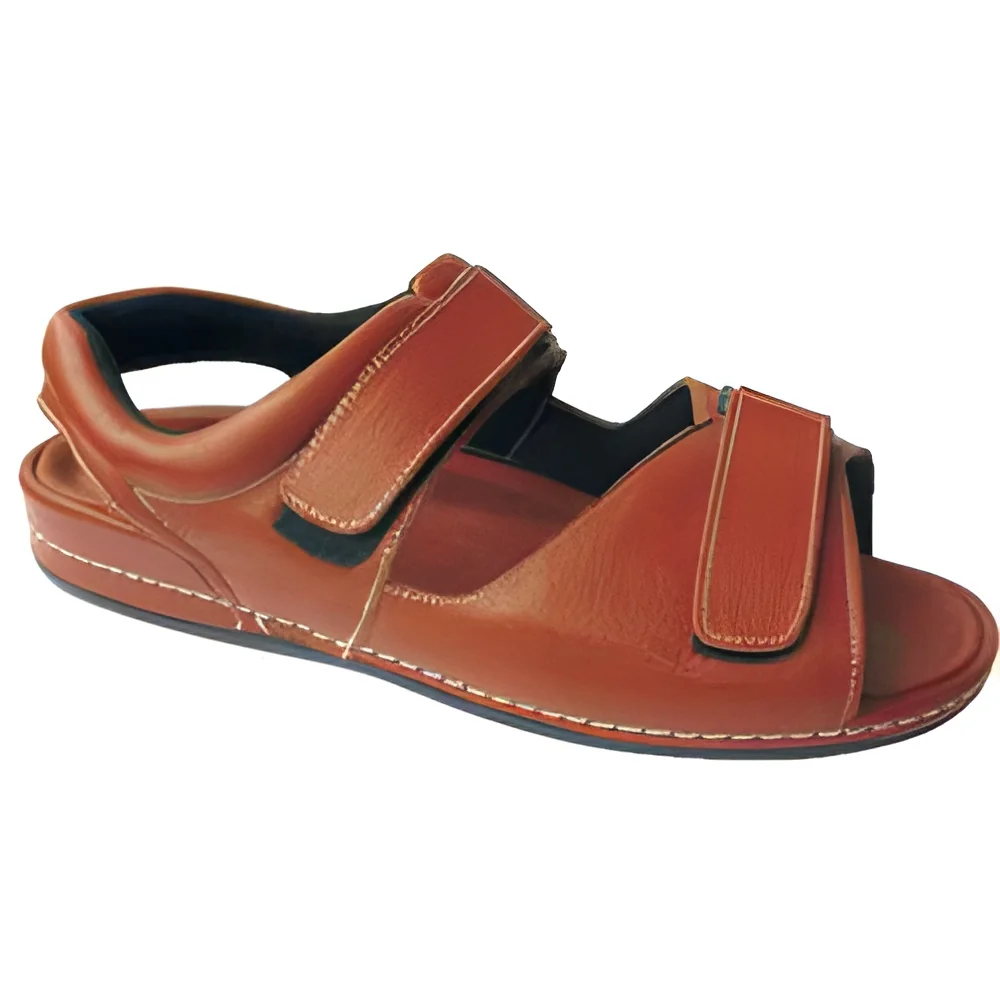
4. Rehabilitation: Athletic shoes are used in physical therapy settings to support recovery and improve mobility for individuals with injuries.
5. Outdoor Activities: Hiking and trail running shoes are designed specifically for outdoor enthusiasts, providing durability and traction on varied terrains.
6. Fashion: The rise of athleisure has made athletic footwear a popular choice in casual fashion, appealing to a broad demographic beyond athletes.
𝗣𝗿𝗼𝗱𝘂𝗰𝘁 𝗩𝗮𝗿𝗶𝗮𝗻𝘁𝘀 𝗮𝗻𝗱 𝗦𝘂𝗯𝗰𝗮𝘁𝗲𝗴𝗼𝗿𝗶𝗲𝘀
Athletic footwear encompasses a wide array of product variants to cater to different activities and preferences.
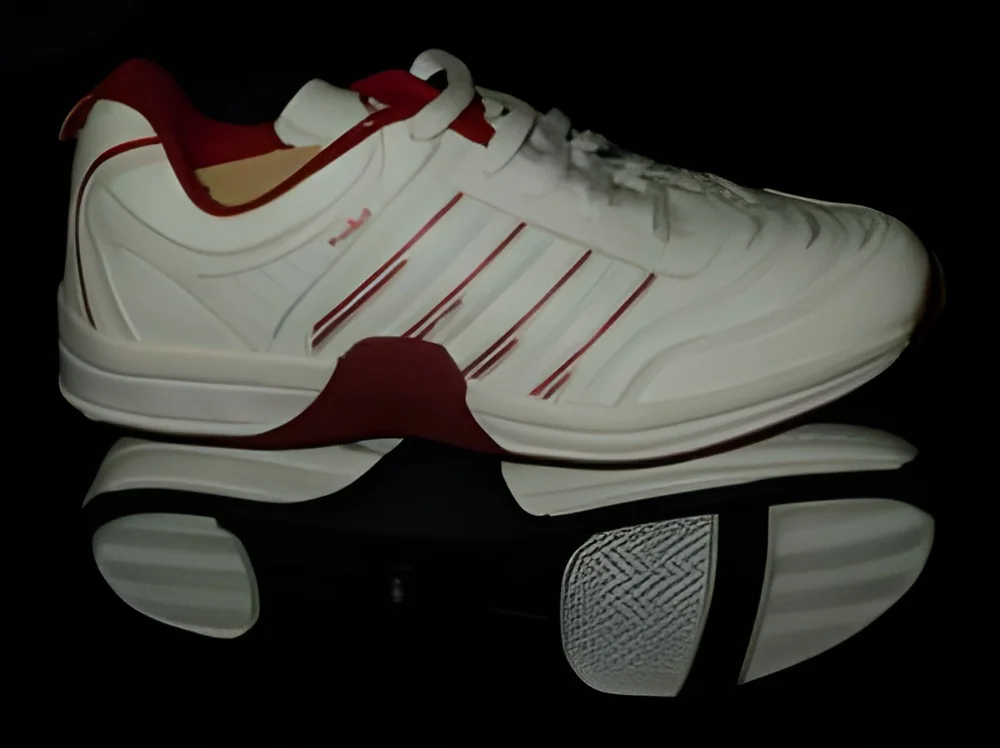
Running Shoes: These shoes are designed for optimal performance during running, featuring lightweight materials and cushioning for shock absorption. They often include specific technologies tailored for road or trail running.
Training Shoes: Versatile footwear designed for various workouts, training shoes provide stability and support for activities ranging from weightlifting to high-intensity interval training.
Basketball Shoes: Engineered for the court, basketball shoes offer enhanced ankle support, grip, and cushioning to accommodate the demands of the game.
Cross-Training Shoes: These shoes are designed for multi-purpose use, suitable for various exercises and movements, balancing comfort and durability.
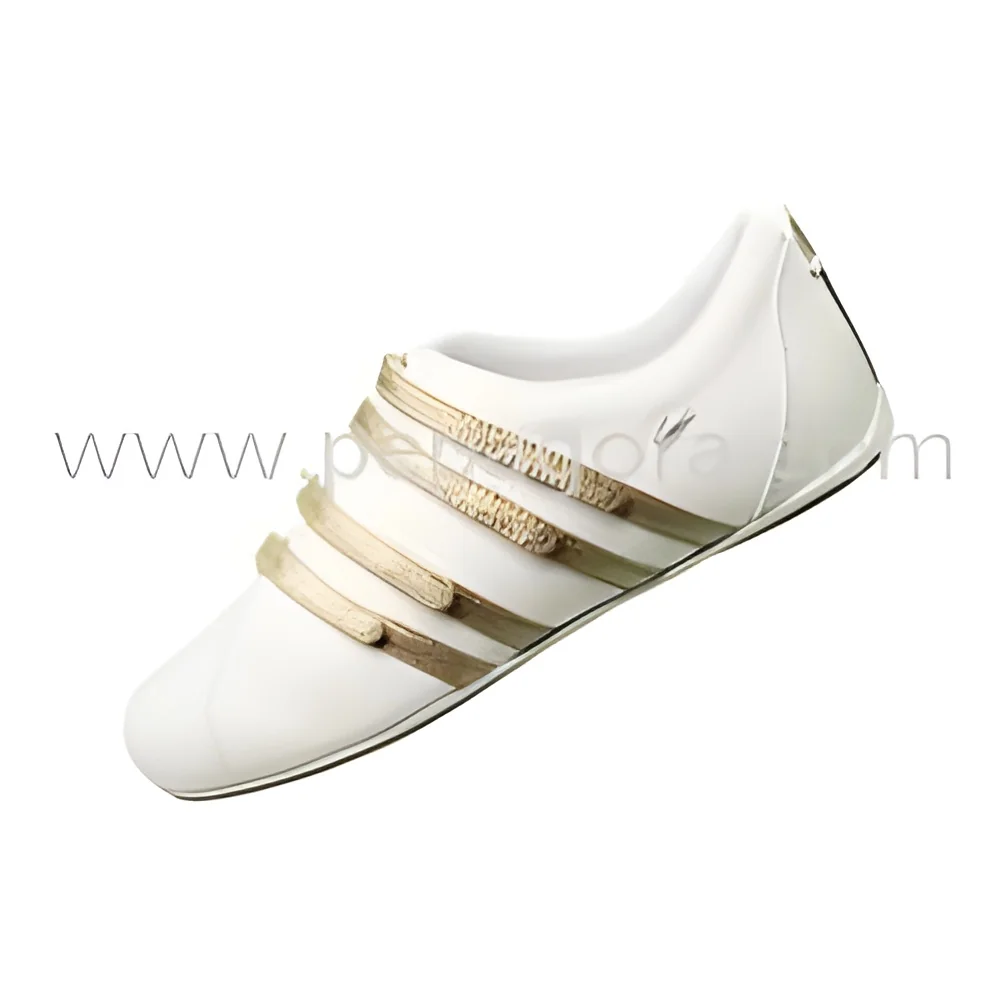
Lifestyle Sneakers: Bridging the gap between performance and casual wear, lifestyle sneakers are popular for everyday use while maintaining athletic features.
𝗕𝗲𝗻𝗲𝗳𝗶𝘁𝘀 𝗮𝗻𝗱 𝗔𝗱𝘃𝗮𝗻𝘁𝗮𝗴𝗲𝘀
Athletic footwear offers several benefits that make it a valuable investment for businesses and consumers alike.
1. Improved Performance: Specialized designs enhance athletic performance by offering features tailored to specific sports and activities.
2. Injury Prevention: Quality athletic shoes provide necessary support and cushioning, reducing the risk of injuries related to overuse or improper foot alignment.
3. Enhanced Comfort: Advanced materials and technologies contribute to a comfortable fit, allowing users to perform activities for extended periods without discomfort.
4. Versatility: Athletic footwear is suitable for a range of activities, making it a practical choice for various sports and fitness routines.
5. Style Options: The diverse designs available allow customers to choose footwear that matches their personal style while enjoying functional benefits.
6. Durability: Built with high-quality materials, athletic footwear can withstand the rigors of physical activity, offering a longer lifespan compared to regular shoes.
𝗕𝘂𝘆𝗶𝗻𝗴 𝗚𝘂𝗶𝗱𝗲 𝗳𝗼𝗿 𝗕𝟮𝗕 𝗕𝘂𝘆𝗲𝗿𝘀
Sourcing athletic footwear requires careful consideration of various factors to ensure the best products are acquired.
1. Quality Assessment: Evaluate the materials and construction to ensure that the shoes meet industry standards for durability and performance. Look for footwear that has been tested for various athletic activities.
2. Supplier Verification: Vet potential suppliers by checking their credentials, customer reviews, and track records in the industry, ensuring they can deliver reliable products.
3. Pricing and MOQ: Understand the cost structure, including the minimum order quantities required by suppliers. This will help in budgeting and managing inventory effectively.
4. Delivery and Lead Times: Consider logistics and shipping times to ensure timely availability of products. Establish clear communication with suppliers regarding delivery schedules.
5. Compliance Requirements: Check for compliance with relevant safety and quality standards, including certifications such as CE. This ensures that the footwear meets necessary regulatory guidelines.
𝗖𝗼𝗺𝗽𝗹𝗶𝗮𝗻𝗰𝗲 𝗮𝗻𝗱 𝗖𝗲𝗿𝘁𝗶𝗳𝗶𝗰𝗮𝘁𝗶𝗼𝗻𝘀
Athletic footwear must adhere to various quality standards and certifications to ensure safety and performance.
Relevant quality standards, such as ISO 9001, focus on maintaining high quality across manufacturing processes. Compliance with such standards assures buyers of the product's reliability and effectiveness.
In addition, industry certifications like CE demonstrate that products meet European health, safety, and environmental protection standards. This certification is crucial for businesses importing athletic footwear into European markets.
Safety and testing requirements are essential, especially for footwear intended for competitive sports. Shoes often undergo tests to evaluate durability, slip resistance, and comfort levels, ensuring they perform well under various conditions.
Finally, regional compliance considerations may vary, necessitating businesses to be aware of local regulations concerning product safety and quality before sourcing athletic footwear.
𝗪𝗵𝘆 𝗦𝗼𝘂𝗿𝗰𝗲 𝗔𝘁𝗵𝗹𝗲𝘁𝗶𝗰 𝗙𝗼𝗼𝘁𝘄𝗲𝗮𝗿 𝗳𝗿𝗼𝗺 𝗣𝗲𝗽𝗮𝗴𝗼𝗿𝗮?
Pepagora provides a trusted platform for sourcing athletic footwear, offering several key advantages that enhance the purchasing process for B2B buyers.
Verified Supplier Network: Pepagora ensures that all suppliers on its platform are thoroughly vetted, providing buyers with confidence in the quality and reliability of the products they source.
Streamlined RFQ Process: The platform simplifies the request for quotation process, allowing buyers to quickly obtain competitive pricing and detailed information on products from multiple suppliers.
Trade Assurance and Support: Buyers benefit from trade assurance, which protects their investments by ensuring that suppliers meet agreed-upon terms and conditions. This adds a layer of security to every transaction.
Regional Coverage: Pepagora has a broad geographic reach, covering markets in India, the GCC, and Southeast Asia. This extensive network allows buyers to access a diverse range of athletic footwear tailored to various regional preferences and requirements.

 IN
IN