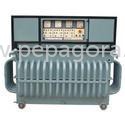
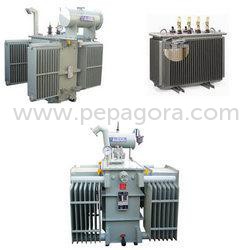
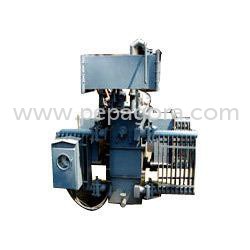
𝗪𝗵𝗮𝘁 𝗮𝗿𝗲 𝗧𝗿𝗮𝗻𝘀𝗳𝗼𝗿𝗺𝗲𝗿 𝗜𝗻𝘀𝘁𝗮𝗹𝗹𝗮𝘁𝗶𝗼𝗻 & 𝗠𝗮𝗶𝗻𝘁𝗲𝗻𝗮𝗻𝗰𝗲?
Transformer installation and maintenance encompass the processes and practices involved in setting up and ensuring the efficient operation of electrical transformers. These components are critical for converting voltage levels in electrical systems, enabling the reliable transmission and distribution of electricity. Proper installation ensures optimal performance, while regular maintenance is essential for prolonging the lifespan of transformers and minimizing operational disruptions.
Transformers are widely used across various sectors, including energy, manufacturing, and construction. Their primary role is to manage voltage variations, making electricity safe for consumer use. Businesses rely on transformers to maintain system stability, reduce energy losses, and enhance overall efficiency. With the growing demand for electrical infrastructure, the importance of competent transformer installation and maintenance cannot be overstated, as they play a vital role in the sustainability of electrical networks.
𝗞𝗲𝘆 𝗙𝗲𝗮𝘁𝘂𝗿𝗲𝘀 𝗮𝗻𝗱 𝗦𝗽𝗲𝗰𝗶𝗳𝗶𝗰𝗮𝘁𝗶𝗼𝗻𝘀
When considering transformer installation and maintenance, several key features and specifications are essential for ensuring optimal performance and reliability. These specifications guide businesses in selecting the right solutions tailored to their operational needs.
Key specifications include:
1. Voltage Rating
- Determines the maximum voltage the transformer can handle.
- Typically ranges from low voltage (up to 1 kV) to high voltage (above 35 kV).
2. Power Capacity
- Refers to the maximum power the transformer can deliver.
- Measured in KVA (kilovolt-amperes), with common ratings from 50 KVA to several MVA (megavolt-amperes).
3. Cooling Method
- Specifies how heat is dissipated during operation.
- Common methods include oil-immersed and air-cooled designs.
4. Frequency Rating
- Indicates the frequency of the electrical system.
- Standard frequencies are usually 50 Hz or 60 Hz.
5. Insulation Class
- Defines the temperature rating of the insulation materials used.
- Classes range from A (up to 105°C) to H (up to 180°C).
6. Impedance
- Measures the opposition to the flow of alternating current.
- Typically expressed as a percentage and affects voltage regulation.
7. Protection Features
- Includes devices such as fuses and circuit breakers to safeguard against faults.
- Essential for preventing damage in overload situations.
8. Compliance Standards
- Ensures the transformer meets industry standards and regulations.
- Certifications such as CE are often required for market acceptance.
In summary, understanding these specifications is crucial for businesses to choose the right transformer solutions that meet their operational requirements and ensure long-term reliability.
𝗖𝗼𝗺𝗺𝗼𝗻 𝗔𝗽𝗽𝗹𝗶𝗰𝗮𝘁𝗶𝗼𝗻𝘀 𝗮𝗻𝗱 𝗨𝘀𝗲 𝗖𝗮𝘀𝗲𝘀
Transformer installation and maintenance find applications across numerous industries, reflecting the versatility and importance of these devices in electrical systems.
1. Power Generation: Transformers are used to step up voltage for transmission over long distances and step down voltage for distribution to consumers.
2. Manufacturing: In manufacturing plants, transformers are essential for powering machinery and equipment, ensuring consistent voltage levels for optimal performance.
3. Construction: Temporary transformers are often deployed at construction sites to provide electricity for tools and lighting during building projects.
4. Renewable Energy: Transformers play a critical role in integrating renewable energy sources, such as wind and solar, into the main electrical grid.
5. Telecommunications: They are used in telecommunication facilities to maintain the power supply for communication equipment and data centers.
6. Transportation: Railways and subways utilize transformers to manage the high voltages required for electric trains and signaling systems.
7. Mining: In mining operations, transformers are essential for powering heavy equipment and ensuring operational safety in underground environments.
𝗣𝗿𝗼𝗱𝘂𝗰𝘁 𝗩𝗮𝗿𝗶𝗮𝗻𝘁𝘀 𝗮𝗻𝗱 𝗦𝘂𝗯𝗰𝗮𝘁𝗲𝗴𝗼𝗿𝗶𝗲𝘀
Transformer installation and maintenance solutions are diverse, catering to different operational needs and environments.
Distribution Transformers
These transformers are typically used for stepping down voltage for distribution to residential and commercial consumers. They are designed for low to medium voltage applications and are essential in urban electrical grids.
Power Transformers
Utilized in power generation and transmission, these transformers handle high voltages and large power capacities. They are critical for maintaining efficiency in high-voltage transmission networks.
Isolation Transformers
These transformers provide electrical isolation between circuits. They are often used in sensitive applications where equipment protection and noise reduction are necessary.
Auto Transformers
This variant has a single winding that acts as both the primary and secondary winding. They are efficient for applications requiring a smaller voltage transformation and are commonly used in industrial settings.
𝗕𝗲𝗻𝗲𝗳𝗶𝘁𝘀 𝗮𝗻𝗱 𝗔𝗱𝘃𝗮𝗻𝘁𝗮𝗴𝗲𝘀
Investing in transformer installation and maintenance offers numerous advantages for businesses looking to enhance their electrical infrastructure.
Key benefits include:
1. Increased Efficiency: Properly installed and maintained transformers minimize energy losses, leading to reduced operational costs and improved system efficiency.
2. Enhanced Reliability: Regular maintenance ensures transformers operate reliably, reducing the risk of outages and system failures.
3. Extended Lifespan: Routine checks and servicing can significantly extend the operational life of transformers, protecting investment.
4. Improved Safety: Regular maintenance helps identify potential issues before they escalate, ensuring a safer working environment.
5. Compliance Assurance: Adhering to maintenance schedules ensures compliance with industry regulations, avoiding penalties and legal issues.
6. Cost Savings: By preventing catastrophic failures, effective maintenance can save businesses significant repair and replacement costs.
𝗕𝘂𝘆𝗶𝗻𝗴 𝗚𝘂𝗶𝗱𝗲 𝗳𝗼𝗿 𝗕𝟮𝗕 𝗕𝘂𝘆𝗲𝗿𝘀
When sourcing transformer installation and maintenance services, businesses should consider various critical factors to ensure they make informed decisions.
1. Quality Assessment: Evaluate the quality of the transformers and services provided. Look for industry certifications and compliance with standards to ensure reliability.
2. Supplier Verification: Vet potential suppliers thoroughly. Check references, reviews, and past projects to confirm their expertise and reliability in transformer services.
3. Pricing and MOQ: Understand the pricing structure and minimum order quantities (MOQ). Ensure the costs align with your budget while considering the quality of services.
4. Delivery and Lead Times: Inquire about delivery schedules and lead times. Timely delivery is crucial for project planning and minimizing downtime.
5. Compliance Requirements: Familiarize yourself with relevant regulatory requirements. Ensure that the suppliers adhere to necessary standards and certifications to avoid complications.
𝗖𝗼𝗺𝗽𝗹𝗶𝗮𝗻𝗰𝗲 𝗮𝗻𝗱 𝗖𝗲𝗿𝘁𝗶𝗳𝗶𝗰𝗮𝘁𝗶𝗼𝗻𝘀
Compliance and certifications play a vital role in ensuring the quality and safety of transformer installation and maintenance.
Relevant quality standards, such as ISO 9001, guide the quality management processes in suppliers' operations, ensuring consistency and reliability in their services. Certifications like CE indicate compliance with European safety standards, confirming that the products meet necessary health and safety regulations.
In addition, safety and testing requirements are critical for transformer operations. Regular inspections and testing ensure that transformers operate within safe parameters, mitigating risks associated with electrical failures.
Regional compliance considerations are also important. Different regions may have varying regulations regarding transformer performance and safety. Businesses must ensure that their suppliers are knowledgeable about and compliant with these regulations to facilitate seamless operations.
𝗪𝗵𝘆 𝗦𝗼𝘂𝗿𝗰𝗲 𝗧𝗿𝗮𝗻𝘀𝗳𝗼𝗿𝗺𝗲𝗿 𝗜𝗻𝘀𝘁𝗮𝗹𝗹𝗮𝘁𝗶𝗼𝗻 & 𝗠𝗮𝗶𝗻𝘁𝗲𝗻𝗮𝗻𝗰𝗲 𝗳𝗿𝗼𝗺 𝗣𝗲𝗽𝗮𝗴𝗼𝗿𝗮?
Pepagora provides a trusted platform for sourcing transformer installation and maintenance with several key advantages.
Verified Supplier Network: Pepagora connects businesses with a network of verified suppliers, ensuring quality and reliability in service provision. This verification process builds trust and allows buyers to focus on their operational needs.
Streamlined RFQ Process: The platform offers a streamlined Request for Quotation (RFQ) process, making it easy for buyers to obtain multiple quotes from reputable suppliers. This efficiency allows businesses to compare options and make informed decisions quickly.
Trade Assurance and Support: Pepagora offers trade assurance services, providing buyers with protection throughout the procurement process. This support helps mitigate risks associated with sourcing and ensures a smooth transaction experience.
Regional Coverage: With a broad geographic reach across India, the GCC, and Southeast Asia, Pepagora facilitates connections between buyers and suppliers in diverse markets. This regional coverage enhances accessibility to quality transformer solutions for businesses operating in various locations.

 IN
IN
 India
India