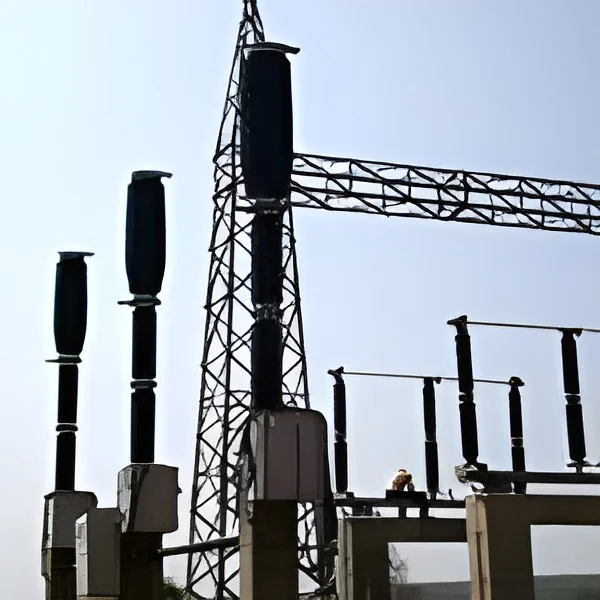
What are Switchgear & Panel Installation?
Switchgear and panel installation refers to the assembly and integration of electrical devices that control, protect, and isolate electrical equipment in various applications. These systems serve as the backbone of electrical distribution networks, ensuring safe and efficient management of power supply. Switchgear typically includes circuit breakers, fuses, and switches, while panels house the necessary wiring and monitoring equipment.
The primary uses of switchgear and panel installations span across various sectors, including industrial, commercial, and utility applications. In industrial settings, they facilitate the distribution of electricity to machinery and equipment, while in commercial areas, they manage power supply to buildings and facilities. Utility companies deploy these systems to ensure reliable power delivery to consumers while maintaining safety standards.
In the current market context, switchgear and panel installations are relevant due to the growing demand for reliable and efficient energy management solutions. As industries evolve and the focus on sustainability increases, the need for advanced electrical infrastructure becomes paramount. This creates opportunities for manufacturers and suppliers to innovate and provide solutions that meet modern energy requirements.
Key Features and Specifications
Switchgear and panel installations encompass a variety of features and specifications that cater to different operational needs. The specifications ensure that the systems can handle various electrical loads and environmental conditions.
Key specifications include:
1. Voltage Rating
- Typically ranges from low voltage (up to 1 kV) to medium voltage (1 kV to 36 kV) systems.
- Ensures compatibility with specific applications.
2. Current Rating
- Defines the maximum current the switchgear can carry.
- Common ranges include 400A, 800A, and 1600A.
3. Short-Circuit Rating
- Indicates the ability to withstand fault conditions.
- Usually specified in kA for a defined duration.
4. Configuration Type
- Options include indoor or outdoor configurations.
- Determines installation environment suitability.
5. Protection Class
- Relates to the ingress protection (IP) rating.
- Typically ranges from IP20 to IP67 for different applications.
6. Control Features
- May include mechanical interlocks and remote monitoring capabilities.
- Enhances operational safety and efficiency.
7. Compliance Standards
- Adherence to industry standards such as IEC and ANSI.
- Ensures reliability and safety in operation.
8. Durability and Maintenance
- Designed for long service life with minimal maintenance requirements.
- Materials used often resistant to corrosion and wear.
In summary, the specifications of switchgear and panel installations play a critical role in selecting the right equipment for specific applications, ensuring safety, efficiency, and reliability.
Common Applications and Use Cases
Switchgear and panel installations are utilized across a wide range of industries, each with specific requirements and applications.
1. Manufacturing: In manufacturing facilities, these systems manage power distribution to machinery, ensuring operational efficiency and safety.
2. Construction: Temporary power panels are essential on construction sites to provide reliable electricity for tools and equipment.
3. Data Centers: Switchgear installations in data centers support critical power management, ensuring uptime and reliability for IT equipment.
4. Renewable Energy: In solar and wind energy projects, switchgear facilitates the connection and protection of renewable energy sources to the grid.
5. Oil and Gas: Offshore and onshore oil and gas operations require robust switchgear installations to manage power supply safely in hazardous environments.
6. Transportation: Rail and metro systems use switchgear for power distribution, ensuring the safe operation of trains and related infrastructure.
7. Commercial Buildings: In office and retail spaces, switchgear and panels manage electrical supply, lighting, and HVAC systems efficiently.
Product Variants and Subcategories
Switchgear and panel installations come in various designs to meet specific operational needs and industry standards.
Low Voltage Switchgear
This variant is designed for applications where the voltage does not exceed 1 kV. It is commonly used in residential and commercial buildings to control power distribution safely.
Medium Voltage Switchgear
Typically used in industrial settings, medium voltage switchgear operates within the range of 1 kV to 36 kV. Its applications include substations and large commercial facilities.
Motor Control Centers (MCC)
MCCs are specialized panels designed to control electric motors. They provide protection, control, and monitoring of motor operations in industrial environments.
Panelboards
These are used to distribute electricity to various circuits within a building. They are essential for managing load distribution in commercial and residential applications.
Benefits and Advantages
Choosing switchgear and panel installations offers numerous advantages for businesses looking to optimize their electrical systems.
Key benefits include:
1. Enhanced Safety: Switchgear protects electrical circuits from overloads and short circuits, minimizing the risk of equipment damage and hazards.
2. Improved Reliability: High-quality installations ensure consistent power distribution, reducing downtime and maintenance needs.
3. Energy Efficiency: Advanced features allow for better energy management, leading to reduced operational costs and a smaller carbon footprint.
4. Customization Options: Many systems can be tailored to meet specific operational requirements, making them suitable for diverse applications.
5. Regulatory Compliance: Using compliant switchgear helps businesses adhere to safety and environmental regulations, avoiding potential legal issues.
6. Increased Lifespan: Durable materials and construction methods ensure that installations last longer, providing better value over time.
Buying Guide for B2B Buyers
When sourcing switchgear and panel installations, businesses should consider several key factors to ensure they make informed decisions.
1. Quality Assessment: Evaluate the quality of materials and construction methods used in the switchgear. Look for certifications and compliance with relevant standards to ensure reliability.
2. Supplier Verification: Research potential suppliers to verify their reputation and track record. This includes checking references, customer reviews, and industry certifications.
3. Pricing and MOQ: Understand the pricing structure and minimum order quantities (MOQ) set by suppliers. This helps in budgeting and planning for procurement.
4. Delivery and Lead Times: Inquire about delivery schedules and lead times to ensure timely project execution. This is crucial for planning and avoiding delays.
5. Compliance Requirements: Familiarize yourself with any regulatory compliance needs that pertain to your industry. Ensuring adherence to these standards is essential for safe operations.
Compliance and Certifications
Compliance and certifications are critical aspects of switchgear and panel installations. Adhering to quality standards such as ISO 9001 ensures that manufacturing processes meet international benchmarks. Additionally, certifications like CE indicate that products comply with European safety, health, and environmental protection standards.
Safety and testing requirements are paramount in the electrical industry. Products must undergo rigorous testing to ensure they can withstand operational stresses. Manufacturers often conduct these tests in accordance with established industry protocols.
Regional compliance considerations may vary based on local regulations and standards. It is essential for businesses to understand these requirements to ensure the equipment can be safely and legally used in their respective markets.
Why Source Switchgear & Panel Installation from Pepagora?
Pepagora provides a trusted platform for sourcing switchgear and panel installations, offering several key advantages to B2B buyers.
Verified Supplier Network: Pepagora has a robust network of verified suppliers, ensuring that buyers have access to high-quality products. This network helps mitigate risks associated with sourcing from unverified manufacturers.
Streamlined RFQ Process: The request for quotation (RFQ) process on Pepagora is designed to be efficient and user-friendly. This allows buyers to receive multiple quotations from suppliers quickly, simplifying decision-making.
Trade Assurance and Support: Buyers on Pepagora benefit from trade assurance, which protects their investments. Comprehensive support is also available to guide businesses through the sourcing process.
Regional Coverage: Pepagora's geographic reach includes India, the GCC, and Southeast Asia. This broad coverage enables businesses to find suitable suppliers for their specific needs, regardless of location.

 IN
IN