What are Power Backup Installation (UPS, Inverters)?
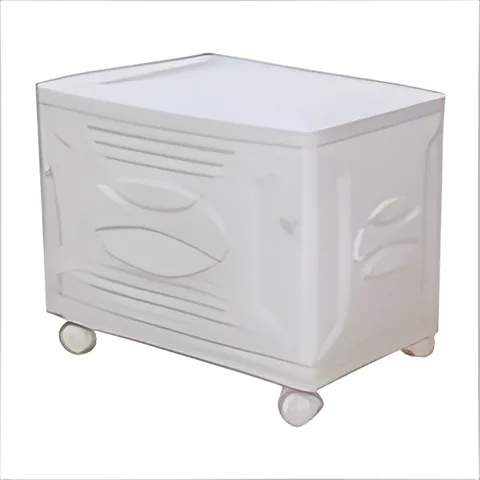
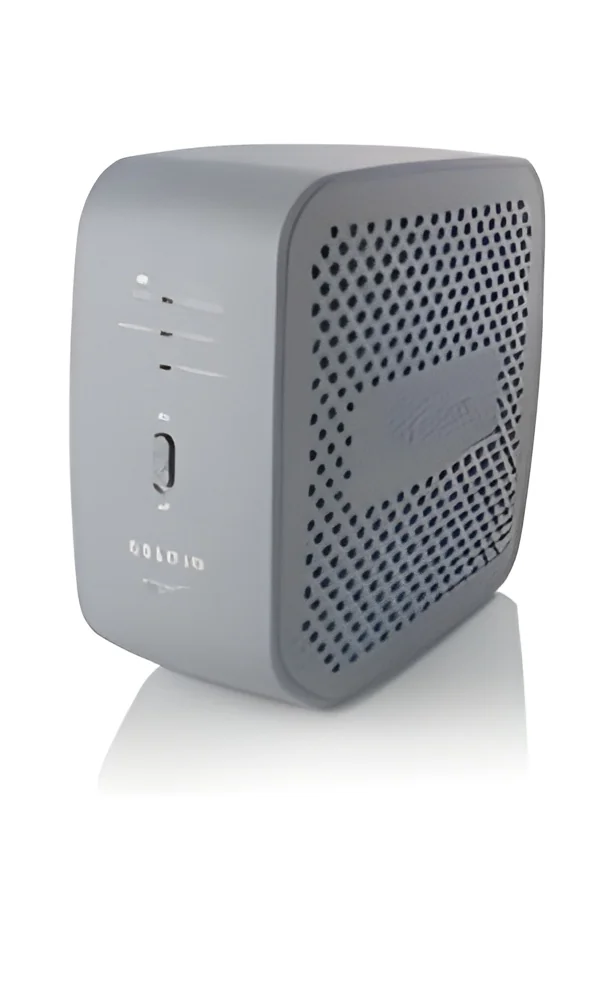
Power Backup Installation refers to systems designed to provide uninterrupted power supply (UPS) and energy storage (inverters) during electrical outages or fluctuations. These systems ensure that critical equipment and operations remain functional, preventing data loss and equipment damage. UPS units are typically used for short-term power backup, while inverters convert stored energy into usable electricity for longer durations.
Businesses rely on these installations across various sectors, including healthcare, IT, telecommunications, and manufacturing. In these environments, any downtime can result in significant financial losses and impact service quality. As industries become increasingly dependent on technology, the demand for reliable power backup systems has grown. This market continues to expand, driven by the need for enhanced energy efficiency and sustainability.
The relevance of power backup systems in modern industries cannot be understated. With rising electricity costs and an increase in the frequency of power outages, companies are investing in robust power backup solutions. The market context is characterized by innovation in battery technology and the integration of smart monitoring systems, which further enhance the functionality of UPS and inverter systems.
๐๐ฒ๐ ๐๐ฒ๐ฎ๐๐๐ฟ๐ฒ๐ ๐ฎ๐ป๐ฑ ๐ฆ๐ฝ๐ฒ๐ฐ๐ถ๐ณ๐ถ๐ฐ๐ฎ๐๐ถ๐ผ๐ป๐
Power Backup Installation systems come equipped with a range of features designed to meet the diverse needs of businesses. These features ensure reliability, efficiency, and performance in critical power situations.
Key specifications include:
1. Power Capacity
- This specification indicates the maximum load the system can handle.
- Common ranges vary from 500 VA to several megawatts.
2. Output Waveform
- The quality of the power output, typically in pure sine wave or modified sine wave.
- Pure sine wave is preferred for sensitive equipment.
3. Battery Type
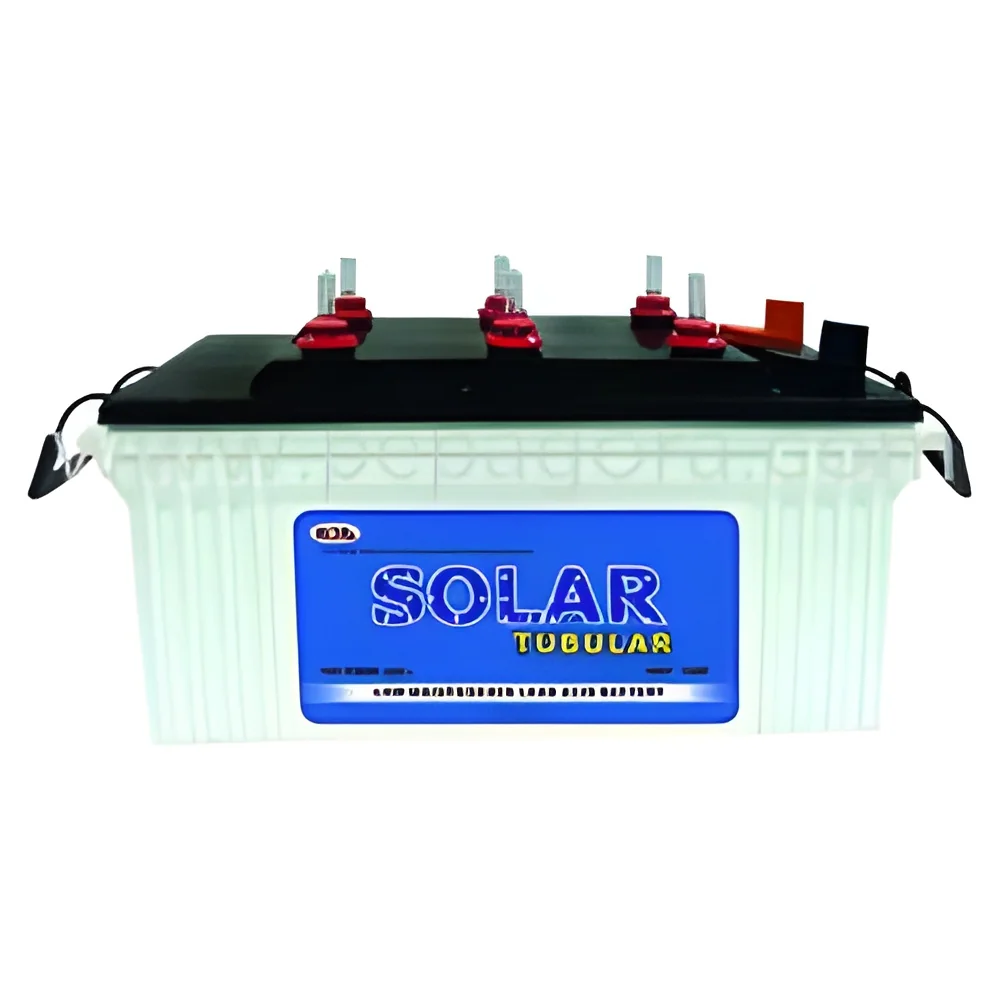
- Types include lead-acid, lithium-ion, or gel batteries.
- Each type has different life spans and performance characteristics.
4. Runtime
- Duration the system can provide power during an outage.
- Ranges from a few minutes to several hours, depending on the load.
5. Input Voltage Range
- The range of voltages the UPS can accept from the main power supply.
- Generally between 110V and 300V.
6. Efficiency Rating
- The percentage of input power that is converted into usable output power.
- Higher efficiency ratings reduce energy costs.
7. Form Factor
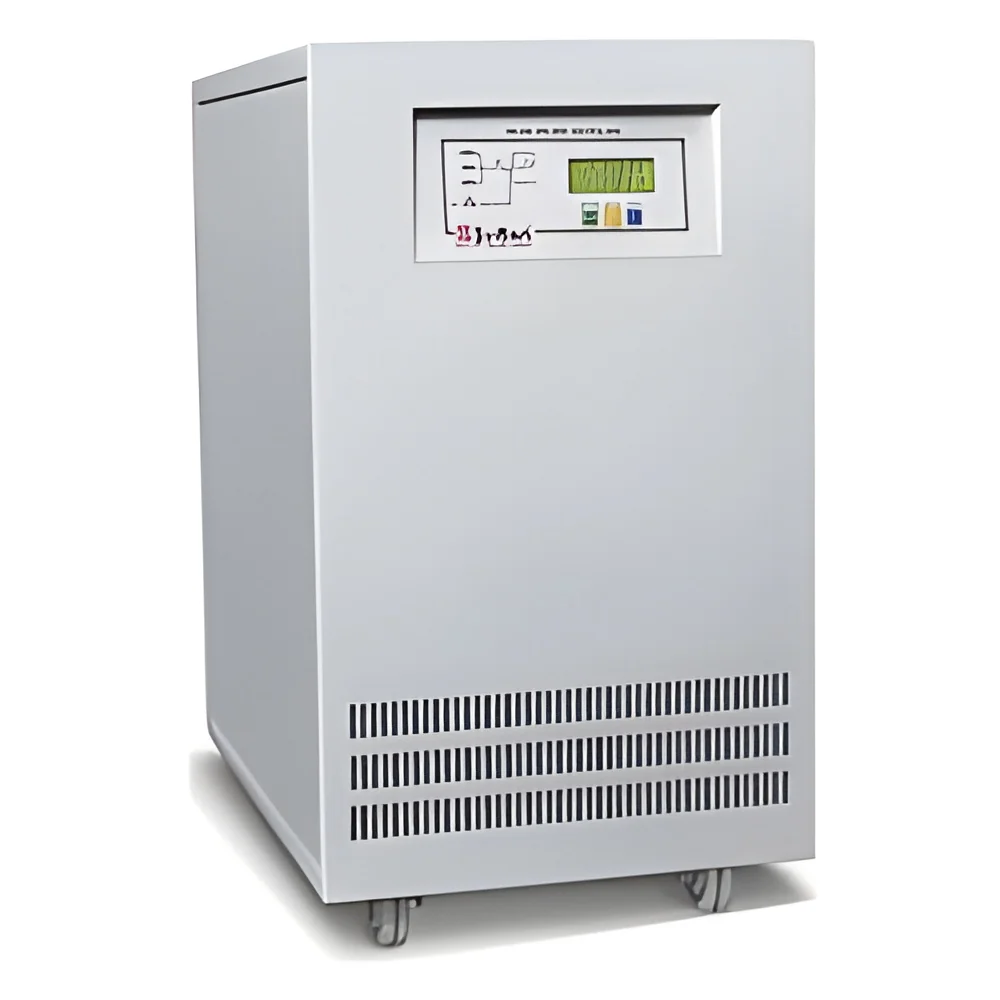
- The physical size and design of the unit, including tower and rack-mounted options.
- Important for space-constrained environments.
8. Connectivity Options
- Includes USB, RS-232, and network management capabilities.
- Allows for remote monitoring and management.
These specifications play a crucial role in ensuring that businesses select the right power backup solutions tailored to their operational needs.
๐๐ผ๐บ๐บ๐ผ๐ป ๐๐ฝ๐ฝ๐น๐ถ๐ฐ๐ฎ๐๐ถ๐ผ๐ป๐ ๐ฎ๐ป๐ฑ ๐จ๐๐ฒ ๐๐ฎ๐๐ฒ๐
Power Backup Installation systems are utilized across various industries to ensure continuous operations.
1. Healthcare: Critical for hospitals and clinics, these systems prevent disruptions in patient care and protect sensitive medical equipment.
2. Information Technology: Data centers rely on UPS systems to maintain uptime and safeguard against data loss during power failures.
3. Telecommunications: Telecom providers use power backup solutions to ensure network reliability and maintain service during outages.
4. Manufacturing: Production lines depend on consistent power to avoid costly downtimes and maintain productivity.
5. Financial Services: Banks and financial institutions need uninterrupted power to protect transactions and customer data.
6. Retail: Point of Sale systems in retail environments require reliable power backup to ensure continuous service.
7. Education: Schools and universities utilize these systems to support critical infrastructure and online learning platforms.
๐ฃ๐ฟ๐ผ๐ฑ๐๐ฐ๐ ๐ฉ๐ฎ๐ฟ๐ถ๐ฎ๐ป๐๐ ๐ฎ๐ป๐ฑ ๐ฆ๐๐ฏ๐ฐ๐ฎ๐๐ฒ๐ด๐ผ๐ฟ๐ถ๐ฒ๐
Power Backup Installation products vary to meet different operational requirements and environments.
Online UPS
Online UPS systems provide continuous power by converting incoming AC power to DC, then back to AC for output. This ensures zero transfer time during outages, making them ideal for sensitive equipment.
Line-Interactive UPS
These systems offer efficient power management by regulating voltage fluctuations and providing battery backup during outages. They are suitable for small to medium-sized businesses.
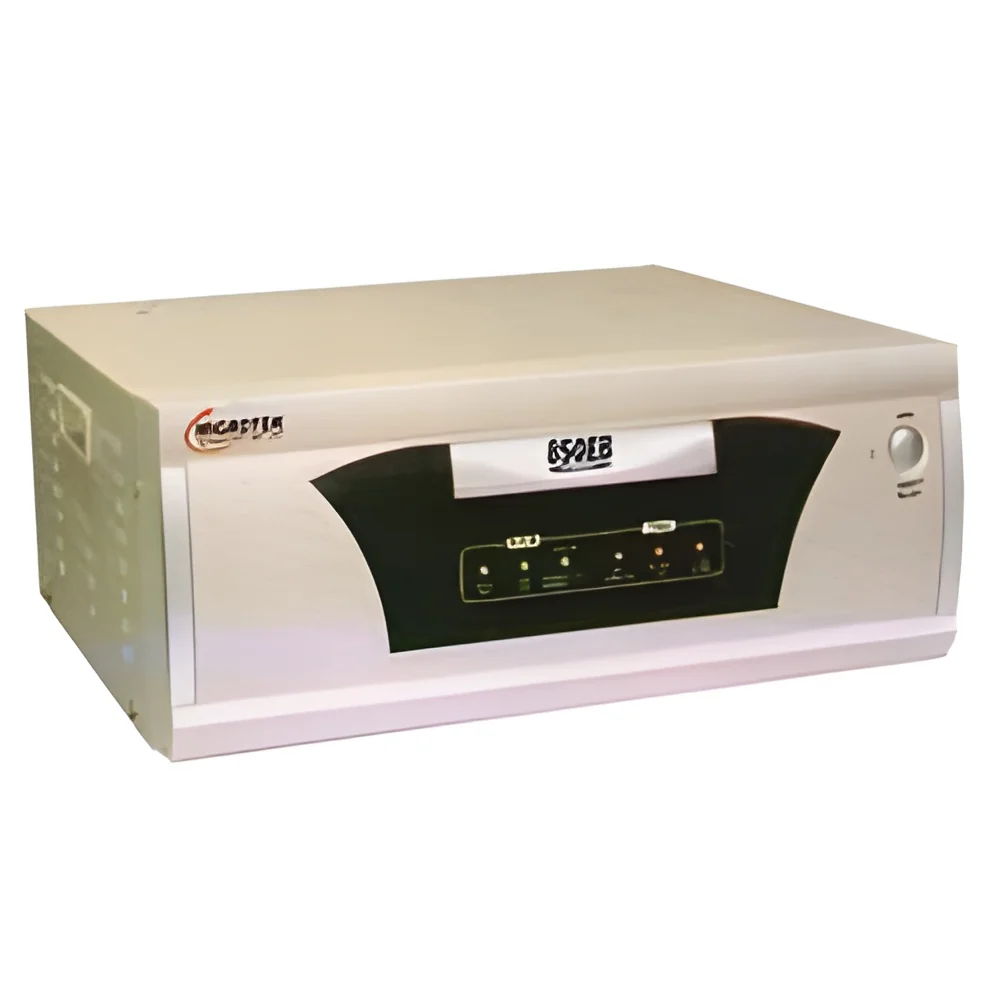
Standby Inverters
Standby inverters remain idle until a power interruption occurs. Once detected, they switch to battery power, making them cost-effective for less critical applications.
๐๐ฒ๐ป๐ฒ๐ณ๐ถ๐๐ ๐ฎ๐ป๐ฑ ๐๐ฑ๐๐ฎ๐ป๐๐ฎ๐ด๐ฒ๐
Investing in Power Backup Installation systems presents numerous advantages for businesses.
1. Reliability: These systems provide consistent power, minimizing the risk of equipment failure and data loss.
2. Protection: They safeguard sensitive electronics from power surges, spikes, and outages.
3. Efficiency: Advanced systems improve energy management and reduce operational costs over time.
4. Scalability: Many solutions can be scaled up or down based on changing business needs.
5. Compliance: Ensuring continuous operation helps businesses meet regulatory and industry standards.
6. Peace of Mind: Knowing that critical operations are protected allows businesses to focus on growth and service delivery.
๐๐๐๐ถ๐ป๐ด ๐๐๐ถ๐ฑ๐ฒ ๐ณ๐ผ๐ฟ ๐๐ฎ๐ ๐๐๐๐ฒ๐ฟ๐
When sourcing Power Backup Installation systems, businesses should consider several key factors to ensure a successful purchase.
1. Quality Assessment: Evaluate the quality of the products based on manufacturer reputation, warranty, and user reviews. High-quality systems provide better reliability and lower maintenance costs.
2. Supplier Verification: Vet suppliers by checking their certifications, customer feedback, and industry experience. Reliable suppliers are essential for long-term partnerships.
3. Pricing and MOQ: Understand the pricing structure and minimum order quantities. This helps in budget planning and ensures that the investment aligns with business needs.
4. Delivery and Lead Times: Confirm logistics and expected delivery times to avoid delays in implementation. Timely delivery is crucial for operational continuity.
5. Compliance Requirements: Ensure that the products meet regional standards and certifications, such as CE, to avoid regulatory issues.
๐๐ผ๐บ๐ฝ๐น๐ถ๐ฎ๐ป๐ฐ๐ฒ ๐ฎ๐ป๐ฑ ๐๐ฒ๐ฟ๐๐ถ๐ณ๐ถ๐ฐ๐ฎ๐๐ถ๐ผ๐ป๐
Power Backup Installation systems must adhere to several quality standards and certifications to ensure safety and reliability.
ISO 9001 is a widely recognized standard that ensures consistent quality management systems across manufacturers. Compliance with this standard indicates a commitment to quality and customer satisfaction.
CE certification is crucial for products sold in the European market, signifying compliance with health, safety, and environmental protection standards.
Safety and testing requirements are critical in the design and manufacturing of power backup systems. These include rigorous testing for performance and durability under various conditions.
Additionally, regional compliance considerations are important, as different regions may have specific regulations and standards that must be met. Businesses should be aware of these to ensure a smooth market entry.
Why Source Power Backup Installation (UPS, Inverters) from Pepagora?
Pepagora offers a reliable platform for sourcing Power Backup Installation systems with several key advantages.
Verified Supplier Network: Pepagora connects buyers with a network of verified suppliers, ensuring quality and reliability in products offered. This reduces the risks associated with sourcing from unknown suppliers.
Streamlined RFQ Process: The request for quotation (RFQ) process is designed to be user-friendly, allowing businesses to receive competitive quotes quickly. This efficiency helps in making informed purchasing decisions.
Trade Assurance and Support: Buyers benefit from trade assurance, providing protection against fraud and ensuring satisfaction with purchases. This support fosters trust and confidence in transactions.
Regional Coverage: Pepagora has extensive reach across India, the GCC, and Southeast Asia, making it easier for businesses to find local suppliers. This geographic coverage enhances accessibility and support for buyers in various regions.