
 IN
Tin Container Manufacturers
14 products available
What are Tin Container Manufacturers?
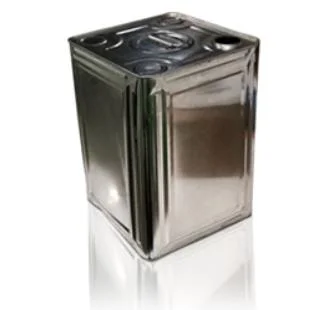
Tin container manufacturers specialize in producing various types of containers made primarily from tinplate or tin-free steel. These containers are widely recognized for their durability, lightweight nature, and resistance to corrosion. The manufacturing process involves cutting, shaping, and assembling the tin material to create containers suitable for storage and transportation. The end products can range from simple cans to more complex packaging solutions.
Tin containers have numerous applications across various industries. They are essential in packaging food and beverages, chemicals, and consumer goods. These containers protect contents from external factors while ensuring product integrity. The market for tin containers continues to grow as businesses seek sustainable packaging solutions that are both functional and environmentally friendly.
The relevance of tin container manufacturers in today's market is significant. With an increasing focus on sustainability and recyclability, more companies are turning to tin containers as an alternative to plastic packaging. This shift not only reduces environmental impact but also caters to consumer preferences for eco-friendly products. As a result, the demand for tin container manufacturers is expected to rise, making them an integral part of the packaging industry.
Key Features and Specifications
Tin containers are designed with several key features that enhance their utility and performance. Understanding these specifications is crucial for businesses looking to source the right containers for their needs.
Key specifications include:
1. Material Composition
- Typically made from tinplate or tin-free steel.
- Offers excellent corrosion resistance and durability.
2. Size Variability
- Available in various sizes to accommodate different products.
- Custom sizes can often be produced upon request.
3. Lid Types
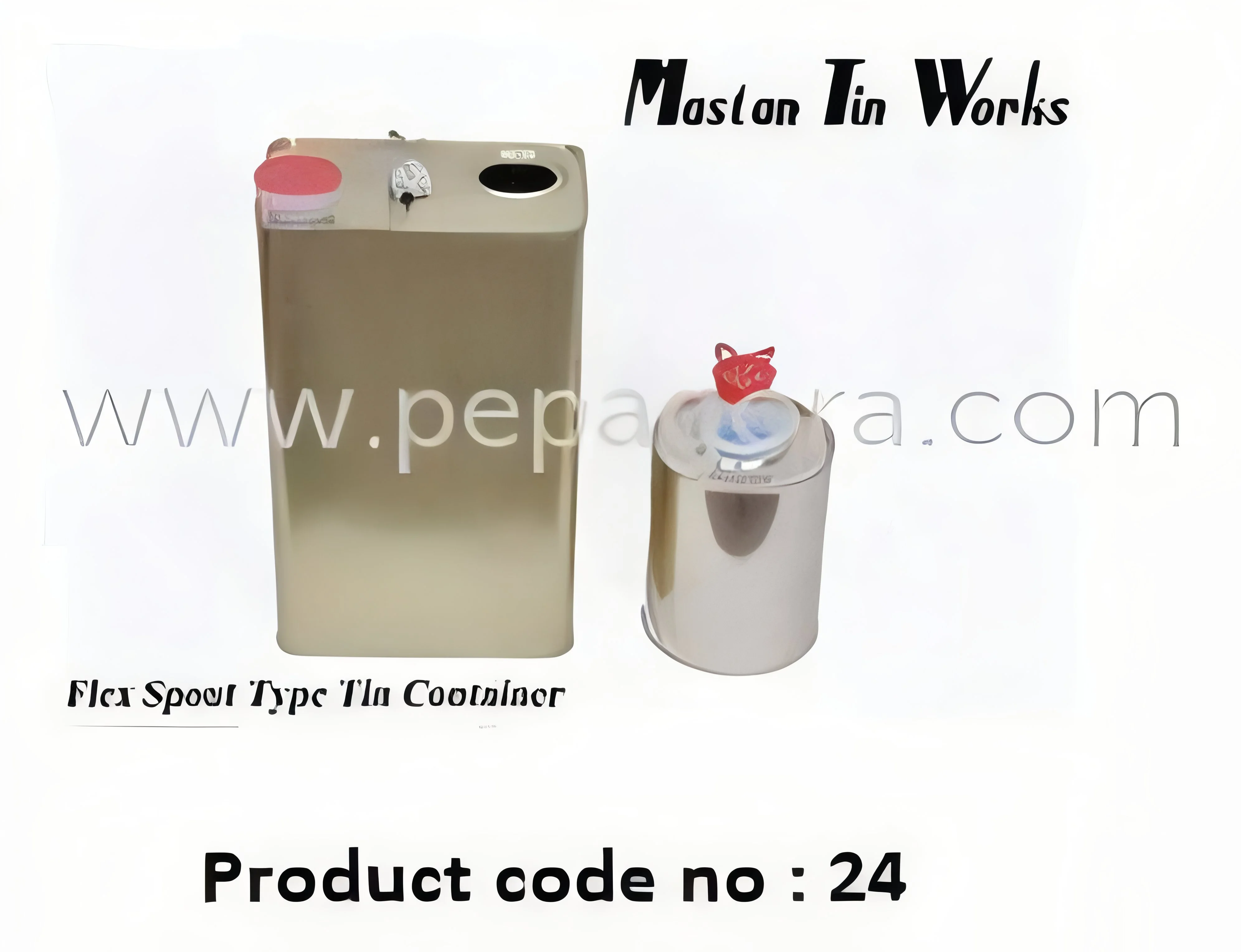
- Options include easy-open lids, screw caps, and crimped lids.
- Different lid types provide varying degrees of sealing and accessibility.
4. Surface Finish
- Can be coated with different finishes for aesthetics and protection.
- Options include matte, glossy, and printed designs.
5. Temperature Resistance
- Suitable for a range of temperatures depending on the application.
- Typically withstands moderate heat and cold without compromising integrity.
6. Recyclability
- Fully recyclable materials contribute to sustainability goals.
- Supports circular economy initiatives in packaging.
In summary, understanding these features and specifications allows businesses to select tin containers that best suit their product requirements and align with their sustainability objectives.
Common Applications and Use Cases
Tin containers find utility in a wide array of industries. Their versatility makes them suitable for several specific applications.
1. Food and Beverage Industry: Tin containers are commonly used for packaging canned goods, beverages, and snacks. They preserve freshness and prevent contamination.
2. Chemical Industry: Many manufacturers use tin containers to store and transport chemicals, ensuring safety and preventing leakage.
3. Cosmetics and Personal Care: Tin containers serve as packaging for creams, balms, and other personal care products, providing an attractive and protective solution.
4. Pharmaceuticals: The pharmaceutical industry utilizes tin containers for packaging medicines, ensuring product safety and integrity.
5. Pet Food: Tin containers are also popular in the pet food sector, providing a reliable and safe way to package food for pets.
6. Gifts and Specialty Items: Decorative tin containers are often used for gift packaging and specialty items, appealing to consumers looking for unique packaging solutions.
7. Industrial Applications: Various industrial products are packaged in tin containers due to their durability and protective qualities.
Product Variants and Subcategories
Tin containers come in various forms to meet diverse needs. This diversity allows manufacturers to cater to specific applications and customer preferences.
Standard Tin Cans: These are the most common variant, used primarily for food storage. They are typically easy to open and can be made with different lid types.
Decorative Tins: Often used for gift packaging, these tins come in various designs and sizes. They are popular for packaging cookies, candies, and other specialty items.
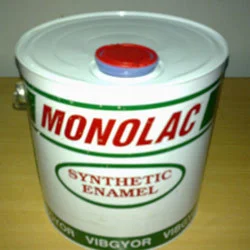
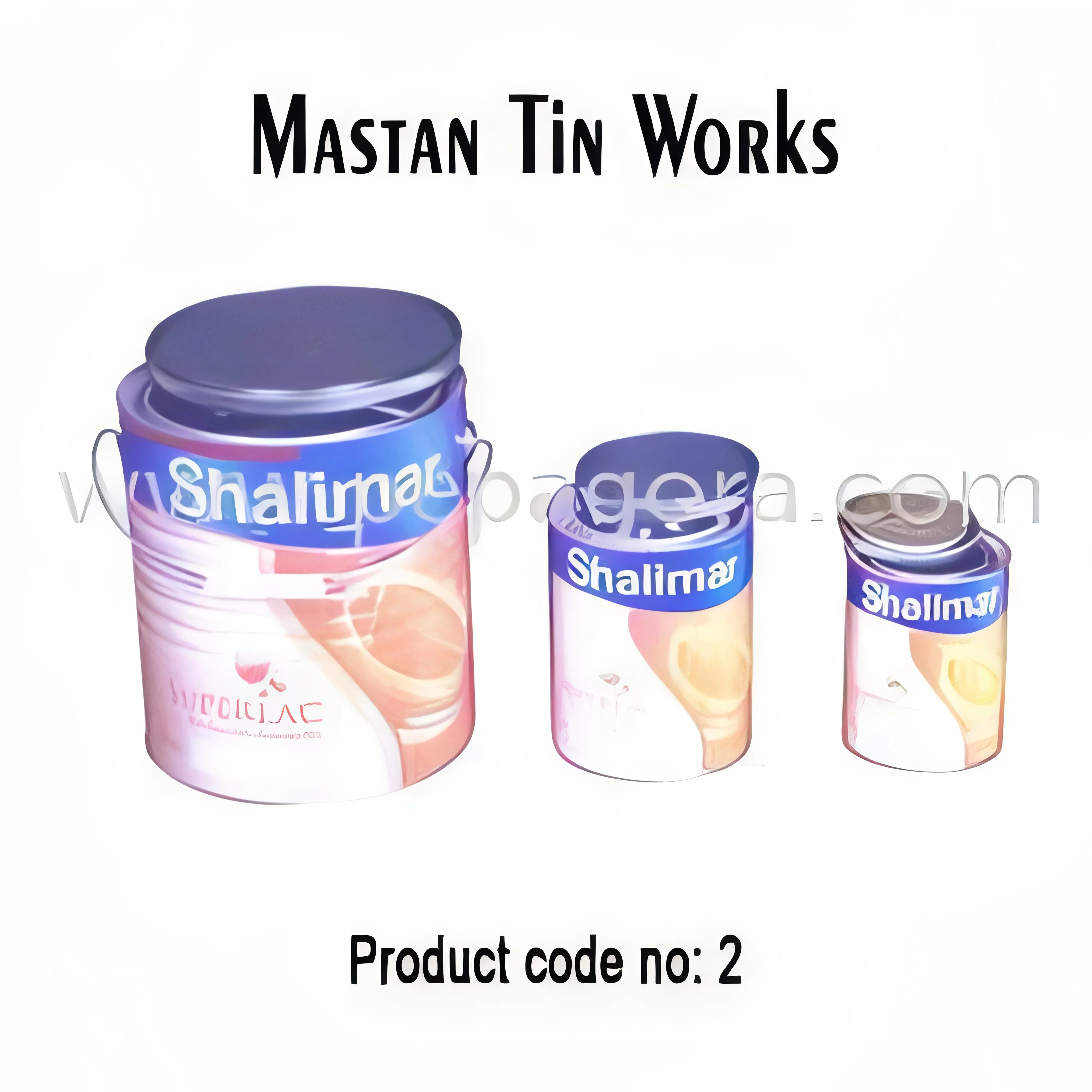
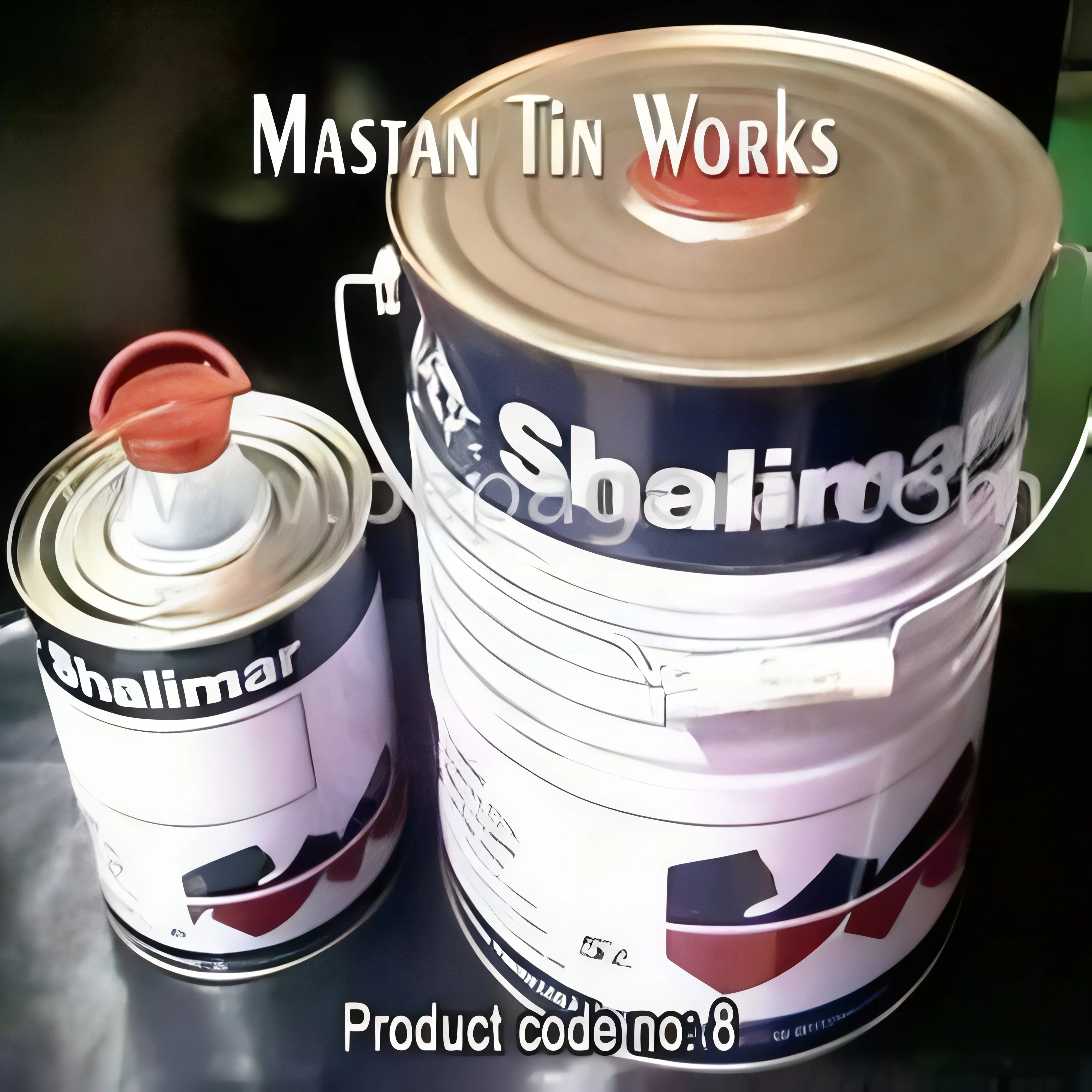
Paint Cans: Designed specifically for containing paints and coatings, these cans feature secure lids to prevent spills and maintain product quality.
Custom Shaped Containers: Manufacturers can create tin containers in custom shapes and sizes to meet unique branding or product requirements, enhancing visual appeal.
Benefits and Advantages
Choosing tin containers offers several advantages that can enhance product packaging and brand perception.
1. Durability: Tin containers are robust and provide excellent protection against physical damage and environmental factors.
2. Recyclability: Tin is a sustainable material, as it is fully recyclable, reducing environmental impact and appealing to eco-conscious consumers.
3. Versatile Packaging: Tin containers can be designed in various shapes and sizes, making them suitable for a wide range of products.
4. Aesthetic Appeal: The clean and attractive appearance of tin containers enhances product presentation and can boost consumer interest.
5. Safety: Tin containers provide a secure seal, ensuring that products remain uncontaminated and maintain their integrity during storage and transport.
6. Customization: Manufacturers can offer customization options for branding, allowing businesses to create unique packaging that stands out in the market.
Buying Guide for B2B Buyers
When sourcing tin container manufacturers, it is essential to consider several crucial factors to ensure you make an informed decision.
1. Quality Assessment: Evaluate the quality of containers by requesting samples and reviewing material certifications. Ensure that the products meet your specific standards and requirements.
2. Supplier Verification: Conduct background checks on potential suppliers to verify their reputation, reliability, and production capabilities. Look for established manufacturers with a proven track record.
3. Pricing and MOQ: Understand the pricing structure and minimum order quantities (MOQ) required by suppliers. Ensure that the costs align with your budget and volume needs.
4. Delivery and Lead Times: Discuss delivery timelines and logistics to ensure that the suppliers can meet your production schedule. Timely delivery is crucial for maintaining your supply chain.
5. Compliance Requirements: Verify that the manufacturers comply with relevant industry regulations and safety standards, such as CE certification, to ensure product safety and marketability.
Compliance and Certifications
Compliance with industry standards and certifications is crucial for tin container manufacturers. Adhering to quality assurance standards such as ISO 9001 ensures consistent quality management and production processes. This recognition reflects a manufacturer's commitment to maintaining high standards in their operations.
In addition to quality standards, certifications like CE indicate that the products meet specific European safety and environmental requirements. This is particularly important for manufacturers exporting to international markets, as compliance can affect market access.
Safety and testing requirements must also be met, ensuring that tin containers are safe for their intended use, especially in food and pharmaceutical applications. Manufacturers should conduct rigorous testing to confirm that their products do not leach harmful substances.
Regional compliance considerations may vary based on local regulations, and manufacturers should stay updated with any changes in compliance laws to remain competitive in the industry.
Why Source Tin Container Manufacturers from Pepagora?
Pepagora offers a reliable platform for sourcing tin container manufacturers, providing several key advantages for B2B buyers.
Verified Supplier Network: Pepagora ensures that all suppliers in its network are thoroughly vetted. This process includes checking their production capabilities, quality standards, and market reputation, giving buyers confidence in their sourcing decisions.
Streamlined RFQ Process: The platform features an efficient request for quotation (RFQ) process, allowing buyers to easily compare offers from multiple suppliers. This transparency helps buyers secure the best pricing and terms.
Trade Assurance and Support: Pepagora offers trade assurance services that protect buyers throughout the procurement process. This support helps mitigate risks associated with sourcing products from various suppliers.
Regional Coverage: With a focus on markets in India, the GCC, and Southeast Asia, Pepagora provides extensive regional coverage. This allows buyers to access a diverse range of manufacturers and products, suited to local market needs.
By leveraging Pepagora's platform, businesses can efficiently find and engage with trusted tin container manufacturers, enhancing their product offerings and operational efficiency.

 India
 India
 India
 India

Frequently Asked Questions
What are Tin Container Manufacturers?
Tin Container Manufacturers are companies that specialize in producing containers made from tin or tin-plated steel. These manufacturers create a variety of containers used for packaging, storage, and preservation of products, including food, chemicals, and various consumer goods.
What are the different types of Tin Container Manufacturers?
Different types of Tin Container Manufacturers include those that produce food-grade containers, chemical containers, decorative tins, and industrial tins. Each type caters to specific industries and customer needs, ensuring that the containers meet required safety and performance standards.
How do I choose the right Tin Container Manufacturers?
To choose the right Tin Container Manufacturers, consider factors such as product quality, production capacity, customization options, and compliance with industry standards. Additionally, reviewing customer testimonials and asking for samples can help ensure that the manufacturer meets your specific requirements.
What are the standard specifications for Tin Container Manufacturers?
Standard specifications for Tin Container Manufacturers typically include material thickness, dimensions, weight, and the type of coating used. Manufacturers must also adhere to regulations regarding safety and food contact materials, particularly for food-grade containers.
What is the price range for Tin Container Manufacturers?
The price range for Tin Containers varies based on factors such as size, design complexity, and order quantity. Generally, prices can range from a few cents for small containers to several dollars for larger, customized options.
What quality standards apply to Tin Container Manufacturers?
Tin Container Manufacturers are often required to meet quality standards such as ISO 9001 for quality management systems and specific food safety standards like FDA regulations for food-grade containers. Compliance with these standards ensures product safety and reliability.
Where can I find Tin Container Manufacturers suppliers in India?
You can find Tin Container Manufacturers suppliers in India through B2B marketplaces like Pepagora, industry trade shows, and online directories. Researching manufacturer websites and contacting them directly can also provide valuable insights and options.
Can Tin Container Manufacturers be customized?
Yes, many Tin Container Manufacturers offer customization options to meet specific client needs. This can include variations in size, shape, printing, and labeling, allowing businesses to create unique packaging solutions for their products.
What is the typical minimum order quantity for Tin Container Manufacturers?
The typical minimum order quantity (MOQ) for Tin Container Manufacturers can vary significantly, often ranging from 500 to 5,000 units depending on the manufacturer and the type of container. It is advisable to discuss MOQs directly with potential suppliers to align with your production needs.
What is the typical lead time for Tin Container Manufacturers?
The typical lead time for Tin Container Manufacturers usually ranges from 2 to 6 weeks, depending on order size, complexity, and customization requirements. It is important to confirm lead times with the manufacturer to ensure timely delivery.
Why Businesses Trust Pepagora
Thousands of companies trust Pepagora to source smarter and sell faster
Expand Your Sales Globally

Source Smarter,Grow Faster
