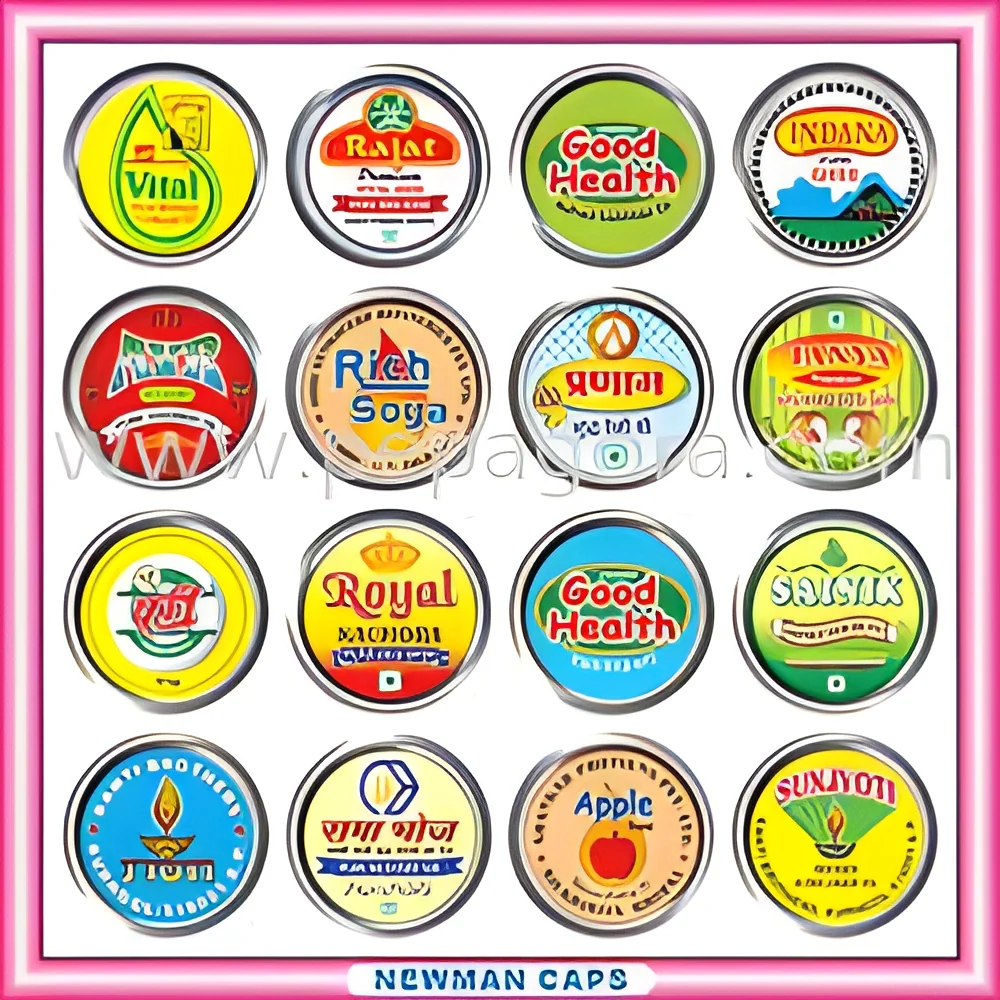
What are Sealed Tin Cans for Food?
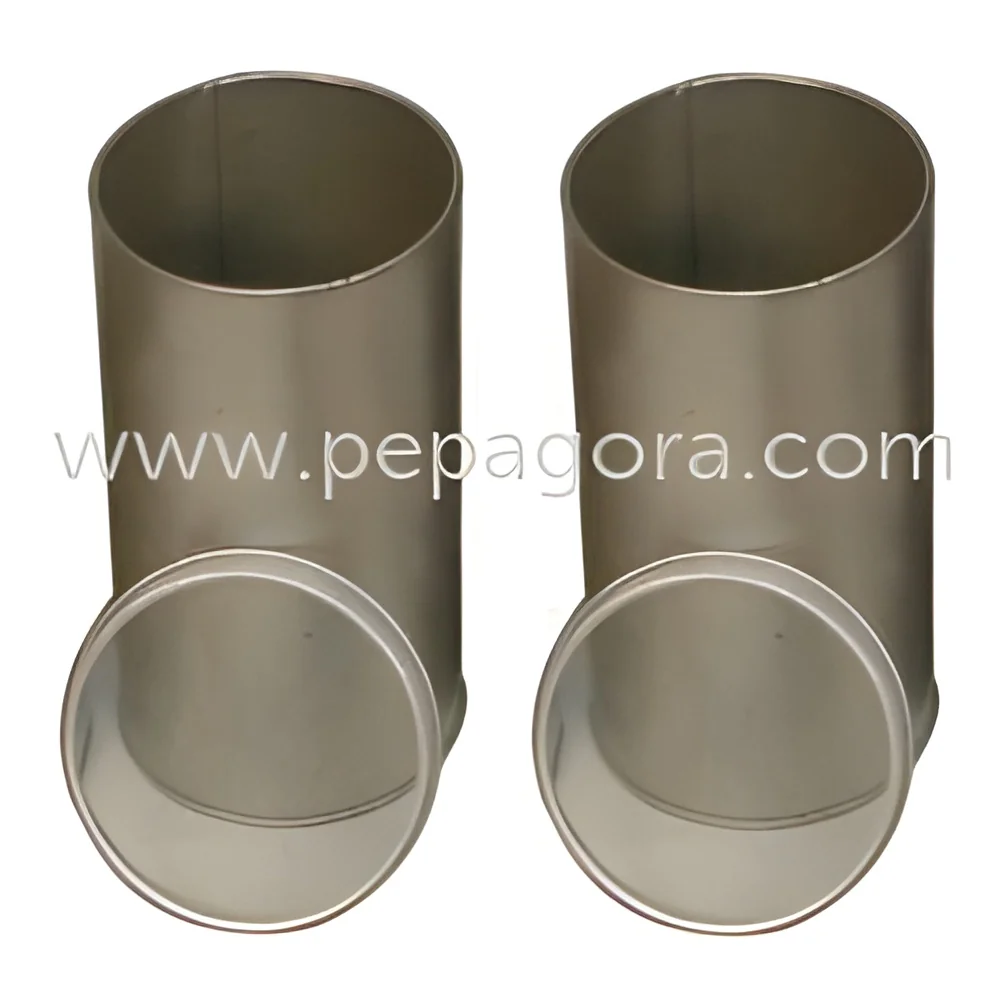
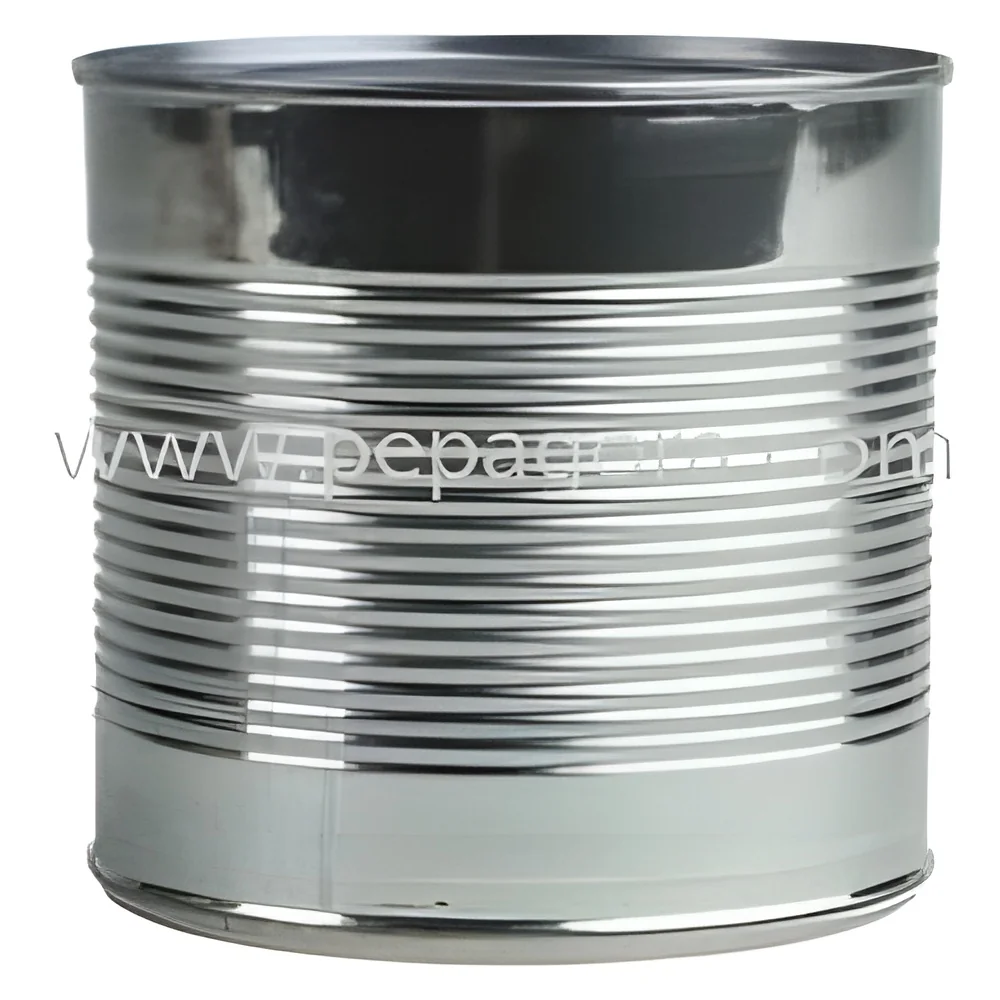
Sealed tin cans for food are durable containers made primarily from tin-plated steel or aluminum. They are designed to store food products while providing protection from environmental factors such as moisture and light. The sealing process creates an airtight environment that helps preserve the freshness, flavor, and nutritional value of the contents. Sealed tin cans are a popular choice in the food industry due to their ability to extend shelf life and maintain product integrity.
These cans are widely used in various sectors, including food and beverage manufacturing, catering, and retail. Common applications include packaging vegetables, fruits, meats, and ready-to-eat meals. Their versatility makes them suitable for both industrial and consumer markets. The global demand for sealed tin cans continues to rise as consumers seek convenient and long-lasting food solutions, making them an essential component in food distribution and storage.
In the context of the food packaging industry, sealed tin cans have gained prominence due to their sustainability and recyclability. They are manufactured in compliance with stringent quality standards, ensuring safety and reliability. As businesses increasingly focus on environmentally friendly practices, sealed tin cans present an ideal solution, aligning with market trends towards eco-conscious packaging.
Key Features and Specifications
Sealed tin cans for food come with several essential features that cater to the needs of various industries. These specifications ensure that the cans meet the required standards for food safety and preservation.
Key specifications include:
1. Material Composition
- Typically made from tin-plated steel or aluminum
- Provides durability and resistance to corrosion
2. Capacity Options
- Available in various sizes, typically ranging from 100 ml to 5 liters
- Custom sizes may be available upon request
3. Sealing Method
- Double-seamed lids that ensure an airtight seal
- Prevents contamination and preserves freshness
4. Coating
- Internal coatings to protect food from metal interaction
- Ensures product safety and shelf life
5. Weight Specifications
- Lightweight for easy handling and transportation
- Varies based on size and material
6. Printability
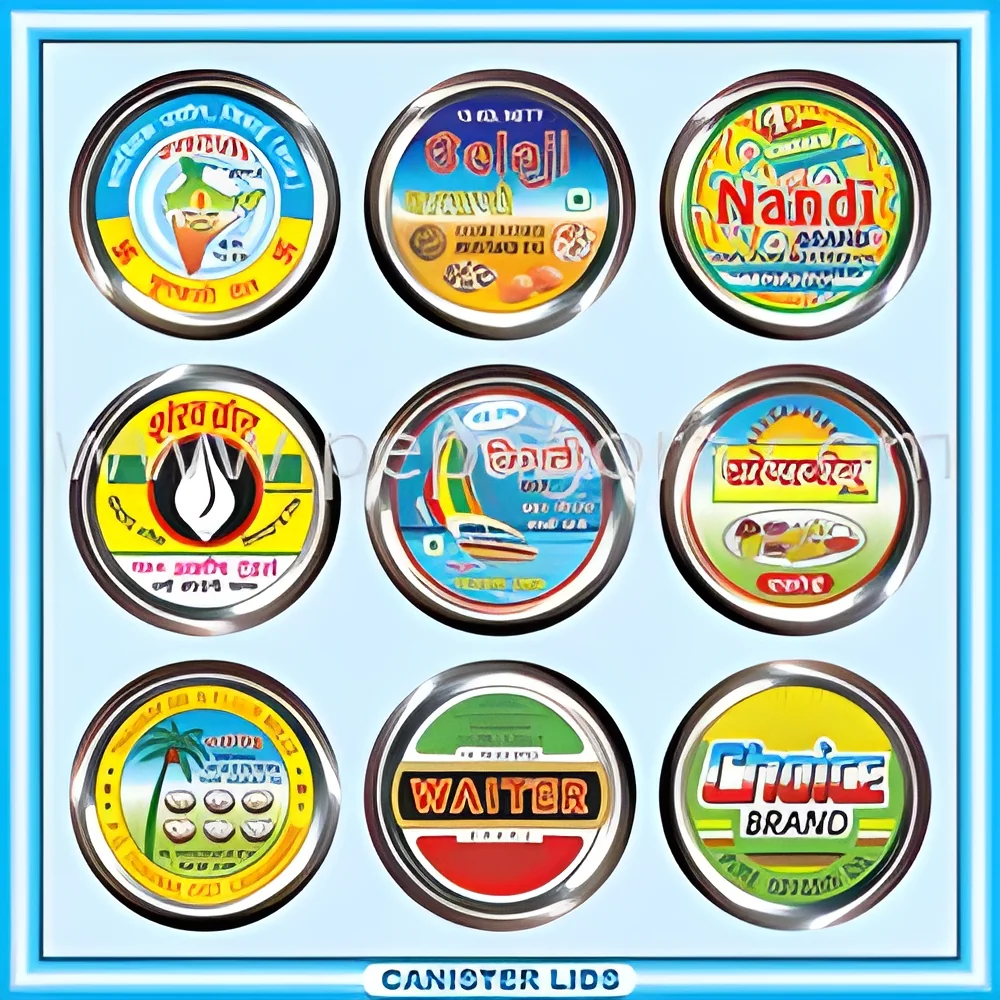
- Can be printed with branding and product information
- Offers customization for marketing purposes
7. Recyclability
- Fully recyclable materials that support sustainability
- Reduces environmental impact
8. Compliance Standards
- Manufactured in accordance with industry regulations
- Ensures food safety and quality assurance
Sealed tin cans provide an effective solution for food storage, offering both functionality and compliance with industry standards.
Common Applications and Use Cases
Sealed tin cans for food are utilized across multiple industries, showcasing their versatility and effectiveness in preserving food products.
1. Food Processing: These cans are commonly used to package processed foods such as soups, sauces, and canned vegetables. They help maintain freshness and flavor during transportation and storage.
2. Beverage Industry: Sealed tin cans are also employed in the packaging of beverages, including juices and carbonated drinks. Their airtight seal preserves the carbonation and taste of the beverages.
3. Retail and Distribution: Retailers rely on sealed tin cans for food products to offer consumers convenient and long-lasting options. Their durability makes them ideal for shelf display and bulk storage.
4. Catering Services: Catering companies utilize sealed tin cans for ready-to-eat meals, ensuring that food remains safe and fresh during events and gatherings.
5. Pet Food Packaging: Sealed tin cans are increasingly used for packaging pet food, providing a reliable option for maintaining the quality and safety of pet nutrition products.
6. Export and Logistics: Companies engaged in exporting food products often use sealed tin cans to meet international shipping requirements. Their robust design ensures that contents remain intact during transport.
7. Organic and Health Foods: Many organic food brands prefer sealed tin cans due to their ability to preserve the natural flavors and nutrients without the use of preservatives.
Product Variants and Subcategories
Sealed tin cans for food come in a variety of forms, offering diverse options for businesses based on their specific needs.
Standard Sealed Tin Cans: These are the most common type, available in various sizes. They are ideal for packaging a wide range of food products, ensuring long shelf life and product safety.
Easy-Open Cans: Designed for convenience, these cans feature a pull-tab lid, allowing consumers to easily access the contents without the need for a can opener. They are popular for ready-to-eat meals and snacks.
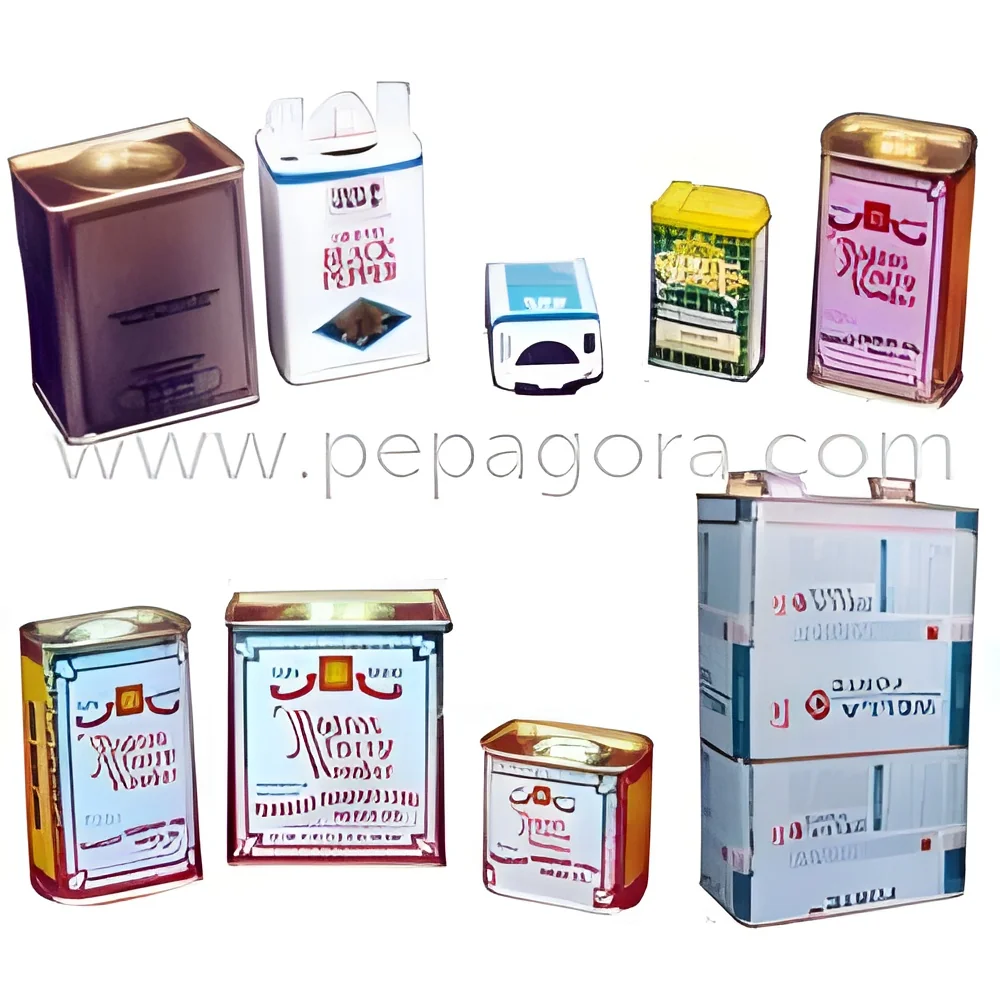
Round vs. Rectangular Cans: Sealed tin cans are available in both round and rectangular shapes. Round cans are typically used for soups and beverages, while rectangular cans are often used for larger food items or specialty products.
Benefits and Advantages
Sealed tin cans for food offer numerous benefits that enhance their appeal to businesses and consumers alike.
1. Extended Shelf Life: The airtight seal prevents spoilage and maintains freshness, allowing products to last longer on shelves.
2. Protection from Contaminants: The robust construction of sealed tin cans safeguards food from moisture, light, and external contaminants.
3. Eco-Friendly: Made from recyclable materials, sealed tin cans contribute to sustainability efforts and reduce environmental impact.
4. Cost-Effective: The durability of tin cans lowers packaging costs and reduces waste, making them a cost-effective choice for businesses.
5. Versatile Packaging: They can accommodate a wide range of food products, from liquids to solids, providing flexibility in packaging options.
6. Branding Opportunities: Sealed tin cans can be printed with custom designs, allowing brands to enhance visibility and attract consumers.
Buying Guide for B2B Buyers
When sourcing sealed tin cans for food, businesses should consider several key factors to ensure they select the right products.
1. Quality Assessment: Evaluate the quality of materials used in the cans. Ensure that they meet industry standards for food safety and durability.
2. Supplier Verification: Vet potential suppliers to confirm their reliability and track record in manufacturing sealed tin cans. Look for certifications and customer reviews.
3. Pricing and MOQ: Review pricing structures and minimum order quantities to determine cost-effectiveness. Consider bulk purchasing to optimize expenses.
4. Delivery and Lead Times: Discuss logistics and expected delivery times with suppliers to ensure timely availability of products, especially for large orders.
5. Compliance Requirements: Verify that the cans comply with relevant regulations and industry standards, including safety and quality certifications.
Compliance and Certifications
Sealed tin cans for food are subject to strict quality standards and certifications to ensure safety and reliability.
ISO 9001: This certification confirms that manufacturers adhere to international quality management standards, ensuring consistent product quality.
HACCP: The Hazard Analysis and Critical Control Points framework is crucial for food safety. It ensures that sealed tin cans are produced under guidelines that minimize risks associated with food contamination.
CE Certification: This certification indicates that the cans meet European safety, health, and environmental protection standards.
Safety Testing: Manufacturers often conduct safety testing to validate the structural integrity and food safety of sealed tin cans. This includes tests for resistance to corrosion and leakage.
Regional Compliance: Depending on the market, regional regulations may apply, such as FDA compliance in the United States or FSSAI standards in India. Adhering to these regulations is essential for market acceptance.
Why Source Sealed Tin Cans for Food from Pepagora?
Pepagora serves as a trusted platform for sourcing sealed tin cans for food, offering numerous advantages to B2B buyers.
Verified Supplier Network: Pepagora connects buyers with a network of verified suppliers. Each supplier undergoes rigorous vetting to ensure reliability and product quality.
Streamlined RFQ Process: The request for quotation (RFQ) system allows buyers to easily obtain competitive pricing from multiple suppliers, simplifying the purchasing process.
Trade Assurance and Support: With trade assurance policies in place, buyers can feel secure in their transactions, knowing that their purchases are protected against potential issues.
Regional Coverage: Pepagora provides access to a wide geographic network, including suppliers from India, the GCC, and Southeast Asia. This broad reach ensures that buyers can find suitable options regardless of their location.

 IN
IN