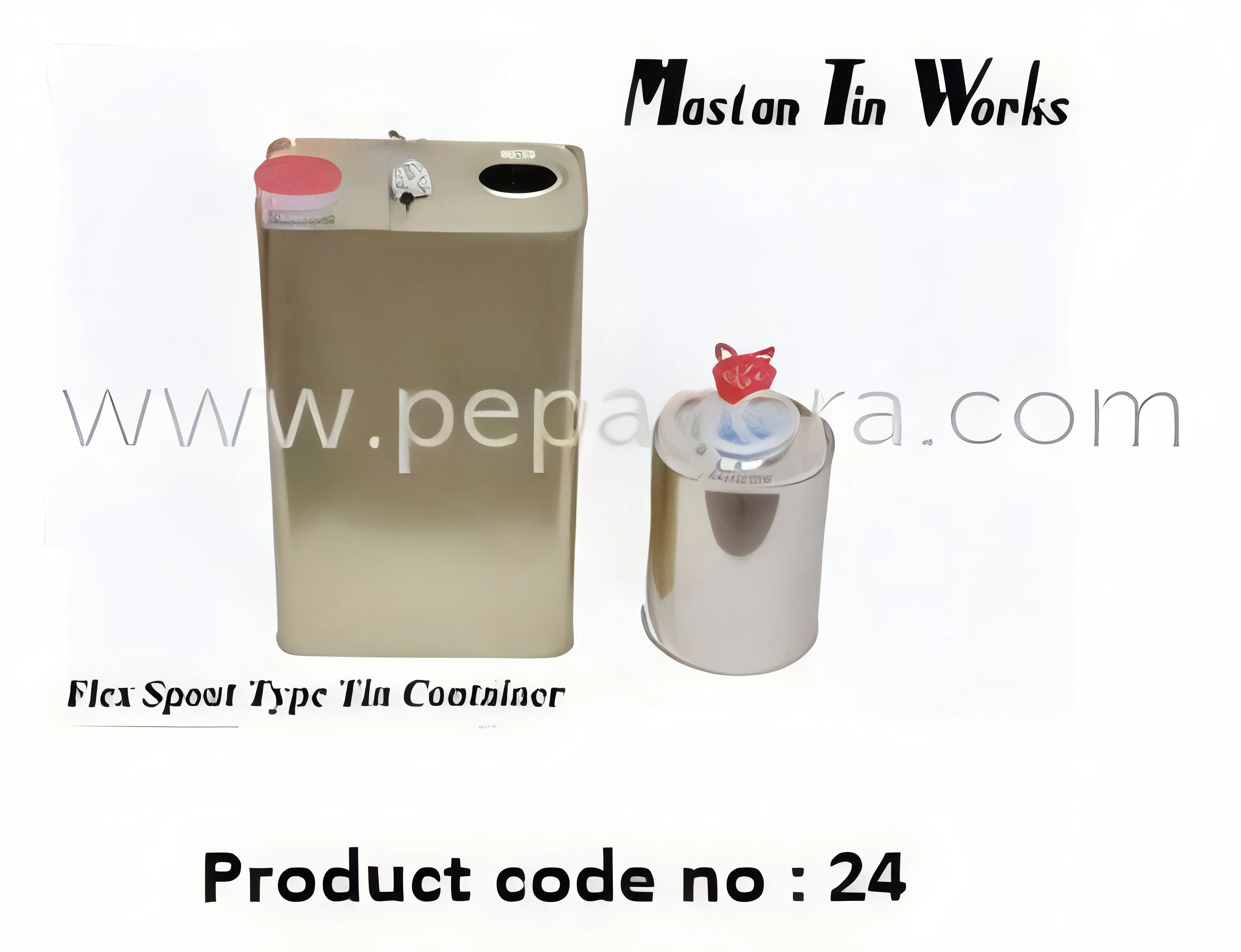
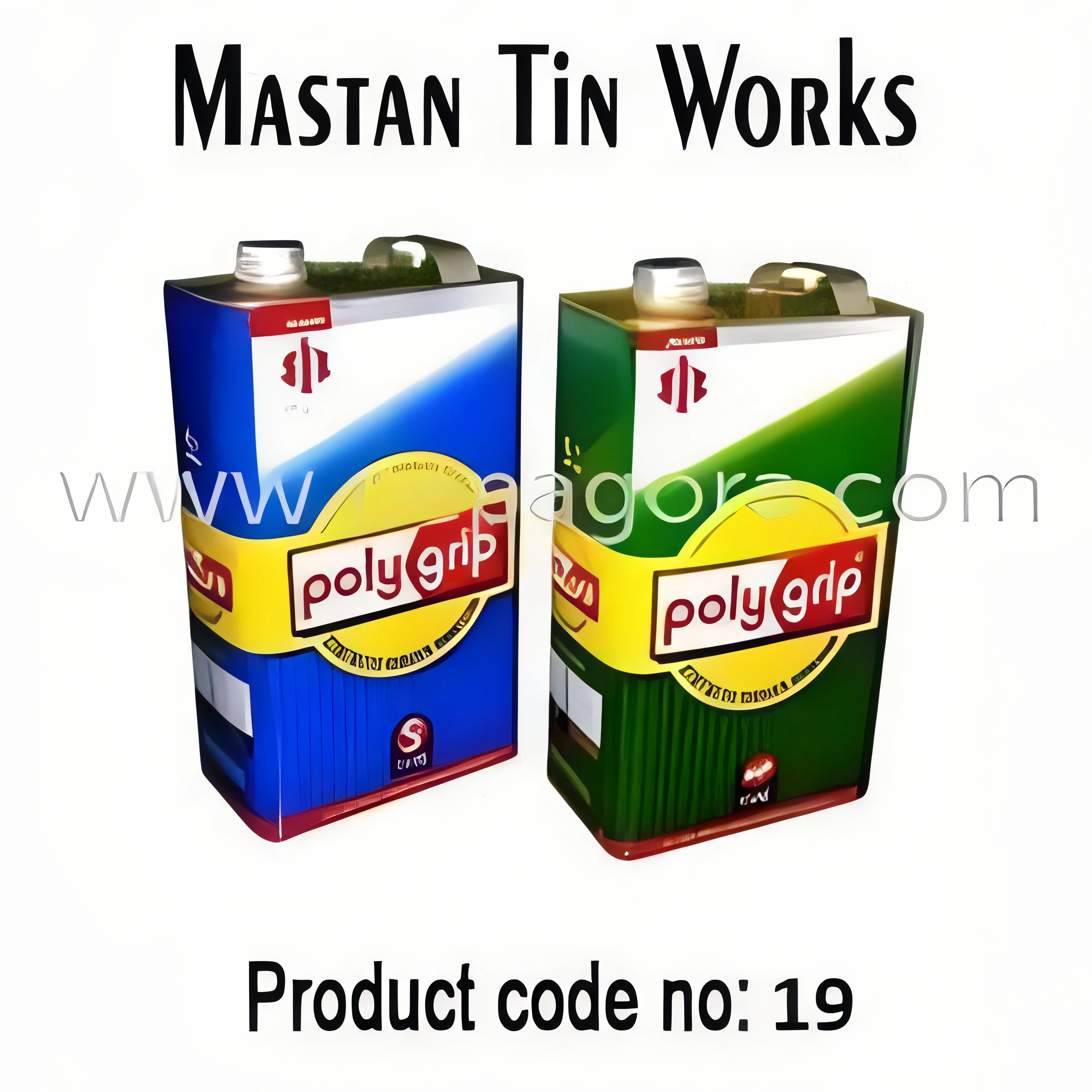
𝗪𝗵𝗮𝘁 𝗮𝗿𝗲 𝗧𝗶𝗻 𝗖𝗼𝗻𝘁𝗮𝗶𝗻𝗲𝗿𝘀?
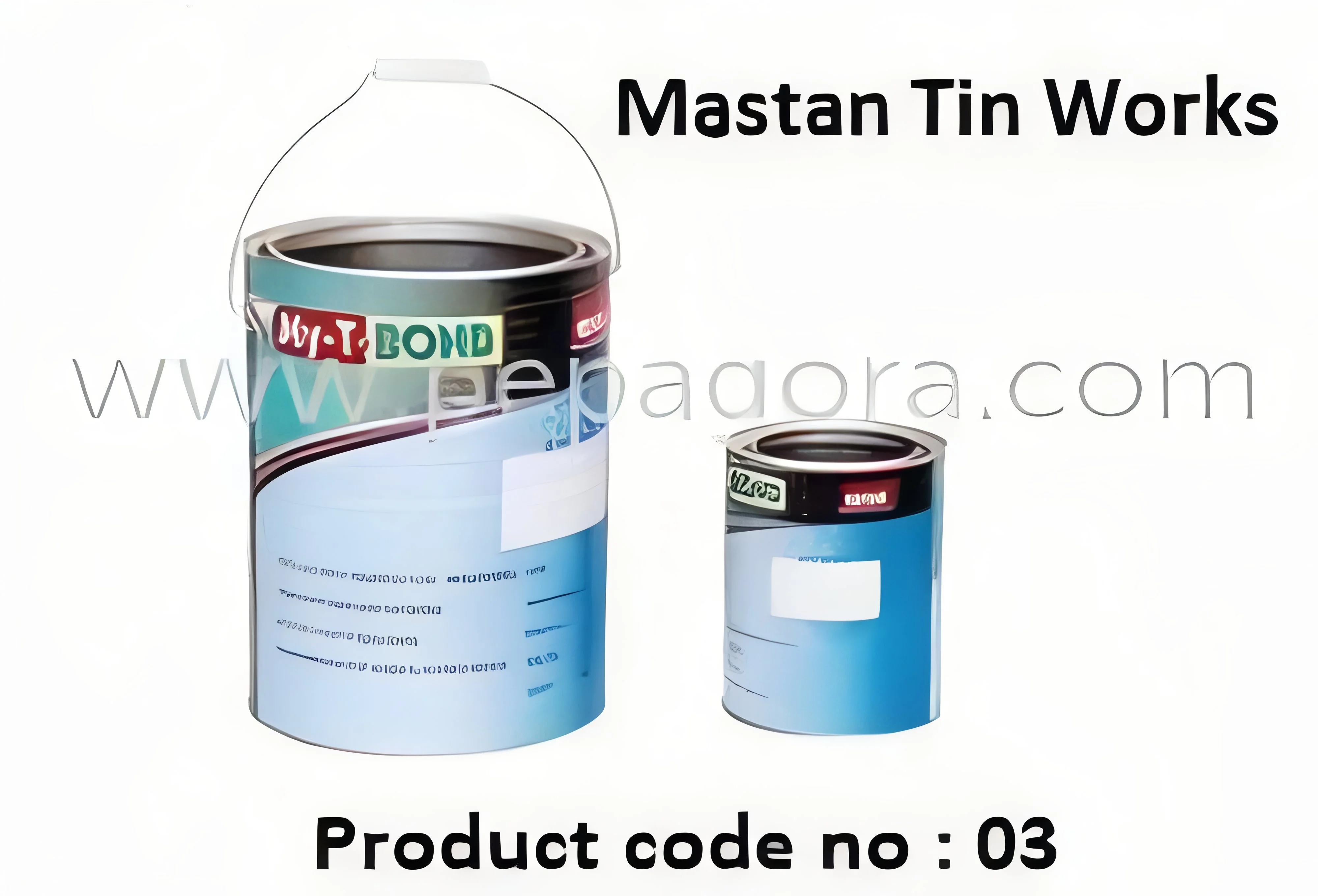
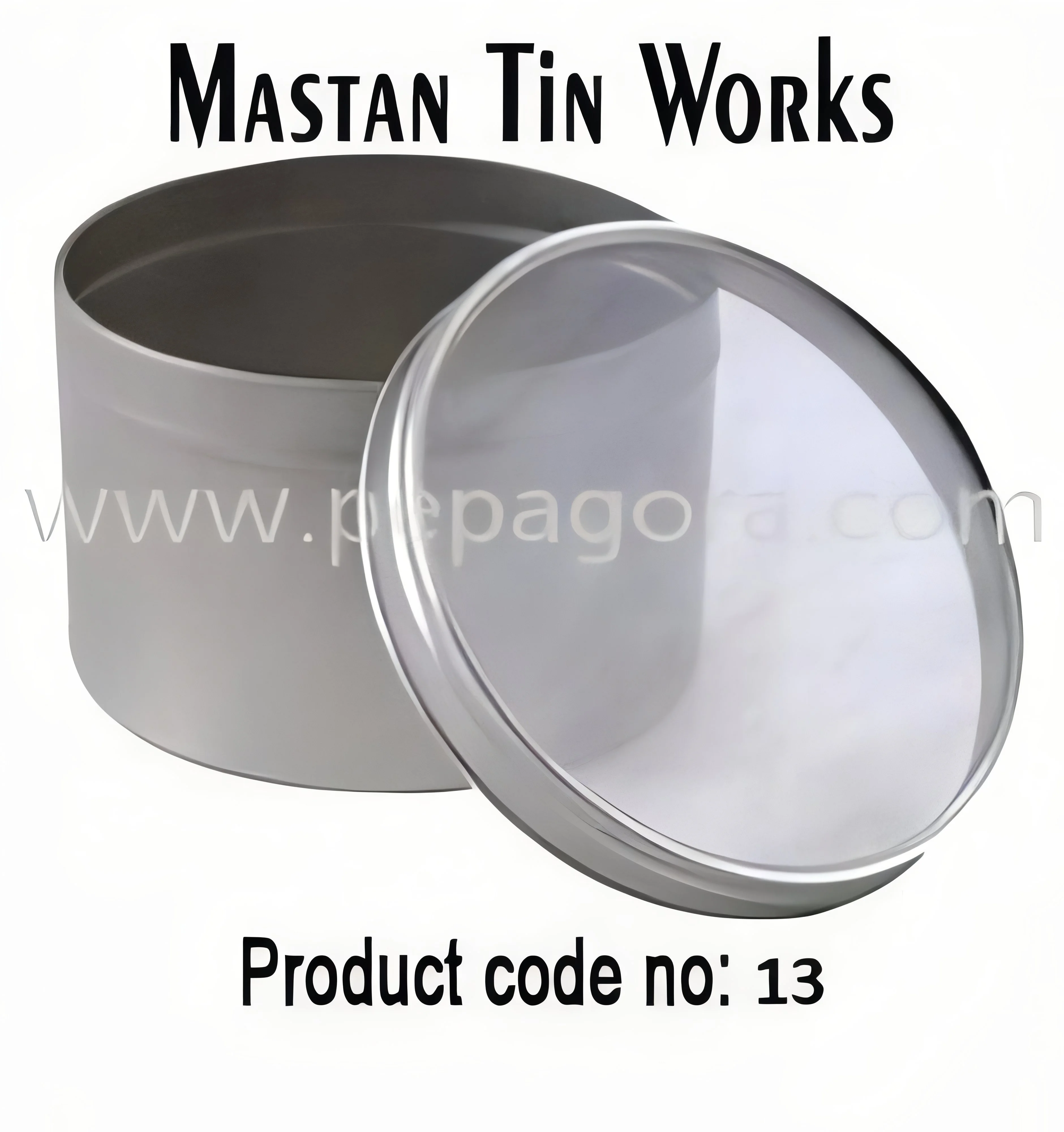
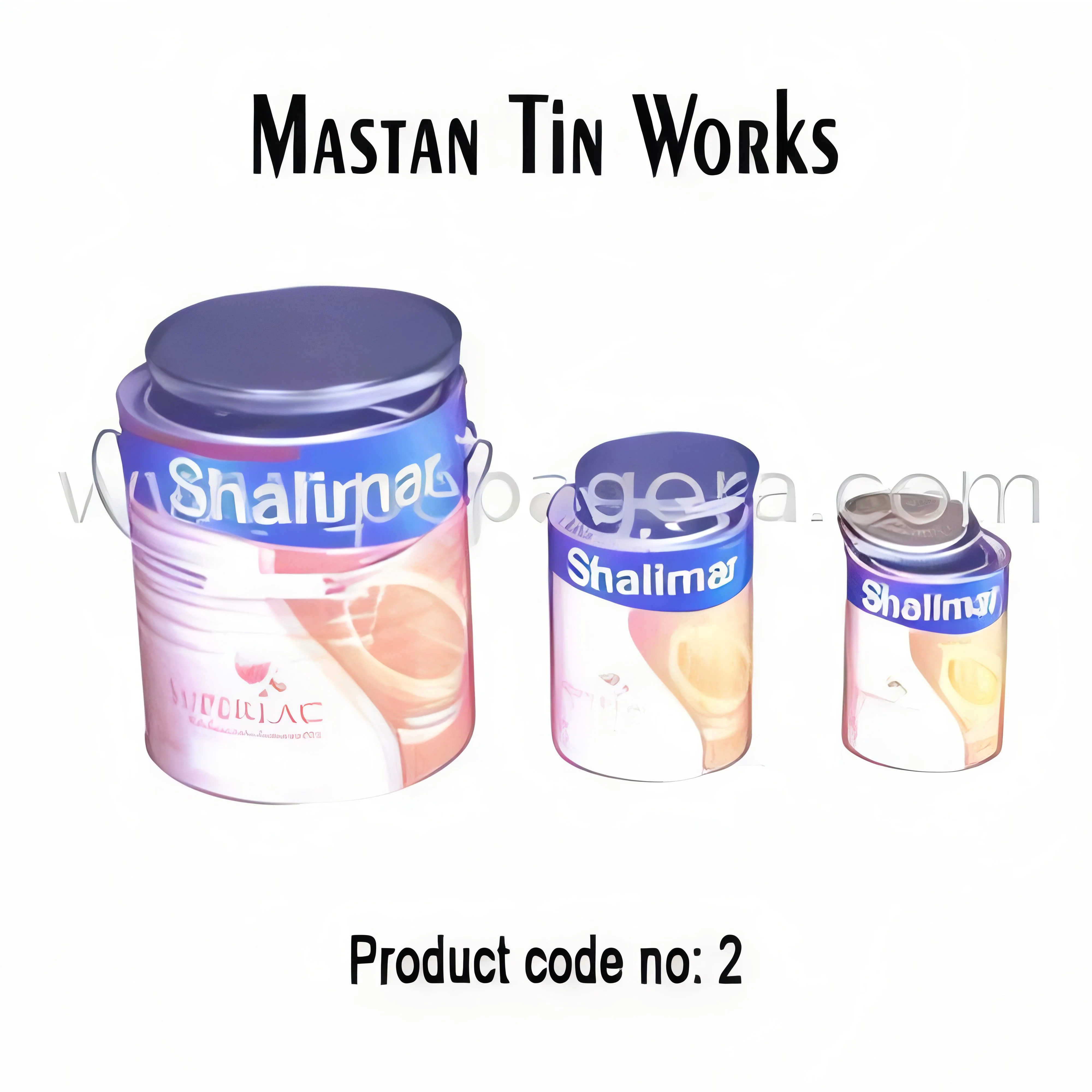
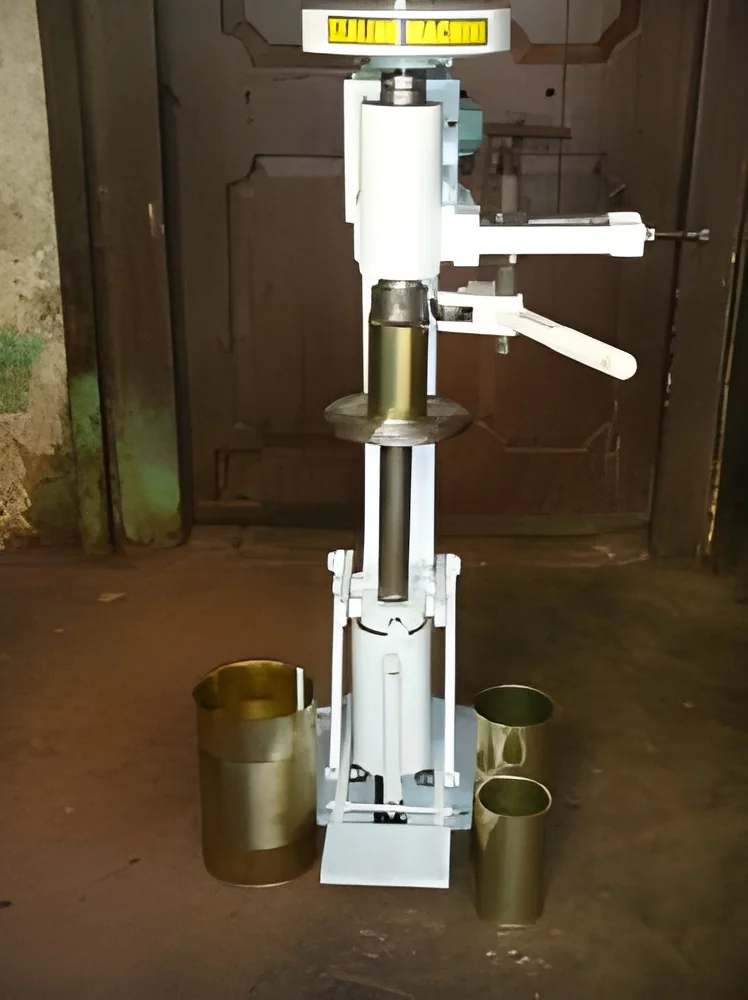
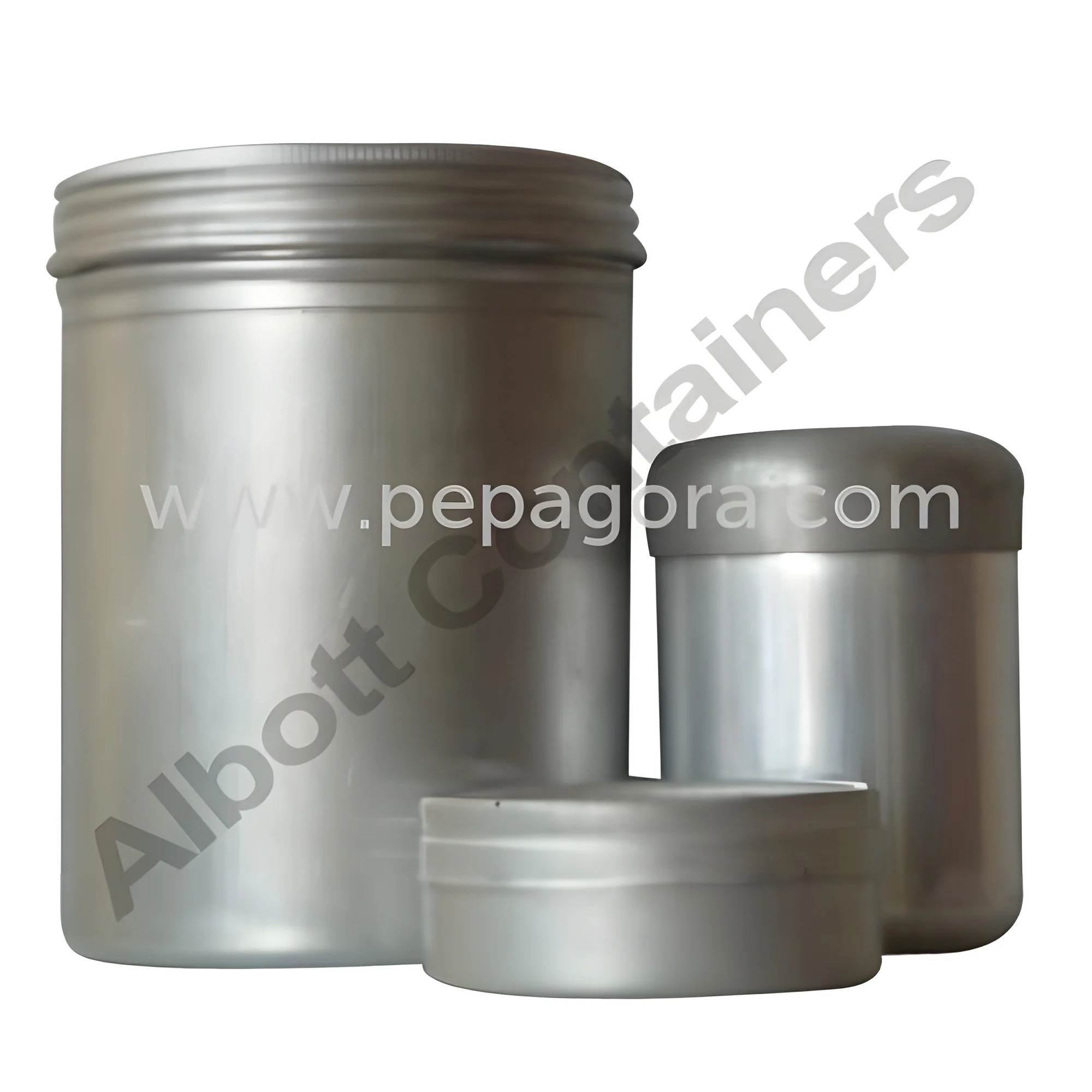
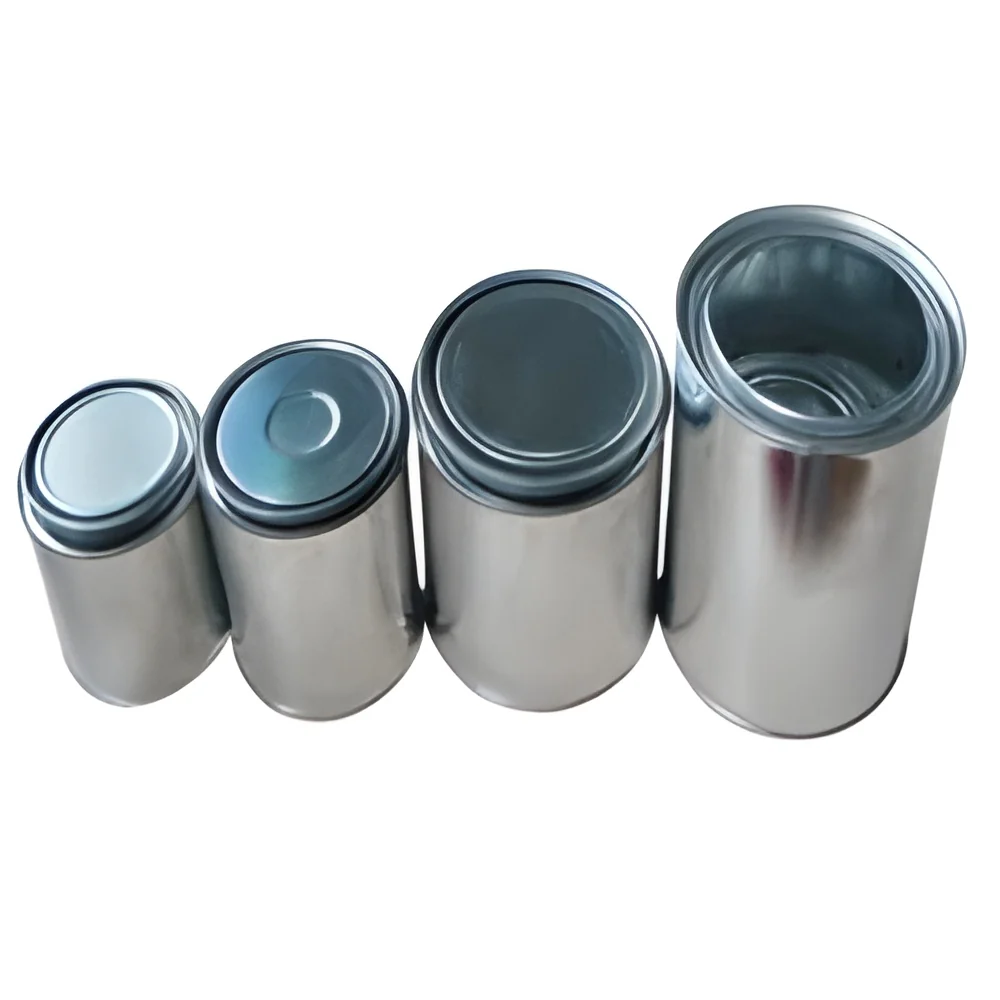
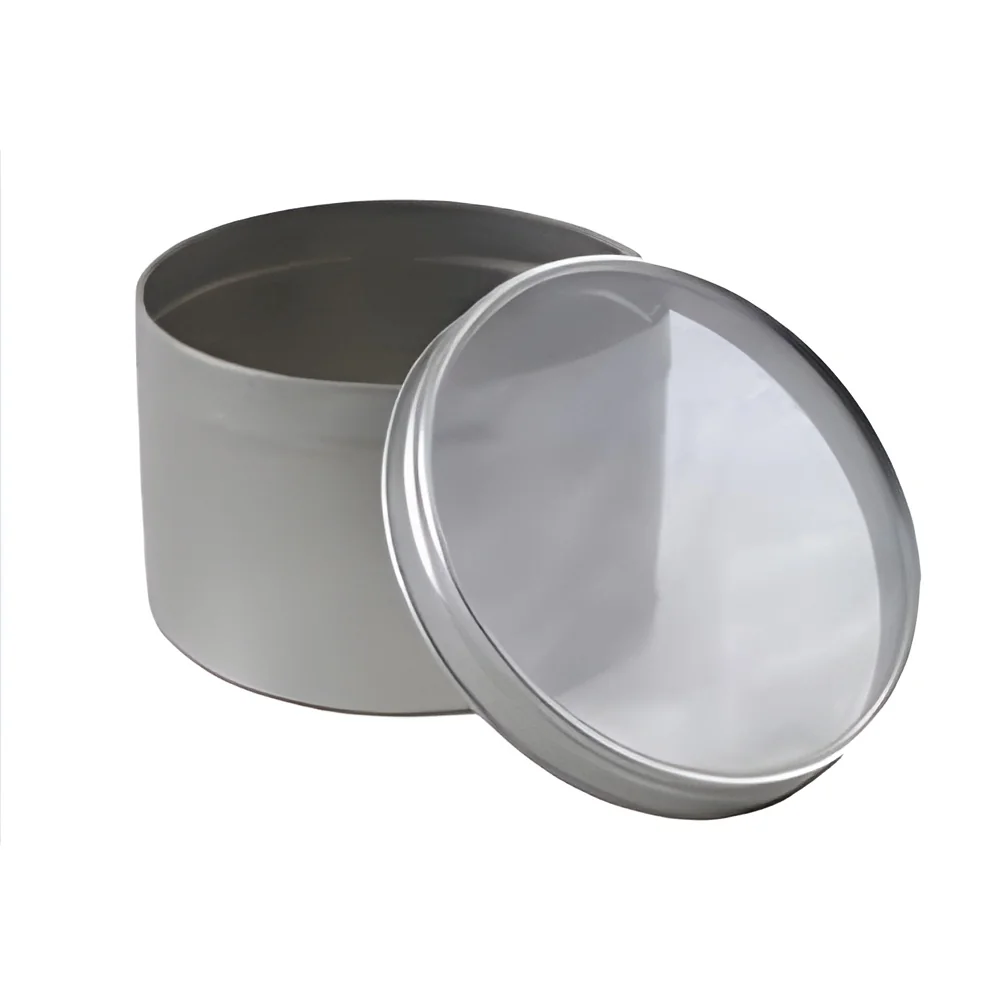
Tin containers are versatile, durable receptacles made primarily from tinplate, a thin sheet of steel coated with tin. These containers are renowned for their strength, resistance to corrosion, and ability to preserve contents effectively. They are manufactured in various shapes and sizes, catering to a wide range of applications across different industries. The lightweight nature of tin containers makes them easy to handle and transport, while their ability to be sealed tightly ensures that the products inside remain fresh and protected from external factors.
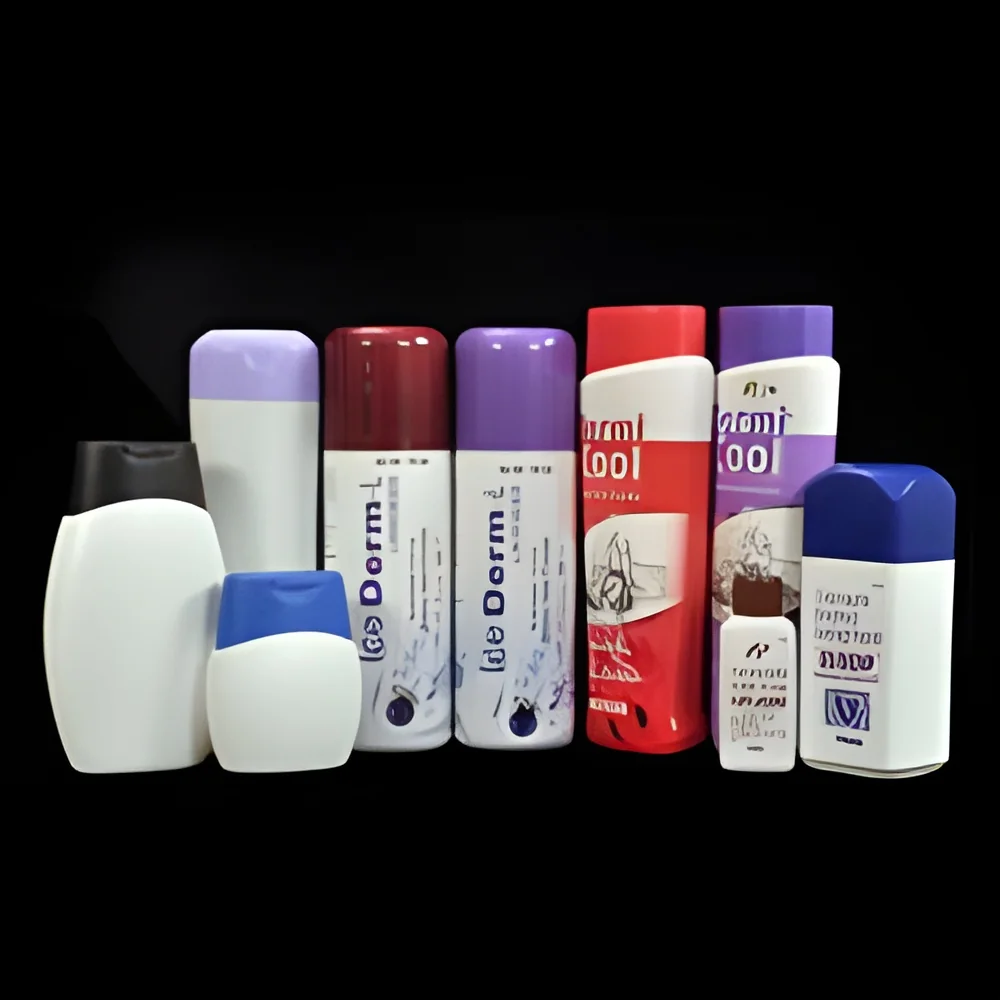
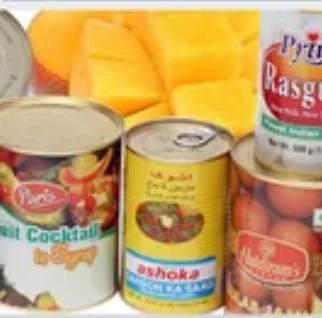
The primary uses of tin containers include packaging for food products, cosmetics, chemicals, and various industrial goods. In the food industry, they are often utilized for preserving perishables, such as snacks, candies, and canned foods. In cosmetics, tin containers serve as stylish and functional packaging for creams, balms, and powders. Additionally, industries such as pharmaceuticals and chemicals utilize tin containers for safe storage and transport of sensitive materials. The market for tin containers continues to grow as businesses seek sustainable and reusable packaging solutions that align with eco-friendly practices.
𝗞𝗲𝘆 𝗙𝗲𝗮𝘁𝘂𝗿𝗲𝘀 𝗮𝗻𝗱 𝗦𝗽𝗲𝗰𝗶𝗳𝗶𝗰𝗮𝘁𝗶𝗼𝗻𝘀
Tin containers come equipped with several key features that enhance their functionality and usability. Their construction from tinplate ensures a lightweight yet sturdy design, making them suitable for various applications. Additionally, the containers can be easily customized to meet specific branding requirements, allowing businesses to present their products attractively.
Key specifications include:
1. Material Composition
- Made of tinplate steel
- Offers resistance to corrosion and rust
2. Capacity Range
- Available in various sizes, typically from 50 ml to 5 liters
- Custom sizes can be produced based on requirements
3. Closure Type
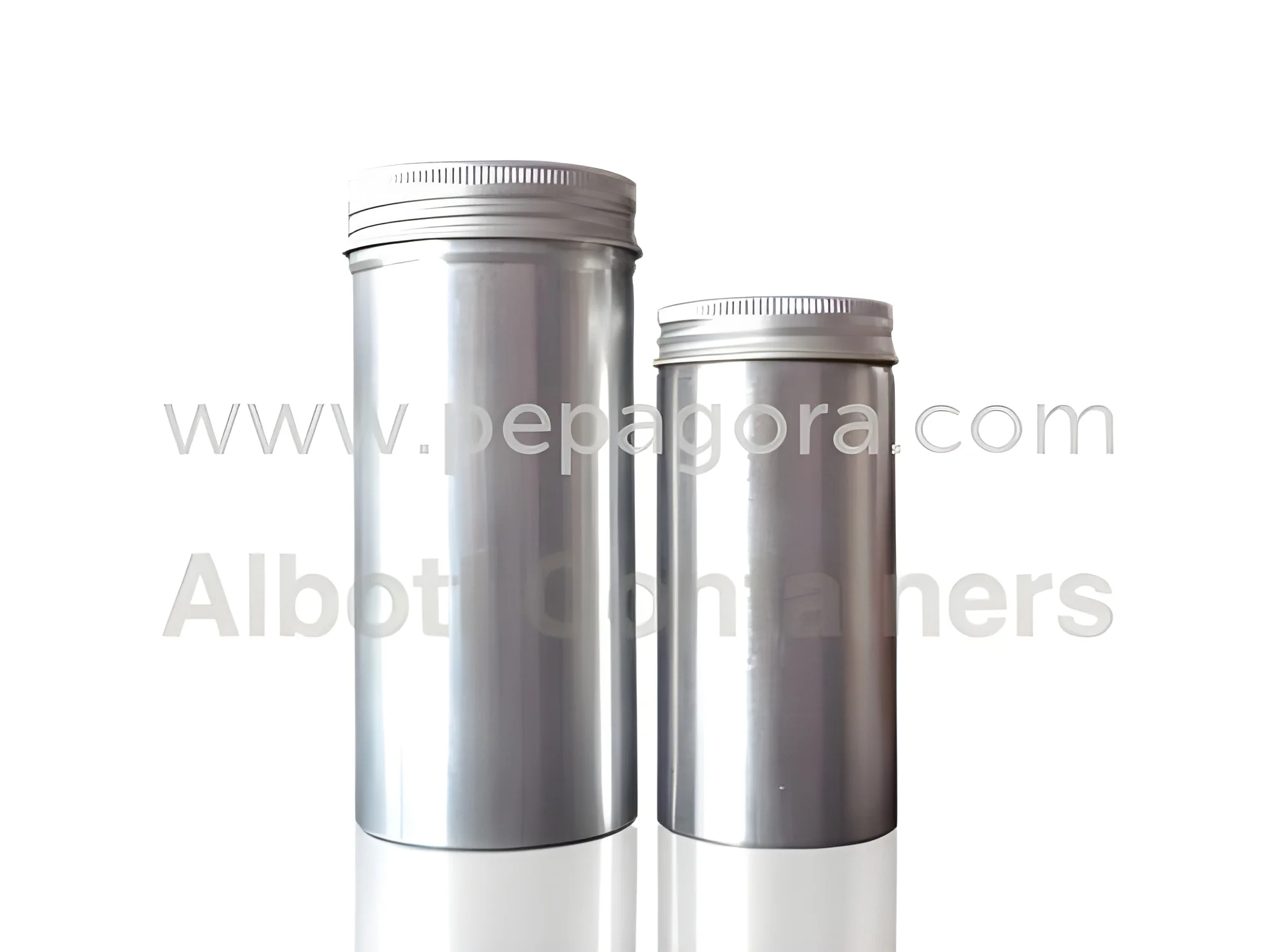
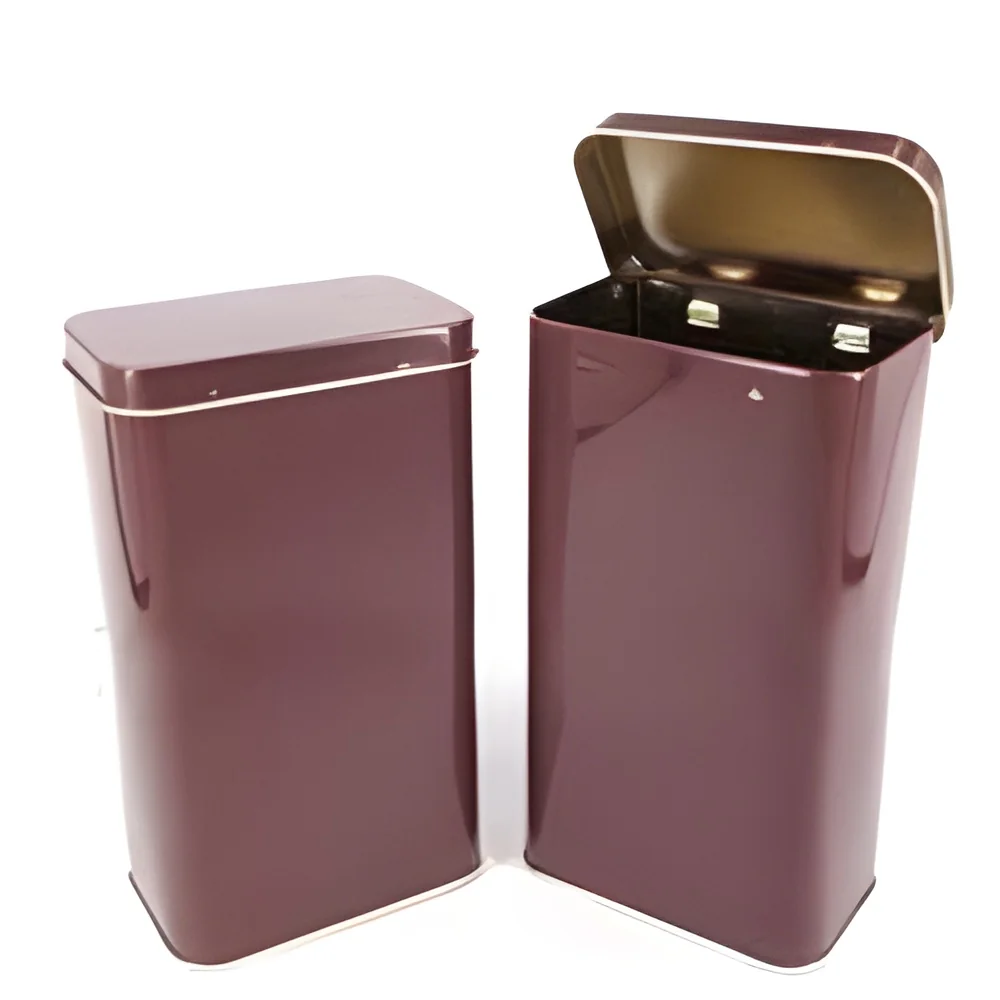
- Options include slip lids, screw tops, and hinged lids
- Sealed lids help maintain freshness and prevent contamination
4. Surface Finish
- Can be coated with food-safe lacquer or printed for branding
- Options for matte or gloss finishes
5. Temperature Resistance
- Suitable for a range of temperatures, but specific data not available
- Can withstand moderate heat without compromising integrity
6. Recyclability
- Fully recyclable, promoting sustainability
- Minimal environmental impact compared to plastic alternatives
7. Customization Options
- Available in various colors, shapes, and printing options
- Tailored designs for branding and marketing
8. Safety Compliance
- Adherence to safety standards such as CE marking
- Ensures suitability for food and chemical storage
These features make tin containers an ideal choice for businesses seeking reliable packaging solutions.
𝗖𝗼𝗺𝗺𝗼𝗻 𝗔𝗽𝗽𝗹𝗶𝗰𝗮𝘁𝗶𝗼𝗻𝘀 𝗮𝗻𝗱 𝗨𝘀𝗲 𝗖𝗮𝘀𝗲𝘀
Tin containers serve various industries, making them a versatile choice for packaging needs.
1. Food Industry: Tin containers are widely used for packaging snacks, candies, and canned goods. Their ability to preserve freshness and protect contents from moisture makes them ideal for food storage.
2. Cosmetic Industry: Companies in the cosmetics sector use tin containers for creams, balms, and powders. Their aesthetic appeal and customization options enhance product presentation.
3. Pharmaceutical Industry: Tin containers are employed for packaging medicinal products and supplements. They offer a safe and secure means of storing sensitive materials.
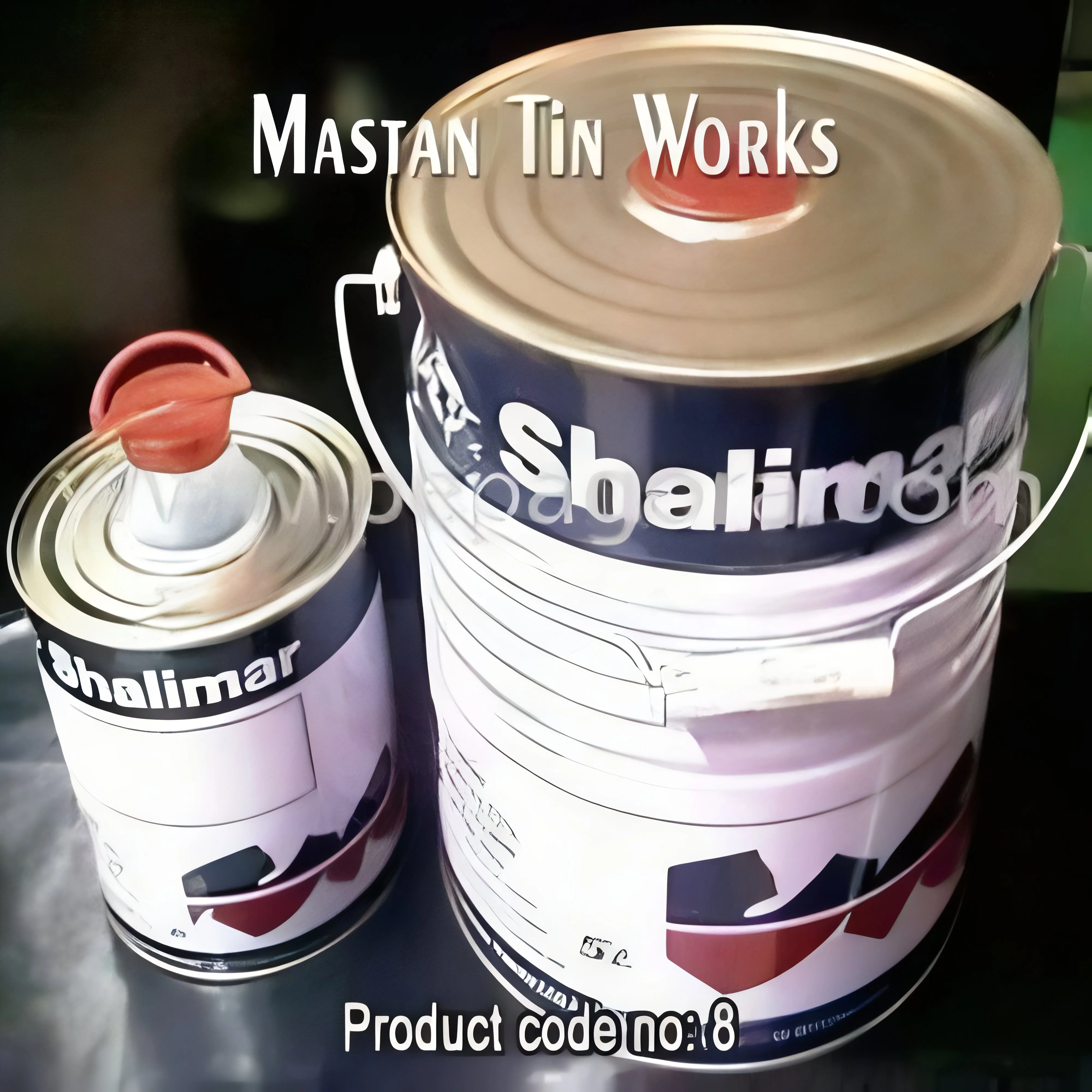
4. Chemical Industry: Manufacturers of chemicals utilize tin containers for safe transport and storage of hazardous substances, ensuring containment and compliance with safety regulations.
5. Gift and Specialty Packaging: Tin containers are often used for packaging gifts, candles, and specialty items. Their attractive designs and durability make them popular for retail display.
6. Industrial Applications: Various industrial products, including hardware components and tools, are packaged in tin containers for protection and easy handling.
7. Arts and Crafts: Tin containers are favored in arts and crafts for DIY projects and storage of materials, appealing to creative consumers.
𝗣𝗿𝗼𝗱𝘂𝗰𝘁 𝗩𝗮𝗿𝗶𝗮𝗻𝘁𝘀 𝗮𝗻𝗱 𝗦𝘂𝗯𝗰𝗮𝘁𝗲𝗴𝗼𝗿𝗶𝗲𝘀
Tin containers are available in a range of variants, catering to different user needs and preferences.
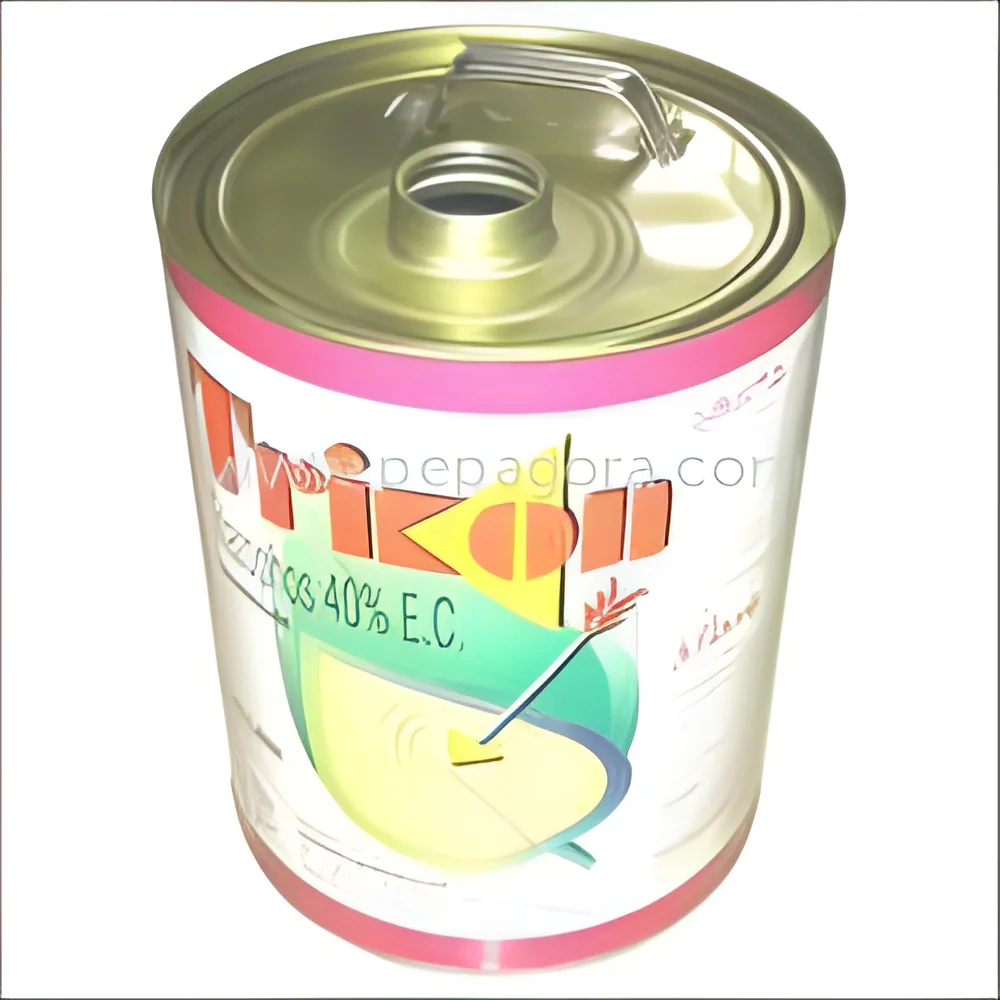
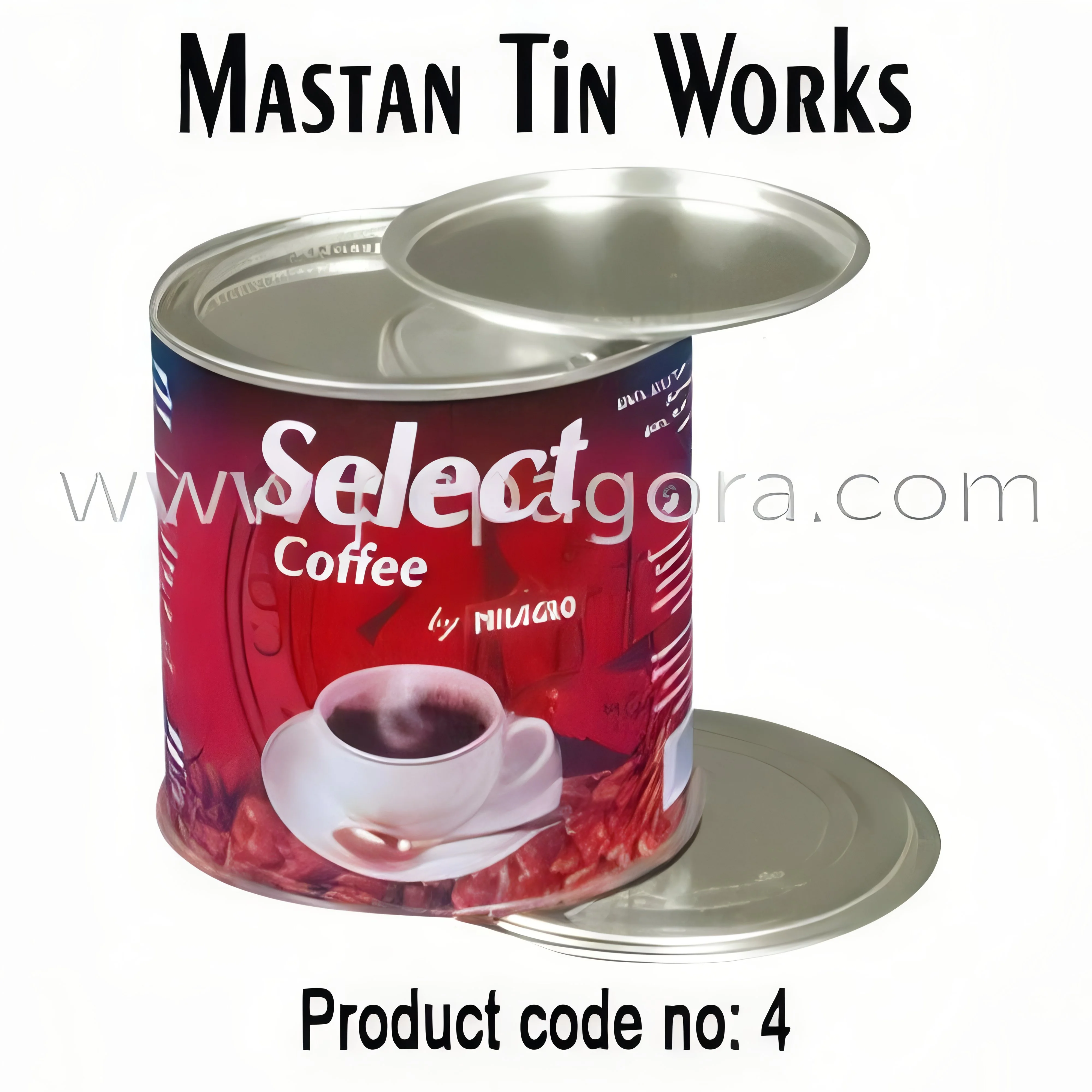
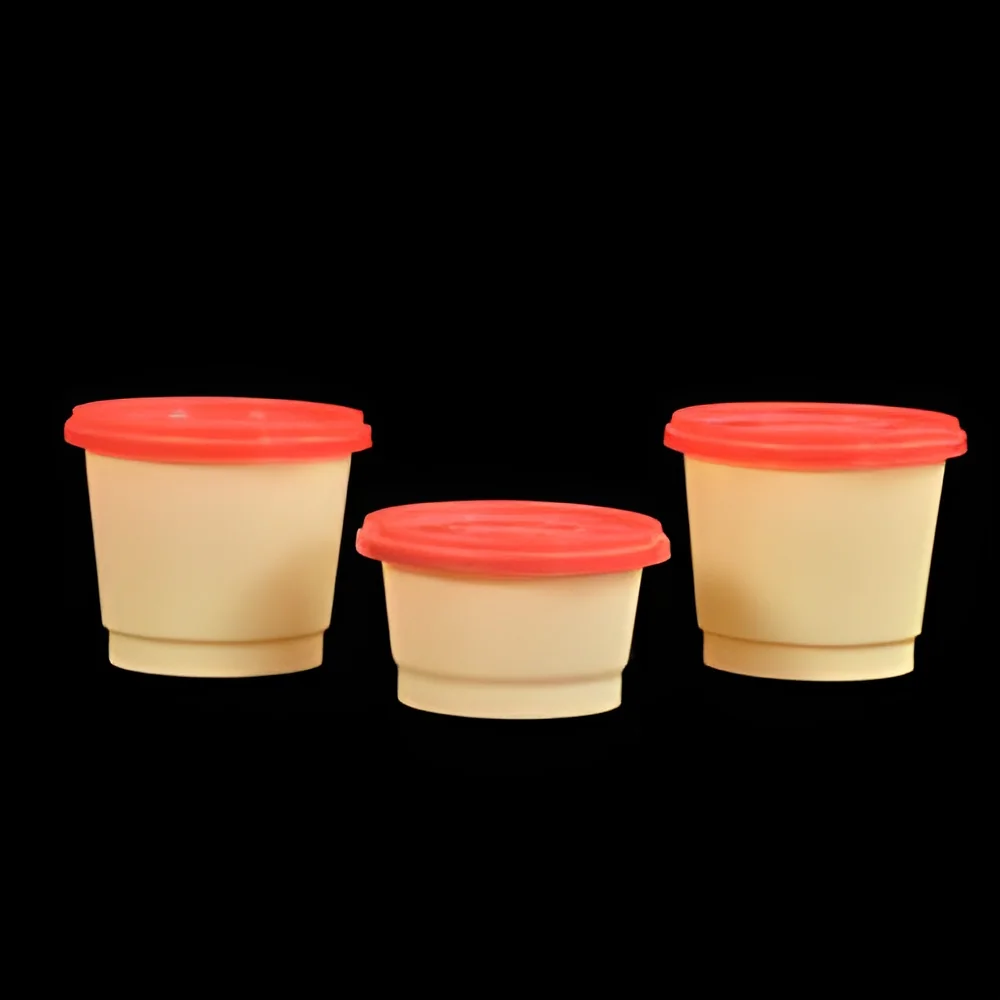
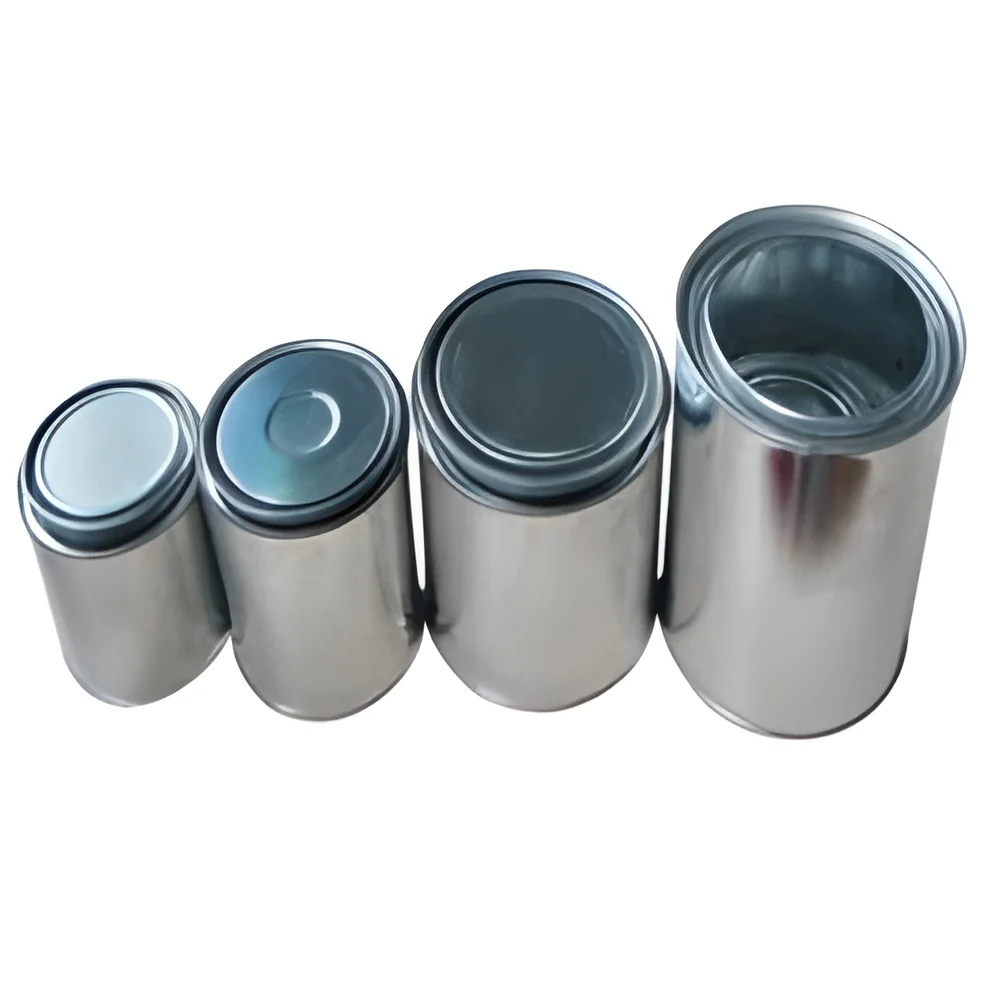
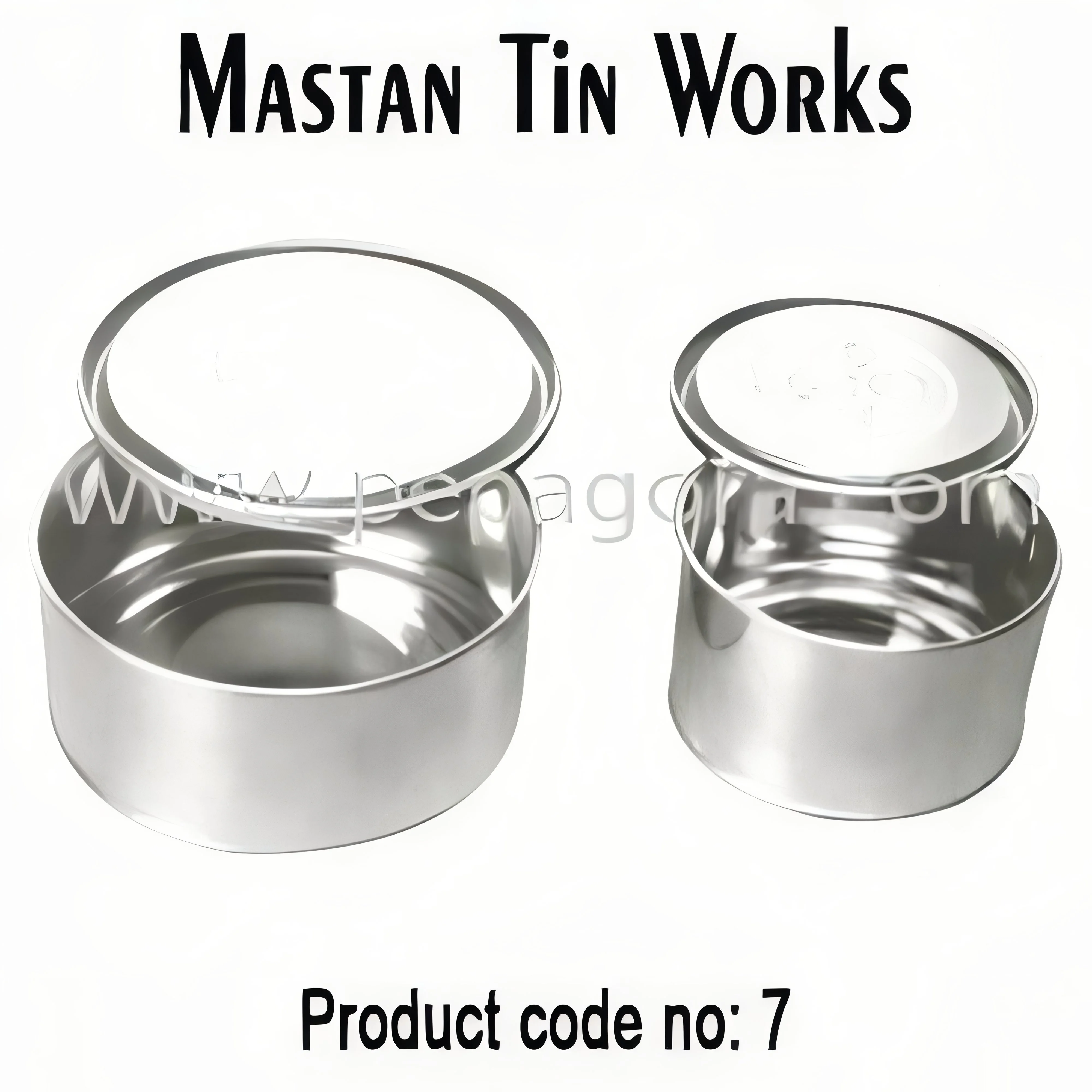
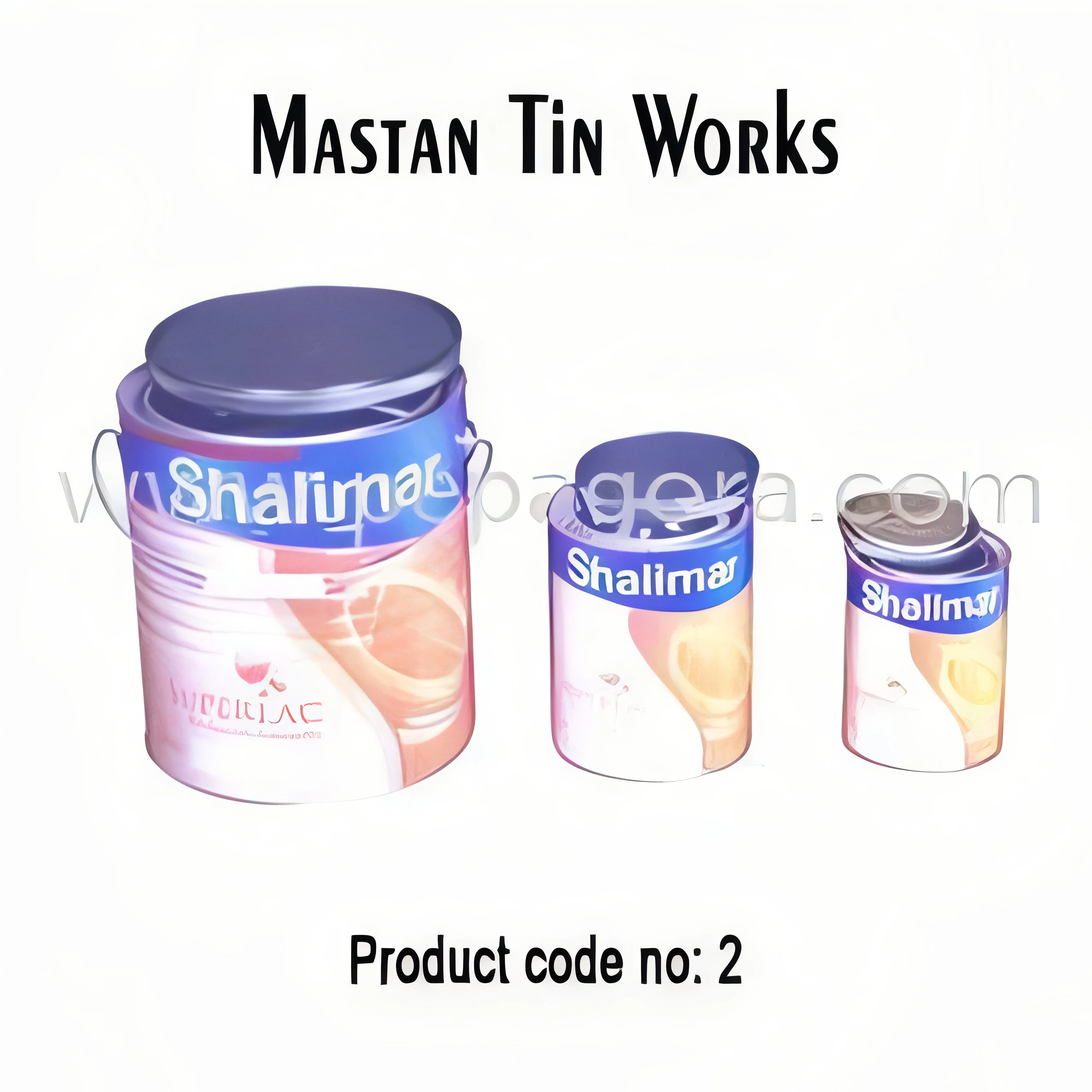
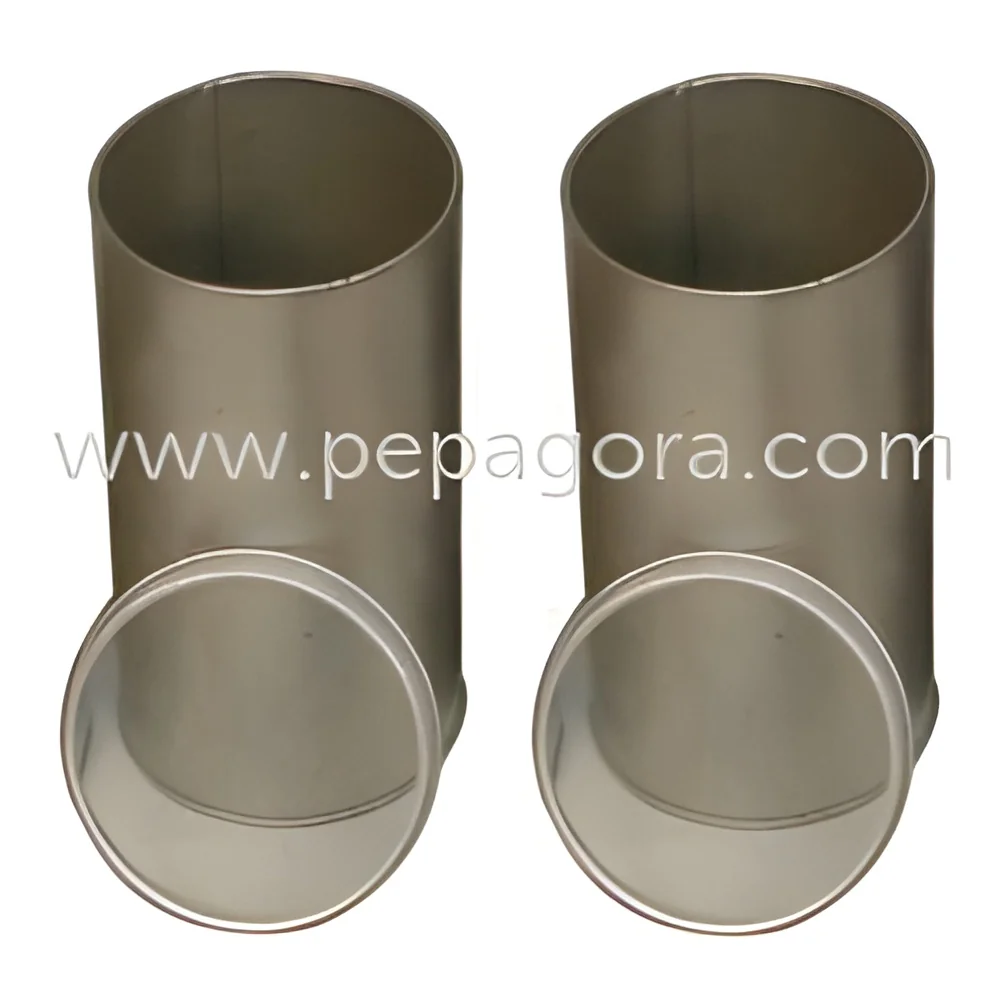
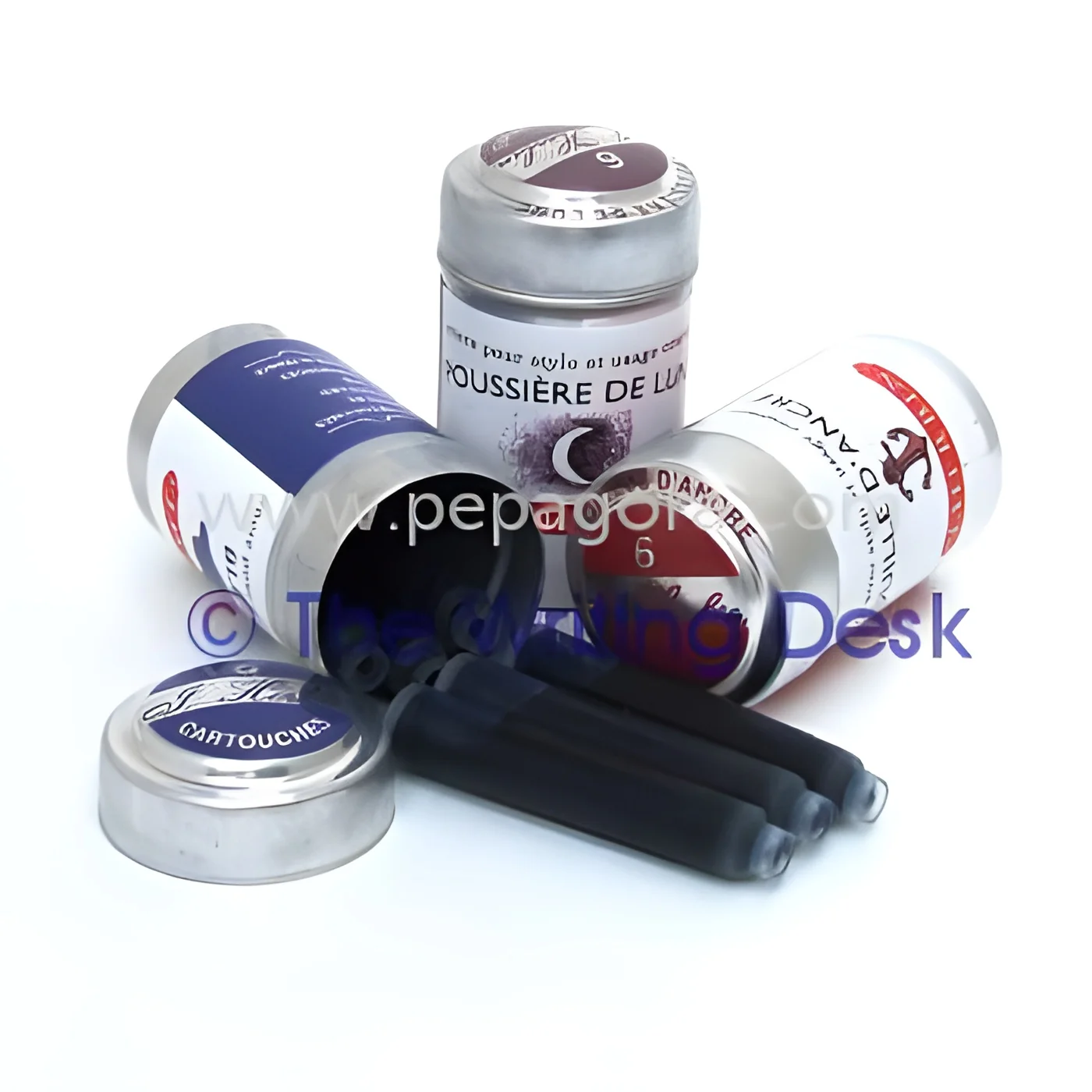
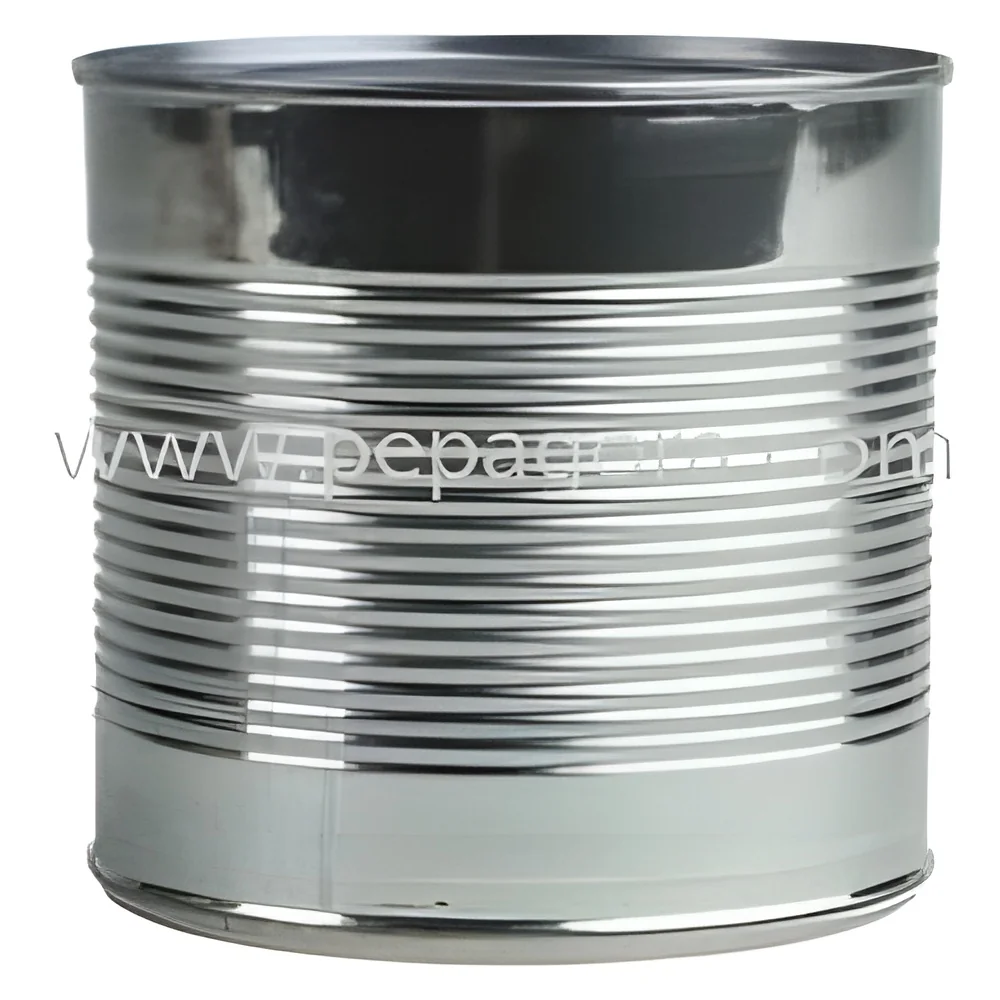
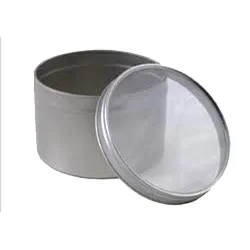
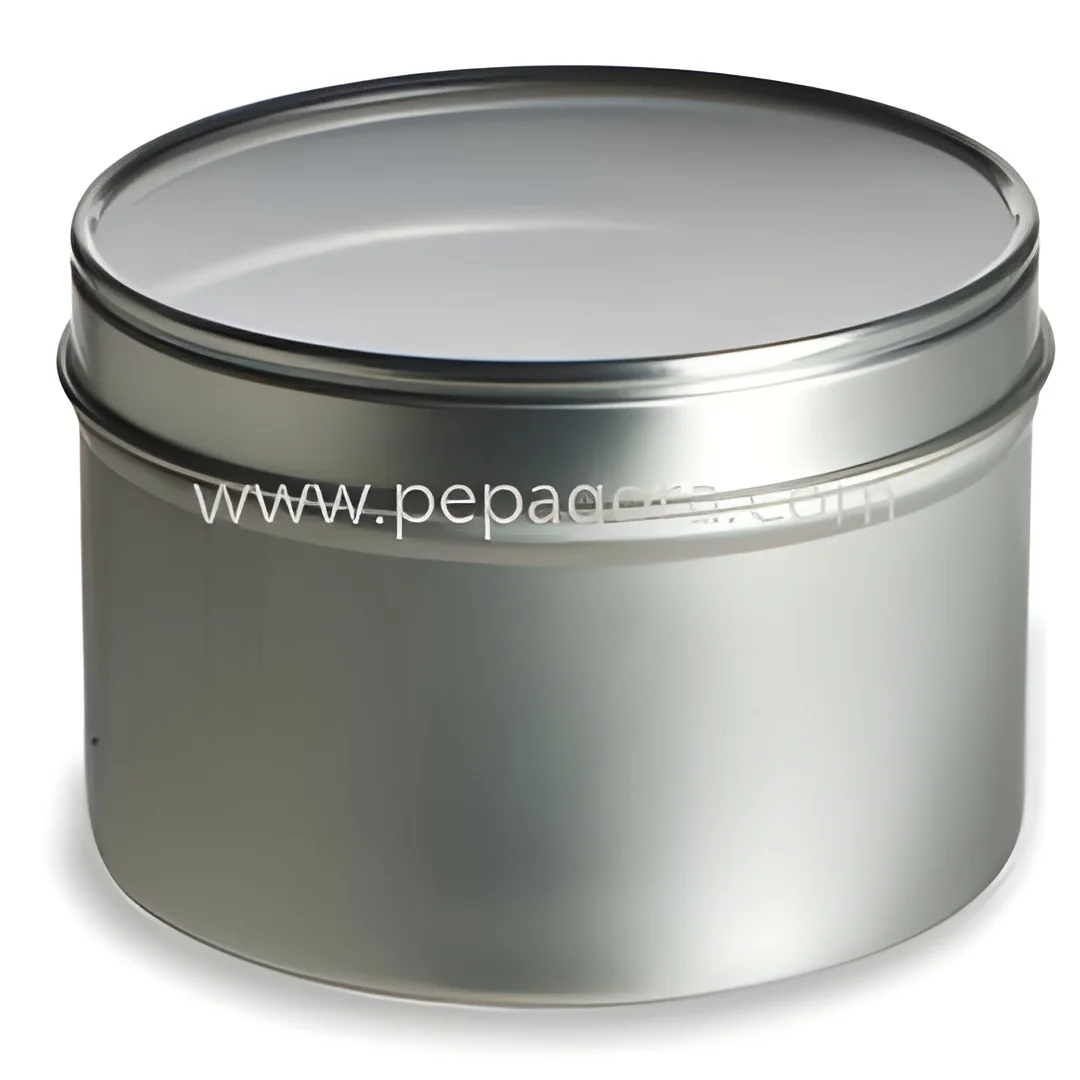
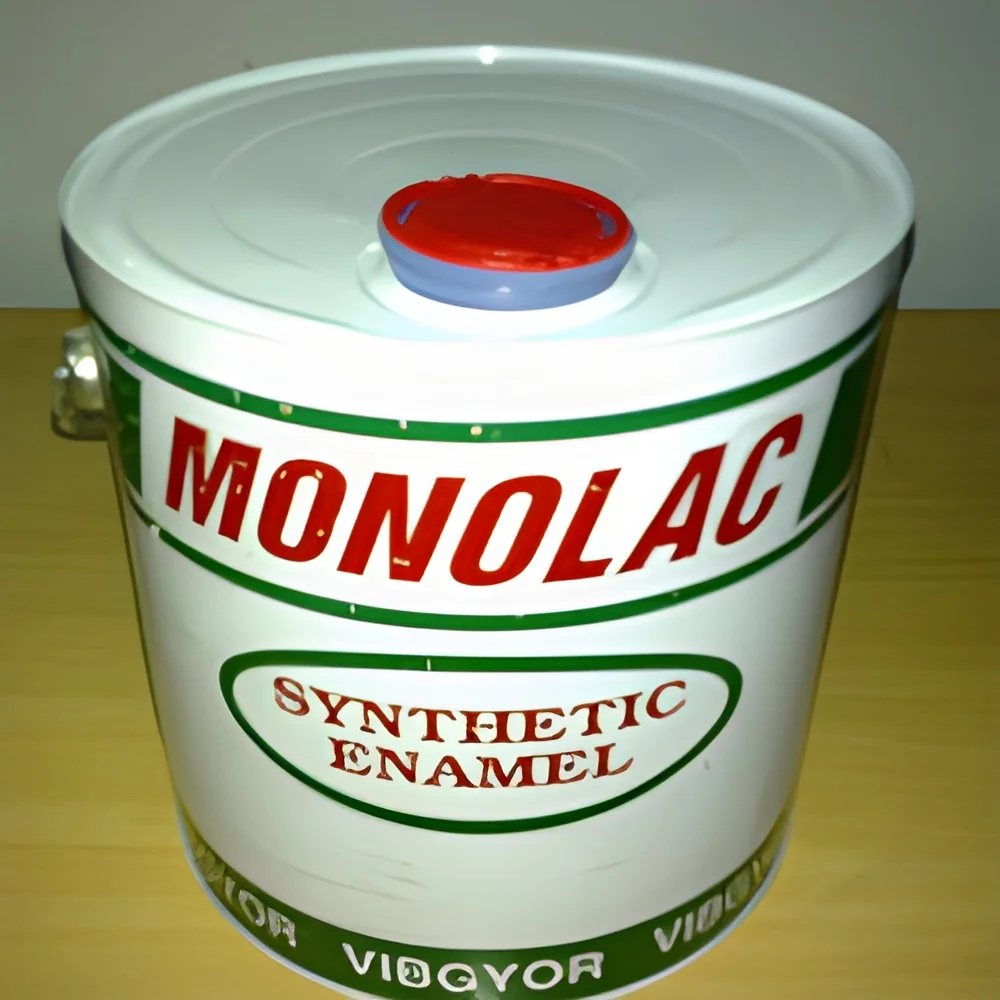
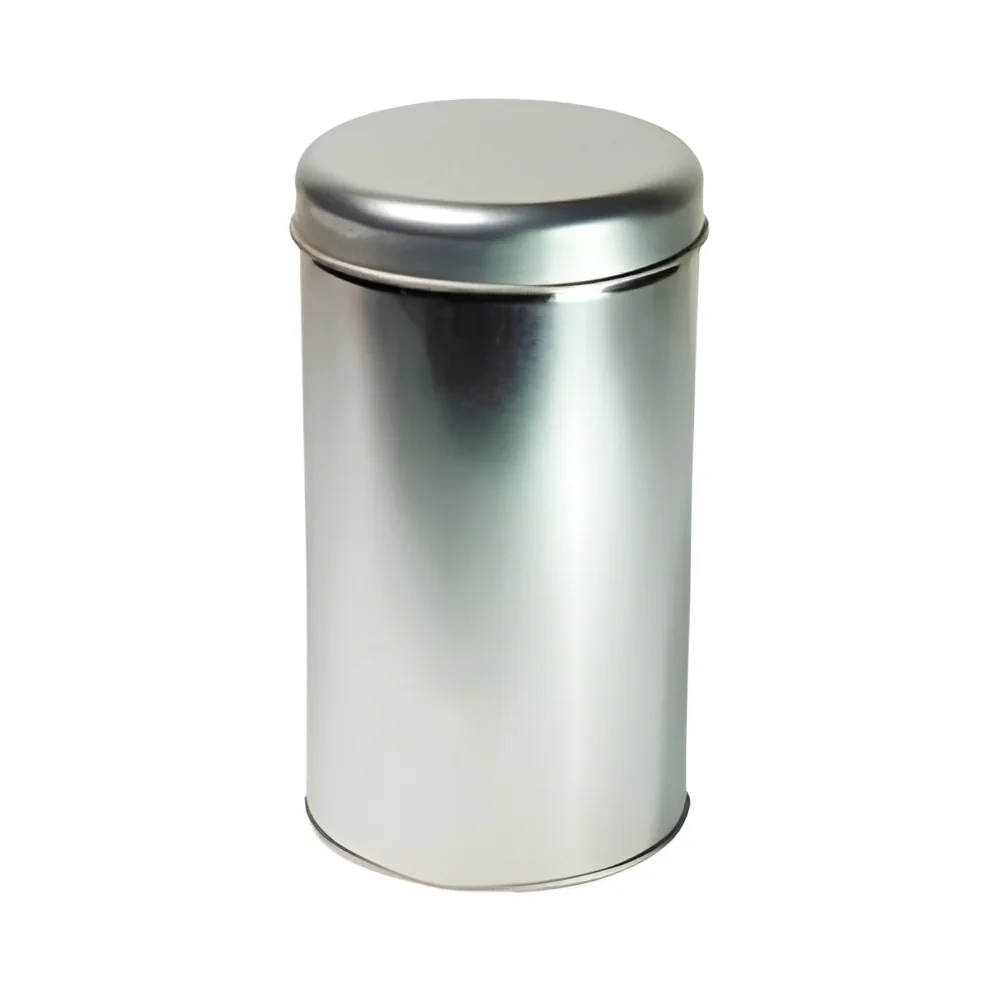
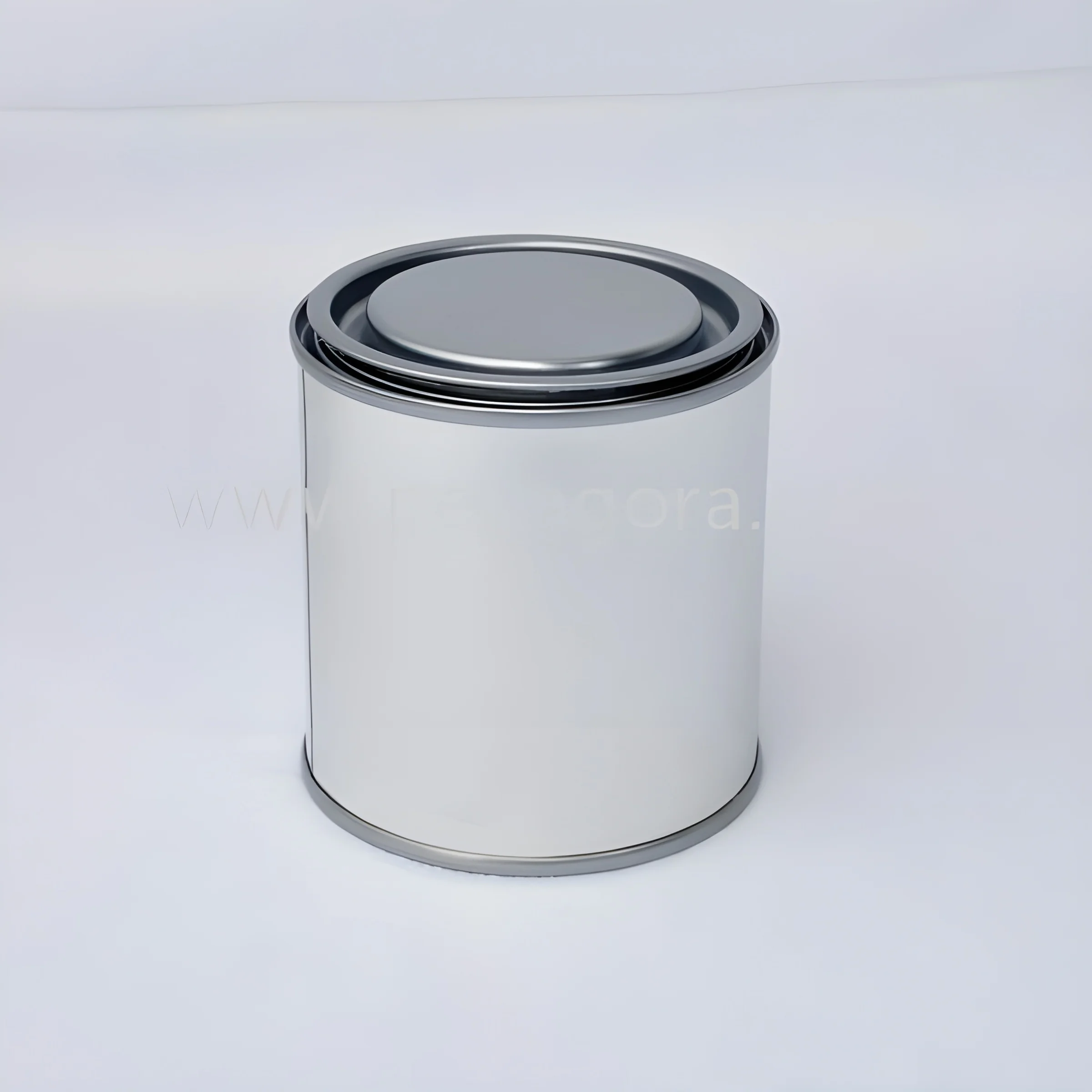
Round Tin Containers: These are the most common type, featuring a cylindrical shape. They are popular for packaging food items, cosmetics, and promotional gifts. Their shape allows for easy stacking and transport.
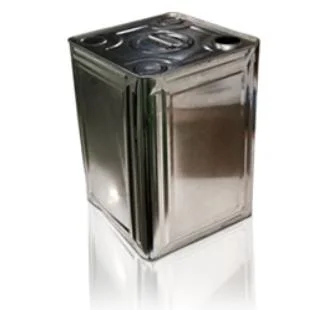
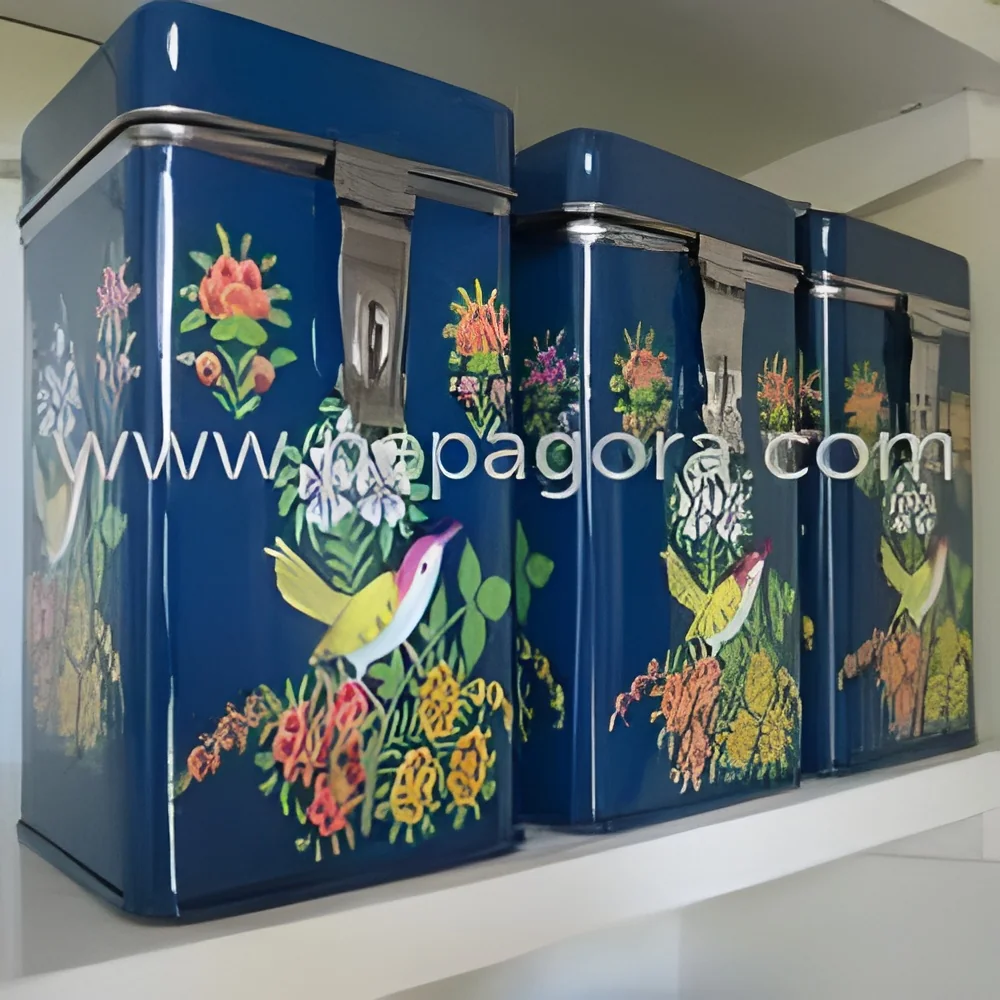
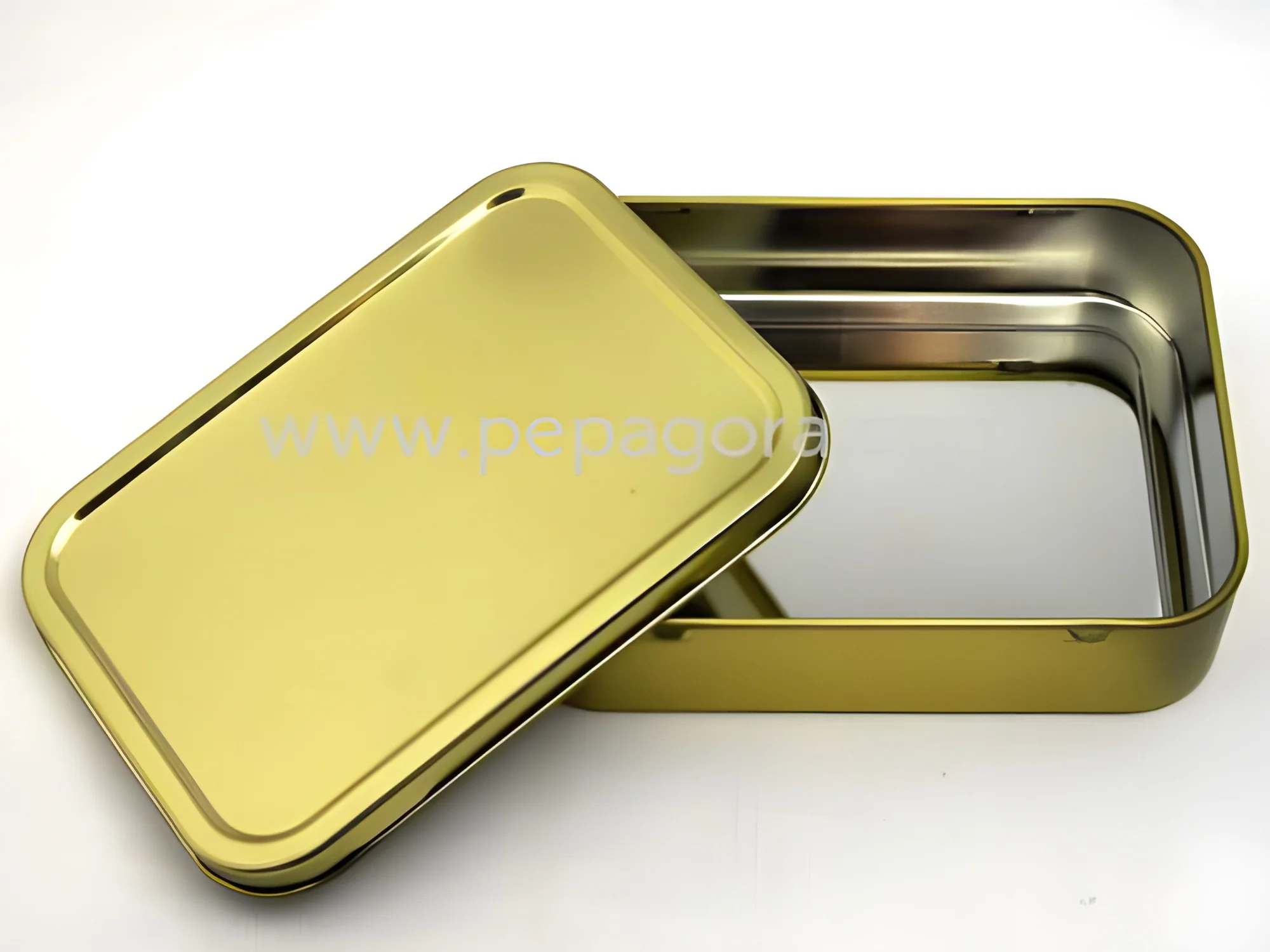
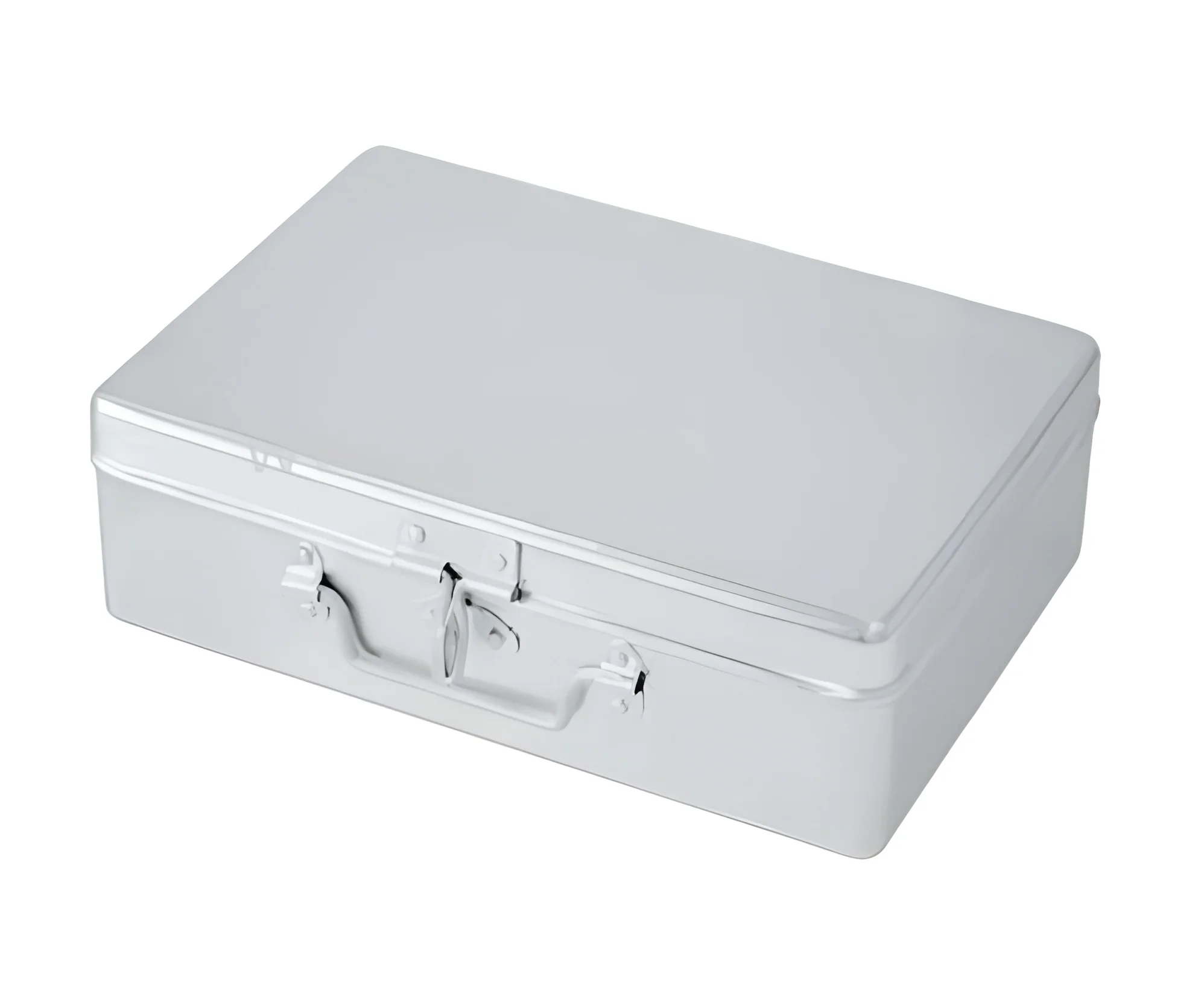
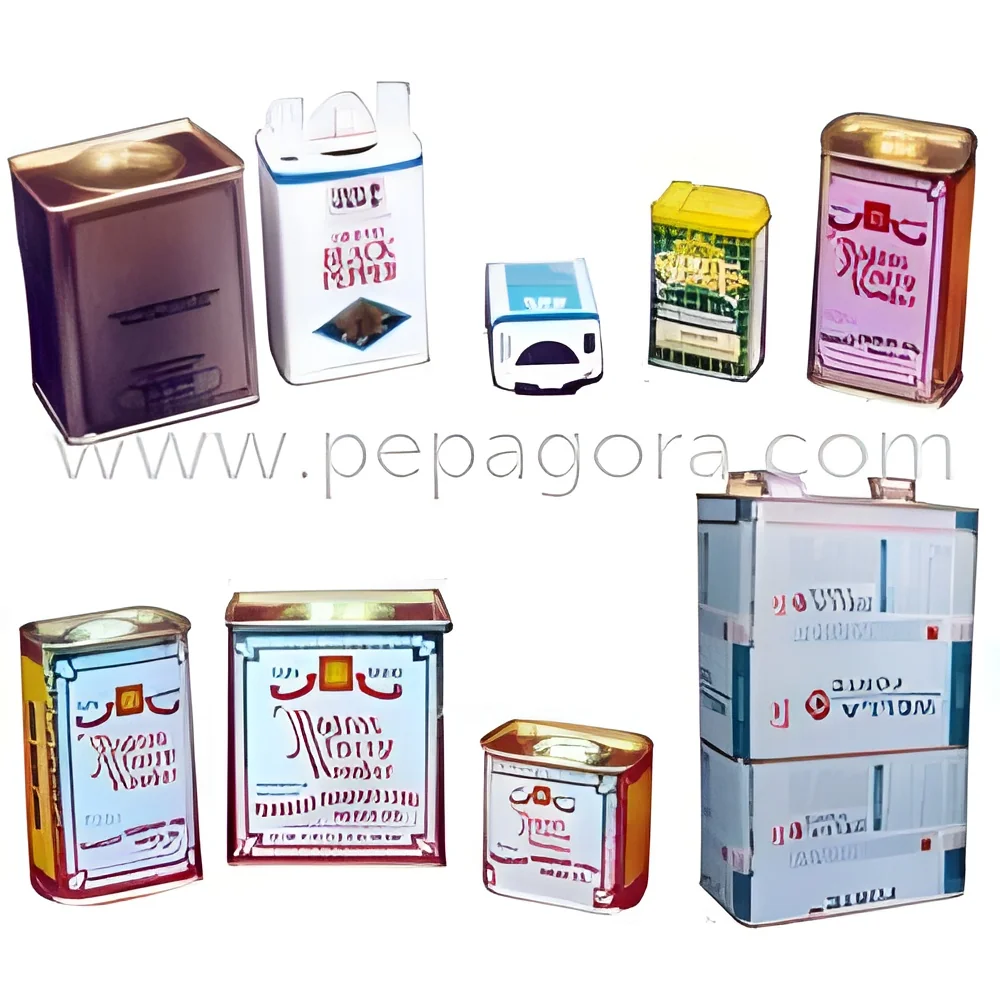
Square Tin Containers: Square containers provide a modern aesthetic and maximize shelf space. They are often used for packaging specialty foods, craft supplies, and gift items.
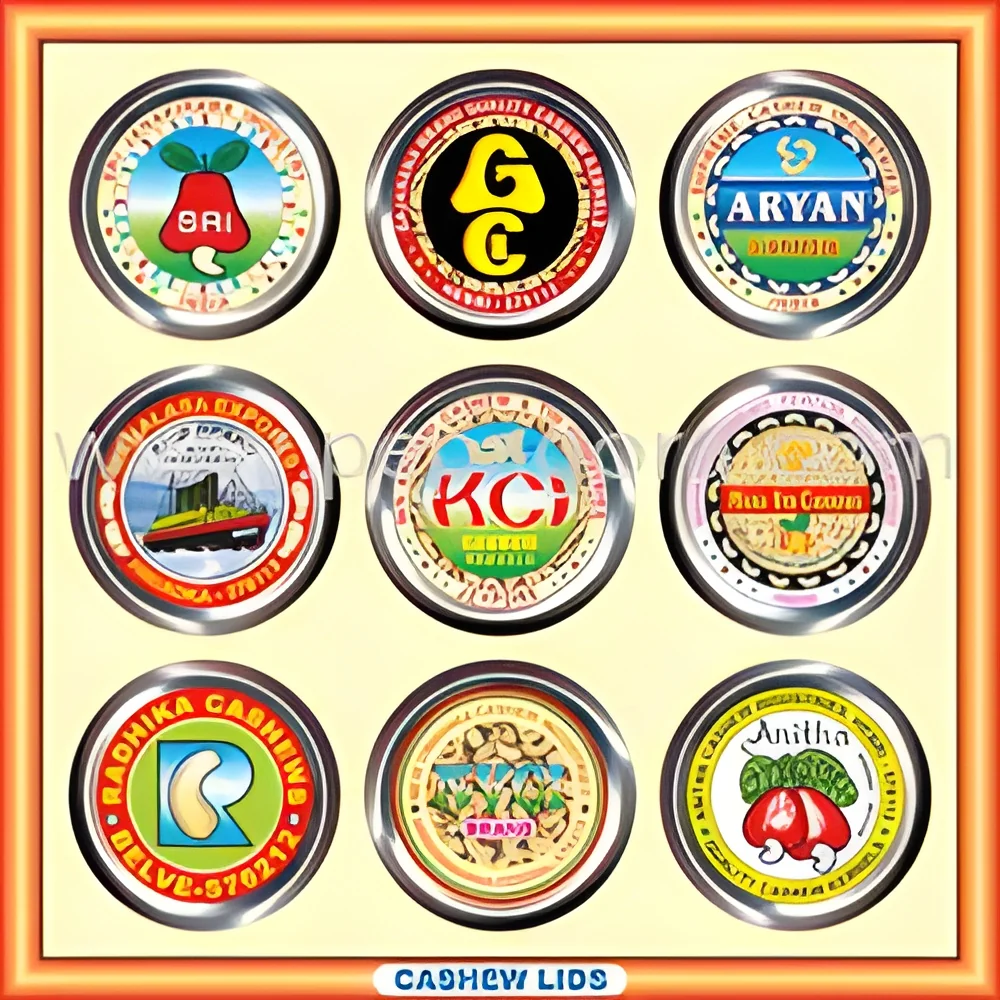
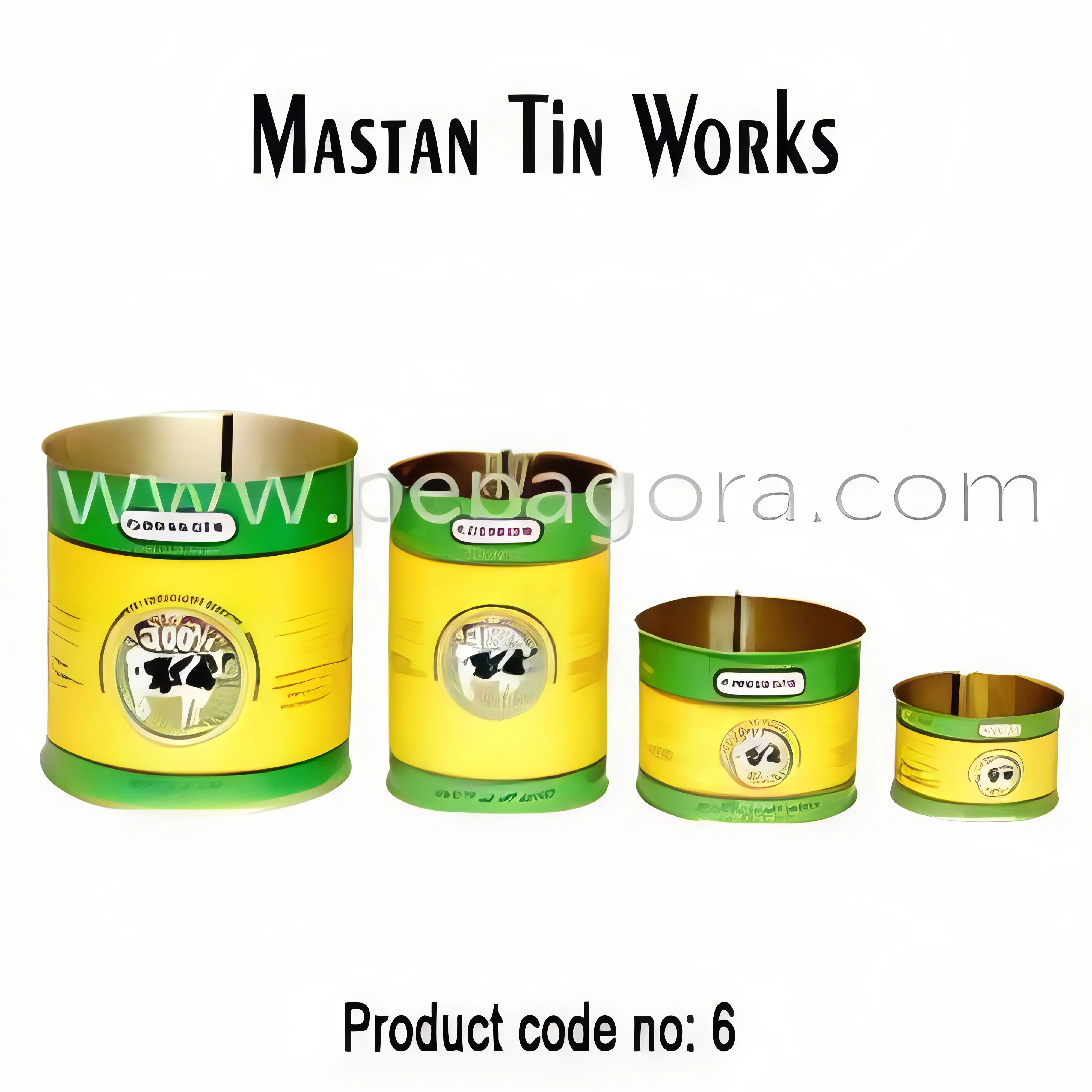
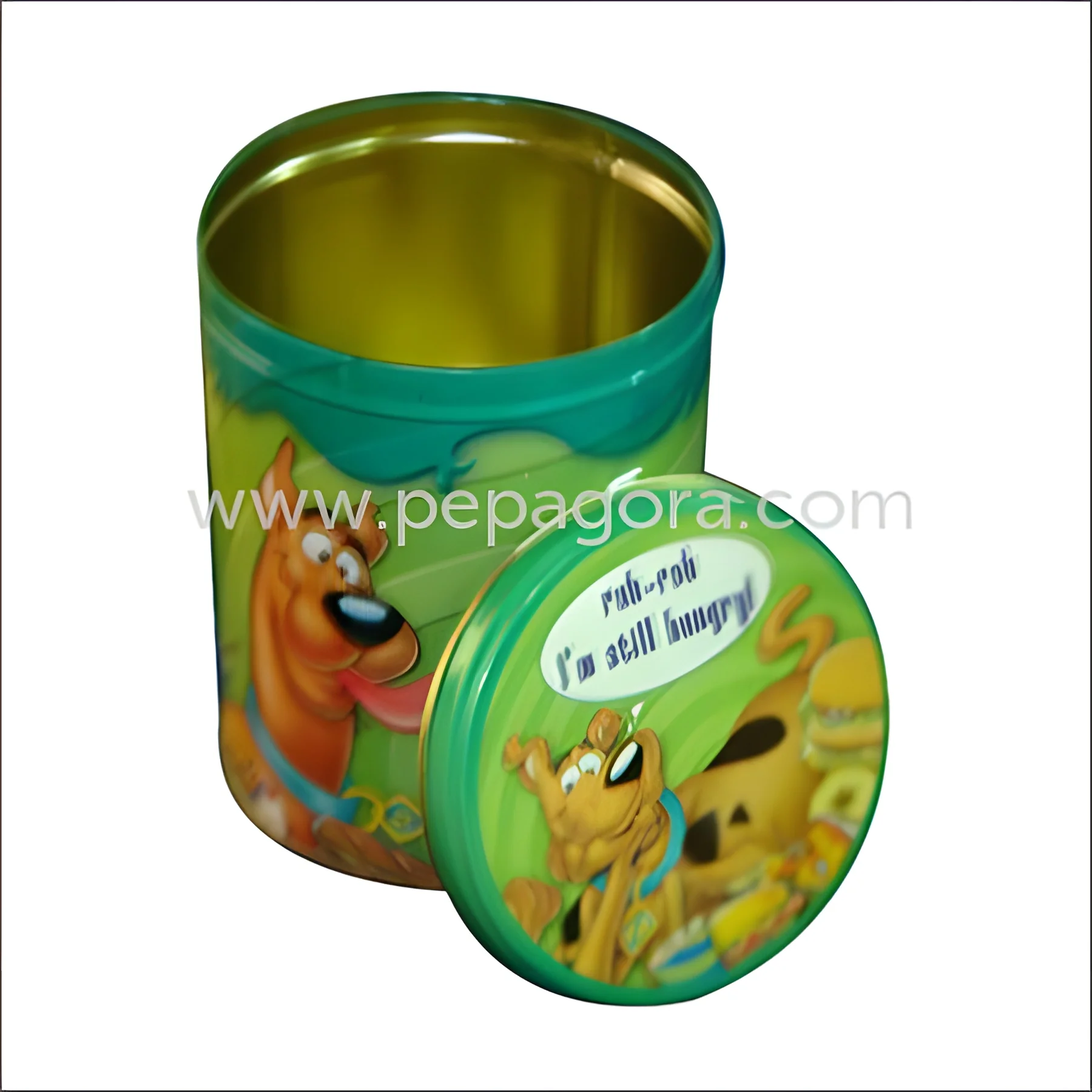
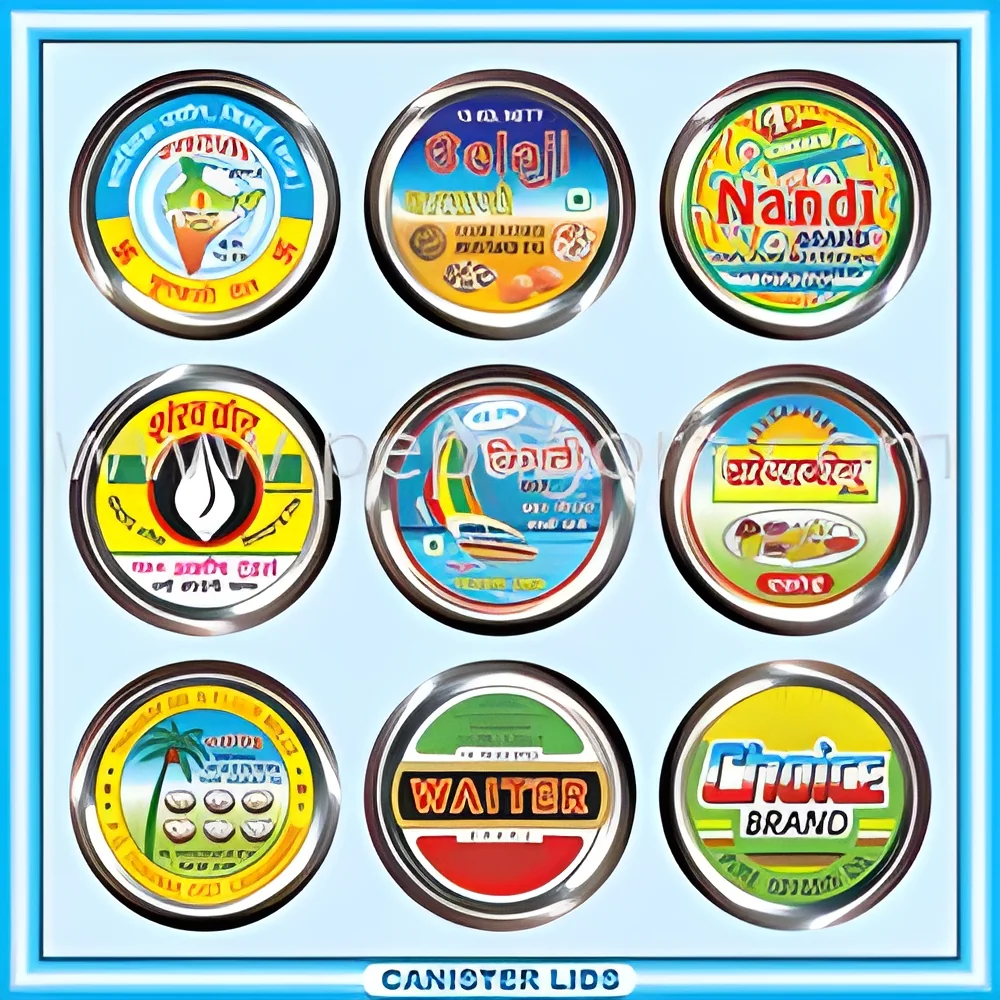
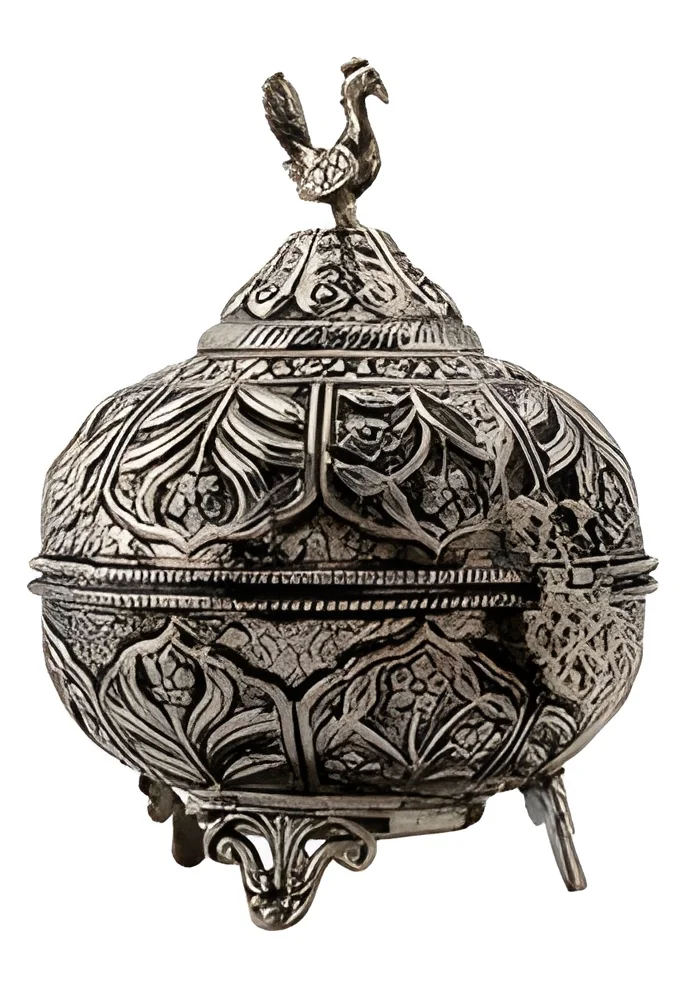
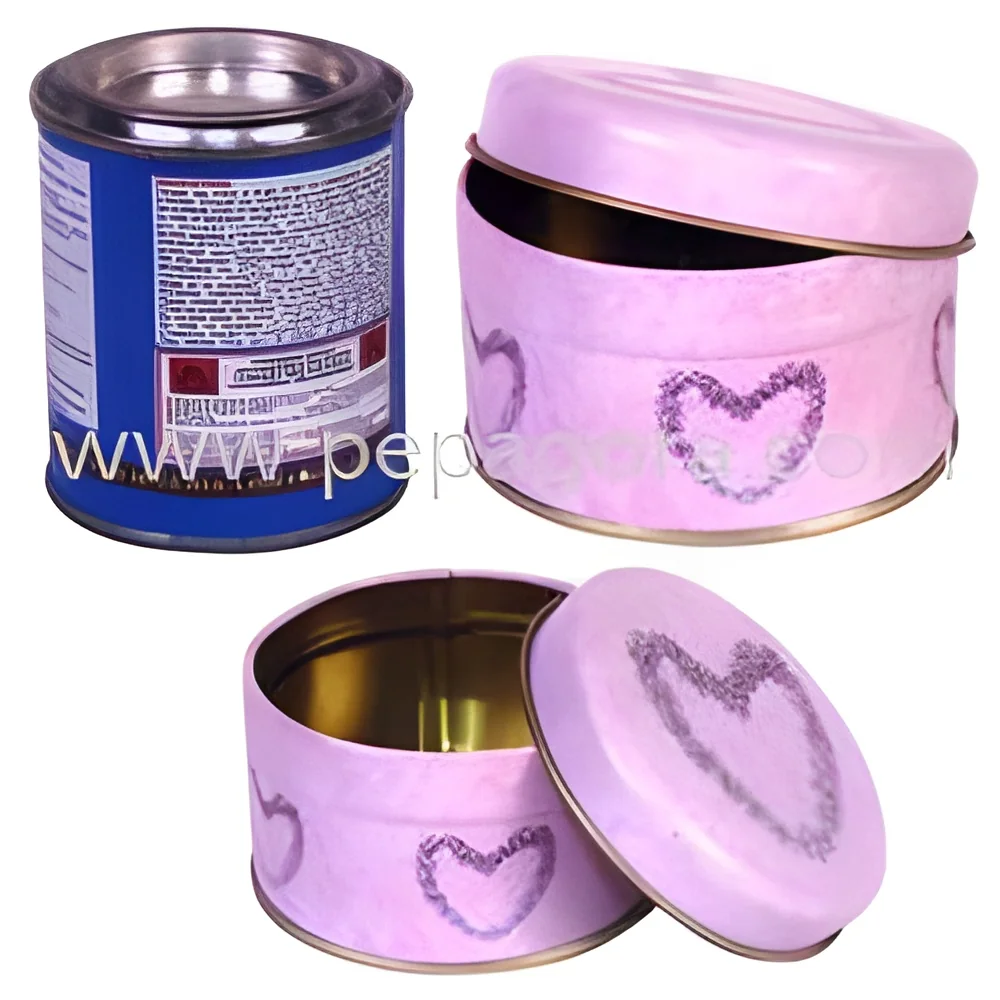
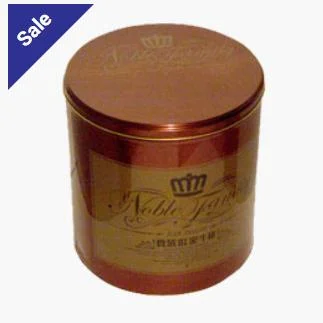
Decorative Tin Containers: These containers come in various designs, colors, and finishes. They are ideal for gift packaging and promotional items, often featuring attractive prints or embossing.
Stackable Tin Containers: Designed with interlocking features, these containers are perfect for efficient storage and display. They are commonly used in retail settings for bulk items.
𝗕𝗲𝗻𝗲𝗳𝗶𝘁𝘀 𝗮𝗻𝗱 𝗔𝗱𝘃𝗮𝗻𝘁𝗮𝗴𝗲𝘀
Tin containers offer numerous benefits, making them a preferred choice for many businesses.
1. Durability: Tin containers are robust and resistant to damage, ensuring that contents remain secure during transport and storage.
2. Preservation of Contents: The airtight sealing of tin containers helps maintain the freshness and quality of products, especially in the food industry.
3. Customization Opportunities: Businesses can easily customize tin containers with branding, colors, and designs, enhancing product visibility and appeal.
4. Eco-Friendly: Tin containers are fully recyclable, making them a sustainable packaging option that aligns with environmental initiatives.
5. Lightweight: Their lightweight nature makes tin containers easy to handle and transport, reducing shipping costs.
6. Versatile Applications: Tin containers can be used across various industries, from food to cosmetics, making them a flexible packaging solution.
𝗕𝘂𝘆𝗶𝗻𝗴 𝗚𝘂𝗶𝗱𝗲 𝗳𝗼𝗿 𝗕𝟮𝗕 𝗕𝘂𝘆𝗲𝗿𝘀
When sourcing tin containers, it is essential to consider several factors to ensure you make informed decisions.
1. Quality Assessment: Evaluate the quality of materials used in tin containers. Look for certifications that indicate compliance with industry standards.
2. Supplier Verification: Vet suppliers thoroughly to ensure they have a reliable track record. Check for references, reviews, and certifications to assess their credibility.
3. Pricing and MOQ: Understand the pricing structure and minimum order quantities (MOQ) set by suppliers. This helps in budgeting and aligns with your purchasing needs.
4. Delivery and Lead Times: Discuss delivery schedules and lead times with suppliers to ensure timely availability of products. Factor in logistics and potential delays.
5. Compliance Requirements: Ensure that the tin containers meet all relevant compliance and safety standards. This is especially crucial for industries such as food and pharmaceuticals.
𝗖𝗼𝗺𝗽𝗹𝗶𝗮𝗻𝗰𝗲 𝗮𝗻𝗱 𝗖𝗲𝗿𝘁𝗶𝗳𝗶𝗰𝗮𝘁𝗶𝗼𝗻𝘀
Tin containers are subject to various quality standards and compliance measures to ensure safety and usability. Relevant quality standards, such as ISO 9001, ensure that manufacturers maintain consistent quality management systems. In addition, HACCP (Hazard Analysis and Critical Control Points) guidelines are often followed in food packaging to mitigate risks associated with food safety.
Industry certifications, such as CE marking, indicate compliance with European safety requirements, assuring buyers of the product's reliability and safety. Moreover, testing requirements for tin containers may include assessments for food safety and chemical resistance, ensuring that they are suitable for their intended use. Regional compliance considerations may vary, so it is essential for businesses to stay informed about local regulations affecting tin containers.
𝗪𝗵𝘆 𝗦𝗼𝘂𝗿𝗰𝗲 𝗧𝗶𝗻 𝗖𝗼𝗻𝘁𝗮𝗶𝗻𝗲𝗿𝘀 𝗳𝗿𝗼𝗺 𝗣𝗲𝗽𝗮𝗴𝗼𝗿𝗮?
Pepagora provides a trusted platform for sourcing tin containers, offering several key advantages that cater to B2B buyers.
Verified Supplier Network: Pepagora ensures that all suppliers in its network are thoroughly vetted. This gives buyers peace of mind knowing they are working with reputable manufacturers who meet quality and compliance standards.
Streamlined RFQ Process: The Request for Quotation (RFQ) process on Pepagora is designed to be user-friendly. Buyers can easily submit their requirements and receive competitive quotes from multiple suppliers, simplifying the sourcing process.
Trade Assurance and Support: Pepagora offers trade assurance, protecting buyers from potential risks associated with transactions. This support enhances buyer confidence and encourages a secure purchasing experience.
Regional Coverage: With a presence in India, GCC, and Southeast Asia, Pepagora provides extensive regional coverage. This allows businesses to access a wide range of suppliers and products tailored to their local markets.
In conclusion, sourcing tin containers through Pepagora not only streamlines the procurement process but also ensures quality, safety, and reliability for businesses in need of effective packaging solutions.

 IN
IN