What are Three-Wheeler Importers & Exporters?
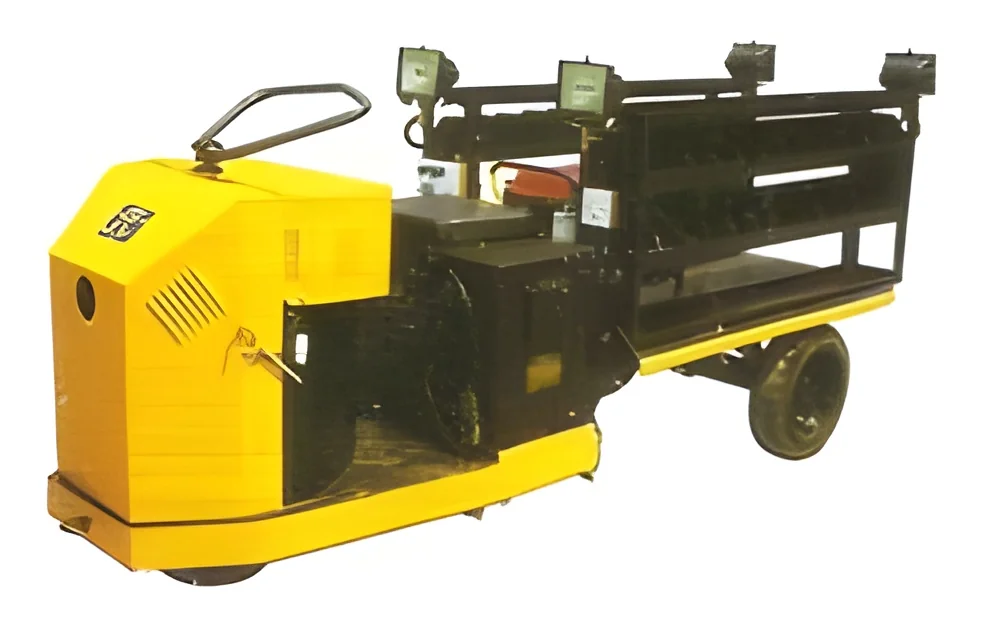
Three-wheeler importers and exporters are businesses engaged in the international trade of three-wheeled vehicles, which are commonly used for transportation and logistics. These vehicles are versatile and can be found in various configurations such as passenger carriers, cargo carriers, and rickshaws. Importers acquire these vehicles from manufacturers in different countries, while exporters distribute them to markets that require such transportation solutions.
The primary uses of three-wheelers include urban transport, last-mile delivery, and commercial applications in various sectors. They are particularly popular in densely populated areas where larger vehicles may struggle to navigate. Businesses involved in this trade cater to diverse markets, including logistics companies, government transport services, and individual consumers.
The three-wheeler market is significant in regions like Asia, Africa, and parts of Latin America, where these vehicles contribute to economic mobility. The demand for three-wheelers is driven by the need for efficient transport solutions, making this sector increasingly relevant in the global automotive landscape.
Key Features and Specifications
Three-wheelers are characterized by several key features that enhance their functionality and usability. These specifications can greatly influence the selection process for businesses looking to import or export these vehicles.
Key specifications include:
1. Engine Type
- Options typically include gasoline, diesel, or electric engines.
- Power ranges can vary from 5 to 15 horsepower.
2. Load Capacity
- Varies based on model, generally ranging from 300 kg to 1,000 kg.
- Suitable for transporting goods or passengers.
3. Fuel Efficiency
- Average fuel consumption can range from 25 to 35 km/liter.
- Important for reducing operational costs.
4. Dimensions
- Standard widths range from 1.3 to 1.5 meters.
- Lengths usually fall between 2.5 to 3.5 meters.
5. Wheelbase
- Typically ranges from 1.8 to 2.2 meters.
- Affects stability and maneuverability.
6. Safety Features
- May include roll cages, seat belts, and reflective markings.
- Compliance with local safety regulations is crucial.
7. Comfort Features
- Options may include adjustable seats, air conditioning, and sound systems.
- Enhances user experience for passengers.
8. Price Range
- Costs can vary widely based on features and specifications.
- Prices generally range from $3,000 to $10,000 per unit.
In summary, understanding these specifications can help businesses make informed decisions when sourcing three-wheelers for import or export.
Common Applications and Use Cases
Three-wheelers are utilized across various industries due to their adaptability and efficiency.
1. Logistics Industry: Three-wheelers are ideal for last-mile delivery services, providing a flexible solution for transporting goods in urban areas where larger vehicles may not fit.
2. Tourism Industry: In places with heavy tourist traffic, three-wheelers serve as convenient transport options, allowing easy movement within cities and attractions.
3. Agriculture Sector: Farmers use three-wheelers to transport produce from fields to markets, taking advantage of their load capacity and maneuverability.
4. Construction Industry: Three-wheelers are often used to transport materials to and from construction sites, particularly in congested areas.
5. Public Transport: Many urban areas employ three-wheelers as shared taxis or rickshaws, offering affordable transportation options for residents.
6. Emergency Services: In some regions, three-wheelers are adapted for medical emergencies, providing quick transport for patients in rural settings.
7. Waste Management: Municipalities sometimes use three-wheelers for waste collection and transportation, enhancing efficiency in waste management operations.
Product Variants and Subcategories
The three-wheeler market offers a variety of models to cater to different needs and applications.
Passenger Carrier Variant: This type of three-wheeler is designed to transport people, often featuring comfortable seating and additional safety measures. It is widely used in urban transport systems and by ride-hailing services.
Cargo Carrier Variant: Focused on transporting goods, these three-wheelers come with larger load capacities and may include additional features such as enclosed cargo areas to protect items during transport.
Each variant serves distinct purposes, making them valuable assets in their respective sectors.
Benefits and Advantages
Three-wheelers provide numerous benefits for businesses and consumers alike.
1. Cost-Effective: Their lower purchase and maintenance costs make them an attractive option for businesses looking to reduce transportation expenses.
2. Fuel Efficiency: With high fuel economy, three-wheelers can significantly lower operational costs, especially for businesses that rely heavily on transportation.
3. Maneuverability: Their compact size allows for easy navigation in congested urban environments, making them ideal for last-mile delivery services.
4. Versatility: Three-wheelers can be adapted for various uses, from passenger transport to cargo delivery, offering flexibility for businesses.
5. Low Environmental Impact: Electric variants contribute to reduced emissions, aligning with growing sustainability goals in urban transportation.
6. Quick Deployment: Their simple design and smaller size enable faster production and delivery times, ensuring timely availability in the market.
Buying Guide for B2B Buyers
When considering sourcing three-wheelers, businesses should keep several key factors in mind.
1. Quality Assessment: Ensure that the vehicles meet industry standards for safety and performance. Look for certifications and customer reviews to gauge reliability.
2. Supplier Verification: Conduct thorough checks on potential suppliers to confirm their credentials and production capabilities. This helps ensure the quality of the vehicles being imported or exported.
3. Pricing and MOQ: Understand the pricing structure and minimum order quantities required by suppliers. This will aid in budgeting and planning purchases.
4. Delivery and Lead Times: Inquire about the logistics involved in shipping and the expected delivery timelines. Efficient logistics can significantly impact business operations.
5. Compliance Requirements: Be aware of the regulatory requirements in your market, including emissions standards and safety certifications. Compliance is crucial for smooth operations.
Compliance and Certifications
Compliance with industry standards is vital for three-wheeler importers and exporters. Key quality standards include ISO 9001, which ensures quality management systems are in place. Additionally, CE certification is important for vehicles sold in European markets, indicating conformity with safety standards.
Safety and testing requirements must also be adhered to, ensuring that vehicles can withstand various operating conditions. Moreover, regional compliance considerations vary, so businesses must familiarize themselves with local regulations governing vehicle imports and exports.
Why Source Three-Wheeler Importers & Exporters from Pepagora?
Pepagora offers a reliable platform for sourcing three-wheeler importers and exporters, providing several key advantages.
Verified Supplier Network: Pepagora connects buyers with a verified network of suppliers, ensuring that every vendor meets necessary quality and reliability standards. This verification process protects buyers from potential risks.
Streamlined RFQ Process: The platform simplifies the request for quotation process, allowing buyers to easily compare offerings from multiple suppliers. This efficiency saves time and facilitates informed decision-making.
Trade Assurance and Support: Pepagora provides trade assurance to buyers, ensuring that transactions are secure. Their dedicated support team is available to assist with any issues that arise during the sourcing process.
Regional Coverage: With an extensive reach across regions like India, the GCC, and Southeast Asia, Pepagora ensures that buyers can find suitable suppliers that meet their specific needs, regardless of their location.

 IN
IN