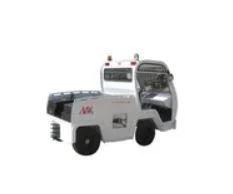
What are Three-Wheeler Loaders?
Three-wheeler loaders are compact vehicles designed for transporting goods and materials in urban and semi-urban environments. They typically feature a sturdy build with a loading capacity that makes them suitable for various industrial and commercial applications. Their three-wheeled design allows for enhanced maneuverability in tight spaces, making them an ideal choice for businesses that require efficient movement of materials in crowded areas.
These loaders are commonly used in sectors such as construction, warehousing, agriculture, and logistics. Their versatility enables them to perform a range of tasks, including loading and unloading materials, transporting goods across short distances, and navigating through narrow pathways. Due to their efficiency and compact size, three-wheeler loaders have gained significant traction in markets where space is at a premium, making them invaluable assets for many businesses.
As the demand for efficient and compact transportation solutions grows, three-wheeler loaders have become increasingly relevant in the industrial landscape. They offer a practical solution to businesses seeking to optimize their operations while maintaining cost-effectiveness in logistics and material handling.
Key Features and Specifications
Three-wheeler loaders come with a variety of features and specifications that cater to different operational needs. Understanding these specifications is crucial for businesses looking to invest in this type of equipment.
Key specifications include:
1. Engine Type
- Most three-wheeler loaders are equipped with either gasoline or diesel engines.
- Engine power typically ranges from 10 to 20 horsepower.
2. Load Capacity
- The loading capacity of these loaders usually ranges from 500 to 1,500 kilograms.
- This capacity makes them suitable for various material handling tasks.
3. Dimensions
- The overall length generally varies between 3 to 4 meters.
- Width and height can vary based on the model but typically range from 1.2 to 1.5 meters in width and 1.8 to 2.2 meters in height.
4. Transmission Type
- Most models feature a manual transmission, although some offer automatic options.
- Gear ratios are designed for optimal performance in urban settings.
5. Fuel Efficiency
- Average fuel consumption can range from 5 to 10 liters per 100 kilometers.
- Efficient fuel usage is a critical factor for reducing operational costs.
6. Turning Radius
- The turning radius is typically around 2.5 to 3.0 meters.
- This allows for easier navigation in confined areas.
7. Safety Features
- Standard features may include seat belts, roll-over protection structures, and headlights.
- These contribute to operator safety during use.
8. Warranty and Support
- Most manufacturers offer a warranty period of 1 to 2 years.
- Support services may include maintenance and spare parts availability.
In summary, three-wheeler loaders are designed with a range of features that enhance their functionality and safety, making them a reliable choice for businesses in need of efficient material handling solutions.
Common Applications and Use Cases
Three-wheeler loaders are versatile machines used across various industries, effectively addressing specific logistical challenges.
1. Construction: In the construction industry, three-wheeler loaders are employed for transporting materials such as bricks, sand, and gravel to and from job sites. Their ability to navigate rough terrain makes them essential for on-site operations.
2. Agriculture: Farmers utilize these loaders for moving feed, fertilizers, and harvested crops. The compact design allows them to operate in tight farm lanes and around equipment.
3. Warehousing: In warehouses, three-wheeler loaders facilitate the movement of goods between storage areas and shipping docks, improving efficiency in inventory management.
4. Urban Logistics: These loaders are ideal for last-mile delivery in urban settings, where larger vehicles may struggle to access narrow streets and alleys.
5. Landscaping: Landscaping companies use three-wheeler loaders to transport soil, plants, and tools to job sites, optimizing their workflow.
6. Recycling: In recycling facilities, these loaders help in the transportation of materials to processing areas, contributing to efficient waste management.
7. Retail: Retail businesses deploy three-wheeler loaders for stock replenishment and moving items within large stores or shopping complexes, enhancing operational efficiency.
Product Variants and Subcategories
Three-wheeler loaders come in different variants to cater to specific industry needs. Each variant is designed with unique features tailored to various applications.
Standard Model
This model features a basic design suitable for general material handling tasks. It typically includes a robust loading bed and a reliable engine, making it ideal for small to medium businesses.
Heavy-Duty Model
Designed for more demanding applications, the heavy-duty model boasts a higher load capacity and enhanced engine performance. It is suitable for construction and agricultural use where heavier materials need to be transported.
Electric Model
The electric variant offers environmentally friendly operation with reduced emissions. It is ideal for indoor use and urban areas where noise and pollution regulations are stricter.
Compact Model
This variant is designed for ultra-narrow spaces and is perfect for operations in densely populated areas. It offers excellent maneuverability without compromising on load capacity.
Benefits and Advantages
Investing in three-wheeler loaders comes with several advantages that can positively impact business operations.
1. Improved Efficiency: These loaders facilitate quick and easy transportation of goods, significantly improving operational efficiency in various industries.
2. Cost-Effective: Their compact size and fuel efficiency lead to lower operational costs, making them an economical choice for businesses.
3. Maneuverability: The three-wheeled design allows for better navigation in tight spaces, making it easier to operate in urban and constrained environments.
4. Versatility: With various models available, three-wheeler loaders can adapt to a wide range of applications, from construction to agriculture.
5. Ease of Maintenance: Many models are designed for easy access to components, ensuring straightforward maintenance and reduced downtime.
6. Safety Features: Built-in safety features enhance operator safety, reducing the risk of accidents during operation.
Buying Guide for B2B Buyers
When sourcing three-wheeler loaders, several factors should be considered to ensure a successful purchase.
1. Quality Assessment: Evaluate the build quality and durability of the loader. Look for models that meet industry standards and have a reputation for reliability.
2. Supplier Verification: Vet suppliers by checking their credentials, customer reviews, and industry affiliations. A reputable supplier will provide quality products and reliable service.
3. Pricing and MOQ: Consider the pricing structure and minimum order quantities. Ensure that the pricing aligns with your budget while also factoring in any additional costs.
4. Delivery and Lead Times: Inquire about delivery schedules and lead times. Timely delivery is essential for maintaining your operational flow.
5. Compliance Requirements: Ensure that the loaders meet all regulatory and safety compliance standards applicable in your region. This may include certifications like CE and adherence to local safety regulations.
Compliance and Certifications
Three-wheeler loaders must adhere to various compliance and certification standards to ensure safety and reliability in operations. One of the key standards is ISO 9001, which focuses on quality management systems. Compliance with this standard signifies a commitment to quality assurance in production processes.
Additionally, industry certifications such as CE mark indicate that the product meets European safety, health, and environmental protection standards. This certification is crucial for businesses operating in regions that require compliance with stringent regulations.
Safety and testing requirements are also paramount in the manufacturing of three-wheeler loaders. Regular safety assessments help ensure that these vehicles operate without posing risks to operators or the environment.
Regional compliance considerations may vary, so it is vital to understand the local regulations that apply to three-wheeler loaders in your market. This ensures that your investment meets all necessary legal and operational requirements.
Why Source Three-Wheeler Loaders from Pepagora?
Pepagora provides a trusted platform for sourcing three-wheeler loaders, offering several key advantages to B2B buyers.
Verified Supplier Network: Pepagora connects buyers with a network of verified suppliers, ensuring that you are sourcing from reputable manufacturers. This verification process helps mitigate risks associated with purchasing equipment.
Streamlined RFQ Process: The request for quotation (RFQ) process on Pepagora is designed for efficiency. Buyers can easily submit their requirements and receive quotes from multiple suppliers, simplifying the decision-making process.
Trade Assurance and Support: Pepagora offers trade assurance to protect buyers during transactions. This includes support in case of disputes, ensuring that your investment is safeguarded.
Regional Coverage: With a strong presence in regions such as India, the GCC, and Southeast Asia, Pepagora facilitates access to a broad market for three-wheeler loaders. This geographic reach allows businesses to find the right solutions tailored to their specific operational needs.

 IN
IN