𝗪𝗵𝗮𝘁 𝗮𝗿𝗲 𝗧𝗵𝗿𝗲𝗲-𝗪𝗵𝗲𝗲𝗹𝗲𝗿𝘀?
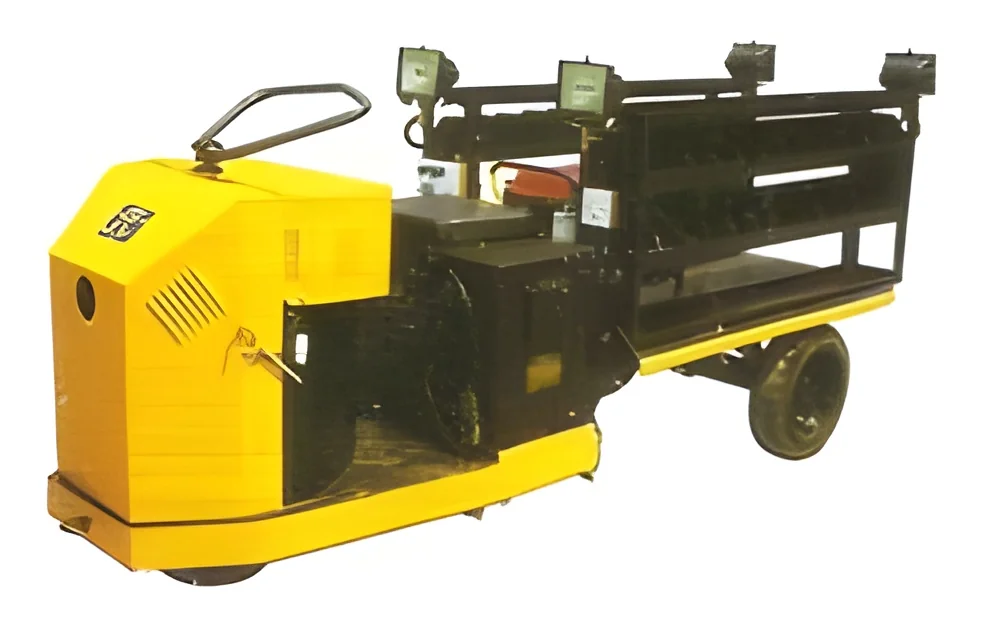
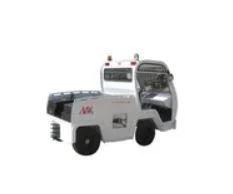
Three-wheelers are versatile vehicles designed primarily for transportation and logistics. They feature a single rear wheel and two front wheels, providing stability and maneuverability. Often powered by either gas or electric engines, three-wheelers are compact in size, making them suitable for navigating narrow streets and congested urban areas.
These vehicles have a wide range of applications in various sectors, including retail, logistics, and passenger transport. They are particularly valuable in markets where low-cost transportation solutions are essential. Businesses utilize three-wheelers for last-mile delivery, transporting goods, and even as mobile shops. Their adaptability makes them an indispensable asset in many industries, contributing to significant operational efficiencies.
The three-wheeler market is expanding globally, driven by urbanization and the growing demand for efficient transportation solutions. Several manufacturers are entering the market, introducing innovative designs and technology. This dynamic environment presents opportunities for businesses to optimize their logistics and enhance their service offerings.
𝗞𝗲𝘆 𝗙𝗲𝗮𝘁𝘂𝗿𝗲𝘀 𝗮𝗻𝗱 𝗦𝗽𝗲𝗰𝗶𝗳𝗶𝗰𝗮𝘁𝗶𝗼𝗻𝘀
Three-wheelers come equipped with a variety of features that enhance their functionality and performance. Understanding these specifications is critical for businesses looking to invest in this mode of transportation.
Key specifications include:
1. Engine Type
- Available in electric or gasoline options
- Engine capacity typically ranges from 200cc to 800cc
2. Load Capacity
- Varies based on model, usually between 300 kg to 1,000 kg
- Suitable for transporting goods or passengers
3. Fuel Efficiency
- Average mileage ranges from 25 km/l to 40 km/l
- Contributes to lower operating costs
4. Dimensions
- Length typically ranges from 2.5 meters to 3.5 meters
- Width around 1.2 meters to 1.5 meters
5. Turning Radius
- Small turning radius, generally between 3.5 meters to 4.5 meters
- Ideal for urban navigation
6. Safety Features
- Equipped with basic safety features such as seat belts and roll bars
- Optional features may include anti-lock braking systems
7. Comfort and Ergonomics
- Designed with comfortable seating arrangements
- Optional air conditioning and ventilation systems available
8. Customization Options
- Various body styles and configurations can be customized
- Options for branding and specialized equipment
In summary, three-wheelers offer a variety of features and specifications that cater to different business needs, making them an excellent choice for many applications.
𝗖𝗼𝗺𝗺𝗼𝗻 𝗔𝗽𝗽𝗹𝗶𝗰𝗮𝘁𝗶𝗼𝗻𝘀 𝗮𝗻𝗱 𝗨𝘀𝗲 𝗖𝗮𝘀𝗲𝘀
Three-wheelers are utilized across multiple industries due to their versatility and efficiency. They serve various industries:
1. Retail: Three-wheelers are often used as mobile shops, allowing retailers to reach customers in urban areas. They can be converted into food stalls, clothing shops, or service kiosks.
2. Logistics: Businesses use three-wheelers for last-mile deliveries. Their compact size enables them to navigate congested areas, making them ideal for transporting goods directly to customers.
3. Agriculture: Farmers use three-wheelers for transporting produce from fields to markets. Their load capacity allows for effective handling of agricultural goods.
4. Tourism: In tourist areas, three-wheelers are employed as local transport to provide guided tours. They offer a unique way for visitors to explore destinations.
5. Healthcare: Three-wheelers can be adapted for medical transport, providing a cost-effective solution for transporting patients to clinics and hospitals.
6. Waste Management: Municipalities utilize three-wheelers for waste collection in urban areas. Their maneuverability helps in accessing tight spaces.
7. Construction: In construction sites, three-wheelers are used for transporting materials and tools, enhancing operational efficiency.
𝗣𝗿𝗼𝗱𝘂𝗰𝘁 𝗩𝗮𝗿𝗶𝗮𝗻𝘁𝘀 𝗮𝗻𝗱 𝗦𝘂𝗯𝗰𝗮𝘁𝗲𝗴𝗼𝗿𝗶𝗲𝘀
Three-wheelers come in various configurations to meet diverse business needs.
Passenger Three-Wheelers
These variants are designed primarily for transporting individuals. They feature comfortable seating and may include amenities like air conditioning. Ideal for short-distance travel in urban settings, they are popular in ride-sharing services.
Cargo Three-Wheelers
These models focus on transporting goods, featuring larger cargo spaces and higher load capacities. They are widely used in logistics and retail, offering businesses an efficient way to move products.
Electric Three-Wheelers
With a growing focus on sustainability, electric variants are becoming increasingly popular. They provide a zero-emission option for businesses looking to reduce their carbon footprint while maintaining operational efficiency.
𝗕𝗲𝗻𝗲𝗳𝗶𝘁𝘀 𝗮𝗻𝗱 𝗔𝗱𝘃𝗮𝗻𝘁𝗮𝗴𝗲𝘀
Three-wheelers offer numerous advantages that make them appealing to businesses.
Key benefits include:
1. Cost-Effective Transportation: Lower operating costs compared to traditional vehicles, leading to improved profitability.
2. Maneuverability: Compact size allows easy navigation in congested urban environments, enhancing delivery speed.
3. Versatile Applications: Suitable for various industries, making them a flexible solution for diverse business needs.
4. Eco-Friendly Options: Electric variants contribute to sustainability efforts, appealing to environmentally conscious businesses.
5. Easy Maintenance: Generally simpler mechanical systems result in lower maintenance costs and less downtime.
6. Quick ROI: The investment in three-wheelers can yield rapid returns due to their efficiency and cost savings.
𝗕𝘂𝘆𝗶𝗻𝗴 𝗚𝘂𝗶𝗱𝗲 𝗳𝗼𝗿 𝗕𝟮𝗕 𝗕𝘂𝘆𝗲𝗿𝘀
When sourcing three-wheelers, businesses should consider several important factors to ensure they make the right choice.
1. Quality Assessment: Evaluate the build quality and reliability of the three-wheelers. Look for manufacturers that adhere to industry standards and have a good reputation.
2. Supplier Verification: Conduct thorough research on potential suppliers. Check their credentials, customer feedback, and history in the market to ensure they are trustworthy.
3. Pricing and MOQ: Understand the pricing structure and minimum order quantities. This helps in budgeting and ensures you are not over-committing resources.
4. Delivery and Lead Times: Consider logistics and how quickly suppliers can deliver the vehicles. Timely delivery is crucial for maintaining operations.
5. Compliance Requirements: Ensure the three-wheelers meet local regulatory standards and certifications. This minimizes legal risks and ensures smooth operations.
𝗖𝗼𝗺𝗽𝗹𝗶𝗮𝗻𝗰𝗲 𝗮𝗻𝗱 𝗖𝗲𝗿𝘁𝗶𝗳𝗶𝗰𝗮𝘁𝗶𝗼𝗻𝘀
Three-wheelers must adhere to various quality standards and certifications to ensure safety and performance.
Relevant quality standards include ISO 9001, which focuses on quality management systems, ensuring manufacturers maintain consistent quality in their products.
Additionally, many three-wheelers carry the CE certification, indicating compliance with European safety standards. This certification is crucial for market acceptance in Europe and other regulated markets.
Safety and testing requirements are critical in the design and manufacture of three-wheelers. Regular inspections and testing ensure that vehicles meet necessary safety standards and perform as expected.
Regional compliance considerations may vary. Businesses should remain aware of local regulations and certifications required in their area to ensure legal compliance.
𝗪𝗵𝘆 𝗦𝗼𝘂𝗿𝗰𝗲 𝗧𝗵𝗿𝗲𝗲-𝗪𝗵𝗲𝗲𝗹𝗲𝗿𝘀 𝗳𝗿𝗼𝗺 𝗣𝗲𝗽𝗮𝗴𝗼𝗿𝗮?
Pepagora provides a trusted platform for sourcing three-wheelers, offering key advantages that enhance the buying experience.
Verified Supplier Network: Pepagora connects buyers with a network of verified suppliers, ensuring that businesses are dealing with reputable manufacturers. This reduces the risk associated with sourcing.
Streamlined RFQ Process: The request for quotation process on Pepagora is user-friendly and efficient. Buyers can easily compare offers from multiple suppliers, saving time and ensuring competitive pricing.
Trade Assurance and Support: Pepagora offers trade assurance, providing buyers with protection throughout the purchasing process. This support fosters confidence in transactions.
Regional Coverage: With a wide reach across India, the GCC, and Southeast Asia, Pepagora facilitates sourcing for businesses in various regions. This geographic coverage ensures accessibility to quality products and suppliers, enhancing operational efficiency.

 IN
IN