What are Textile Production ERP Systems?
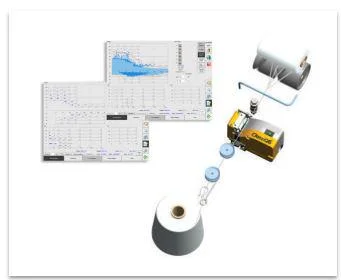
Textile Production ERP Systems are integrated software solutions designed to manage and streamline the various processes involved in textile manufacturing. These systems offer a centralized platform that connects all departments, including production, inventory management, order processing, and financial reporting. By automating routine tasks and providing real-time data, textile ERP systems enhance operational efficiency and facilitate better decision-making across the organization.
The primary uses of Textile Production ERP Systems include managing supply chains, optimizing production schedules, tracking inventory levels, and ensuring compliance with industry regulations. Businesses leverage these systems to improve their responsiveness to market demands, reduce lead times, and enhance overall productivity. They are particularly beneficial for manufacturers who need to manage complex workflows and a wide range of products in a competitive environment.
In the context of the textile industry, these ERP systems play a crucial role in meeting the challenges posed by global competition and evolving consumer preferences. As the market continues to expand, companies are increasingly adopting ERP solutions to gain a competitive edge and drive growth. Implementing a robust ERP system can lead to improved quality control, better resource allocation, and enhanced customer satisfaction.
Key Features and Specifications
Textile Production ERP Systems are equipped with features that address the unique demands of the textile industry. These systems are highly customizable and can be tailored to meet the specific needs of different manufacturers.
Key specifications include:
1. Inventory Management
- Real-time tracking of raw materials and finished goods
- Integration with sales orders and production schedules
2. Production Planning
- Tools for scheduling production runs and allocating resources
- Forecasting capabilities to optimize output and minimize downtime
3. Quality Control
- Automated quality checks throughout the production process
- Reporting features for tracking defects and improving standards
4. Financial Management
- Comprehensive accounting modules for budgeting and reporting
- Integration with procurement and sales for accurate financial insights
5. Supply Chain Management
- Tools for managing supplier relationships and procurement processes
- Visibility into supply chain bottlenecks and opportunities for improvement
6. Reporting and Analytics
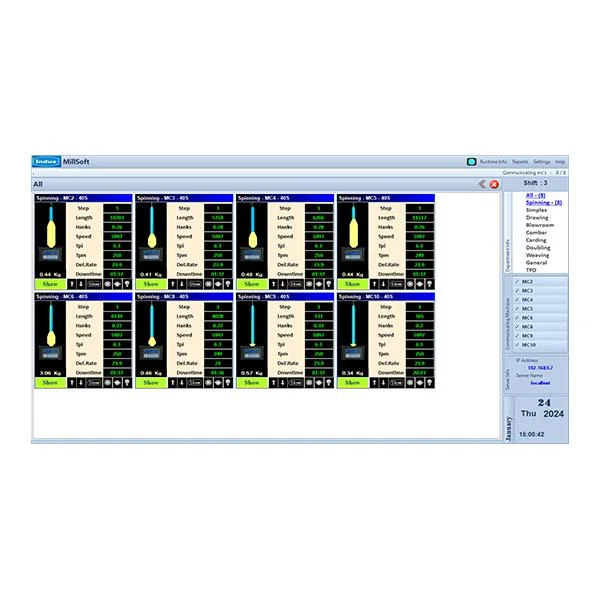
- Dashboards for real-time performance monitoring
- Customizable reports for data analysis and strategic planning
7. Compliance Management
- Features to ensure adherence to industry standards and regulations
- Documentation support for audits and certifications
8. User-friendly Interface
- Intuitive design for ease of use across different departments
- Training and support resources for seamless implementation
These features enable textile manufacturers to streamline operations, improve efficiency, and maintain competitiveness in a dynamic market.
Common Applications and Use Cases
Textile Production ERP Systems find applications across various sectors within the textile industry.
1. Apparel Manufacturing: These systems help apparel manufacturers manage complex production processes, track inventory of fabrics, and optimize order fulfillment to meet seasonal demands.
2. Home Textiles: Manufacturers of home textiles utilize ERP systems to manage product variations, ensure timely delivery, and maintain quality standards for items such as curtains, upholstery, and bedding.
3. Technical Textiles: Companies producing technical textiles benefit from ERP solutions that facilitate compliance with strict industry standards and enhance traceability of materials used in specialized applications.
4. Textile Trading: ERP systems assist textile traders in managing procurement, sales, and inventory, ensuring they can respond quickly to market changes and customer demands.
5. Dyeing and Finishing: Dyeing and finishing businesses leverage ERP systems to optimize chemical usage, monitor dye lots, and maintain quality control throughout the processing stages.
6. Fabric Manufacturing: Fabric manufacturers utilize ERP systems to manage production schedules, inventory levels, and quality checks, ensuring they meet customer specifications and delivery timelines.
7. Sustainable Textiles: Companies focused on sustainability can track material usage and waste through ERP systems, helping them improve their environmental impact.
Product Variants and Subcategories
Textile Production ERP Systems come in various configurations to meet the diverse needs of the industry.
Standard ERP Solutions: These solutions provide core functionalities essential for managing textile production, supply chain, and financial processes. They are suitable for small to medium-sized enterprises looking for comprehensive management tools.
Cloud-based ERP Solutions: These systems offer the advantage of remote access and scalability. Businesses can benefit from reduced IT costs and increased flexibility, making them ideal for manufacturers with multiple locations.
Custom ERP Solutions: Tailored specifically to meet unique business requirements, these systems offer advanced features and integrations that address specialized processes within the textile industry.
Industry-specific ERP Solutions: Designed for particular segments of the textile market, these solutions provide industry-relevant tools that enhance efficiency and compliance.
Benefits and Advantages
Textile Production ERP Systems provide numerous benefits to manufacturers seeking to enhance their operations.
Key benefits include:
1. Improved Efficiency: Automating routine processes reduces manual work, allowing staff to focus on higher-value tasks and improving overall productivity.
2. Enhanced Visibility: Real-time data access enables stakeholders to monitor operations, make informed decisions, and respond swiftly to changes in demand.
3. Better Resource Management: ERP systems help optimize resource allocation, ensuring that materials and labor are used effectively to minimize waste and downtime.
4. Increased Customer Satisfaction: By streamlining order processing and improving delivery times, businesses can better meet customer expectations and build loyalty.
5. Cost Reduction: ERP systems facilitate better inventory management and production planning, leading to reduced operational costs and improved profitability.
6. Compliance Assurance: Integrated compliance features help organizations adhere to industry standards and regulations, minimizing risks associated with non-compliance.
Buying Guide for B2B Buyers
When sourcing Textile Production ERP Systems, it is essential for B2B buyers to consider several key factors.
1. Quality Assessment: Evaluate the quality of the ERP software by reviewing user feedback, case studies, and performance metrics. Ensure it meets the specific needs of your textile operations.
2. Supplier Verification: Conduct thorough research on potential suppliers to verify their credentials, experience, and customer support capabilities. Look for reviews and testimonials from other textile manufacturers.
3. Pricing and MOQ: Compare pricing structures among different suppliers while considering the minimum order quantity. A clear understanding of costs will help you make an informed purchasing decision.
4. Delivery and Lead Times: Discuss delivery timelines with potential suppliers to ensure they can meet your production schedules. Understanding lead times is critical for planning.
5. Compliance Requirements: Ensure that the ERP system meets all necessary industry regulations and standards relevant to your operations. This will help mitigate risks associated with compliance issues.
Compliance and Certifications
Textile Production ERP Systems must adhere to various quality and compliance standards that ensure product integrity and operational excellence.
Relevant quality standards include ISO 9001, which sets criteria for quality management systems, ensuring that organizations consistently meet customer and regulatory requirements. Compliance with HACCP principles is essential for businesses involved in food-grade textiles, focusing on risk management in production processes.
Industry certifications such as CE indicate compliance with European safety standards, reassuring customers of the product's quality and safety. Companies should also consider regional compliance requirements, as regulations may vary by country and region. Understanding local laws and industry standards is crucial for successful market entry and operational credibility.
Why Source Textile Production ERP Systems from Pepagora?
Pepagora offers a trusted platform for sourcing Textile Production ERP Systems, providing several key advantages that enhance the buying experience.
Verified Supplier Network: Pepagora ensures that all suppliers in its network are thoroughly vetted, providing buyers with confidence in the quality and reliability of their chosen partners. This verification process includes assessing supplier credentials and customer feedback.
Streamlined RFQ Process: The platform simplifies the request for quotation (RFQ) process, allowing buyers to easily compare offerings from multiple suppliers. This efficiency helps businesses make informed decisions quickly.
Trade Assurance and Support: Pepagora offers trade assurance to protect buyers from potential issues, ensuring they receive the products as promised. Additionally, dedicated support is available to assist throughout the purchasing journey.
Regional Coverage: With a strong presence in India, the GCC, and Southeast Asia, Pepagora provides buyers access to a wide range of suppliers and solutions tailored to their regional needs. This geographic reach ensures businesses can find the right ERP systems to meet their specific challenges.

 IN
IN