𝗪𝗵𝗮𝘁 𝗮𝗿𝗲 𝗔𝗽𝗽𝗮𝗿𝗲𝗹 𝗘𝗥𝗣 / 𝗜𝗻𝘃𝗲𝗻𝘁𝗼𝗿𝘆 𝗦𝗼𝗳𝘁𝘄𝗮𝗿𝗲?
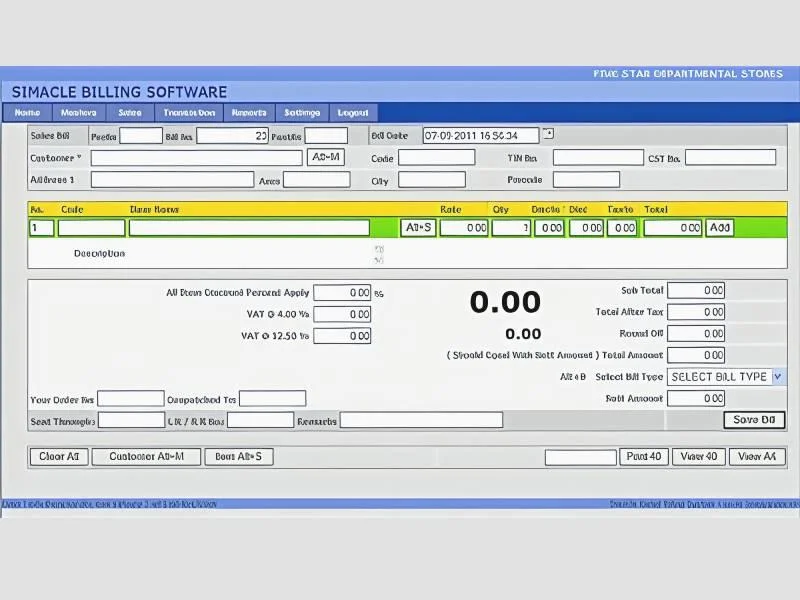
Apparel ERP (Enterprise Resource Planning) and inventory software are integrated solutions designed to streamline processes in the apparel industry. These systems manage various business functions, including inventory management, order processing, supply chain logistics, and financial reporting. By consolidating data and automating processes, apparel ERP software helps businesses operate more efficiently, reduce costs, and improve overall productivity.
The primary uses of apparel ERP software include managing stock levels, tracking sales, and forecasting demand. Businesses can monitor inventory in real-time, ensuring they have the right products available when needed. This software is particularly beneficial for manufacturers, wholesalers, and retailers in the apparel sector, as it supports end-to-end visibility in operations. By integrating with various sales channels, it allows companies to adapt quickly to market changes and customer demands.
In a competitive market where speed and accuracy are paramount, apparel ERP systems are increasingly relevant. They provide businesses with the tools necessary to manage complex supply chains, optimize inventory levels, and enhance customer satisfaction. The adoption of such technology is becoming a standard in the industry, as companies seek to leverage data-driven insights for strategic decision-making.
𝗞𝗲𝘆 𝗙𝗲𝗮𝘁𝘂𝗿𝗲𝘀 𝗮𝗻𝗱 𝗦𝗽𝗲𝗰𝗶𝗳𝗶𝗰𝗮𝘁𝗶𝗼𝗻𝘀
Apparel ERP and inventory software come equipped with a range of features designed to enhance operational efficiency and data management. These features are critical for businesses looking to improve their supply chain and inventory management processes.
Key specifications include:
1. Inventory Management
- Tracks stock levels and product movements in real-time
- Supports multi-location inventory management
2. Order Management
- Facilitates order processing from multiple sales channels
- Automates order fulfillment and shipping notifications
3. Reporting and Analytics
- Provides customizable reports for sales, inventory, and financial data
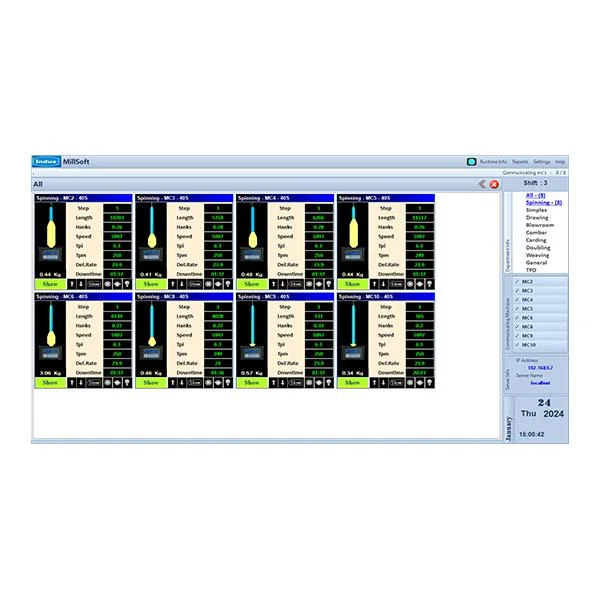
- Offers data visualization tools for better insights
4. Integration Capabilities
- Seamlessly connects with e-commerce platforms and accounting software
- Supports API integrations for enhanced functionality
5. User-Friendly Interface
- Intuitive design for ease of use across departments
- Mobile access for on-the-go management
6. Supplier Management
- Manages vendor relationships and purchase orders
- Tracks supplier performance and compliance
7. Compliance Management
- Ensures adherence to industry regulations and standards
- Supports documentation and reporting for audits
In summary, the features and specifications of apparel ERP and inventory software are tailored to meet the unique needs of the apparel industry, enabling companies to optimize operations and enhance decision-making.
𝗖𝗼𝗺𝗺𝗼𝗻 𝗔𝗽𝗽𝗹𝗶𝗰𝗮𝘁𝗶𝗼𝗻𝘀 𝗮𝗻𝗱 𝗨𝘀𝗲 𝗖𝗮𝘀𝗲𝘀
Apparel ERP and inventory software serve a variety of industries, each benefiting from the system's capabilities.
1. Fashion Retail: These systems help retailers manage inventory levels across multiple stores and online platforms, ensuring consistent availability of popular items.
2. Clothing Manufacturers: Manufacturers use ERP software to streamline production processes, manage raw materials, and monitor production schedules.
3. Wholesalers: Wholesalers benefit from improved order processing and inventory tracking, allowing for better management of large quantities of goods.
4. E-commerce: Online apparel businesses leverage these systems to integrate sales channels, manage returns, and optimize shipping logistics.
5. Textile Suppliers: Suppliers of fabrics and materials can manage their inventory and supplier relationships more effectively, ensuring timely deliveries.
6. Sportswear Brands: These brands utilize ERP solutions to manage seasonal collections and track sales trends, enabling better forecasting.
7. Custom Apparel Shops: Custom shops use ERP software to manage unique orders and customer preferences, enhancing the personalization of services.
𝗣𝗿𝗼𝗱𝘂𝗰𝘁 𝗩𝗮𝗿𝗶𝗮𝗻𝘁𝘀 𝗮𝗻𝗱 𝗦𝘂𝗯𝗰𝗮𝘁𝗲𝗴𝗼𝗿𝗶𝗲𝘀
Apparel ERP and inventory software come in various forms, tailored to meet specific business needs and industry requirements.
Standard Edition: This variant includes essential features for small to medium-sized businesses, focusing on core functionalities like inventory management and order processing.
Enterprise Edition: Designed for larger organizations, this version offers advanced features such as comprehensive reporting, multi-warehouse management, and enhanced integration capabilities.
Cloud-Based Solutions: Cloud versions provide flexibility and scalability, allowing businesses to access their systems from anywhere, with automatic updates and lower IT maintenance costs.
On-Premise Solutions: This traditional deployment offers enhanced control and customization options, suitable for companies with specific regulatory or security needs.
𝗕𝗲𝗻𝗲𝗳𝗶𝘁𝘀 𝗮𝗻𝗱 𝗔𝗱𝘃𝗮𝗻𝘁𝗮𝗴𝗲𝘀
Implementing apparel ERP and inventory software offers numerous benefits that can significantly impact business operations.
Key benefits include:
1. Improved Efficiency: Automating inventory and order management processes reduces manual errors and saves time.
2. Enhanced Visibility: Real-time tracking of inventory and sales provides businesses with critical insights for better decision-making.
3. Cost Savings: By optimizing inventory levels and reducing excess stock, companies can lower holding costs and improve cash flow.
4. Better Customer Satisfaction: Accurate inventory management ensures that customers receive their orders on time, enhancing their overall experience.
5. Streamlined Operations: Integrating various functions into one system simplifies workflows and reduces the complexity of managing multiple software tools.
6. Data-Driven Insights: Advanced analytics help businesses identify trends, forecast demand, and make informed strategic decisions.
𝗕𝘂𝘆𝗶𝗻𝗴 𝗚𝘂𝗶𝗱𝗲 𝗳𝗼𝗿 𝗕𝟮𝗕 𝗕𝘂𝘆𝗲𝗿𝘀
When sourcing Apparel ERP and inventory software, it is important to consider several key factors that can influence your purchasing decision.
1. Quality Assessment: Evaluate the software's features and performance against industry standards. Look for customer reviews and case studies to gauge effectiveness.
2. Supplier Verification: Ensure that the supplier has a proven track record and offers reliable support. Ask for references and verify their experience in the apparel sector.
3. Pricing and MOQ: Understand the pricing structure, including any recurring fees. Consider minimum order quantities to ensure they align with your budget and needs.
4. Delivery and Lead Times: Inquire about the expected delivery timelines for implementation and support. A clear timeline helps in planning your operations.
5. Compliance Requirements: Ensure that the software meets all relevant regulatory standards specific to your industry, which may include data protection and reporting requirements.
𝗖𝗼𝗺𝗽𝗹𝗶𝗮𝗻𝗰𝗲 𝗮𝗻𝗱 𝗖𝗲𝗿𝘁𝗶𝗳𝗶𝗰𝗮𝘁𝗶𝗼𝗻𝘀
Compliance and certifications are critical aspects of Apparel ERP and inventory software, ensuring that products meet industry standards and regulations.
Relevant quality standards such as ISO 9001 focus on quality management systems, ensuring that companies consistently provide products that meet customer and regulatory requirements.
Industry certifications like CE indicate that the software meets essential health, safety, and environmental protection standards within the European market.
Companies must also adhere to safety and testing requirements, which can include data protection measures and compliance with local laws governing software use.
Regional compliance considerations may vary, so businesses should ensure that their chosen software aligns with regulations in their operational areas.
𝗪𝗵𝘆 𝗦𝗼𝘂𝗿𝗰𝗲 𝗔𝗽𝗽𝗮𝗿𝗲𝗹 𝗘𝗥𝗣 / 𝗜𝗻𝘃𝗲𝗻𝘁𝗼𝗿𝘆 𝗦𝗼𝗳𝘁𝘄𝗮𝗿𝗲 𝗳𝗿𝗼𝗺 𝗣𝗲𝗽𝗮𝗴𝗼𝗿𝗮?
Pepagora provides a trusted platform for sourcing Apparel ERP and inventory software, offering several key advantages to B2B buyers.
Verified Supplier Network: Pepagora connects buyers with a network of verified suppliers, ensuring that you work with reputable companies known for their quality products and services.
Streamlined RFQ Process: The platform simplifies the request for quotation process, allowing buyers to quickly gather and compare offers from multiple suppliers, saving time and effort.
Trade Assurance and Support: Pepagora offers trade assurance, protecting buyers' interests throughout the purchasing process. Their dedicated support team is available to assist with any inquiries or issues.
Regional Coverage: Pepagora has a strong presence in markets such as India, the GCC, and Southeast Asia, providing access to a wide range of suppliers and products tailored to various regional needs.
By choosing Pepagora, businesses can confidently navigate the complexities of sourcing Apparel ERP and inventory software, ensuring they find the right solutions for their operational needs.

 IN
IN