
 IN
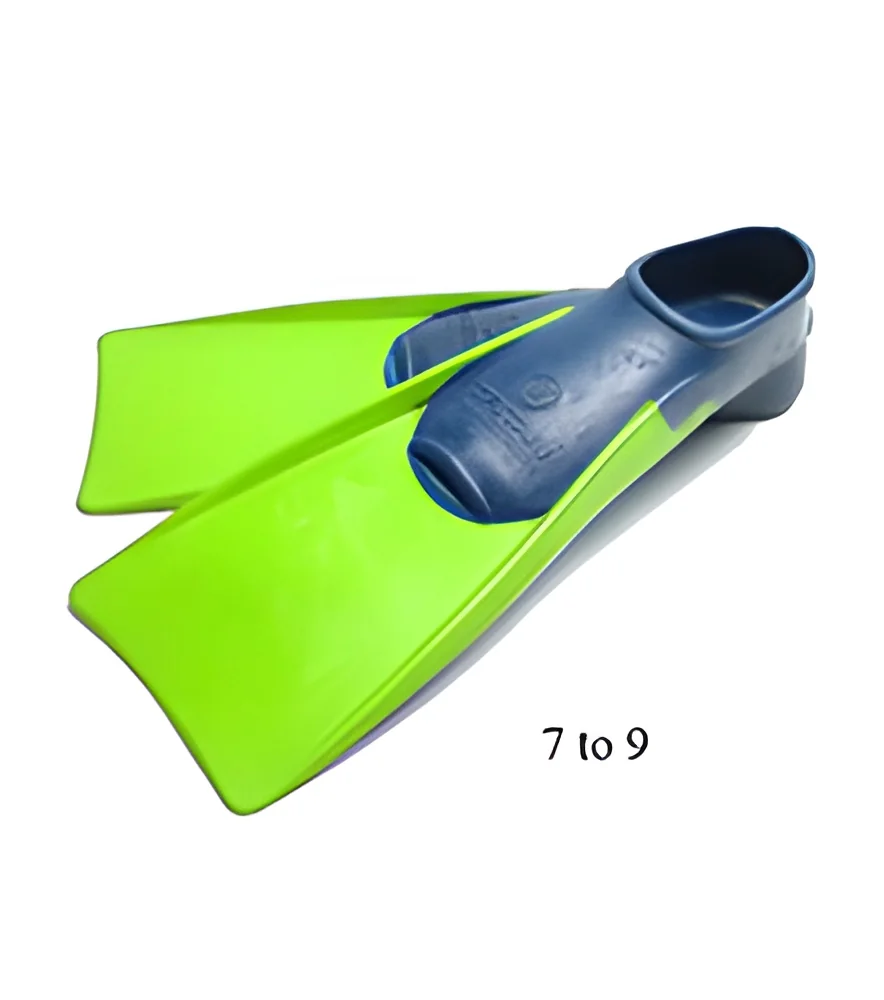
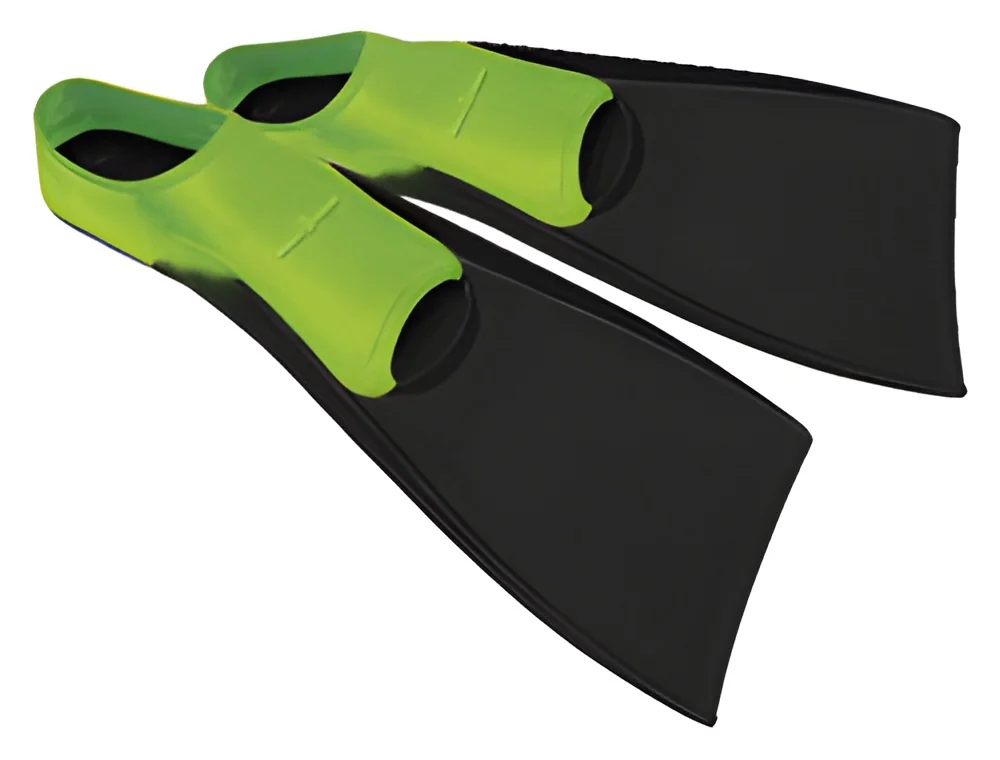
Swim Fins
2 products available
What are Swim Fins?
Swim fins, also known as swim flippers, are a type of footwear designed for aquatic activities. They are typically made from flexible materials such as rubber or silicone and are worn on the feet to enhance propulsion while swimming. Swim fins come in various sizes and shapes, allowing swimmers to choose a design that meets their specific needs.
The primary use of swim fins is to improve swimming performance by increasing speed and reducing drag in the water. They are widely used in competitive swimming, training, and recreational swimming. Swim fins are also utilized in water sports such as snorkeling and scuba diving, providing swimmers with better maneuverability and efficiency in the water. The market for swim fins has grown steadily as more individuals and institutions recognize the benefits of using this equipment.
In the context of the industrial sector, swim fins hold relevance for various businesses, including sporting goods manufacturers, aquatic training facilities, and water sports retailers. As the demand for fitness and recreational swimming activities continues to rise, swim fins play an essential role in meeting the needs of both individual consumers and commercial enterprises.
Key Features and Specifications
Swim fins are designed with several key features that enhance their performance and usability. Understanding these specifications can help businesses make informed decisions when sourcing swim fins for their operations.
Key specifications include:
1. Material
- Swim fins are typically made from rubber, silicone, or thermoplastic elastomer.
- These materials provide flexibility and durability.
2. Blade Length
- Blade length varies between fins, affecting propulsion and ease of use.
- Standard lengths range from 12 to 15 inches, depending on the intended use.
3. Foot Pocket Design
- Swim fins feature various foot pocket designs for comfort and fit.
- Options include open heel, closed toe, and adjustable straps.
4. Stiffness
- The stiffness of the fin blade affects the power transfer from the leg to the water.
- Fins may be categorized as soft, medium, or stiff based on their flexibility.
5. Size Range
- Swim fins are available in multiple sizes to accommodate different foot sizes.
- Common size ranges include small, medium, large, and extra-large.
6. Color Options
- Swim fins come in a variety of colors and designs, catering to personal preferences.
- Custom colors may be available for bulk orders.
7. Weight
- The weight of swim fins can impact their ease of use and transportation.
- Typical weights range from 1 to 3 pounds per pair.
8. Safety Features
- Some swim fins include safety features like anti-slip soles for better grip.
- Enhanced visibility options may be offered for safety in open water.
In summary, swim fins are versatile tools that provide essential benefits to swimmers of all levels. Understanding their features and specifications aids in selecting the right fins for specific applications.
Common Applications and Use Cases
Swim fins serve various industries, each benefiting from their unique properties and functionalities.
1. Competitive Swimming: Swim fins are commonly used in training to enhance leg strength and improve overall swimming technique. They help swimmers develop stronger kicks and better body positioning.
2. Aquatic Training Facilities: Swim fins are utilized in swim schools and training centers to assist learners in mastering swimming skills. They provide support to beginners while enhancing propulsion for more advanced swimmers.
3. Water Sports Retailers: Retailers selling snorkeling and scuba diving equipment stock swim fins as essential accessories. They help divers navigate underwater environments more efficiently.
4. Lifeguard Training Programs: Swim fins are used in lifeguard training to improve speed and agility in water rescues. They enable trainees to practice rescue techniques effectively.
5. Recreational Swimming: Many recreational swimmers use swim fins for fun and fitness. They help users maintain stamina and explore water activities with ease.
6. Fitness Clubs: Swim fins are often included in fitness programs focused on aquatic exercises. They enhance workouts by providing resistance and improving cardiovascular performance.
7. Research and Education: Swim fins may be used in marine biology studies and educational programs to familiarize students with aquatic environments and swimming techniques.
Product Variants and Subcategories
Swim fins come in various designs and styles to cater to different applications and user preferences. The diversity in swim fins allows for enhanced performance based on specific activities.
Training Fins: These fins are designed for swimmers looking to improve their technique and overall strength. They are usually shorter and stiffer, providing more resistance in the water.
Freediving Fins: These fins are long and flexible, ideal for freediving and snorkeling. They facilitate efficient movement through water, allowing divers to conserve energy.
Scuba Fins: Scuba fins are generally robust and designed for use with scuba gear. They provide a balance of power and comfort, allowing divers to navigate underwater with ease.
Open Heel Fins: These fins feature an open heel design with adjustable straps. They are suitable for various foot sizes and provide a secure fit, making them popular among divers.
Closed Toe Fins: Closed toe fins offer a snug fit and are often used for training and recreational activities. They are available in various sizes to accommodate different users.
Benefits and Advantages
Using swim fins offers numerous advantages that enhance the swimming experience.
Key benefits include:
1. Increased Speed: Swim fins improve propulsion, allowing users to swim faster with less effort.
2. Enhanced Technique: They help swimmers refine their kicking technique, leading to better overall performance.
3. Improved Stamina: The resistance provided by swim fins helps build leg strength and endurance over time.
4. Versatile Use: Swim fins can be used for various activities, including training, leisure swimming, and water sports.
5. Greater Control: Fins provide better maneuverability in the water, helping swimmers navigate more effectively.
6. Safety Features: Many swim fins are designed with safety in mind, offering anti-slip soles and enhanced visibility for open water use.
Buying Guide for B2B Buyers
When sourcing swim fins for your business, several important factors should be considered to ensure you make informed purchasing decisions.
1. Quality Assessment: Evaluate the materials and design of the fins to ensure they meet industry standards. Look for products that are durable and provide a good fit for users.
2. Supplier Verification: Vet potential suppliers to confirm their reliability and quality of products. Check for customer reviews, certifications, and industry experience.
3. Pricing and MOQ: Understand the pricing structure and minimum order quantities (MOQ) required by suppliers. Compare prices across different vendors to find the best value.
4. Delivery and Lead Times: Consider logistics and shipping times when planning your purchases. Ensure that suppliers can meet your deadlines for delivery.
5. Compliance Requirements: Be aware of any regulatory compliance requirements that swim fins must meet in your region. Look for certifications such as CE to ensure product safety and quality.
Compliance and Certifications
Swim fins must adhere to various quality standards and certifications to ensure safety and performance. Key standards include ISO 9001, which focuses on quality management systems, ensuring that manufacturers maintain high production standards.
Additionally, certifications like CE indicate compliance with European safety regulations, affirming that products meet necessary performance and safety requirements.
Safety testing is crucial, especially for products used in aquatic environments. Swim fins should undergo rigorous testing to ensure they perform effectively without compromising user safety.
Regional compliance considerations may vary, so businesses should be aware of local regulations that may affect the import or sale of swim fins. Ensuring compliance with these standards is essential for maintaining product integrity and customer trust.
Why Source Swim Fins from Pepagora?
Pepagora provides a trusted platform for sourcing swim fins, offering several key advantages for B2B buyers.
Verified Supplier Network: Pepagora connects buyers with verified suppliers who have undergone stringent vetting processes. This ensures that buyers receive high-quality products from reliable sources.
Streamlined RFQ Process: The platform features a user-friendly request for quotation (RFQ) system, simplifying the process of obtaining pricing and product details. Buyers can easily compare options and make informed decisions.
Trade Assurance and Support: Pepagora offers trade assurance, providing buyers with protection throughout the transaction process. This support ensures that businesses can source swim fins with confidence.
Regional Coverage: Pepagora's geographic reach extends to India, the GCC, and Southeast Asia, making it an ideal platform for businesses seeking swim fins in these regions. The extensive network allows buyers to tap into local markets effectively.



Frequently Asked Questions
What are Swim Fins?
Swim fins are specialized footwear designed to enhance swimming performance by providing increased propulsion and stability in the water. Typically made from flexible materials, they are worn on the feet and help swimmers to move more efficiently during practice or competition.
What are the different types of Swim Fins?
There are several types of swim fins, including training fins, competition fins, and snorkeling fins. Training fins are usually shorter and provide a moderate level of propulsion, while competition fins are longer and designed for speed. Snorkeling fins are typically wider and longer to aid in surface swimming.
How do I choose the right Swim Fins?
Choosing the right swim fins depends on your swimming style, skill level, and the type of training you plan to do. Consider factors such as the fin's length, stiffness, and material, as these aspects influence propulsion and comfort. It’s also advisable to try on different fins to ensure a proper fit.
What are the standard specifications for Swim Fins?
Standard specifications for swim fins include size, material composition, and design features such as blade length and foot pocket style. Most fins are made from rubber or silicone, providing flexibility and comfort. It's important to select fins that match your foot size for optimal performance.
What is the price range for Swim Fins?
The price range for swim fins varies widely based on brand, type, and specifications, typically falling between INR 500 to INR 5,000. Basic training fins are generally more affordable, while specialized competition fins may be on the higher end due to advanced materials and design.
What quality standards apply to Swim Fins?
Swim fins must comply with specific quality standards to ensure safety and performance. Look for fins that meet industry standards for materials and durability, and that have been tested for performance in competitive swimming environments. Certifications from recognized sporting bodies can also indicate quality.
Where can I find Swim Fins suppliers in India?
You can find swim fins suppliers in India through various online B2B marketplaces, such as Pepagora.com. These platforms connect buyers with manufacturers and wholesalers, allowing you to compare options and find the best suppliers for swim fins.
Can Swim Fins be customized?
Yes, swim fins can often be customized based on color, size, or branding options. Many manufacturers offer customization services to meet the specific needs of competitive teams or individual preferences, ensuring a unique and personalized product.
What is the typical minimum order quantity for Swim Fins?
The typical minimum order quantity (MOQ) for swim fins can vary by supplier but generally ranges from 10 to 100 pairs. It's advisable to check with individual suppliers for their specific MOQ policies, as bulk orders may offer better pricing.
What is the typical lead time for Swim Fins?
The typical lead time for swim fins can range from 2 to 6 weeks, depending on factors such as the supplier's production capacity and whether the fins are customized. It's best to confirm the lead time with the supplier when placing an order to ensure timely delivery.
Why Businesses Trust Pepagora
Thousands of companies trust Pepagora to source smarter and sell faster
Expand Your Sales Globally

Source Smarter,Grow Faster
