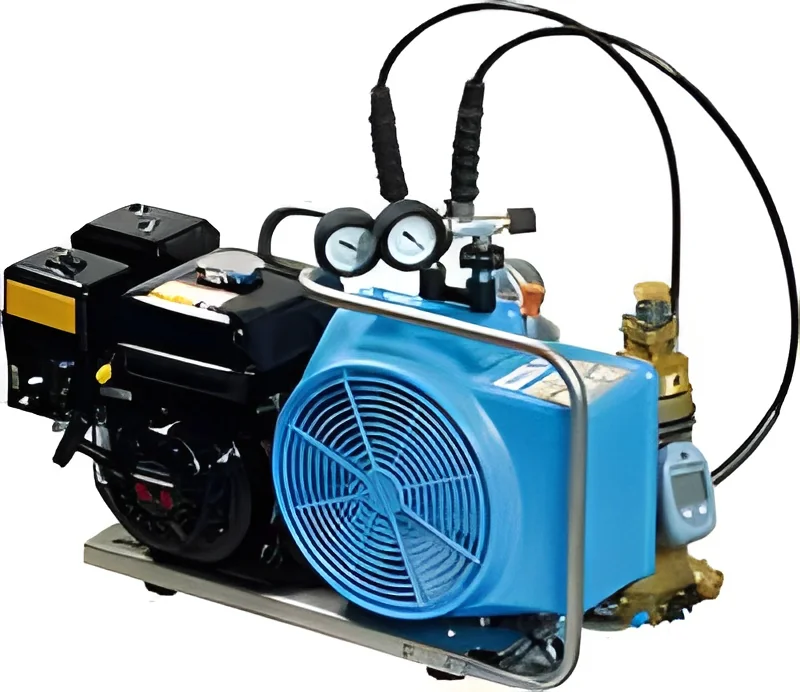
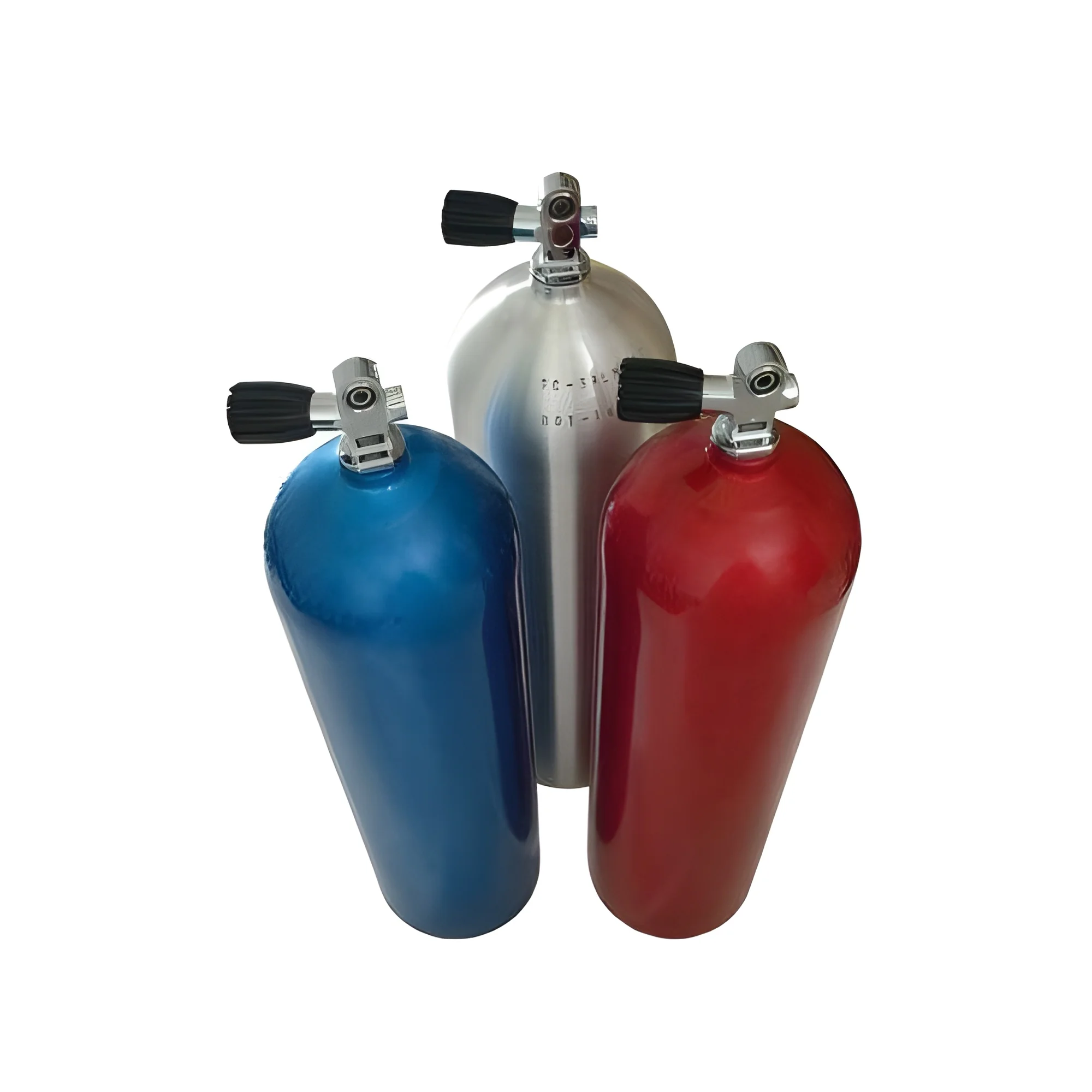
What are Scuba Diving Gear (Tanks, Regulators)?
Scuba diving gear includes essential equipment such as tanks and regulators that allow divers to explore underwater environments. Tanks are high-pressure containers that store compressed air, providing the necessary oxygen supply for breathing underwater. Regulators are devices that reduce the high pressure from the tank to a breathable level and deliver air to the diver as needed. Together, these components are critical for safe and effective diving experiences.
The primary uses of scuba diving gear extend across various sectors, including recreational diving, commercial diving, scientific research, and underwater exploration. Businesses in tourism, marine biology, and even underwater construction rely on high-quality scuba gear to ensure the safety and efficiency of their operations. As the demand for diving activities continues to grow, the market for scuba diving gear remains relevant and competitive.
In the context of the diving industry, scuba gear must meet rigorous safety and performance standards. With the increasing popularity of underwater activities, manufacturers focus on innovation and quality assurance. The market is characterized by a variety of suppliers, each offering unique products tailored to specific diving needs.
๐๐ฒ๐ ๐๐ฒ๐ฎ๐๐๐ฟ๐ฒ๐ ๐ฎ๐ป๐ฑ ๐ฆ๐ฝ๐ฒ๐ฐ๐ถ๐ณ๐ถ๐ฐ๐ฎ๐๐ถ๐ผ๐ป๐
Scuba diving gear is designed with specific features that ensure safety and performance. Understanding these specifications is crucial for selecting the right equipment.
Key specifications include:
1. Tank Capacity
- Typically ranges from 10 to 120 cubic feet
- Larger capacities support longer dive times
2. Material
- Commonly made from aluminum or steel
- Durability and weight vary by material choice
3. Pressure Rating
- Standard pressure ratings are 3000 to 4500 PSI
- Higher ratings allow for greater air storage
4. Regulator Design
- Includes balanced and unbalanced options
- Balanced regulators provide consistent airflow at varying depths
5. First Stage Connection
- Standardized connections for compatibility with tanks
- Common types include DIN and yoke fittings
6. Second Stage Features
- Incorporates adjustable airflow control and purge mechanisms
- Some models offer comfort features like ergonomic mouthpieces
7. Weight
- Varies by tank size and material
- Lighter options available for travel divers
8. Maintenance Requirements
- Regular servicing is essential for safety
- Recommended intervals for maintenance range from annually to biannually
These features collectively enhance the diver's experience and safety while underwater.
๐๐ผ๐บ๐บ๐ผ๐ป ๐๐ฝ๐ฝ๐น๐ถ๐ฐ๐ฎ๐๐ถ๐ผ๐ป๐ ๐ฎ๐ป๐ฑ ๐จ๐๐ฒ ๐๐ฎ๐๐ฒ๐
Scuba diving gear serves various industries that require underwater operations.
1. Recreational Diving: This sector includes dive shops and tourism companies offering guided diving experiences. Proper gear is essential for ensuring safety and comfort for divers.
2. Commercial Diving: Industries such as oil and gas, construction, and underwater welding utilize scuba gear for professional operations. Reliable equipment is critical for worker safety and efficiency.
3. Scientific Research: Marine biologists and researchers depend on scuba gear to conduct underwater studies. The equipment must support prolonged dives for data collection.
4. Search and Rescue: Emergency services use scuba diving gear for underwater rescue missions. Equipment reliability is vital for life-saving operations.
5. Environmental Monitoring: Organizations focused on marine conservation use scuba gear for monitoring ecosystems and assessing coral reefs.
6. Underwater Photography: Photographers and videographers use specialized scuba gear to capture images and footage underwater. High-quality equipment enhances their ability to work effectively in challenging conditions.
7. Training and Education: Dive schools require scuba gear for teaching purposes. The gear must be durable and user-friendly for students.
๐ฃ๐ฟ๐ผ๐ฑ๐๐ฐ๐ ๐ฉ๐ฎ๐ฟ๐ถ๐ฎ๐ป๐๐ ๐ฎ๐ป๐ฑ ๐ฆ๐๐ฏ๐ฐ๐ฎ๐๐ฒ๐ด๐ผ๐ฟ๐ถ๐ฒ๐
The diversity of scuba diving gear allows for tailored solutions to meet specific needs.
Recreational Scuba Tanks: These tanks are designed for casual divers and feature lighter materials for easy handling. They typically come in smaller sizes to accommodate shorter dives.
Technical Diving Tanks: Built for advanced divers, these tanks support mixed gas diving and are constructed from robust materials. They often have larger capacities for extended dive times.
Single and Double Regulators: Single regulators are common for recreational diving, while double regulators are used in technical diving for redundancy and safety.
Integrated Weights: Some diving gear incorporates integrated weights, allowing for better buoyancy control. This variant simplifies the diving experience by reducing additional equipment.
๐๐ฒ๐ป๐ฒ๐ณ๐ถ๐๐ ๐ฎ๐ป๐ฑ ๐๐ฑ๐๐ฎ๐ป๐๐ฎ๐ด๐ฒ๐
Investing in high-quality scuba diving gear offers significant advantages for businesses and divers alike.
1. Enhanced Safety: Quality gear minimizes risks associated with diving, ensuring that divers can operate in various underwater conditions.
2. Improved Performance: Modern scuba gear often features advanced technology that enhances air delivery and comfort, leading to a better diving experience.
3. Cost Efficiency: Durable equipment reduces long-term costs associated with frequent replacements and repairs.
4. Versatility: Scuba diving gear can be used in diverse applications, making it suitable for different industries and diving activities.
5. Compliance with Standards: High-quality gear meets industry safety standards, providing peace of mind to users.
6. Brand Reputation: Using reputable gear enhances the credibility of diving businesses, attracting more customers and fostering trust.
๐๐๐๐ถ๐ป๐ด ๐๐๐ถ๐ฑ๐ฒ ๐ณ๐ผ๐ฟ ๐๐ฎ๐ ๐๐๐๐ฒ๐ฟ๐
When sourcing scuba diving gear, businesses should consider several critical factors.
1. Quality Assessment: Evaluate the materials and construction of tanks and regulators to ensure they meet safety standards. Look for certifications such as CE and UL as indicators of quality.
2. Supplier Verification: Vet suppliers thoroughly to ensure they are reputable and provide reliable products. Check for customer reviews and industry recognition.
3. Pricing and MOQ: Understand the pricing structures and minimum order quantities. Compare quotes from different suppliers to find competitive pricing without compromising quality.
4. Delivery and Lead Times: Assess logistics capabilities to ensure timely delivery of equipment. Consider suppliers' lead times to meet project deadlines.
5. Compliance Requirements: Ensure that the gear complies with local and international regulations. Familiarize yourself with safety and quality standards relevant to your industry.
๐๐ผ๐บ๐ฝ๐น๐ถ๐ฎ๐ป๐ฐ๐ฒ ๐ฎ๐ป๐ฑ ๐๐ฒ๐ฟ๐๐ถ๐ณ๐ถ๐ฐ๐ฎ๐๐ถ๐ผ๐ป๐
Scuba diving gear must adhere to various quality standards to ensure safety and reliability. Notable standards include ISO 9001, which focuses on quality management systems, and HACCP, which addresses safety in handling products.
Industry certifications such as CE and UL signify that the equipment has undergone rigorous testing and meets specific safety criteria. These certifications are crucial for establishing trust among users and complying with regulatory requirements.
Safety and testing requirements vary by region. It is essential for manufacturers to follow these guidelines to avoid risks associated with non-compliance. Regional compliance considerations may include specific certifications required in different markets, ensuring that products are safe for use in diverse environments.
Why Source Scuba Diving Gear (Tanks, Regulators) from Pepagora?
Pepagora provides a trusted platform for sourcing scuba diving gear, ensuring that buyers have access to high-quality products from verified suppliers. The platform's supplier verification process guarantees that only reputable manufacturers are featured, reducing the risks associated with substandard products.
The streamlined RFQ process simplifies the quotation system, allowing buyers to obtain competitive pricing quickly. This efficiency is particularly beneficial for businesses looking to make timely purchasing decisions.
Trade assurance and support offered by Pepagora protect buyers throughout the procurement process. This assurance fosters confidence, knowing that their investment is safeguarded.
Pepagora's regional coverage spans India, the GCC, and Southeast Asia, facilitating access to a broad range of suppliers and products. This geographic reach ensures that businesses can find suitable scuba diving gear tailored to their specific needs, regardless of location.