
 IN
INAquatic Shoes & Slippers
3 products available
What are Aquatic Shoes & Slippers?
Aquatic shoes and slippers are specialized footwear designed for use in water environments, such as pools, beaches, and water sports. They are crafted from materials that resist water, provide traction, and offer comfort, making them ideal for both recreational and professional use. The design often includes features such as quick-drying materials, lightweight construction, and slip-resistant soles to enhance safety and performance in wet conditions.
These products find their primary applications in various industries, including hospitality, sports, and leisure. Hotels and resorts often provide aquatic shoes for guests to enhance their experience at pools or in spas. In the sports sector, aquatic shoes are used by athletes participating in water sports, ensuring they have the necessary grip and support. The growing popularity of outdoor activities and water sports is contributing to the increasing demand for these specialized footwear solutions in the market.
With the rise in health and wellness trends, as well as the expansion of the travel and tourism industry, aquatic shoes and slippers have become increasingly relevant. They cater to a diverse consumer base, ranging from leisure users to professionals, reflecting a broader market context that emphasizes safety, comfort, and functionality in aquatic environments.
Key Features and Specifications
Aquatic shoes and slippers come with several key features and specifications that enhance their usability and performance. These characteristics are critical for buyers seeking reliable and effective footwear for water-related activities.
Key specifications include:
1. Material Composition
- Made from quick-drying and lightweight synthetic materials.
- Designed to be durable and resistant to saltwater and chlorine.
2. Sole Construction
- Slip-resistant rubber soles to provide traction on wet surfaces.
- Lightweight design to reduce fatigue during prolonged use.
3. Breathability
- Ventilation features to allow for airflow and reduce moisture buildup.
- Mesh panels or perforated designs for enhanced comfort.
4. Fit and Comfort
- Adjustable straps or elastic bands for a secure fit.
- Cushioned insoles for added comfort during extended wear.
5. Design Variability
- Available in various styles and colors to meet different preferences.
- Some models offer additional features like toe protection.
6. Water Drainage System
- Built-in drainage holes to allow water to escape easily.
- Helps to maintain comfort and reduce weight when wet.
7. Size Range
- Available in multiple sizes to accommodate different foot shapes and sizes.
- Often includes unisex designs for broader appeal.
8. Weight
- Lightweight designs to facilitate ease of movement.
- Typically weigh less than traditional footwear.
In summary, the specifications of aquatic shoes and slippers are designed to maximize performance and comfort in wet environments, making them a valuable asset for various applications.
Common Applications and Use Cases
Aquatic shoes and slippers serve a diverse range of industries and applications, enhancing both safety and comfort in aquatic settings.
1. Hospitality: In hotels and resorts, aquatic shoes are often provided to guests for use in pools and spas, ensuring a pleasant experience while promoting hygiene.
2. Sports: Athletes engaged in water sports such as kayaking, paddleboarding, and surfing use aquatic shoes to improve grip and safety during their activities.
3. Leisure and Recreation: Families and individuals visiting beaches or water parks rely on aquatic slippers for comfort and protection against hot sand and sharp rocks.
4. Fitness: Aquatic shoes are commonly used in water aerobics and swim training, offering necessary support and stability.
5. Marine Activities: Professionals in fishing and boating industries benefit from these shoes, enjoying enhanced traction and comfort in slippery environments.
6. Aquatic Therapy: Facilities offering aquatic therapy for rehabilitation use specialized aquatic shoes to ensure patient safety while promoting mobility in the water.
7. Outdoor Equipment Rental: Companies that rent out water sports equipment often provide aquatic shoes as part of their offerings for customer convenience.
Product Variants and Subcategories
Aquatic shoes and slippers come in various variants, catering to different preferences and uses.
Water Sports Shoes
These shoes are designed specifically for athletes participating in high-intensity water sports. They feature enhanced grip, support, and quick-drying materials to withstand rigorous use.
Beach Slippers
Ideal for casual beachgoers, these slippers provide comfort and ease of use. They are lightweight, easy to wear, and often come in vibrant colors, making them popular for leisure activities.
Pool Shoes
Designed for use in swimming pools, these shoes typically have slip-resistant soles and quick-drying properties. They provide safety and comfort for both swimmers and poolside visitors.
Fisherman Sandals
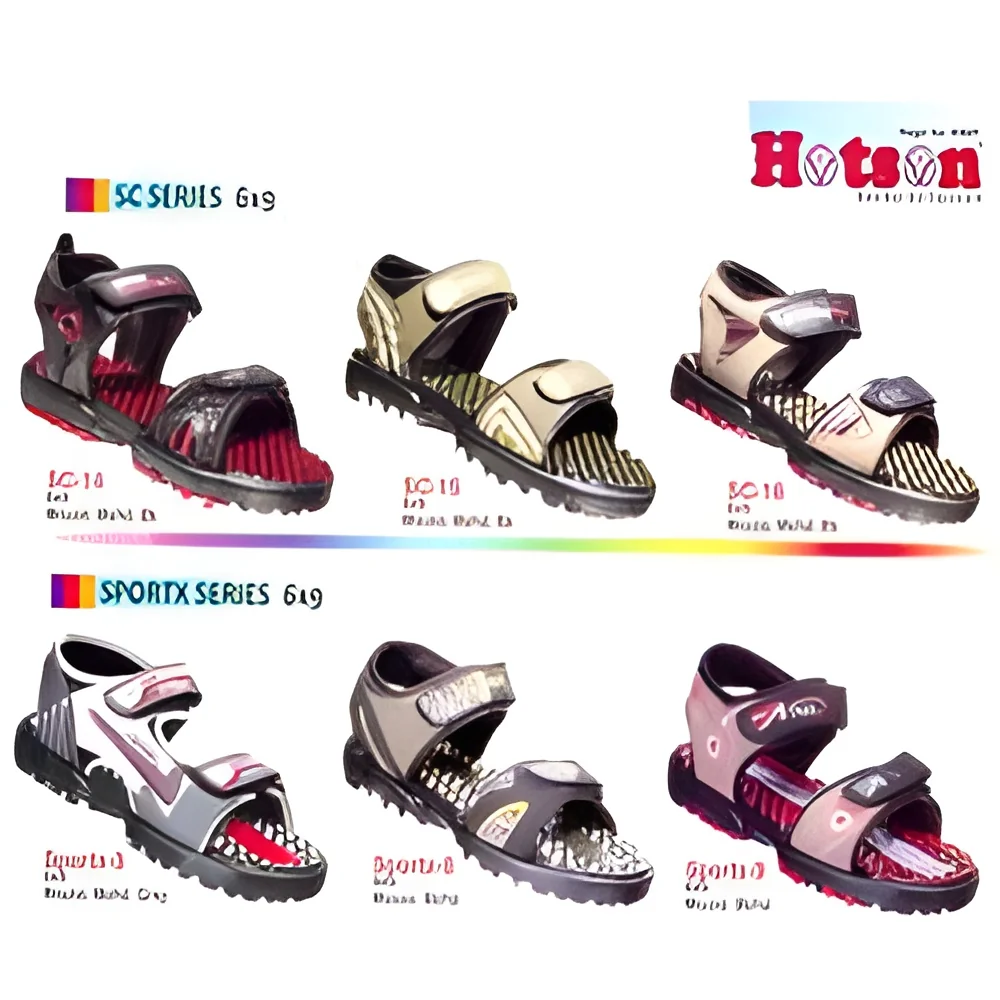
These sandals combine the benefits of aquatic shoes with a more open design, allowing for breathability while still offering traction and support in wet environments.
Benefits and Advantages
Aquatic shoes and slippers offer several notable benefits that make them appealing to B2B buyers.
1. Enhanced Safety: The slip-resistant soles significantly reduce the risk of slips and falls in wet environments, ensuring user safety.
2. Comfort and Support: Cushioned insoles and adjustable features provide a comfortable fit, making them suitable for long periods of wear.
3. Versatility: These shoes are designed for a variety of water-related activities, from casual beach outings to professional water sports.
4. Durability: Made from high-quality, resistant materials, aquatic shoes withstand exposure to water, salt, and chlorine, ensuring longevity.
5. Hygiene: Quick-drying properties help prevent the growth of bacteria and fungi, promoting better foot hygiene.
6. Style Options: Available in a wide range of colors and designs, these shoes appeal to different customer preferences, enhancing marketability.
Buying Guide for B2B Buyers
When sourcing aquatic shoes and slippers, B2B buyers should consider several key factors to ensure they make informed purchasing decisions.
1. Quality Assessment: Evaluate the materials and construction quality of the shoes. Look for features that enhance durability and performance in wet conditions.
2. Supplier Verification: Conduct thorough checks on potential suppliers. Ensure they have a good reputation and can provide reliable products and services.
3. Pricing and MOQ: Understand the pricing structure and minimum order quantities. This will help in budgeting and ensuring that the order meets business needs.
4. Delivery and Lead Times: Inquire about logistics and expected delivery times. Timely receipt of products is crucial for businesses that rely on these items for customer satisfaction.
5. Compliance Requirements: Be aware of any relevant regulations and certifications, such as CE marking, that may apply to the products being sourced.
Compliance and Certifications
Aquatic shoes and slippers must meet various compliance and certification standards to ensure safety and quality.
Relevant quality standards include ISO 9001, which focuses on quality management systems, ensuring that manufacturers adhere to best practices in production. HACCP (Hazard Analysis and Critical Control Points) is also relevant, particularly for products used in environments where hygiene is critical.
Industry certifications, such as CE marking, demonstrate that the products meet European health, safety, and environmental protection standards. This is particularly important for businesses that operate within or export to the European market.
Safety and testing requirements are also essential. Products should undergo rigorous testing to ensure they can withstand the conditions they are designed for, including slip resistance and material durability.
Finally, regional compliance considerations must be taken into account, as different markets may have specific regulations regarding aquatic footwear that must be adhered to.
Why Source Aquatic Shoes & Slippers from Pepagora?
Pepagora provides a trusted platform for sourcing aquatic shoes and slippers, offering numerous advantages for B2B buyers.
One of the key benefits is the verified supplier network. Pepagora works with reputable manufacturers, ensuring that buyers can trust the quality of the products they receive. This verification process helps mitigate risks associated with sourcing.
Additionally, the streamlined RFQ process simplifies the quotation system, allowing buyers to quickly receive responses from multiple suppliers. This efficiency not only saves time but also enables better pricing negotiations.
Pepagora also offers trade assurance and support, providing buyers with protection throughout the purchasing process. This assurance fosters confidence in transactions and encourages a smoother buying experience.
Finally, Pepagora's regional coverage extends to key markets, including India, the GCC, and Southeast Asia. This broad reach allows buyers to access a diverse range of products and suppliers, meeting various business needs effectively.

Frequently Asked Questions
What are Aquatic Shoes & Slippers?
Aquatic Shoes & Slippers are specialized footwear designed for use in water environments such as pools, beaches, and lakes. They typically feature materials that are quick-drying, lightweight, and provide excellent grip on wet surfaces.
What are the different types of Aquatic Shoes & Slippers?
The different types of Aquatic Shoes & Slippers include water shoes, swim slippers, beach sandals, and diving booties. Each type serves specific purposes, such as providing protection, comfort, or enhanced traction on slippery surfaces.
How do I choose the right Aquatic Shoes & Slippers?
To choose the right Aquatic Shoes & Slippers, consider factors such as the intended use, fit, and material. Ensure that the footwear offers good traction, is water-resistant, and fits comfortably for prolonged wear.
What are the standard specifications for Aquatic Shoes & Slippers?
Standard specifications for Aquatic Shoes & Slippers include water-resistant materials, slip-resistant soles, and lightweight design. Additionally, they should provide adequate breathability and cushioning for user comfort.
What is the price range for Aquatic Shoes & Slippers?
The price range for Aquatic Shoes & Slippers can vary widely depending on the brand, materials, and design features. Generally, prices may range from INR 500 to INR 3000 per pair.
What quality standards apply to Aquatic Shoes & Slippers?
Quality standards for Aquatic Shoes & Slippers often include durability, comfort, and safety. Many manufacturers adhere to industry-specific regulations to ensure their products are suitable for aquatic environments.
Where can I find Aquatic Shoes & Slippers suppliers in India?
You can find Aquatic Shoes & Slippers suppliers in India through B2B marketplaces like Pepagora.com, trade shows, and industry directories. These platforms provide listings of various manufacturers and wholesalers.
Can Aquatic Shoes & Slippers be customized?
Yes, many manufacturers offer customization options for Aquatic Shoes & Slippers. Customization may include personalized designs, colors, and sizes to meet specific customer requirements.
What is the typical minimum order quantity for Aquatic Shoes & Slippers?
The typical minimum order quantity (MOQ) for Aquatic Shoes & Slippers can vary by supplier but often ranges from 50 to 100 pairs. It's advisable to confirm MOQ details with the supplier before placing an order.
What is the typical lead time for Aquatic Shoes & Slippers?
The typical lead time for Aquatic Shoes & Slippers ranges from 2 to 4 weeks, depending on factors such as order size and customization requirements. Suppliers can provide a more accurate timeline based on specific orders.
Why Businesses Trust Pepagora
Thousands of companies trust Pepagora to source smarter and sell faster
Expand Your Sales Globally

Source Smarter,Grow Faster
