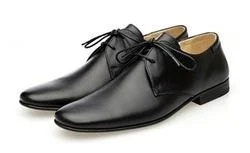
𝗪𝗵𝗮𝘁 𝗮𝗿𝗲 𝗦𝗻𝗲𝗮𝗸𝗲𝗿 & 𝗦𝗽𝗼𝗿𝘁𝘀 𝗦𝗵𝗼𝗲 𝗢𝗘𝗠𝘀?
Sneaker and sports shoe OEMs (Original Equipment Manufacturers) are companies that design and manufacture footwear for brands without producing their own branded products. These OEMs provide a crucial service in the athletic footwear market, enabling brands to focus on marketing and brand development while outsourcing the production process. The OEMs typically handle the complexities of manufacturing, including sourcing materials, production management, and quality control.
The primary uses of sneaker and sports shoe OEMs include the production of athletic footwear for various sports, casual wear, and fashion markets. Many brands leverage the expertise of these manufacturers to bring innovative designs to market quickly and efficiently. This allows brands to adapt to changing consumer preferences and trends without the burden of managing production facilities or logistics.
In terms of industry relevance, the sneaker and sports shoe market is a rapidly growing segment within the global footwear industry. As consumer demand for high-performance and fashionable footwear increases, OEMs play a pivotal role in meeting these demands. They are integral to the supply chain, providing brands with the flexibility needed to respond to market dynamics while maintaining quality and cost-efficiency.
𝗞𝗲𝘆 𝗙𝗲𝗮𝘁𝘂𝗿𝗲𝘀 𝗮𝗻𝗱 𝗦𝗽𝗲𝗰𝗶𝗳𝗶𝗰𝗮𝘁𝗶𝗼𝗻𝘀
Sneaker and sports shoe OEMs offer a wide range of features and specifications that cater to the diverse needs of brands in the athletic footwear market. Understanding these specifications is critical for B2B buyers looking to make informed decisions.
Key specifications include:
1. Material Composition
- High-quality synthetic or natural materials
- Breathable mesh, rubber soles, and cushioning technologies
2. Design Flexibility
- Customizable designs to meet brand specifications
- Options for color, style, and branding elements
3. Production Capacity
- Scalable manufacturing capabilities
- Ability to handle small to large order volumes
4. Quality Control Processes
- Adherence to international quality standards
- Regular inspections and testing of materials and finished products
5. Lead Time
- Typical production lead times ranging from 30 to 90 days
- Factors affecting lead times, including order size and complexity
6. Compliance with Safety Standards
- Meeting regulatory requirements for materials and manufacturing processes
- Certifications such as CE for safety and performance
7. Cost Structure
- Competitive pricing models based on order quantity and material choices
- Consideration of minimum order quantities (MOQ)
In summary, understanding these key features and specifications can significantly influence the purchasing decisions of brands looking to partner with sneaker and sports shoe OEMs.
𝗖𝗼𝗺𝗺𝗼𝗻 𝗔𝗽𝗽𝗹𝗶𝗰𝗮𝘁𝗶𝗼𝗻𝘀 𝗮𝗻𝗱 𝗨𝘀𝗲 𝗖𝗮𝘀𝗲𝘀
Sneaker and sports shoe OEMs serve a variety of industries, each with unique applications and requirements.
1. Sports and Athletics: OEMs produce specialized footwear for various sports, including running, basketball, soccer, and tennis, ensuring optimal performance and comfort for athletes.
2. Fashion and Lifestyle: Many brands utilize OEMs to create trendy sneaker designs that appeal to fashion-conscious consumers, blending style with functionality.
3. Outdoor and Adventure: OEMs manufacture durable footwear suitable for outdoor activities, including hiking and trekking, focusing on comfort and protection.
4. Health and Wellness: Some brands collaborate with OEMs to develop footwear designed for health benefits, such as orthopedic shoes or sneakers that promote good posture.
5. Children’s Footwear: OEMs also cater to the children's segment, providing durable and stylish options that meet the needs of younger consumers.
6. Corporate and Uniform Shoes: Businesses often source OEMs to create branded footwear for employees, ensuring a professional appearance while maintaining comfort.
7. Specialized Medical Footwear: OEMs produce shoes designed specifically for medical applications, including diabetic shoes and rehabilitation footwear.
𝗣𝗿𝗼𝗱𝘂𝗰𝘁 𝗩𝗮𝗿𝗶𝗮𝗻𝘁𝘀 𝗮𝗻𝗱 𝗦𝘂𝗯𝗰𝗮𝘁𝗲𝗴𝗼𝗿𝗶𝗲𝘀
Sneaker and sports shoe OEMs offer a diverse array of product variants to meet the varying needs of brands and consumers.
Performance Running Shoes: These shoes are engineered for optimal speed and comfort, featuring lightweight materials and advanced cushioning technologies. They are ideal for competitive runners and fitness enthusiasts.
Casual Sneakers: Versatile and stylish, casual sneakers are designed for everyday wear, appealing to fashion-conscious consumers. They often incorporate trendy designs and colors while ensuring comfort.
Sports-Specific Footwear: Customized for specific sports, these shoes offer tailored features such as enhanced grip, stability, and support to meet the demands of athletes in various disciplines.
High-Performance Training Shoes: These shoes are designed for rigorous training sessions, providing stability and support for weightlifting and high-intensity workouts.
𝗕𝗲𝗻𝗲𝗳𝗶𝘁𝘀 𝗮𝗻𝗱 𝗔𝗱𝘃𝗮𝗻𝘁𝗮𝗴𝗲𝘀
Partnering with sneaker and sports shoe OEMs offers several key benefits for brands looking to enhance their footwear offerings.
1. Cost Efficiency: By outsourcing production, brands can reduce operational costs and focus resources on marketing and product development.
2. Access to Expertise: OEMs bring specialized knowledge in footwear manufacturing, ensuring high-quality products that meet industry standards.
3. Rapid Production: With established production processes, OEMs can deliver products quickly, helping brands respond swiftly to market trends.
4. Customization Options: Brands can leverage OEM capabilities to create unique and branded footwear that stands out in a competitive market.
5. Scalability: OEMs can adjust production volumes based on demand, allowing brands to scale operations without significant investment in infrastructure.
6. Quality Assurance: Established quality control measures ensure that products meet safety and performance standards, reducing the risk of returns and enhancing brand reputation.
𝗕𝘂𝘆𝗶𝗻𝗴 𝗚𝘂𝗶𝗱𝗲 𝗳𝗼𝗿 𝗕𝟮𝗕 𝗕𝘂𝘆𝗲𝗿𝘀
When sourcing sneaker and sports shoe OEMs, several important factors should be considered to ensure a successful partnership.
1. Quality Assessment: Evaluate the quality of materials and manufacturing processes. Request samples to assess workmanship and durability.
2. Supplier Verification: Conduct thorough vetting of potential suppliers. Check references and review their track record for reliability and compliance.
3. Pricing and MOQ: Understand the pricing structure and minimum order quantities. Negotiate terms that align with your budget and production needs.
4. Delivery and Lead Times: Discuss logistics and expected delivery times. Ensure that the OEM can meet your timelines for product launches.
5. Compliance Requirements: Verify that the OEM adheres to relevant safety and regulatory standards. This includes certifications such as CE and compliance with local regulations.
𝗖𝗼𝗺𝗽𝗹𝗶𝗮𝗻𝗰𝗲 𝗮𝗻𝗱 𝗖𝗲𝗿𝘁𝗶𝗳𝗶𝗰𝗮𝘁𝗶𝗼𝗻𝘀
Compliance and certifications are critical aspects of sneaker and sports shoe OEMs, ensuring that products meet industry standards and safety requirements.
Relevant quality standards include ISO 9001, which focuses on quality management systems. This certification demonstrates a commitment to consistently delivering high-quality products.
Industry certifications such as CE indicate that products meet European safety standards, providing assurance to consumers and brands alike.
Safety and testing requirements are also paramount. OEMs must conduct rigorous testing on materials to ensure they are safe for consumers, particularly for footwear intended for specific applications like sports or medical use.
Regional compliance considerations vary by market. OEMs must be aware of local regulations and standards, ensuring that products are compliant in the regions where they will be sold.
𝗪𝗵𝘆 𝗦𝗼𝘂𝗿𝗰𝗲 𝗦𝗻𝗲𝗮𝗸𝗲𝗿 & 𝗦𝗽𝗼𝗿𝘁𝘀 𝗦𝗵𝗼𝗲 𝗢𝗘𝗠𝘀 𝗳𝗿𝗼𝗺 𝗣𝗲𝗽𝗮𝗴𝗼𝗿𝗮?
Pepagora provides a trusted platform for sourcing sneaker and sports shoe OEMs with several key advantages that benefit B2B buyers.
Verified Supplier Network: Pepagora features a network of verified suppliers, ensuring that buyers can trust the quality and reliability of the OEMs they choose to partner with. This verification process reduces the risks associated with sourcing and enhances confidence in supplier capabilities.
Streamlined RFQ Process: The request for quotation (RFQ) process on Pepagora is designed to be efficient and user-friendly, allowing buyers to easily compare multiple offers from various OEMs. This streamlined process saves time and effort, enabling brands to make informed decisions quickly.
Trade Assurance and Support: Pepagora offers trade assurance, providing an added layer of protection for buyers. This support includes assistance with dispute resolution and ensuring that suppliers meet delivery and quality commitments.
Regional Coverage: With a strong presence in markets such as India, the GCC, and Southeast Asia, Pepagora connects buyers with OEMs across diverse regions. This geographic reach allows for greater flexibility in sourcing and accessing a variety of manufacturing capabilities.

 IN
IN
 India
India