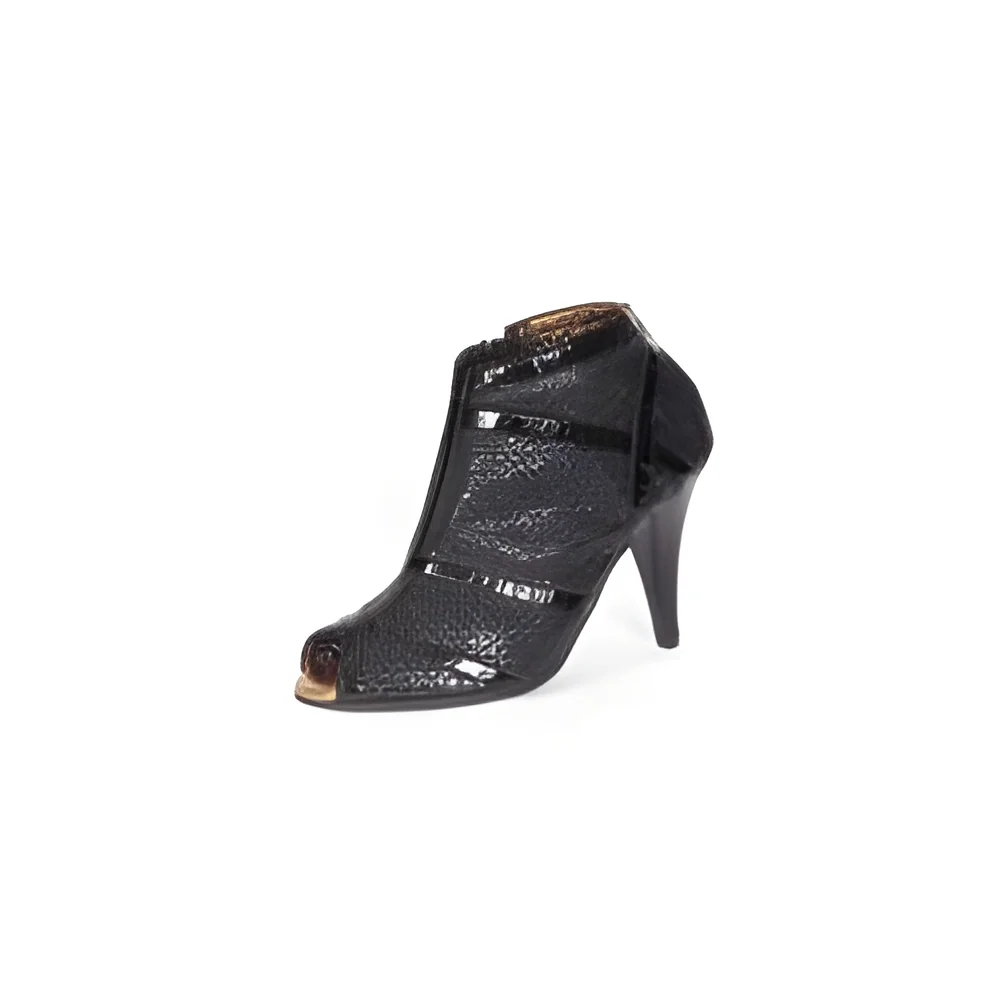
What are Bulk Export Footwear Units?
Bulk Export Footwear Units refer to large-scale shipments of footwear products designed for international distribution. These units typically consist of various styles and sizes of shoes packed in bulk, allowing manufacturers and distributors to optimize logistics and reduce shipping costs. The footwear can range from casual shoes to specialized industrial footwear, catering to diverse market needs.
These units are primarily utilized by wholesalers, retailers, and e-commerce businesses that require significant quantities of footwear to meet consumer demand. They are essential for companies looking to enter new markets or expand their existing footprint, providing a cost-effective solution for sourcing high-quality footwear in bulk. In the context of global trade, these units play a crucial role in connecting manufacturers with buyers across different regions.
The relevance of Bulk Export Footwear Units is apparent in the growing global footwear market, which is driven by increasing consumer preferences for trendy and comfortable footwear. With the rise of e-commerce, businesses are more inclined to source footwear in bulk to ensure they can meet the demands of their customers promptly. This trend highlights the importance of efficient supply chain management and reliable suppliers in the footwear industry.
Key Features and Specifications
Bulk Export Footwear Units come with a variety of features that enhance their appeal to businesses. These features ensure that the footwear meets quality standards and is suitable for diverse applications.
Key specifications include:
1. Material Composition
- Footwear is typically made from high-quality materials such as leather, synthetic fabrics, or rubber.
- Ensures durability and comfort for end-users.
2. Size Range
- Available in a comprehensive range of sizes to accommodate various demographic needs.
- Sizes can range from youth to adult, ensuring inclusivity for all consumers.
3. Design Variability
- Footwear designs can vary from casual to formal, catering to different market segments.
- Custom designs may be available based on buyer specifications.
4. Packaging Options
- Units can be packaged in bulk or in retail-ready packaging depending on the buyer's preference.
- Ensures ease of handling and display.
5. Compliance with Safety Standards
- Footwear units comply with relevant safety standards to ensure user safety.
- Certifications may include CE and UL depending on the market requirements.
6. Customization Options
- Buyers may have the option to customize designs, colors, and branding.
- Facilitates brand differentiation and market positioning.
7. Minimum Order Quantities (MOQ)
- Typically, there are set MOQs for bulk orders, which can vary based on the supplier.
- Important for assessing procurement strategies.
8. Shipping Logistics
- Efficient logistics solutions are often provided to ensure timely delivery.
- May include options for air, sea, or land transportation based on destination.
These specifications are crucial for businesses to understand, as they directly impact the quality and suitability of the footwear for their target markets.
Common Applications and Use Cases
Bulk Export Footwear Units find their applications across various industries, serving different needs.
1. Retail Industry: Retailers often use bulk footwear units to stock their stores with a variety of styles, ensuring they can meet consumer preferences and seasonal demands.
2. E-commerce Platforms: Online retailers rely on bulk footwear units to provide a wide range of products, enabling quick fulfillment of customer orders and efficient inventory management.
3. Hospitality Industry: Hotels and resorts often purchase bulk footwear for staff uniforms, offering guests a range of comfortable options for leisure activities.
4. Construction Sector: Specialized footwear, such as safety boots, is required in construction. Bulk units are ideal for supplying large teams with necessary protective gear.
5. Sports and Recreation: Bulk footwear units are used by sports teams and organizations to provide players with matching footwear for events and competitions.
6. Medical Facilities: Hospitals and clinics may require bulk quantities of comfortable footwear for staff and visitors, promoting safety and comfort.
7. Promotional Events: Companies may purchase bulk footwear as promotional items for events, ensuring brand visibility and customer engagement.
Product Variants and Subcategories
Bulk Export Footwear Units encompass a wide range of product variants to meet diverse needs.
Casual Footwear
This variant includes sneakers, loafers, and sandals designed for everyday wear. They are known for their comfort and style, making them popular among consumers of all ages.
Safety Footwear
Safety shoes and boots designed for industrial or construction use fall under this category. They are equipped with protective features such as steel toes and slip-resistant soles, ensuring worker safety.
Athletic Footwear
This variant includes running shoes, training shoes, and specialized sports footwear. They are designed for performance and support, appealing to sports enthusiasts and athletes.
Formal Footwear
This category includes dress shoes and formal sandals that are often used for business or formal events. They provide a polished look while maintaining comfort.
Benefits and Advantages
Sourcing Bulk Export Footwear Units offers numerous benefits for businesses looking to enhance their product offerings.
1. Cost Efficiency: Purchasing in bulk reduces per-unit costs, allowing businesses to maximize their profit margins.
2. Diverse Selection: Access to a wide range of styles and sizes enables businesses to cater to various customer preferences and market segments.
3. Quick Turnaround: Bulk sourcing often leads to faster delivery times, ensuring businesses can respond promptly to market demands.
4. Supplier Reliability: Working with established suppliers can enhance trust and ensure consistent quality in products.
5. Customization: The ability to customize footwear allows businesses to strengthen their brand identity and meet specific market needs.
6. Inventory Management: Bulk purchases simplify inventory management, enabling businesses to maintain adequate stock levels.
Buying Guide for B2B Buyers
When sourcing Bulk Export Footwear Units, several factors should be considered to ensure optimal purchasing decisions.
1. Quality Assessment: Evaluate the quality of materials and construction methods used in the footwear. Ensuring high standards will lead to customer satisfaction and reduced return rates.
2. Supplier Verification: Vet potential suppliers for reliability, reputation, and adherence to industry standards. This will mitigate risks associated with poor-quality products.
3. Pricing and MOQ: Understand the pricing structure and minimum order quantities to align procurement strategies with budgetary constraints.
4. Delivery and Lead Times: Assess the logistics capabilities of suppliers to ensure timely delivery of orders. This is crucial for maintaining inventory and meeting customer expectations.
5. Compliance Requirements: Familiarize yourself with any regulatory requirements that the footwear must meet in your target market. Ensuring compliance can prevent legal issues and enhance marketability.
Compliance and Certifications
Bulk Export Footwear Units must adhere to various quality and safety standards to ensure they meet market requirements.
Relevant quality standards include ISO 9001, which focuses on quality management systems. Compliance with such standards ensures that the manufacturing processes are consistent and reliable.
Industry certifications like CE and UL are essential for demonstrating that the footwear meets safety and performance criteria. These certifications enhance the credibility of the products in competitive markets.
Safety and testing requirements are crucial to ensure that the footwear is suitable for its intended use, particularly for safety footwear. Regular testing for durability, slip resistance, and other factors is necessary to maintain compliance.
Regional compliance considerations may vary by market, making it important for businesses to understand local regulations affecting footwear imports. Adhering to these regulations will facilitate smoother entry into new markets.
Why Source Bulk Export Footwear Units from Pepagora?
Pepagora offers a reliable platform for sourcing Bulk Export Footwear Units, providing numerous advantages for B2B buyers.
Verified Supplier Network: Pepagora features a network of verified suppliers, ensuring that buyers can access high-quality products from trustworthy manufacturers. This reduces the risks associated with sourcing in unfamiliar markets.
Streamlined RFQ Process: The request for quotation process on Pepagora is designed to be efficient, allowing buyers to receive competitive quotes from multiple suppliers quickly. This facilitates informed decision-making.
Trade Assurance and Support: Buyers benefit from trade assurance policies that protect their investments. Pepagora provides support throughout the purchasing process, ensuring a smooth transaction and addressing any concerns.
Regional Coverage: With a focus on markets in India, the GCC, and Southeast Asia, Pepagora ensures that buyers can source footwear units that meet specific regional demands, enhancing their market reach and operational efficiency.

 IN
IN