
 IN
Handbag Manufacturers
7 products available
What are Handbag Manufacturers?
Handbag manufacturers are companies that specialize in producing a wide variety of handbags, ranging from casual purses to luxury bags. These manufacturers utilize various materials, including leather, fabric, and synthetic options, to create products that meet diverse consumer preferences. The production process involves design, material selection, cutting, stitching, and finishing, often requiring skilled labor and sophisticated machinery.
The primary uses of handbags extend beyond mere fashion accessories; they serve functional roles such as carrying personal items and enhancing an outfit's overall aesthetic. Businesses in retail and wholesale sectors often collaborate with handbag manufacturers to create customized products that align with their brand identity. This symbiotic relationship allows retailers to offer unique designs that cater to specific market segments while ensuring quality and craftsmanship.
In today’s competitive market, handbag manufacturers play a crucial role in the fashion industry. With the rise of e-commerce, these manufacturers must adapt to changing consumer demands and trends. They are increasingly focusing on sustainability and ethical practices to appeal to environmentally conscious consumers. Overall, the handbag manufacturing industry is a dynamic sector that contributes significantly to the global economy.
Key Features and Specifications
Handbag manufacturers offer various features and specifications that cater to different market needs. Understanding these specifications can help buyers make informed decisions when sourcing products.
Key specifications include:
1. Material Quality
- The handbags can be made from various materials such as genuine leather, synthetic leather, canvas, and other fabrics.
- Each material has different durability, texture, and care requirements.
2. Design Options
- Manufacturers provide a range of design options including styles, colors, and sizes to suit various consumer preferences.
- Custom design capabilities may be available to meet specific branding needs.
3. Production Capacity
- Manufacturers typically have different production capacities to accommodate small to large orders.
- Minimum order quantities (MOQs) can vary based on the manufacturer.
4. Customization Features
- Many manufacturers offer customization options including logo placement and unique color schemes.
- This allows businesses to create distinct products that reflect their brand identity.
5. Quality Control Processes
- Established manufacturers implement strict quality control measures throughout the production process.
- This ensures that every handbag meets industry standards and customer expectations.
6. Lead Time
- The time frame from order placement to delivery can vary significantly among manufacturers.
- Buyers should inquire about average lead times to ensure timely delivery.
7. Price Range
- Pricing can vary based on material, design complexity, and order volume.
- It is essential to discuss pricing structures upfront to align with budget expectations.
In summary, understanding these features and specifications can empower businesses to select the right handbag manufacturers that align with their specific needs and market demands.
Common Applications and Use Cases
Handbags are versatile products that find applications across various industries.
1. Fashion Retail: Handbags are a staple in fashion retail, where they are sold as essential accessories to complement clothing lines. Retailers often collaborate with manufacturers to create exclusive collections that reflect current trends.
2. Corporate Gifting: Many businesses utilize handbags as corporate gifts for clients and employees. Customized handbags can serve as a promotional tool while also being functional gifts.
3. Event Promotions: Handbags are often used as promotional items for events, trade shows, and exhibitions. They can be branded with event logos and serve as practical giveaways.
4. E-commerce: Online retailers are increasingly sourcing handbags from manufacturers to offer a wide range of products to consumers. This channel allows for direct sales without the need for physical storefronts.
5. Travel and Tourism: Handbags designed for travel purposes, such as totes and backpacks, are in demand in the travel and tourism sector. Manufacturers create durable and stylish options that cater to travelers’ needs.
6. Sustainable Fashion: With the rise of eco-conscious consumerism, some manufacturers specialize in producing sustainable handbags made from recycled or environmentally friendly materials.
7. Specialty Markets: Certain manufacturers focus on niche markets, creating handbags for specific customer segments such as athletes, students, or professionals.
Product Variants and Subcategories
The handbag manufacturing industry offers a diverse range of products to meet various consumer needs.
Tote Bags
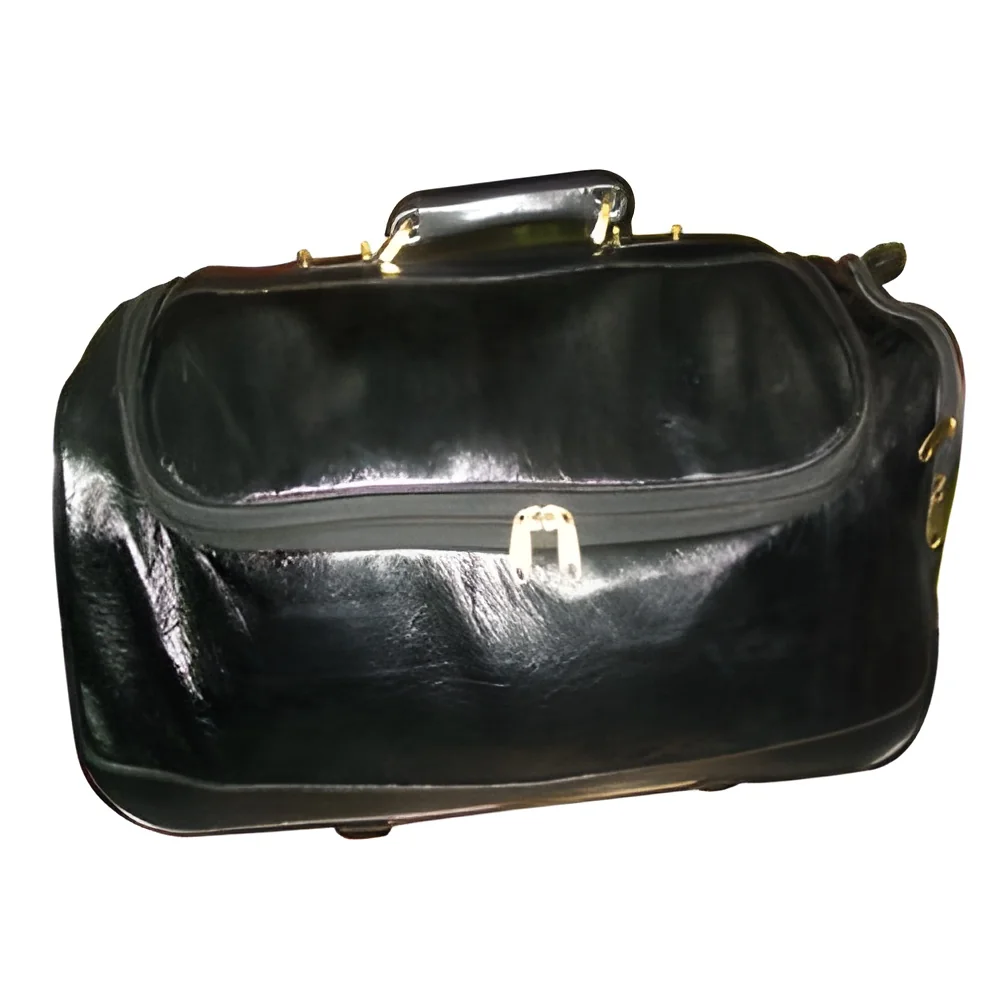
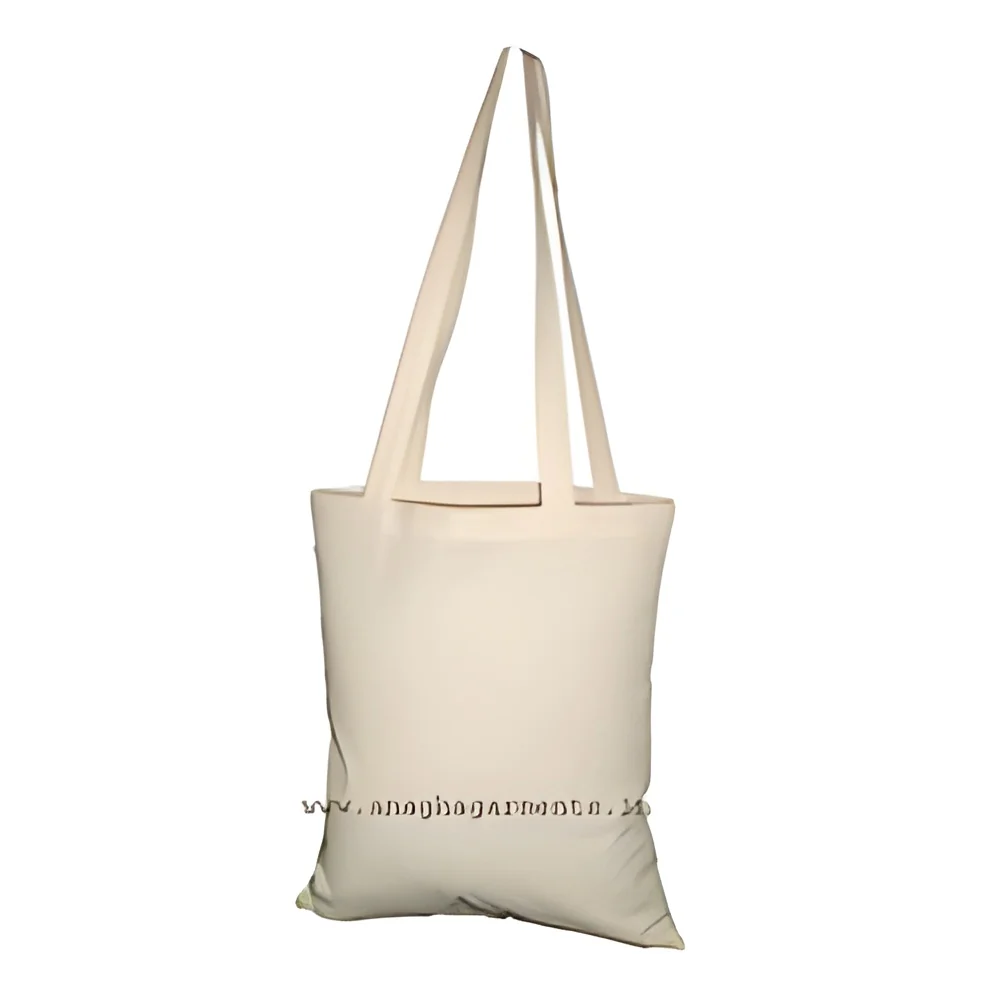
Tote bags are popular for their spacious design and versatility. They are often used for shopping, travel, or everyday use. Manufacturers create tote bags in various materials, sizes, and colors, making them ideal for branding opportunities.
Crossbody Bags
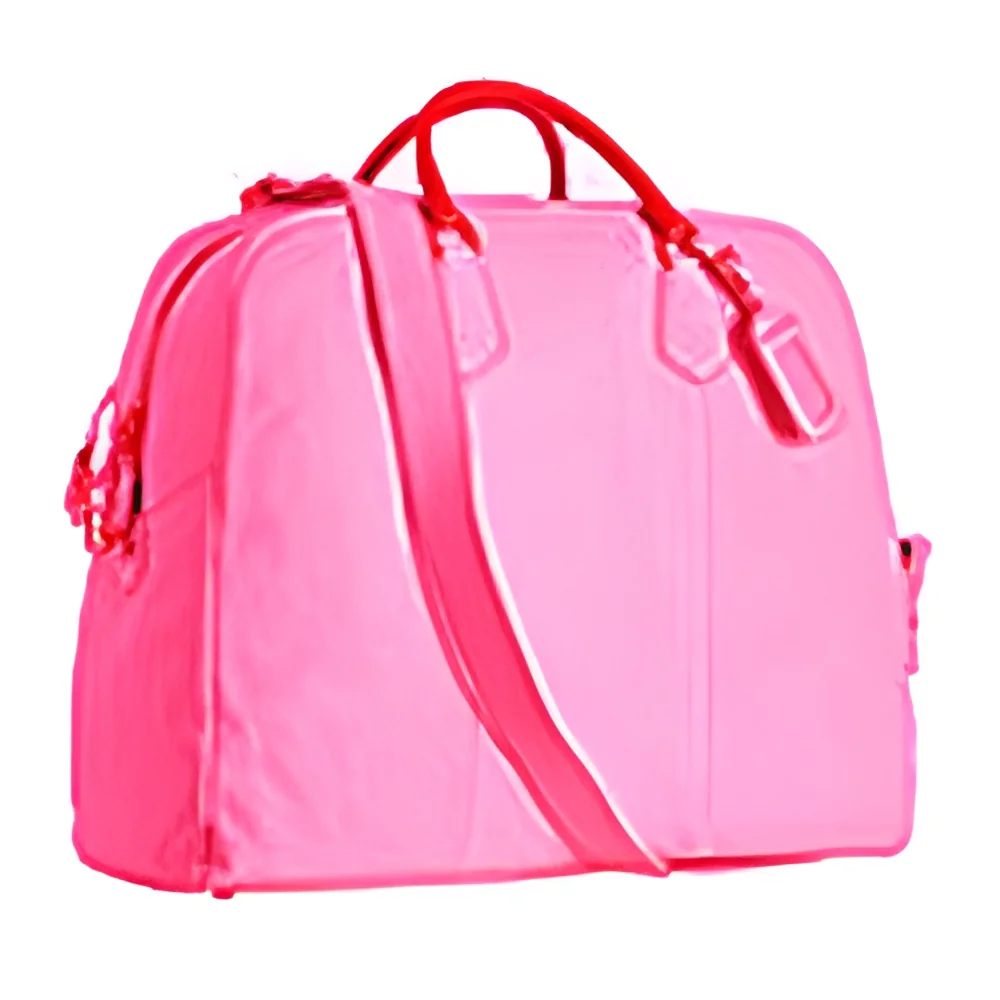
Crossbody bags are designed for convenience and style, allowing users to carry their belongings hands-free. Manufacturers often design these bags with adjustable straps and multiple compartments for functionality.
Clutches
Clutches are elegant handbags typically used for formal occasions. Manufacturers focus on craftsmanship and materials to produce stylish options that appeal to the luxury market.
Backpacks
Backpacks are gaining popularity as a functional and fashionable choice. Manufacturers create stylish backpacks suitable for both casual and professional settings.
Benefits and Advantages
Sourcing handbags from manufacturers provides numerous advantages for businesses.
Key benefits include:
1. Quality Assurance: Partnering with reputable manufacturers ensures high-quality products that meet customer expectations and industry standards.
2. Customization Options: Many manufacturers offer customization, allowing businesses to create unique products that reflect their brand identity.
3. Competitive Pricing: By sourcing directly from manufacturers, businesses can often benefit from competitive pricing structures, especially with bulk orders.
4. Fast Turnaround: Established manufacturers often have efficient processes in place, resulting in quicker lead times from order placement to delivery.
5. Access to Trends: Manufacturers are often at the forefront of design trends, enabling businesses to offer the latest styles and features to their customers.
6. Scalability: Working with reliable manufacturers allows businesses to easily scale their product offerings based on market demand and seasonal trends.
Buying Guide for B2B Buyers
When sourcing handbag manufacturers, it is important to evaluate several key factors to ensure a successful partnership.
1. Quality Assessment: Evaluate the quality of materials and craftsmanship by requesting samples. This allows buyers to assess whether the products will meet their standards.
2. Supplier Verification: Conduct thorough research on potential manufacturers. Look for reviews, certifications, and industry reputation to ensure reliability.
3. Pricing and MOQ: Discuss pricing models and minimum order quantities upfront. Understanding these factors will help with budgeting and planning.
4. Delivery and Lead Times: Inquire about typical lead times for production and delivery. This is crucial for meeting market demands and inventory management.
5. Compliance Requirements: Ensure that manufacturers adhere to relevant industry standards and regulations. This includes understanding any certifications required for specific markets.
Compliance and Certifications
Compliance and certifications are critical aspects of the handbag manufacturing industry.
Manufacturers are often required to adhere to quality standards such as ISO 9001, which ensures consistent quality management systems. Additionally, compliance with HACCP and GDP guidelines may be necessary for certain materials and production processes.
Many manufacturers also hold certifications like CE, which signifies that their products meet European safety and environmental standards. These certifications not only enhance product credibility but also assure buyers of their commitment to quality and safety.
Safety and testing requirements are essential to ensure that handbags are free from harmful substances and meet durability standards. Manufacturers must stay updated on regional compliance considerations, especially if they operate in multiple markets. This ensures that products are suitable for the intended consumer base while adhering to local regulations.
Why Source Handbag Manufacturers from Pepagora?
Pepagora provides a trusted platform for sourcing handbag manufacturers with several key advantages.
Verified Supplier Network: Pepagora ensures that all suppliers in its network are thoroughly vetted for reliability and quality. This gives buyers peace of mind knowing they are working with reputable manufacturers.
Streamlined RFQ Process: The platform features a user-friendly request for quotation process. This allows businesses to quickly obtain quotes from multiple manufacturers, facilitating easier decision-making.
Trade Assurance and Support: Pepagora offers trade assurance to protect buyers throughout the sourcing process. This includes support for dispute resolution, ensuring a smooth transaction experience.
Regional Coverage: Pepagora has a strong presence in regions such as India, the GCC, and Southeast Asia. This broad geographic reach allows businesses to tap into diverse manufacturing capabilities and product offerings.
By choosing Pepagora, businesses can streamline their sourcing process while ensuring they partner with high-quality handbag manufacturers.

Frequently Asked Questions
What are Handbag Manufacturers?
Handbag manufacturers are companies that specialize in the production of handbags and related accessories. They utilize various materials and techniques to create a wide range of products, catering to different market segments and consumer preferences.
What are the different types of Handbag Manufacturers?
There are several types of handbag manufacturers, including luxury, mid-range, and budget manufacturers. They can also be categorized based on materials used, such as leather, fabric, or synthetic materials, and the styles they produce, including tote bags, clutches, and backpacks.
How do I choose the right Handbag Manufacturers?
To choose the right handbag manufacturers, consider factors such as their expertise, product range, and reputation in the market. Additionally, assess their production capacity, quality control processes, and customer service to ensure they meet your specific needs.
What are the standard specifications for Handbag Manufacturers?
Standard specifications for handbag manufacturers typically include dimensions, weight, material quality, and design features. Manufacturers may also adhere to specific industry standards for durability, safety, and environmental impact.
What is the price range for Handbag Manufacturers?
The price range for handbags can vary widely depending on materials, craftsmanship, and brand reputation. On average, prices for handbags from manufacturers can start as low as INR 500 and go up to several thousand rupees for high-end options.
What quality standards apply to Handbag Manufacturers?
Quality standards for handbag manufacturers often include compliance with ISO certifications, material safety regulations, and durability tests. Manufacturers are expected to maintain consistent quality in their products to meet consumer expectations.
Where can I find Handbag Manufacturers suppliers in India?
You can find handbag manufacturers suppliers in India through various platforms, including trade shows, online B2B marketplaces, and industry directories. Websites like Pepagora.com offer a comprehensive list of verified manufacturers and suppliers.
Can Handbag Manufacturers be customized?
Yes, many handbag manufacturers offer customization options, allowing businesses to request specific designs, materials, and branding elements. This service is particularly beneficial for companies looking to create unique products or private label handbags.
What is the typical minimum order quantity for Handbag Manufacturers?
The typical minimum order quantity (MOQ) for handbag manufacturers can vary, but it generally ranges from 50 to 500 units per design. Factors influencing MOQ include the manufacturer's production capabilities and the complexity of the design.
What is the typical lead time for Handbag Manufacturers?
The typical lead time for handbag manufacturers can range from 4 to 12 weeks, depending on the complexity of the order and the manufacturer's production schedule. It is advisable to discuss lead times during the negotiation process to ensure timely delivery.
Why Businesses Trust Pepagora
Thousands of companies trust Pepagora to source smarter and sell faster
Expand Your Sales Globally

Source Smarter,Grow Faster
