
 IN
Silk Cotton Blend Fabric
2 products available
What are Silk Cotton Blend Fabric?
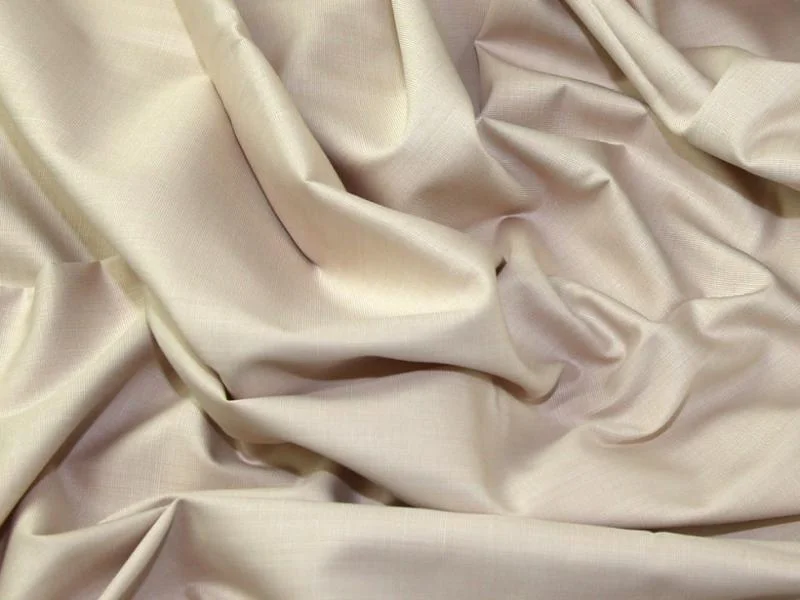
Silk cotton blend fabric is a unique textile that combines the luxurious qualities of silk with the durability of cotton. The blend typically features a higher percentage of silk, which contributes to its softness, sheen, and draping ability. This fabric is known for its lightweight feel and breathable nature, making it suitable for various applications in both fashion and home textiles.
The primary uses of silk cotton blend fabric include clothing, such as elegant dresses, blouses, and formal wear, as well as home décor items like curtains and cushion covers. Its versatility allows it to cater to the needs of different industries, including fashion design, interior decoration, and upholstery. Businesses often choose silk cotton blend fabric for its aesthetic appeal and functional benefits, such as moisture-wicking properties and ease of care.
In the current market, silk cotton blend fabric is gaining traction due to a growing consumer preference for sustainable and high-quality textiles. As more companies look to differentiate their products, the demand for silk cotton blends is expected to rise. This trend highlights the relevance of silk cotton blend fabric in various industries, making it a valuable material for manufacturers and retailers alike.
Key Features and Specifications
Silk cotton blend fabric offers an array of features that make it appealing to various industries. The combination of silk and cotton results in a material that is not only aesthetically pleasing but also practical for everyday use. Below are the key specifications that define this fabric.
Key specifications include:
1. Composition
- Typically composed of 70% silk and 30% cotton
- Variation in blend percentages available based on client requirements
2. Weight
- Commonly ranges from 100 to 200 grams per square meter
- Lightweight options available for summer garments
3. Fabric Width
- Standard widths range from 45 to 60 inches
- Custom widths can be requested for specific applications
4. Color Options
- Available in a variety of solid colors and patterns
- Dyeing options for custom shades and prints
5. Durability
- Good resistance to wear and tear
- Suitable for both casual and formal attire
6. Care Instructions
- Typically machine washable with gentle cycle settings
- Dry cleaning recommended for maintaining fabric quality
7. Breathability
- Excellent moisture-wicking properties
- Allows for airflow, making it comfortable in warm climates
8. Certifications
- CE certified for safety and quality assurance
- Compliance with applicable textile regulations
In summary, silk cotton blend fabric combines high-quality materials and practical features, making it an ideal choice for various applications across multiple industries.
Common Applications and Use Cases
Silk cotton blend fabric serves various industries with its versatility and aesthetic appeal.
1. Fashion Industry: This fabric is a popular choice for upscale clothing, including dresses, blouses, and formal wear, providing a luxurious finish and comfort.
2. Interior Design: It is often used for curtains, upholstery, and decorative pillows, enhancing the visual appeal of residential and commercial spaces with its elegant drape.
3. Home Textiles: The fabric is suitable for bedding and linens, offering softness and breathability for a comfortable sleeping environment.
4. Accessories: Designers utilize silk cotton blend fabric for creating scarves, ties, and bags, adding a touch of sophistication to these items.
5. Crafts: The fabric is increasingly used in quilting and other craft projects, appreciated for its ease of handling and vibrant colors.
6. Corporate Apparel: Businesses often opt for silk cotton blends for employee uniforms, combining professionalism with comfort.
7. Event Decor: Its luxurious appearance makes it a favored choice for table linens and event drapery, enhancing the ambiance of weddings and formal gatherings.
Product Variants and Subcategories
Silk cotton blend fabric offers diversity in its variants, catering to specific customer needs.
Satin Silk Cotton Blend
This variant features a smooth, glossy finish that mimics pure silk while maintaining the durability of cotton. It is ideal for evening wear and high-end fashion items.
Voile Silk Cotton Blend
This lightweight option is semi-sheer and perfect for airy summer garments or delicate curtains. Its softness and drape make it a popular choice for layered looks.
Chiffon Silk Cotton Blend
Chiffon offers a lightweight, sheer quality that is suitable for flowing dresses and scarves. Its elegant appearance is favored in formal attire and special occasion wear.
Crepe Silk Cotton Blend
Crepe fabric has a slightly textured surface, providing a unique look and feel. It is commonly used in blouses and formal dresses that require a structured silhouette.
Benefits and Advantages
Silk cotton blend fabric comes with numerous advantages that elevate its appeal to businesses.
1. Luxurious Feel: The silk component provides a soft and smooth texture that enhances comfort and wearability.
2. Versatility: Suitable for a wide range of applications, this fabric can be used in fashion, home décor, and accessories.
3. Durable Quality: The blend offers increased strength and longevity compared to pure silk, making it more practical for everyday use.
4. Breathability: Its moisture-wicking properties allow for airflow, making it comfortable in various climates, especially warm weather.
5. Aesthetic Appeal: The natural sheen of silk combined with versatile color options makes it visually attractive for fashion and interiors.
6. Easy Maintenance: With proper care, silk cotton blend fabric is relatively easy to maintain, allowing for machine washing and gentle care.
Buying Guide for B2B Buyers
When sourcing silk cotton blend fabric, several factors should be taken into account to ensure a satisfactory purchase.
1. Quality Assessment: Evaluate the fabric's texture, weight, and overall feel. Request samples to verify the quality before placing a large order.
2. Supplier Verification: Conduct thorough research on potential suppliers. Look for verified manufacturers with a good reputation and positive customer feedback.
3. Pricing and MOQ: Understand the pricing structure and any minimum order quantities (MOQ) that may apply. Compare prices across suppliers to find the best value.
4. Delivery and Lead Times: Inquire about delivery timelines and logistics to ensure that the fabric can be supplied within your project deadlines.
5. Compliance Requirements: Ensure that the fabric meets relevant industry standards and regulations, including any certifications that may be necessary for your market.
Compliance and Certifications
Silk cotton blend fabric must adhere to various compliance and certification standards to ensure quality and safety.
Relevant quality standards, such as ISO 9001, emphasize the importance of consistent quality management practices within manufacturing processes. Meeting these standards can enhance the credibility of suppliers in the market.
Industry certifications, like CE, indicate that the fabric has undergone necessary testing and complies with safety regulations, ensuring that it is safe for consumer use.
Safety and testing requirements may include assessments for harmful substances, colorfastness, and durability. These evaluations help maintain product integrity and ensure compliance with consumer safety laws.
Regional compliance considerations may vary, and manufacturers should be aware of specific regulations that apply in their target markets to ensure that their products are compliant.
Why Source Silk Cotton Blend Fabric from Pepagora?
Pepagora provides a trusted platform for sourcing silk cotton blend fabric, offering several key advantages to B2B buyers.
Verified Supplier Network: Pepagora connects buyers with a network of verified suppliers, ensuring that businesses can source high-quality fabrics from reputable manufacturers.
Streamlined RFQ Process: The Request for Quotation (RFQ) system simplifies the procurement process, allowing buyers to easily compare quotes and select the best offers based on their needs.
Trade Assurance and Support: Buyers benefit from trade assurance features that protect their investments and provide support throughout the purchasing process, ensuring a smooth transaction.
Regional Coverage: With a strong presence in India, the GCC, and Southeast Asia, Pepagora offers extensive geographic reach, making it convenient for businesses to access silk cotton blend fabric across various markets.

 India
Frequently Asked Questions
What are Silk Cotton Blend Fabric?
Silk Cotton Blend Fabric is a textile that combines the luxurious feel of silk with the durability and breathability of cotton. This blend offers a soft texture, making it ideal for various applications including apparel, home furnishings, and accessories.
What are the different types of Silk Cotton Blend Fabric?
Silk Cotton Blend Fabric comes in various types, including plain weaves, satin weaves, and printed or dyed variations. Each type has distinct characteristics suitable for specific uses, allowing for versatility in design and functionality.
How do I choose the right Silk Cotton Blend Fabric?
Choosing the right Silk Cotton Blend Fabric involves considering the fabric's weight, texture, and intended use. Additionally, examining the blend ratio of silk to cotton can help determine its properties, like sheen and breathability.
What are the standard specifications for Silk Cotton Blend Fabric?
Standard specifications for Silk Cotton Blend Fabric typically include a blend ratio, weight (measured in GSM), and width. These specifications can vary based on the manufacturer and intended application, so it's essential to verify with suppliers.
What is the price range for Silk Cotton Blend Fabric?
The price range for Silk Cotton Blend Fabric can vary widely based on quality, design, and supplier, generally falling between INR 150 to INR 600 per meter. Bulk purchases may offer better pricing options.
What quality standards apply to Silk Cotton Blend Fabric?
Quality standards for Silk Cotton Blend Fabric are often defined by aspects such as fabric strength, color fastness, and finish. Compliance with industry standards ensures that the fabric meets durability and performance expectations.
Where can I find Silk Cotton Blend Fabric suppliers in India?
Silk Cotton Blend Fabric suppliers in India can be found through online B2B marketplaces like Pepagora, trade shows, or textile industry directories. Connecting with manufacturers directly can also yield reliable sourcing options.
Can Silk Cotton Blend Fabric be customized?
Yes, Silk Cotton Blend Fabric can often be customized in terms of design, color, and weave. Many manufacturers offer customization options to meet specific client requirements, making it adaptable for various projects.
What is the typical minimum order quantity for Silk Cotton Blend Fabric?
The typical minimum order quantity (MOQ) for Silk Cotton Blend Fabric can range from 50 to 100 meters, depending on the supplier. It's advisable to confirm the MOQ with the manufacturer before placing an order.
What is the typical lead time for Silk Cotton Blend Fabric?
The typical lead time for Silk Cotton Blend Fabric orders can vary from 2 to 6 weeks, depending on the supplier's production capacity and order volume. Timely communication with suppliers can help ensure adherence to deadlines.
Why Businesses Trust Pepagora
Thousands of companies trust Pepagora to source smarter and sell faster
Expand Your Sales Globally

Source Smarter,Grow Faster
