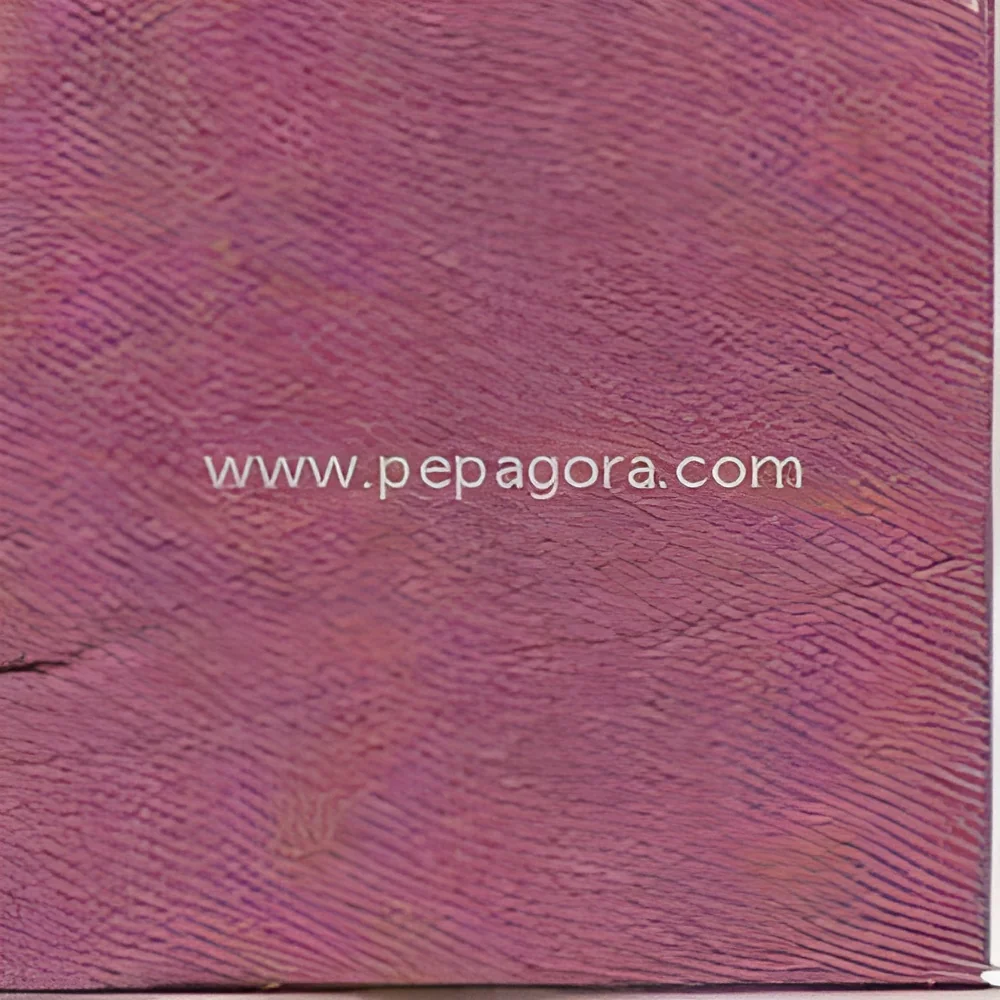
What are Silk Wool Blend Fabric?
Silk wool blend fabric is a textile that combines the luxurious qualities of silk with the warmth and durability of wool. This blend results in a fabric that is soft to the touch, lightweight, and breathable, making it ideal for a variety of applications. The silk adds a sheen and smoothness, while the wool provides insulation and resilience. This combination creates a fabric that is not only aesthetically pleasing but also functional.
The primary uses of silk wool blend fabric extend across various sectors, including fashion, interior design, and upholstery. In the fashion industry, it is often utilized for high-end garments, scarves, and accessories due to its elegant appearance and comfort. In interior design, it is used for curtains, cushions, and decorative items, providing a touch of sophistication. The market for silk wool blend fabric is growing, driven by consumer demand for sustainable and high-quality materials that offer both beauty and performance.
As industries continue to prioritize sustainability and quality, silk wool blend fabric holds relevance in the textile market. It appeals to businesses looking for premium materials that can enhance their product offerings. The blend's versatility makes it suitable for both luxury and everyday applications, positioning it as a valuable asset in the modern textile landscape.
Key Features and Specifications
Silk wool blend fabric is characterized by its unique properties that make it suitable for various applications. The blend of fibers results in a fabric that combines the best qualities of both silk and wool. This section outlines the key specifications that define silk wool blend fabric.
Key specifications include:
1. Fiber Composition
- Typically composed of 70% silk and 30% wool
- Variations in blend ratios may exist based on specific applications
2. Weight
- Fabric weight generally ranges from 200 to 300 grams per square meter
- Heavier weights provide more insulation, while lighter weights are more breathable
3. Durability
- High resistance to wear and tear
- Capability to maintain its appearance over time with proper care
4. Breathability
- Excellent moisture-wicking properties
- Allows for temperature regulation, suitable for various climates
5. Texture
- Soft and smooth finish, providing comfort against the skin
- Luxurious drape that enhances the aesthetic appeal of garments
6. Color Retention
- Strong dye affinity, resulting in vibrant and long-lasting colors
- Minimal fading when exposed to light and washing
7. Care Instructions
- Typically requires dry cleaning to maintain fabric integrity
- Gentle hand washing may be possible depending on specific blends
In summary, silk wool blend fabric offers a range of features that make it an attractive option for businesses seeking high-quality textiles. Its blend of comfort, durability, and aesthetic appeal positions it as a versatile choice for various applications.
Common Applications and Use Cases
Silk wool blend fabric serves various industries, owing to its unique properties and versatility.
1. Fashion Industry: This fabric is widely used for creating high-end garments, including dresses, blouses, and coats. Its luxurious feel and elegant drape make it particularly favored for evening wear and formal attire.
2. Interior Design: The fabric is often employed in home furnishings such as curtains, upholstery, and decorative pillows. Its ability to enhance the ambiance of a room makes it a popular choice for both residential and commercial spaces.
3. Accessories: Silk wool blend is commonly used for scarves, wraps, and shawls. The lightweight nature of the fabric allows for comfortable wear, while its stylish appearance adds a touch of sophistication.
4. Activewear: Some brands utilize silk wool blends for high-performance activewear. The breathability and moisture-wicking properties make it suitable for athletic clothing that requires comfort and flexibility.
5. Corporate Wear: The fabric is increasingly used in professional attire, offering a refined look for business suits and blazers. Its durability ensures that garments maintain their appearance through regular wear.
6. Home Textiles: Beyond furnishings, silk wool blends are used in high-quality bed linens and throws. The softness and warmth contribute to a luxurious sleeping experience.
7. Specialty Items: Crafters and artisans may use silk wool blend fabric for custom products such as handmade garments, quilts, and art pieces, leveraging its unique qualities to create one-of-a-kind items.
Product Variants and Subcategories
Silk wool blend fabric is available in various forms, catering to different needs and preferences.
Lightweight Silk Wool Blend
This variant is ideal for summer garments and accessories. It provides breathability while still offering the luxurious touch associated with silk.
Medium Weight Silk Wool Blend
This option strikes a balance between warmth and drape, making it suitable for transitional seasons. It is often used in tailored clothing and stylish outerwear.
Heavyweight Silk Wool Blend
Designed for colder climates, this variant provides superior insulation. It is commonly used in winter coats and blankets, offering both warmth and an upscale appearance.
Benefits and Advantages
Silk wool blend fabric offers numerous benefits that make it a desirable choice for B2B buyers.
Key benefits include:
1. Versatility: The fabric is suitable for a wide range of applications, from fashion to home textiles, making it a smart investment for businesses.
2. Comfort: Its soft texture and breathability ensure comfort for the wearer, enhancing customer satisfaction with products made from this fabric.
3. Aesthetic Appeal: The luxurious sheen and drape of silk wool blend fabric add visual interest to garments and home furnishings, contributing to a high-end look.
4. Durability: The blend's resilience ensures that products maintain their quality over time, reducing the need for frequent replacements.
5. Eco-Friendliness: Silk and wool are both natural fibers, appealing to environmentally conscious consumers seeking sustainable textile options.
6. Temperature Regulation: The moisture-wicking properties help regulate body temperature, making it suitable for year-round use in various climates.
Buying Guide for B2B Buyers
When sourcing silk wool blend fabric, several factors should be considered to ensure the best selection for business needs.
1. Quality Assessment: Evaluate the fabric's composition and weight to ensure it meets your quality standards. Look for samples to assess texture and durability before making bulk purchases.
2. Supplier Verification: Research potential suppliers to confirm their reliability and reputation within the industry. Verify their production capabilities and ask for references from other customers.
3. Pricing and MOQ: Understand the pricing structure and minimum order quantities (MOQ) required by suppliers. This can impact your budgeting and inventory management.
4. Delivery and Lead Times: Discuss logistics to ensure timely delivery. Understanding lead times will help you plan your production schedules effectively.
5. Compliance Requirements: Be aware of any regulatory standards that may apply to silk wool blend fabric in your region. Ensure that suppliers adhere to safety and quality certifications.
Compliance and Certifications
Silk wool blend fabric must meet various compliance standards and certifications to ensure quality and safety.
Relevant quality standards such as ISO 9001 help ensure that manufacturing processes meet international quality management criteria. This certification is crucial for maintaining consistency in product quality.
Industry certifications, such as CE marking, indicate that the fabric complies with European safety standards. This certification is particularly important for businesses exporting products to Europe.
Safety and testing requirements are essential in confirming that the fabric is free from harmful substances. Regular testing should be conducted to verify compliance with established safety regulations.
Regional compliance considerations may vary, so businesses should familiarize themselves with local regulations regarding textile products. This includes understanding any labeling requirements and ensuring that the fabric meets environmental standards.
Why Source Silk Wool Blend Fabric from Pepagora?
Pepagora provides a trusted platform for sourcing silk wool blend fabric, offering several key advantages to B2B buyers.
Verified Supplier Network: Pepagora ensures that all suppliers are thoroughly vetted, providing buyers with confidence in the quality of products. This network helps businesses connect with reputable manufacturers.
Streamlined RFQ Process: The platform features an efficient request for quotation (RFQ) system that simplifies the procurement process. Buyers can easily compare quotes from multiple suppliers, ensuring they receive the best value.
Trade Assurance and Support: Pepagora offers trade assurance, protecting buyers during transactions. This support minimizes risks and provides peace of mind when sourcing from new suppliers.
Regional Coverage: With a strong presence in India, the GCC, and Southeast Asia, Pepagora facilitates access to a wide range of suppliers. This geographic reach allows buyers to find the right fabric solutions suited to their regional markets.
By choosing Pepagora, businesses can confidently navigate the procurement process and enhance their product offerings with high-quality silk wool blend fabric.

 IN
IN