
 IN
Brushed Blended Fabrics
1 products available
What are Brushed Blended Fabrics?
Brushed blended fabrics are textiles made from a combination of different fibers, typically including cotton, polyester, and other synthetic materials. The "brushed" aspect refers to the process of raising the fibers on the surface of the fabric, which creates a soft, plush feel. This finishing technique enhances the fabric's texture and comfort, making it ideal for various applications.
These fabrics are commonly used in clothing, upholstery, and home textiles. Their softness and durability make them suitable for items such as blankets, jackets, and activewear. In the B2B market, companies utilize brushed blended fabrics for manufacturing garments, home furnishings, and promotional items. The ability to blend fibers allows for improved performance characteristics, such as moisture-wicking and enhanced breathability.
As the demand for comfortable and versatile textiles grows, brushed blended fabrics are gaining traction in the fashion and home decor industries. Their adaptability to various styles and functionalities positions them well within the competitive textile market.
Key Features and Specifications
Brushed blended fabrics offer several key features that make them appealing to manufacturers and designers alike. Their unique blend of materials results in fabrics that are not only soft but also highly functional.
Key specifications include:
1. Fiber Composition
- Usually a blend of cotton and polyester or other synthetic fibers
- Varies based on intended use and performance requirements
2. Softness and Texture
- Raised surface for a plush feel
- Enhances comfort and wearability
3. Durability
- Resistant to wear and tear
- Suitable for both indoor and outdoor use
4. Moisture Management
- Some variants offer moisture-wicking properties
- Helps in maintaining comfort during physical activity
5. Colorfastness
- High resistance to fading
- Maintains vibrant colors after multiple washes
6. Weight
- Available in various weights to suit different applications
- Typically ranges from lightweight for apparel to heavier options for upholstery
7. Stretchability
- Can be engineered for elasticity
- Provides ease of movement in clothing applications
8. Care Instructions
- Generally machine washable
- Requires low heat for drying to maintain texture
These specifications contribute to the overall quality and versatility of brushed blended fabrics, making them an excellent choice for a wide range of applications.
Common Applications and Use Cases
Brushed blended fabrics find utility across a variety of industries, thanks to their favorable properties.
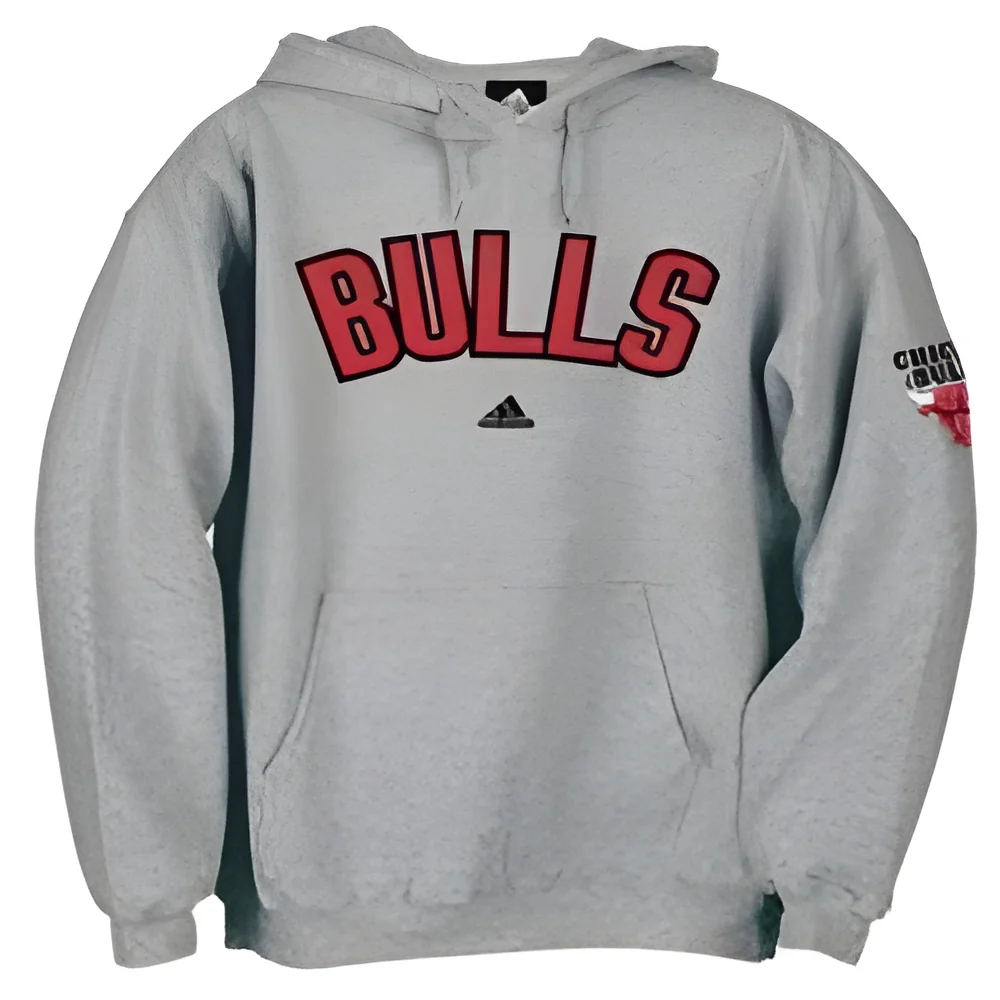
1. Apparel Industry: Widely used in the production of jackets, sweatshirts, and loungewear, these fabrics provide both comfort and style.
2. Home Textiles: Ideal for blankets, throws, and cushions, offering a cozy feel for residential and commercial settings.
3. Sportswear: The moisture-wicking capabilities of some blends make them suitable for activewear, allowing for comfort during physical exertion.
4. Upholstery: Durable and aesthetically pleasing, these fabrics are used for furniture coverings and decorative items.
5. Promotional Products: Brushed blended fabrics are often utilized in promotional clothing and accessories due to their appealing texture and printability.
6. Automotive Textiles: Used in car interiors, such fabrics provide comfort and durability against wear.
7. Medical Textiles: Some variants are used in medical applications for their soft touch and ease of cleaning.
Product Variants and Subcategories
Brushed blended fabrics come in various forms, catering to different needs and applications.
Cotton-Polyester Blend
This variant combines the natural softness of cotton with the durability of polyester. It is commonly used in casual wear and home textiles, providing comfort and ease of care.
Microfiber Blend
Microfiber blends offer an ultra-soft feel, making them ideal for high-end upholstery and bedding. They are also lightweight and easy to maintain.
Stretchable Blends
These fabrics include spandex or elastane in the blend, providing stretch and flexibility. They are often used in activewear and fitted garments.
Fleece Blends
Fleece versions of brushed blended fabrics are thicker and provide excellent warmth, making them popular for outerwear and winter clothing.
Benefits and Advantages
Brushed blended fabrics offer numerous advantages that benefit both manufacturers and consumers.
1. Enhanced Comfort: The soft texture of brushed fabrics ensures comfort for wearers, which is essential in apparel and home textiles.
2. Versatile Applications: Their adaptability allows for use in various industries, from fashion to automotive.
3. Durability: The blend of fibers contributes to a longer lifespan, making them a cost-effective choice.
4. Easy Care: Many brushed blended fabrics are machine washable and maintain their appearance after multiple washes.
5. Aesthetic Appeal: The plush surface and ability to hold vibrant colors make these fabrics visually appealing for a wide range of products.
6. Functional Performance: Options with moisture-wicking and stretch properties enhance usability, particularly in sportswear and active applications.
Buying Guide for B2B Buyers
When sourcing brushed blended fabrics, it is crucial to consider several factors to ensure quality and suitability for your needs.
1. Quality Assessment: Look for fabrics that meet specific performance criteria, such as softness, durability, and care instructions. Request samples to evaluate texture and quality.
2. Supplier Verification: Vet suppliers by checking their reputation, certifications, and customer reviews. Establishing a relationship with reliable manufacturers is essential.
3. Pricing and MOQ: Understand the cost structure and minimum order quantities. This information can help in budgeting and inventory management.
4. Delivery and Lead Times: Confirm logistics details, including shipping times and delivery options. Timely supply is critical for production schedules.
5. Compliance Requirements: Be aware of any regulatory standards applicable to the fabrics you intend to use. Ensure that your suppliers can provide necessary certifications.
Compliance and Certifications
Brushed blended fabrics are subject to various compliance and certification standards that ensure safety and quality across industries.
ISO 9001 is a quality management standard that emphasizes consistent quality in manufacturing processes. Suppliers of brushed blended fabrics often adhere to this standard to guarantee product reliability.
CE certification is vital for products sold in European markets, ensuring they meet safety and environmental protection requirements. This certification can be a determining factor for buyers looking to enter international markets.
Safety and testing requirements are also crucial. Fabrics must undergo testing for harmful substances and performance characteristics to ensure they are safe for end-users.
Regional compliance considerations may vary, so it is essential to understand the specific regulations that apply in different markets, particularly when exporting fabrics.
Why Source Brushed Blended Fabrics from Pepagora?
Pepagora provides a trusted platform for sourcing brushed blended fabrics, offering several key advantages to B2B buyers.
Verified Supplier Network: Pepagora's rigorous supplier verification process ensures that buyers have access to reliable manufacturers. This reduces risks associated with sourcing unfamiliar suppliers.
Streamlined RFQ Process: The platform simplifies the request for quotation process, allowing buyers to easily compare prices and specifications from multiple suppliers. This efficiency saves time and enhances decision-making.
Trade Assurance and Support: Buyers benefit from trade assurance policies that protect their investments. Pepagora offers support throughout the sourcing process, ensuring a smooth transaction experience.
Regional Coverage: With a strong presence in India, the GCC region, and Southeast Asia, Pepagora connects buyers with suppliers across these markets, facilitating access to a wide range of brushed blended fabrics. This broad geographic reach helps businesses find the right products to meet their specific needs.

Frequently Asked Questions
What are Brushed Blended Fabrics?
Brushed Blended Fabrics are textiles that combine different fibers, typically synthetic and natural materials, and undergo a brushing process to create a soft, fuzzy surface. This enhances their texture and warmth, making them suitable for various applications such as clothing, upholstery, and home textiles.
What are the different types of Brushed Blended Fabrics?
There are several types of Brushed Blended Fabrics, including cotton-polyester blends, wool-acrylic blends, and rayon-spandex blends. Each type offers distinct characteristics, such as durability, stretch, and breathability, catering to different needs in the fashion and textile industries.
How do I choose the right Brushed Blended Fabrics?
Choosing the right Brushed Blended Fabrics depends on the intended use, desired texture, and specific performance requirements. Consider factors such as fabric weight, blend composition, and care instructions to ensure the selected fabric meets your project needs.
What are the standard specifications for Brushed Blended Fabrics?
Standard specifications for Brushed Blended Fabrics typically include fiber content, weight (measured in GSM), width, and colorfastness. Additionally, factors like pilling resistance and shrinkage rates are important to ensure quality and durability in the final product.
What is the price range for Brushed Blended Fabrics?
The price range for Brushed Blended Fabrics can vary significantly based on factors such as the type of fibers used, fabric weight, and supplier. Generally, prices can range from INR 150 to INR 500 per meter, depending on the quality and customization options.
What quality standards apply to Brushed Blended Fabrics?
Quality standards for Brushed Blended Fabrics may include adherence to certifications like ISO and Oeko-Tex, which ensure safety and environmental compliance. Additionally, aspects like tensile strength, colorfastness, and pilling resistance are critical to maintaining quality.
Where can I find Brushed Blended Fabrics suppliers in India?
You can find Brushed Blended Fabrics suppliers in India through online B2B marketplaces like Pepagora.com, trade shows, and textile exhibitions. Additionally, industry directories and local fabric markets can provide valuable leads on reputable manufacturers.
Can Brushed Blended Fabrics be customized?
Yes, Brushed Blended Fabrics can be customized in terms of color, pattern, and blend composition to meet specific customer requirements. Many manufacturers offer customization options to cater to the unique needs of their clients.
What is the typical minimum order quantity for Brushed Blended Fabrics?
The typical minimum order quantity (MOQ) for Brushed Blended Fabrics can vary by supplier but generally ranges from 50 to 500 meters. It's advisable to check with specific suppliers for their MOQ policies, especially for custom orders.
What is the typical lead time for Brushed Blended Fabrics?
The typical lead time for Brushed Blended Fabrics can range from 2 to 6 weeks, depending on factors like order size, customization, and supplier capabilities. It's recommended to confirm lead times with suppliers to ensure timely delivery for your projects.
Why Businesses Trust Pepagora
Thousands of companies trust Pepagora to source smarter and sell faster
Expand Your Sales Globally

Source Smarter,Grow Faster
